Officer Embraces New Mission in Rear After Combat Injury
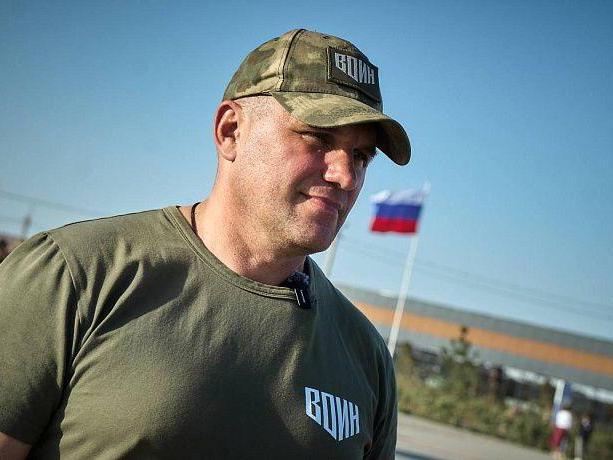

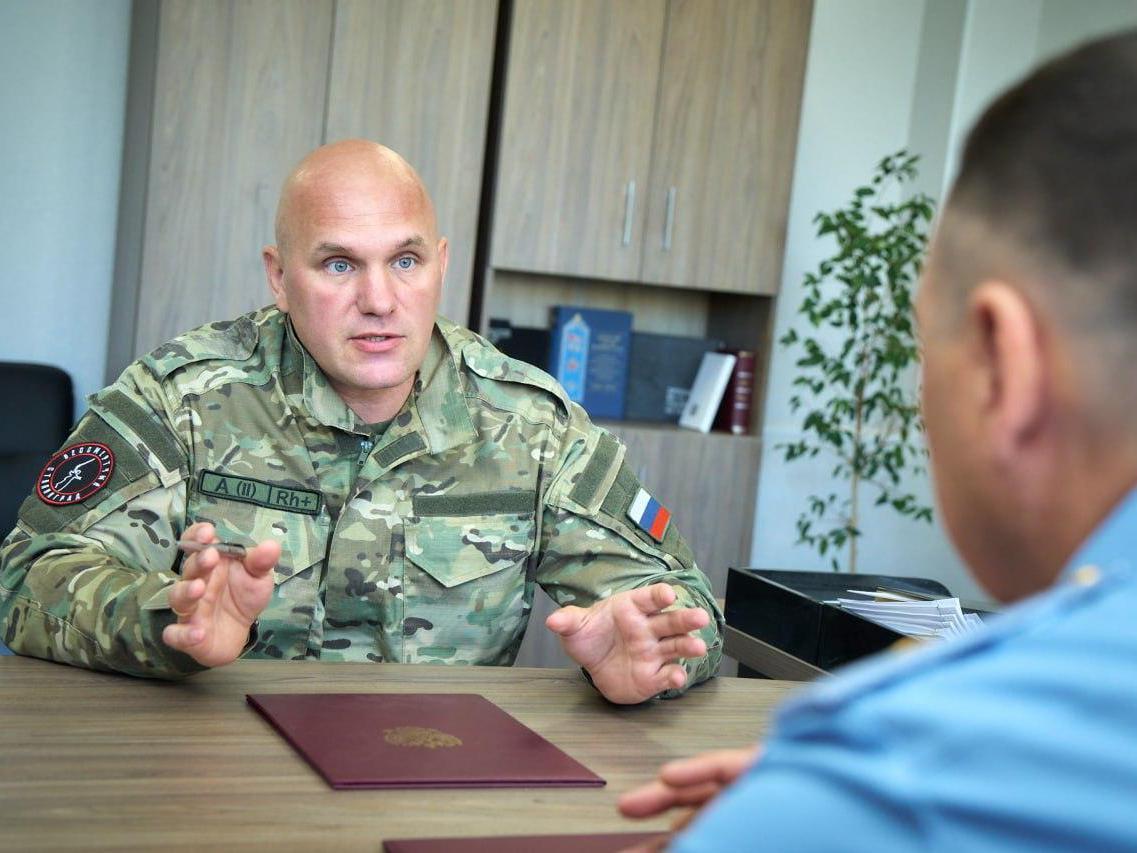
Twenty years of service in a special unit, combat experience, the rank of lieutenant colonel. It might seem that after a severe injury and disability, one could stop. But Igor Vorobyev chose a different path: he became the director of a military-sports center, a deputy, and continues to serve—only now in the rear. In his interview, the reserve officer explained why he volunteered for the special military operation, how his rehabilitation went after stepping on a mine, and about his new mission in civilian life.
— Igor, tell us how your life was before the special operation?
— Everything was good. Life was stable and prosperous. After conscript service in the border troops, in spring 2004 I entered service in the special purpose department of the Federal Penitentiary Service (FSIN) for the Volgograd region. I served there for 20 years, rose to the position of deputy head of the department, received the rank of lieutenant colonel. During that time, I graduated from university with a degree in law, got married, and we had three children. Everything went smoothly.
— Why did you decide to leave?
— When mobilization was underway, they were taking drivers, welders, teachers—people without combat experience. And me? Special forces, experience in real operations. I came to the military enlistment office and said: «I»m ready to serve where needed.« That»s how I ended up in the assault detachment «Immortal Stalingrad.»
— How did the service go?
— We spent almost a month at the training ground—living there, training from morning till night. A lot of attention was paid to tactical medicine, firearms training, and tactics. Even then, drones started appearing en masse, and we were taught to work with them. Then we were transferred to Luhansk—there, intensive training continued, although we had already begun performing combat tasks.
— Were there trainings even on the front line?
— Of course. When there is free time, at specially equipped training grounds, shooting ranges, and tactical towns, we constantly practiced new schemes. A good soldier always trains.
— In what position did you serve?
— I was the commander of an assault squad—with 13 people under my command. We went on reconnaissance missions, participated in assaults.
— At what point could you no longer continue serving?
— During one of the assaults, our BMP-3 ran over an anti-tank mine. We completed the task, but I received a severe injury. I recovered for almost a year and a half. In the end, I was given a second disability group and deemed unfit for further service.
— What happened to you?
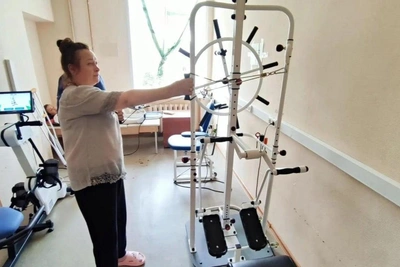
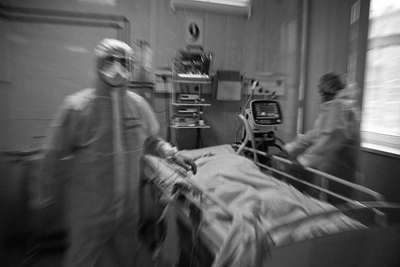
— My foot was injured. Instead of bones, they put in metal implants. I went through five hospitals—in Rostov, Donetsk, two hospitals in St. Petersburg, in Chita, and finished rehabilitation in Volgograd. I want to say a huge thank you to all the medics—they work selflessly, true heroes. There were also consequences from the concussion—my hearing deteriorated.
— But you found a new «front» of work for yourself?
— I started active public work. I speak at forums, class hours, participate in federal patriotic projects. I am the director of the Volgograd branch of the «Warrior» Center for Military-Sports Training of Youth. With the kids, we conduct lessons in courage, teach them tactical medicine, firearms training, work with UAVs, radio communications, and engineering-sapper work. Essentially, we are reviving what was in the Soviet Union—DOSAAF (the Voluntary Society for Assistance to the Army, Aviation, and Navy), lessons in initial military training.
— You also became a deputy of the Volgograd Regional Duma. How did that happen?
— Legislative power gives the opportunity to really influence processes and make decisions. One of the most important directions of my work is helping participants of the special military operation and their families. It can be anything: problems with utilities, document processing, receiving benefits. This is a huge layer of work.
— You actively cooperate with the «Defenders of the Fatherland» fund. Tell us more about this.
— I also head the Association of Special Military Operation Veterans of the Volgograd Region, and we with the fund have the same wards, common tasks. When we combine resources—the result is excellent. We go shoulder to shoulder.
— Give an example of joint projects.
— One of the recent ones—summing up the results for the year. We invited activists who work both in the fund and in the Association. We held a concert, recalled the brightest moments and achievements. The main message of the event: together we are a force not only on the front, but also in the rear.
— And how did the fund help you personally?
— They installed a new kitchen with a full set of «smart» appliances for me completely free of charge, to make daily life easier. Also, the fund helped get a hearing aid—invited for an examination, selected, issued—all also absolutely free.
— What are your plans for the coming years?
— There is one plan—to be as useful as possible. To the region, the people, the country—on that «front» sector that I now occupy. I don«t need anything more.