Four more graves of Soviet heroes in Orenburg Region gain cultural heritage status
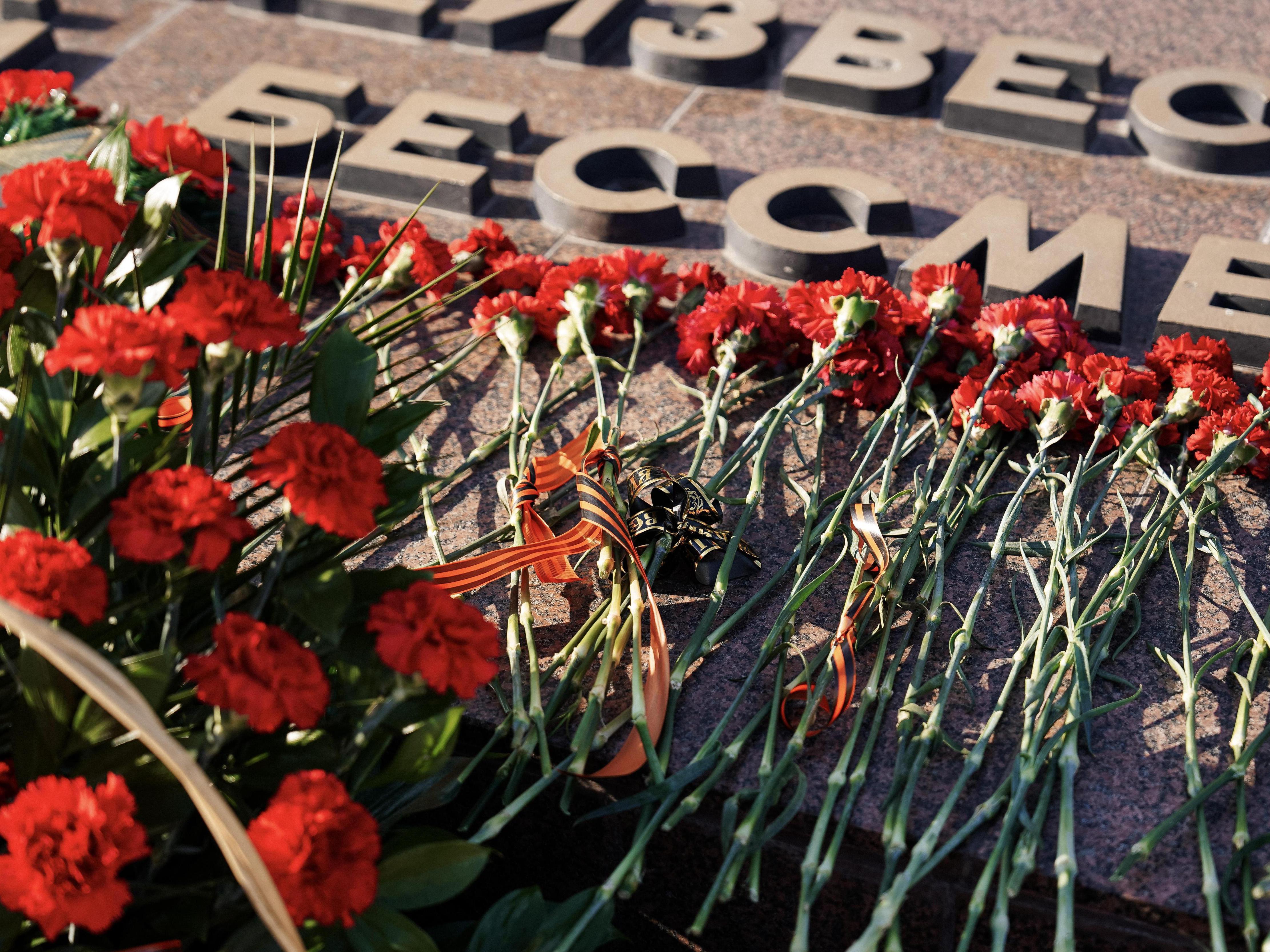

Four more graves located in Orenburg Region have become cultural heritage sites of regional significance. For each of them (as well as for the eight that 56.RU has already written about) there is a separate order published on the legal information website of the government. The burials are in Mednogorsk, Orenburgsky, and Oktyabrsky districts. We tell in more detail whose graves these are and what feats these steel-willed people performed.
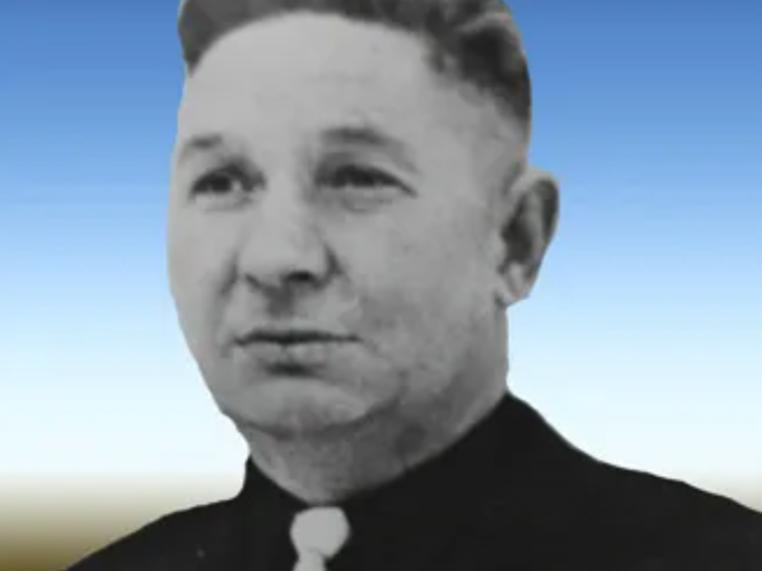
Ivan Mamychkin
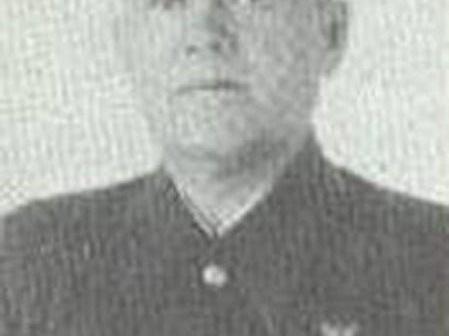
The first grave is that of full recipient of the Order of Glory, Senior Sergeant Ivan Gavrilovich Mamychkin (1922–1992), located at the old city cemetery in Mednogorsk.
Ivan Mamychkin was born in the settlement of Berkut (now part of Kuvandyk Municipal District). After finishing seven grades, he worked as an assistant machinist at the copper-sulfur plant in Mednogorsk. In June 1941, he was drafted into the Red Army and served at the front from that time.
On 24 December 1943, in battles near the village of Zhirnoseki, Sergeant Mamychkin and his crew repelled three enemy counterattacks, destroying 6 machine guns, 2 mortars, 6 bunkers, and more than a squad of enemy infantry.
On 30 June and 5 July 1944, during fighting near the town of Teterin and the village of Rotkovshchina, Mamychkin«s crew fired directly at the enemy, eliminating more than a platoon of manpower, a gun, and a mortar battery, and in hand-to-hand combat—several enemy soldiers.
On 9 August 1944, in battle near the village of Antupe, Senior Sergeant Mamychkin and his soldiers, while repelling an enemy attack with direct fire, knocked out 2 tanks, a self-propelled gun, and an armored personnel carrier with infantry, and killed several enemy soldiers with personal weapons.
By decree of the Presidium of the Supreme Soviet of the USSR on 24 March 1945, for exemplary performance of command assignments in battles with German-fascist invaders, Senior Sergeant Mamychkin was awarded the Order of Glory 1st Class (No. 890).
Ivan Gavrilovich, having become a full recipient of the Order of Glory, met Victory Day in the Magdeburg area on the Elbe. After demobilization, he returned to Mednogorsk and served for many years in the city fire department. He died on 27 May 1992.
Ivan Ustinov
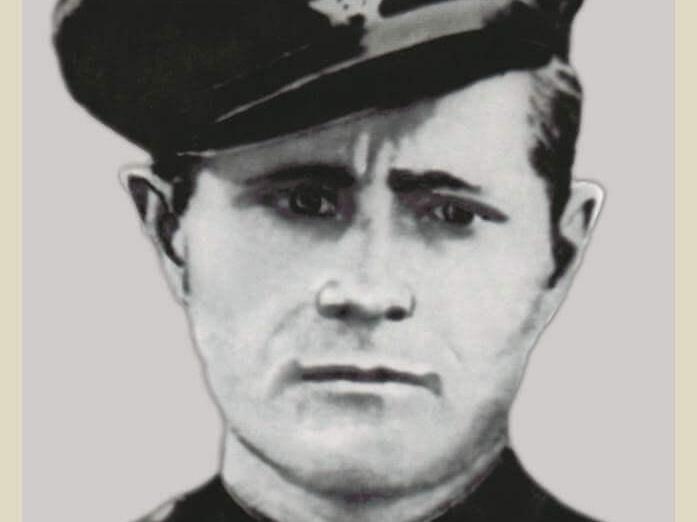
The second grave is that of Hero of the Soviet Union, Captain Ivan Timofeevich Ustinov (1922–1952), located at the same old city cemetery in Mednogorsk.
Ivan Ustinov was born on 28 September 1922 in the village of Isheevo, Urzhumsky District, now in Kirov Region. In 1940, he completed 9 grades of secondary school and then worked at a logging rafting site.
In 1941, he was drafted into the Red Army and sent to the Smolensk Artillery School. From 1942, he fought on the Voronezh and 1st Ukrainian Fronts, participating in the Battle of Kursk and the liberation of Ukraine.
The feat for which Ivan Timofeevich received the title Hero of the Soviet Union occurred on 3 October 1943, when the enemy, after an hour-long artillery and mortar preparation, launched an attack with up to two battalions, attempting to outflank from the right, fully capture Grigoryevka, and cut off our troops on a narrow section of the right bank of the Dnieper River.
From Ivan Ustinov«s award citation:
«…The main blow of the enemy counterattack was taken by the commander of the 2nd Battery, Ustinov. When the enemy approached the battery, he fearlessly prepared to repel the counterattack of German infantry. Letting the German infantrymen come within about 400 meters, Ustinov opened devastating artillery fire with direct aim and continued until his gun was disabled. But he did not panic and commanded: »Open fire with personal weapons!« and with a cry of »Hurrah!« rushed into the attack. His battery comrades rose after the commander. They closed in, and a hand-to-hand battle ensued, supported by machine gun fire. As a result, the counterattack was successfully repelled, destroying in battle 5 machine guns, about 60 enemy soldiers and officers, which allowed our units to advance…»
With his regiment, Ustinov fought until the end of the war. In one battle, he was severely wounded. In May 1946, Ivan Timofeevich, with the rank of captain, was demobilized due to health reasons.
He returned to his homeland, worked as a foreman at the logging rafting site, and from 1950 lived in Mednogorsk, working at the copper-sulfur plant. He tragically died at work on 18 April 1952. Many townspeople learned that a Hero of the Soviet Union lived among them only at his funeral—he was very modest.
Alexei Sidelnikov
The third grave is that of full recipient of the Order of Glory, Junior Lieutenant Alexei Panteleevich Sidelnikov (1921–1992), located at the Christian cemetery in the settlement of Zauralny, Orenburgsky District.
Alexei Sidelnikov was born on 1 March 1921 in the khutor of Dachny, Perevolotsky District. After finishing 5 grades, he worked as a tractor driver at a machine-tractor station in a collective farm. In 1940, he was drafted into the Red Army. At the front—from May 1943. He fought as an aerial gunner on an Il-2 aircraft in the 136th Guards Assault Aviation Regiment on the Southern, 4th Ukrainian, and 3rd Belorussian Fronts.
By the end of the war, Alexei Panteleevich had 140 combat sorties, for which he was repeatedly noted. From Sidelnikov«s award citation:
«…In late 1944–early 1945, during the liquidation of the encircled grouping in East Prussia, he flew 29 times with the group leader to assault the enemy, repelled 6 attacks by enemy fighters, with machine gun fire set fire to 4 vehicles, a railway tanker, suppressed 8 anti-aircraft guns, and destroyed a large number of enemies. Three times, as part of the crew, he supported infantry advances in the area of the city of Lazdenen and suppressed 2 small-caliber anti-aircraft guns and a ground firing point. In the area of the settlement of Hermsdorf, in an air battle, he repelled several attacks by enemy fighters…»
After the war, Alexei Sidelnikov returned to his homeland. From 1953—a member of the CPSU. He worked in the management of «Orenburgzavodstroi,» and died in 1992.
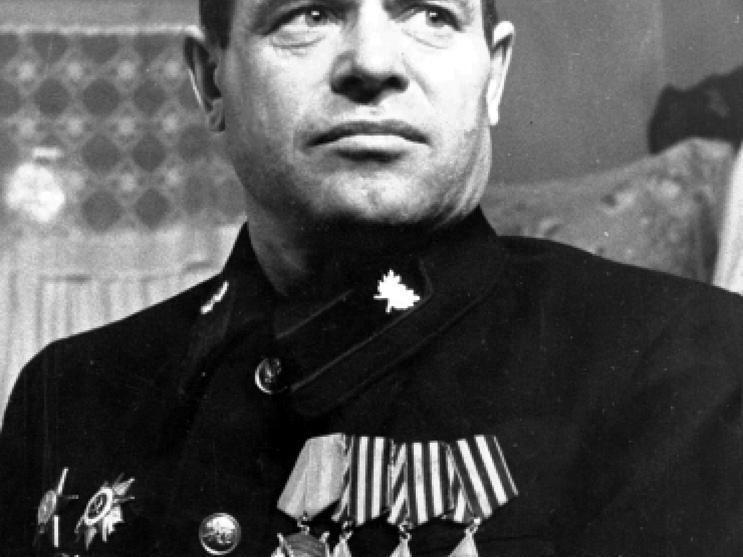
Konstantin Bogomolov
The fourth grave is that of Hero of the Soviet Union, Senior Sergeant Konstantin Ivanovich Bogomolov (1897–1969), located at the rural cemetery in the settlement of Rossiysky, Oktyabrsky District.
Konstantin Bogomolov was born on 5 March 1897 in the village of Kamanka, Oktyabrsky District, into a peasant family. He received primary education, and before being called up for military service, he worked as a manager at the «Rossiya» state farm in his native district.
At the front—from April 1942. He participated in battles on the Voronezh and 1st Ukrainian Fronts. Took part in the Battle of Kursk and the liberation of Ukraine. He was wounded six times. By September 1943, Sergeant Bogomolov commanded a machine gun squad of a motorized rifle battalion. He distinguished himself during the Battle of the Dnieper.
On 22 September 1943, Konstantin Bogomolov was the first in his battalion to cross the Dnieper and with machine gun fire ensured its successful crossing. During battles to expand the captured bridgehead and liberate the village of Lukovitsa, Kanevsky District, Cherkasy Region, Ukrainian SSR, he personally destroyed several enemy soldiers and officers. During the battle for the village of Grigorovka, Bogomolov«s squad destroyed several dozen enemy soldiers and officers and suppressed three enemy firing points. In this battle, Konstantin Ivanovich was severely wounded but did not leave the battlefield and continued to perform his task.
Konstantin Bogomolov was awarded the title «Hero of the Soviet Union» on 17 November 1943. After recovering from his wound, he served in a reserve regiment due to health. In 1945, he joined the All-Union Communist Party (Bolsheviks), and after the war, he returned to his small homeland and worked at the same «Rossiya» state farm. He died on 22 June 1969. His bust is installed on the «Alley of Glory» in the village of Oktyabrskoye, and he is also depicted on the stele at the entrance to the settlement of Rossiysky.
Also, by orders of the head of the state heritage inspection of Orenburg Region, Kristina Letyago, the list of cultural heritage sites has been supplemented with «Mass grave of those who fell for Soviet power» (1919, the tract of Sarbay in Nadezhdinsky Rural Council, Saraktashsky District) and «Mass grave of soldiers of the third Soviet Buzuluk Workers» Regiment« (1918, Buzuluk, Zarechnaya Street, 12).
56.RU has already told about eight more Heroes of the Soviet Union and recipients of the Order of Glory whose graves also became cultural heritage sites. You can read about the feats of these people in this material.