Russian sturgeon fishing may resume in Sea of Azov soon
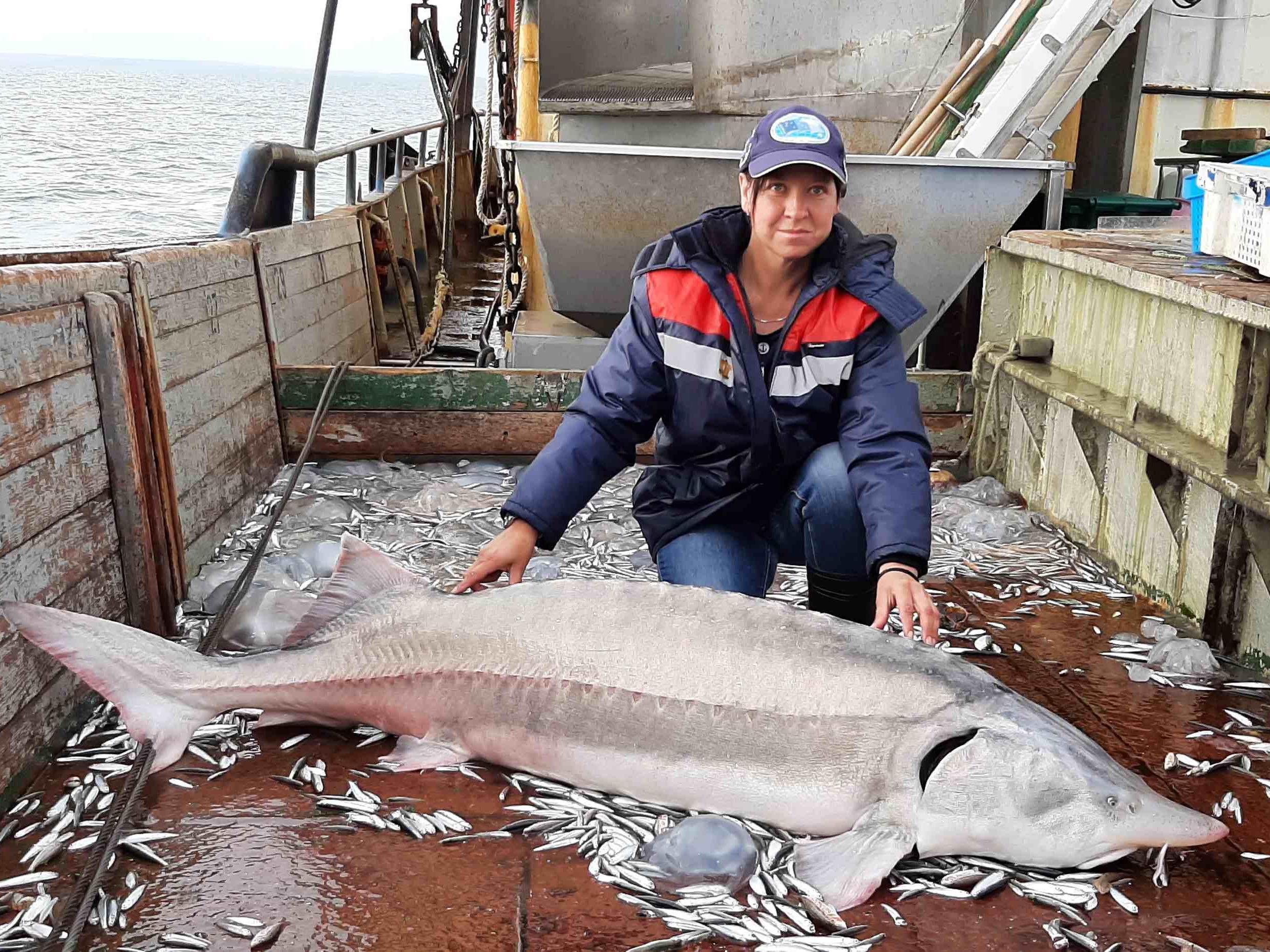

In the Sea of Azov, fishing for Russian sturgeon may be allowed in the coming years. This is stated by scientists from the Azov Research Institute of Fisheries (AzNIIRKH). According to their estimates, stocks of this valuable species are recovering.
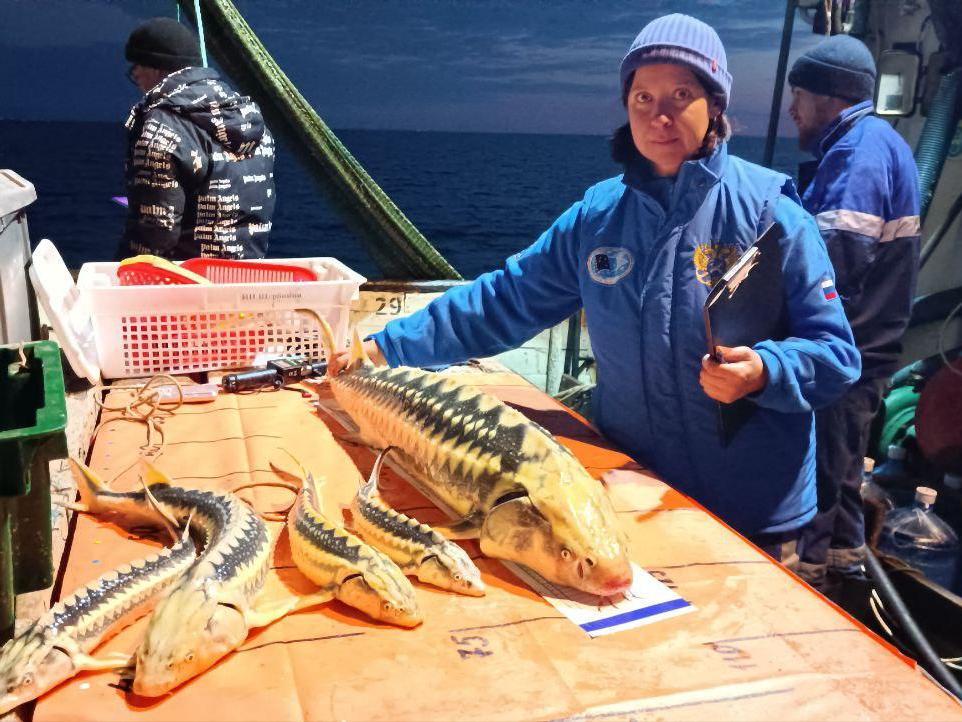
It is noted that currently in the Sea of Azov, Russian sturgeon of all ages are found, including individuals over 105 centimeters (41 inches) in length and weighing 15–20 kilograms (33–44 pounds). This corresponds to an age of 15–16 years.
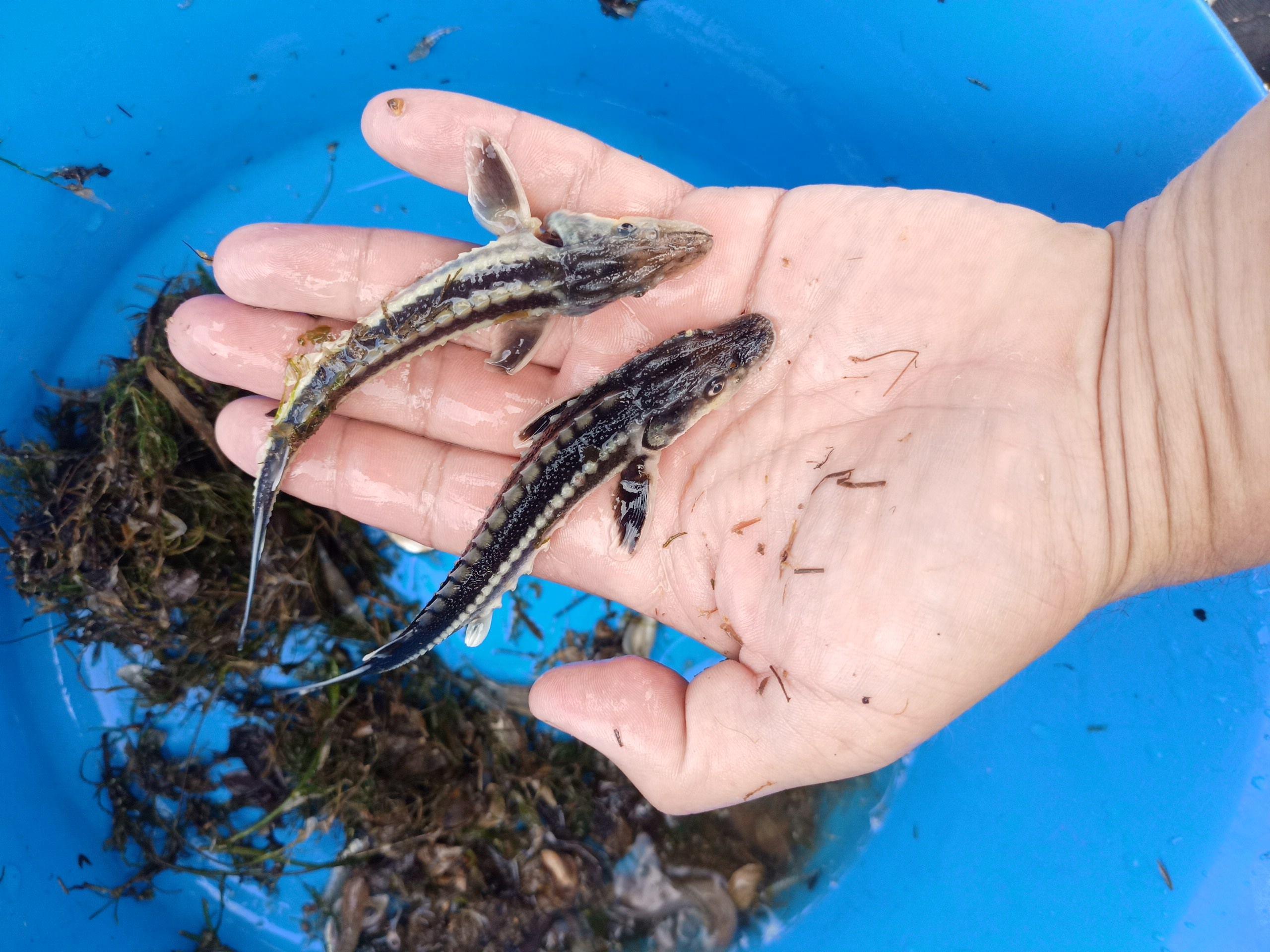
«The assessments carried out by scientists provide grounds for beginning discussions on the resumption of commercial exploitation in the coming years, currently only regarding Russian sturgeon,» say at AzNIIRKH.
Currently, scientists are studying possible conditions for resuming the fishery and developing the necessary measures for this.
AzNIIRKH reminded that before 1991, more than 5% of the world«s sturgeon catch came from the Sea of Azov. Everything changed after the collapse of the Soviet Union. The system for protecting and reproducing valuable fish species was destroyed, and by 2000, sturgeon fishing was banned.
«The change in the legal status of the Sea of Azov and the strengthening of control by Russian fisheries protection structures have significantly reduced the scale of illegal fishing,» say at AzNIIRKH.
Thus, from 2021 to 2025, the release of juvenile sturgeon into the Sea of Azov was 7.2–7.8 million individuals per year.
As reported by 161.RU, AzNIIRKH believes that trawl fishing harms the recovery of sturgeon numbers in the Sea of Azov. Until 2013, it was banned for a long time, but was then reinstated at Ukraine«s insistence. Now the Sea of Azov has become internal for Russia, and scientists believe that trawl fishing needs to be banned »immediately.«