Psychologist Explains Fairytale Therapy and Its Benefits
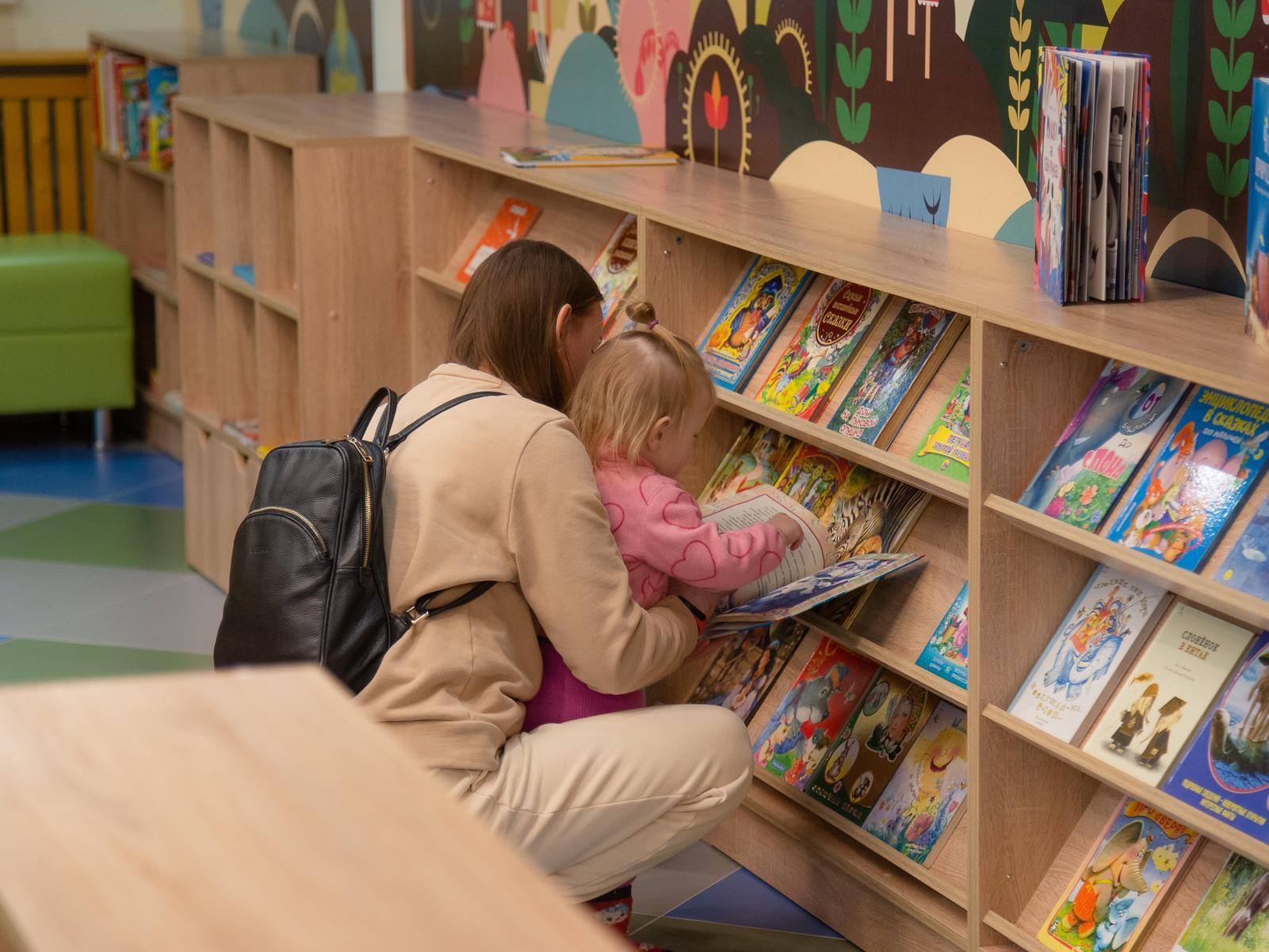

The psychologist encourages parents to create their own therapeutic stories to help children with specific issues.
Have you ever read a bedtime story to your child and noticed how they quiet down, listen to every word, and then sleep more soundly? What if such a bedtime story could help cope with fears, teach how to make friends, or stop nail-biting? This is not magic, but a modern psychological method — fairytale therapy.
What is fairytale therapy
Fairytale therapy is a gentle and engaging way to solve psychological problems through the world of metaphors and images. It suits both children and adults, helping to talk about complex things in simple language. The stories we tell or create become a mirror of our experiences and, importantly, offer ways out of difficult situations.
Why does it work? Fairytales are the oldest way of passing on experience. They contain folk wisdom, models of behavior, and conflict resolution. Modern psychology has simply adopted this tool, making it targeted.
To understand how this method is applied in practice, we spoke with Voronezh psychologist Artem Sazykin, who has been using fairytale therapy in his work for many years.
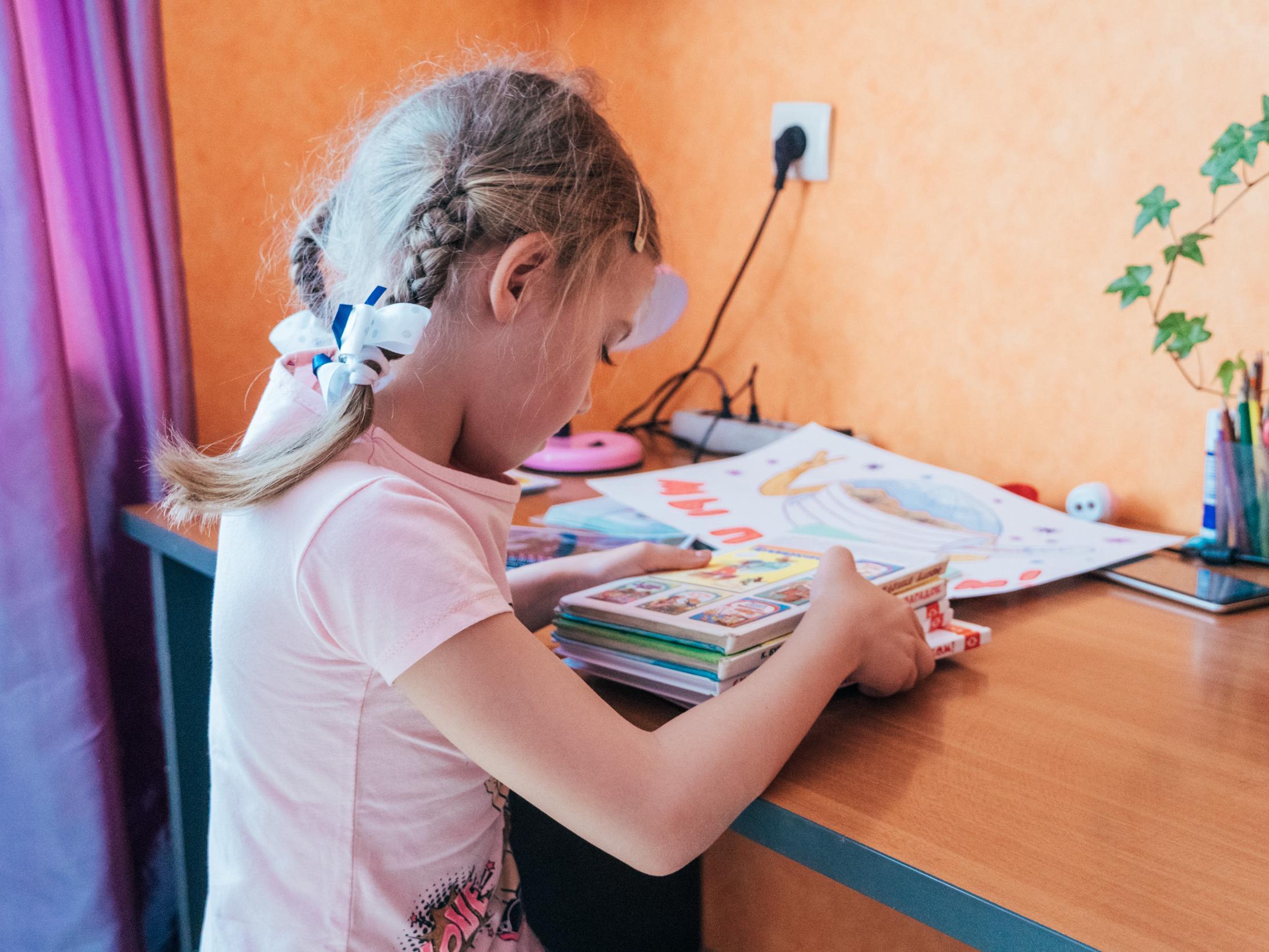
Fairytale therapy sessions can be conducted by professionals in settings like schools or psychological centers.
“The method is completely harmless”
Artem Sazykin confirms that fairytale therapy has deep roots in human history and is widely used in psychology.
“I have used this method myself repeatedly and continue to use it both in work with children and with adults. This method is quite old. Actually, fairytales have always existed, and through them, people have always received certain behavioral experience in various situations from previous generations,” says the psychologist.
The specialist explains the essence of the approach: the psychologist takes a person«s real problem and wraps it in a metaphorical story. In the process of narration, the hero of this story finds a solution to their problem, thereby hinting to the child a way out of their situation.
A recipe for a fairytale: any parent can create one
It turns out that a therapeutic fairytale can be created at home. To compose one, you don«t have to be a psychologist. Artem Sazykin shares a simple recipe that is accessible to parents.
“The most important thing is that parents know the essence that should be embedded in the story. The fairytale must have some problem. There must, of course, be a climax, development of events, as a result of which the problem is resolved; the hero must definitely find a way to get out of the difficult situation,” explains the expert.
The hero of the story, despite difficulties, must overcome the obstacle. Any theme can be embedded in such a fairytale: from fighting a bad habit to difficulties in communicating with peers.
“A child, for example, bites their nails. And in the story — a bear who bit his claws and then overcame this habit. Or, say, a boy who has a problem communicating with people listens to a story about some schoolboy who had similar problems but managed to solve them,” the psychologist gives examples.
Collections of therapeutic fairytales are sold in bookstores. Before reading such fairytales to a child, familiarize yourself with the text on your own to understand whether the story will indeed suggest a way out.
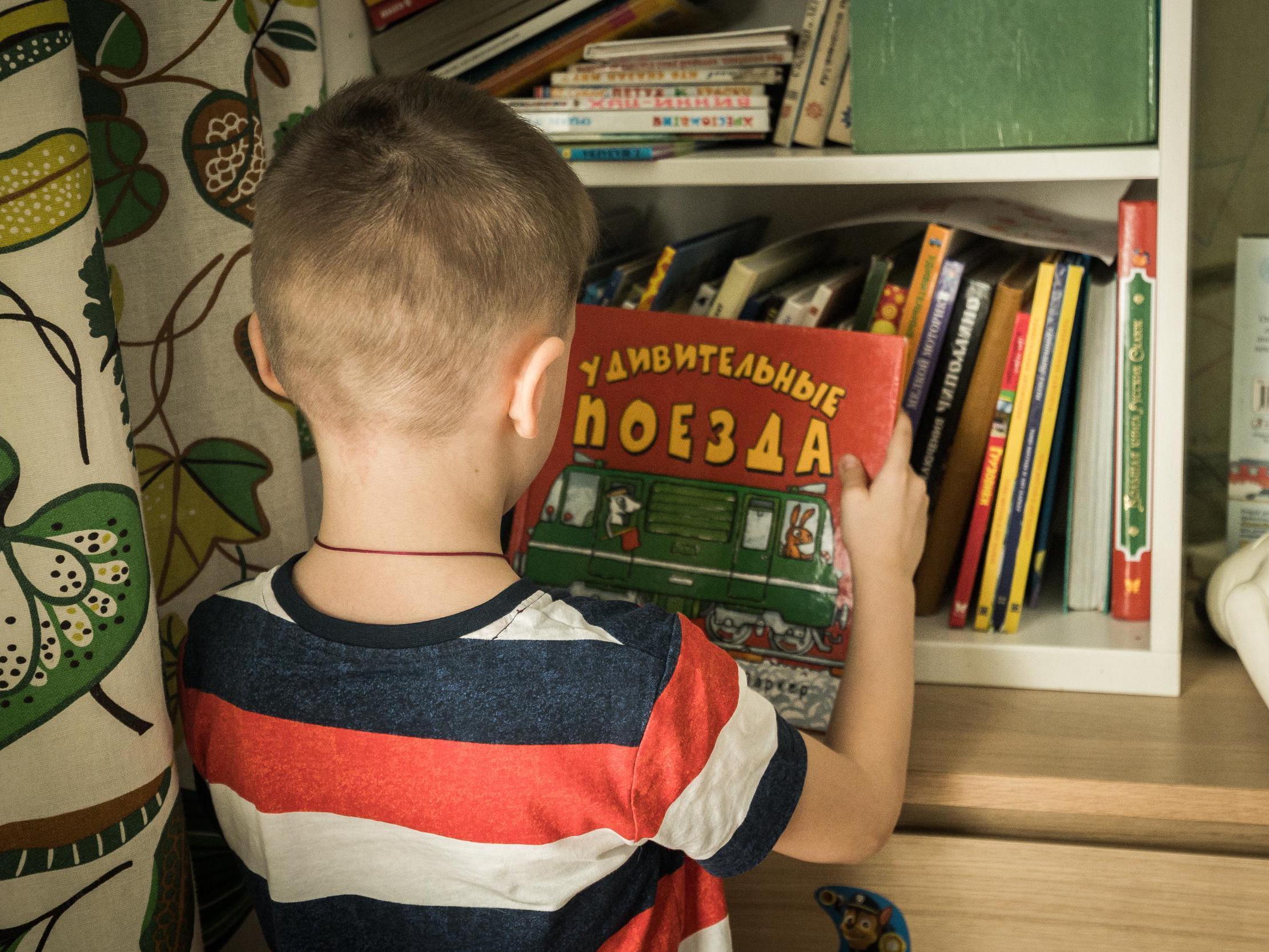
Books of therapeutic fairytales are available for parents to use after reviewing the content.
From darkness under the bed to adult trainings
The effectiveness of the method, according to Artem Sazykin, has been tested by years of practice in a variety of institutions — from schools to psychological help centers.
“This method is very good. It works with both boys and girls, for children of any age. By the way, they are also good to use in fighting fears, if a child is afraid of the dark, monsters under the bed, or being alone,” he notes.
Interestingly, according to the psychologist, fairytale therapy has much in common with all kinds of trainings for adults.
“Adults attend personal growth trainings, like some motivational speeches, famous speakers. Essentially, methods of fairytale therapy are also used there, the same metaphors, stories of someone«s life, someone»s success, overcoming difficulties,” draws a parallel Artem Sazykin.
Fairytale therapy is not just a fashionable trend, but a natural and safe way to support mental well-being. It reminds us that sometimes the best advice is not a direct instruction, but a good story that suggests how to cope with difficulties.