Prokopyevsk engineer photographs Kuzbass hinterland
Mikhail Khramtsov, a former electrician turned photographer, documents the people and streets of his hometown Prokopyevsk, capturing candid moments of children, pensioners, and the homeless with documentary precision.
Apr 28, 2026 0
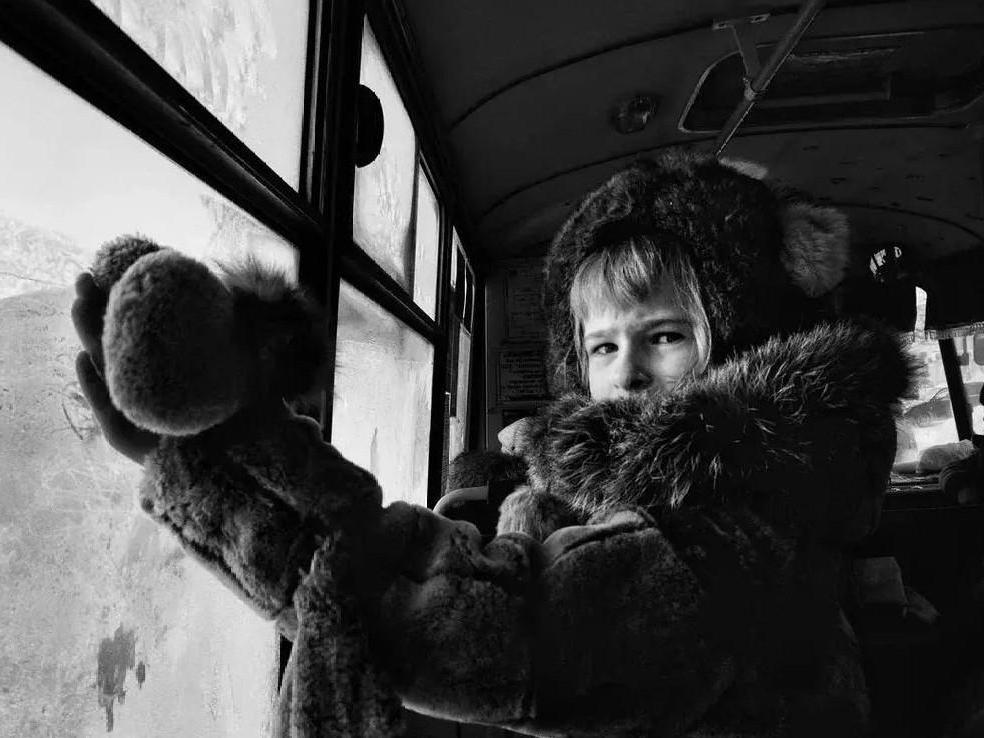

Mikhail Khramtsov became interested in photography about five years ago when he received a film camera.
Source:
Mikhail Khramtsov, or as he introduces himself, simply Mishanya, worked at one of the Kuzbass open-pit mines for more than five years. Even after leaving the position, he continues to call himself an electrician who once picked up a camera. For several years now, he has been working at a research institute in Prokopyevsk (Kemerovo Oblast, Siberia) and «breaking» stones. And in the evening, he goes out onto the streets of his beloved city and photographs passersby.
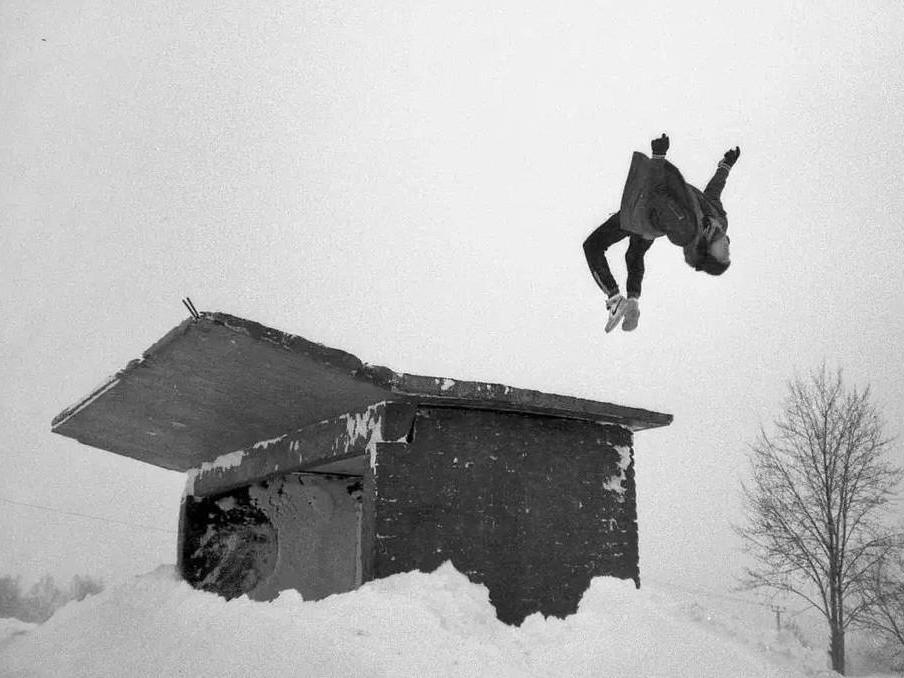
His documentary-style photos capture the daily life of Prokopyevsk«s residents.
Source:
His film photographs capture children, pensioners, and the homeless with almost documentary precision. NGS42.RU correspondent Tatyana Iriskina spoke with the young photographer and learned how he sees his small homeland and why he does not want his «pictures» to go mainstream.
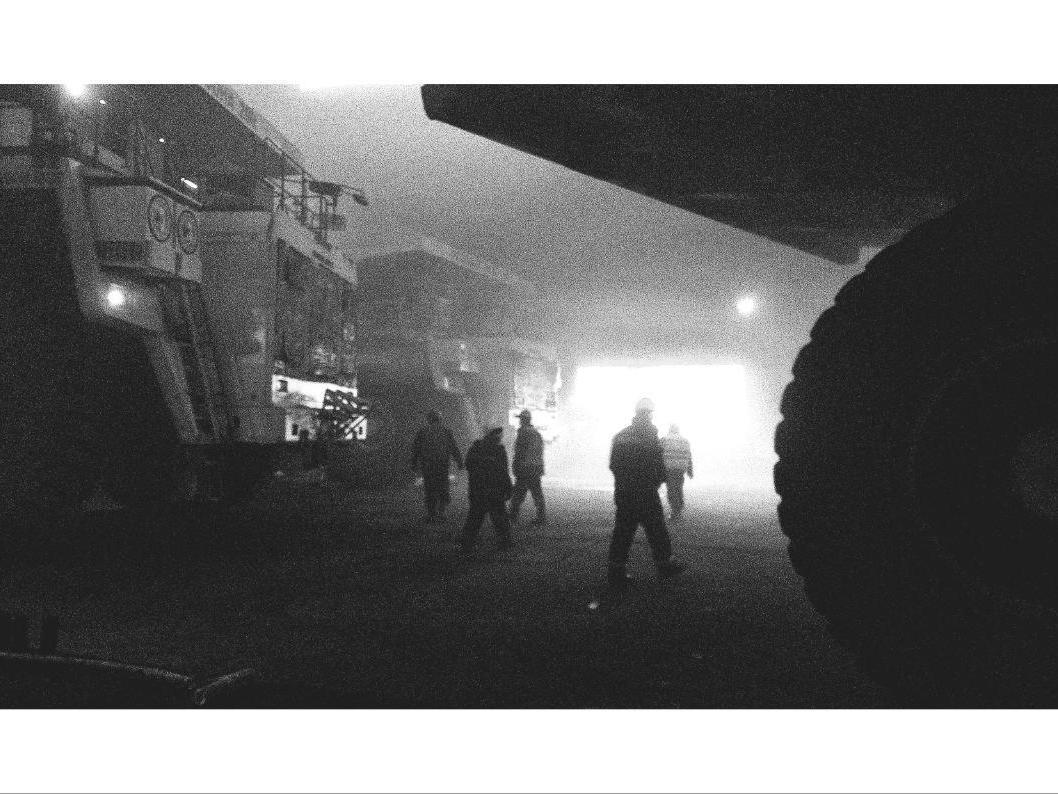
Mikhail rejects the notion that his photographs show gloom, seeing them as truthful.
Source:
Seven-year-old Misha looked out the window at the blizzard that was increasingly blanketing one of the Prokopyevsk courtyards. The snowstorm ruined all his plans, and he couldn«t hang out with the neighbor boys outside. His mother, returning from work, put a sheet of paper and a pen in front of him and announced that it was time to write a letter to Father Frost. The boy had long known what he would ask the wizard for. He carefully wrote on the paper: «I want a camera.» But that year, as in the following ones, the fairy-tale character never brought him the coveted «camera».
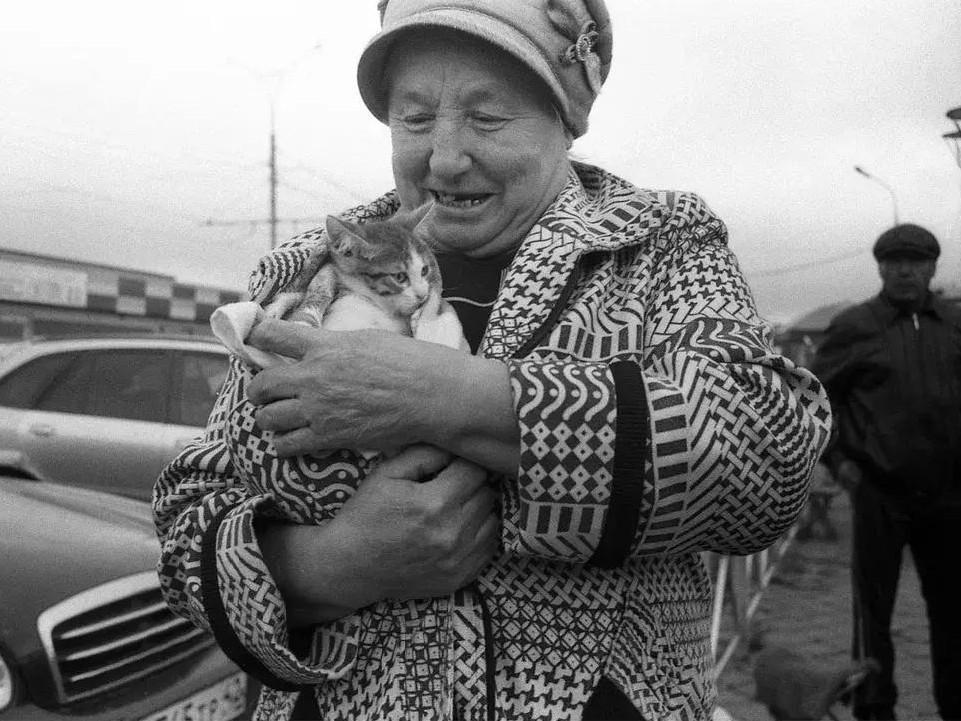
After two years in Novosibirsk, Mikhail returned to his hometown to continue photographing.
Source:
— I studied to be an electrician, but after technical school I got a job at a passport photo studio. They just told me: Misha, you’re a smart guy, you’ll figure it out, here’s a camera and equipment, go photograph people for their passports. I learned it all, but I started shooting for myself much later, — says the guy.
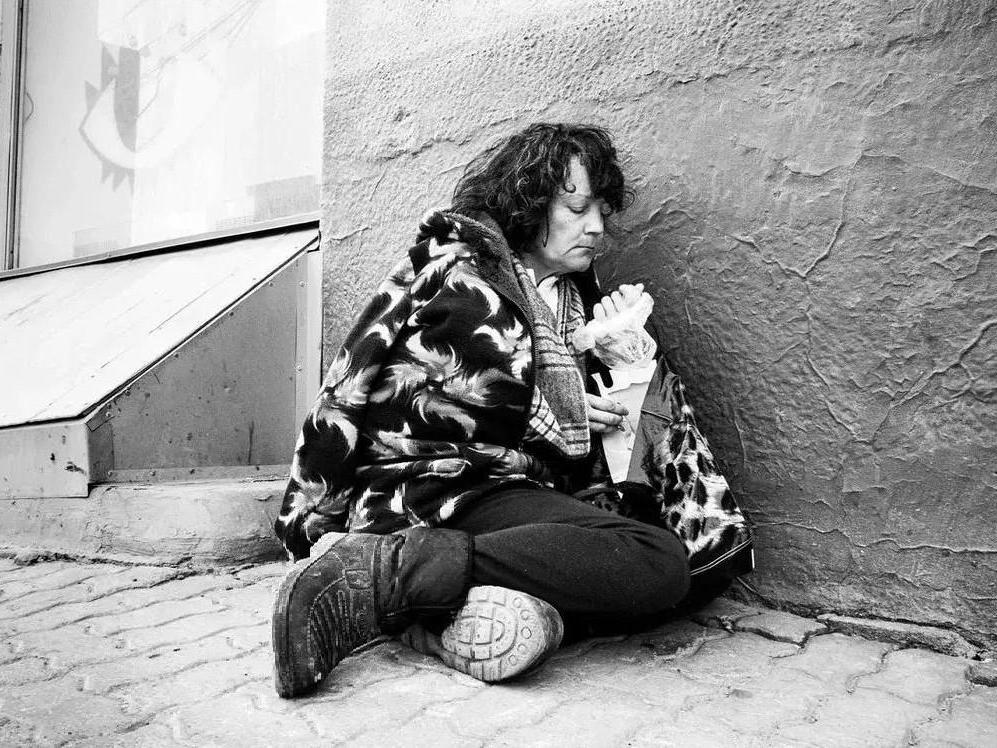
Mikhail never asks permission before photographing strangers, preferring candid moments.
Source:
The passport photo job didn«t work out. His electrician»s qualifications were «burning a hole in his pocket», and he got a job at a coal mine, where he dealt with network malfunctions for five years.
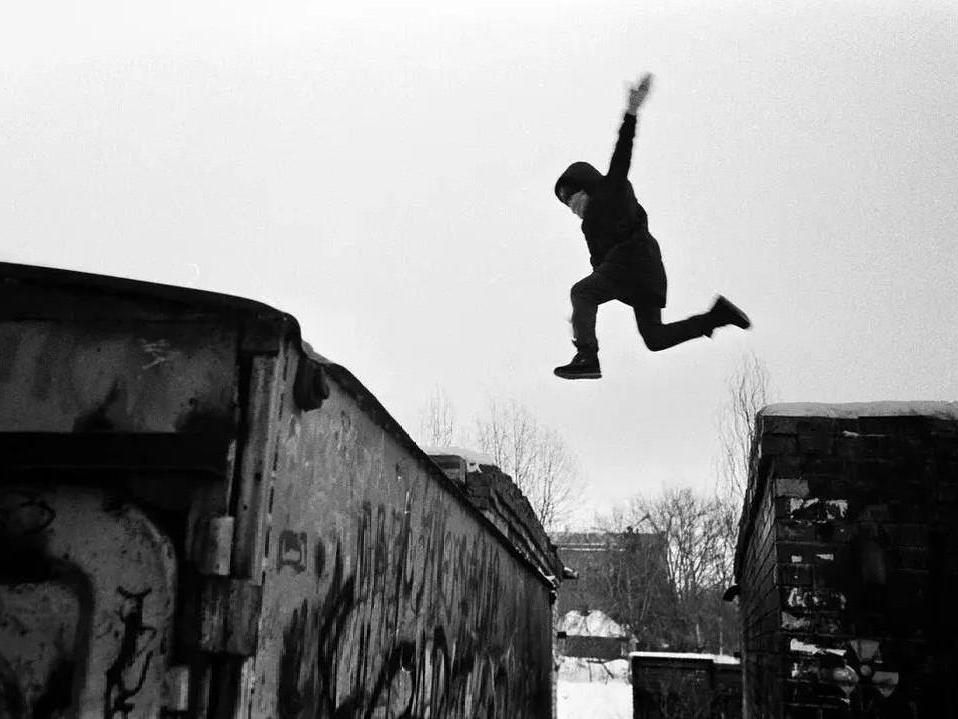
He uses a Zenit film camera, a gift from a friend that sparked his passion.
Source:
At the same time, a close friend gave him an old film camera, a Zenit, and Misha began shooting the world around him out of curiosity. Additionally, meeting another local photographer, Vil Ravilov, also inspired him to take the hobby seriously.
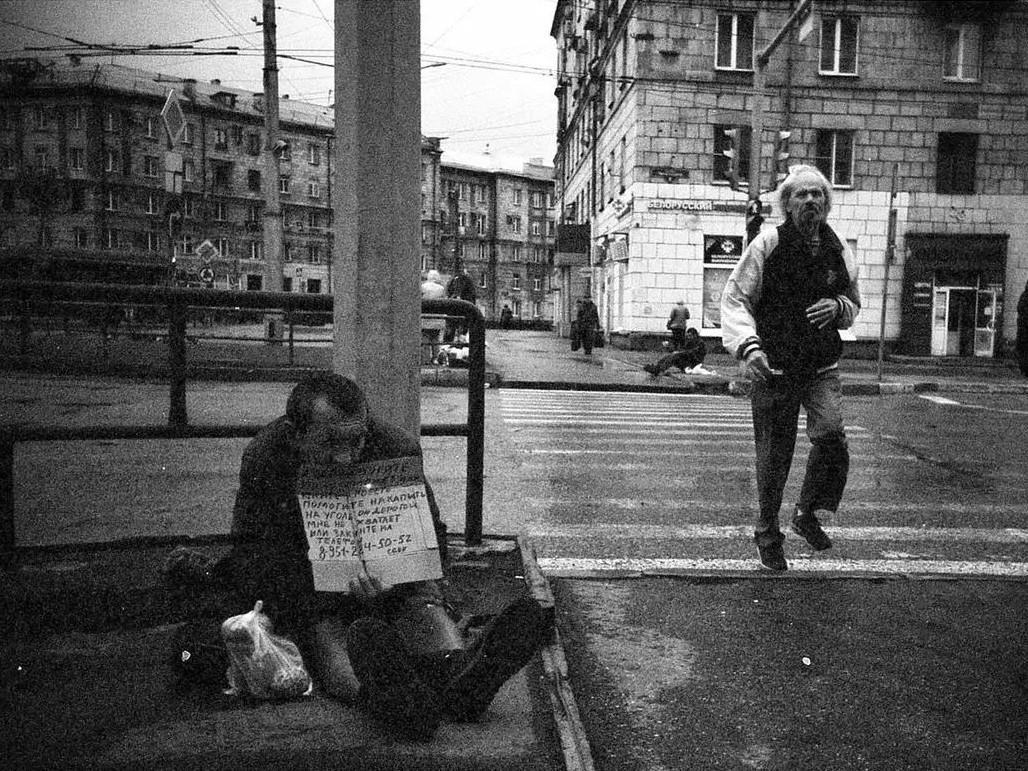
Mikhail seeks recognition among like-minded artists rather than widespread fame.
Source:
— I took few pictures of people; the person in the frame wasn«t that interesting to me then. I just shot streets, some geometric shapes, landscapes, nothing serious. Then I saw Vil»s photos and thought: I want to do something similar, documentary and monumental, — says the photographer.
Gradually, people began to appear in his shots. The distance between them and the camera became smaller, and soon the guy started catching passersby almost point-blank.
— I never ask permission to photograph someone; I time the moment, and that«s how the photo happens. It»s easier to sort it out later and explain why you took the shot than to lose a good frame. I don«t hide, I don»t run away, I try to talk. That turns out to be more honest — I see them, they see me, — notes Misha.
With such close interaction, it«s impossible to avoid some awkward situations. But as Misha says, «I haven»t been punched for my photos yet.» However, one time a saleswoman at a fish market wanted to ward off unwanted attention from the boy with a camera and attacked him with a frozen salmon.
— If I photograph someone, I still have a dialogue. I approach point-blank, shoot, and people ask: «Why, where and for what?» Often they react without negativity if I can explain that I«m a photographer, it»s just a nice picture, or they just pass by indifferently, — notes the photographer.
All this time, Misha photographed his hometown or neighboring Novokuznetsk. In the morning he went to work at the mine, and in the evening he photographed, and according to him, even in such a small city as Prokopyevsk, the subjects for photos never ran out. But he still wanted to try something bigger, and then came the move to Novosibirsk.
— I lived there for two years, worked as a photographer, while clearly separating «my» photography from work. Gradually I started to lose interest in Novosibirsk and returned home. There everyone looks visually happy, but in Prokopyevsk people are often frowning, but I don«t notice the difference; I even like it that way. It»s more truthful, I guess. Even though everyone tells me that I show some kind of gloom, I think the opposite. Everyone just sees what they want, — notes Misha.
After returning, he started working with his hands again at the local research institute. At the same time, he continues to roam the streets and capture moments on film. Misha does not seek ceremonial facades or officially designated beauty for his photos. His lens most often captures old people and children, who, in his opinion, «are the most textured.»
— I don«t like modern youth because of their appearance. Old people dress cool. They always have some old things from a bygone era, and the result is a timeless shot. The same with children. Children played tag a hundred years ago and do it now. I don»t photograph to stop time; you can«t tell from my shots what year, city, or even season it is — that»s the charm, — he says.
Mikhail considers the camera a byproduct of ordinary human curiosity. More often, he goes out to socialize, see new places, and go where there is something interesting.
— I just try to try; I«m not drawn to global goals in this. I want to stay in Siberia forever, travel, look at people. My life and work should have a result, but not in some popular fame like “Mishanya, you»re cool and your photos are cool.” I want my photos to be cool among like-minded people, and I don«t seek other recognition, — the guy sums up.
Earlier, the editorial staff told the story of a photographer from Siberia who photographed polar bears and became popular online.
Read more