GAC Empow sales start in Russia, eyeing Hyundai Solaris void
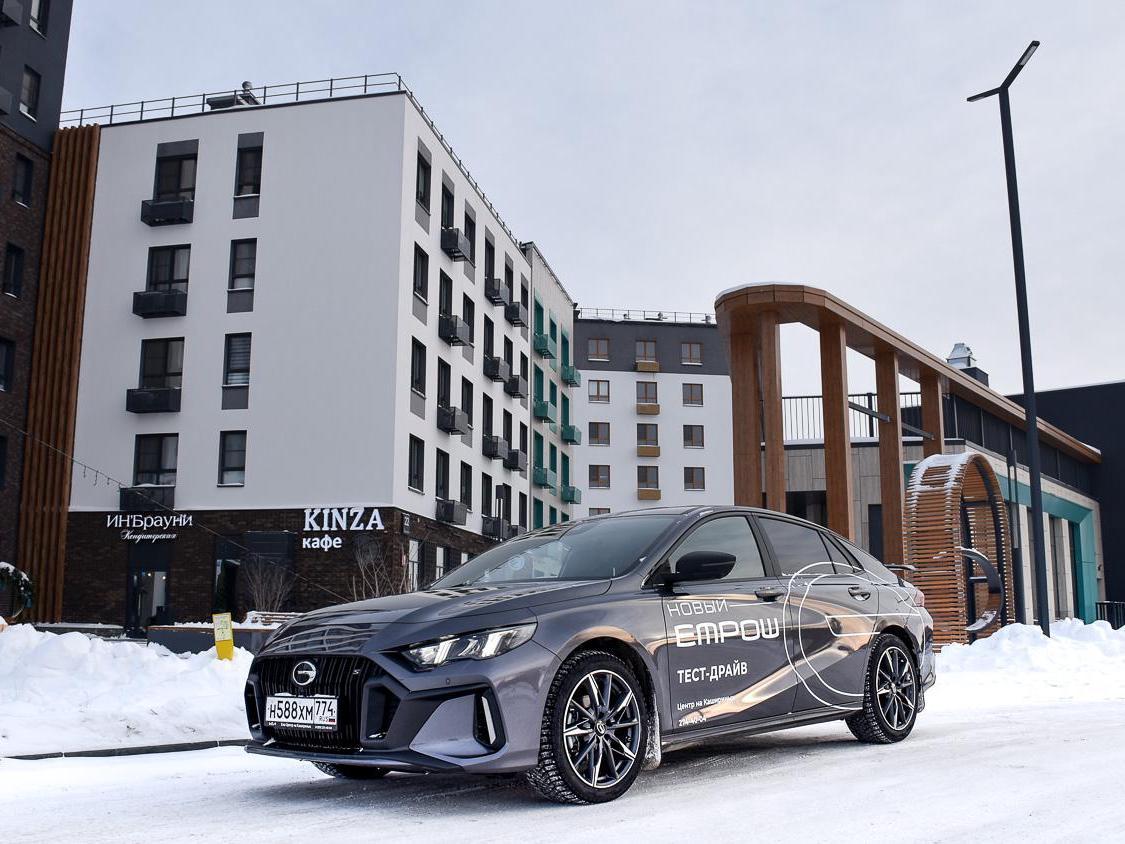

After four years on a «Chinese diet,» we«ve forgotten such a driver»s joy as the pleasure of driving. «China cars» drive blandly and differ more in screen sizes than in handling nuances.
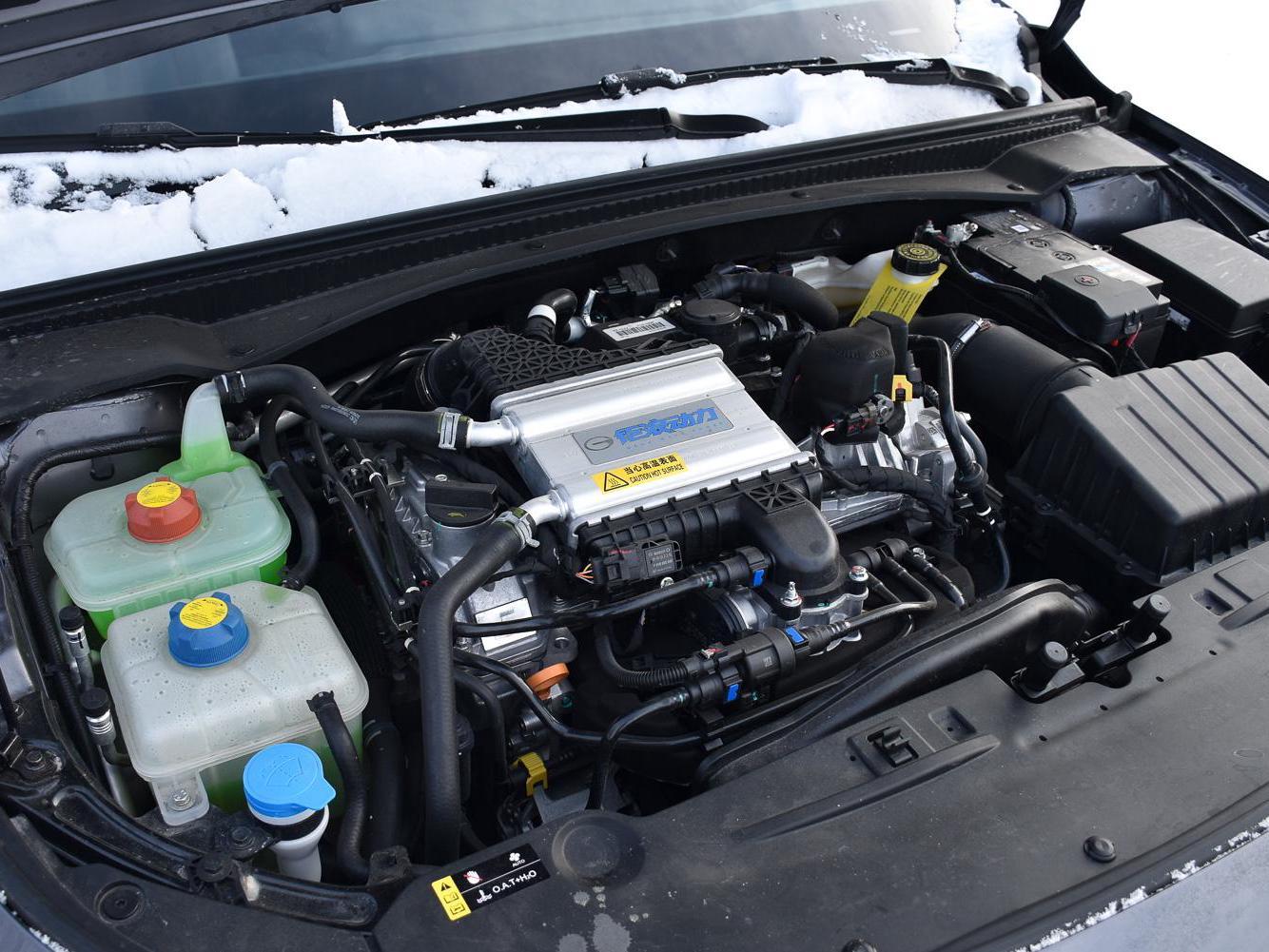
But here«s an upstart car where the screen is smaller than its driving ambitions. Open the hood of the GAC Empow, and there, on top of the engine instead of a decorative cover, is an intricate unit with many hoses and a separate tank with green liquid. Nitrous oxide injection? A mechanical supercharger? No, it»s an intercooler liquid cooler for turbocharged air. Where have you seen such a thing?
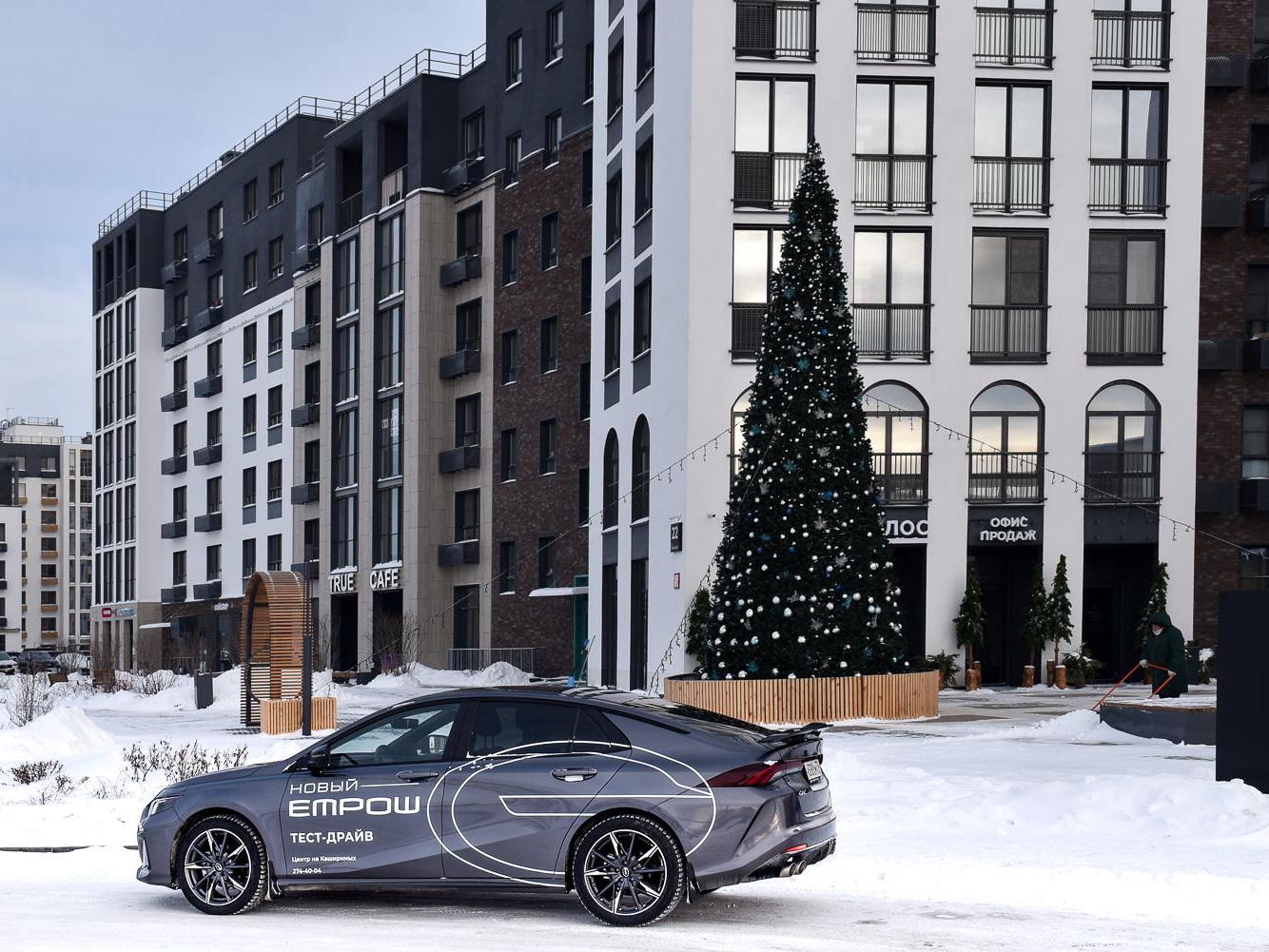
The quad-tip exhaust system isn«t fake either. Press a button on the steering wheel, and the flaps activate, making the exhaust nearly straight-through and menacing. True, the sound from this »acoustics« doesn»t reach the rumble of real sports cars, but that«s understandable: under the hood here is not a V8 but a 1.5-liter four-cylinder, boosted to 170 hp thanks to turbo pressure over 1.6 atmospheres. So, the GAC growls at a four-cylinder level too, but it still stands out from the mass of »China cars.«
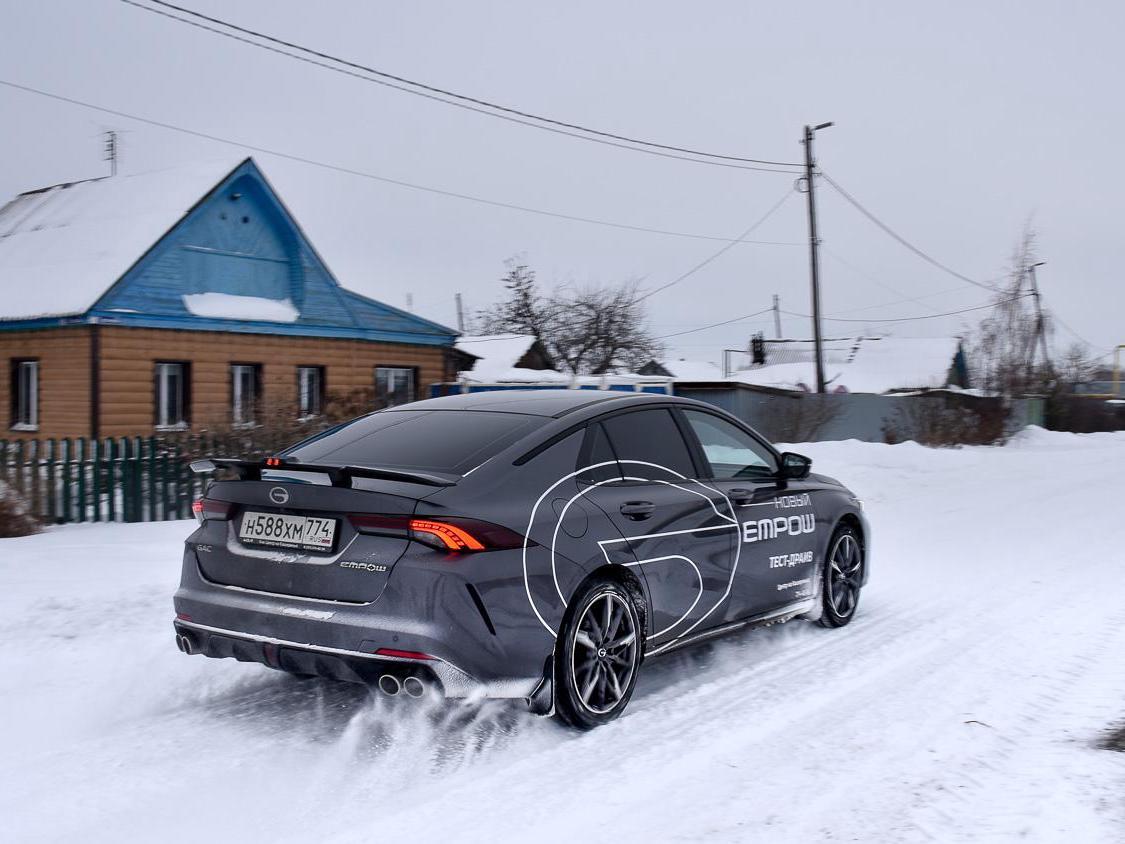
The GAC brand isn«t very well-known in Russia, but it»s persistent: sales are slowly growing, and importantly, it«s a contender to replace Hyundai and Kia at the alliance»s St. Petersburg plant. Assembly of GAC vehicles started quietly last year; whether it will continue is an open question, but since the days of the Solaris project seem numbered, GAC«s chances are rising.
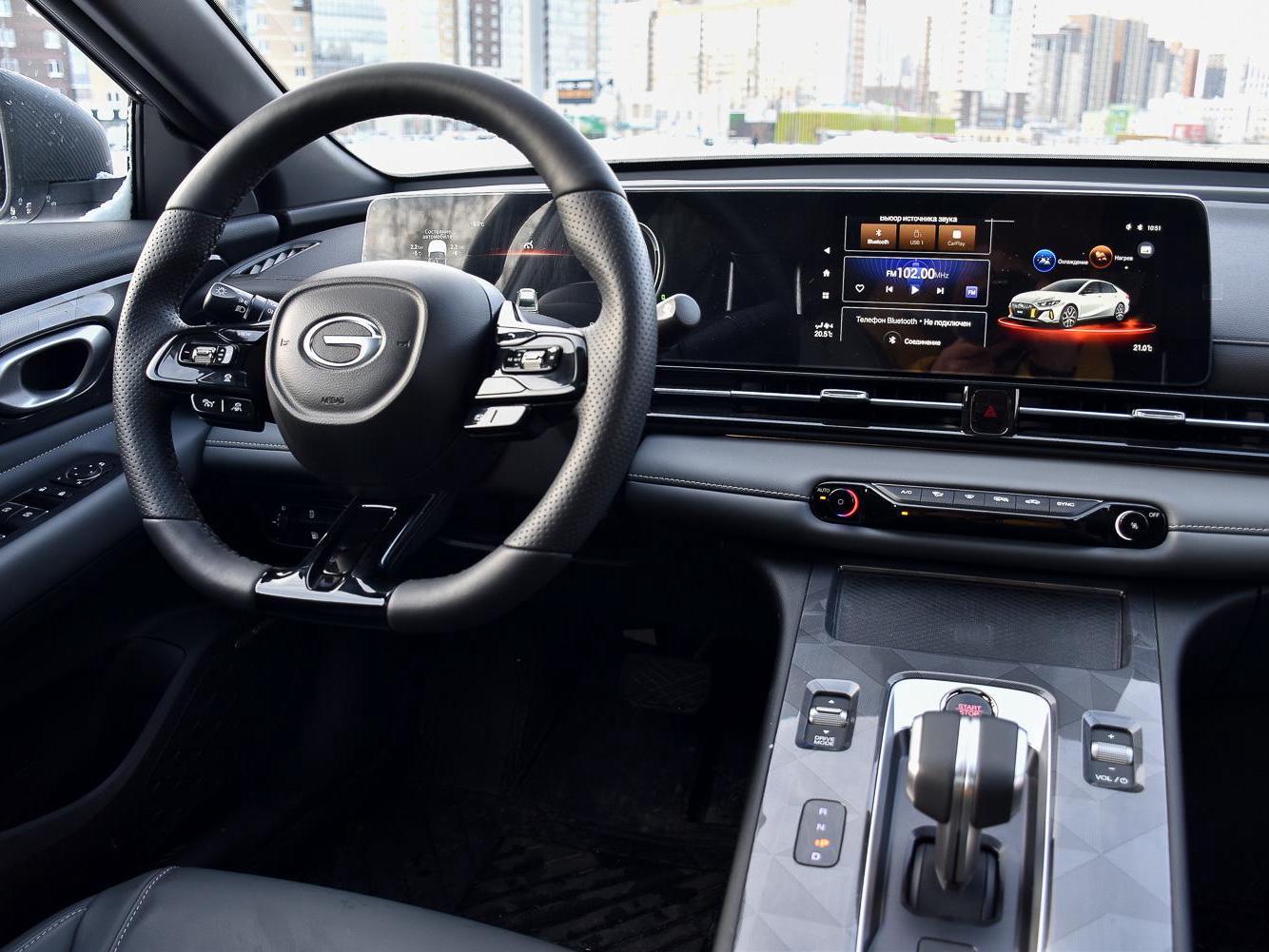
Interestingly, this car is sold in North America under the name Dodge Attitude. So, in this case, it«s not a Chinese car copying a known model, but rather an American brand chose a »China car« as a donor—who knows what»s next. I quickly understood why Dodge liked the GAC: like the recently tested Dongfeng Mage, this Empow hardly resembles a Chinese car, and it has minimal «Celestial Empire» quirks. It doesn«t panic with the horn when you walk away with the key in your pocket. It has a fixed turn signal stalk. It has physical climate control buttons, which, thanks to the Chinese, have become a rare species.
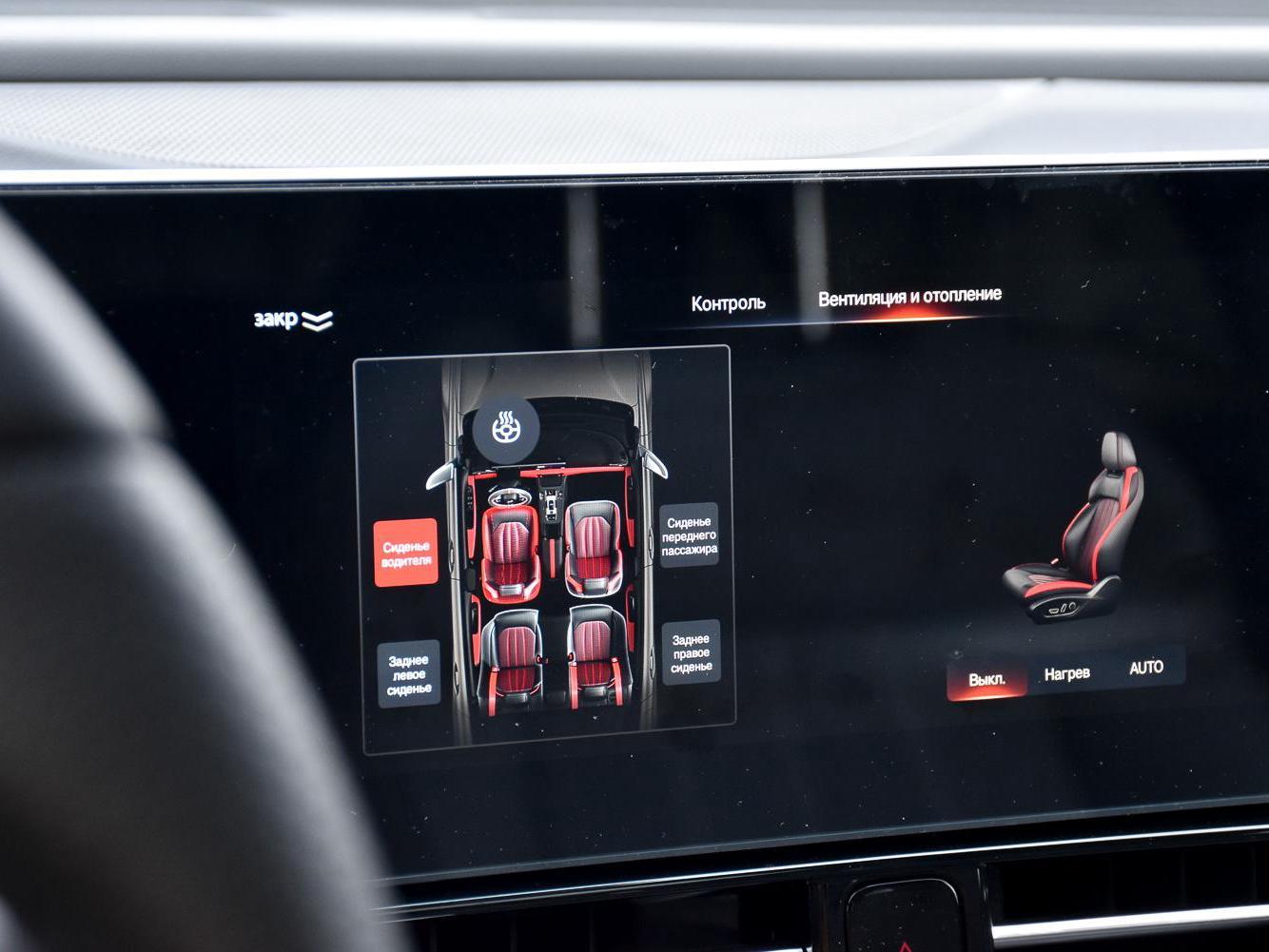
True, it«s not without its »Easter eggs,« and the GAC Empow has the most convoluted seat heating activation I»ve ever encountered in a car. I recalled the blind buttons of early «Logans» as the gold standard. Most likely, the Chinese don«t quite understand the point of this feature and think it needs to be turned on once—at the start of winter. But on the plus side, the car has heated seats for both rows, as well as a heated steering wheel and windshield, though for some reason the entire winter package is only for the top version.
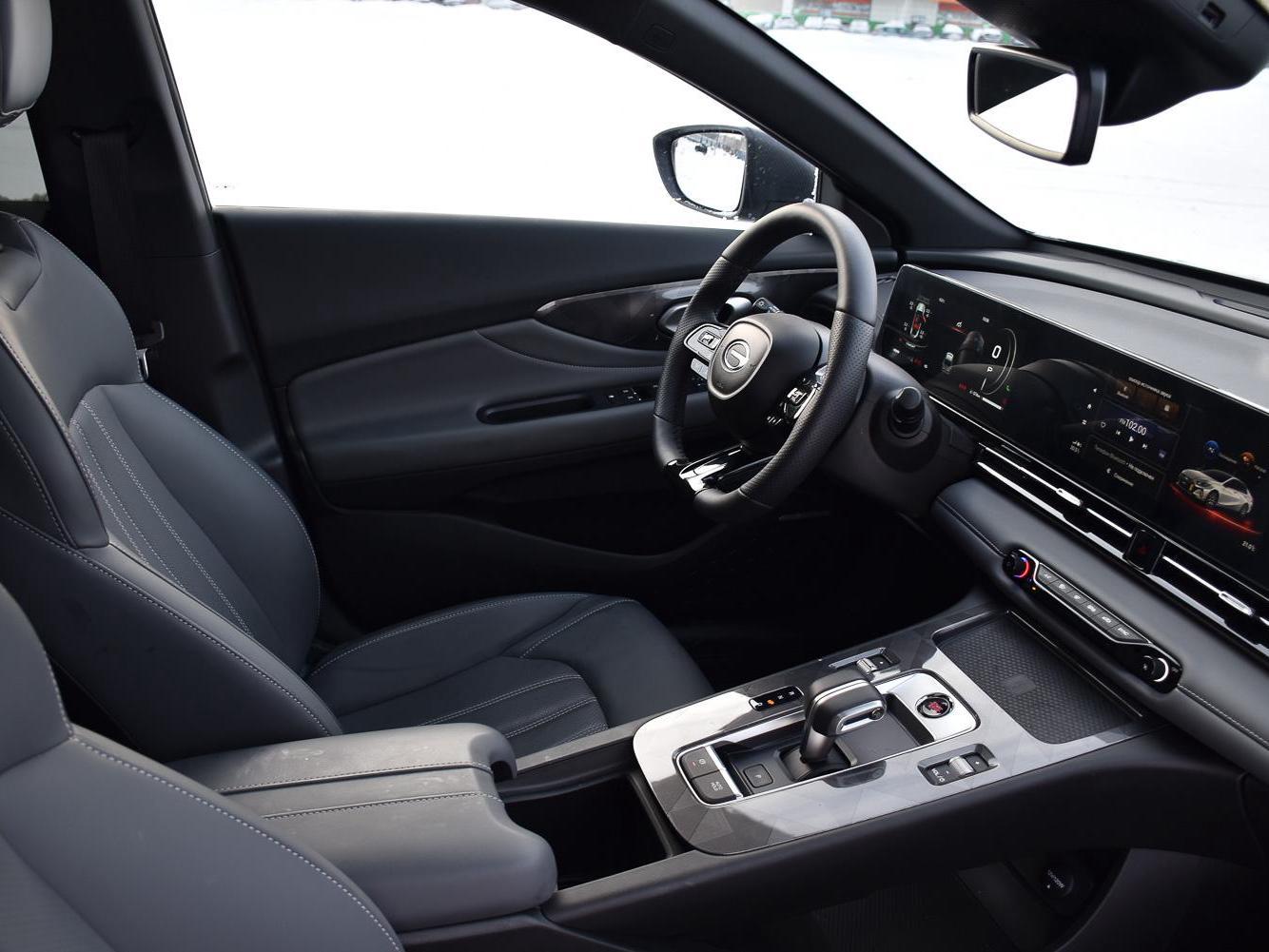
Aside from such misses, the ergonomics are good. Thanks to a successful (though not too sporty) seat profile, a pleasant-to-touch steering wheel, and wide adjustment ranges, you can not only get comfortable but also change your seating position depending on mood: tighter, more relaxed, higher, lower… It«s a pity the lumbar support isn»t adjustable, but the other settings are electric.
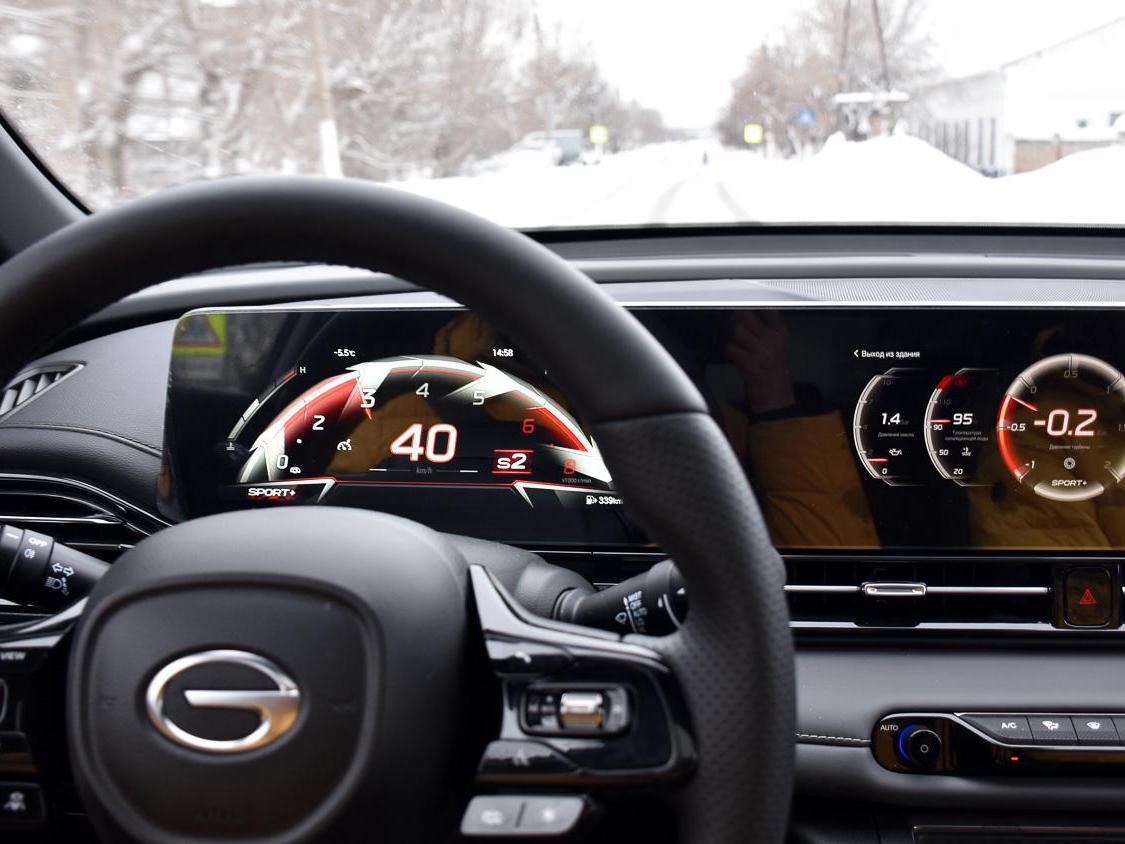
Does the GAC Empow live up to its promises on the road? Partly—yes. During normal driving, it gives the impression of a disciplined car, even by non-Chinese standards. The moderately stiff suspension isn«t harsh but also doesn»t induce drowsiness. Rhino-like stability on straight lines persists even at high speeds.
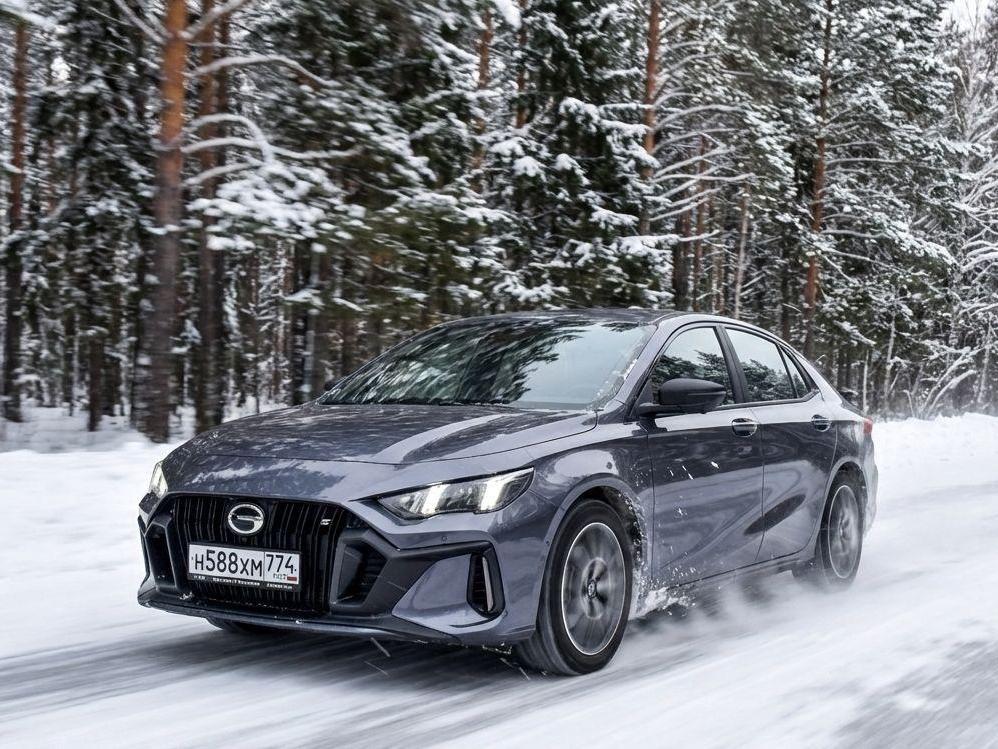
The steering isn«t overloaded with feedback and on slippery roads even feels a bit empty, but the car»s reactions are understandable and quick. And the seven-speed robotic transmission is obliging: in Comfort mode, it«s slightly sleepy but smooth, while in Sport mode it sometimes jerks, but responds desperately to the pedal, as if anticipating desires.
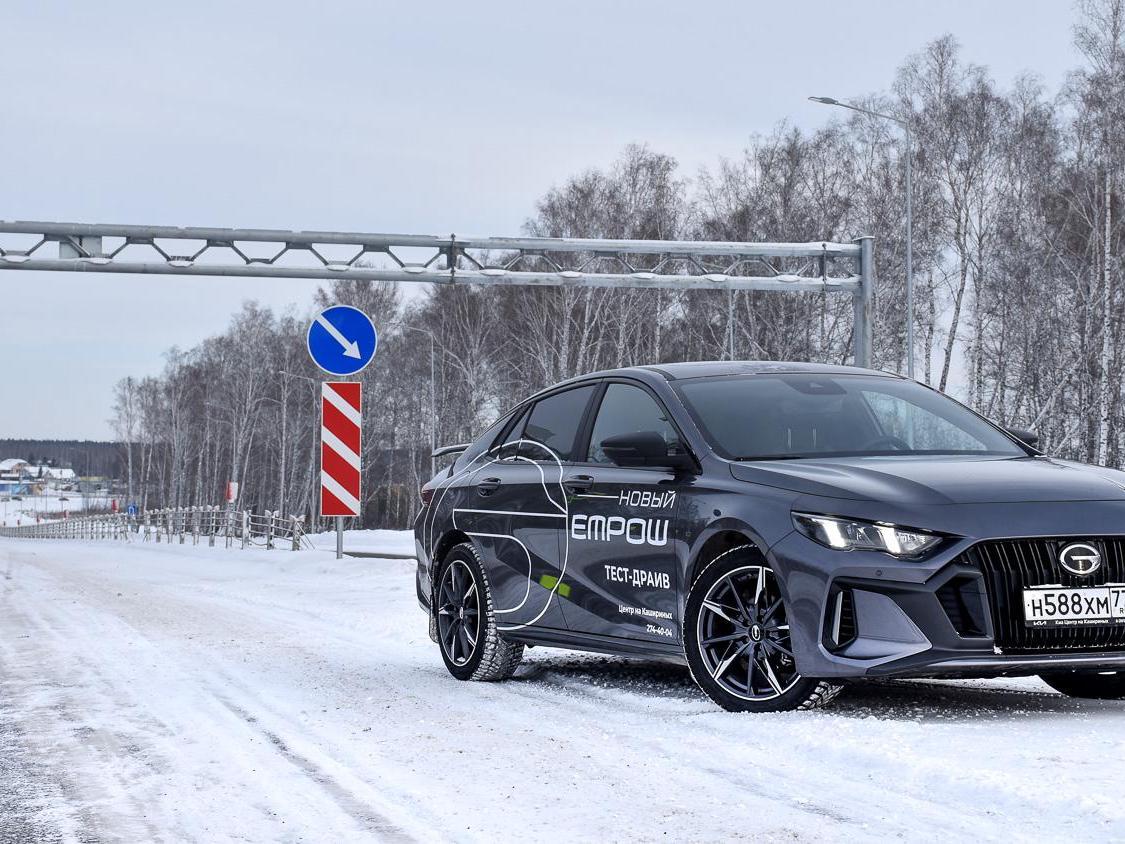
Snowy roads didn«t allow for very aggressive driving, but overall, the impression is that for street racing, the GAC Empow wasn»t born—despite good basic settings, it lacks a kick in the pants. For example, acceleration seems rather ordinary, and even on dry asphalt, AutoRevu testers measured 9.5 seconds to 100 km/h (8.4 with a two-pedal start, which is largely irrelevant in real life).
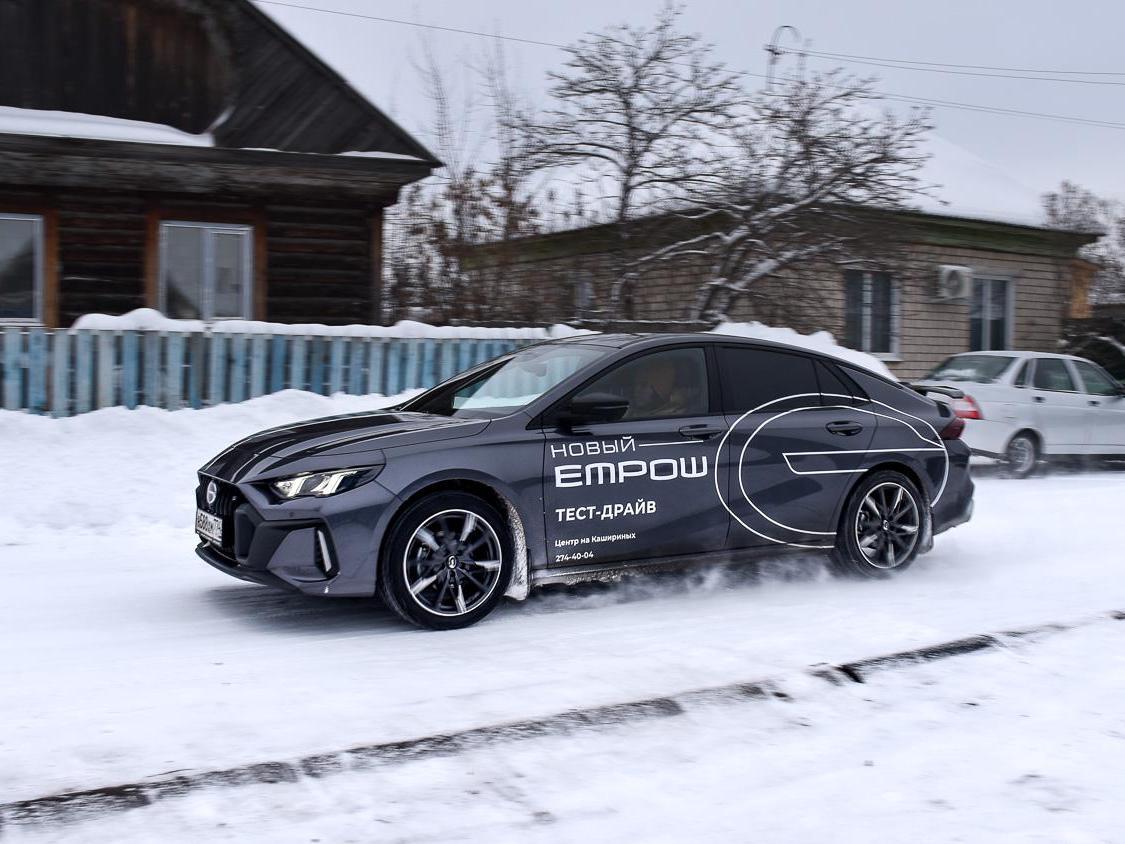
On paper, it should be 7 seconds, but in feel, it«s indeed closer to 10. The initial phase of acceleration is softened and leisurely, and there»s no bright pickup at medium speeds. For everyday life, the dynamics are good: they«re solid and understandable. But don»t expect an adrenaline rush.
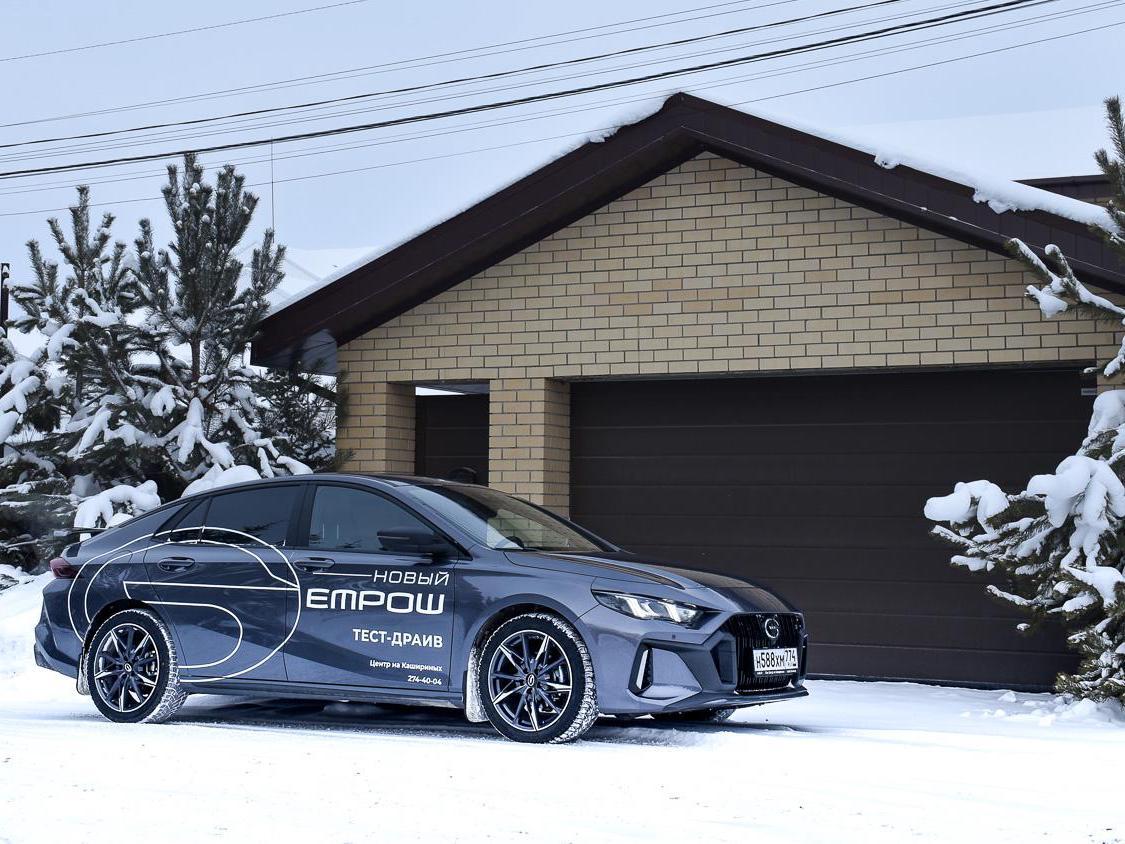
I suspect the Chinese use gentle settings for the safeguarding electronics and transmission, relieving the drivetrain of overloads (this was clearly felt on the Dongfeng Mage). That is, the paper acceleration figures are probably achievable only with specific computer firmware, but in factory mode, the Empow lacks sharpness.
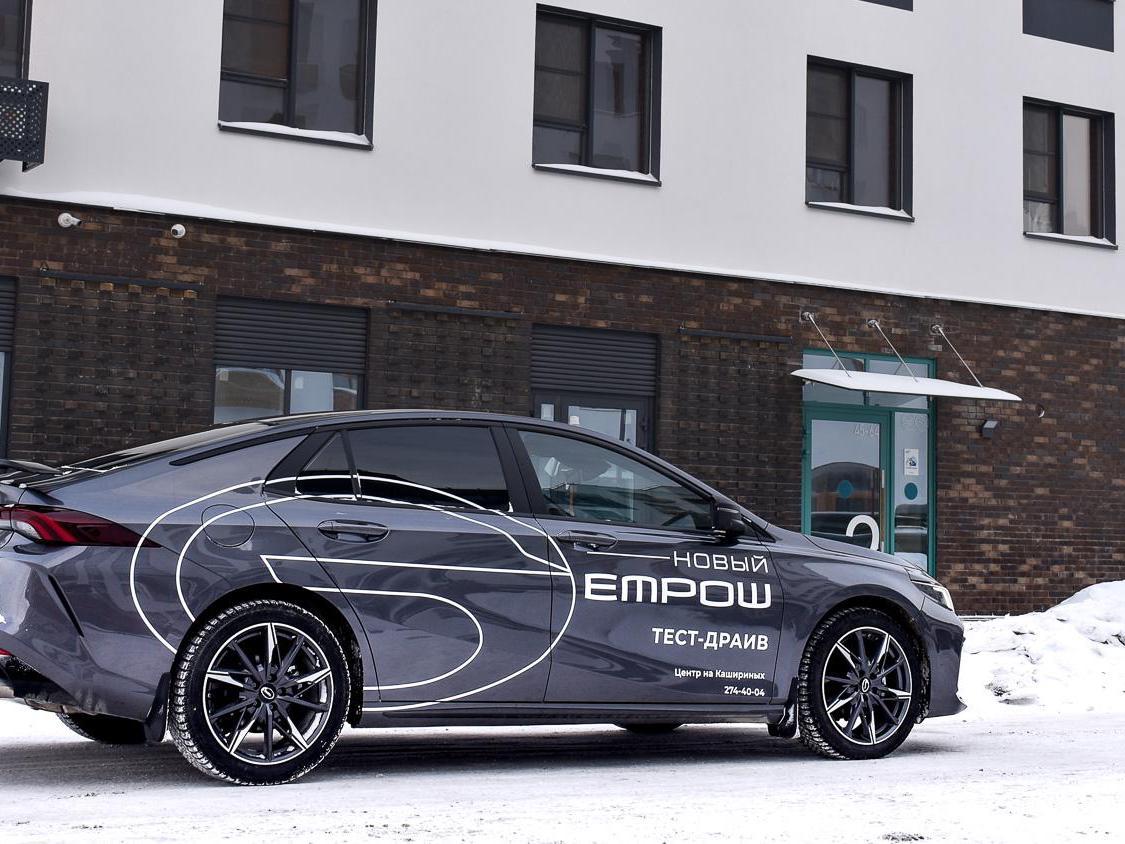
The same logic applies to handling: it seems the rear suspension is independent, and the car has a low stance (ground clearance less than 150 mm), but there«s no sense of excitement like from a Skoda Octavia RS. No matter how I tried, the basic reaction to a quick turn-in is smooth front-wheel slide. Sometimes, with cars that have independent rear suspension, the »tail« doesn»t engage immediately, and after an understeer phase, the car catches itself and starts steering with the rear.
Here, not even that: if you overdo the speed, the Empow goes into plowing and waits for you to become more responsible. I«ll say a heretical thing, but pre-facelift »Vestas« drove more interestingly and sharply: they entered turns with a dance, helping themselves with the rear, and Bosch ESP cut excessive drift. Here, it»s typical front-wheel-drive behavior, safe in its own way, but not for four exhaust tips.
On the other hand, I liked the car more than I expected. It wasn«t created for racing, but in normal driving, it»s self-sufficient and pleasingly old-fashioned: it has fewer digital additives and more healthy mechanics. It has the almost forgotten feeling of a normal car, not a tablet on wheels.
The thing is, C-class sedans are experiencing a permanent crisis in Russia, and even in better times, neither new Turkish-assembled «Corollas» nor Kaliningrad «Elantras» were in high demand. For their price, compatriots long ago preferred crossovers, and sedans are barely holding their ground in the budget but not mid-price class. A telling symptom is the cessation of sales of GAC Empow«s competitors like the Omoda S5, Kaiyi E5, and BAIC U5.
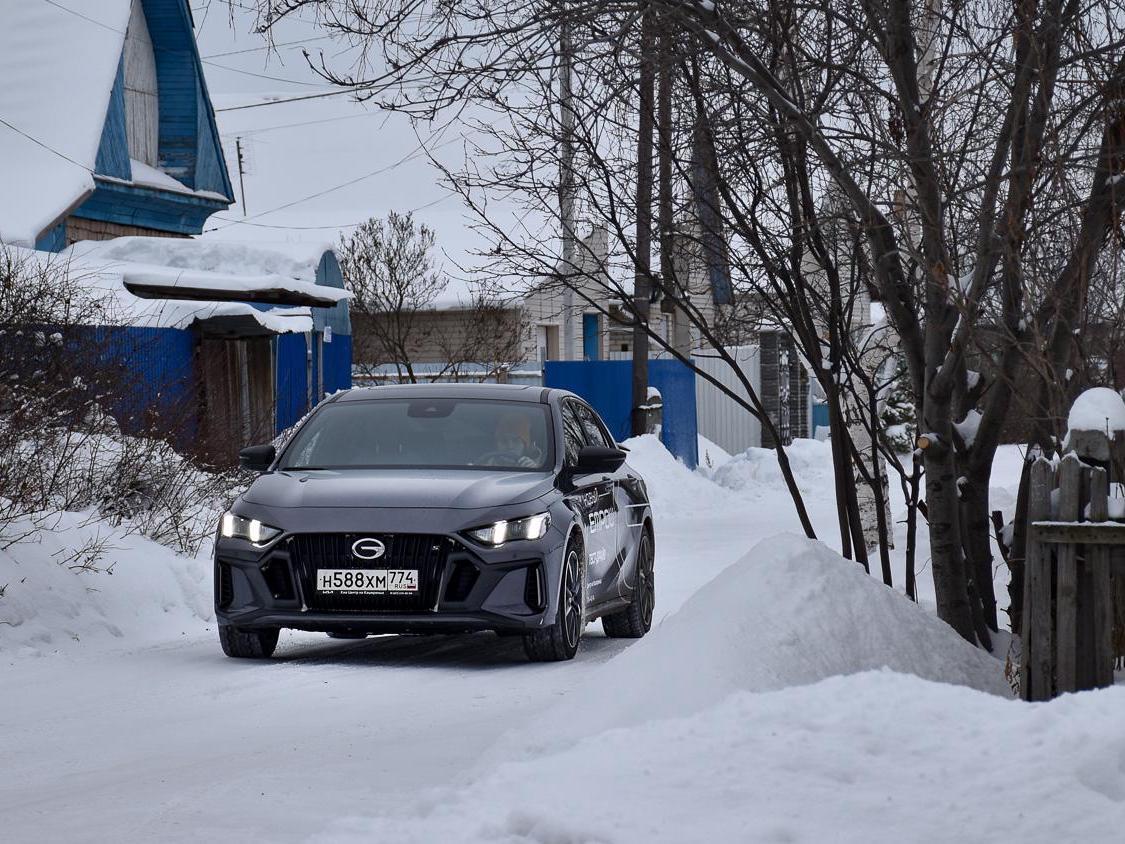
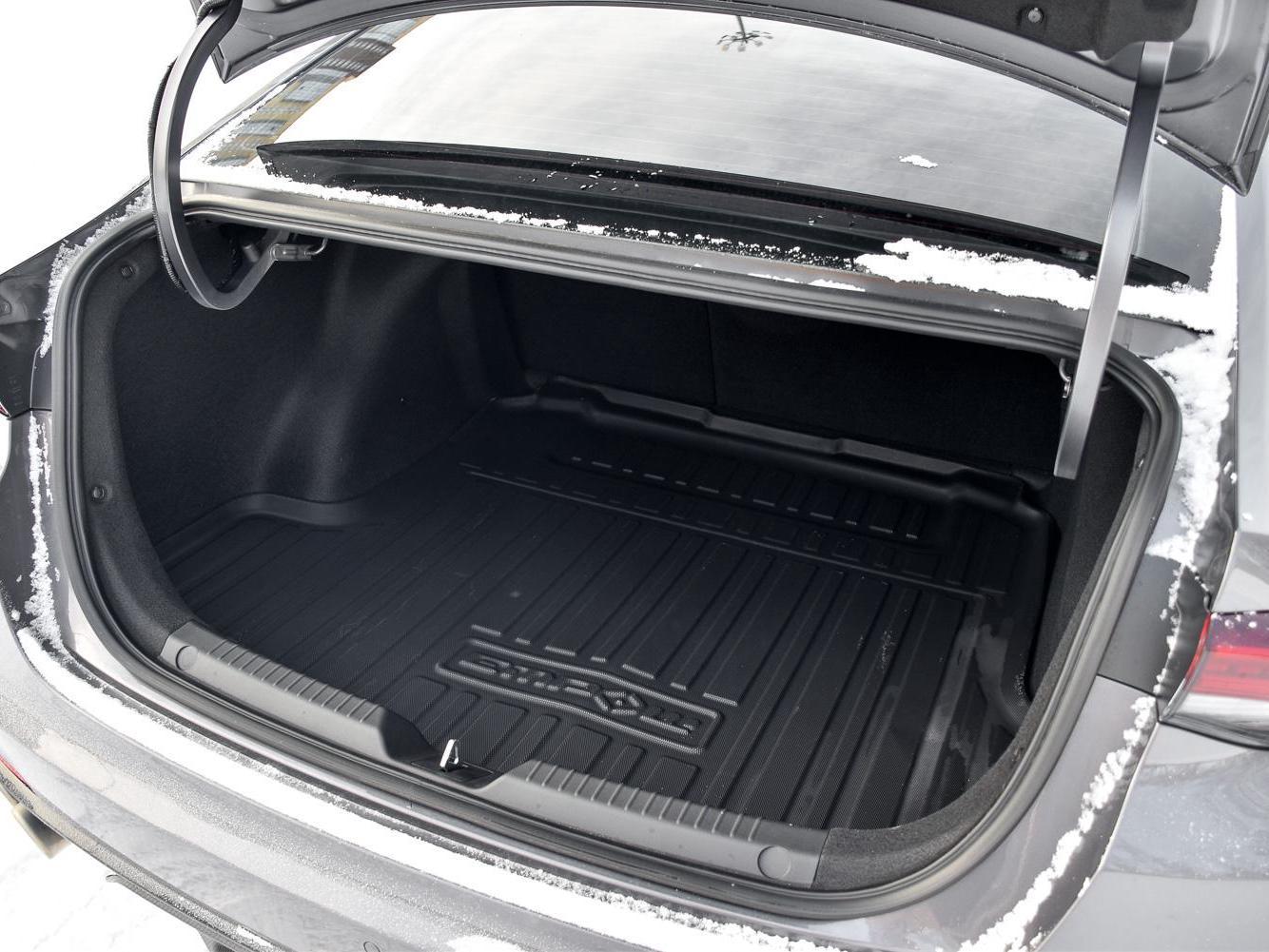
The GAC Empow looks like a liftback, but actually no: the rear glass doesn«t lift. A shame, because the trunk opening ended up narrowed—similar to Ford Focus sedans. Although the volume isn»t bad (500 liters), so it«s quite suited for bags and suitcases, but not bicycles.
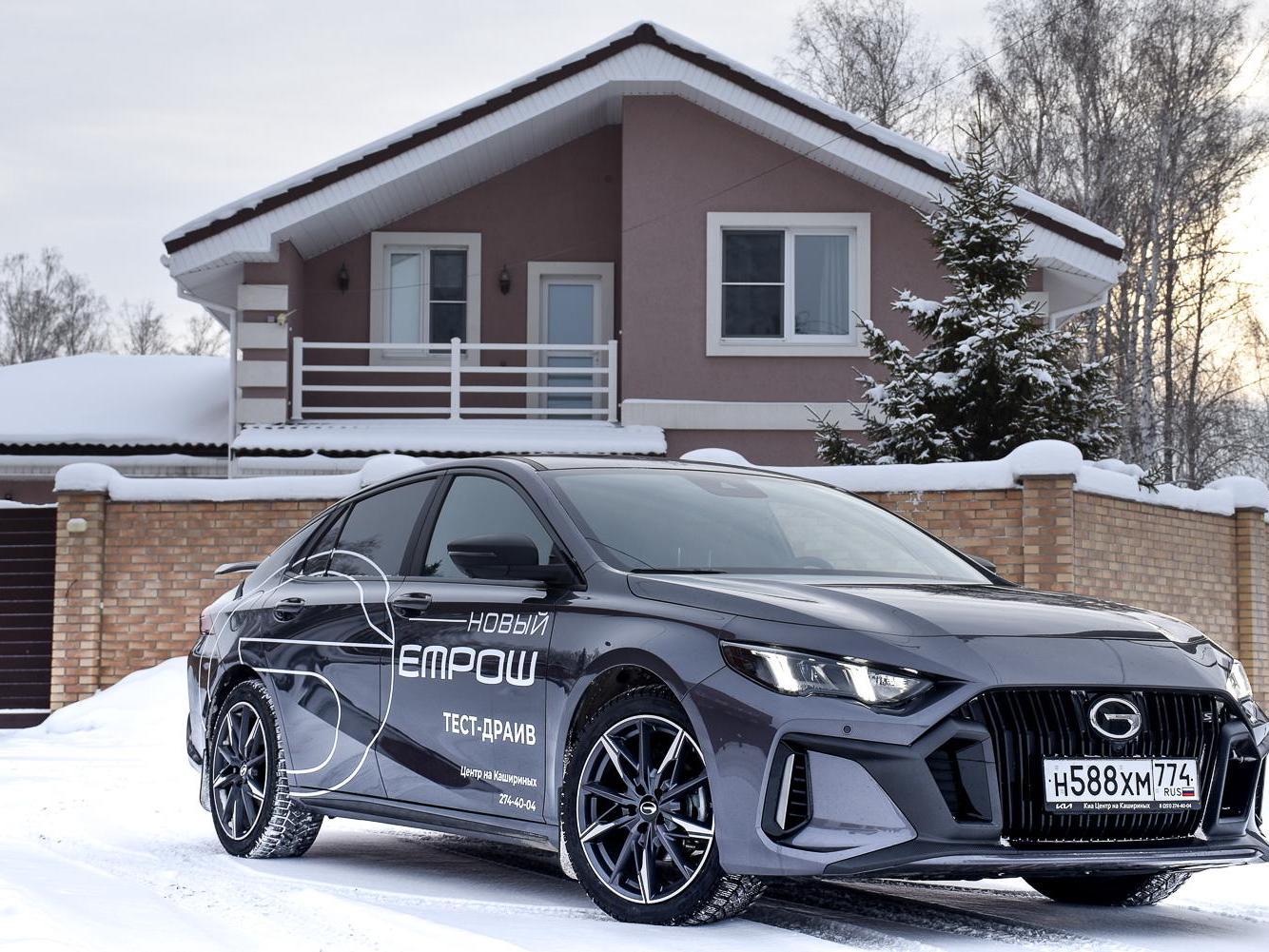
The niche status of the GAC Empow seems obvious even to the company itself, so in Russia, they didn«t engage in dumping, and the »Gak« costs just over 3 million rubles (approximately $33,300 at current rates). Competitors are few but tough, and the most obvious is the Belarusian Belgee S50 (formerly the Geely Emgrand), which starts from 1.9 million rubles (about $21,100). Comparable GAC trims are about a million rubles cheaper. Besides this, there»s exotic stuff like the Changan Uni-V liftback (3.2–3.4 million rubles) and Uni-L sedan (2.9 million rubles).
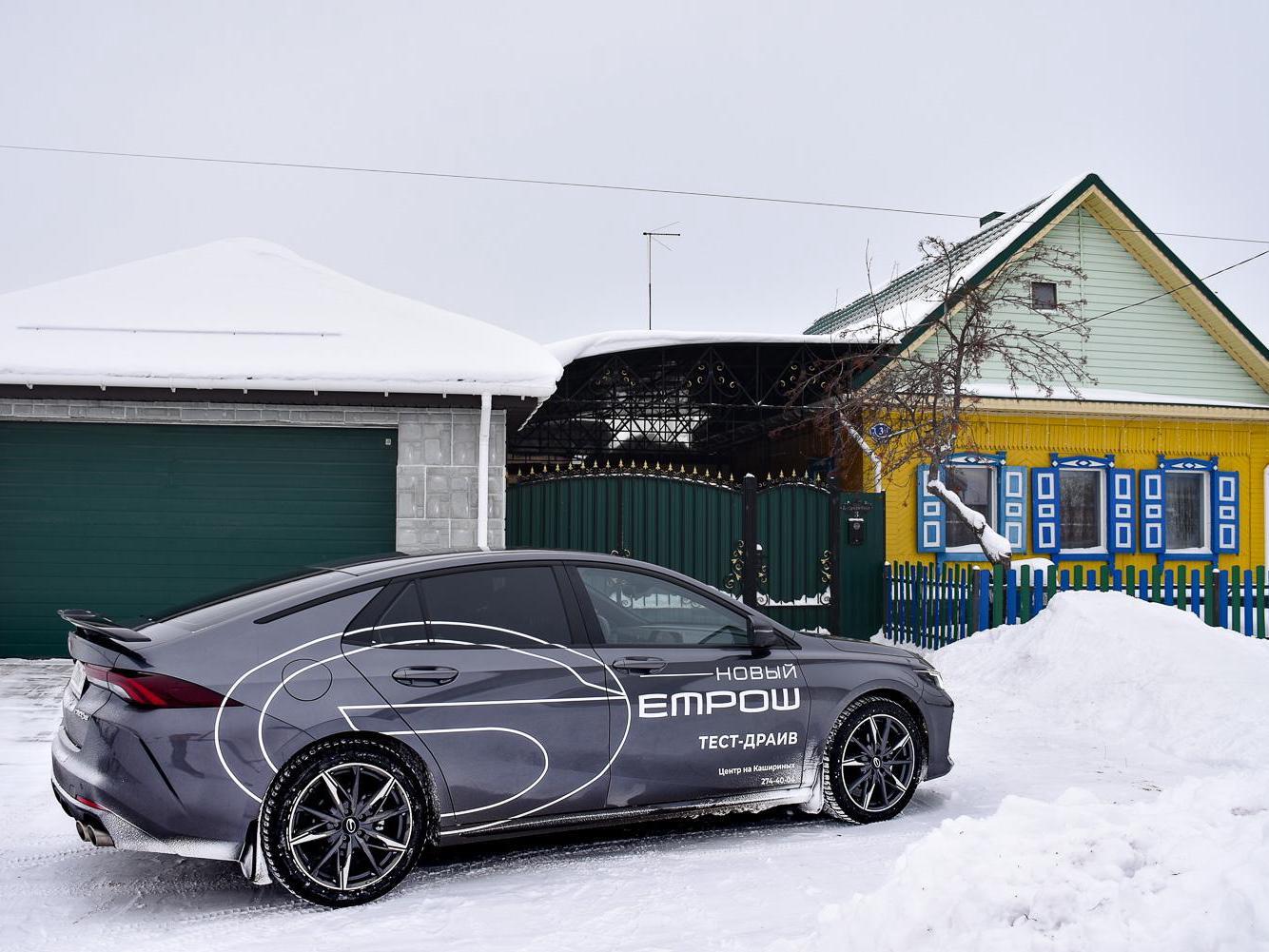
The GAC brand has certain ambitions in Russia, and in 2025, a trial batch of its cars was produced at the former Hyundai plant in St. Petersburg. True, it was the GS3 crossover and M8 minivan, but in any case, GAC is one of the candidates to replace the «Solaris» project if the South Korean Hyundai-Kia alliance refuses to buy back the plant from the Russian «AGR Holding» (and everything points to that).
The brand itself is likely betting on crossovers: the price of the same GAC GS3 starts from a quite competitive 2.45 million rubles, and with St. Petersburg localization, it could challenge even the endless clones of the Chery Tiggo. But the Empow is more of a seasoning for the model range, showing the scope of capabilities. If they lowered the price, perhaps it would restore Russians« taste for mid-class sedans. The thing is, increased recycling fees in December and January rule out any prospect of dumping, but that»s not the «Gak»s« problem.
Chinese brands are bringing more unusual cars to Russia, for example, the Jetour T1 is a crossover with off-road beginnings. And the electric Avatr 11 is a rare competitor to the Zeekr 001, which is officially supplied.