Soviet-era mega-bunker in Southern Urals: What remains inside
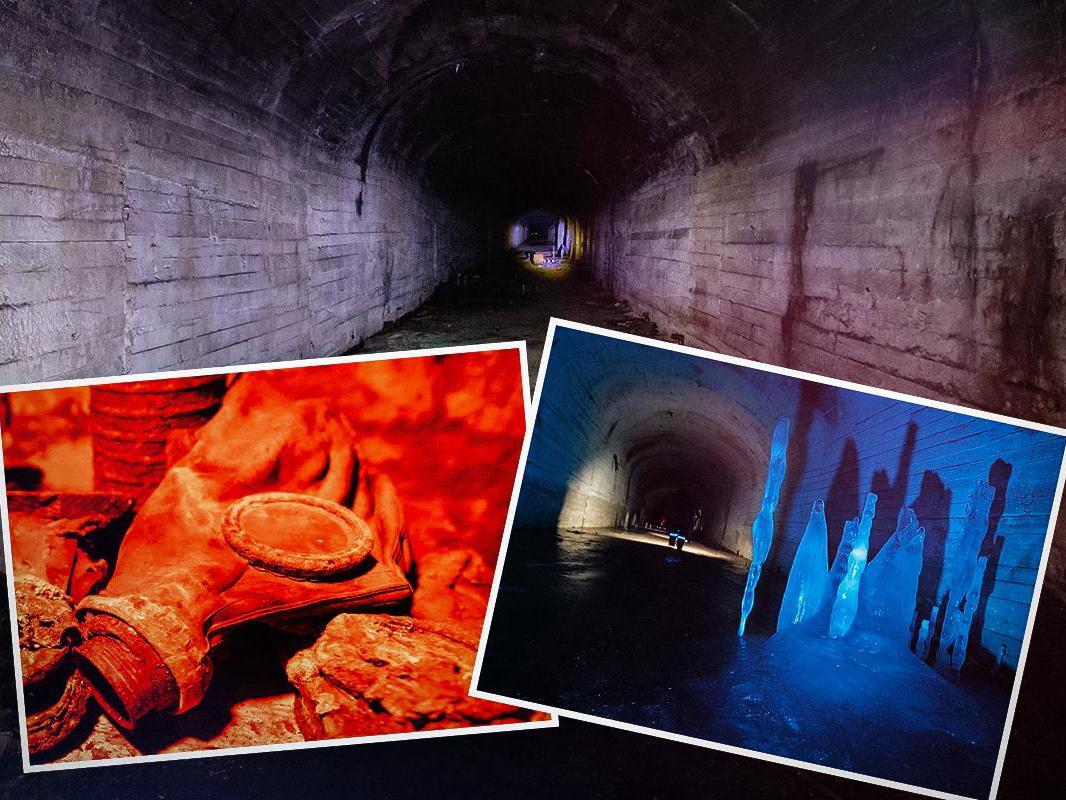

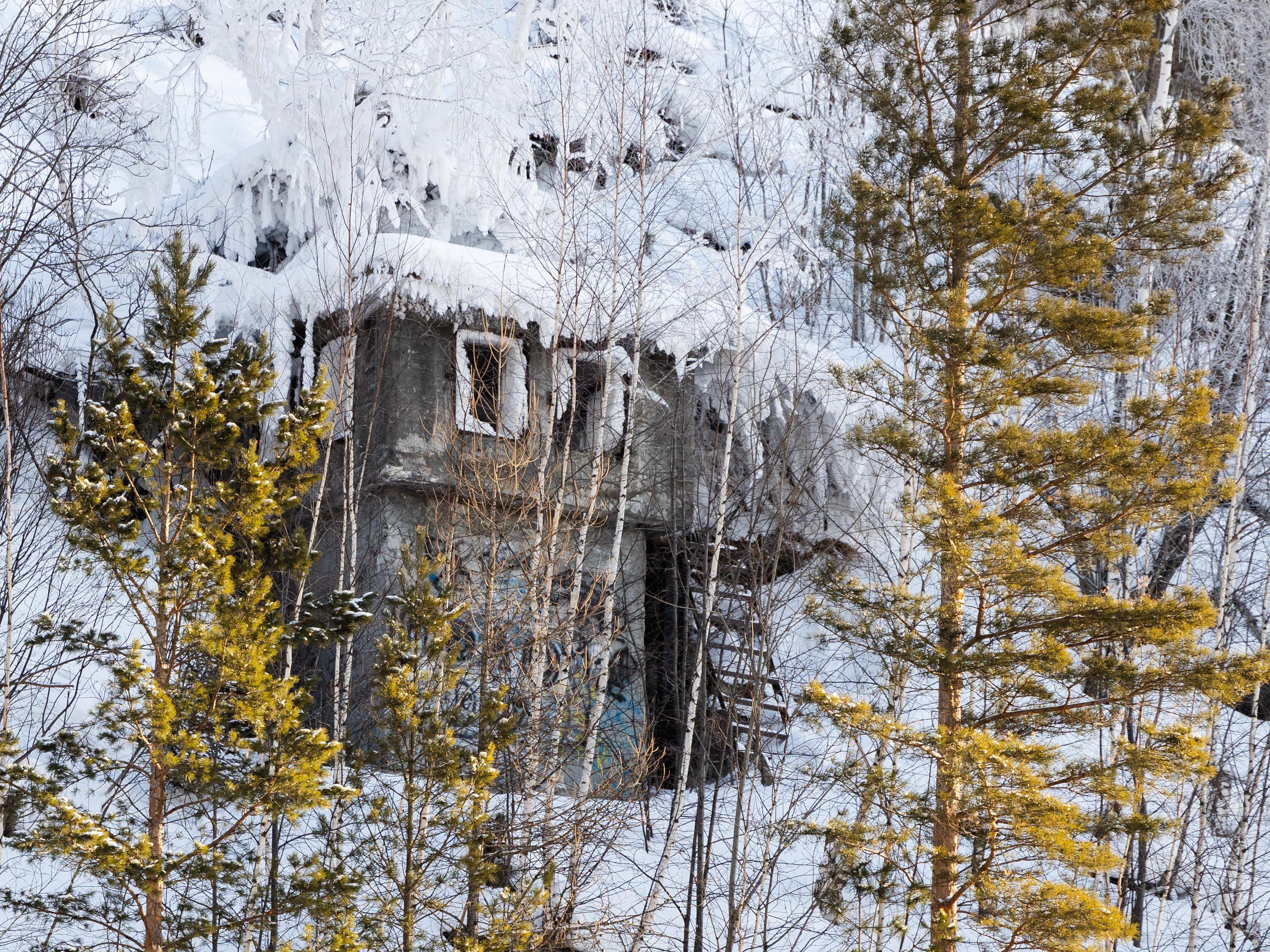
Mount Kosotur in the heart of Zlatoust is nearly the main tourist spot in the area, aside from Taganay National Park and the Ishmuratova Biathlon Complex. A staircase was built for climbing to viewing platforms, and from the summit, there«s a view of the pond and the entire city. Few people realize that inside this mountain, as the USSR was declining, a bunker was built where several thousand people from the factory at its foot could live and work. The 74.RU team managed to visit inside.
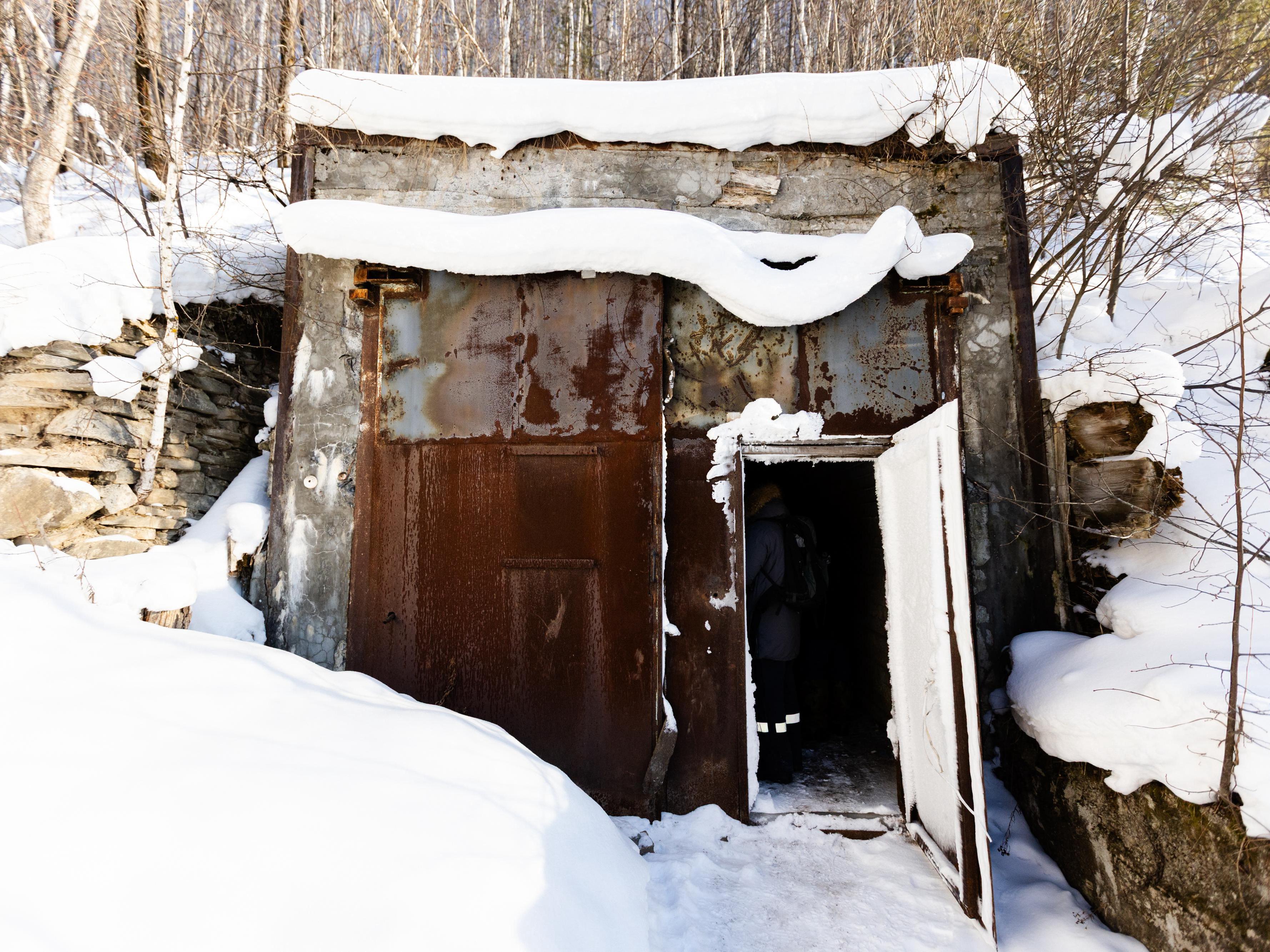
At the entrance to the defense plant bunker, there are several heavy locks, a surveillance camera, and a notice about a fine of 500,000 rubles (about $5,000 at current rates) for uninvited guests (one could even face imprisonment — up to two years). But we are here quite legally, having even signed for a safety briefing.
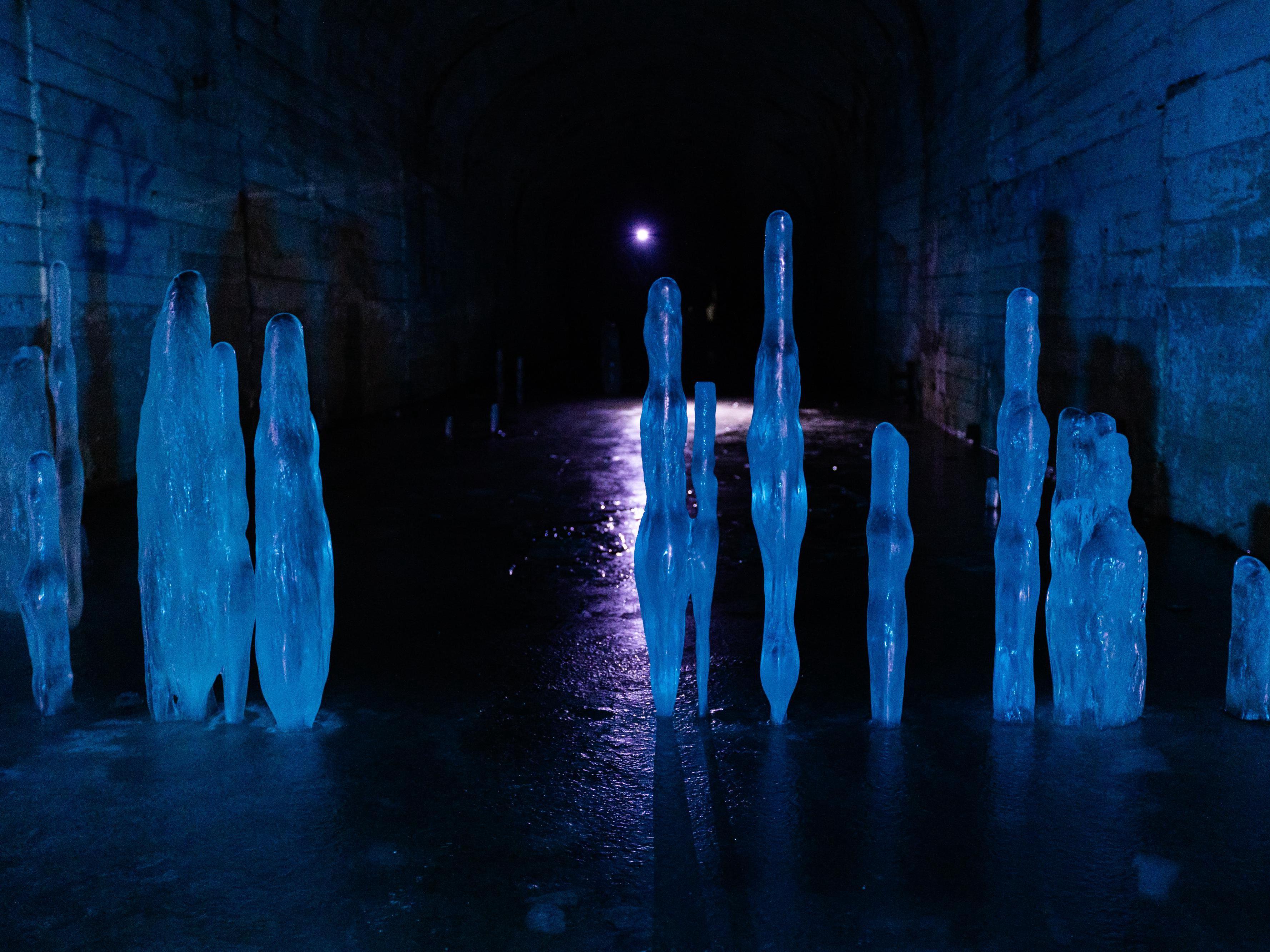
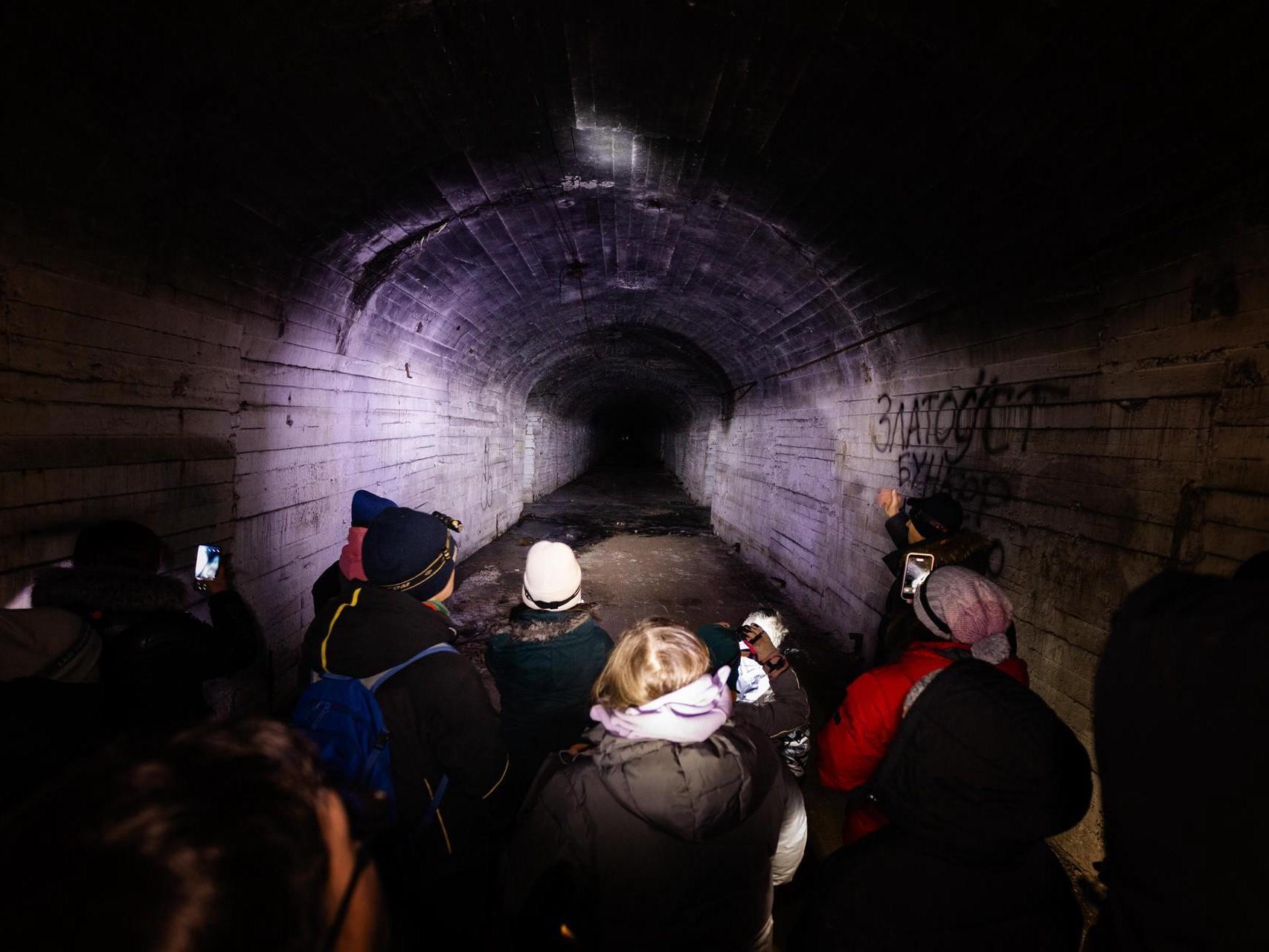
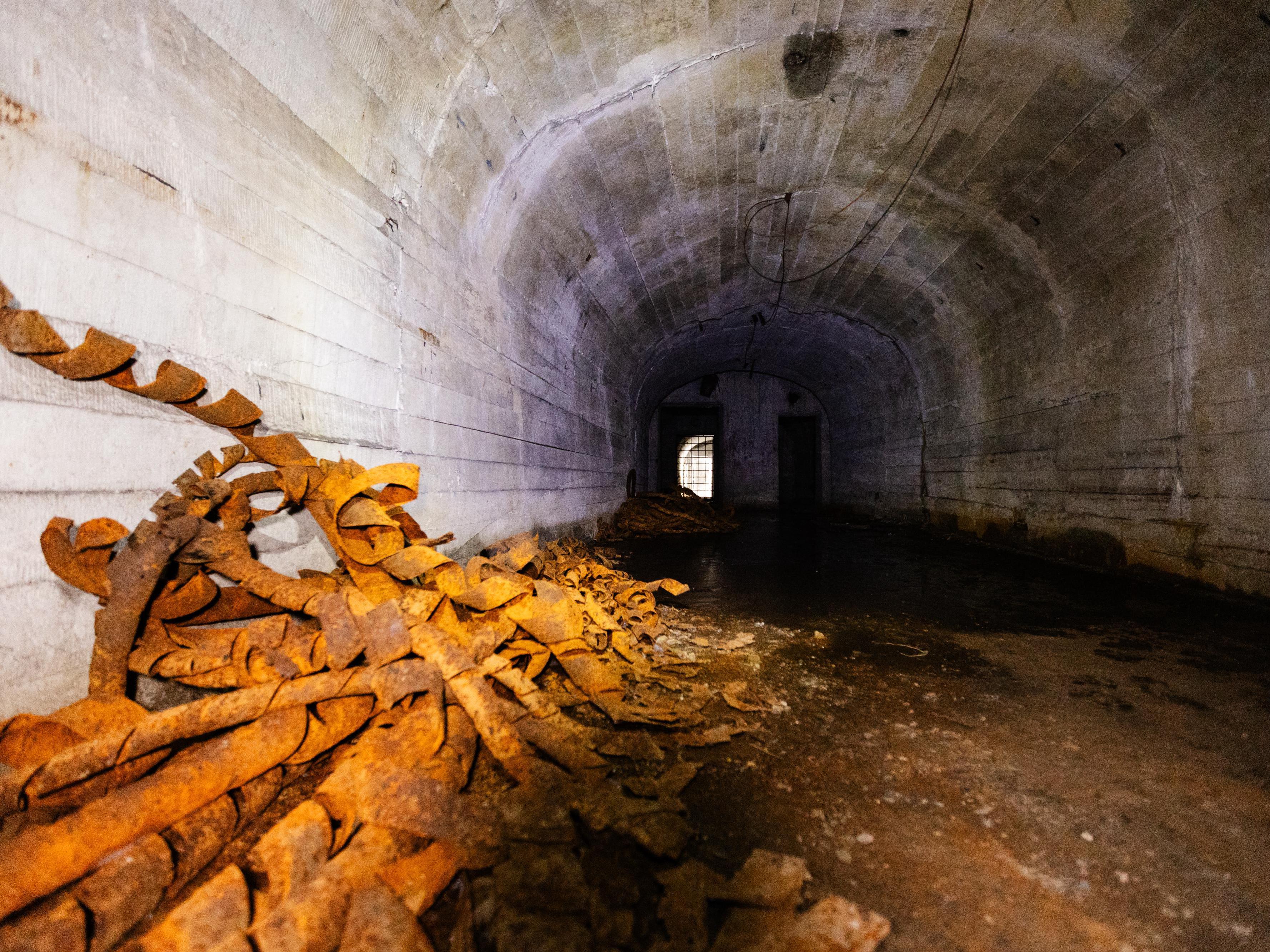
After a small «anteroom,» we enter a huge tunnel running along the entire mountain. Imagination immediately conjures a train that could easily pass through here. Even the most powerful flashlights don«t reach the end, swallowed by darkness. We spent an hour and a half in this place and didn»t seem to cover even half of the rooms.
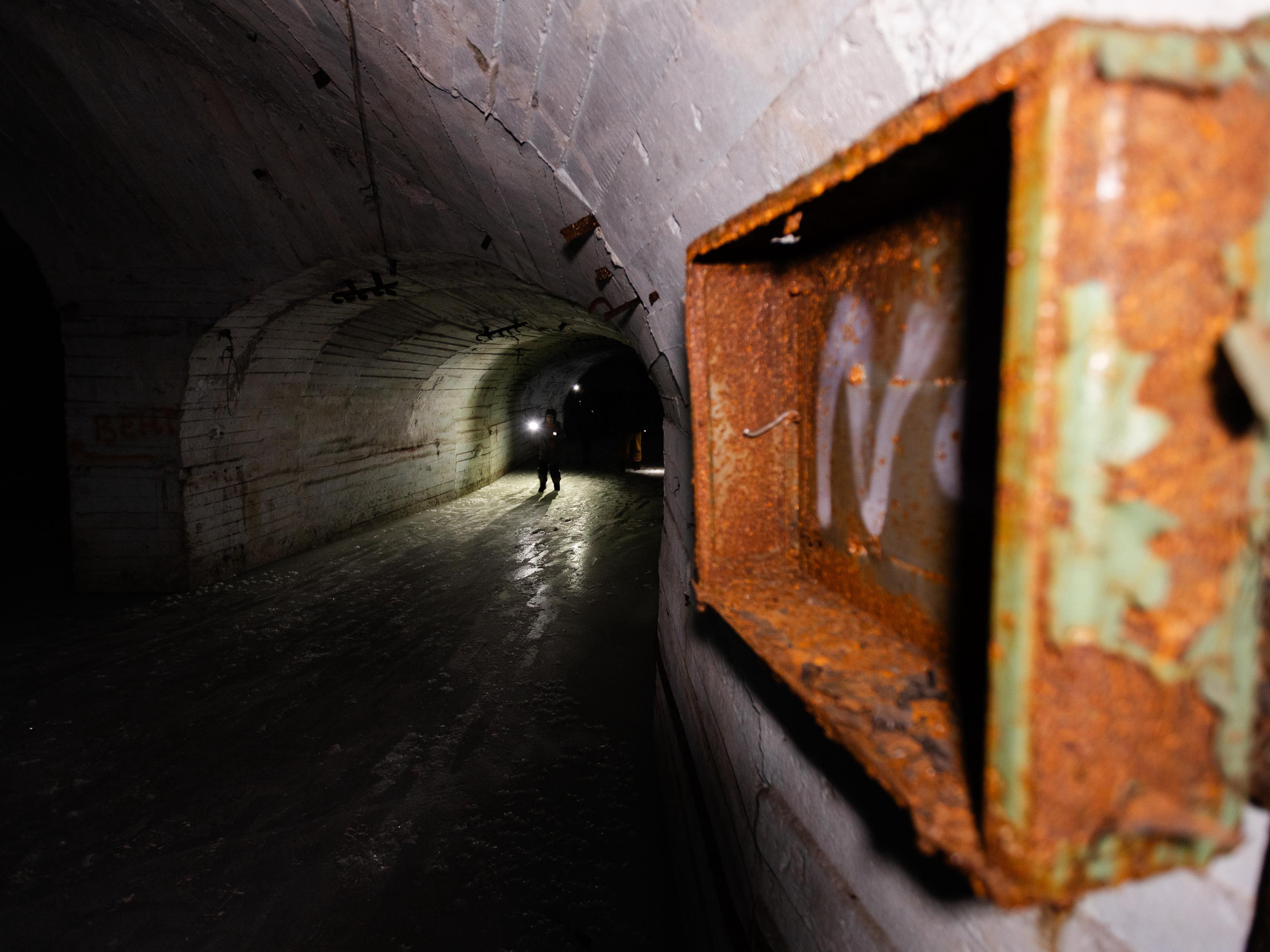
Our guide, a retired MVD (Ministry of Internal Affairs) officer and now tour organizer Vadim Rainikov, says he doesn«t recall similar structures in other cities: this wasn»t just a bomb shelter, but essentially a copy of a once-operating plant with equipment that could start working at any moment in case of an emergency.
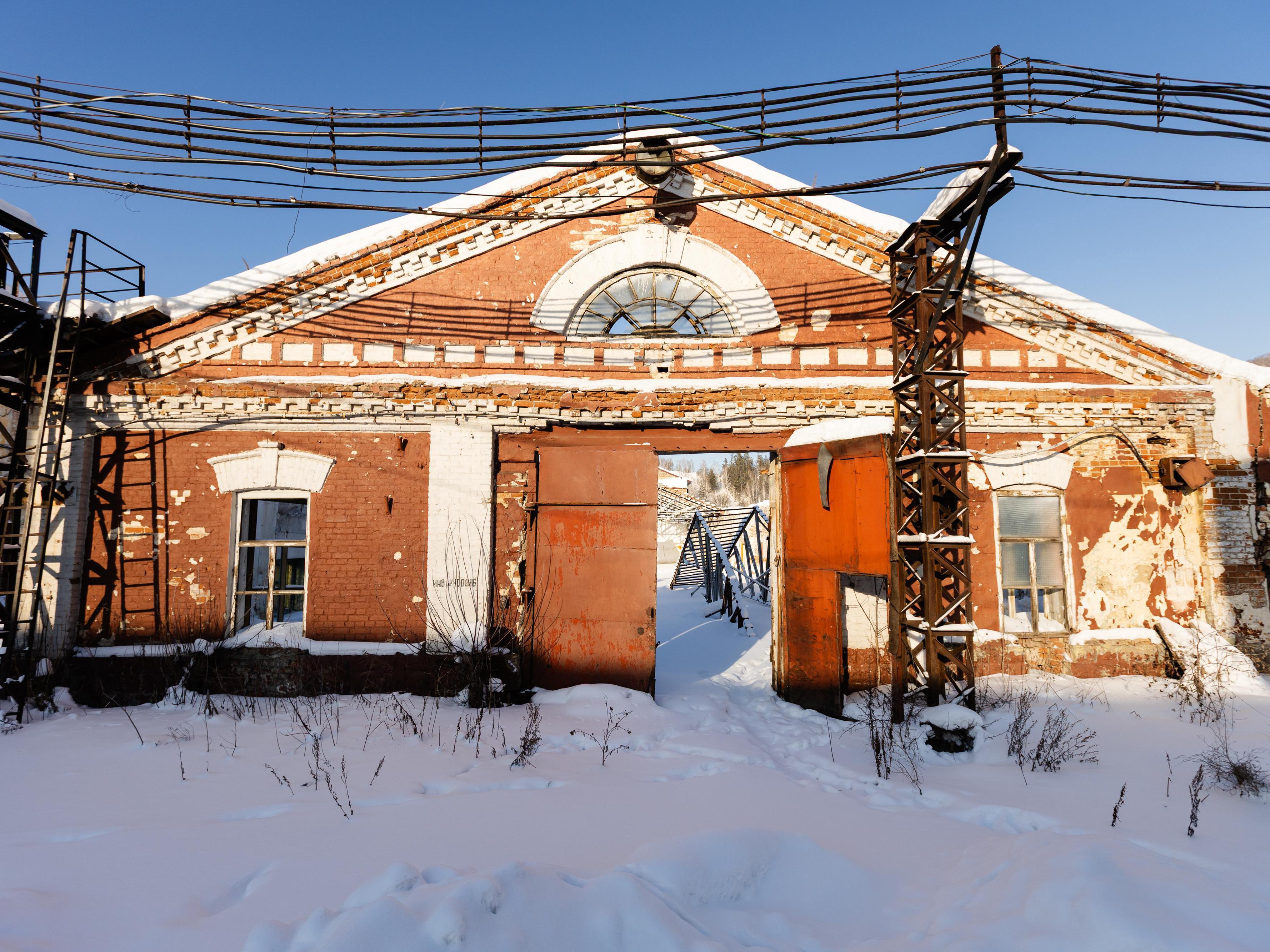
From Cannons to «Polyus» Refrigerators
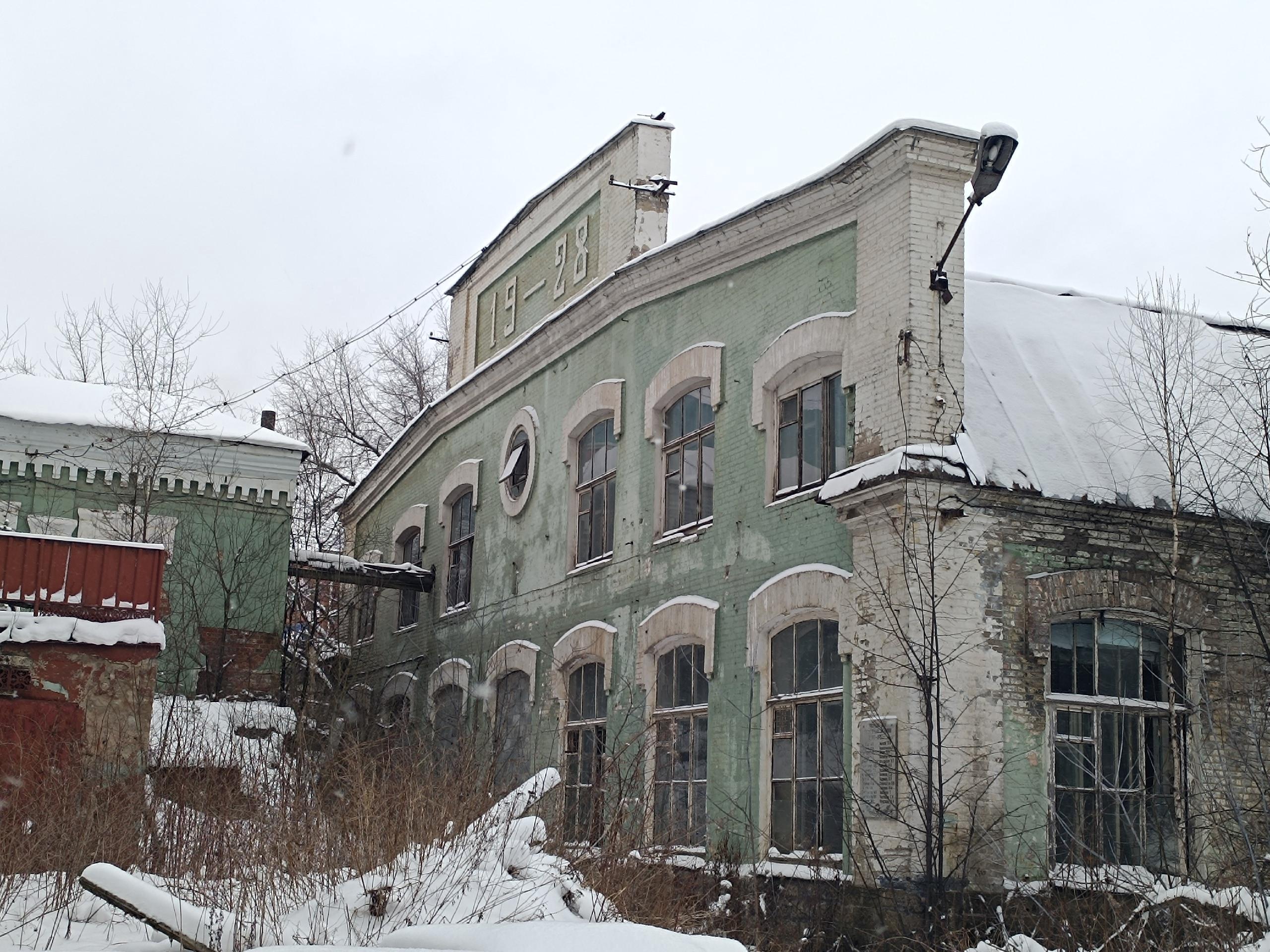
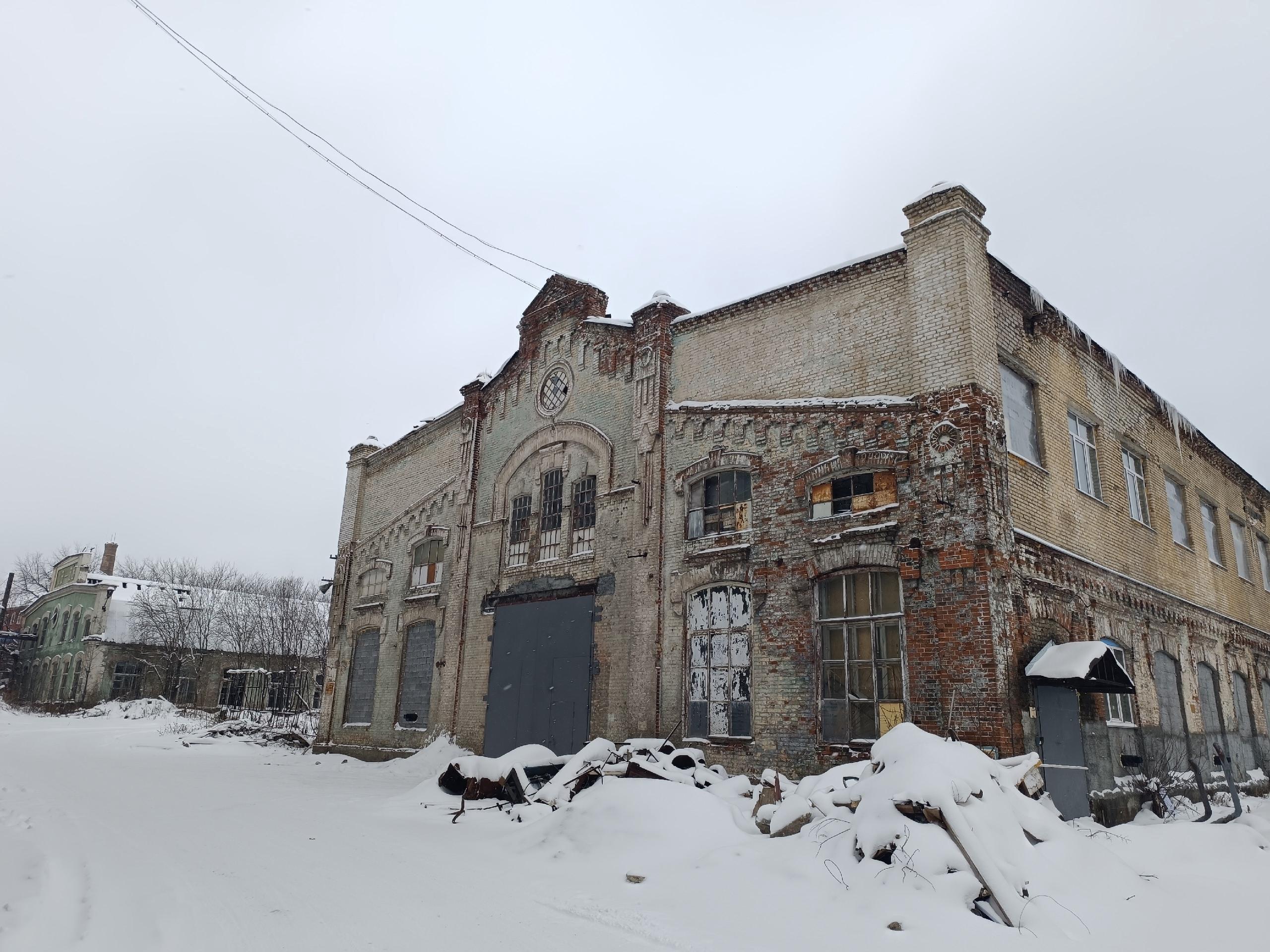
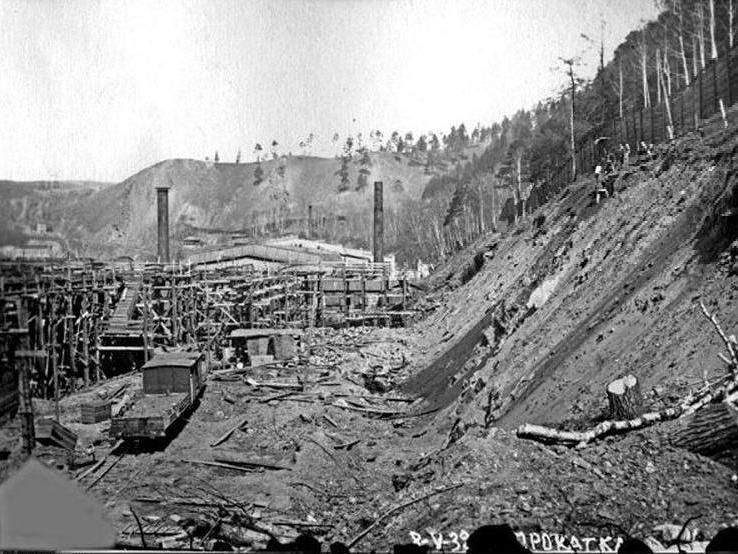
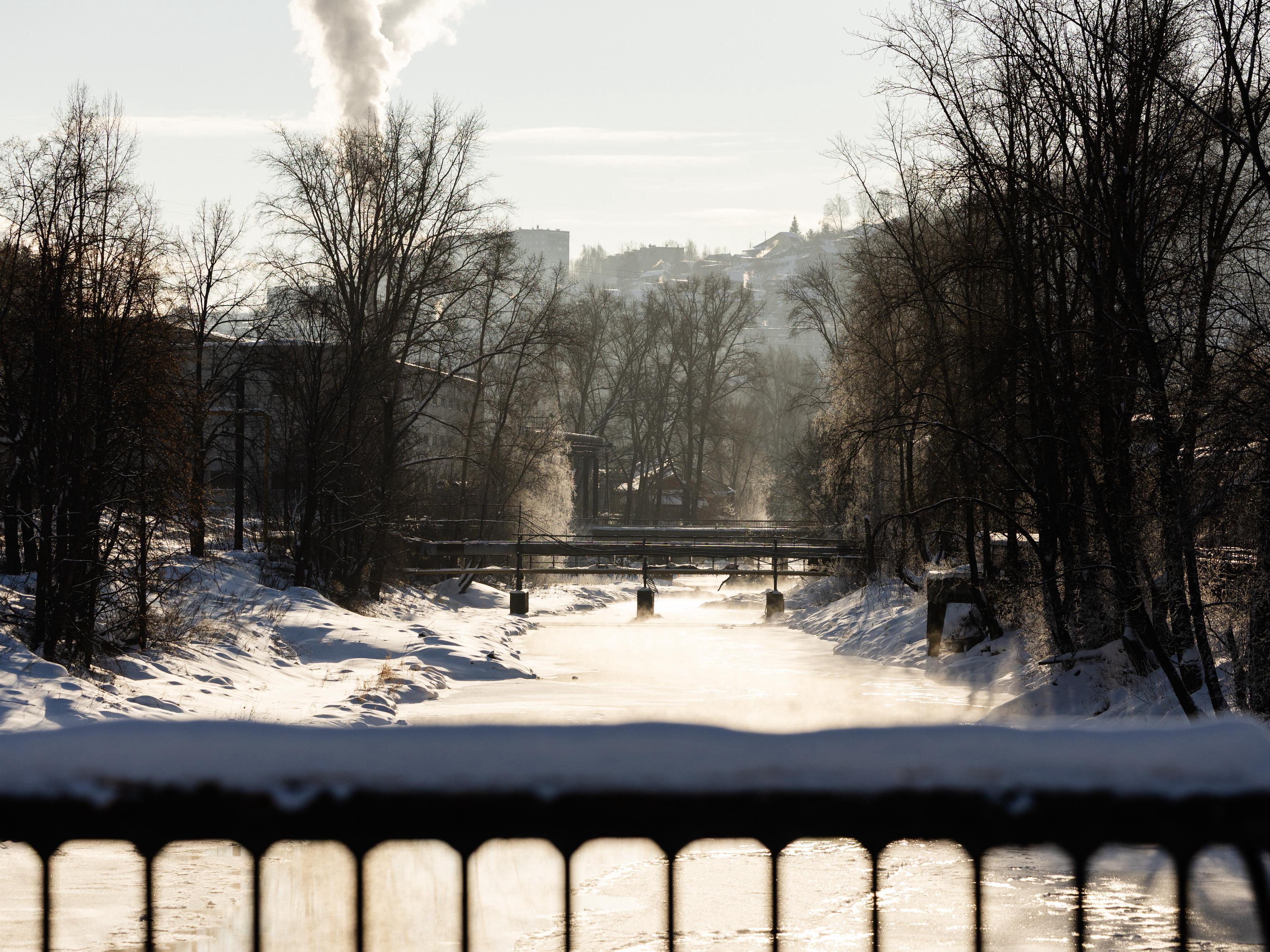
But before exploring the rooms in the rock, let«s walk around the plant itself. Over three (!) centuries of existence, it stretched for a kilometer along Mount Kosotur. Although just 100 years ago, half of its territory was occupied by residential houses. Metallurgical production was located closer to the dam, built in the 1750s to use water power for cast iron production.
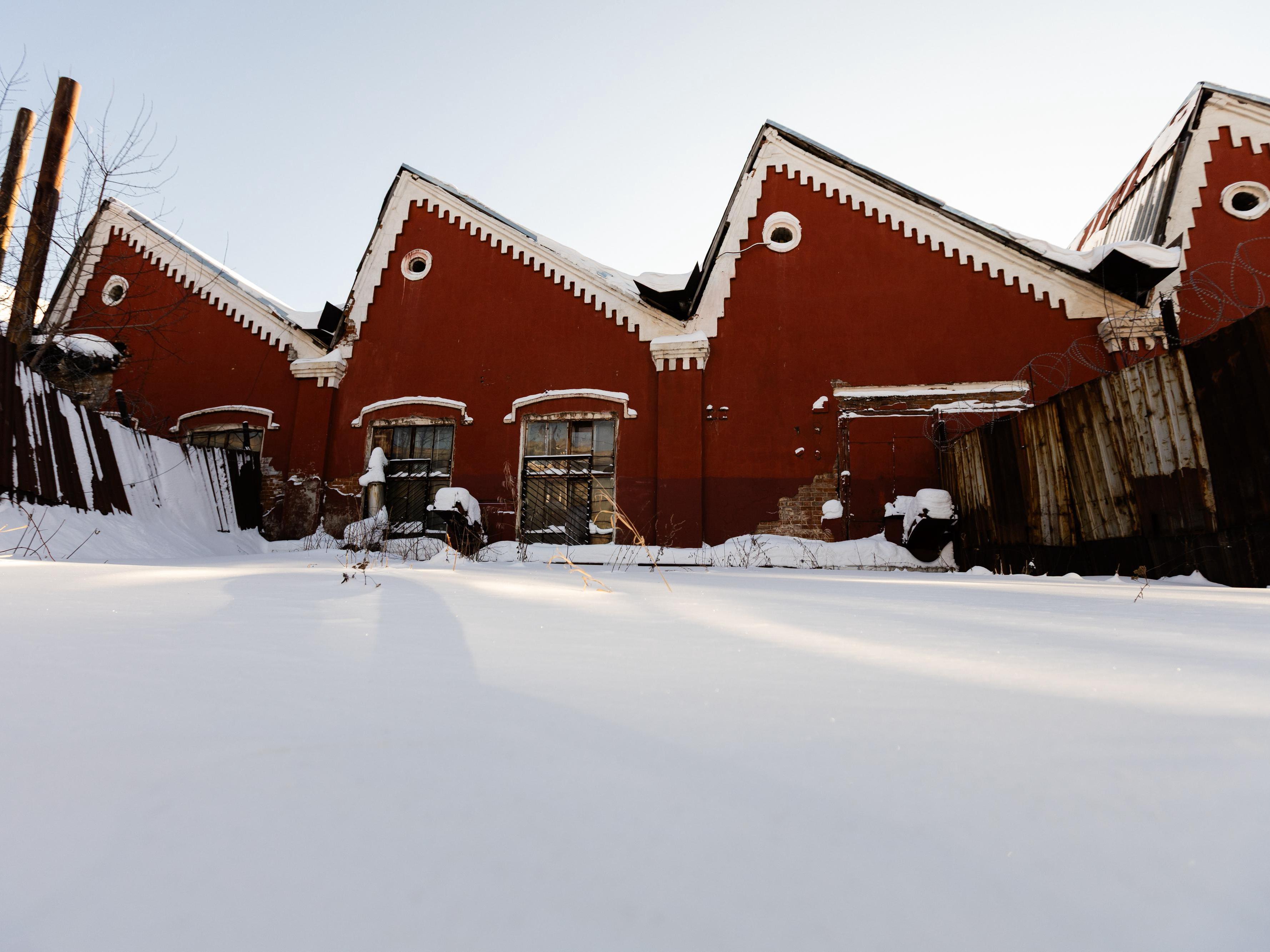
The Zlatoust Machine-Building Plant named after Lenin is one of the oldest in the Urals. Founded by Tula merchants, the Mosolovs, in 1754. Until the early 20th century, it supplied metal for state and private clients, as well as ammunition and cold steel (blades) — during the Civil War, it supplied them to Kolchak«s army, and later to the Reds. In the 1930s, the plant specialized in producing special steels; during the Great Patriotic War (World War II), it was the only enterprise in unoccupied territory producing bearing and other special steels. In the 1970s, construction began on a bunker in the mountain near the workshops to relocate military production in case of threat. But after the collapse of the USSR, the plant couldn»t integrate into the new economy. It changed names, business profiles, and eventually went bankrupt in the early 2000s. Today, part of its workshops are abandoned and demolished, while others host various entrepreneurs.
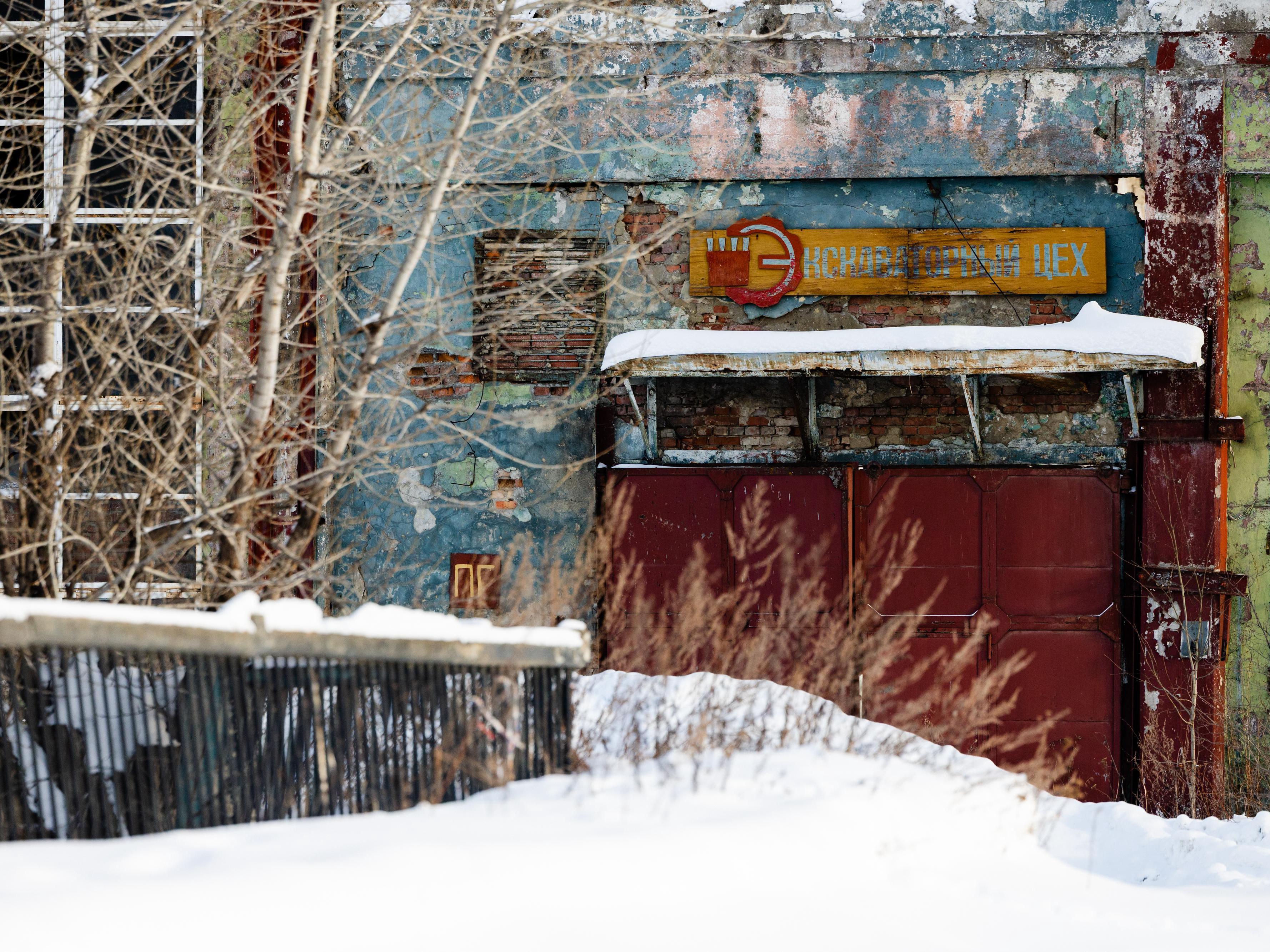
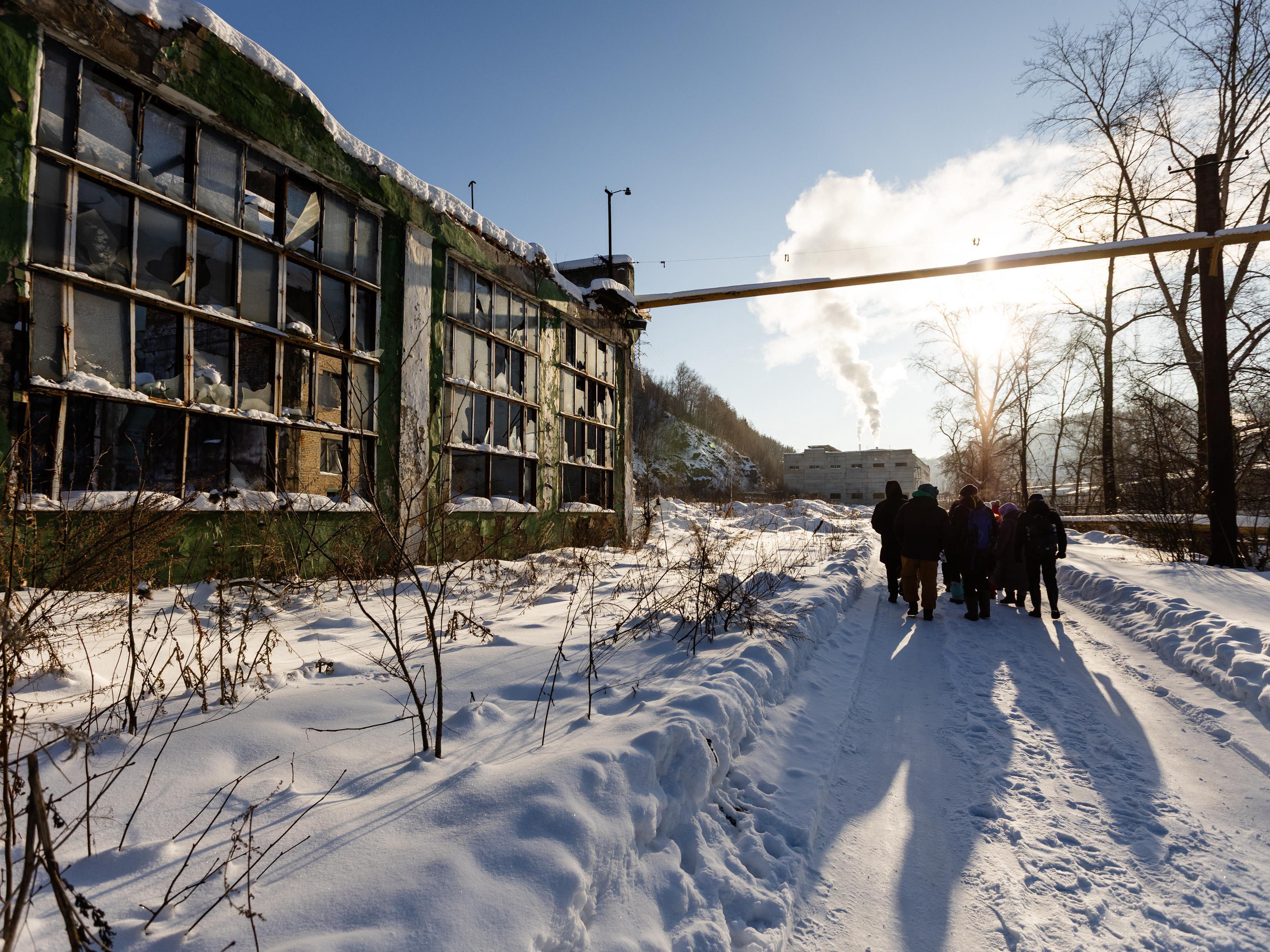
The route to the bunker entrance runs from the checkpoint of the «Bulat» association — this is the last legal entity that united the entire production site before bankruptcy. The workshops here are the «youngest» — built in the 1920s and 1930s. There are administrative buildings from later periods.
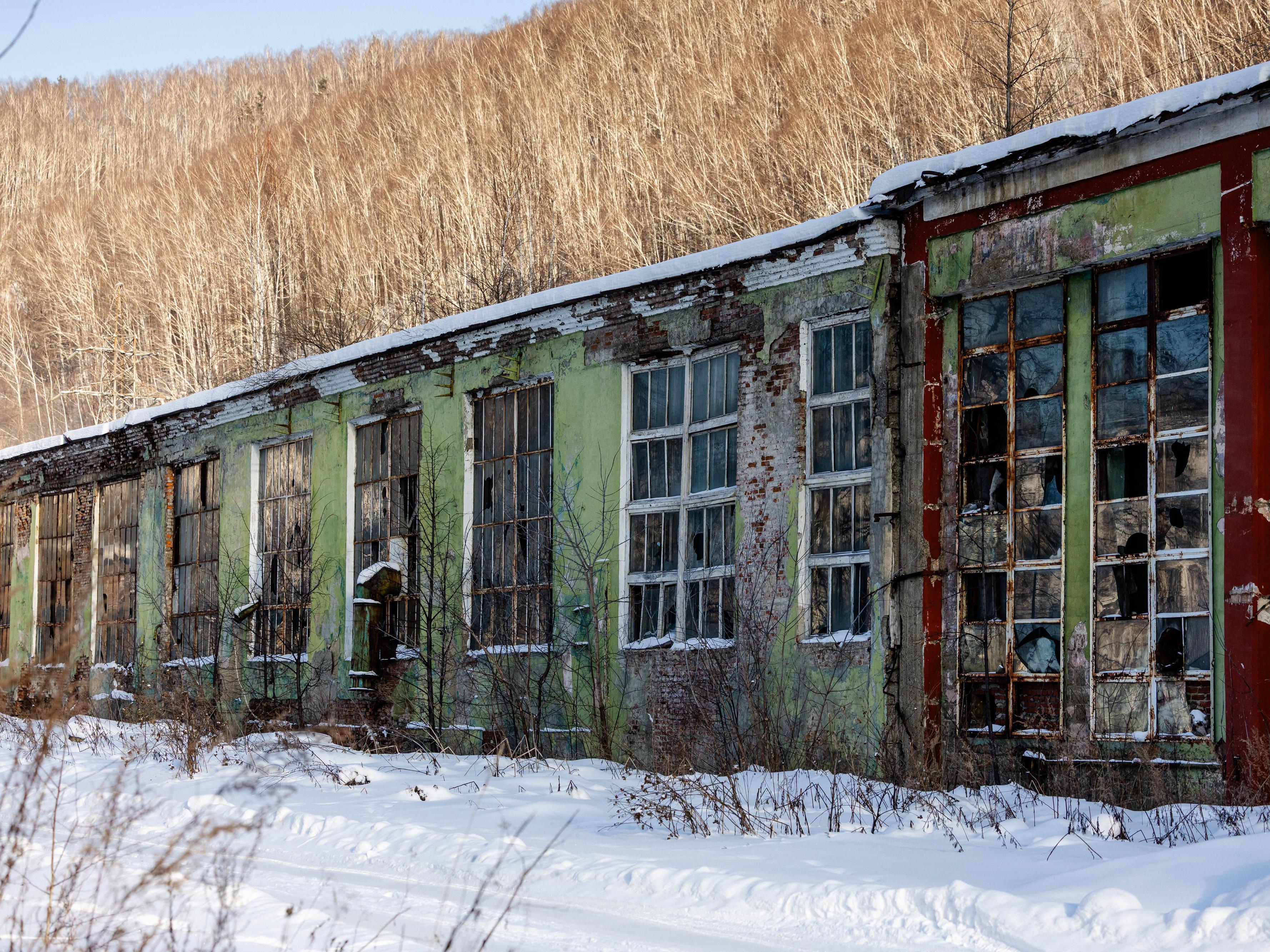
In this part of the plant, known in the city as the Lenin Machine-Building Plant, they made finished products — not only military but also civilian. For example, «Polyus» refrigerators and excavators.
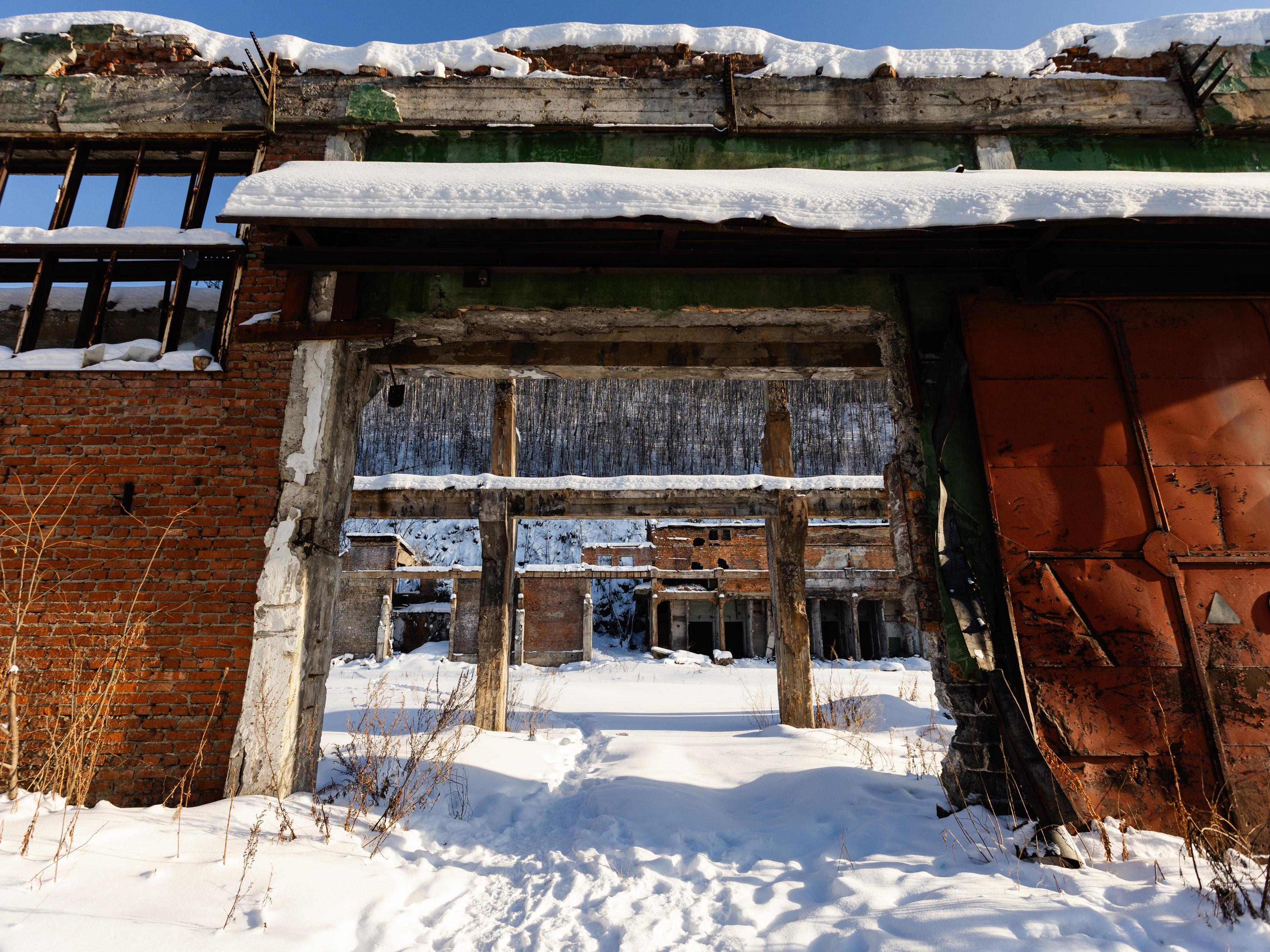
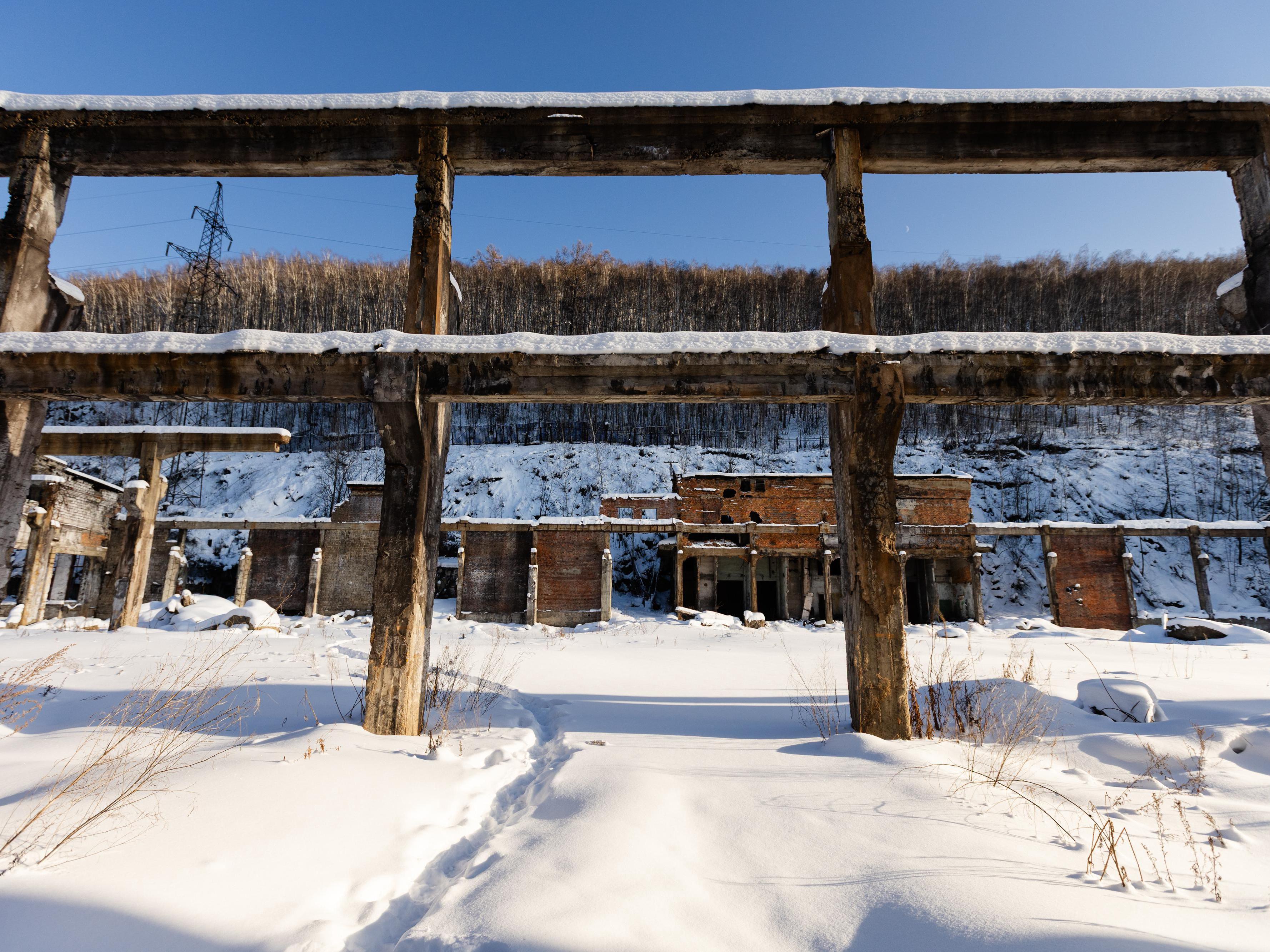
The next workshops, of which even less remains, are the foundry and rolling mills. They didn«t last at the foot of Mount Kosotur for even 100 years.
«Designed for Any Threat»
The heyday of the Lenin Machine-Building Plant (not to be confused with «Zlatmash,» which exists to this day in another part of the city and is famous for producing «Sineva» missiles) came in the post-war period. Steel production was replaced with assembly of grain harvesters, and other civilian production lines appeared. But defense orders still occupied a significant share, and during the Cold War, authorities considered additional protection for this part of the plant.
The Cold War (1946–1991) was a period of global geopolitical, military, and ideological confrontation between the USSR and its allies on one side and the USA and its allies (NATO) on the other. It was characterized by an arms race, including the accumulation of nuclear potential. Direct clash between the superpowers did not occur, but they participated in conflicts in third countries (Korean, Vietnamese, Afghan wars).
The bunker, according to old-timers« estimates, was built for over 10 years by employees of the Bakal Ore Administration. In the early 1970s, a tunnel-boring complex was launched into the mountain»s depths. Then the rooms were reinforced with concrete.
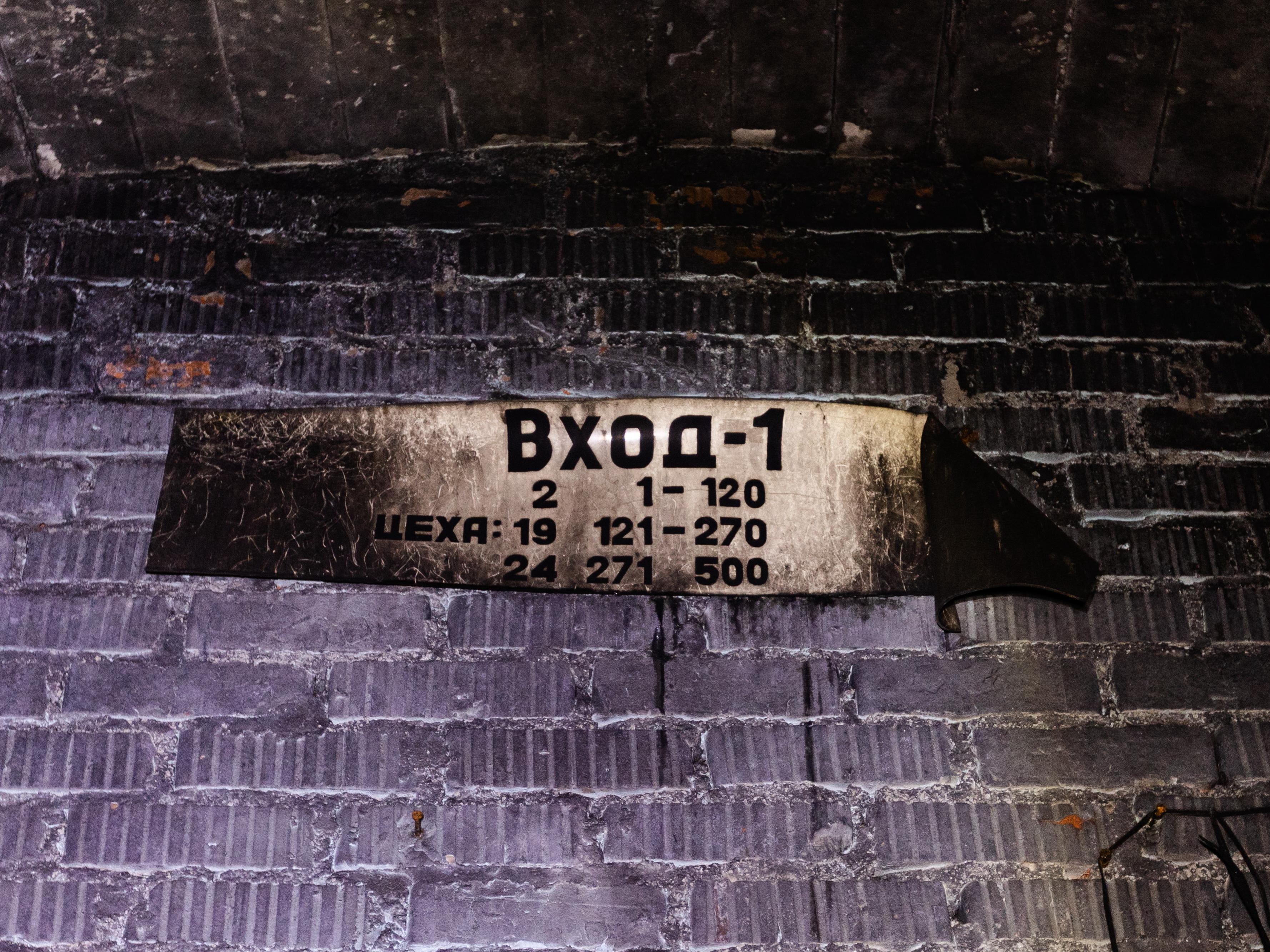
A few numbers: the total area of the bunker rooms is 4,400 square meters. It has six entrances/exits to the surface, all equipped with several levels of protection: airtight doors, an «anteroom» with a powerful ventilation system that removed all dangerous air.
Production was located in the main tunnel. The left side housed machine tools, with a passage on the right. On the walls, some inventory numbers of equipment that stood here in case of a sudden threat still remain. And the machine tools disappeared about 20 years ago — soon after the plant«s bankruptcy.
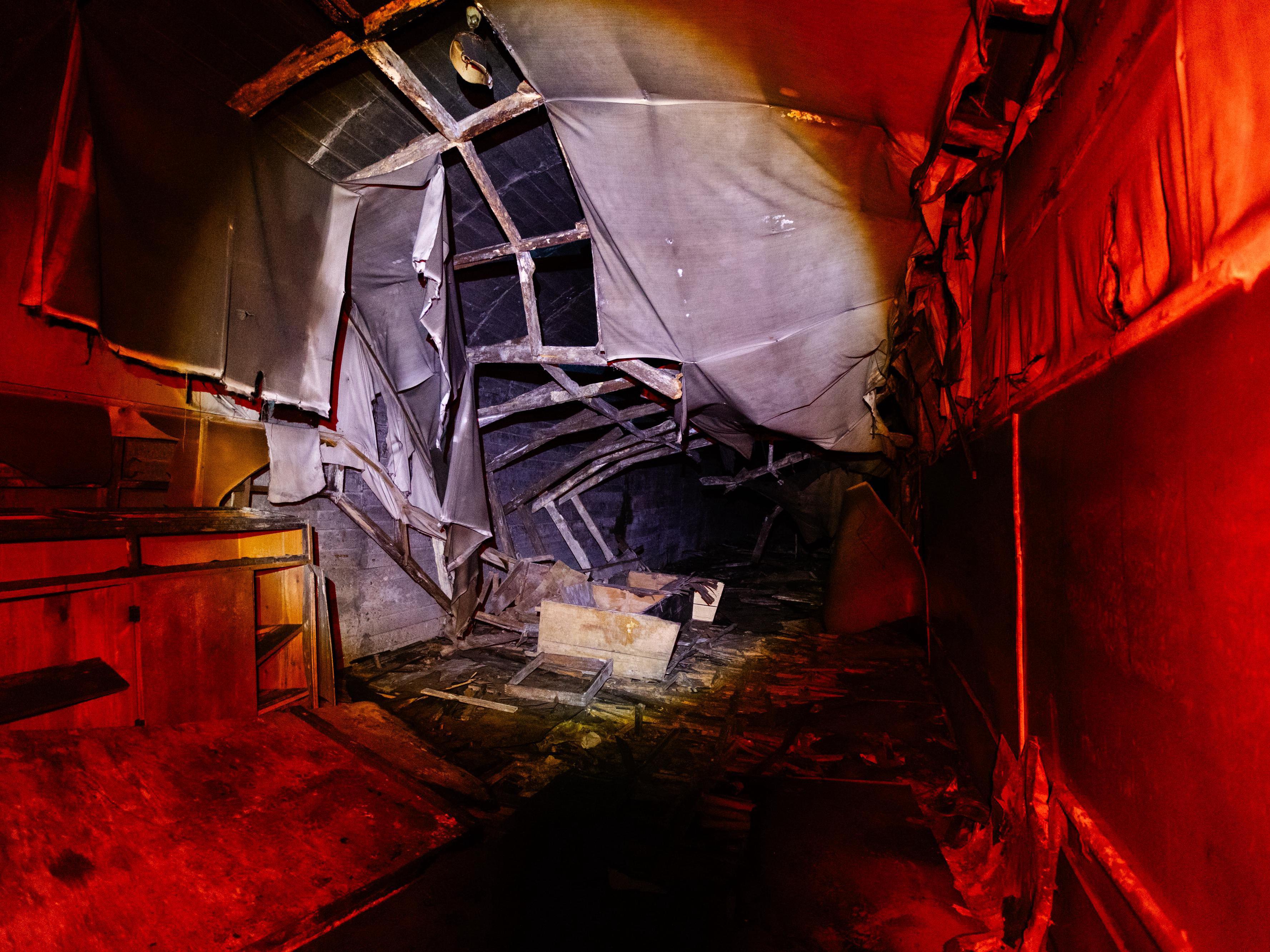
Not far from entrance No. 1 is the former command post, consisting of several rooms. And if the setting in most bunker rooms is ascetic — only the bare necessities for survival — in the management rooms, there was parquet on the floor, oak furniture against the walls, and a suspended ceiling above.
«Looks like a real flophouse,» concluded one of the tour participants, and it«s hard to disagree. There was a fire in the room, and the rest was destroyed by looters who for years took out everything that could be carried.
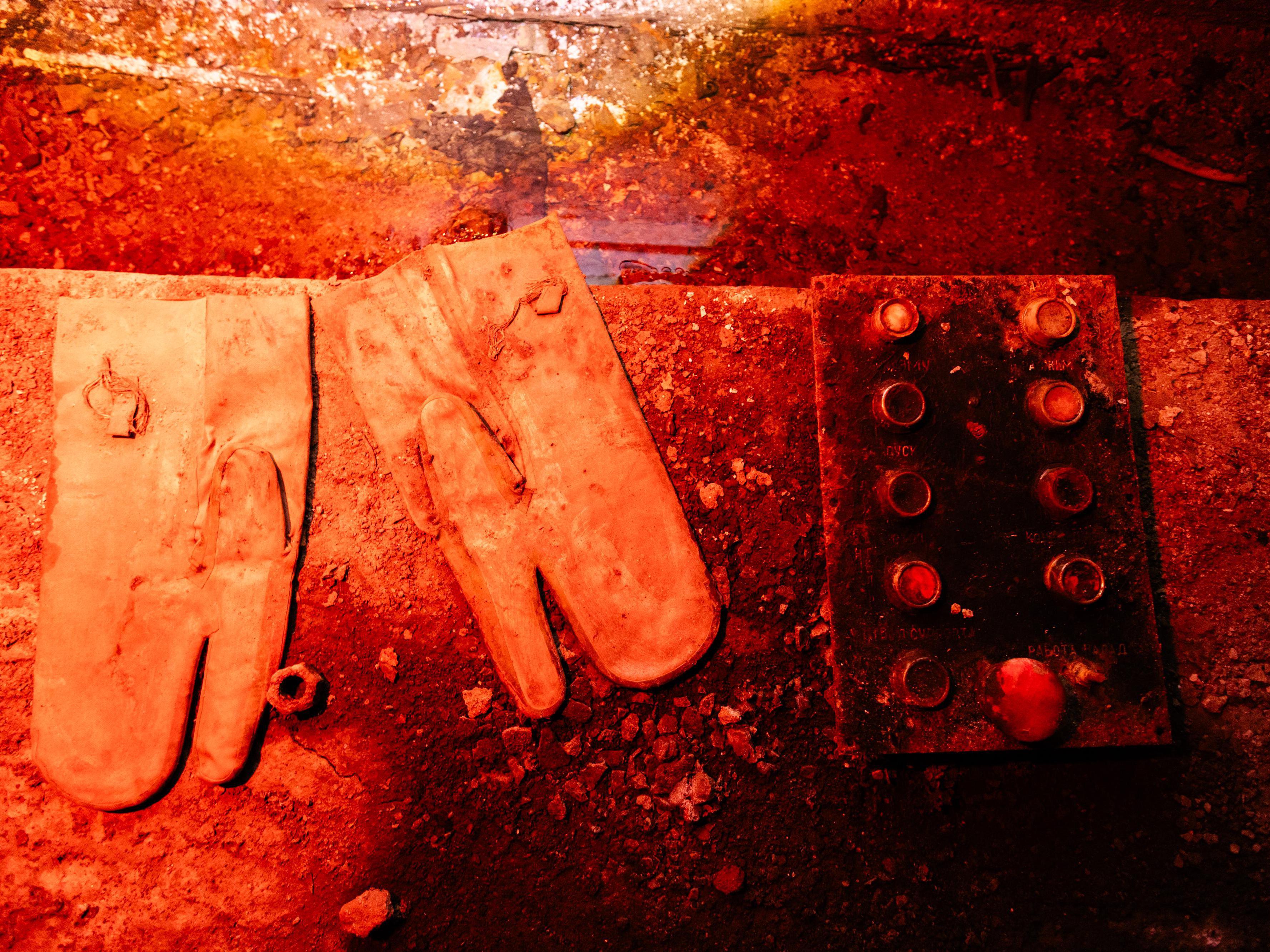
Next to the command post is a small room — the communications hub. All wires converged here, with direct communication to Moscow and something like an «emergency kit,» our bunker guide suggested.
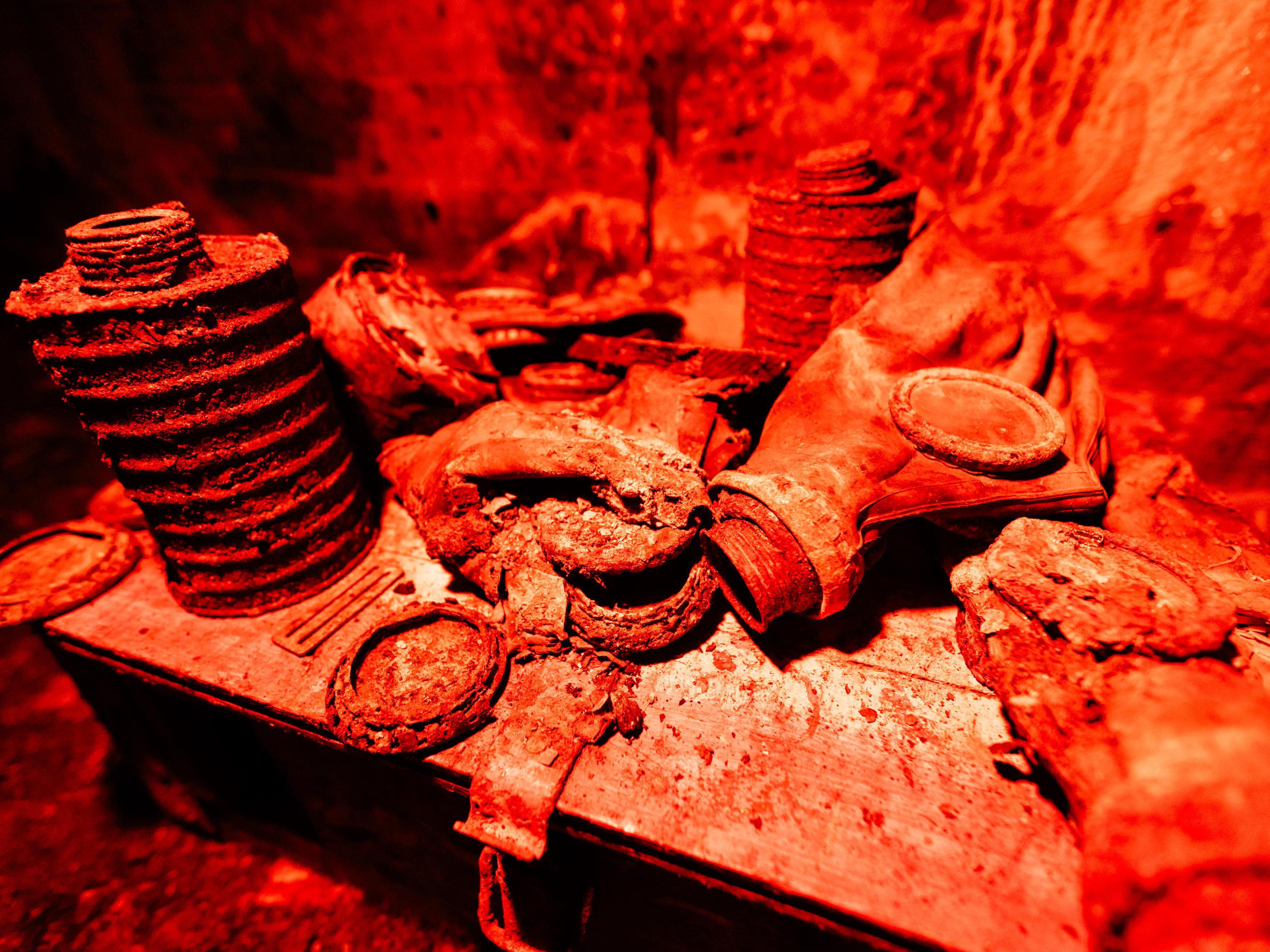
Here, there«s a whole room with protective equipment — gas mask components litter the entire floor.
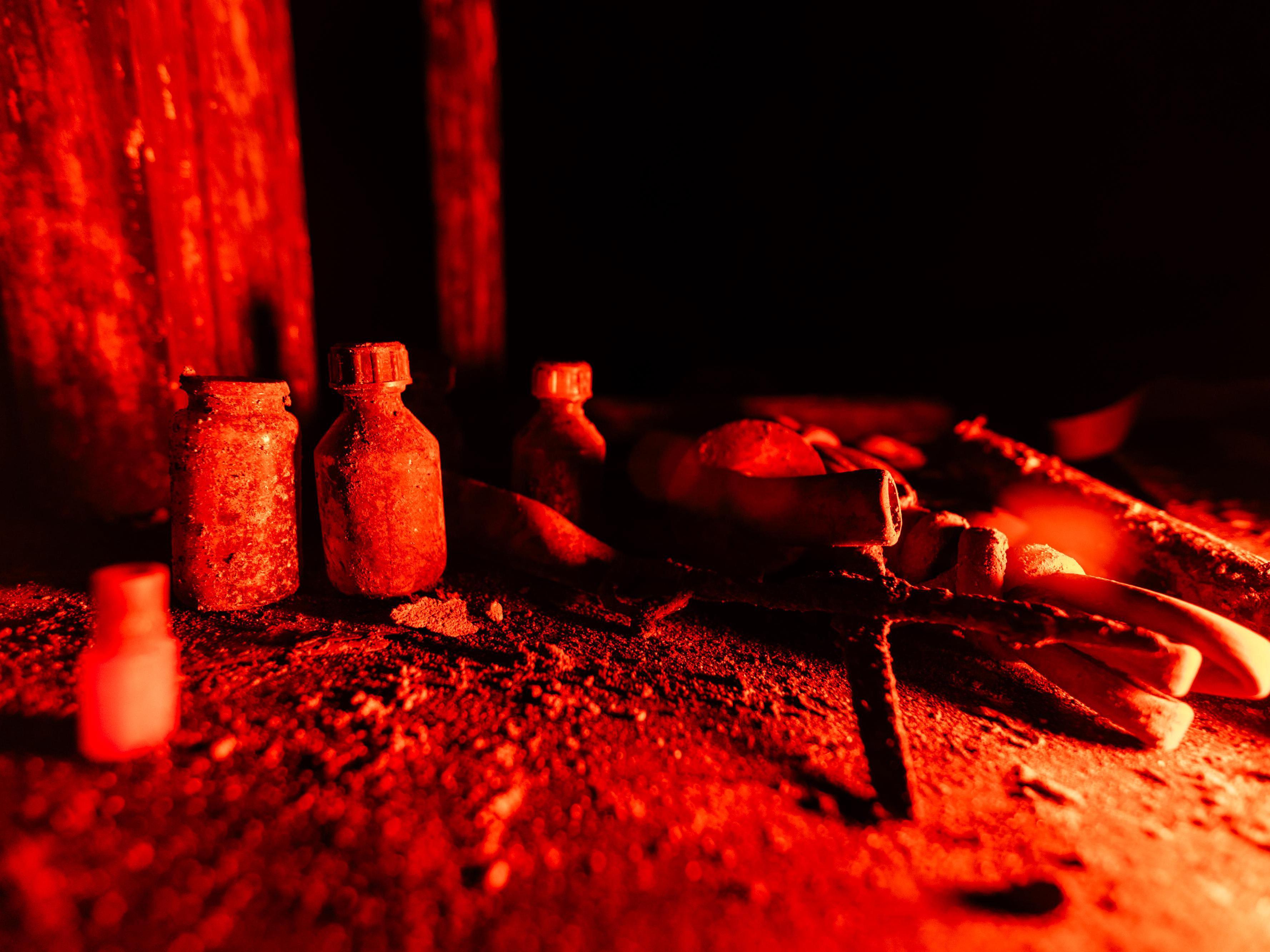
Not far from each entrance — a medical point and an isolation ward for the sick.
In remote parts of the bunker, there are rooms for storing water and fuel reserves. Despite the Ai River flowing literally steps away from the entrance, in case of a chemical attack, water from it couldn«t be used, our guide reminded.
The «heart» of the structure is called the diesel power station. It required large fuel reserves. A whole room was occupied by several huge barrels. They, like other metal, were stolen after the plant«s bankruptcy.
«The bunker was designed for any threat, everything was state-of-the-art for living and working for two thousand people for two months. But until the collapse of the USSR, only drills were held here. Well, after... As they say, »at work you«re the boss, not a guest; when leaving work, take at least a nail.» So they took things,« shared our guide.
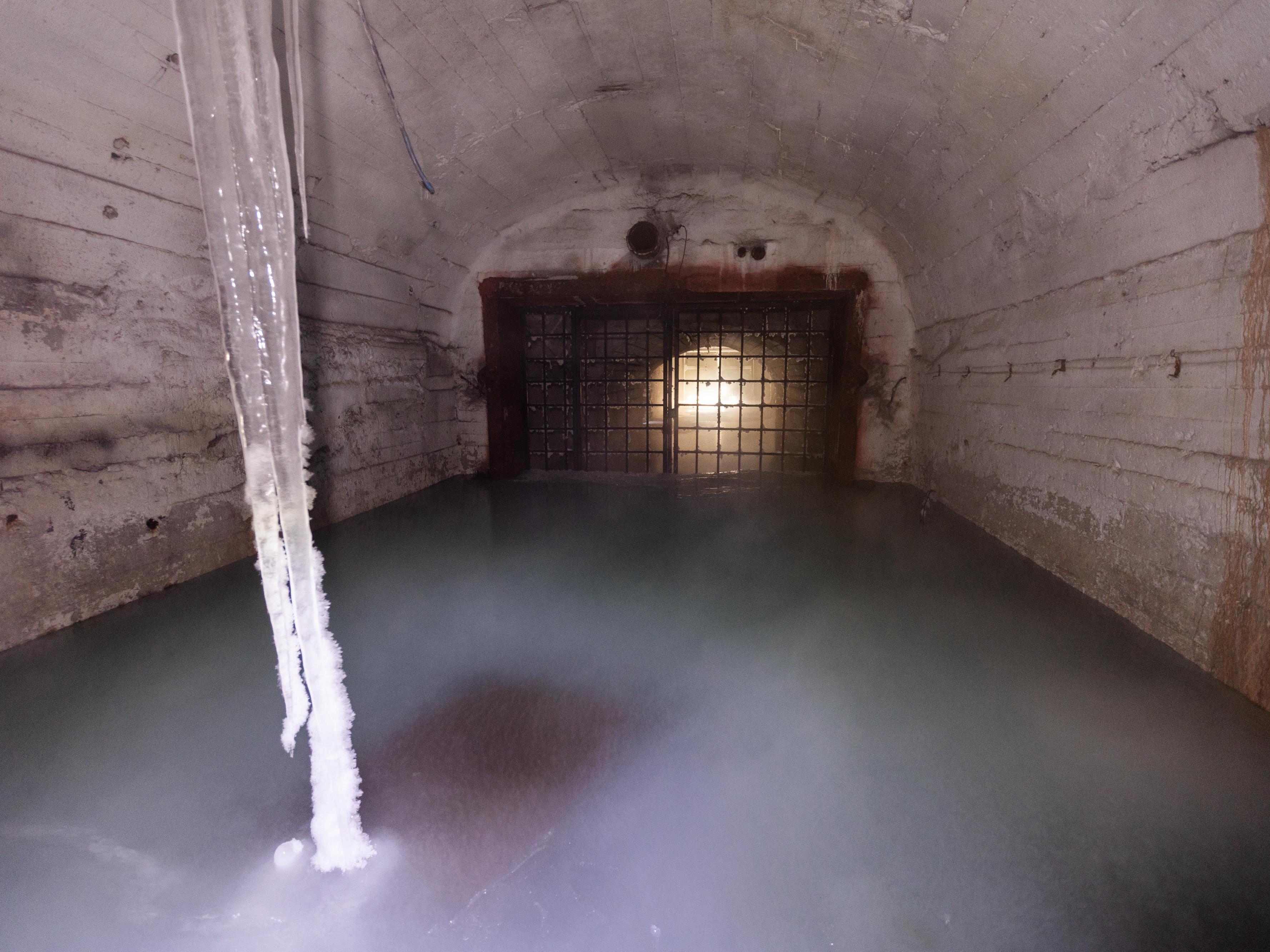
Just five years ago, you could see part of the Soviet equipment here, but now almost no artifacts remain. The bunker«s tenant last year tried to sell the structure for 5.5 million rubles (about $55,000 at current rates) along with a long-term lease agreement, offering various scenarios for the unusual object — from a warehouse complex in the very center of the city to tours, quests, or a patriotic complex.
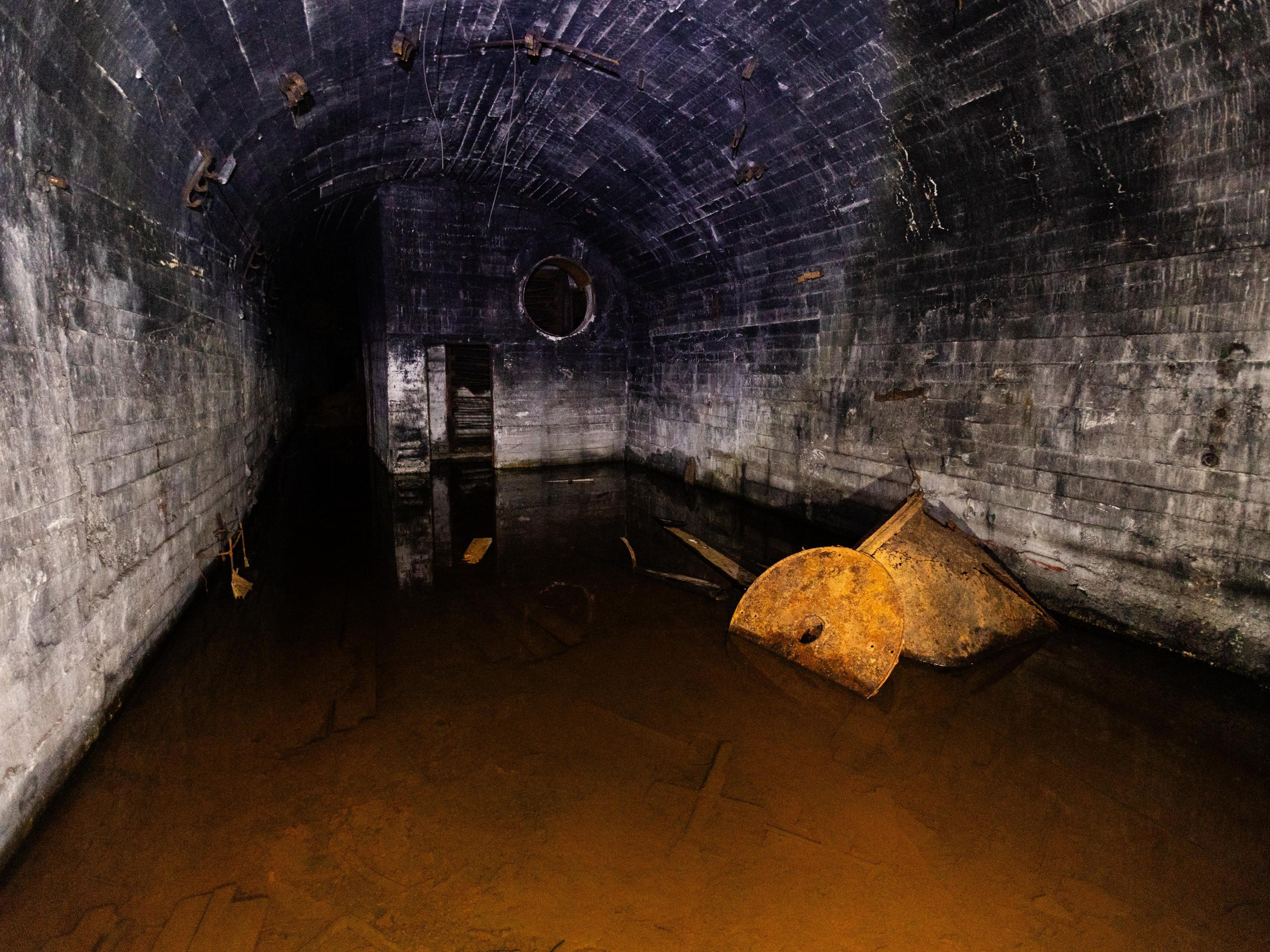
At the end of last year, the structure came under district control, and its fate remains unclear for now.
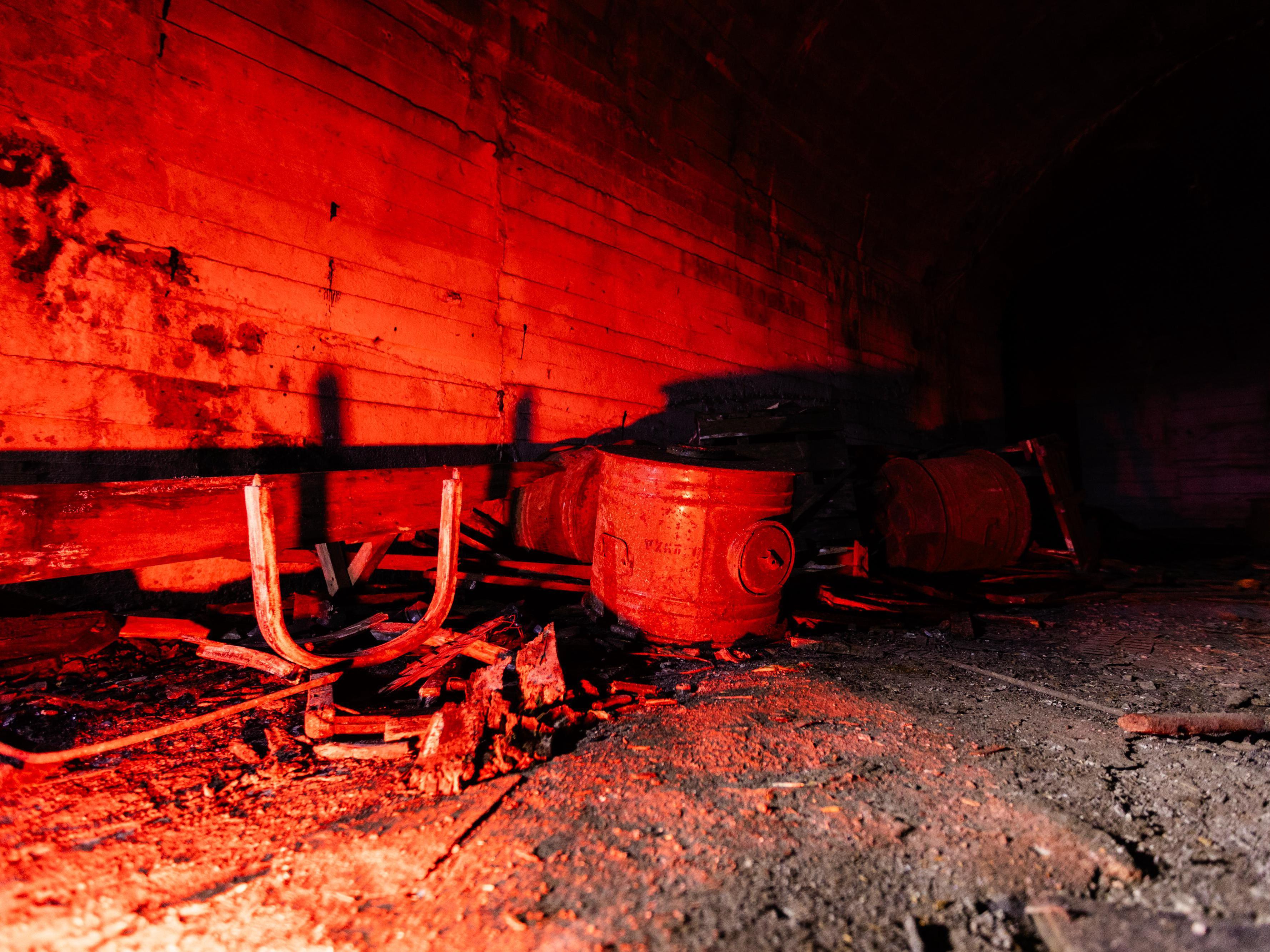
In summer, we visited another bunker — on the outskirts of a former military town in the Chebarkul district. Part of its rooms has already been buried in earth, and visiting can be life-threatening.