Foreigners in Volgograd Share First Impressions of Snow and Ice

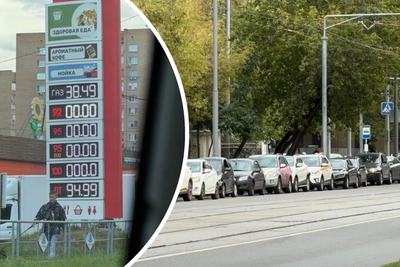
For Volgograd residents, a cold winter has long been a rarity: people have become accustomed to celebrating the New Year in mud and wearing autumn jackets in January. So the sudden frosts have come as a blow to locals (including to public utilities).
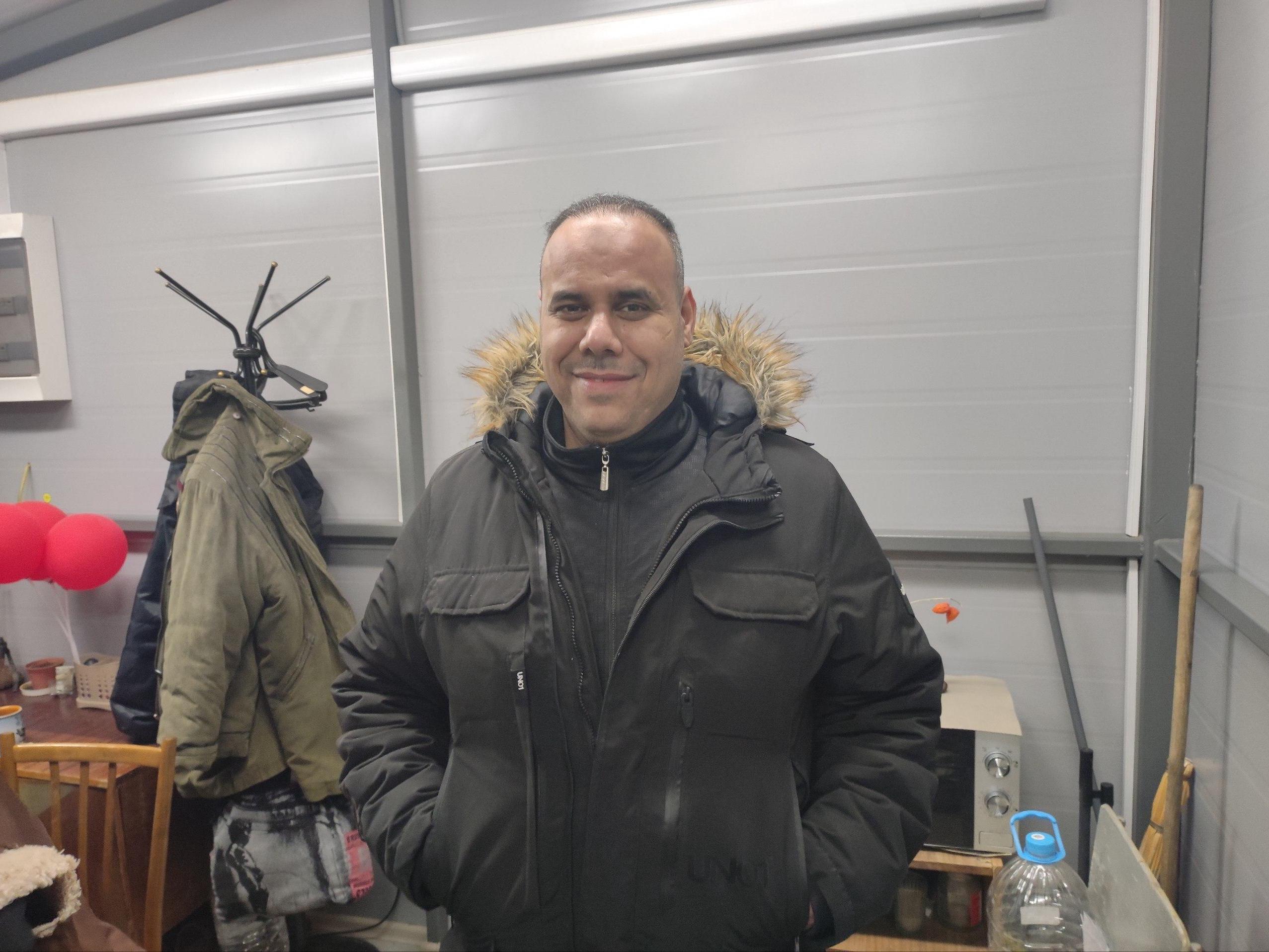
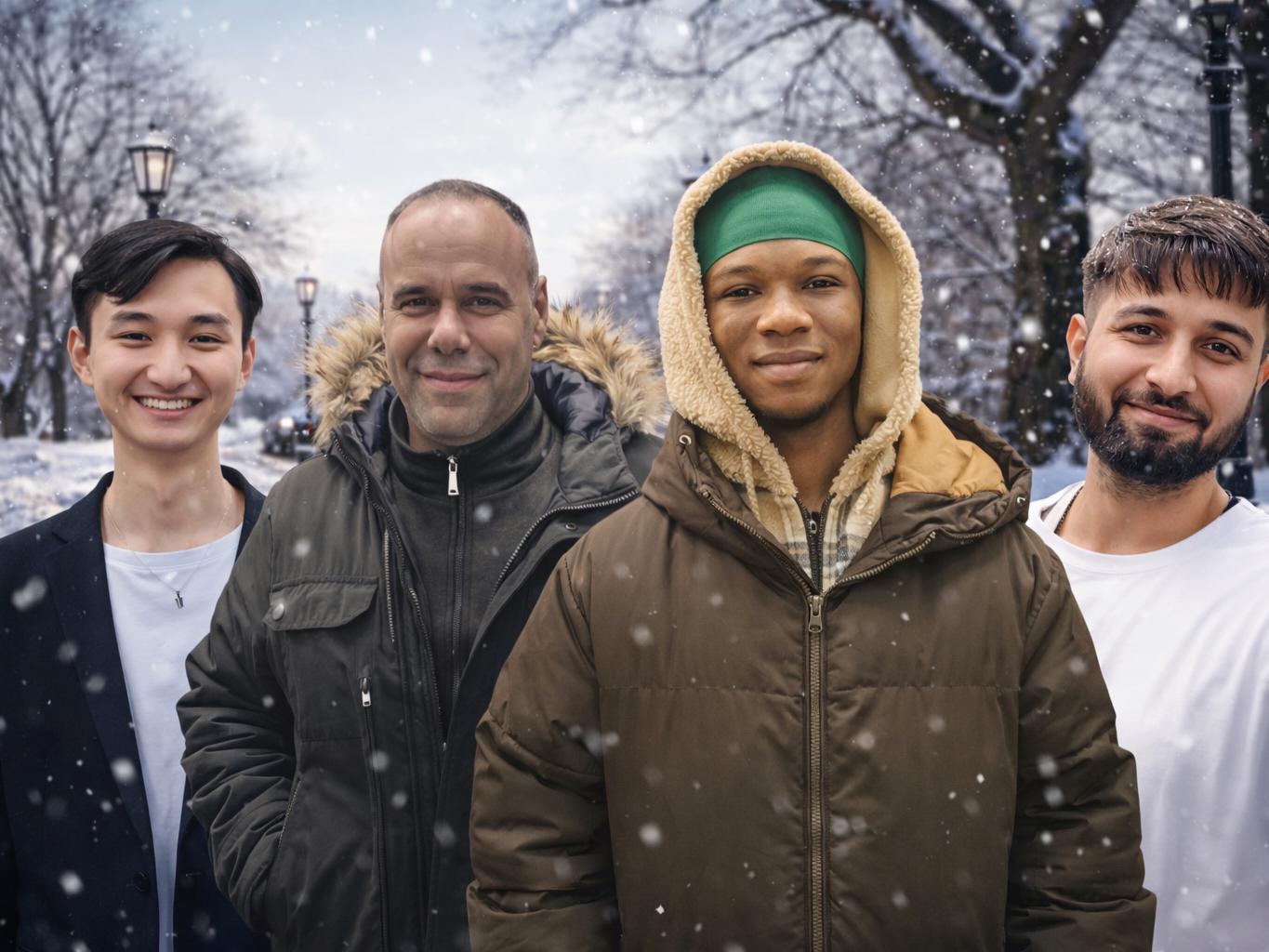
And if native residents react so sharply to the cold, what is it like for foreigners here? Not tourists who have flown in for a few days, but those who intend to stay for a long time. We spoke with students and found out what it«s like—to experience your first winter in Russia.
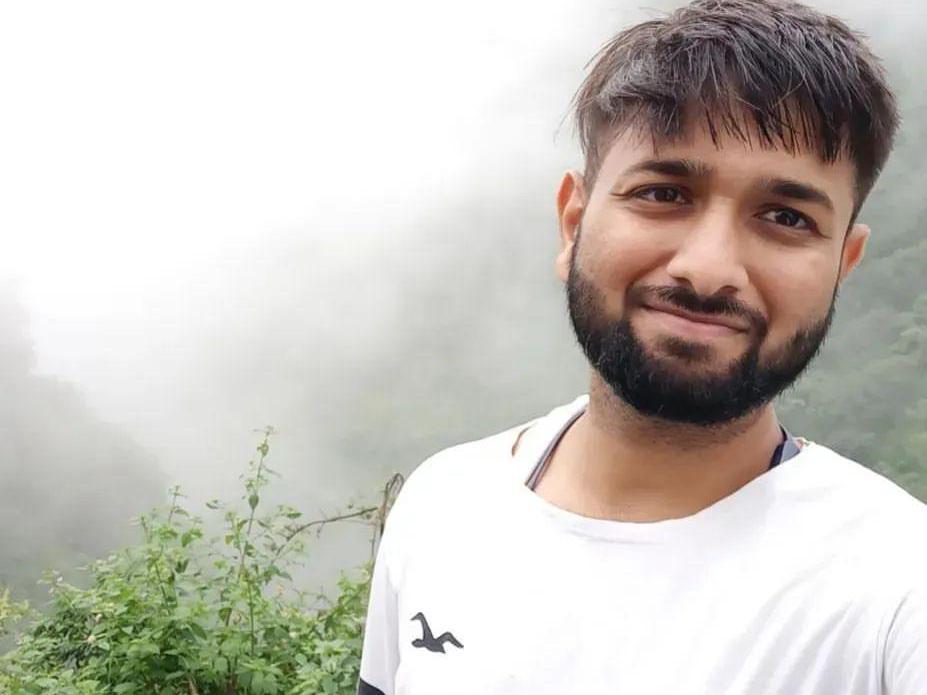
«We didn«t even understand what »cold« meant»: Abdulkhamid from Iraq
Abdulkhamid received his first higher education in chemistry back in 2014 in Samara and is now completing his postgraduate studies at Volgograd State Technical University. The most surprising thing about moving was the snow.
— At first, I didn«t even know that for winter in Volgograd you need to buy different, especially warm clothes. I thought all jackets were the same—the ones you wear in autumn and the ones you wear in winter. At first, I didn»t understand at all how people here walk the streets in such frost: they are absolutely comfortable, while the wind cuts me to the bone.
Before enrollment, all students learn Russian; it took Hamid a year. According to students« accounts, foreign freshmen learn Russian profanity the fastest—and so well that native speakers themselves are amazed at the level of proficiency. Hamid, however, says he hardly knows any swear words, but notes: without minimal language knowledge, you can»t get almost anywhere here.
— I still remember how I flew into Vnukovo at night and had to get to Domodedovo for a connecting flight, — he recalls. — There were few staff at the airport, and none of them knew English. So my first conversation here was in the language of gestures. They struggled with me, struggled, then gave up and called an employee whose shift had already ended. His name was Sergei, he was very kind, he even helped put me in a taxi.
Another fundamental difference between Russians and Arabs, according to Abdulkhamid, is the mentality. Volgograd residents, he says, are much more severe than the inhabitants of his native Iraq.
— Of course, different people live here, and it all depends on the person. But it was very unusual that here people almost never smile on the streets, everyone walks around gloomy, — he says. — Later, when you start communicating, you understand why: bad mood, workdays, or the weather isn«t great.
«In shock at how they drive here»: Utkarsh from India
The climate made a different impression on Utkarsh—a sixth-year student at Volgograd State Medical University, studying in the Faculty of Medicine. Stereotypes about cold Russia, he says, did not hold up: the winter temperature here turned out to be not much lower than in India. What amazed him was something else.
— It«s very hot here with you. More so than in India. I come from regions considered cold. So winters here and in my homeland are the same. But in summer here there»s hellish heat, — he says.
Another difference between Volgograd and India, besides the weather, is the driving culture of motorists. It left Utkarsh stunned when he first crossed a wide highway.
— It was unusual that drivers here brake when they see pedestrians on the road. I remember finding myself in the middle of the road on a red light, and the cars were standing, letting me pass—at first it seemed very strange.
Now Utkarsh lives on a stipend, devoting all his time to studying. Besides standard subjects, he is trying to improve his Russian, which, he admits, is still very difficult for him.
«Here I saw autumn for the first time»: Hai Bang from Vietnam
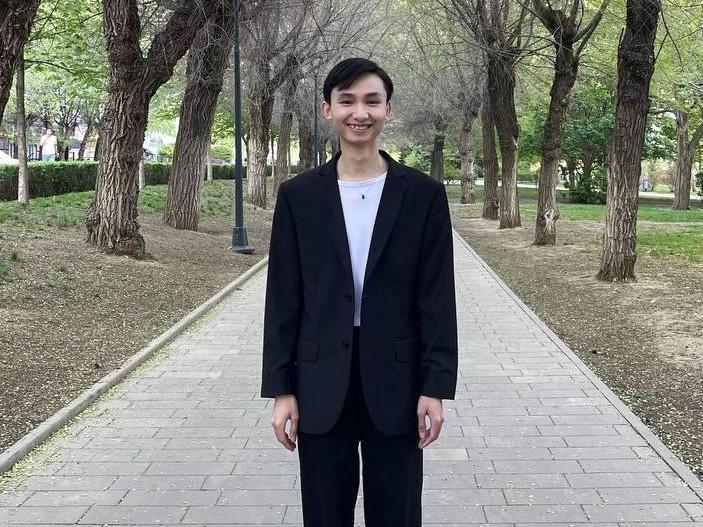
Third-year student Hai Bang from Vietnam, who is now studying journalism at Volgograd State University, also had to get used to Volgograd«s climate. According to his recollections, the climate of Indochina is much more stable compared to Russia»s: both winter and summer there are always «plus» temperatures, rarely dropping below 20 degrees Celsius (68°F).
— In Russia, everything is different: there are four clearly defined seasons. In winter—real frosts (we don«t have that at all!). Summer can be hot, but not like ours. And autumn and spring—these are separate, very vivid periods with their own weather.
Besides snowdrifts and ice, Bang had to get used to the length of day and night: in Vietnam they last almost the same all year round. Nature also behaves differently here, he says.
— With us, almost everything is always green. And here I saw for the first time how leaves fall from trees in autumn, everything is covered with snow in winter, and comes to life again in spring. There is a beauty in this pattern.
Although it was hard for Bang to settle in at first (mainly because of the cold), he does not regret coming here. He says he has been learning Russian for a long time, which is why he decided to move.
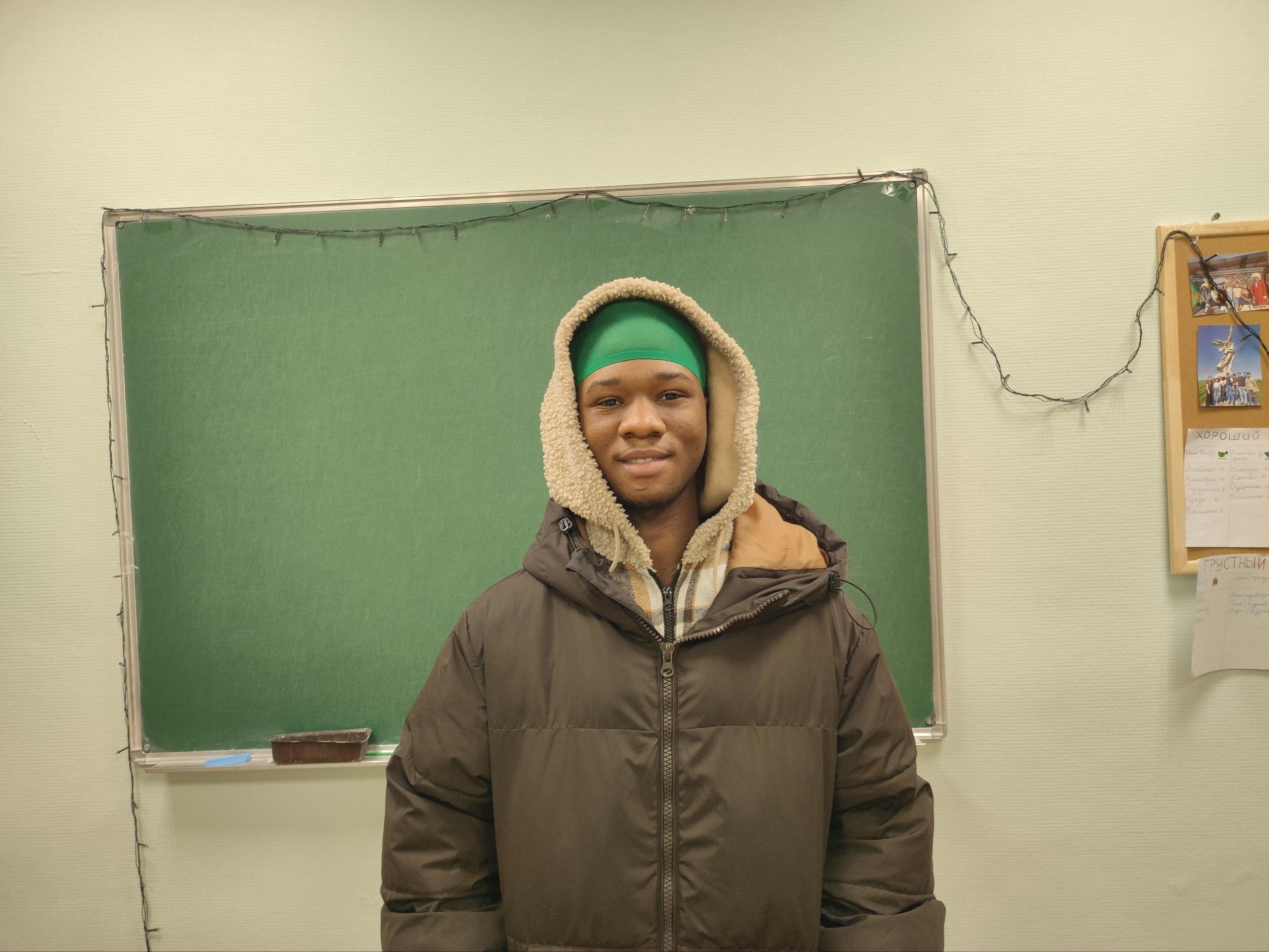
«The first thing I«m asked is whether I»m Russian or not»: Muhammad Havva from Guinea
Muhammad Havva has lived in Russia much less than the other V1.RU interviewees. He is 22 years old, came here from Guinea, and now, like Hamid, is studying at the Chemical Technology Faculty of Volgograd State Technical University. Like other natives of equatorial countries, the hardest thing for him here has been to come to terms with the frosts.
— In Guinea, we don«t have winter as such. Only two seasons: the rainy season, when it»s at least +20°C (68°F) outside, and the dry season, when it«s around +40°C (104°F) on average. I didn»t even have a proper jacket. Even in a room with working radiators, out of habit, I had to hide in my clothes.
Sport became a salvation for Muhammad: when it got cold, he would run outside or grab the exercise equipment. During one such run to the university, he learned firsthand what ice is.
— We didn«t have snow or ice, so I didn»t even know the streets could be slippery. Later, of course, I walked more carefully, but the first time I fell hard.
The most surprising thing in Russia, the freshman admits, was its multinational character. This especially impressed him in contrast with his homeland, where you don«t often meet people from other countries.
— Of course, I had heard before that many different nations live in Russia, but when I personally saw at the airport how many people from different countries are here, even from India and Asia, I was very surprised. For me, that was very strange.
Russia, according to Muhammad, has pleased him: here he quickly found friends, including among his classmates. He admits only one thing saddens him—it«s very difficult for a foreigner to find a side job here.
— They don«t want to hire because I»m a foreigner. The first thing I«m asked is whether I»m Russian. And only then—how well I know the language. Only once was I hired at a car wash, to wash cars. In summer you can also get a job at a construction site, but working 10 hours under the sun is very hard.