Why Russia is bringing stored aircraft back into service
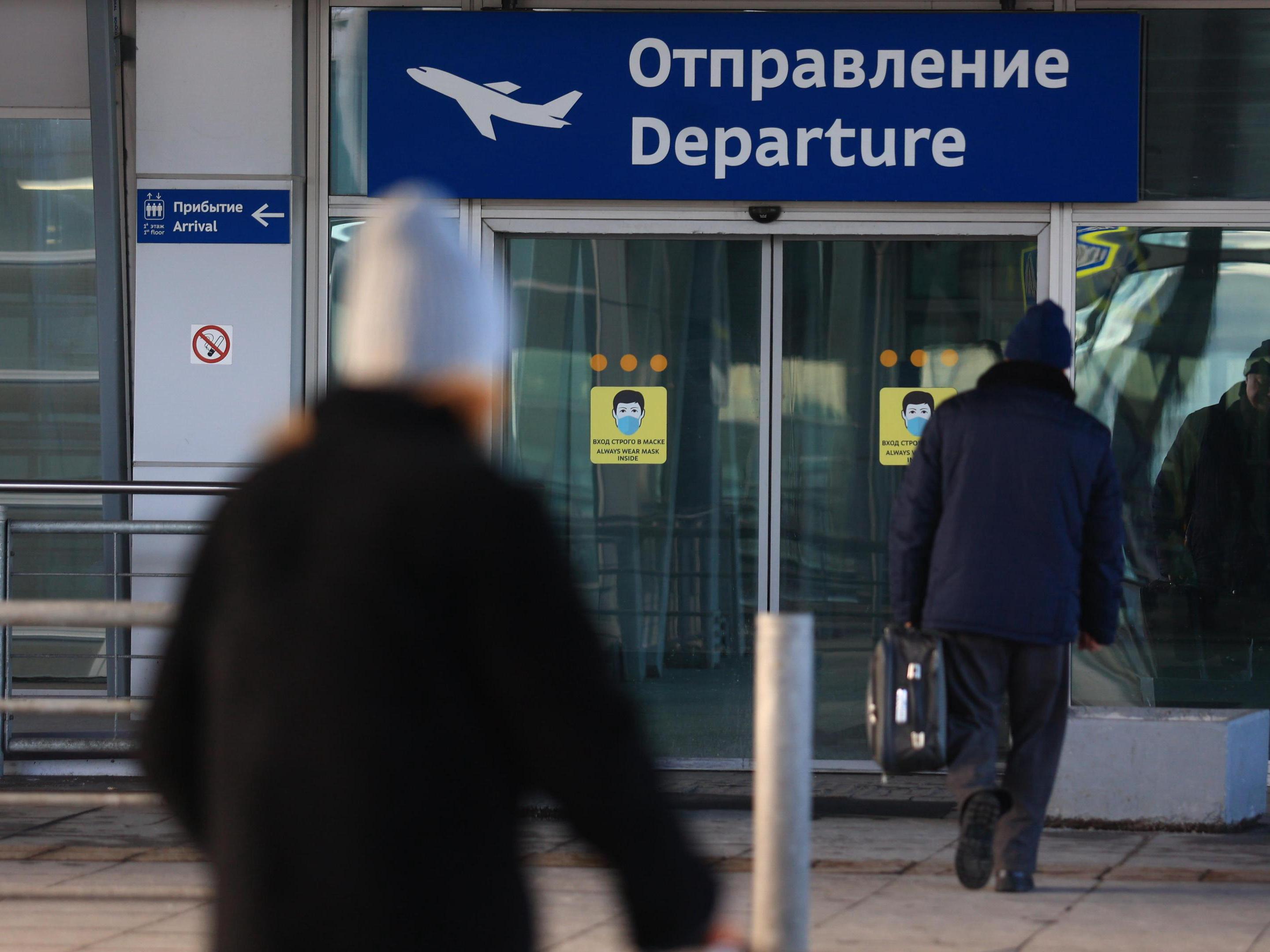

Reports that Russia has begun operating restored aircraft around 30 years old against the backdrop of an expected drop in passenger traffic have immediately sparked a wave on social media. The phrasing is the most terrifying: about «old airframes», an «aviation crisis» and a «forced return to the past». The trigger was data on putting 12 airliners into service, including Tu-204/214, An-148 and Il-96, 10 of which, incidentally, have been flying for a long time. Additionally, the plan of the airline Rossiya to return two Boeing 747s to operation is being discussed.
And it«s clear that any ordinary passenger would panic from such news. In the public consciousness, the age of an aircraft is directly associated with risk, and the term «restored» — with something akin to repairing museum pieces. Meanwhile, industry experts interviewed by MSK1.RU emphasize: what is happening has nothing to do with a safety crisis or emergency measures.
We are talking about the planned de-conservation (and not at all «restoration») of aircraft that, by aviation standards, are middle-aged and have significant remaining service life.
Apocalyptic forecasts are not made by specialists
— In the public sphere, «old planes» are being actively discussed and people are talking about the risks of flying them. How correct is such a question in general?
— Let«s start with apocalyptic forecasts. I have a poor opinion of them because they are usually made not by specialists and are made emotionally. First of all, because the word «old» is not applicable to aircraft that are subject to de-conservation. These are not old planes. Their age is approximately 10–15 years. By aviation standards, they have just matured, they can still fly and fly, calmly for another 15 years, — says Roman Gusarov, editor-in-chief of the Avia.ru portal.
— So we are not talking about «restoration» in the everyday sense?
— Absolutely right. We must use terms correctly. This is not restoration in the style of «took a vintage car and reassembled it». We are talking about restoring airworthiness — this is a professional term. The aircraft was in storage, meaning it was temporarily not in an airworthy condition. It is de-conserved, an audit of all technical components is conducted, elements with expired service life are replaced — and it is simply returned to service.
— But considering the plane has been standing idle for many years, is it safe to fly on it?
— As an expert, I see absolutely no safety threats here. These are exactly the same types of aircraft that have been operated and continue to be operated by airlines. Simply, a certain number of airframes are being added — we are talking about 12 aircraft, most of which are already flying. Therefore, a «we«re all doomed» approach here is completely unnecessary and inappropriate.
— And from an economic point of view, are such decisions to return long-stored planes to service justified?
— If an airline returns an aircraft to operation, then the economics have already been calculated. Moreover, these are not Soviet-built aircraft, these are machines produced in the Russian Federation relatively recently. Many were stored during COVID, when passenger traffic fell sharply. Then about a quarter of all aircraft were redundant due to the drop in passenger numbers. Both Boeing and Airbus were stored — this is normal practice. Now demand is growing, planes are returning to the sky.
— They also want to return two Boeing 747s to service? Are these also planes that have been idle since the pandemic?
— Regarding the Boeing 747s they also want to return to service, they belonged to the airline Transaero, which went bankrupt in its time. The airline Rossiya, which received these aircraft, already has experience operating them. These are long-haul wide-body aircraft in demand on tourist routes.
And since we are now seeing significant growth in demand for international transportation on long-distance routes, such a decision is absolutely economically justified. The airline already flies such aircraft, understands their economics, and knows perfectly well how it will service these planes, where it will get spare parts, and how to repair them.
— If we had to de-conserve old planes, can we even say now that Russia lacks brand new aircraft?
— Already in 2026, airlines will receive new aircraft. They are, in essence, launched into serial production, but they are still in the flight testing phase. And this year, three aircraft at once should complete this process: the MC-21, Superjet 100, and the Il-114-300. As soon as the entire test program is completed, the aircraft receives an airworthiness certificate, and that«s it, they will begin to be delivered to airlines.
— And on which routes will they fly?
— It’s hard to say yet. New aircraft must be mastered, that is, pilots and engineering staff must be prepared. Each airline will gradually integrate them into its infrastructure, trying them on different routes and directions. Everywhere the aircraft flies, infrastructure must be created on-site so that there is an engineering team at the arrival airport. The fact is that each time between flights the aircraft undergoes a technical audit. While passengers are boarding and disembarking, the aircraft is inspected by engineers, tires are inflated, brake pads are changed if needed, and so on. And since the aircraft are new, accordingly, all infrastructure must be created for them from scratch. Therefore, these new aircraft will not be widely used quickly. First on some separate routes, which no one can name for you yet.
«This is not an emergency, but a planned decision»
— Statements on social media say that de-conservation of aircraft is a sign of a crisis in Russian civil aviation. Do you agree with this?
— Naturally, no, — says Oleg Panteleev, executive director of the Aviaport agency. — The decision to de-conserve post-Soviet production aircraft was made back after sanctions were introduced in 2022. A significant part of these airframes are operated or will be operated for the needs of government structures, business aviation, and cargo transportation. For example, two Il-96 aircraft are already carrying cargo.
— The question that worries absolutely everyone: how safe are these planes from the point of view of their flight resource?
— They have a sufficiently large potential for long-term safe operation. Before storage, these aircraft were not operated for too long and not too intensively. This is not «well-worn equipment», but quite fresh machines. Before returning to service, they undergo a full procedure: removal from storage, thorough analysis of the condition of all structural elements. In essence, they are no different from aircraft that have simply undergone scheduled heavy maintenance.
— So the talk about the «collapse of aviation» has no basis?
— Exactly. In fact, we see a rational, planned decision: there are aircraft that can be brought to an airworthy condition relatively quickly and economically. Why not do it? By the way, the de-conservation program itself was launched not this year, it is simply continuing. Now a decision has been made on additional funding because in recent years spare parts have become more expensive and costs have risen. I repeat: there is no need to worry about the safety of operating these aircraft!