Krasnodar Carriers Explain High Fares and Old Buses
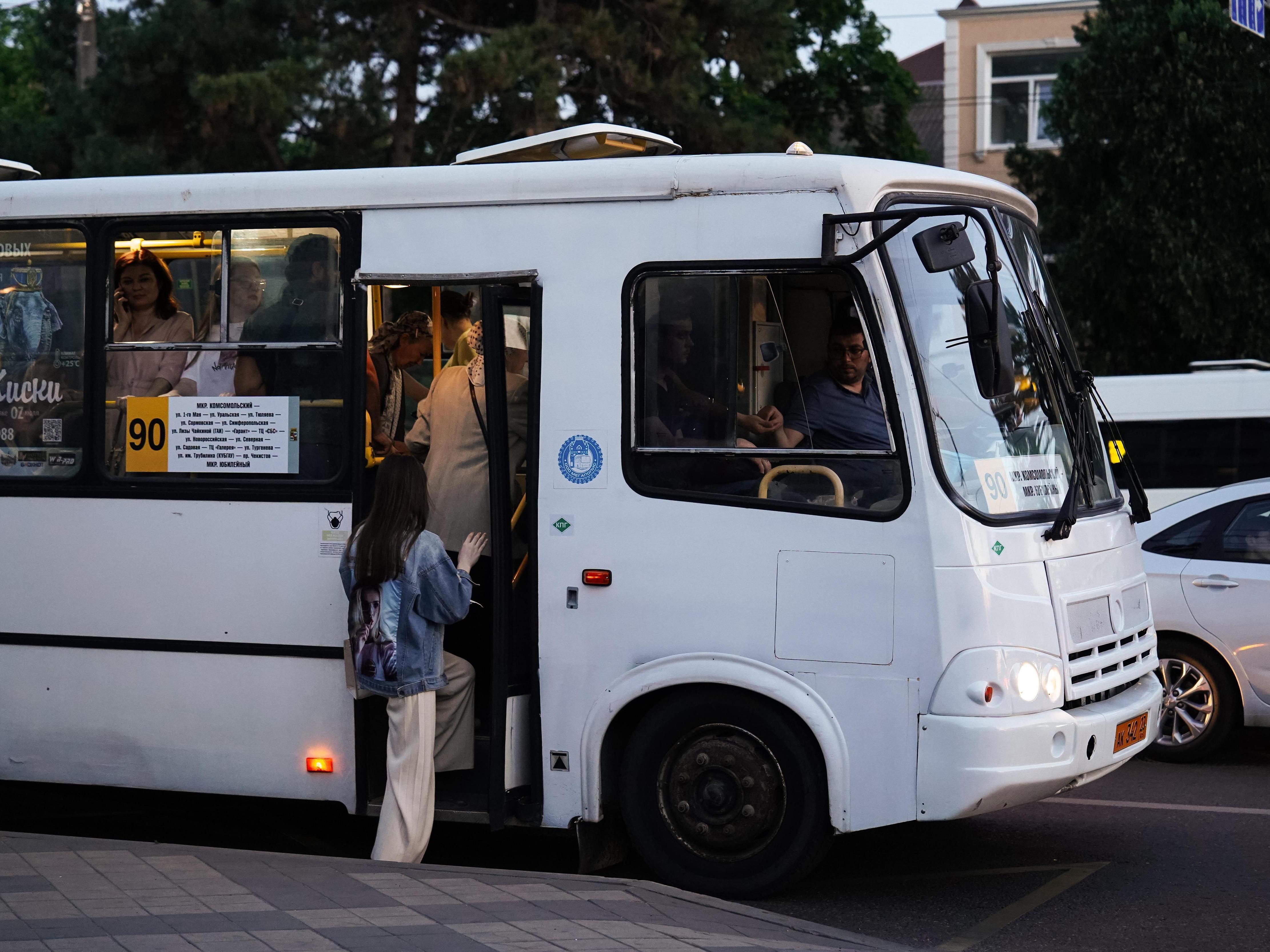

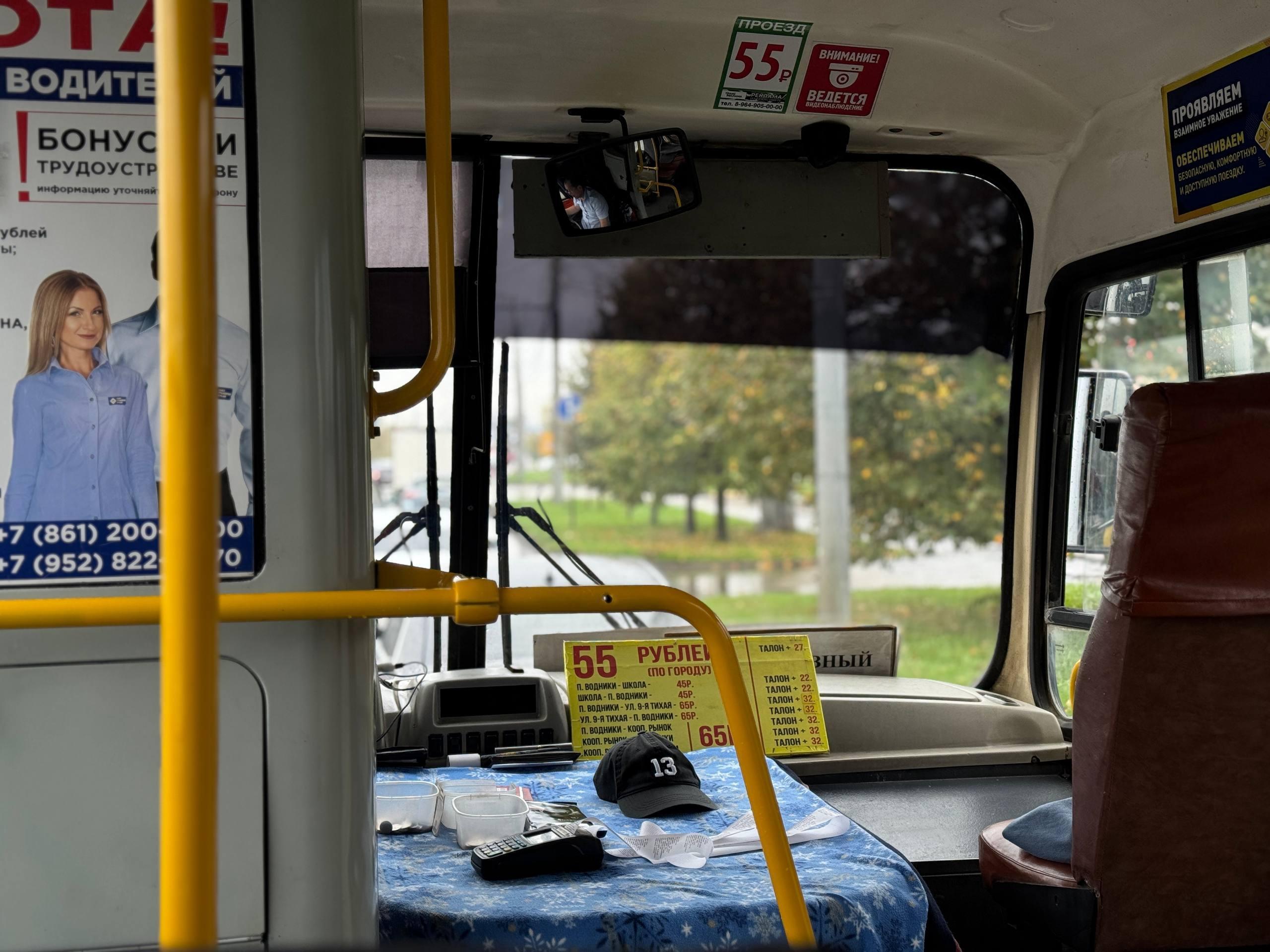
The Krasnodar branch of the Federal Antimonopoly Service (FAS) recently accused local carriers of unreasonably raising fares. At the same time, many residents complain that the price does not match the quality of vehicles and service.
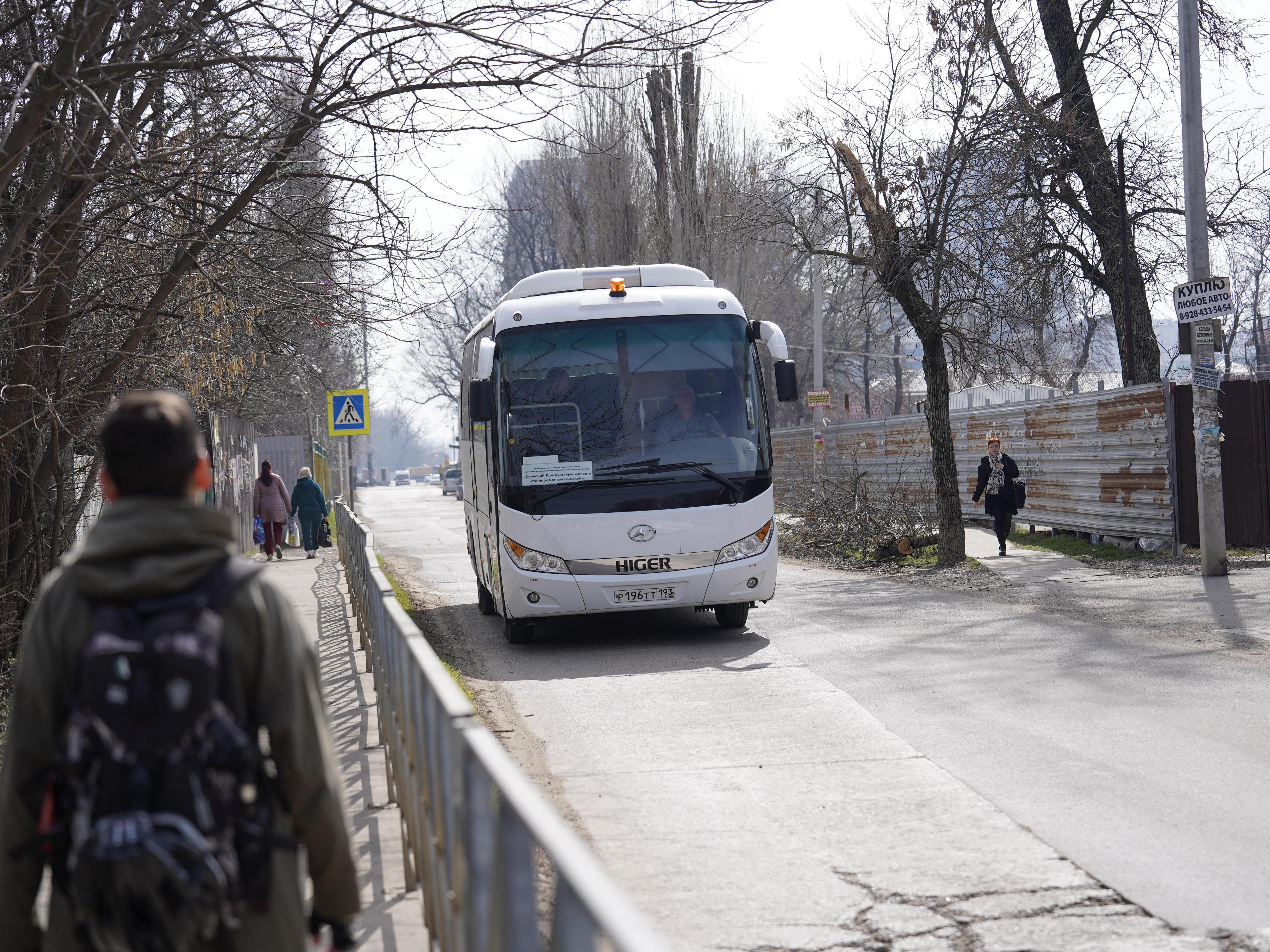
The 93.RU portal spoke with the chairman of the Kuban Transport Union, Ivan Petrov, and commercial carriers, and found out why route buses are rarely updated, whether there is a driver shortage, and what passengers can expect in 2026.
Crisis or “Normal Situation”?
Petrov does not consider the situation in Krasnodar«s public transport to be a crisis. As an argument, he cites an assessment by public activists.
Recall that on January 27, Krasnodar ranked fifth among Russian cities with the best transport infrastructure. A separate rating based on surveys of residents was compiled by Ilya Zotov, deputy chairman of the Public Council under the Russian Ministry of Transport.
“Considering that there are 16 cities with over a million residents in Russia, and we are in the top 10 — that«s not a bad indicator, I would even say it»s good.”
At the same time, Petrov admits that the system has room for improvement and expresses a desire to see Krasnodar among the leaders of the rating.
Punishment from FAS
Commenting on the recent fines by FAS against the municipal unitary enterprise “KTTU”, LLC “Kuban” and LLC “Tekhotrans-Yug” for raising fares, Ivan Petrov avoids directly assessing the legality of the decision. He emphasizes that the carriers did not agree with the conclusions of the antimonopoly body and went to court.
“Let the court evaluate this… After the court makes a decision, we will accept it too.”
He calls his position subjective and stresses that such issues should be dealt with by specialists and judicial bodies.
Is it Possible Not to Raise Prices?
Answering the question of whether carriers can work without raising fares and not go into the red, Petrov focuses on what he considers the key factor — the speed of transport.
According to him, the low average speed in Krasnodar (due to traffic jams) directly affects the economics of transportation.
“The lower the speed, the higher the fare, because the bus is stuck in traffic, therefore makes fewer trips, and carries fewer passengers.”
He notes that Krasnodar is among the cities with the lowest average speed in the country, and this, he says, inevitably increases the cost per trip.
Will There Be Another Fare Hike in 2026?
Petrov answers this question cautiously. He emphasizes that he cannot speak for all carriers, as tariffs are set differently in each municipality.
According to him, rising costs — for fuel, spare parts, and buses — objectively force carriers to reconsider tariffs.
“If we want to ride on good transport — someone has to pay for it.”
At the same time, he reminds that in Krasnodar the last increase occurred at the end of 2024 — beginning of 2025, and at the beginning of 2026, according to his information, carriers did not plan another indexation.
“No one planned to raise the tariff in the coming days or weeks.”
Updating Transport — Difficult?
Speaking about updating the rolling stock, Petrov essentially admits that without state support it is becoming increasingly difficult for carriers. As an example, he cites statistics for Krasnodar: last year, non-commercial carriers purchased only 14 new buses.
“In all previous years, the figure averaged from 50 to 80 buses per year.”
Among the reasons, he cites high interest rates on loans and leasing, as well as uncertainty due to the fact that transportation licenses are extended for only one year.
“They are not sure about tomorrow. And this limits their decision-making.”
Driver Shortage and Traffic Jams
Petrov links the problem of staff shortage not so much to salaries as to working conditions. According to him, drivers leave the profession because of stress and constant traffic jams.
“The driver wants to work, he wants to earn, but instead he is stuck in traffic.”
He notes that passenger negativity due to delays is often directed at the drivers, although the reason for the delays is the road situation.
“People come in and say, ‘Where have you been?’ And he answers, ‘I was stuck in traffic.’”
Reducing Routes — Possible?
Despite the staff problems, Petrov considers the risk of route reductions to be minimal. He points out that the city transfers loss-making routes to a regulated tariff — gross contracts.
“No one lost these routes — problematic, social — they just changed status.”
According to him, passengers even benefit from this: new vehicles are put on the routes, intervals and equipment requirements are strictly observed.
According to the city administration, there are currently 120 routes in the city, of which the municipal KTTU serves 39. Of the remaining 81 routes, only 17 have been transferred to gross contracts over the past three years: No. 19, 32, 33, 66, 83, 89, 91, 101A, 102A, 120A, 121A, 140A, 154A, 155A, 160A, 163A, 177.
What Do the Carriers Themselves Say?
In a conversation with 93.RU, a representative of a private transport company in Krasnodar confirmed that the key problem for carriers today remains the staff shortage. According to him, the lack of drivers directly affects the stability of operations.
Among the factors complicating transportation, the interlocutor separately noted the road situation in Krasnodar. He emphasized that traffic jams have become a systemic problem associated with the growth of the city and the number of residents.
“The city is expanding, there is a lot of traffic. What it was 20 years ago when I started, the city wasn«t like that — it was small.”
The carrier did not express specific complaints about the regulators« requirements, but admitted that the attention of controlling bodies and fines are superimposed on an already difficult transportation economy. According to him, one of the pain points is the technical condition of the rolling stock and the costs of its maintenance.
“The quality of the purchased equipment does not quite meet the requirements. Plus the cost part, which is mainly consumables. And the established tariff does not really cover our expenses.”
According to him, the updating of transport is ongoing, but with great difficulties. The carrier called lending opportunities virtually closed due to high interest rates, and support mechanisms — insufficient.
“We are updating, but it«s hard. The credit portfolio is no longer interesting, the interest rate is high, there is no subsidization.”
In conclusion, the interlocutor emphasized that without state participation, the situation could worsen, since the cost of equipment continues to rise, and its quality, in his assessment, is not improving.