Five-Year-Old Russian Girl Becomes Sought-After Model in Asia
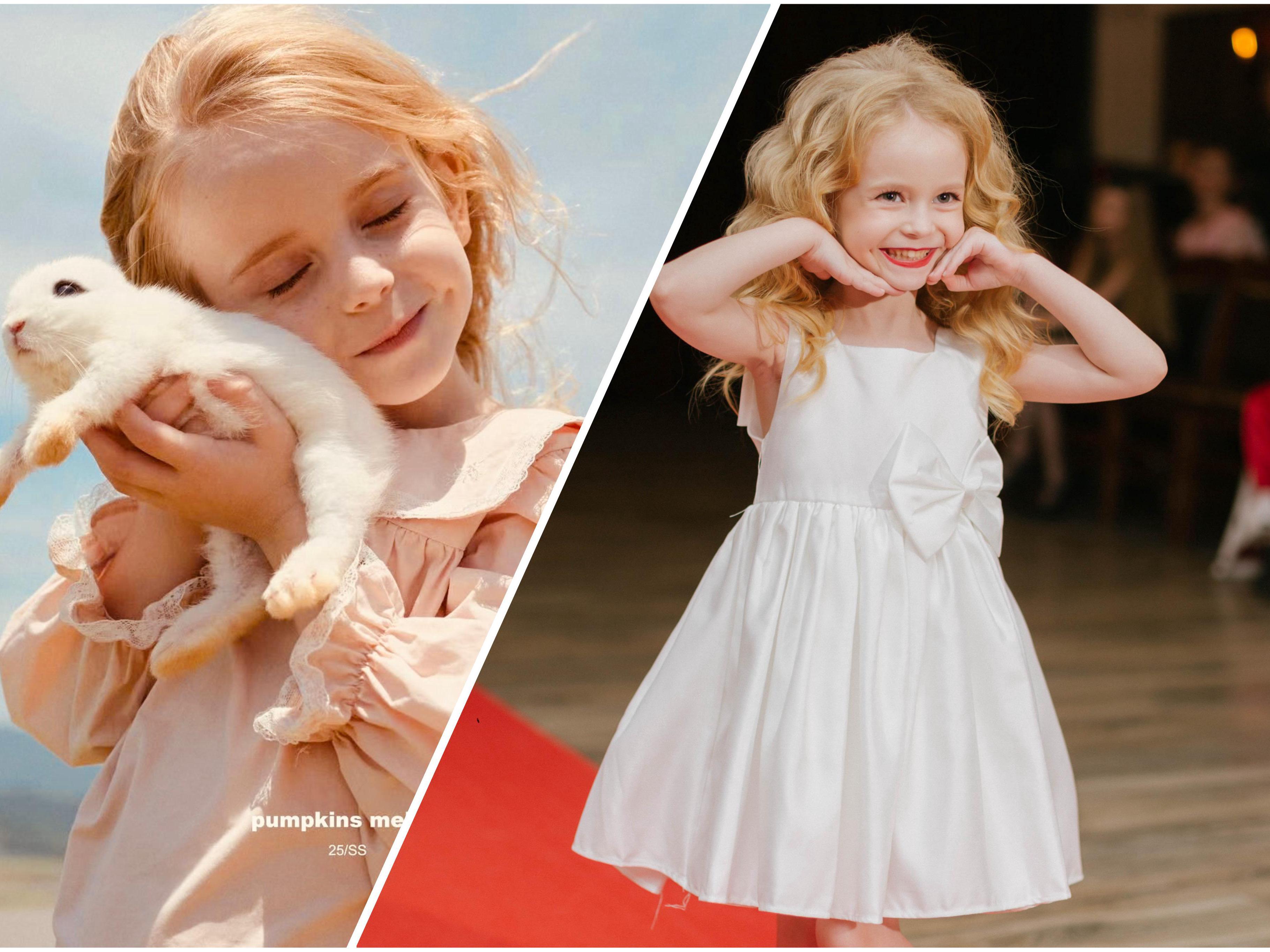

At her age, children usually argue about which ice cream tastes better or what braid to wear to kindergarten tomorrow. But five-year-old Sonia from Stavropol knowledgeably chooses between sneakers and ballet flats for her next photoshoot.
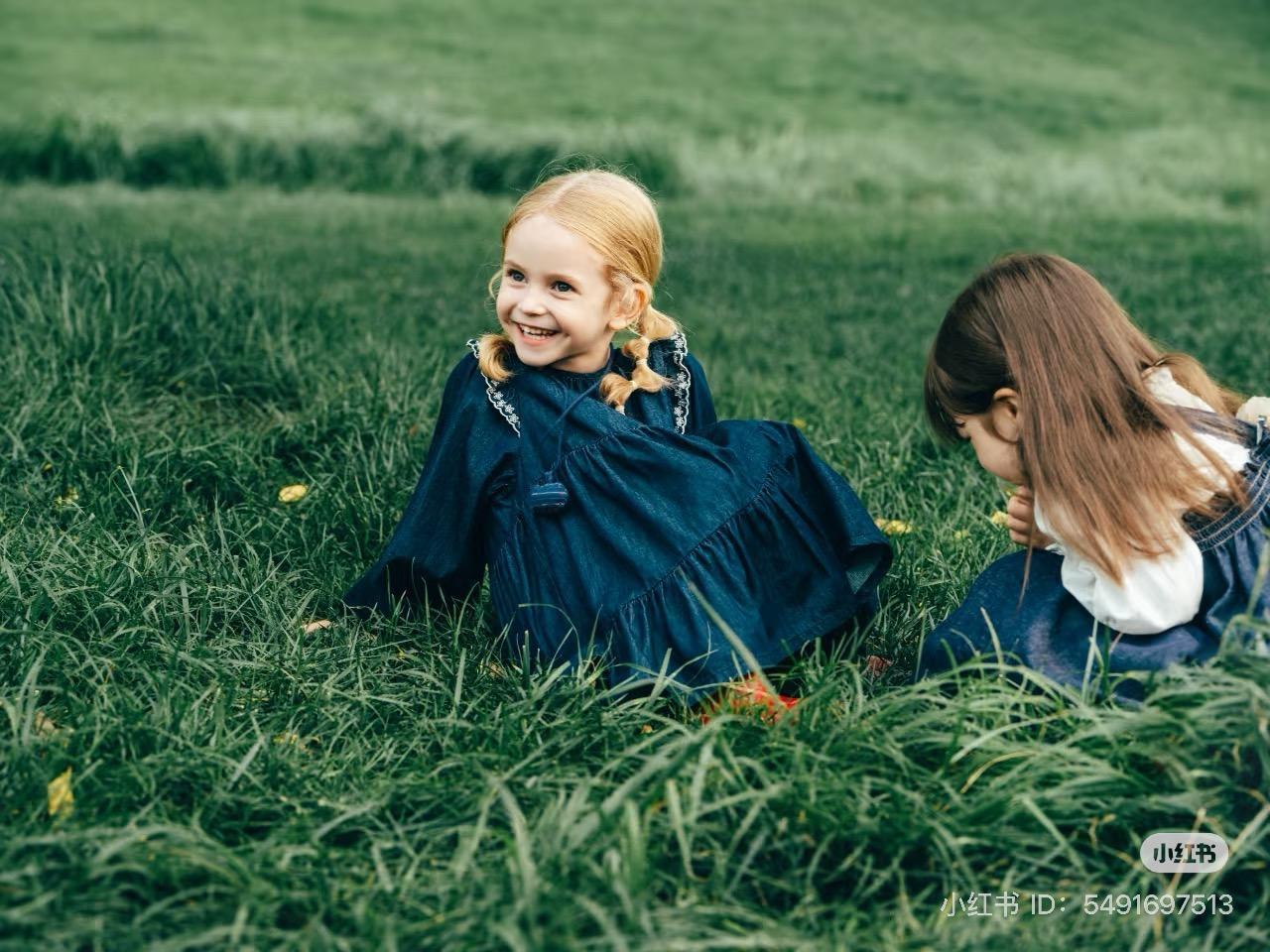
First came shows and photoshoots in Russia, then China, followed by two seasons in Korea. For little Sonia, this isn«t about success yet; for her, it»s a game, an adventure, and magic that began with a regular trial lesson at a modeling school.
“We went for a trial lesson and came out with a new life plan”
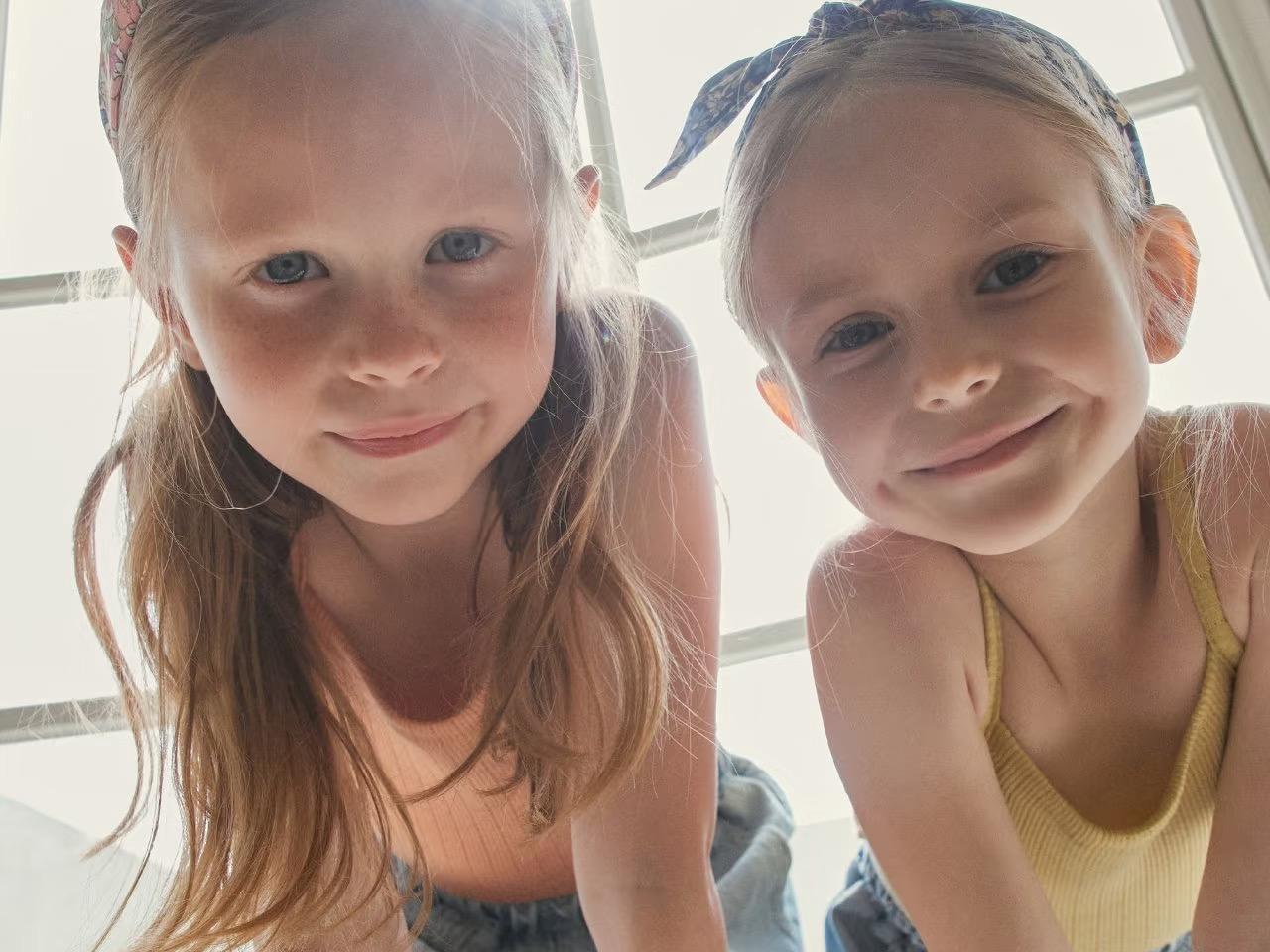
The idea to attend a modeling school belonged to Sonia«s mother, Marina. A post from a Stavropol modeling school — “first lesson free” — appeared in her social media feed. “Why not go?” she thought.
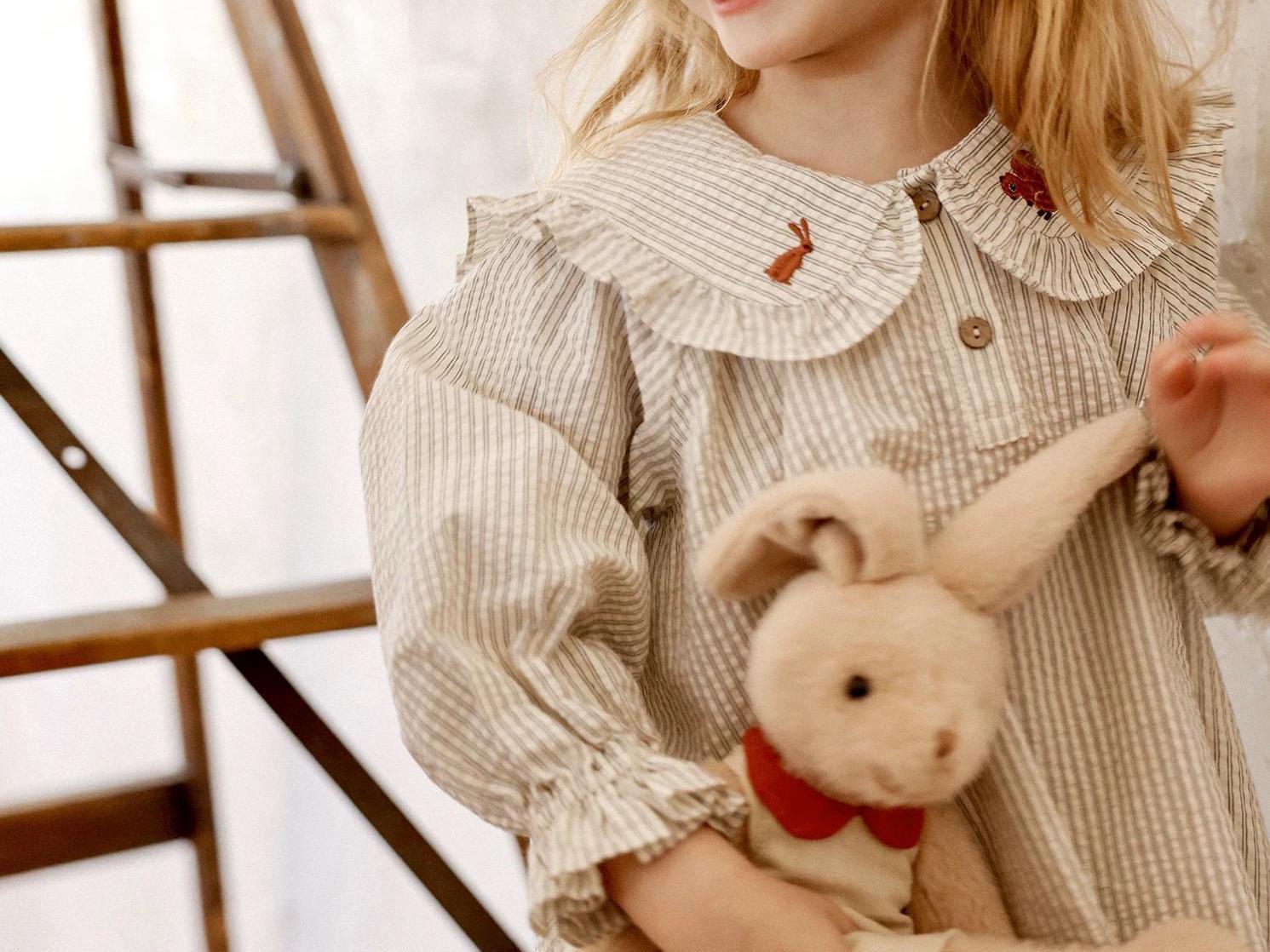
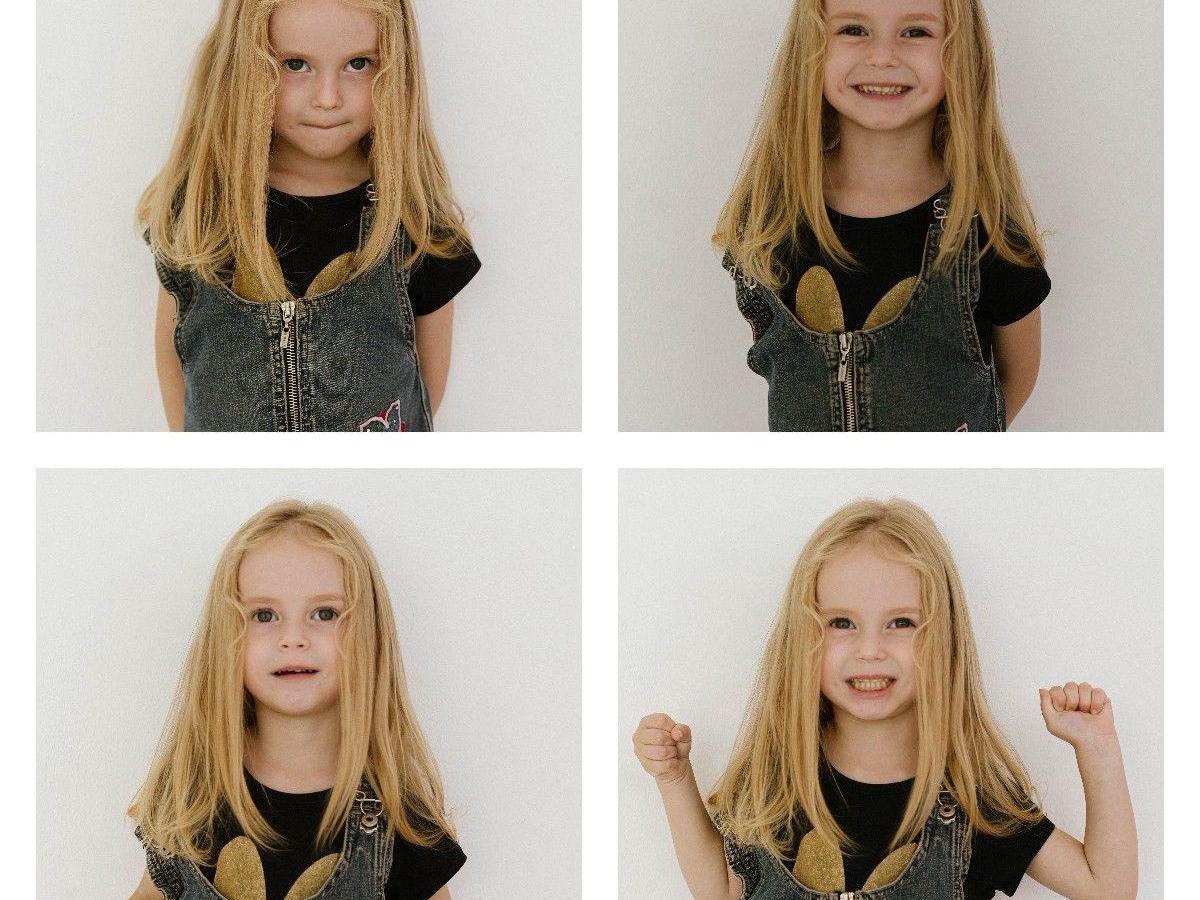
At the trial class, the children were asked to show emotions: joy, surprise, “a serious face.” Sonia handled it easily — as if she had been playing in front of the camera all her life. These photos — simple, almost accidental — turned out to be decisive.
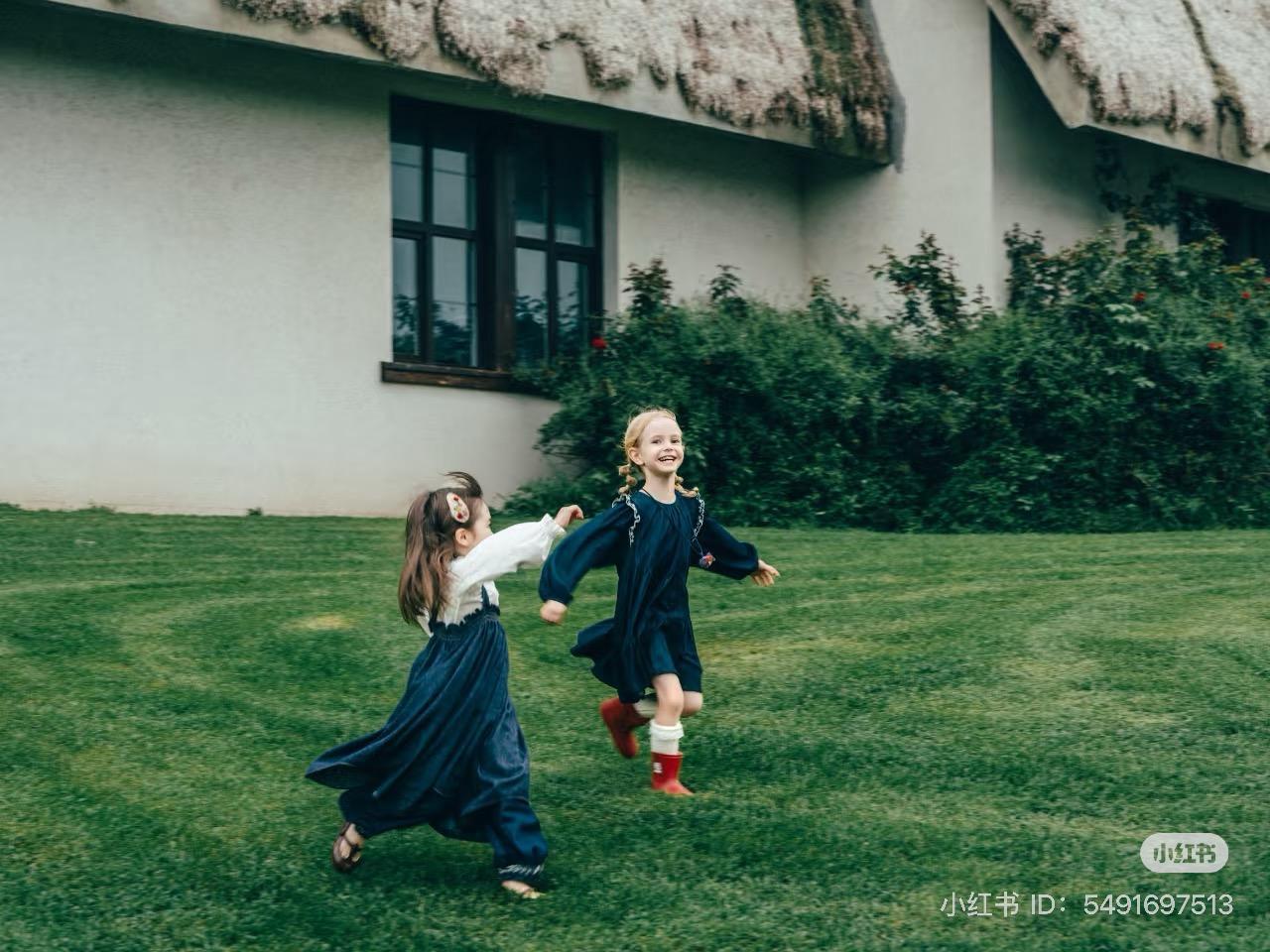
“We posted those pictures on one of the social networks, and our Russian booker, who works with China, stumbled upon them by chance. She was just looking for children for projects and noticed Sonia. They wrote to us: ‘We«re looking for this girl,’” recalls the young model»s father, Sergei.
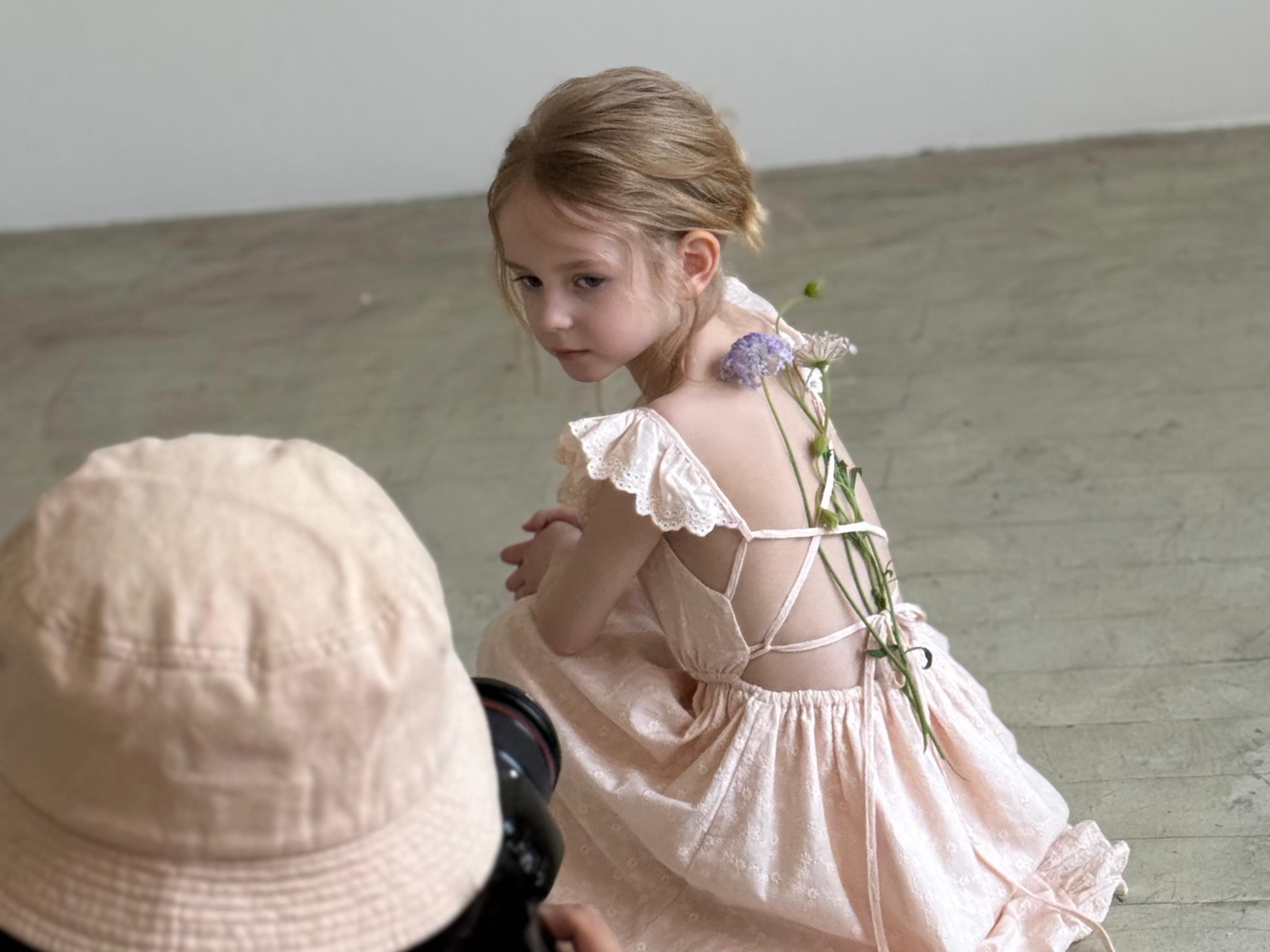
Marina works at a bank, Sergei is a sales manager. They are both 35, have been together for almost ten years, and Sonia is their only child.
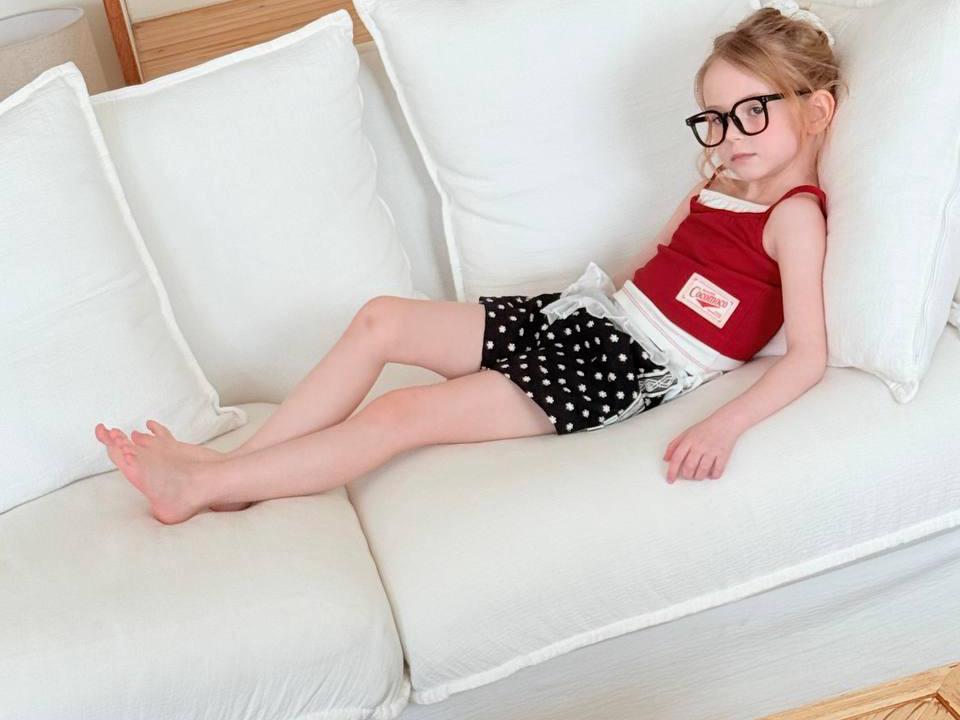
“We weren«t building a career. We just once said ‘yes’ to a free lesson,” Sergei smiles. “We wanted the child to do what she enjoys. And she liked being photographed.”

Before her first trip abroad, Sonia had already done several shows in Stavropol — participated in a fashion show, shot for marketplaces and children«s brands. Back then, it all seemed like just a game — but it was these shots that were noticed overseas.
When Sonia was offered to go to China, she was three and a half years old. For the parents, it was a shock — but a pleasant one. Marina was filled with joy and pride, Sergei with care and anxiety.
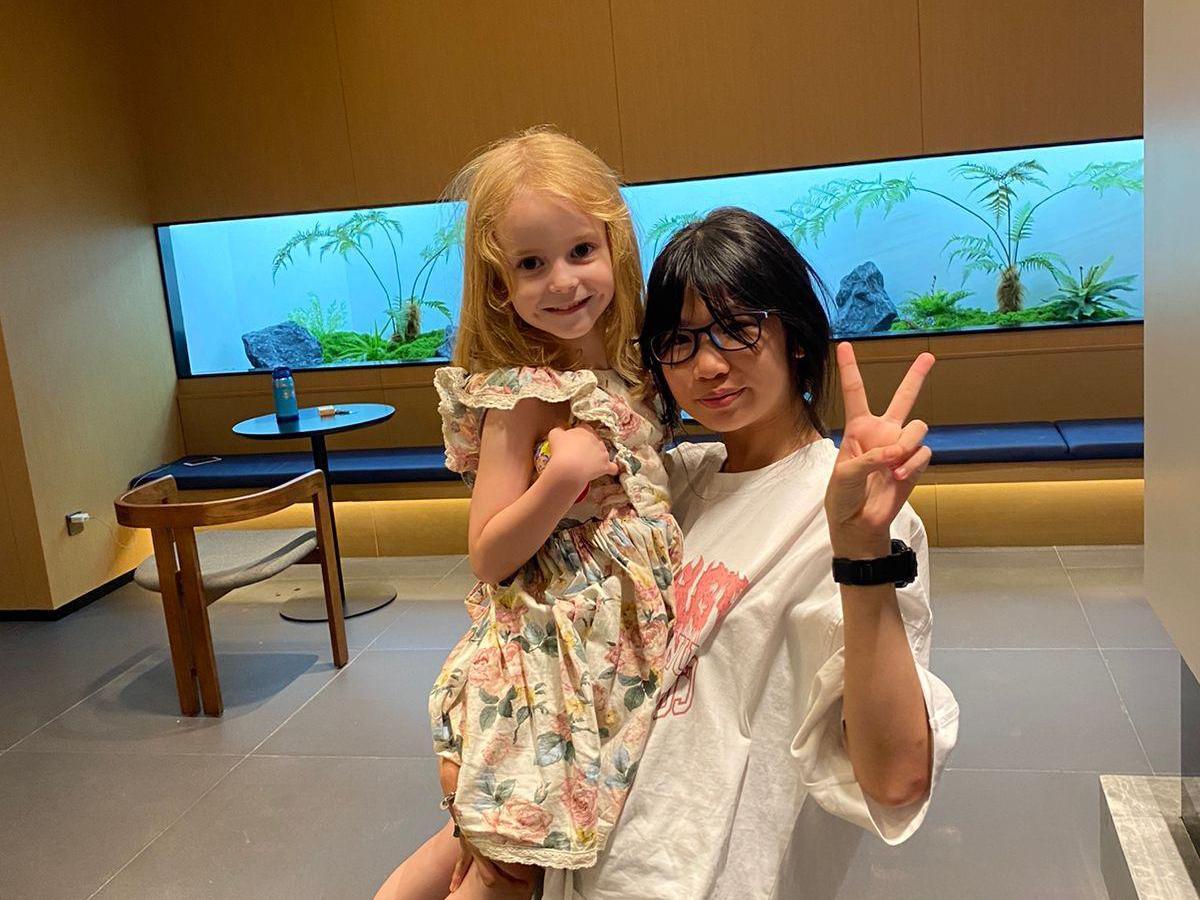
“We didn«t hesitate for a second about going,” he says. “We had a feeling that this was a chance not to be missed.”
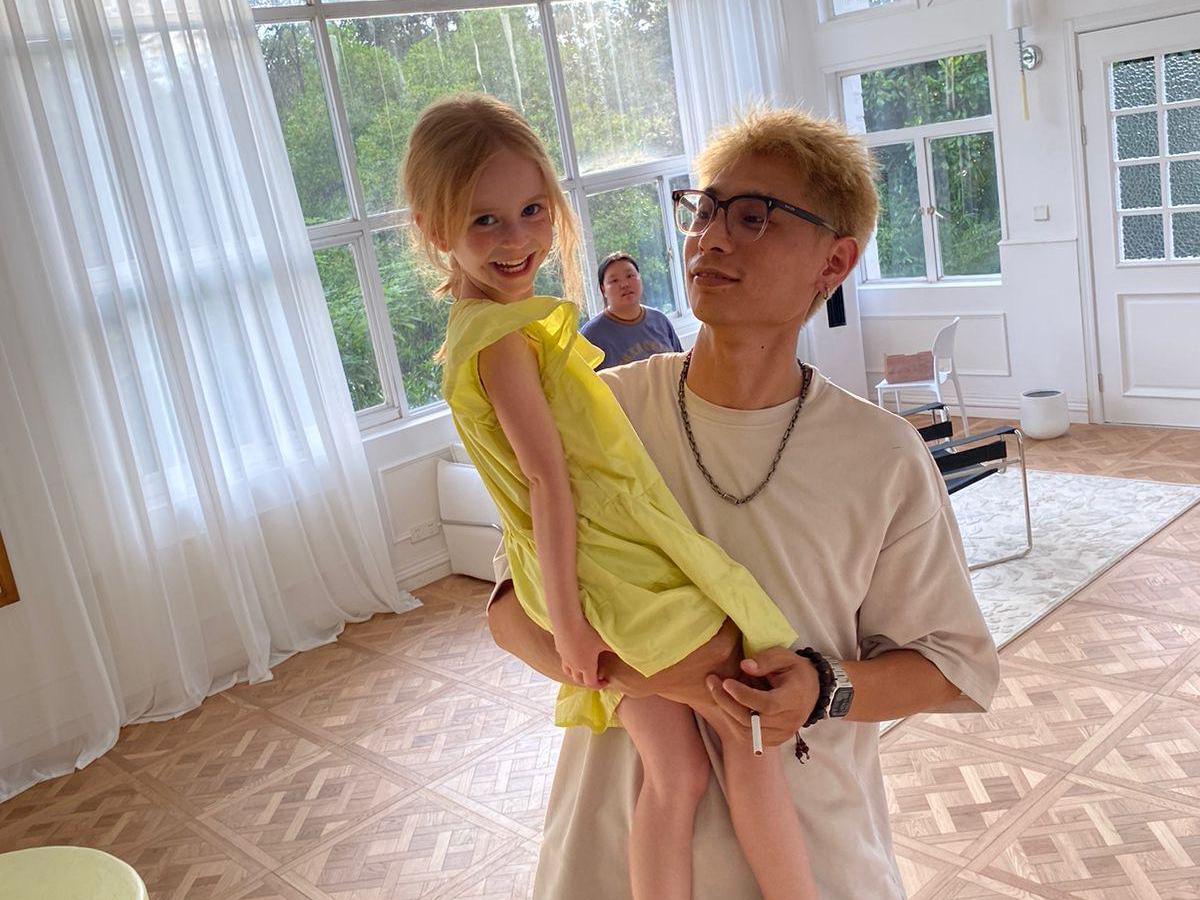
For the adults — anxiety: flights, transfers, a different language, a foreign country. For Sonia — an adventure.
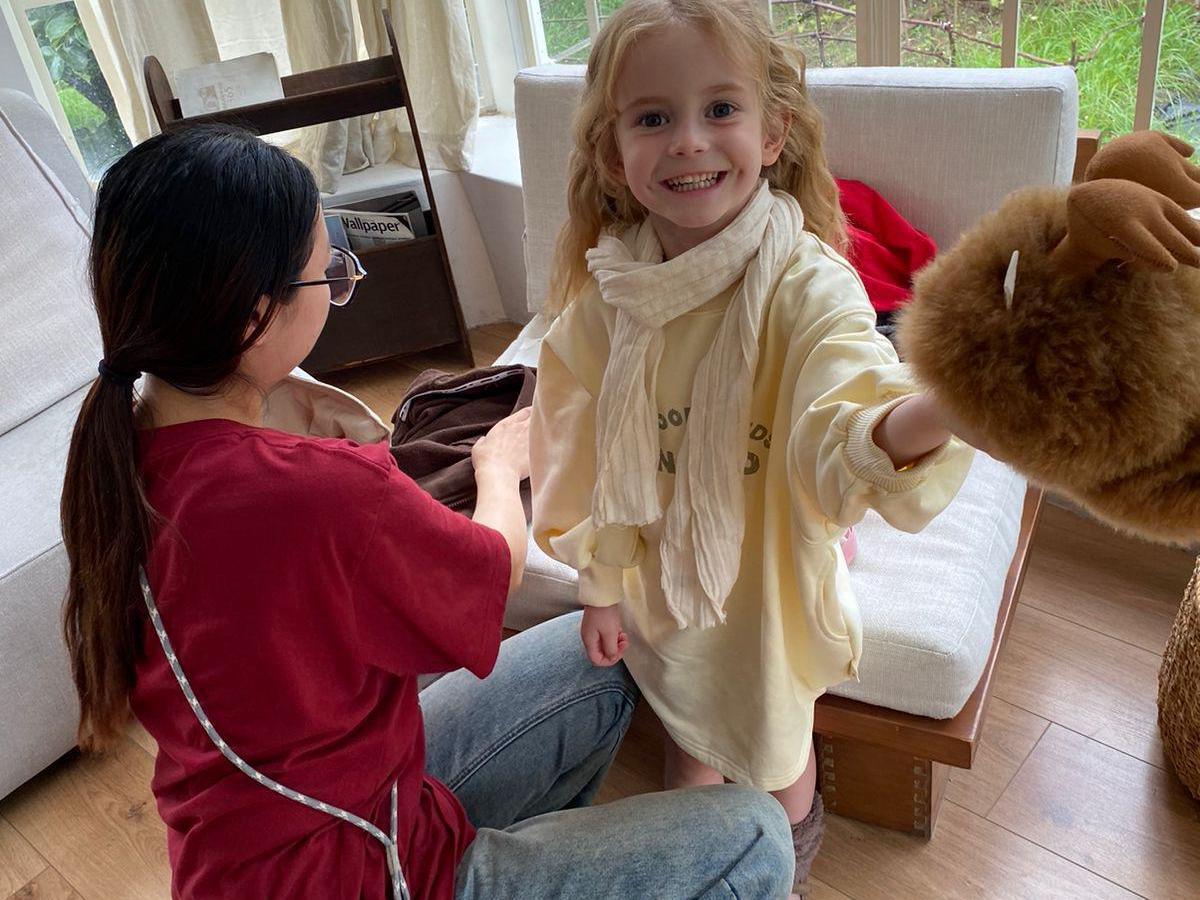
“She really loves flying,” her father smiles. “She sits by the window, looks at the clouds, and it seems like everything around is just a new game.”
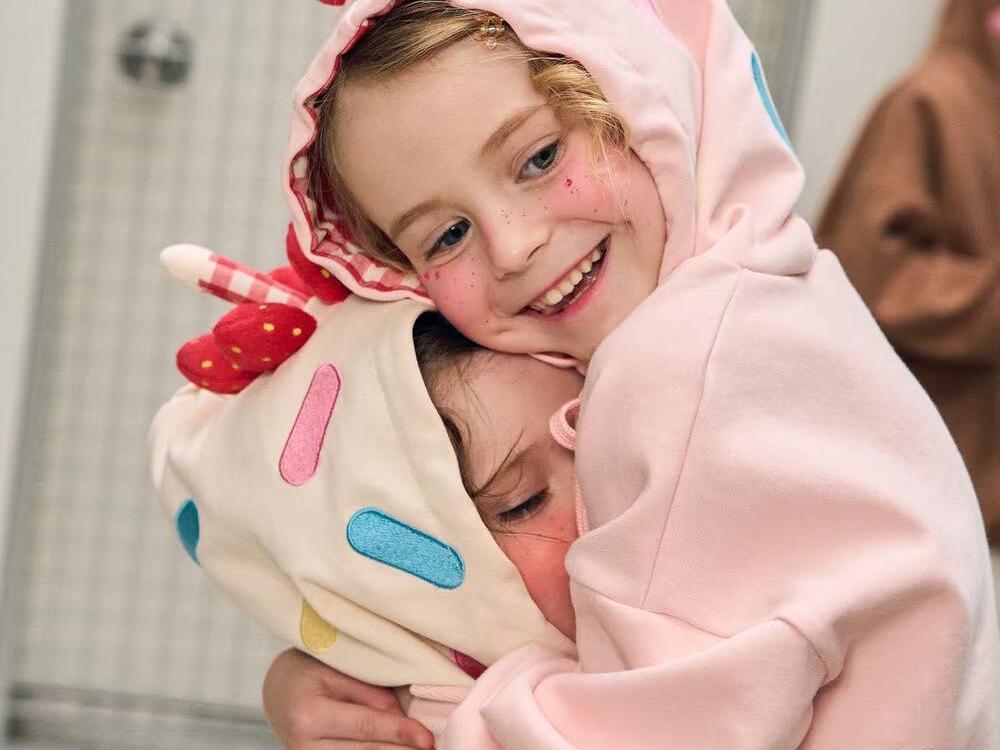
On site, they were met by someone from the agency: drove them to an apartment, explained where everything was, showed them the city. Two days later — the first photoshoot. Everything was different from Russia: strict timing, pedantic wardrobe, three pairs of shoes for each look. Every hairpin — in its place.
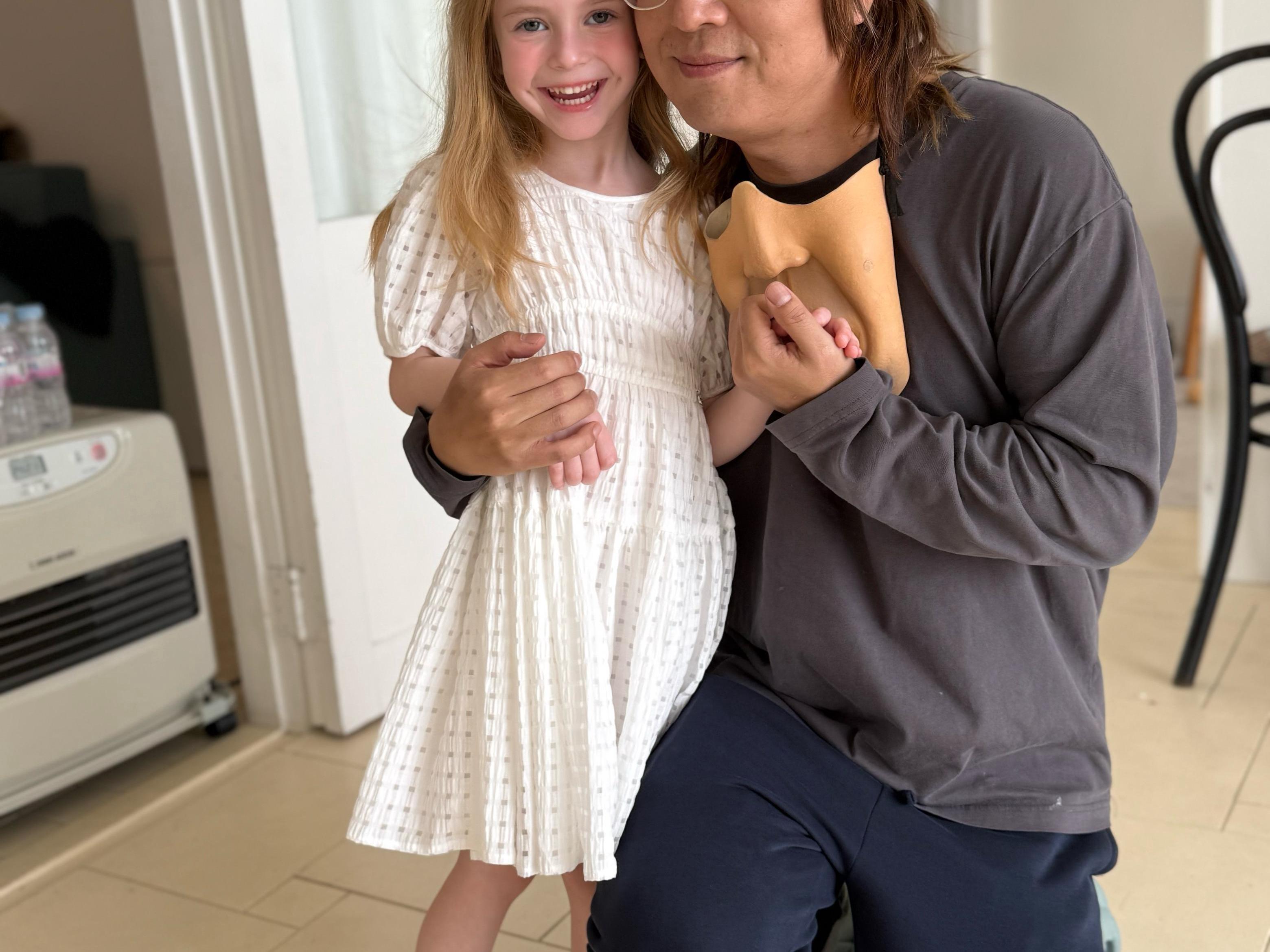
“The Chinese wanted live photos. They said: ‘Walk around, move, laugh’ — and the team just ran after her with a camera. When she understood that, everything went smoothly,” says mother Marina.
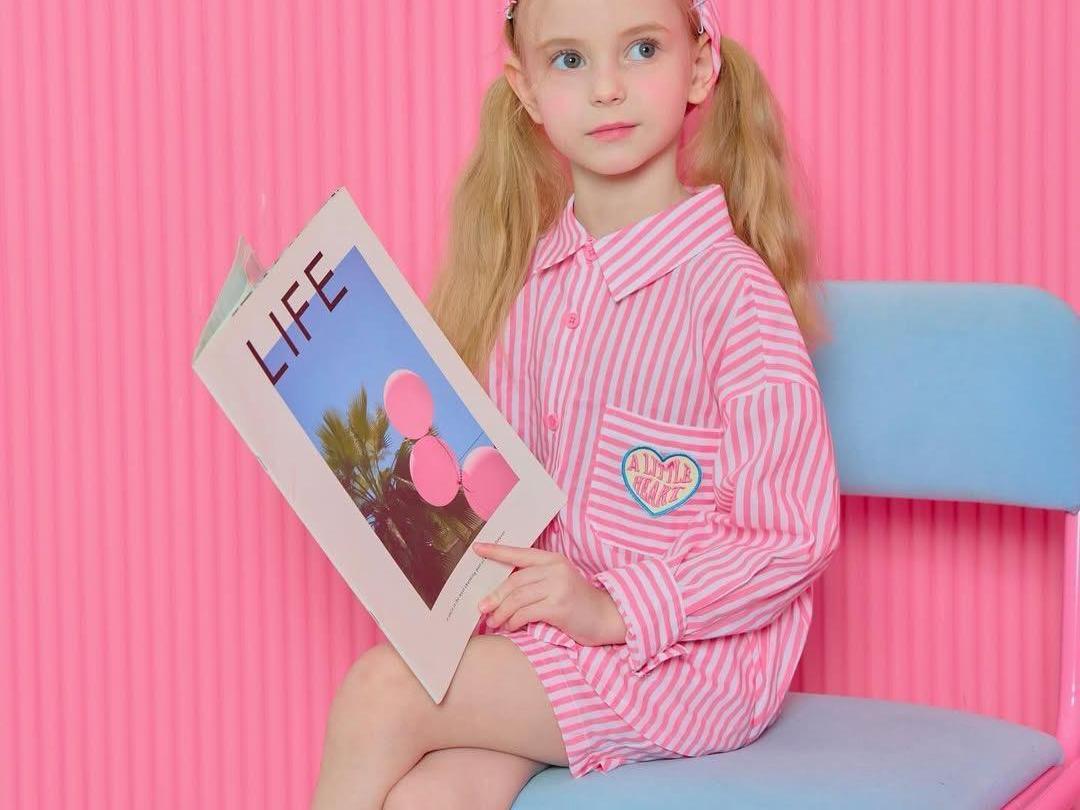
“Slavic children are very in demand in Asia,” explains Marina. “Their appearance seems unusual, but what is most valued are the emotions. Sonia has a lively face — she doesn«t pose, she just plays.”
After each photoshoot, Sonia would order something for herself on Taobao. “She«s a shoe fanatic,” her mother laughs. “After every job — a new pair of sneakers.”
For the girl, China became a fairy tale: noisy studios, flashes, attention, colorful dresses. For the parents — a mix of excitement and pride.
“Marina got tired from the translation, from the language, from everything being new. But Sonia was loving it,” Sergei admires.
“We were the most nervous,” the father admits. “She doesn«t understand that there are flights, schedules, shooting days. For her, it»s simple — the world is big, beautiful, and interesting.”
Korea: photoshoots three times a week and life like an extended vacation
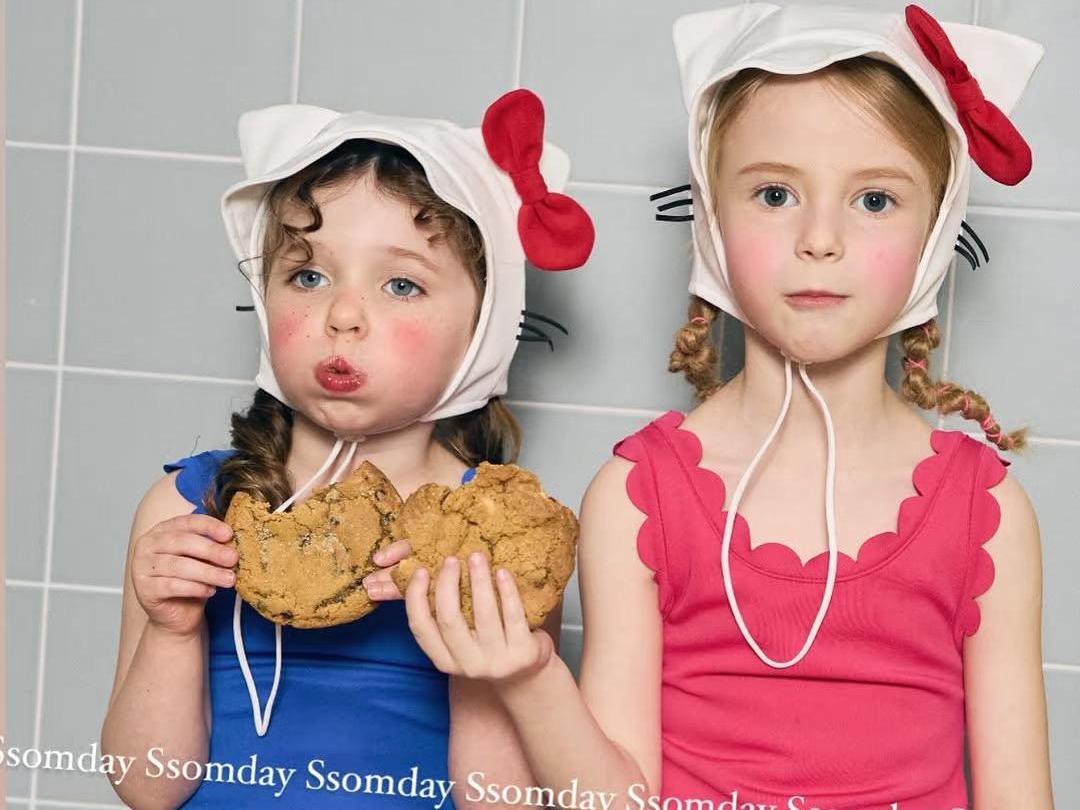
The family returned home from China. Only six months had passed, and they were called again: this time, they were invited to Korea. Sonia was asked to shoot for children«s clothing, shoe, dress, glasses, and toy brands, for advertisements of cozy pajamas and blankets.
“We didn«t even think long,” says Marina. “We already knew how everything worked, knew that Sonia would handle it. Besides, we were told about Korea — that they treat children more gently there.”
And so it was. In Korea, a different rhythm — photoshoots three or four times a week for a few hours. The rest of the time — walks, cafes, parks, chatting with new friends.
“It«s more like a vacation,” the mother smiles. “Breakfast in the morning, then a walk, in the evening lessons, writing practice, sometimes a photoshoot. She doesn»t even get tired.”
The atmosphere is light and friendly. During breaks — laughter, games, photoshoots turn into a game of ‘making a movie.’
Sonia quickly got used to the new place. She loves sweet bubble tea and fish-shaped cookies, knows where her favorite sneakers are sold, and every day finds an ‘adventure route’ — a park, an embankment, or just a street with ice cream.
“Koreans are very warm towards children,” says Sergei. “They approach, smile, give candies, say compliments. Sometimes even ask for a photo.”
Sonia laughs, makes a heart with her fingers and says “hello” or “kamsahamnida” — “thank you” in Korean.
“She already knows ‘hello’, ‘thank you’, ‘cute’ and ‘ice-cream’,” the father boasts. “Sometimes she repeats after the locals, and she even manages with an accent.”
“She does everything with interest,” says the mother. “If it«s boring somewhere, she says so immediately. We don»t force her. The main thing is that she enjoys it.”
Now Sonia has flown to Korea again, just four months after returning home she was invited for more photoshoots. The “Solnyshko” kindergarten in Stavropol awaits her at home, while the girl«s collection of experiences grows.
Friends from all over the world
At photoshoots, Sonia often works in pairs with other children — boys and girls from different countries: China, Korea, Japan, the USA, Brazil, Belarus. During breaks, they play, laugh, show each other their toys, and teach words in their languages.
“Children quickly find a common language without translators,” says the mother. “Some show emotions, some try to explain something with gestures, some just smile — and friendship is already formed.”
On weekends, when there are no photoshoots, families sometimes walk together — go to the park, to attractions, or just to the embankment for ice cream.
“She looks forward to these meetings,” says Marina.
After such photoshoots, they often stay in touch — parents text, and children video call, send each other stickers and drawings.
“She«s no longer afraid of new people. She finds a common language with anyone — without words. This is probably the main result,” the mother is sincerely proud of her daughter.
In their family, everything is simple: no ‘career at any cost.’ If tomorrow Sonia says ‘I don«t want to’ — then no one does.
“We«re investing not in the industry, but in the child,” says Marina. “If she»s interested — we«re by her side. If she wants something else — we»ll go to a different club.”
Over these two years, Sonia has accomplished a lot. She has become more confident, learned to hold herself in front of the camera, but most importantly — she has stopped being afraid of the new. Now she easily communicates with people, regardless of language, quickly grasps what is wanted from her, and remains herself.
In the evening after photoshoots, Sonia usually scrolls through photos on her phone and chooses her favorites. When asked what she likes most about modeling, she thinks, frowns her little brows and says: “I like it when I«m beautiful and when I have lots of beautiful photos. And when I walk on the runway, and then we go eat ice cream. I want to fly on an airplane again.”