The Chemistry of Victory: 10 Types of Sports Doping
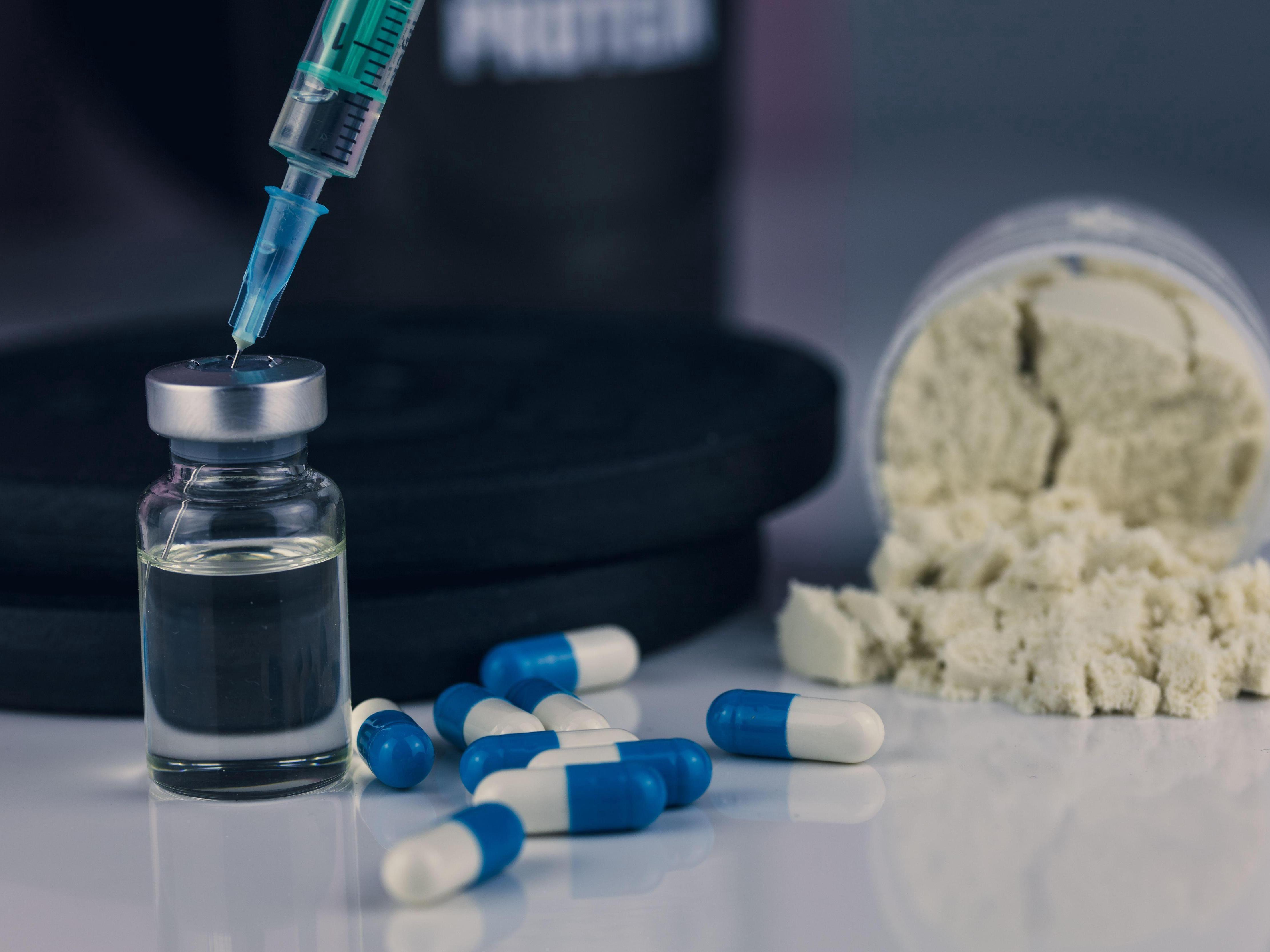

Banned substances and methods are capable of rewriting human physiology and, in some cases, even affecting a person«s genetic code. This transforms athletes into a kind of »new species«—a product of chemical and biological engineering. Below are ten major categories of doping used by unscrupulous athletes in the pursuit of victory.
Central Nervous System Stimulants
Substances: amphetamines, ephedrine, caffeine, and their analogues.
Disciplines: practically all sports.
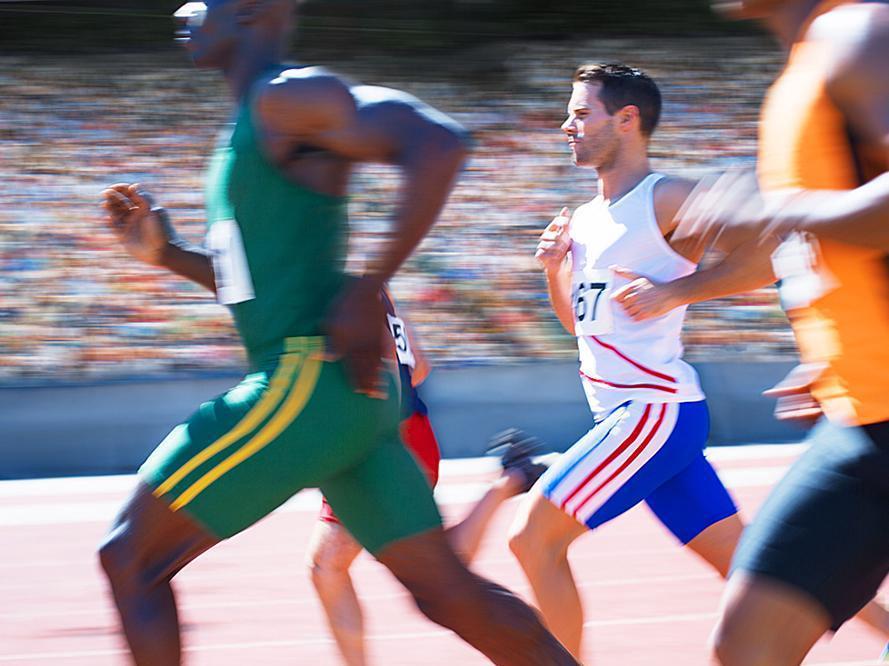
These drugs increase the production of neurotransmitters or heighten receptor sensitivity to them. As a result, nerve cells become hyperactive, and natural «inhibitory» mechanisms are blocked. This provides a temporary surge of energy, aggression, and reduced fatigue, but at the cost of an immense strain on the heart and psyche.

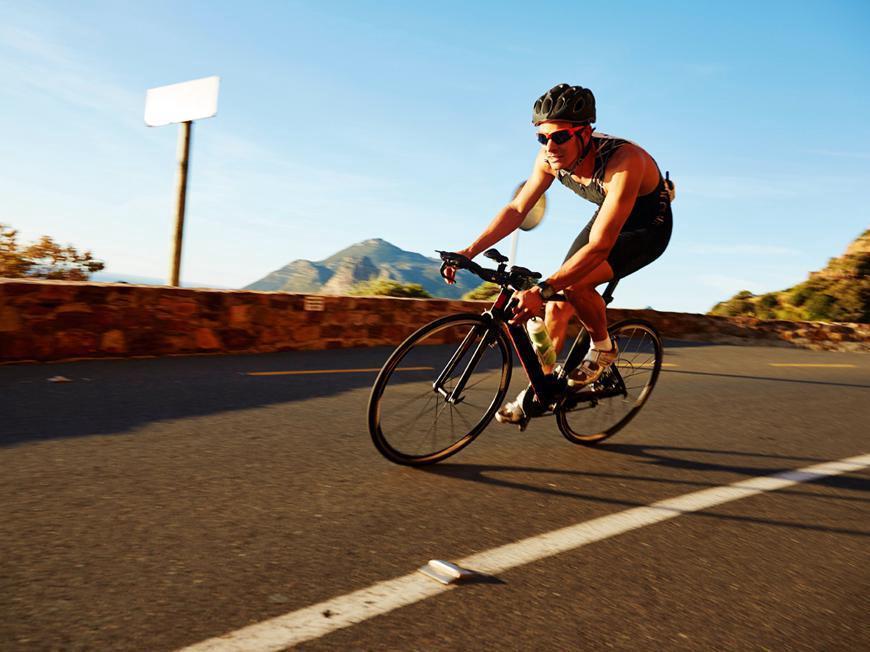
A tragic case occurred as early as the 1960s: cyclist Knud Jensen died right during a race from an amphetamine overdose. This incident became one of the reasons why the International Olympic Committee first compiled a list of banned substances and later introduced systematic testing.

Anabolic Steroids
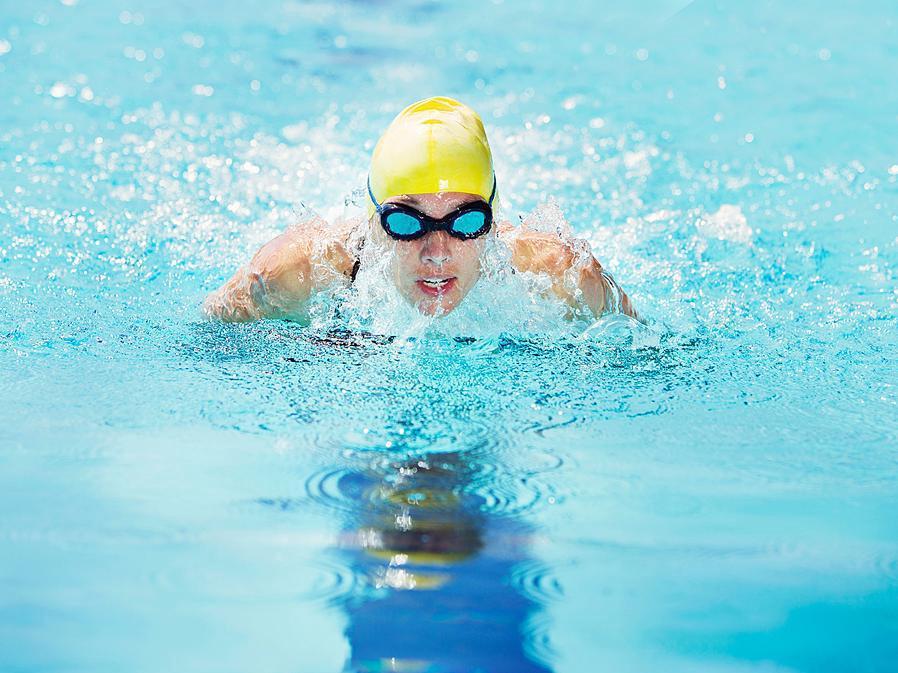
Substances: testosterone derivatives, corticosteroids.
Disciplines: weightlifting, athletics, swimming, running, skiing and cycling races.
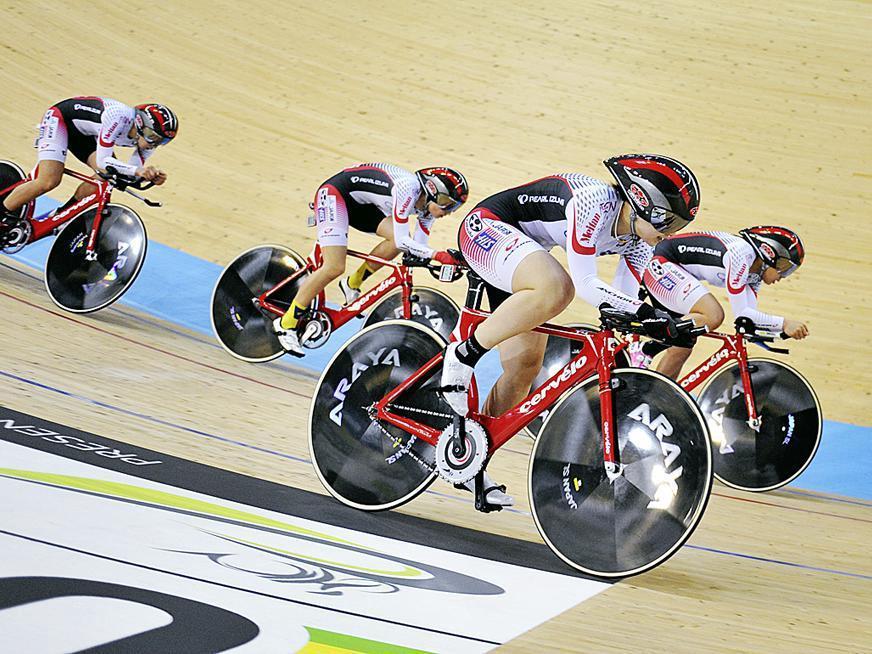
Steroids mimic the action of the male sex hormone testosterone, enhancing protein synthesis. The result is rapid muscle mass gain, increased strength, and endurance. However, side effects include hormonal imbalances, liver damage, and aggressive behavior.

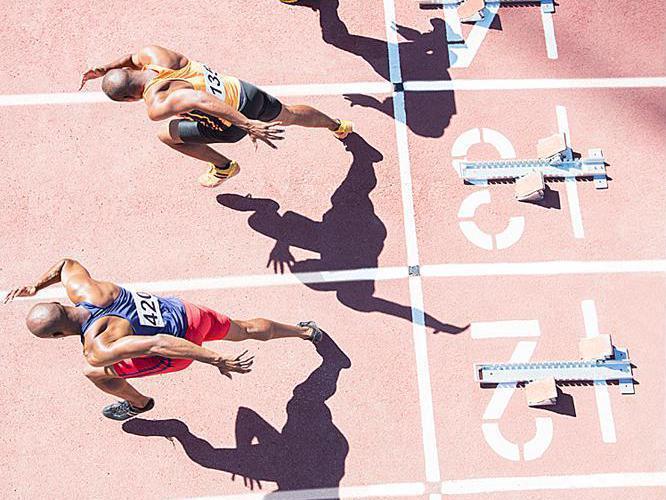
A striking example is Canadian sprinter Ben Johnson. In the 1980s, he twice broke world records and was considered the fastest man on the planet. But in 1988, steroids were found in his sample. Johnson was stripped of his Seoul Olympic gold medal, disqualified, and after his return and another violation—banned from the sport for life.
Erythropoietin (EPO) and Blood-Stimulating Agents

Substances: erythropoietin and its analogues.
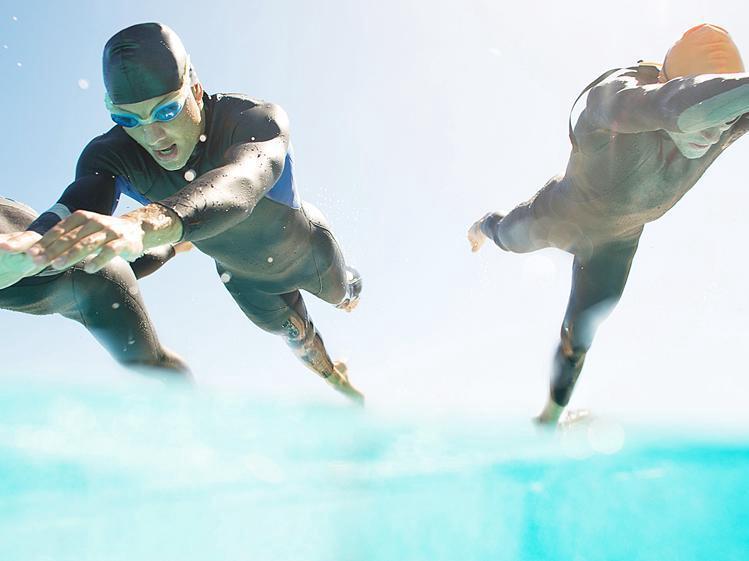
Disciplines: running, swimming, cross-country skiing, cycling, speed skating.
EPO is a hormone that stimulates the bone marrow to produce more red blood cells. The more of them there are, the higher the blood«s capacity to carry oxygen to the muscles. This gives a colossal advantage in endurance, especially in endurance sports.
In 2007, American runner Marion Jones admitted to using erythropoietin. She was stripped of the five Olympic medals won at the 2000 Sydney Games and sentenced to prison not only for doping but also for lying to federal investigators.
Cardioprotectors and Metabolic Modulators
Substances: meldonium, trimetazidine, and analogues.
Disciplines: all sports where heart muscle endurance is important.
These drugs were originally created to treat heart disease. They improve energy metabolism in myocardial cells, helping the heart work more efficiently under conditions of oxygen deprivation. For an athlete, this means the ability to withstand extreme loads without the risk of rapid heart wear.
A scandal involving meldonium erupted in 2016 when the World Anti-Doping Agency (WADA) added it to the prohibited list. Russian tennis player Maria Sharapova, who had been taking the drug for years for medical reasons, did not manage to stop it in time and received a two-year disqualification.
Pregnancy
This is not doping in the classic sense, but a natural state that has been attempted to be abused. During pregnancy, blood volume increases, protein synthesis is activated, and the hormone hCG can act like a growth hormone. All this theoretically can increase performance.
Although there is no scientific evidence that pregnancy improves athletic performance, rumors persist of systematic practice in the 1970s and 1980s. According to unconfirmed reports, athletes from East Germany intentionally became pregnant before competitions and terminated the pregnancies after the events.
Genetic Doping
Substances/Methods: Repoxygen, GW1516 (increases endurance), AICAR (accelerates metabolism), gene-editing technologies.
Disciplines: potentially all, but especially dangerous for endurance sports.
This is the next frontier in the arms race between doping and control. Gene therapy methods allow for «inserting» additional genes into DNA, for example, the erythropoietin gene, so that the body itself produces it above the norm. Or to «switch off» the myostatin gene, which limits muscle growth.
WADA banned all forms of genetic manipulation back in 2018. However, detecting such modification is extremely difficult—it leaves no traces in blood or urine. Scientists are developing indirect detection methods, for example, searching for «traces» of viral vectors that deliver genes into cells.
Blood Transfusion and Its Components
Method: autologous blood transfusion (transfusion of one«s own, pre-stored blood) or use of someone else»s blood.
Disciplines: cycling, running, skiing, triathlon, speed skating.
The essence of the method is simple: increasing the number of red blood cells in the athlete«s blood before the start. A »fresh« portion of red blood cells sharply increases the blood»s oxygen-carrying capacity, and hence, endurance.
The most famous proponent of this method is seven-time Tour de France winner Lance Armstrong. Fearing positive tests for chemical stimulants, he and his team switched to blood transfusions. In 2012, an exposé investigation led to Armstrong being stripped of all his titles and given a lifetime ban.
Diuretics
Substances: furosemide, spironolactone, drospirenone.
Disciplines: all sports with weight categories (boxing, wrestling, weightlifting), as well as rhythmic gymnastics and figure skating.
Diuretics play two roles. First, they quickly remove fluid from the body, helping an athlete «fit» into the required weight category or make the figure more «dry» and defined. Second, they mask the use of other banned substances by accelerating their excretion before doping control.
In 2001, samples from Russian gymnasts Alina Kabaeva and Irina Chashchina, taken before the Goodwill Games, showed the presence of furosemide. Both athletes were disqualified for two years.
Narcotic Analgesics
Substances: morphine, codeine, fentanyl, tramadol.
Disciplines: figure skating, gymnastics, all martial arts, boxing—where the risk of injury is high.
These drugs block pain receptors, allowing an athlete to perform or train through a serious injury. Furthermore, some of them, similar to stimulants, can cause euphoria and a surge of strength. Risks include developing addiction, respiratory depression, and an inadequate assessment of the severity of injuries, leading to their aggravation.
In 2011, morphine was found in the blood of New Zealand triathlete Graham O«Grady. However, he managed to avoid disqualification: the investigation showed that the substance entered his body from poppy seed bread, which the athlete ate for dinner and breakfast before the competition.
Insulin and Carbohydrate Metabolism Regulators
Substances: insulin, drugs that stimulate its production.
Disciplines: bodybuilding, weightlifting, strength sports.
Insulin is known as the hormone that regulates blood sugar levels. In sports, it is used to enhance glycogen synthesis (the primary fuel for muscles) and as a powerful anabolic—it accelerates the transport of nutrients into cells, promoting muscle mass growth.
Using insulin by people without diabetes is extremely dangerous and can lead to fatal hypoglycemia. Rumors persist that an insulin overdose was the cause of the death of famous bodybuilder Rich Piana in 2017. Research confirms that in strength sports, abuse of easily accessible insulin is a common and deadly dangerous practice.
The fight against doping is a continuous technological race. As new methods of masking and influencing the body appear, anti-doping agencies develop increasingly sophisticated detection systems. But at its core remains a simple principle: sport must remain a competition of human spirit, will, and natural talent, not laboratory technology.