Mortgage owners face fines and inspections as banks tighten rental rules
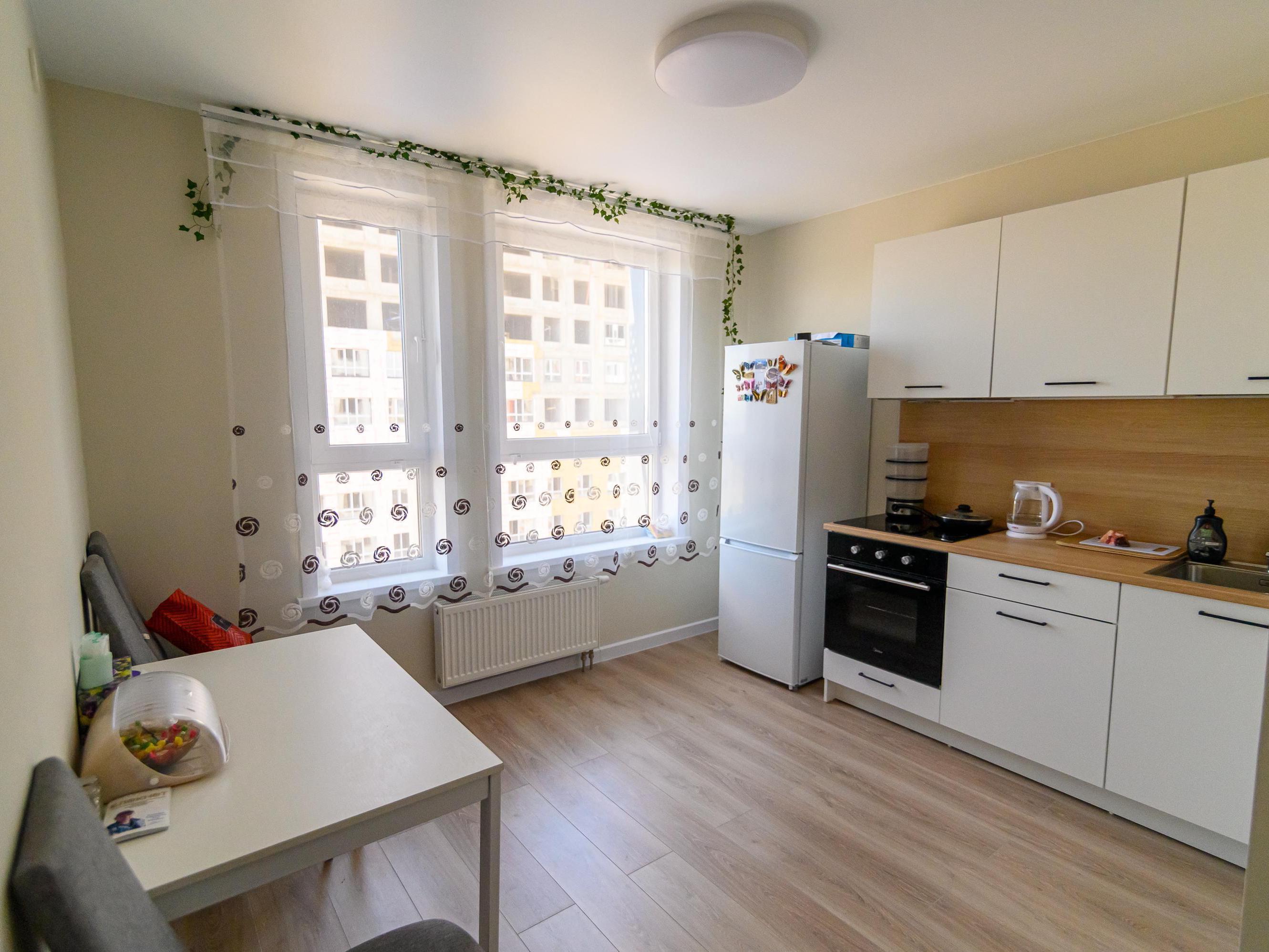

Major Russian banks are tightening the conditions for renting out housing purchased with a mortgage. Credit agreements increasingly include clauses on mandatory approval of rentals with the lender, as well as the bank«s right to sudden inspections of the collateral property. Experts link this to the growing share of buyers who view real estate as a source of income and the overall increase in overdue debt.
New restrictions in contracts
The main changes concern three key aspects:
Rental approval. Most banks explicitly state that renting out an apartment, even to relatives, is only possible with their written consent.
Right to inspection. Contracts establish the bank«s right to conduct on-site inspections of the apartment to monitor its condition without a clear schedule or warning.
Special cases. If maternity capital was used for the purchase, obtaining permission to rent is almost impossible, as it contradicts the program«s goal — improving the family»s housing conditions.
The positions of credit institutions on this issue vary significantly. A number of banks claim a loyal approach, simplified approval procedures, and do not consider rental as a factor critically affecting the collateral value. At the same time, many other large lenders, on the contrary, are actively tightening policies, as found by Izvestia. Their rules increasingly feature mandatory prior written consent for rental, a ban on commercial use of the property until the mortgage is fully repaid, and restrictions on rental terms.
Scale of the unofficial rental market
According to expert estimates, about 95% of all rental housing in Russia is rented out unofficially. At the same time, every seventh family (approximately 8 million people) rents housing. A significant part of this market is apartments purchased with a mortgage. The director of the Russia and CIS markets at fam Properties, Valery Tumin, noted that up to two-thirds of such properties were initially acquired for subsequent rental, often without notifying the bank.
Why banks are tightening policies
For banks, such requirements are related to the risks of loss or deterioration of collateral, explained Galina Zemskova, a member of the Association of Lawyers of Russia (AYUR). According to her, in case of a fire due to the tenant«s fault, difficulties may arise with insurance compensation. Moreover, uncoordinated rental reduces the liquidity of the apartment: if the loan is overdue, it is harder for the bank to sell the property if tenants with legally protected rights live there.
Lawyers, however, point out that wordings about sudden inspections without specifying frequency may be considered excessive. As Galina Zemskova noted, they can be cited in court as an abuse of rights and a violation of the principle of inviolability of the home.
Risks for borrowers and tenants
For owners, violating the new rules threatens not only fines but also the bank«s demand for early repayment of the entire loan. For tenants, the situation is even weaker, noted Ekaterina Stashkova, product manager for »Mortgage« at Sravni. According to her, if the bank seizes the apartment from the owner, tenants may be left without housing and compensation, as an unofficial contract does not protect them.
Experts advise borrowers to carefully study not only the individual loan terms but also the bank«s general rules. And tenants — to always check if the apartment is free from encumbrances.