R. Kelly Victim: Justice System Racist
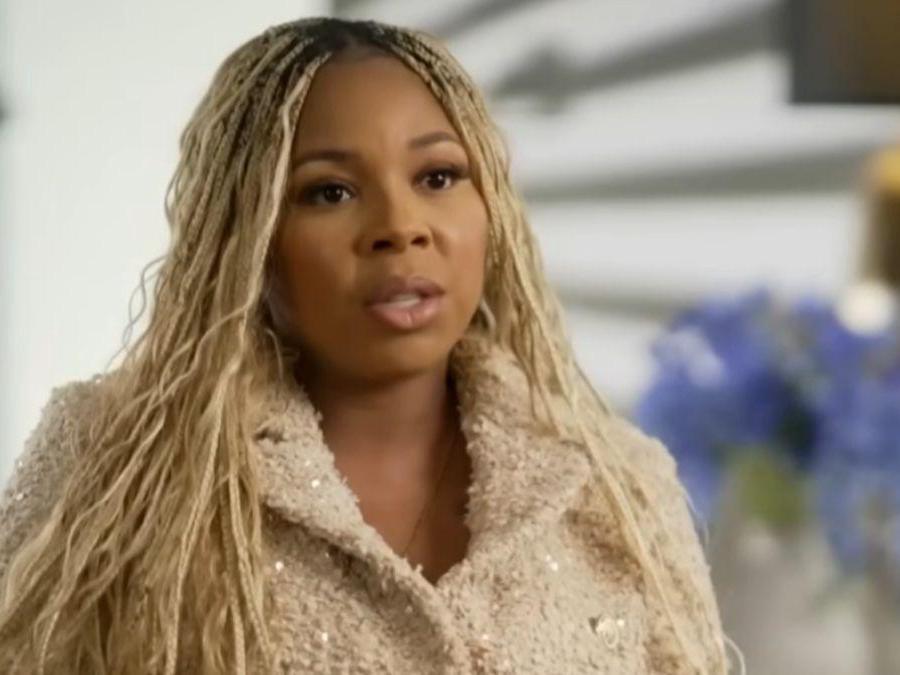

Reshona Landfair stated that the US justice system treated her as a spectacle rather than a victim when prosecutors repeatedly showed a recording of abuse by R. Kelly in open court. According to media reports, the victim believes her race influenced how she was perceived and protected.
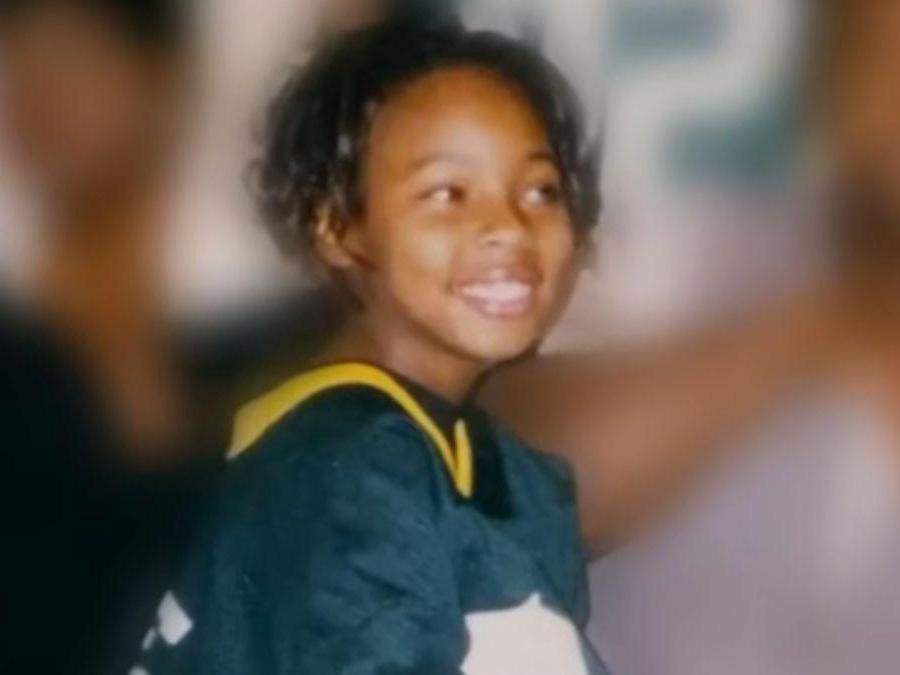
Landfair drops anonymity
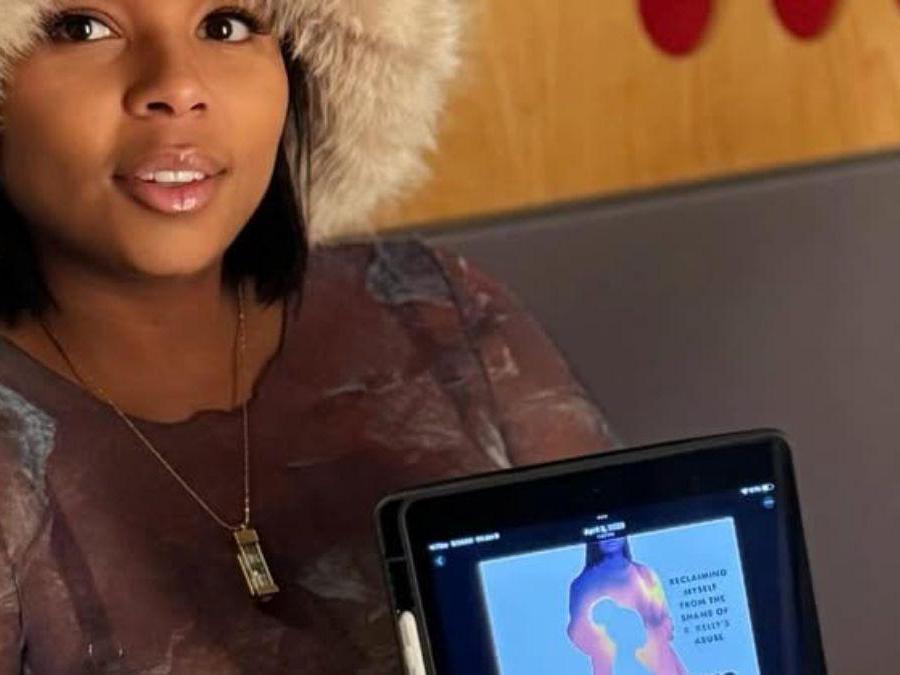
Now 42, the former «Jane Doe» whose image was at the center of the notorious child abuse recording has come forward to criticize the response of courts, media, and society to the videotaped assaults she endured as a Black girl. In new memoirs and her first detailed interview, Landfair describes a decade-long abusive relationship with Kelly, who is currently serving a long federal prison sentence for extortion, human trafficking, and production of child sexual abuse material. She was 14 when the singer — whom her family knew as a godfather — made the tape. It later circulated on the streets and became the centerpiece of cases brought in Chicago. According to her, those cases and how they were conducted exposed a system that consistently refused to see her as a child victim.

At the center of the notorious recording

Landfair recalls that during the trial process from 2002 to 2008, prosecutors played the horrifically explicit 26-minute recording repeatedly in open court, publicly identifying her and allowing her face and body to be seen. She said that decision, along with years of sensationalist media coverage, made her an object of public ridicule, while the man accused of abuse walked free after an acquittal. Pirated copies of the tape sold for a few dollars, and Landfair said she watched herself being turned into the butt of jokes in comedy routines, while basic protective measures normally afforded other child victims were ignored.
Racial bias in the justice system?
Now Landfair directly links that treatment to how Black girls who are victims of sexual assault are perceived. «If I had been a white girl who was urinated on, the outcome would have been different. Everyone would have looked at things completely differently,» she said. «There would have been no showing of her body in the courtroom. There would have been no sketches and ridicule from the whole city... I«m not here to play the race card. I»m just speaking from the heart. And Black girls, we develop quickly. We are a bit more curvaceous, we wear our hair differently, and that becomes our fault if something like this happens. For so long... I believed it was something I did. All that time, no one treated me as they should have. To the public, I was a laughingstock. I was never a victim, so I never saw myself as a victim.» Landfair also described the cumulative effect of repeatedly showing and mocking the tape featuring her, noting that the institutions that were supposed to protect her only increased her public exposure. She lives with the awareness that she did not testify at Kelly«s 2008 trial, as years of manipulation and pressure from the singer made her fear being blamed for his imprisonment. According to her, right outside the courthouse, she was forbidden from watching news or Kelly»s interviews about the case, deliberately kept in the dark about a proceeding that revolved around her images. Nearly two decades later, she says, the choices she and her parents made weigh heavily alongside the decisions of prosecutors who, in her view, saw her body first as legal evidence and only second as a child«s body.
Taking control of her story
She describes her decision to speak publicly under her own name as a last attempt to reclaim power after years when her identity was defined by that very tape. «There is no job I could apply for where this is not at the forefront of my life. There is no relationship I could be in where this is not at the forefront of my life,» Landfair said. «(I felt) that I was losing power. I came to a conclusion one day and said: «If I just put it all out there, I won»t have to explain myself anymore. I won«t have to fear whispers about me at the table: »Oh, do you know who that is?« ...» As soon as I realized that I had no peace or privacy (in hiding), I had to take control.»