Children Buried in One Coffin: Gravediggers on Death and Life
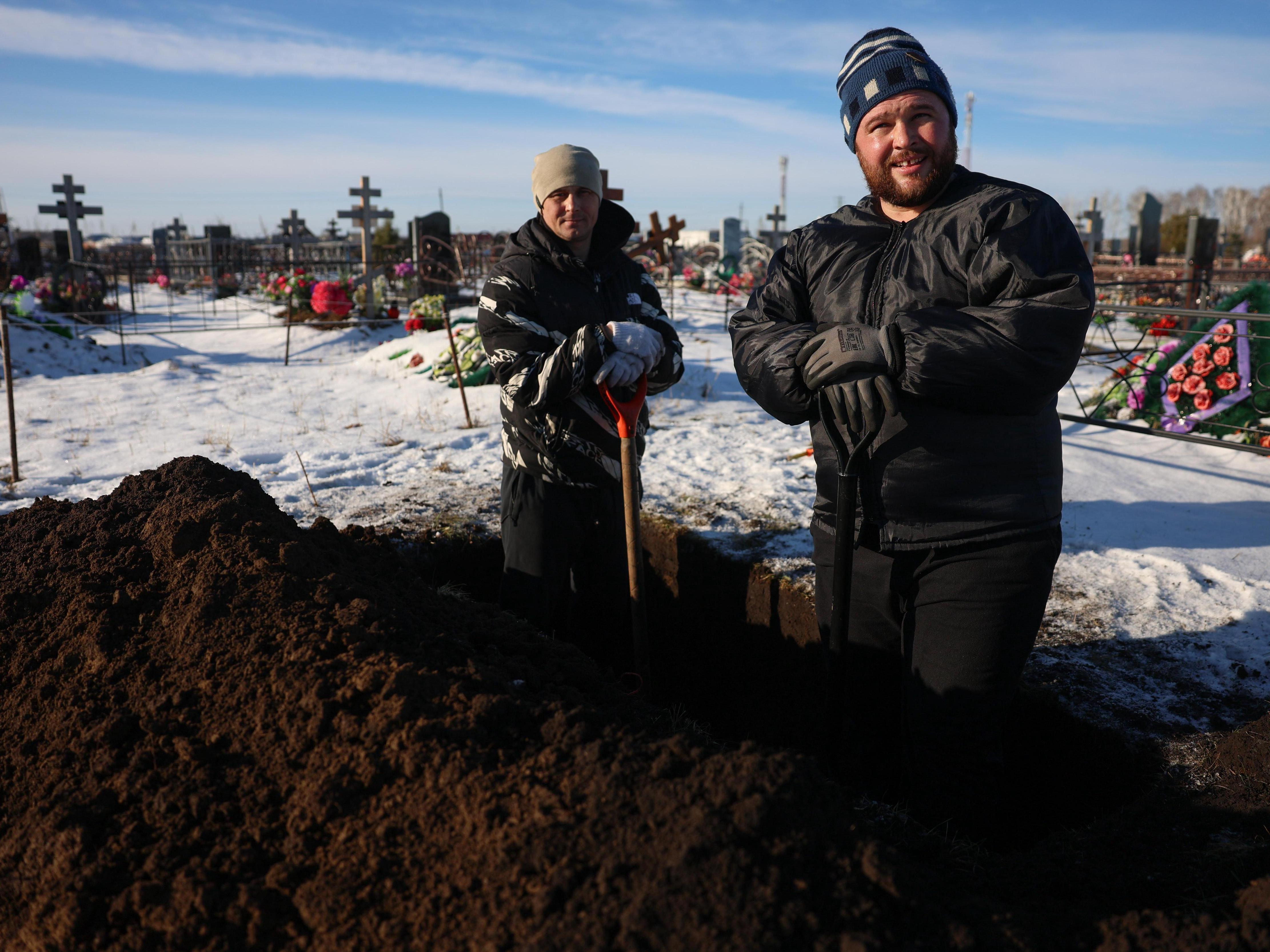

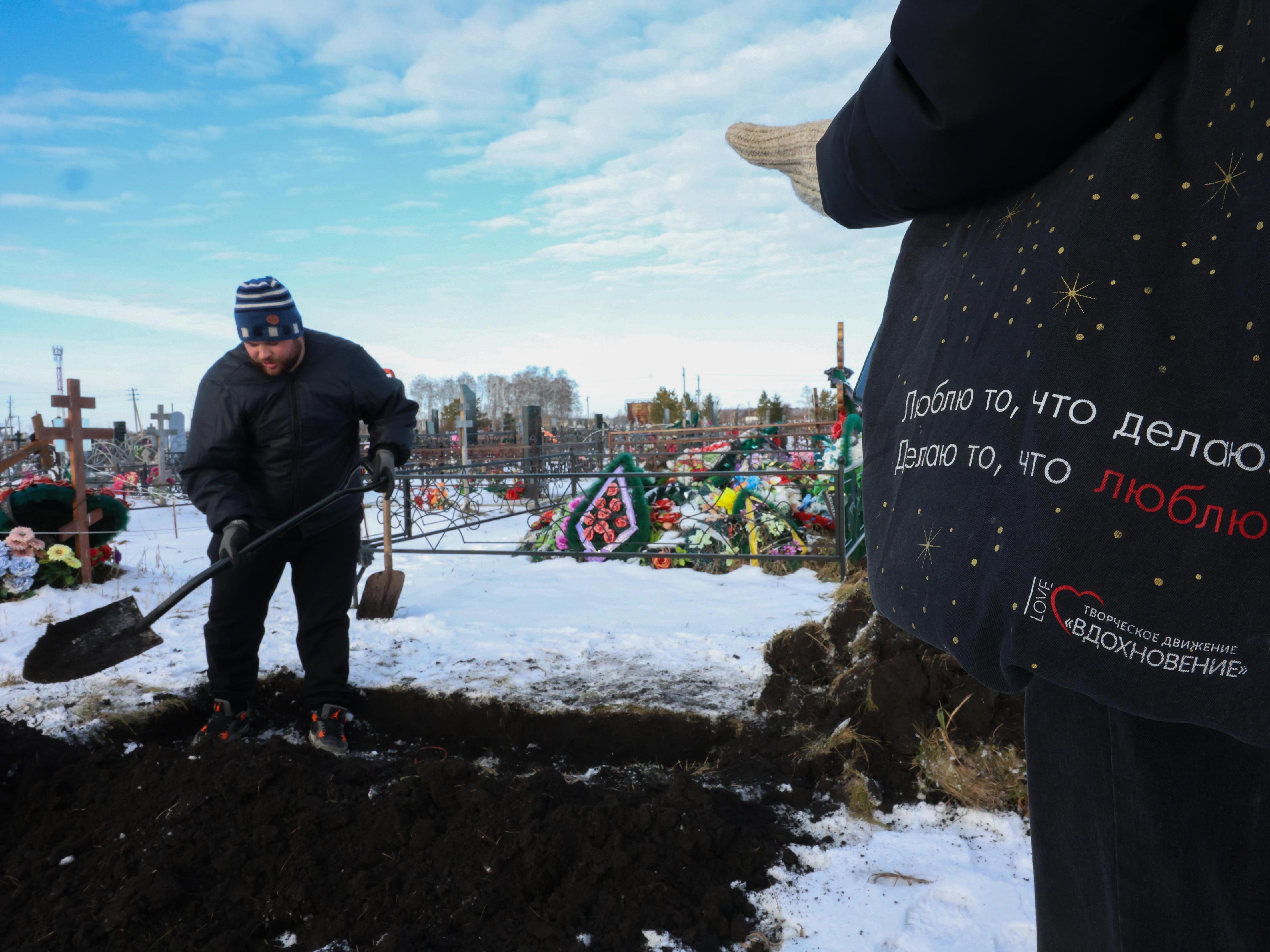
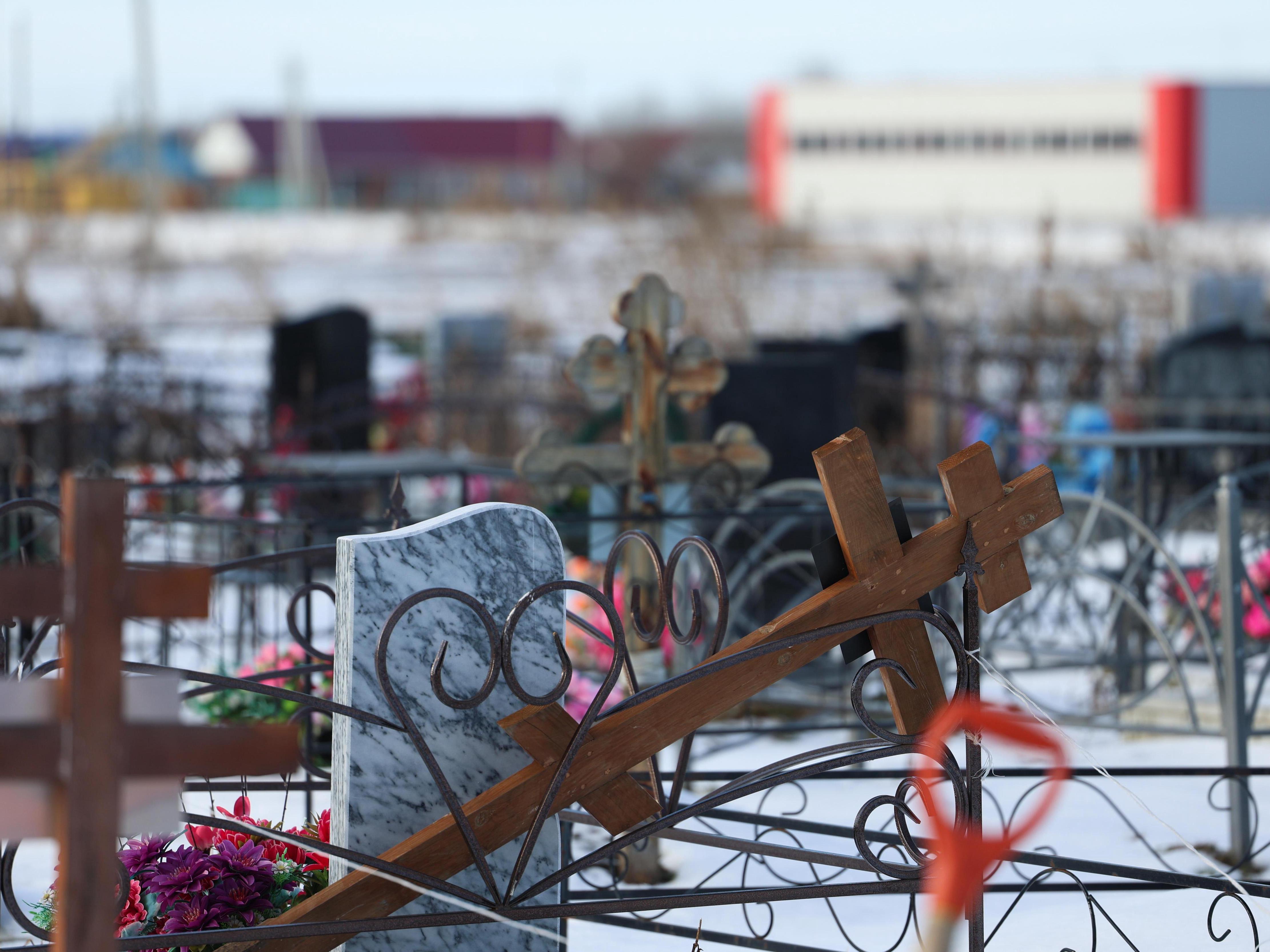
At the cemetery in Berezovka village, Omsk region, it is quiet and empty. The ground is covered with a thin blanket of snow, inscriptions on tombstones are hidden behind frost. In an empty area — two people. Work prevents them from freezing. Shovels easily enter the soft soil, the smell of dampness hangs in the air, and under the diggers« feet, a deep hole gradually forms. Someone»s life has come to an end. A funeral will take place here today.
Many would consider this scene gloomy, but Alexander and Dmitry greet us with a smile. Organizing funerals is their job; they have grown accustomed to death and treat it philosophically. About how one becomes a gravedigger, how much representatives of this profession earn, and what meaning they see in their work — in the material by correspondent NGS55.RU Ekaterina Shrayner.
Introduction
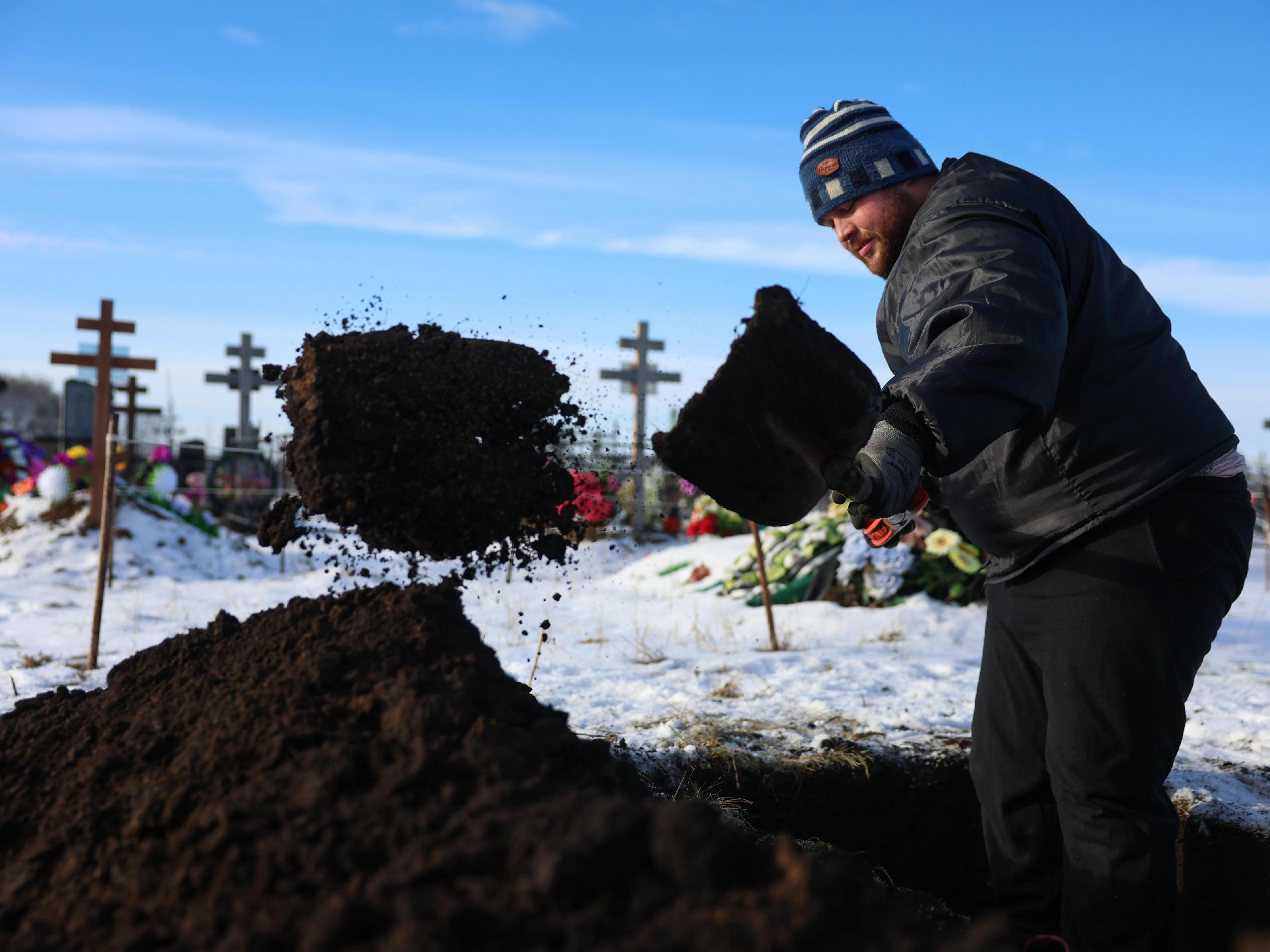
When you go to meet a gravedigger, you expect to see anyone but a cheerful young man in a striped hat and sneakers. Alexander is only 26, in the profession for about five years. His colleague Dmitry is older, but did not want to specify his exact age and only joked that he is a bit over 25.
— Can I work while talking? — Alexander asks me right after the introduction.
— Of course, if it«s convenient.
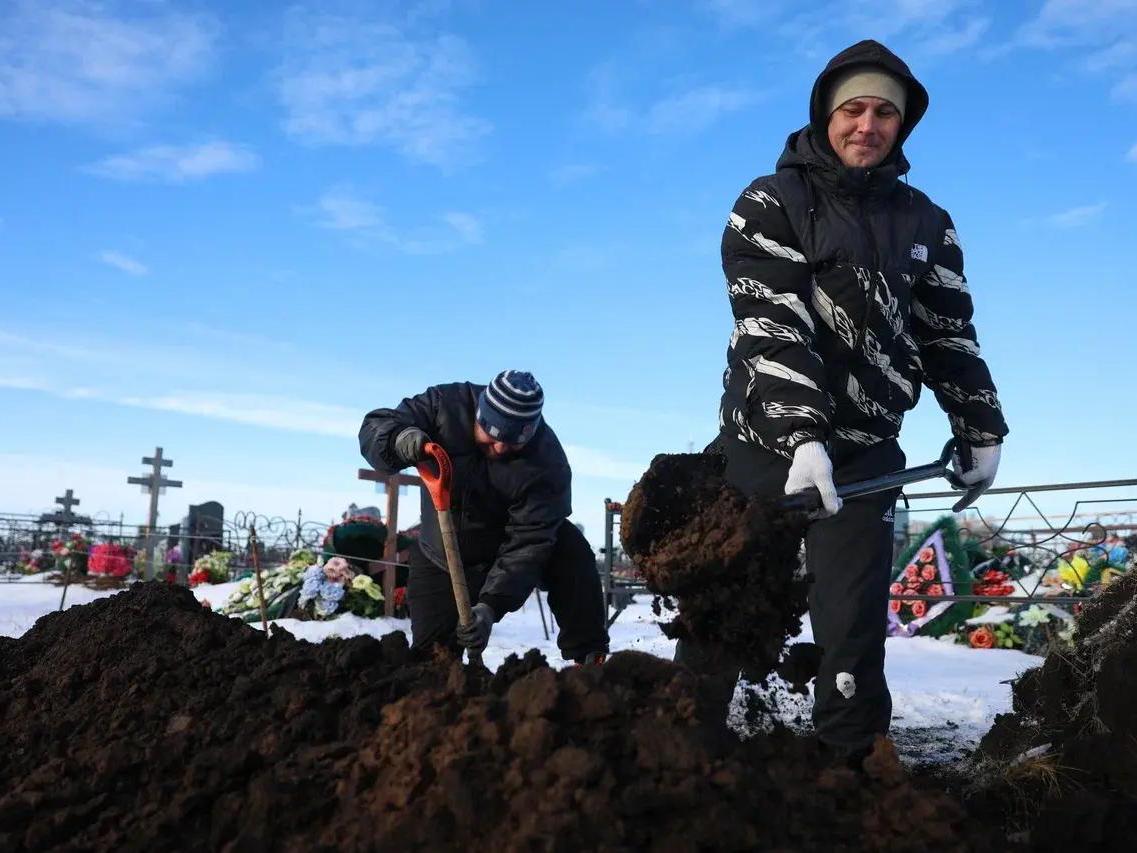
Again and again, the gravedigger lifts heavy, damp earth and throws it out of the hole. Difficult and dirty work, but Alexander, it seems, does not tire at all: he speaks calmly and does not lose his train of thought, his breathing does not falter.
«This profession appealed to me because it is unique. Every order is unique in its own way, and the people, their cases, are too. There is no monotony, nothing the same. You always encounter some new difficulties. You need to dig, and you dig. That«s it», — the guy reflects.
He stops for a second and turns to his partner:
— Now it»s your turn to dig.
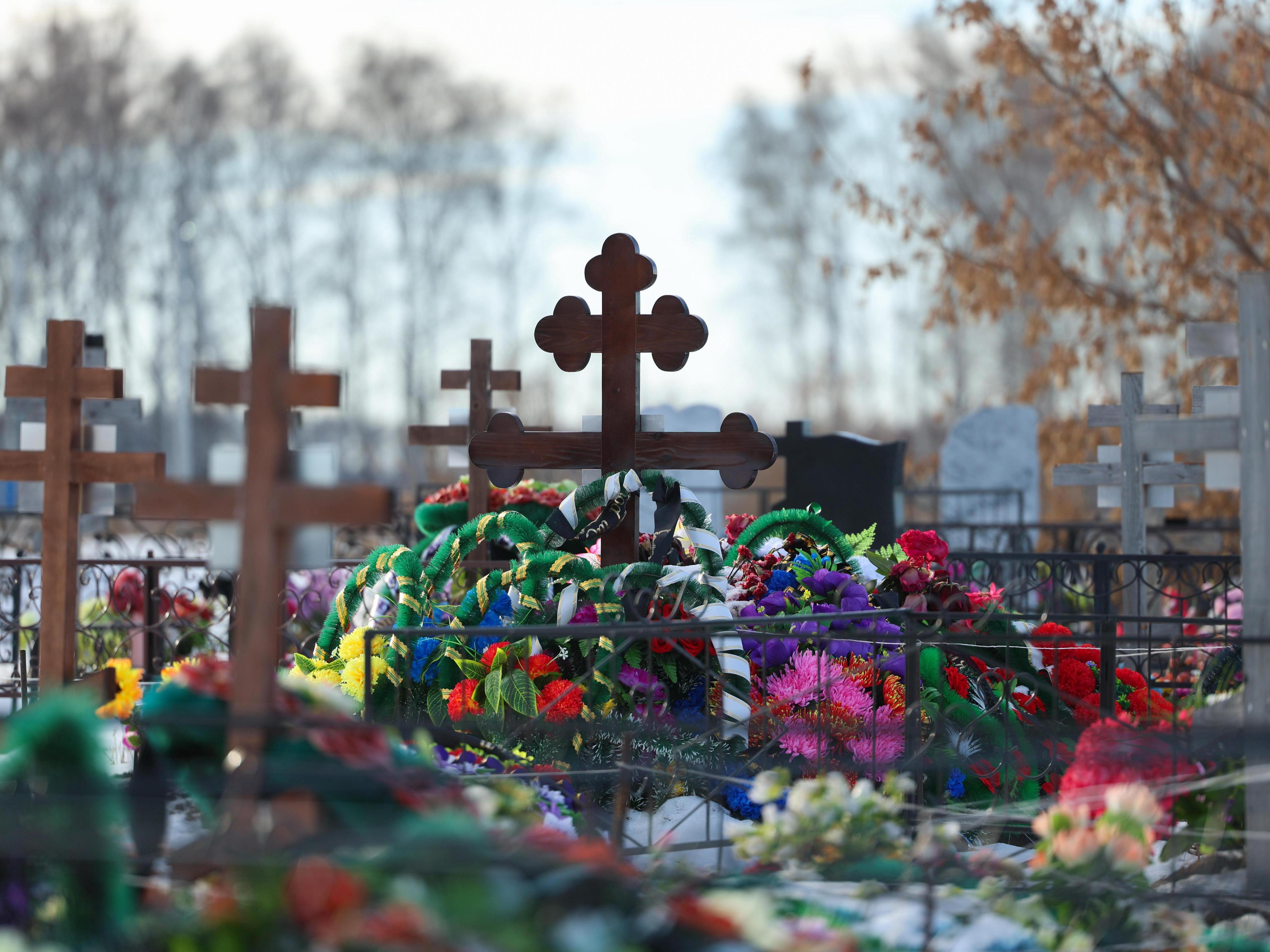
In winter and late autumn, gravediggers work in pairs. This way, everything gets done much faster, and they can pass the time with conversation. On average, one grave takes 2–3 hours in summer. When the ground freezes, it takes longer, 3.5–4 hours.
«It«s a matter of habit. At first, it was very hard. Even now, it»s the warm season, just the beginning of cold weather. It«s not hard at all. If we were talking in January, I would have a big crowbar, swinging it. In winter, it»s much harder to work because the ground freezes to about one and a half meters. And the burial site itself, the grave, is dug about one and a half meters deep. Sometimes you just have to pound the ice with a crowbar. Somewhere the soil is pliable, somewhere there«s sticky clay.»
Path
Alexander is from Altai Krai, now lives in Berezovka. He never planned to work in funerals and ended up in this field by chance. By education, he is a crane operator, has worked in a factory and on shifts. He says he was searching for himself, and then unexpectedly realized that his calling is to help people say goodbye to their loved ones.
«I am from Altai Krai. Came to Omsk region for a visit. I liked it here, stayed to live, got married, then my daughter was born. The profession is specific, I never thought I would organize funerals. But when I met all my friends with whom I work now, I became interested in trying.»
Dmitry kept laughing at his partner«s words and inserting remarks. But when it came to his life, he waved his hand dismissively.
The gravediggers» earnings are inconsistent. It depends on the time of year and the number of orders. According to Dmitry and Alexander, those who don«t take much work earn about 50,000 rubles (approximately $550 at current rates) a month. Others — more.
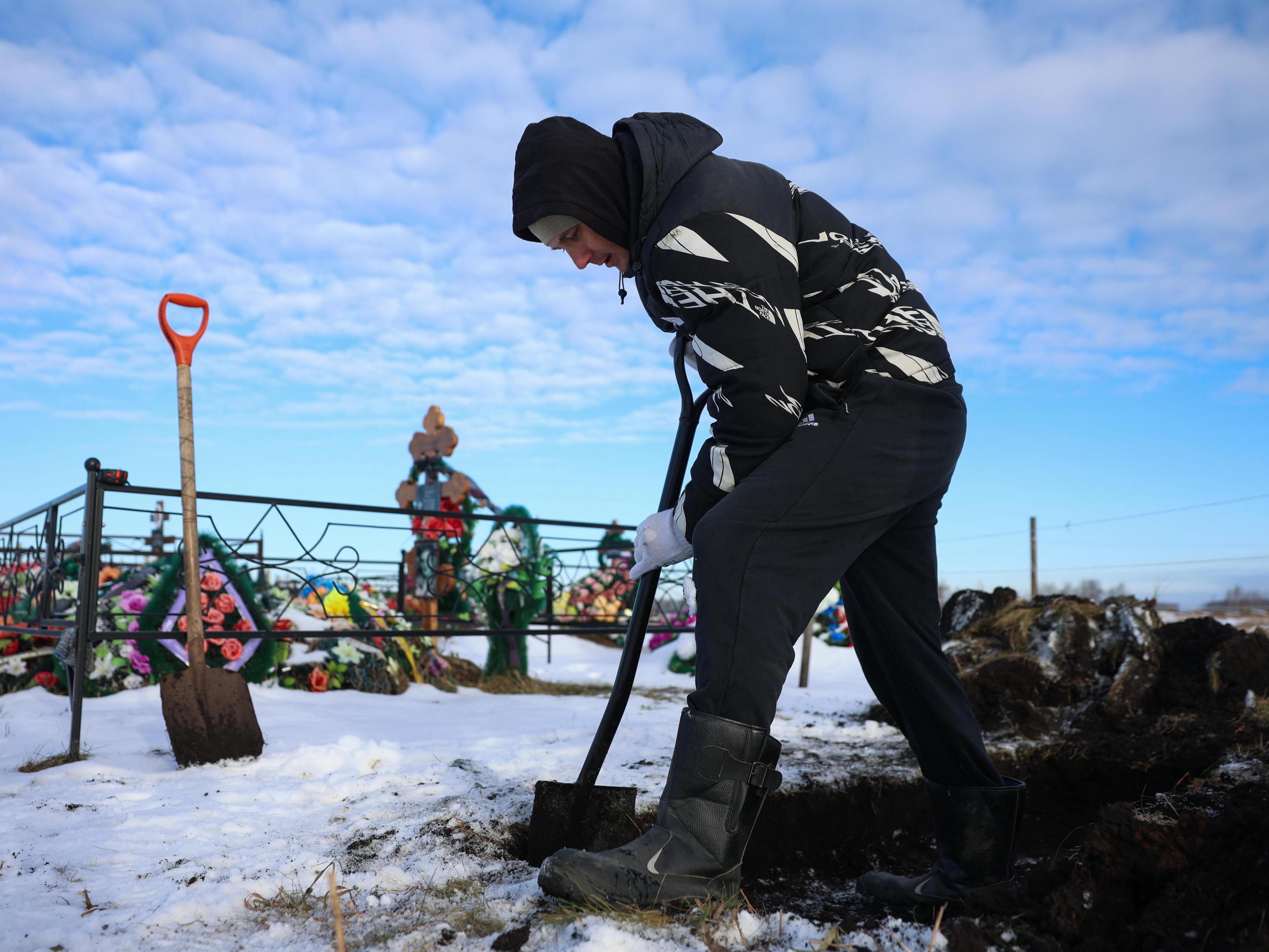
— I want, honestly, for people to smile at my funeral, not grieve for me. Remember, you will be at my funeral, — Dmitry says with a laugh to Alexander.
— Sounds like a threat, — he jokes back.
Confrontation with death and grief is an inevitable part of the work for everyone in the funeral business. In such conditions, over time, you come to terms with the thought that life is not eternal and stop perceiving its end as an extraordinary event. Although sympathy for people who have lost loved ones, of course, does not disappear.
«I always understood that death is a part of life, but I rarely encountered it before entering the profession. Today I understand: either we accept death, and it«s easier for us to live, or we resist it. In the second case, when death comes into our life with a close person, it»s harder for us. I believe we need to talk about this in families. Then children will be prepared for it. They will understand that one day their parents will leave, they will take their place, will also have children, raise them», — Alexander reflects.
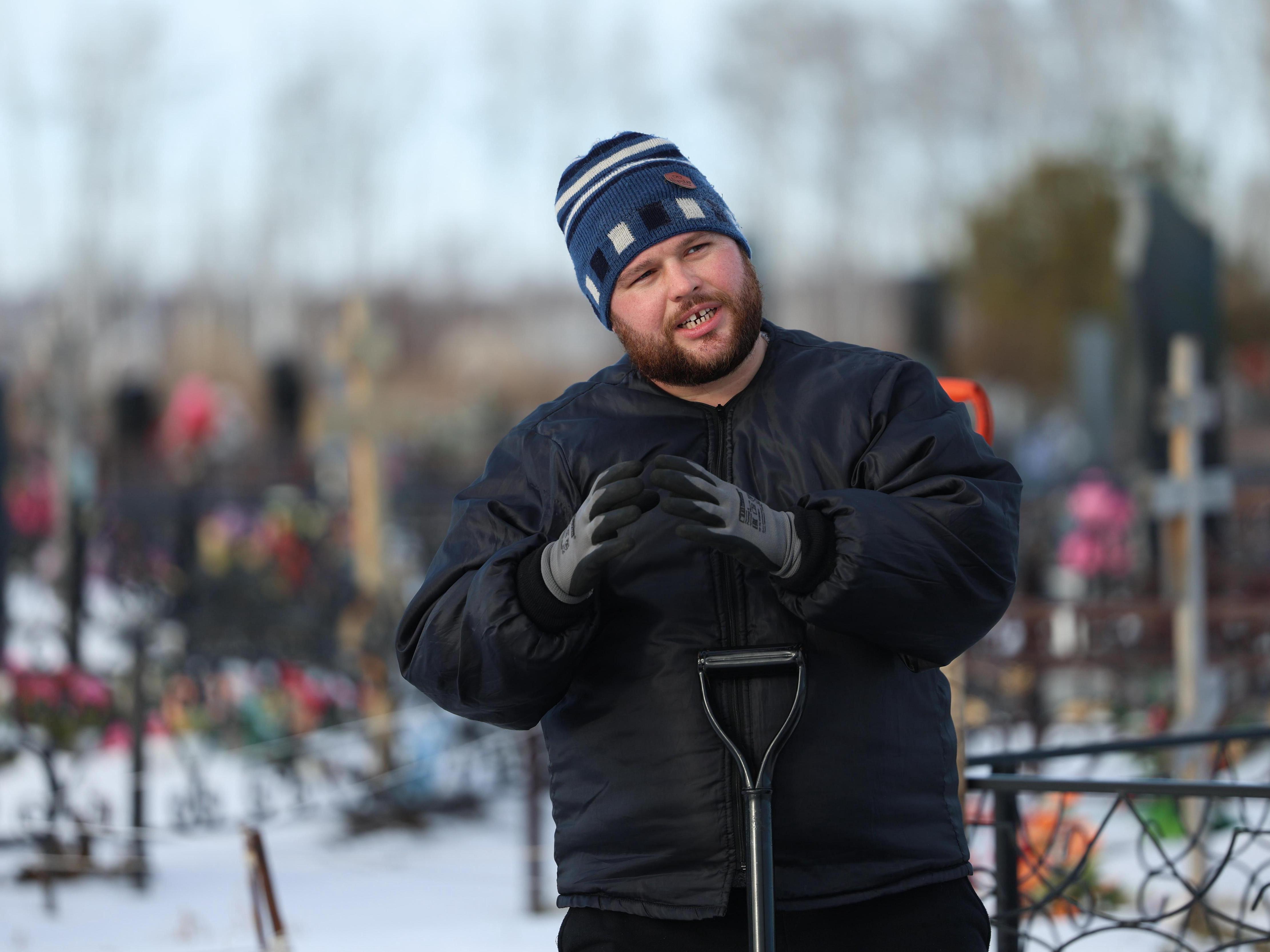
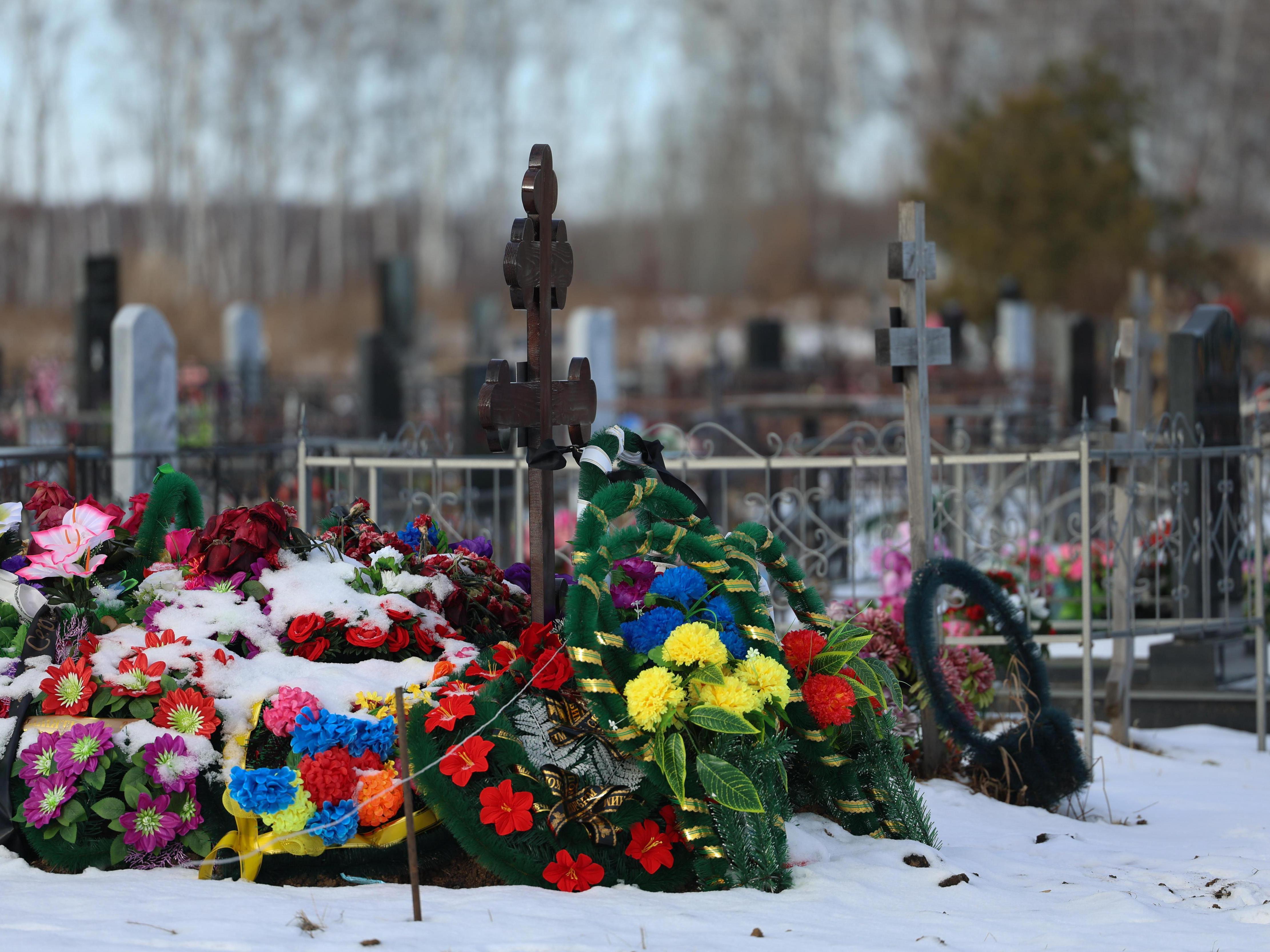
At first, he took the story of every funeral to heart. Then he started to take it easier, but some cases still leave a mark on his soul. Especially when children pass away.
«Once, a mother with two children died in a fire. There was a huge funeral. The children were buried in one coffin. It was hard. Another case: a one-and-a-half-year-old child died from an illness. They discovered he had cancer, the parents fought, but it didn«t help. It was hard to be present at that funeral. The father was giving a speech, my heart was literally trembling at that moment.»
The previously taciturn Dmitry joins the conversation. His faith in God helps him cope with emotions during work.
«I am a believer, and it»s always easier for a believer. I believe that I am not alone in this world, that God participates in all my life, even now here somewhere. And therefore, it«s easier for me when I face difficulties. I very rarely have a bad mood. I relate to funerals differently, not as a tragedy, but as a person»s transition to some other reality, no less significant than where we are standing now.»
Gravediggers see a special meaning in what they do. Their task is not just to dig a hole and place a coffin there, but to help people who have encountered grief. Everyone who works in the funeral field develops an ability to comfort and support.
«It«s not just a way for us to earn money, but also a way to serve people, to bring them a drop of goodness. Going through such periods in life with a person, you can say some kind word or word of comfort to them. We accompany people after funerals, call them, ask how they are doing. Sometimes relatives even worsen the situation. Because a person in a state of grief is like holding a grenade. They don»t know how to behave. A person who works in such a field will 100% have the ability to comfort.»
Life
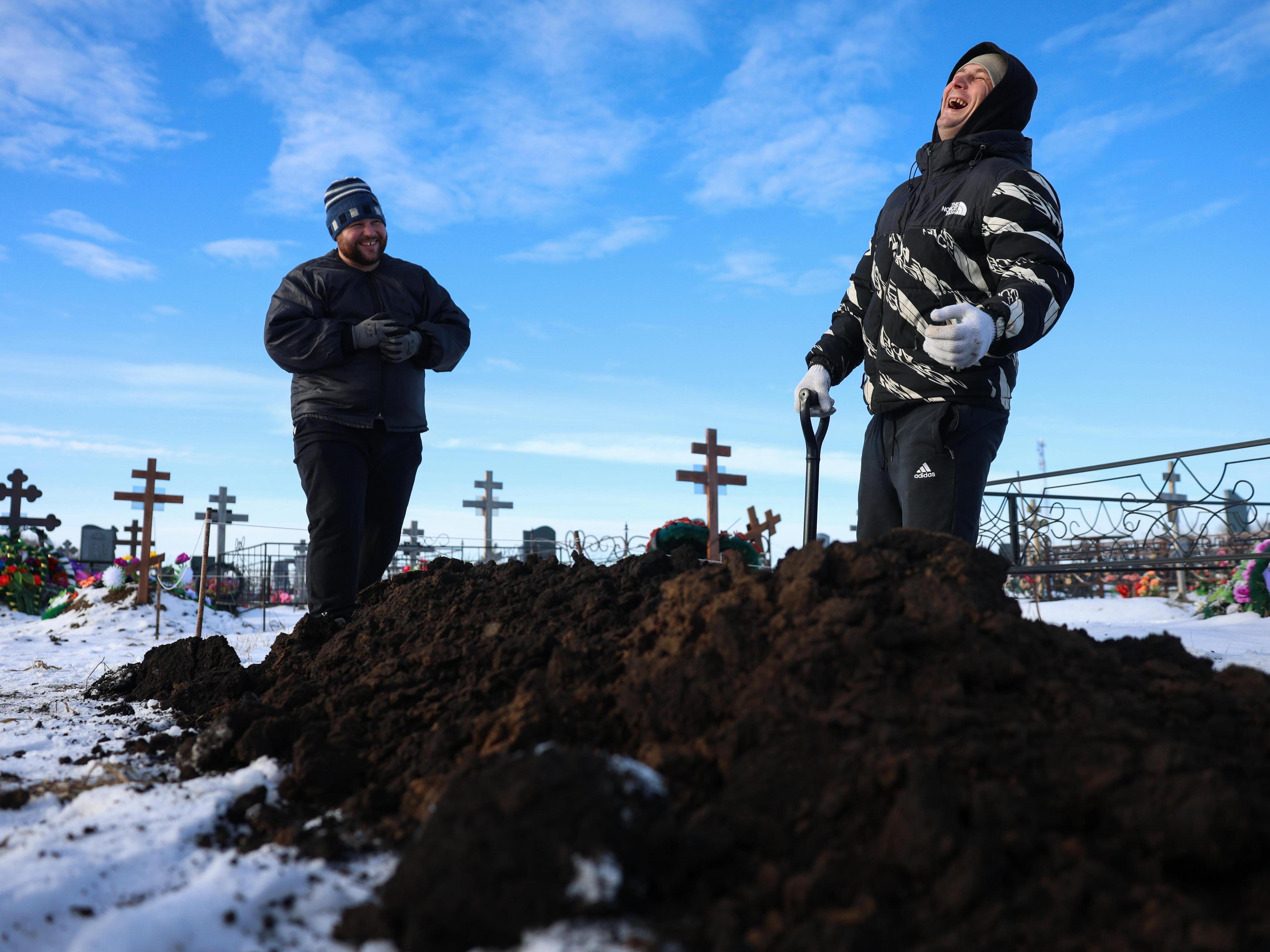
— I«m not a superstitious person at all, but sometimes, when you stay late, it»s scary at the cemetery. You start imagining things. Imagine: a ghost will come up, ask something, — Alexander admits.
— Yeah. How to get to the library? — Dmitry picks up.
Loud laughter echoes over the empty cemetery. Alexander unexpectedly starts talking about dreams.
— You might think I«m old-fashioned, but I want a big family, a huge one. To have many children. That»s my dream: an old big house, a big family, and a big car.
— A good dream, and most importantly — about life, — I smile back at him.