Kuzbass produced vacuum cleaners, plates, and toys for the Soviet Union
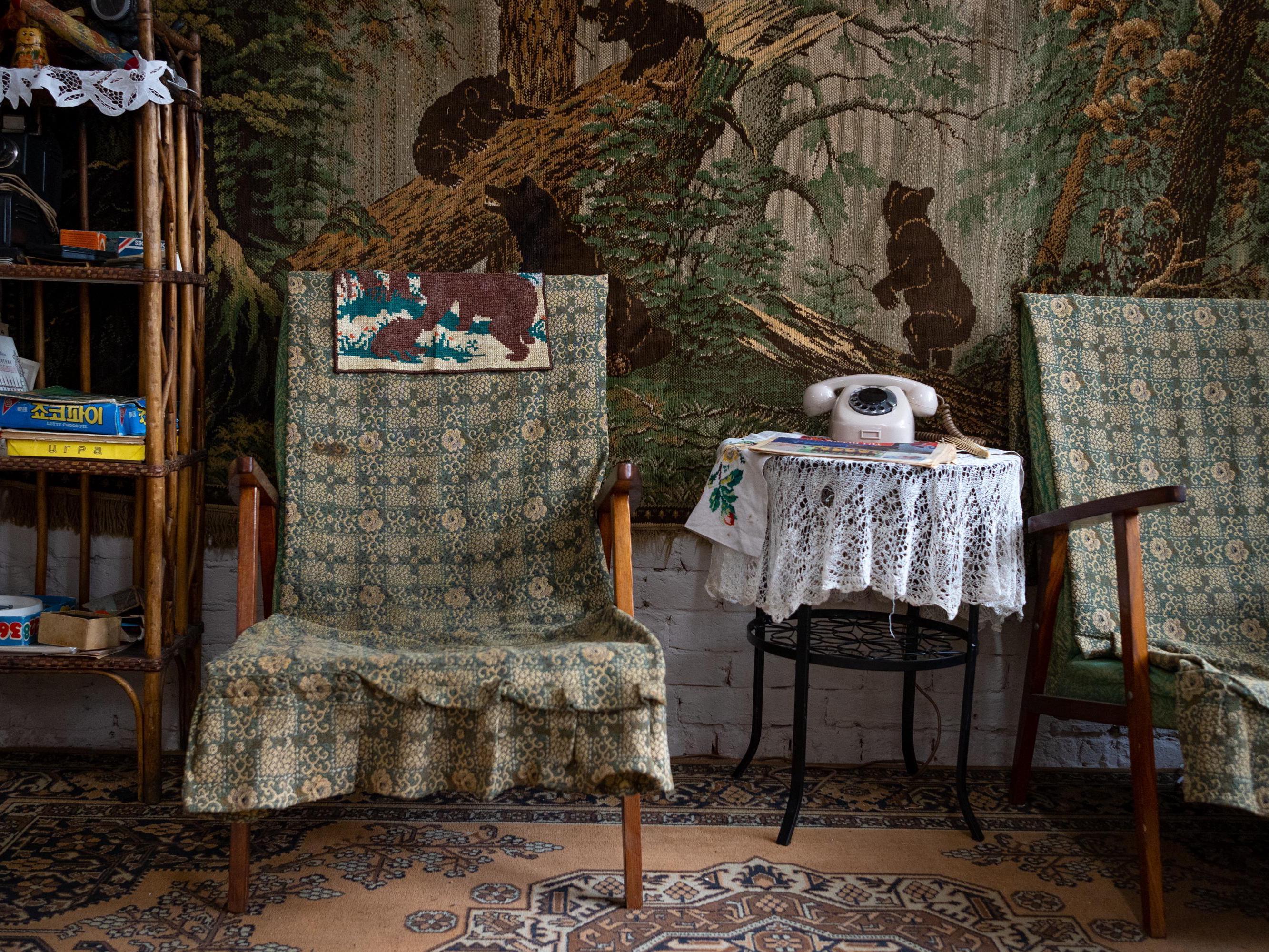

Vacuum cleaners like the «Buran», a plush monkey, painted trays with flowers, and porcelain plates with green and blue patterns — these items are familiar to everyone who lived through the Soviet era. But few know that they were made in Kuzbass. NGS42.RU looks back at the history of the factories that supplied the entire Union with the most recognizable household goods.
Kemerovo
Painted Trays
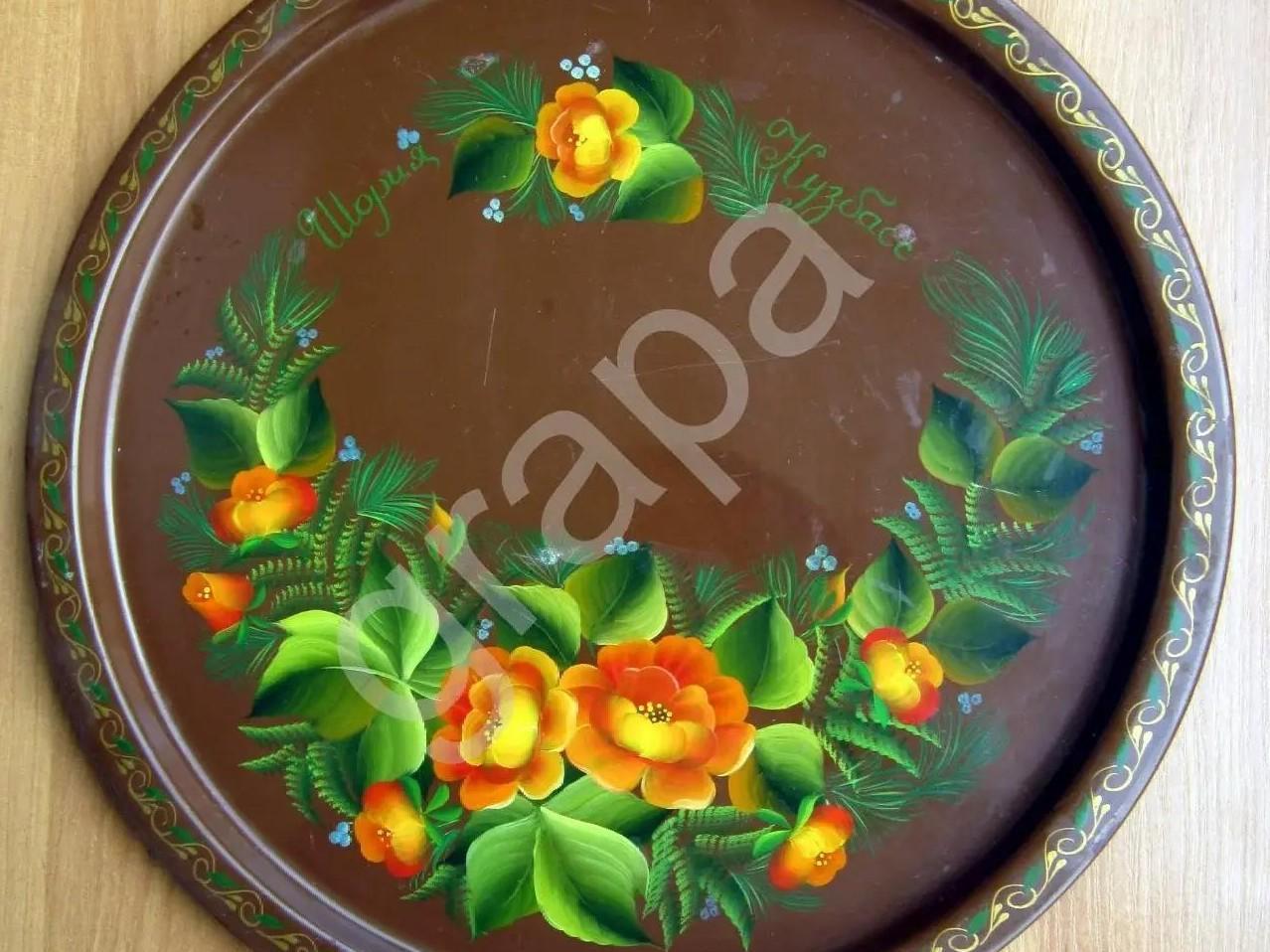
One thing the regional capital rightfully takes pride in is its own unique method of tray painting. In 1981, the «Vesna» (Spring) factory opened in Kemerovo.
The blanks for trays with diameters of 49 and 37 cm were made in Novokuznetsk at the «Metalloshtamp» (Metal Stamping) plant. Then they were sent to Kemerovo, where local artisans painted them.
Over time, a distinct style of artistic painting emerged, which came to be known simply as «Kemerovo style».
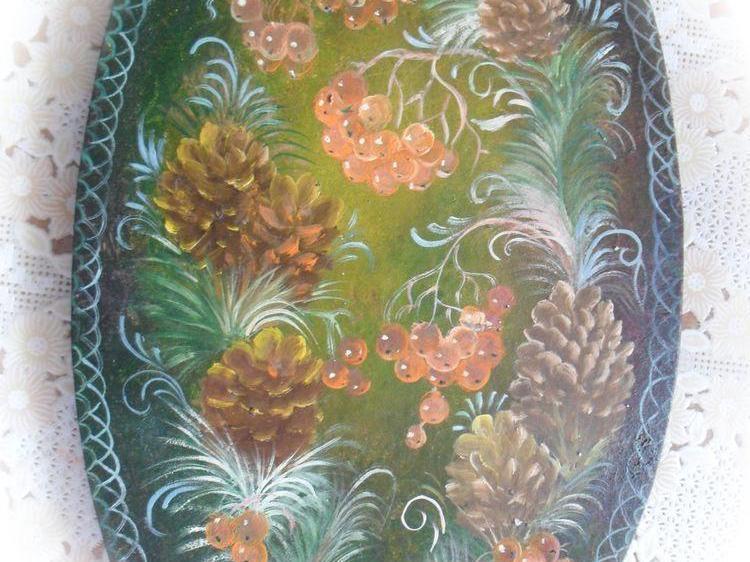
Kemerovo painting absorbed techniques from Zhostovo and Nizhny Tagil (traditional Russian folk art) and belongs to the Ural-Siberian branch. A two-color brushstroke was used: the main paint was loaded on one edge of the brush, and a lighter tone on the other. This created a color gradient that gave the image volume. After drying, the oil paint was varnished.
Unlike the Nizhny Tagil style, the Kemerovo method is more realistic. In the early 1980s, «Vesna» products depicted branches and wreaths with rowan berries, snowdrops, and roses. In subsequent years, artists increasingly began to use elements characteristic of local nature: candyk (a type of lily), daisies, fireweeds, small ranetka apples, cedar and pine branches, and ferns.
Kemerovo trays spread widely not only throughout the USSR but also reached the international market. Abroad, the Kemerovo brushstroke became known as the West Siberian style.
Unfortunately, after the collapse of the USSR, «Vesna» did not last long. The artists were laid off and scattered to art schools and vocational colleges. In 2001, the factory closed. Now, painted items from Kemerovo can only be found in antique shops or on classified ads websites.
From Children«s Shorts to Carpets
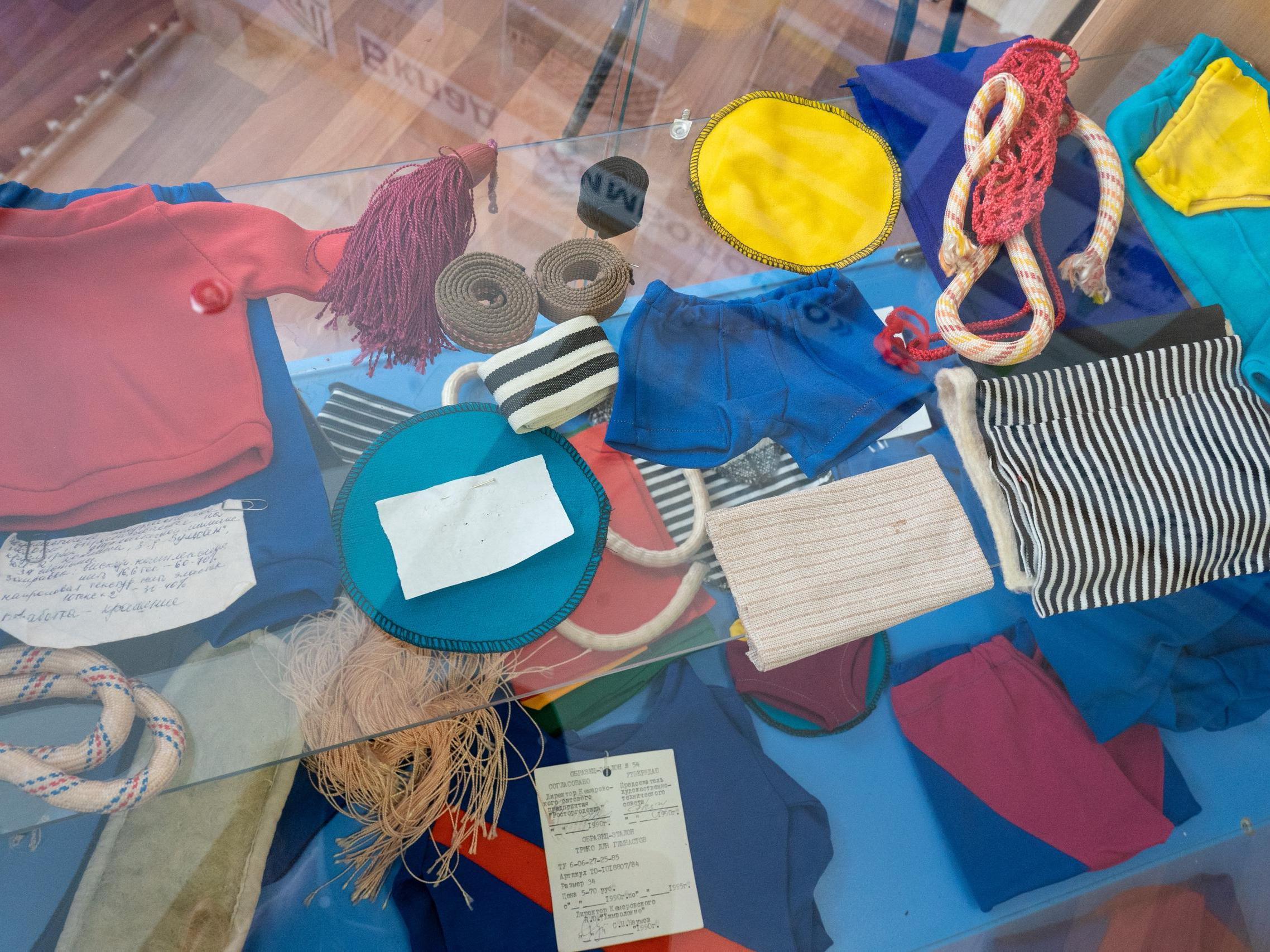
One of the most famous Kemerovo productions in Soviet times was the «Khimvolokno» (Chemical Fibers) plant. It was famous primarily for industrial materials, such as cord fabric used for strength and durability in tires for all types of transport.
However, from production waste, the enterprise made consumer goods. People in Kuzbass dressed in knitted trousers, outfitted children in bright suits, and carried groceries in string bags made locally. In total, over a hundred different household items, with the assortment regularly reviewed to meet the population«s needs.
Also, during the tumultuous 1990s, fiber for carpets was made from recycled materials. In particularly difficult periods, workers were paid with finished products.
Novokuznetsk
Dolls, Monkey Bodia, and a Little Black Child
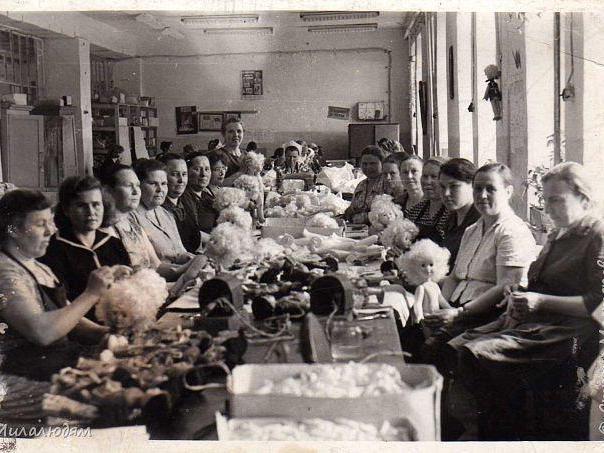
In the village of Kuzedeyevo near Novokuznetsk, a district industrial combine opened as early as 1936: here they processed leather and produced skis. A little later, they made bows and sleds for horse-drawn transport, and by the end of the war, they retooled for household items: rolling pins, mashers, yokes, and more. The change that made the enterprise famous throughout the Soviet Union occurred in 1953, when it switched to making toys.
The products were first wooden, then made from wood-pulp mass. The first dolls contained sawdust, starch, flour, paper — a kind of extra-strong papier-mâché, painted by hand. In 1959, the industrial combine was renamed the Kuzedeyevskaya Toy Factory.
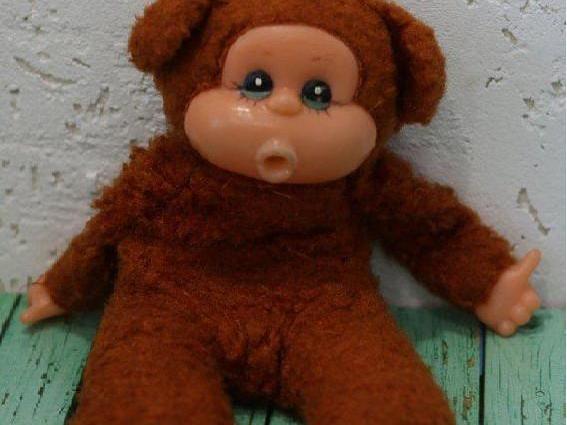
In the 1970s, a real revolution occurred in production — the introduction of plastics. The first polyethylene toy was a yellow duckling. Initially, a manual machine produced 400 ducklings a day, and later, with an automatic machine — 1,200. Soon, dolls were added to this line: Ivanushka, Mashenka, a construction worker, a schoolgirl, a figurine of a Black child, the monkey Bodia, and many others — over 30 items in total.
Toys from Kuzedeyevo spread so widely across the Soviet space that they were in practically every family. Almost everyone who sees them in photos today will be sent into warm childhood memories, but few know that Kuzbass is their birthplace.
Like many enterprises in the country, the Kuzedeyevskaya factory declined during the perestroika era and closed in 1994.
Prokopyevsk
The Dream of Every Soviet Family
The history of JSC «Electromashina», the largest enterprise in Prokopyevsk, began in the wartime year of 1941. An electromechanical plant from Kharkov and a small DC machine plant from Voronezh were evacuated here.
Production was aimed at restoring industry: elements for searchlights, motors, DC generators, mining equipment, and more. But from the first days, the product range included consumer goods as well. For example, in 1946, they produced rakes and shovels; in 1952 — irons. In the first year, they made over 5,000 irons.
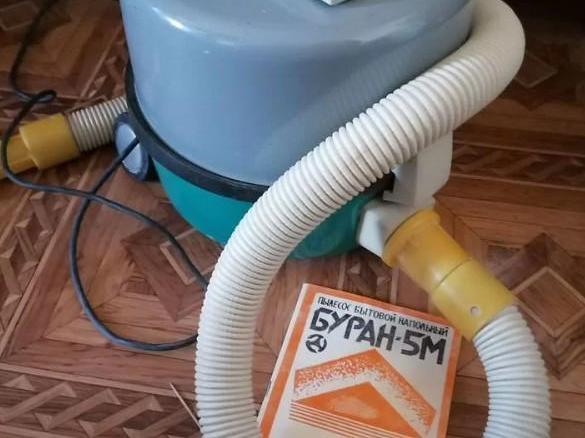
Finally, in 1953, «Electromashina», together with the «Karbolit» plant (Kemerovo), began producing hand-held vacuum cleaners called «Kuzbass». Two years later, the plant«s engineers created the first floor model — PEMZ-1.
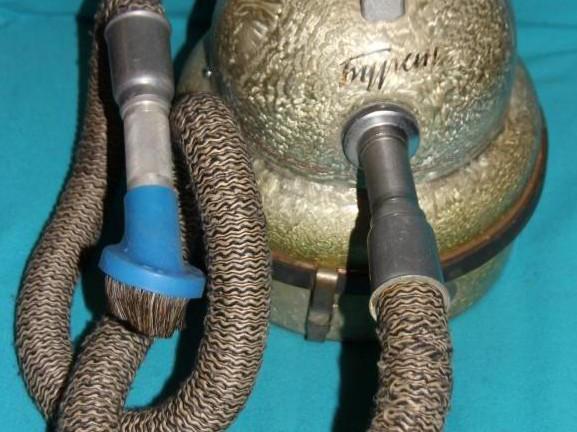
The «Buran» was released in 1957. The name became a symbol of Siberian production and the appliance«s power. The first model was produced until 1971. It was replaced by the »Buran-3«, and in 1975 by the »Buran-5M«.
Interestingly, LLC «Electroprom» still operates successfully today. However, it no longer produces household appliances, having completely focused on electric motors.
Porcelain
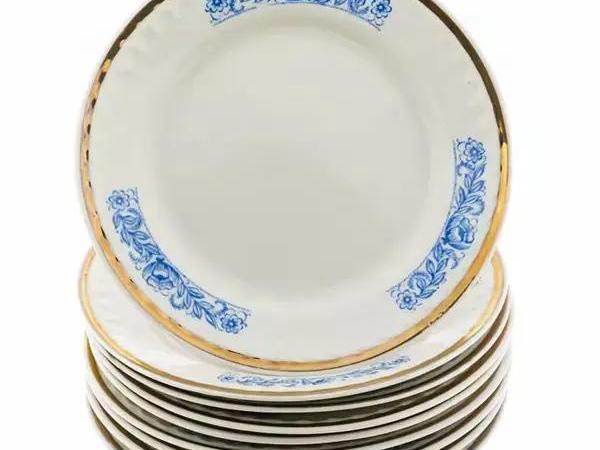
The decision to build a plant for producing tableware was made on 27 September 1965; work began in 1969, and on 25 April 1973, the workshop released its first batch of finished products — these were porcelain soup plates.
Initially, the stamp for the porcelain was supposed to be a miner«s lamp, but it turned out that such a symbol had already been registered by the Druzhkovka Porcelain Plant. Artist Leonid Volodkin came up with a new stamp — an image of a deer with the letter »P« between its antlers. It was under this logo that Kuzbass tableware became famous in the Union and abroad.
Equipment for the Prokopyevsk Porcelain Plant was imported from Czechoslovakia, and dispatched specialists helped install it.
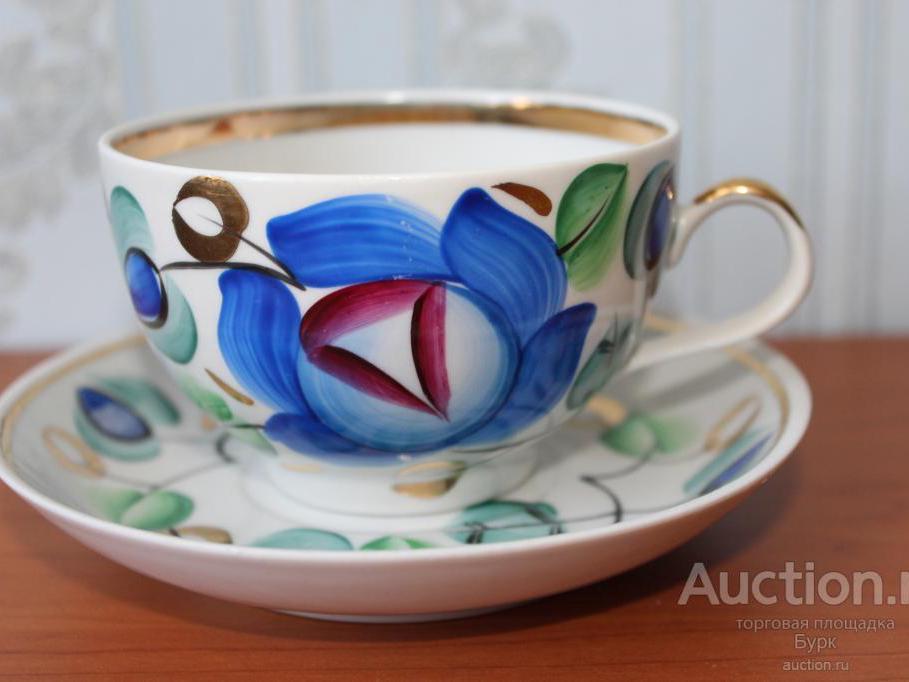
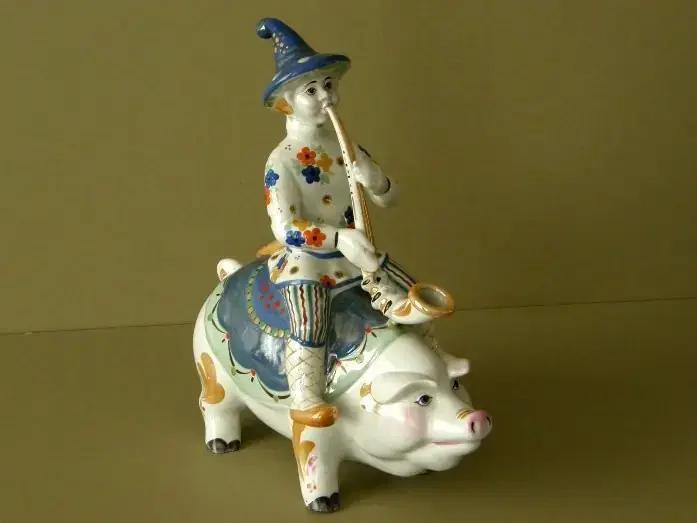
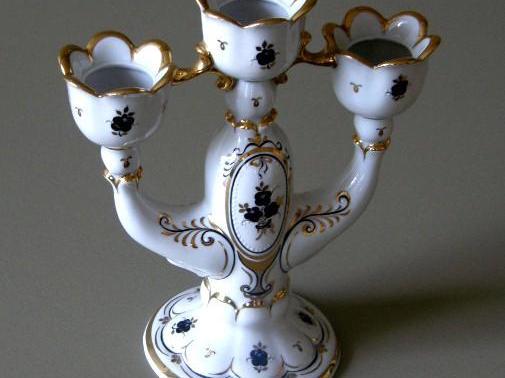
In three months, the plant manufactured a million plates. Besides these, they started making cups. And a little later, workers mastered services: tea, coffee, and dinner sets. In the art workshop, they began making all sorts of souvenirs. For the Moscow Olympics, artists developed not only dishware with symbols but also a figurine of the Olympic Bear. The entire output of the Prokopyevsk Porcelain Plant was distributed across the country.
In the early post-Soviet period, the plant even increased production: negotiations were underway to supply porcelain to France and the USA, new machines for molding and grinding were launched, as well as progressive automatic machines for printing patterns using silkscreen.
However, the company faced a number of difficulties, including reduced supplies of Ukrainian clay. Since 1996, the organization repeatedly changed its form of ownership until it became a limited liability company. Warehouses began to be overstocked and debts accumulated. The huge complex turned into an intractable problem — it needed heating and electricity, and production became less and less profitable.
Despite all management efforts to rectify the situation, in September 2006, LLC «Prokopyevsk Porcelain Plant» was liquidated.
In Kuzbass, they also produced Christmas tree ornaments. Photographs of unique items we have compiled in a separate article.