Swine flu and Hong Kong flu in Samara
Swine flu (H1N1) and Hong Kong flu (H3N2) are circulating in the Samara region, hand in hand, as health authorities report a rise in ARVI cases.
Apr 27, 2026 0
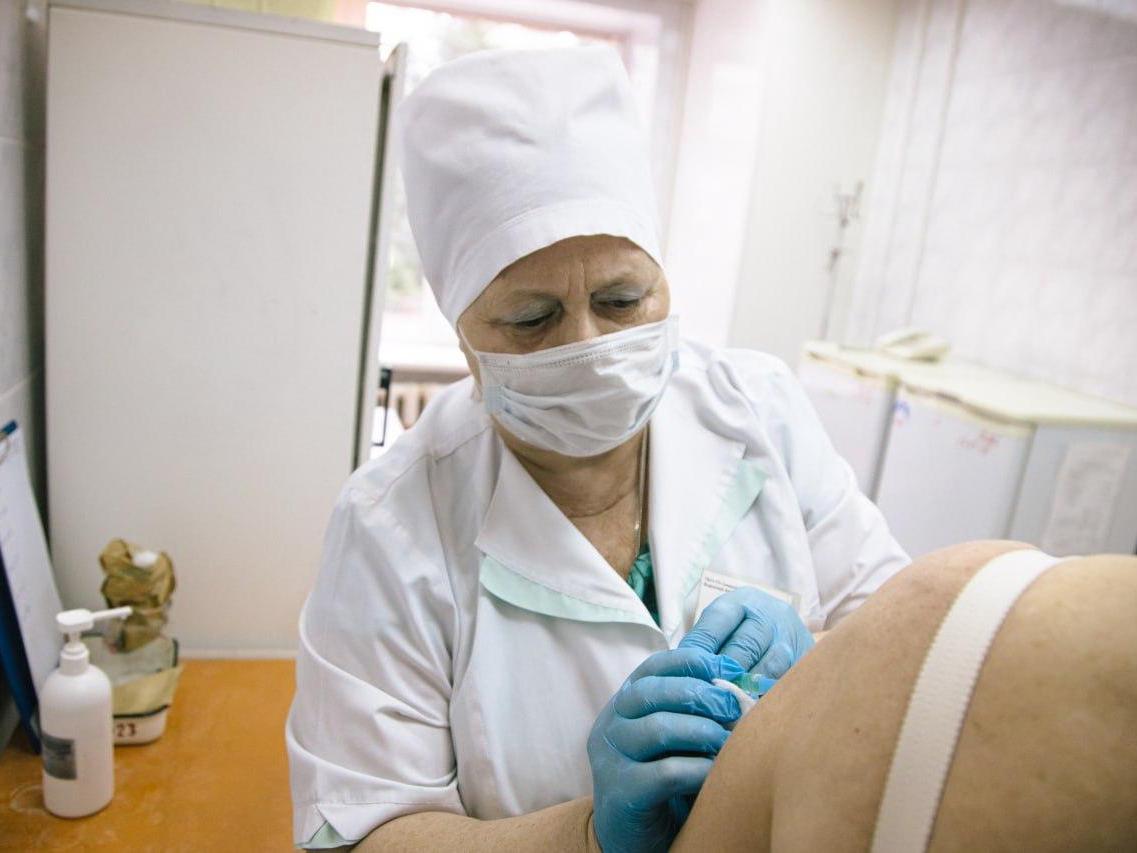

Annual vaccination is the most reliable protection against influenza.
Source:
Residents and visitors of Samara and the Samara region should be wary of swine and Hong Kong influenza viruses. Details of the epidemiological situation were reported by Rospotrebnadzor (the Russian Federal Service for Surveillance on Consumer Rights Protection and Human Wellbeing).
«According to laboratory monitoring, circulation of influenza A virus (H3N2), (H1N1-2009), parainfluenza, adenoviruses, bocaviruses, RS viruses, metapneumoviruses, rhinoviruses, and COVID-19 has been noted,» the agency said.
Hong Kong flu is an acute respiratory viral infection caused by the H3N2 serotype of influenza A virus. The H3N2 strain is a so-called genetic descendant of the infamous Asian flu H2N2, which caused the 1957 pandemic. As a result of a major mutation, the virus«s surface proteins changed, and a new hemagglutinin H3 emerged. Humans had no immunity to it, leading to mass infection and worldwide spread of the flu. Hong Kong flu is dangerous due to its high contagiousness and ability to cause severe complications.
H1N1-2009 is a subtype of influenza A virus, known as swine flu, which caused a pandemic in 2009. The strain originated from the mixing of swine, bird, and human influenza viruses and acquired the ability to spread easily from person to person. H1N1-2009 more often affected young adults, caused a sudden onset of illness with high fever, cough, muscle pain, and was often complicated by pneumonia. Over time, this virus became seasonal and is now included in annual influenza vaccines.
During the week from January 26 to February 1 of this year, 10,342 cases of acute respiratory viral infections (ARVI) were registered in the Samara region, which is about 33 cases per 10,000 population, below the epidemic threshold. However, spring, frosts, and vitamin deficiency are taking their toll — the incidence is rising.
«An increase in ARVI incidence among the total population by 2.3% is noted,» Rospotrebnadzor said.
The most reliable protection against flu remains annual vaccination: it builds immunity specifically to the current virus strains. During the season of rising incidence, it is advisable to wash hands more often, avoid touching your face with unwashed hands, and, if possible, avoid close contact with sick people.
In enclosed spaces, it is useful to regularly ventilate and maintain normal air humidity. Supporting general immunity also plays a role: adequate sleep, balanced nutrition, sufficient fluid intake, and moderate physical activity help the body better resist infection.
If someone nearby is sick, it is sensible to wear a mask and keep distance, and at the first symptoms of illness — stay home to avoid infecting others.
Read more