Doctor, Will I Die? Moscow Doctors Debunk Cancer Myths

The word «cancer» sounds ominous to most. Although today patients increasingly hear favorable prognoses for recovery, a huge number of myths still surround this topic. Stereotypes often confuse and even harm: patients and their relatives lose precious time, take many unnecessary steps, or, on the contrary, give up and lose heart too early.
Over the past few years, Moscow has made a significant breakthrough in oncology care. Figures speak for themselves: if in 2019 malignant neoplasms were detected at early stages in 62% of cases, by the end of 2025 this figure had reached almost 68%. Despite this, the topic of oncology remains taboo in society and is surrounded by many speculations and fears.
On International Cancer Day, we asked doctors at Moscow City Oncology Hospital No. 62 to comment on the most common misconceptions, based on clinical practice and the real possibilities of modern medicine.
Myth 1. Radiation therapy destroys both cancer and healthy cells
Marina Shivillova, head of the first radiotherapy department at Hospital No. 62 and a radiation therapist of the highest qualification category, explains that this notion has long ceased to correspond to reality.
— Modern radiation therapy is a high-precision, targeted effect on the tumor. It is not about «whole-body irradiation.» The main task of treatment is to damage the malignant neoplasm as much as possible while minimizing the impact on healthy tissues, — the specialist emphasizes.
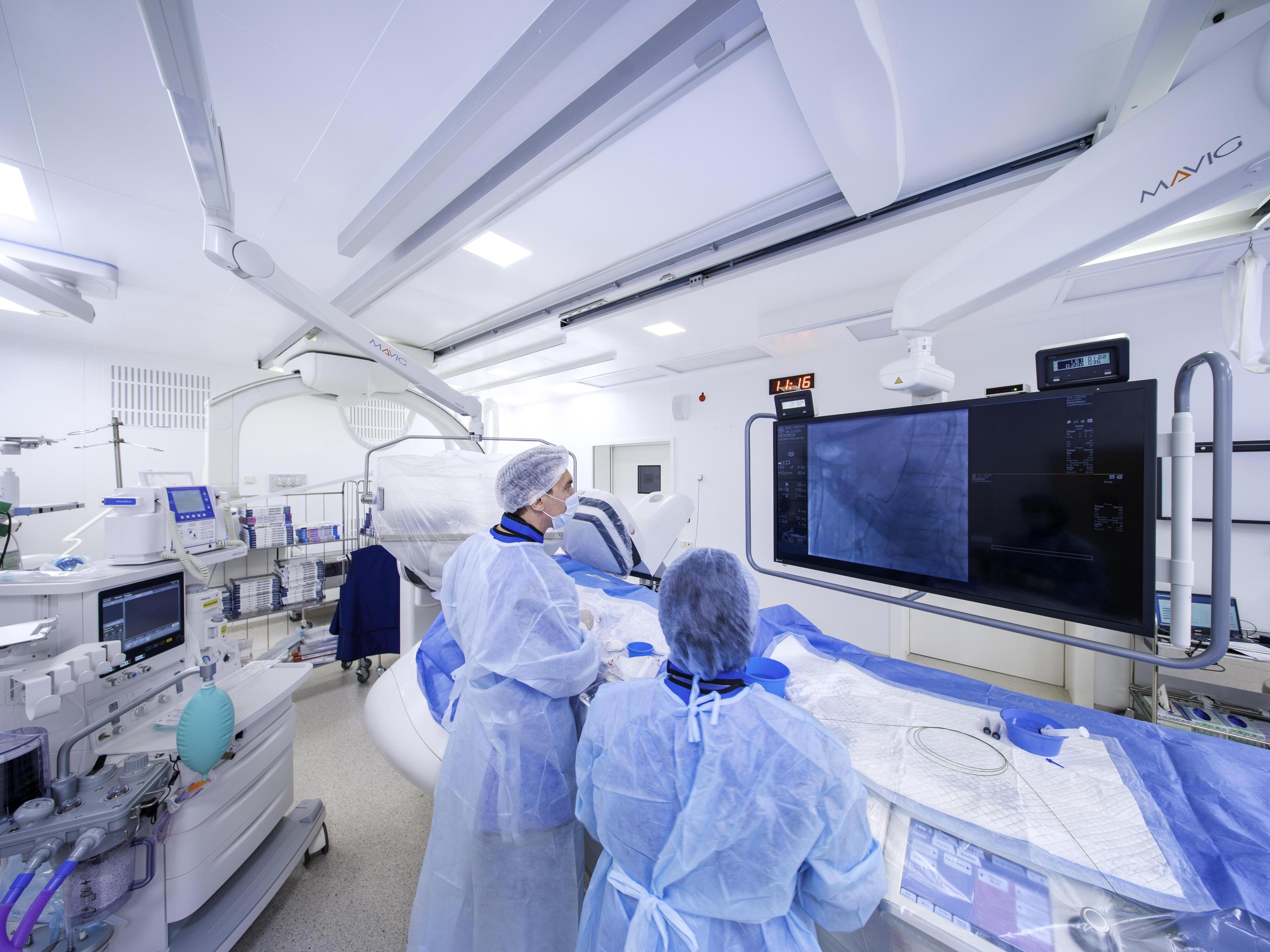
According to the expert, today linear accelerators and complex treatment planning methods such as 3DCRT, IMRT, VMAT, and SBRT are used in radiotherapy. They allow focusing ionizing radiation with millimeter accuracy precisely on the tumor area. During a session, the radiation beam moves around the patient and converges on the designated target, allowing the tumor to receive the necessary therapeutic dose while surrounding organs receive only the minimum permissible.
The radiation therapy plan is always developed individually, taking into account the patient«s anatomy, tumor location, and radiosensitivity. Thanks to this, side effects are either minimal or absent altogether. Healthy cells, unlike malignant ones, have the ability to recover, whereas tumor cells lose the ability to further divide.
— With modern radiation therapy, the impact is strictly local. After a session, patients can safely interact with loved ones, remain socially active, and in some cases continue working, — the specialist concluded.
Myth 2. If cancer is suspected, you«ll have to see many doctors and clinics
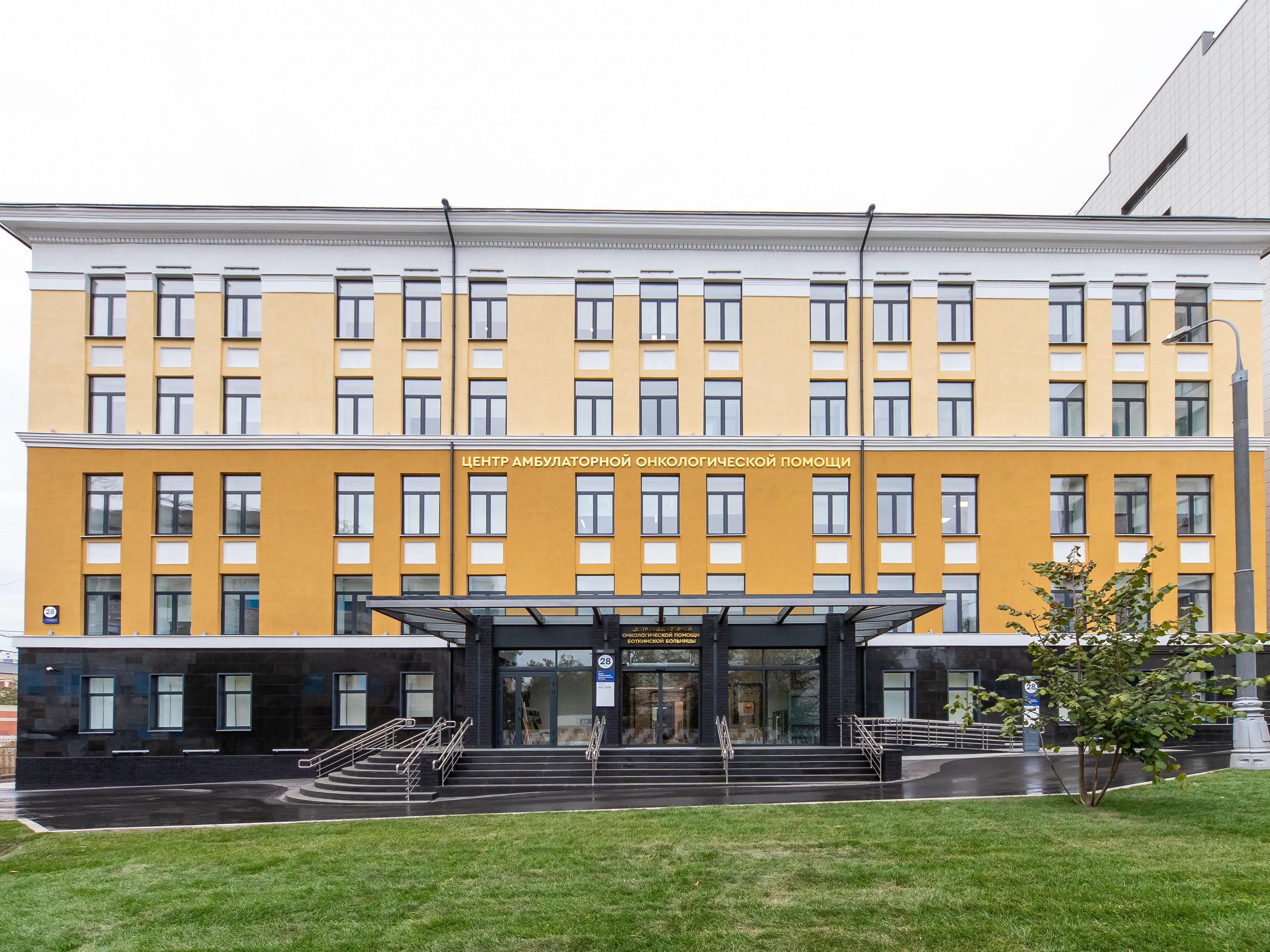
Artur Zalyan, head of the Center for Outpatient Oncology Care at Hospital No. 62 and an oncologist, notes that Moscow has established a unified and clear patient referral system.
When a malignant neoplasm is suspected, examination and treatment algorithms developed by the professional community and enshrined in orders of the Moscow Department of Health are applied. These routes, known as «patient pathways,» regulate the timing and scope of necessary examinations and are the same for all medical organizations in the city.
— Is it necessary to contact other clinics? Seeking a second opinion is a common and acceptable practice. However, it is important to understand that decisions in leading clinics are based on the same clinical recommendations from the Russian Ministry of Health and professional communities. Therefore, as a rule, there are no fundamental differences in treatment tactics, — the expert emphasizes.
Myth 3. Cancer is treated much more effectively abroad
Just a few years ago, many patients were confident that quality oncology care was only possible abroad. They sought treatment in clinics in Israel, Germany, or the United States. Oncologist Artur Zalyan says the situation has changed today.
Over the past decade, Moscow«s oncology service has undergone a serious transformation. Anchor oncology institutions have been created, and outpatient oncology care centers operate in every administrative district. They are equipped with modern diagnostic and treatment equipment, and the teams include world-renowned specialists whose qualifications are recognized internationally.
Drug provision for patients under compulsory health insurance (OMS) meets global standards for the treatment of malignant neoplasms. According to the doctor, the number of patients seeking treatment abroad has decreased several times in recent years.
Myth 4. Cancer diagnostics are still only done «on slides»
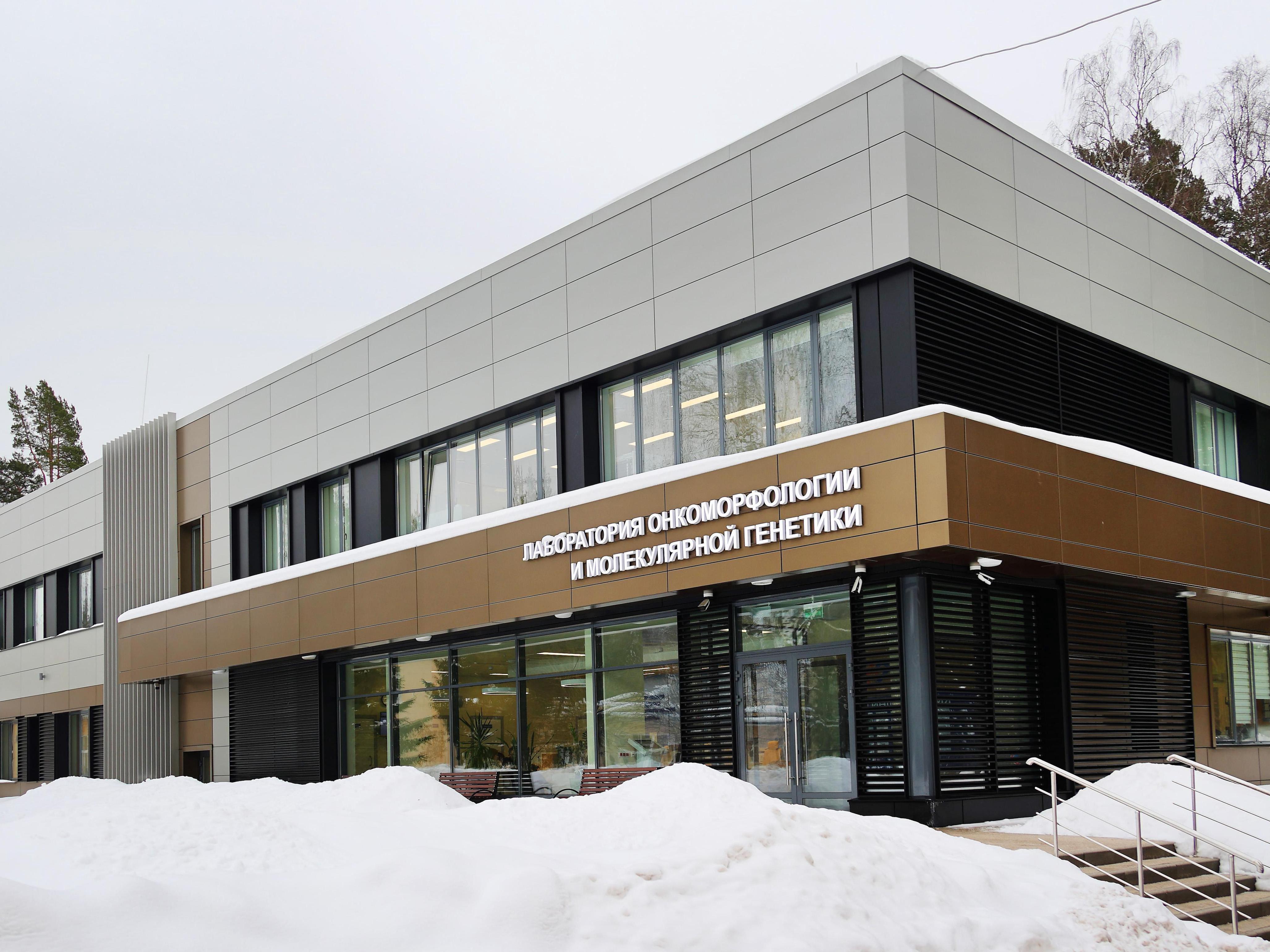
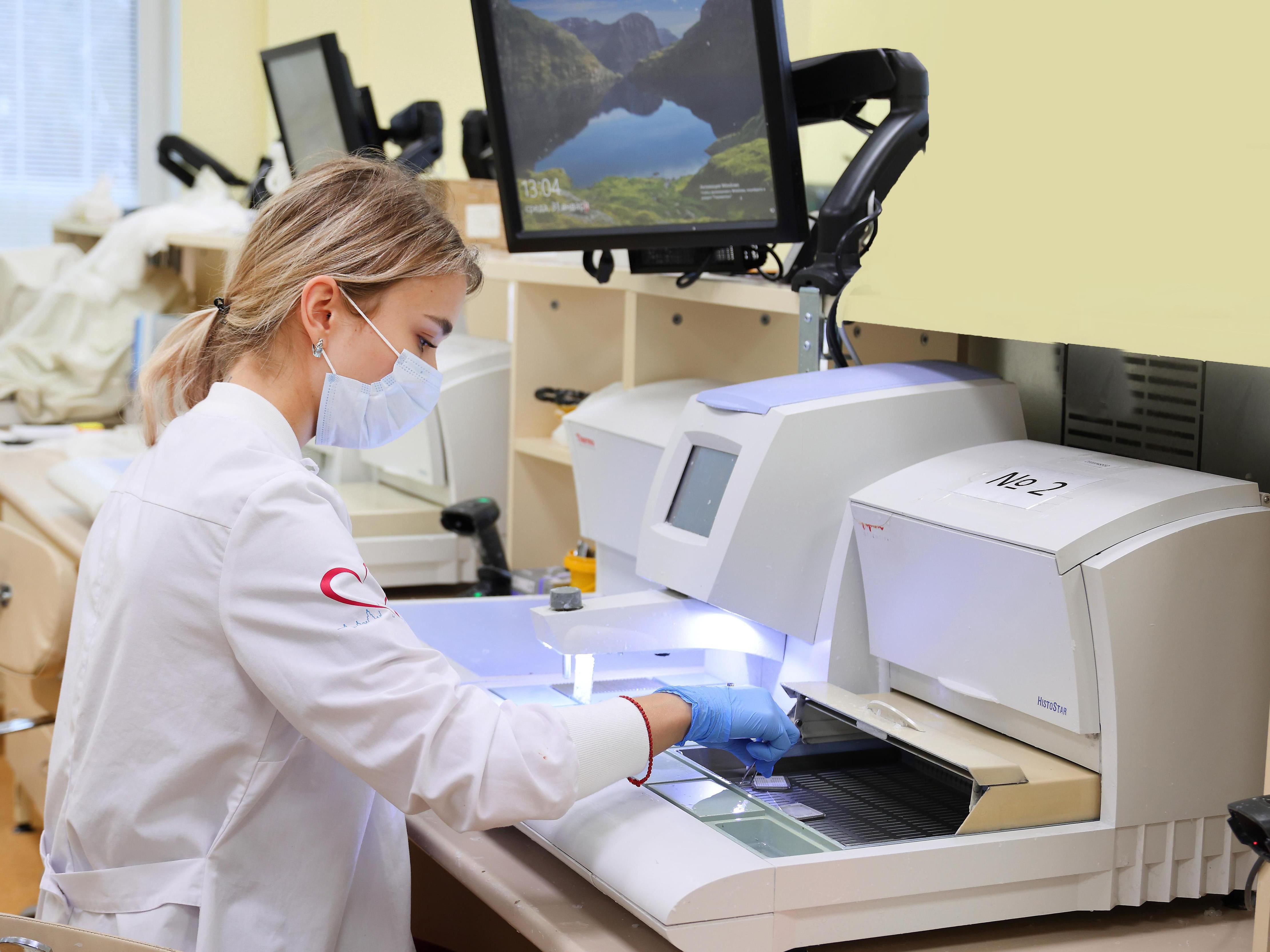
Nikita Savyolov, head of the City Reference Center for Pathomorphological, Immunohistochemical, and Molecular Genetic Studies at Moscow City Oncology Hospital No. 62 and a pathologist of the highest qualification category, explains that technology has advanced far ahead.
Histological examination is indeed considered the basis of diagnosis, but today digital pathomorphology is increasingly used. Simply put, not only the tissues and cells themselves taken during a biopsy are sent for analysis, but also their exact digital copies. For this, histological slides are scanned at high resolution.
This format allows the doctor to work with an image on a monitor screen, magnify it just like under a microscope, and, if necessary, quickly consult with colleagues from other institutions. International studies confirm that the accuracy of diagnosis using digital images is fully comparable to traditional microscopic analysis.
— Digital pathomorphology makes diagnostics faster and more technological without compromising accuracy. For the patient, this means more rapid clinical decision-making, — notes Nikita Savyolov.
Myth 5. Cancer can only be cured through surgery
This is another misconception that does not reflect the reality of modern oncology. Surgical intervention remains an important treatment method, especially in early stages. But, as Alexander Shveykin, head of the fifth surgical department of general oncology at Hospital No. 62 and candidate of medical sciences, notes, a comprehensive approach is applied in most cases today.
For example, targeted therapy shows high efficacy for suitable types of cancer. These «smart» drugs strike a specific target in the cancer cell, such as a particular protein. Immunotherapy has already revolutionized the treatment of many aggressive forms of cancer — it «turns on» the patient«s own immune system, and the body fights the tumor itself. Also in the doctors» arsenal are more precise radiation therapy and gentle surgical methods.
According to the expert, treatment tactics are always determined by a council of specialists — an oncologist, a surgeon, and a radiation therapist. The tumor type, stage, patient«s general condition, and molecular genetic characteristics of the neoplasm are taken into account.
— The goal of treatment is not just to remove the tumor, but to achieve maximum effect with minimal loss to the patient«s quality of life, — Alexander Shveykin reminds.
Myth 6. Cancer is always a fatal disease
Fortunately, this common belief can also be classified as a myth today. Candidate of Medical Sciences Alexander Shveykin emphasizes: an oncological disease is not a death sentence.
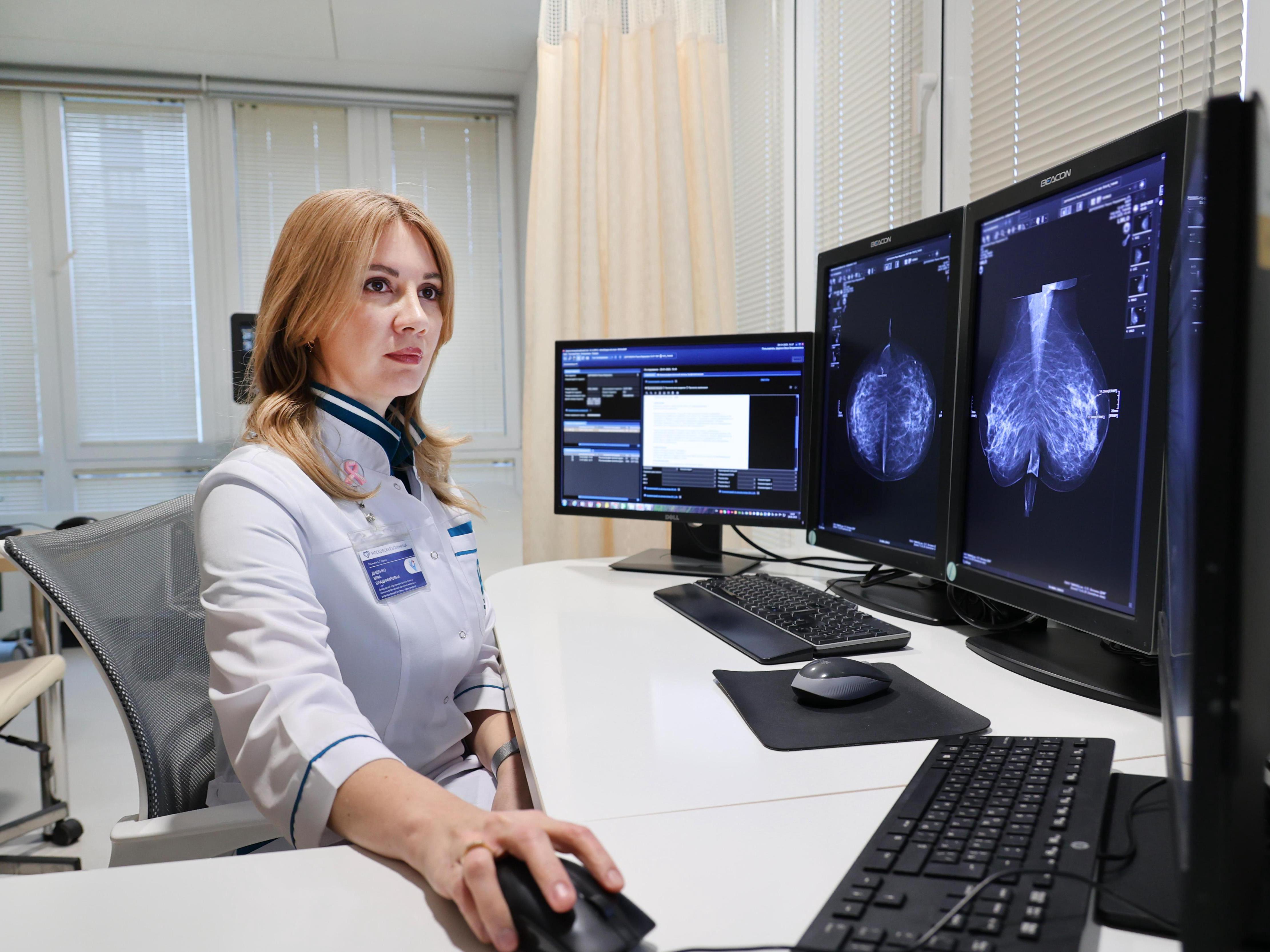
One should not automatically fear the diagnosis: the word «cancer» hides hundreds of different diseases with varying aggressiveness and prognoses. Some types of cancer are now curable in almost 100% of cases when detected early. For example, thyroid cancer, early-stage breast cancer, and prostate cancer.
— Modern treatment has long gone beyond just surgery, chemotherapy, and radiation therapy. Today targeted drugs and immunotherapy are actively used, which have become a real breakthrough in treating a number of aggressive forms of cancer, — the specialist says.
And another encouraging point, backed by statistics: in many cases, an oncological disease becomes chronic. A person remains under dispensary observation and periodically visits doctors, maintaining quality of life for many years.
According to Moscow Deputy Mayor Anastasia Rakova, cancer incidence remains a challenge for the entire world, and Moscow is no exception.
— However, today we can say that modern medicine can make cancer a disease that can be lived with for many years, — the deputy mayor noted.
International Cancer Day is a good opportunity to once again take care of your health and that of your loved ones. Doctors ask not to ignore warning signs: unexplained weight loss, prolonged fever, alarming symptoms from the gastrointestinal tract, changes in a mole, and lumps in tissues. And they remind: modern oncology has extensive diagnostic and treatment capabilities, and early detection remains the main factor that saves lives.