Blind Poet Sees With the Heart in Life Without Sight
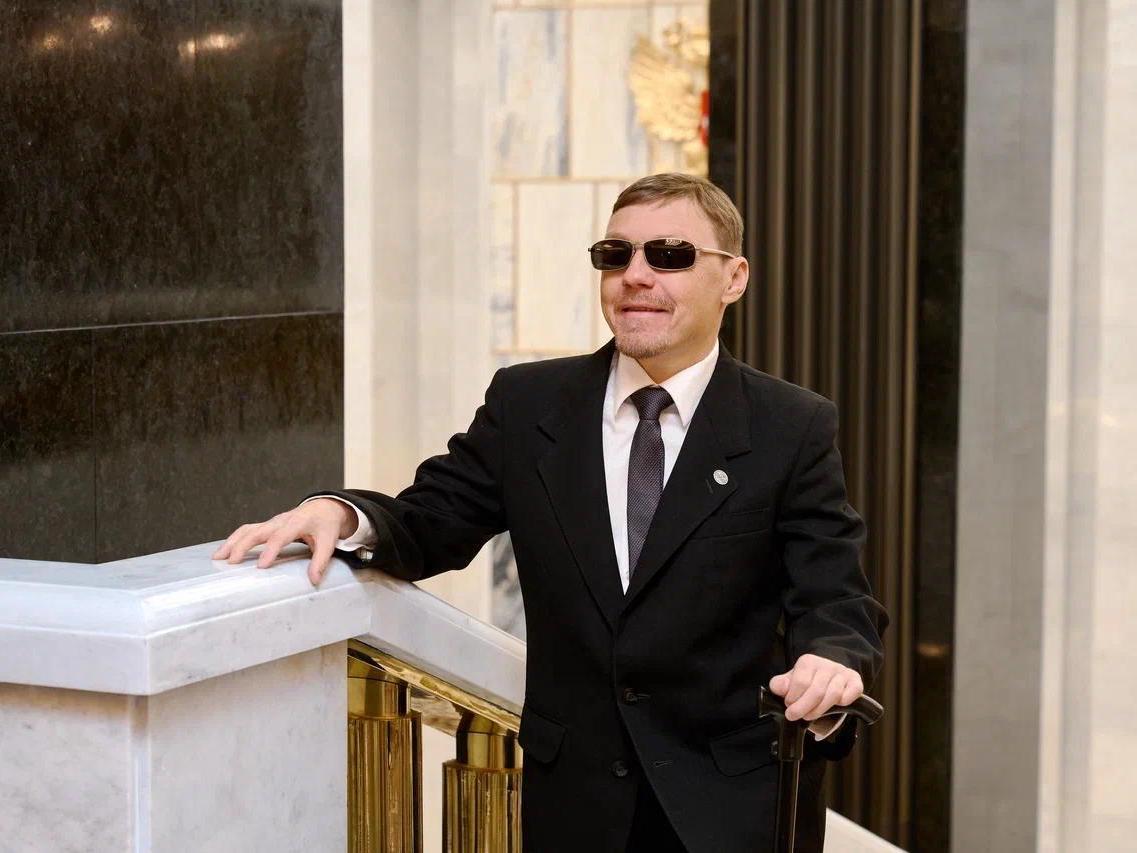

Close your eyes and imagine for a moment that you can«t see anything. What do you feel? Fear? And if this darkness were with you forever? Peter Antonov from Nizhnevartovsk knows this firsthand. He lost his sight many years ago due to diabetes but continues to lead an active life.
A correspondent from 86.RU spoke with Peter Antonov to find out what it«s like to be blind, what problems he faces, and whether there is an accessible environment that authorities often talk about. More details are in our article.
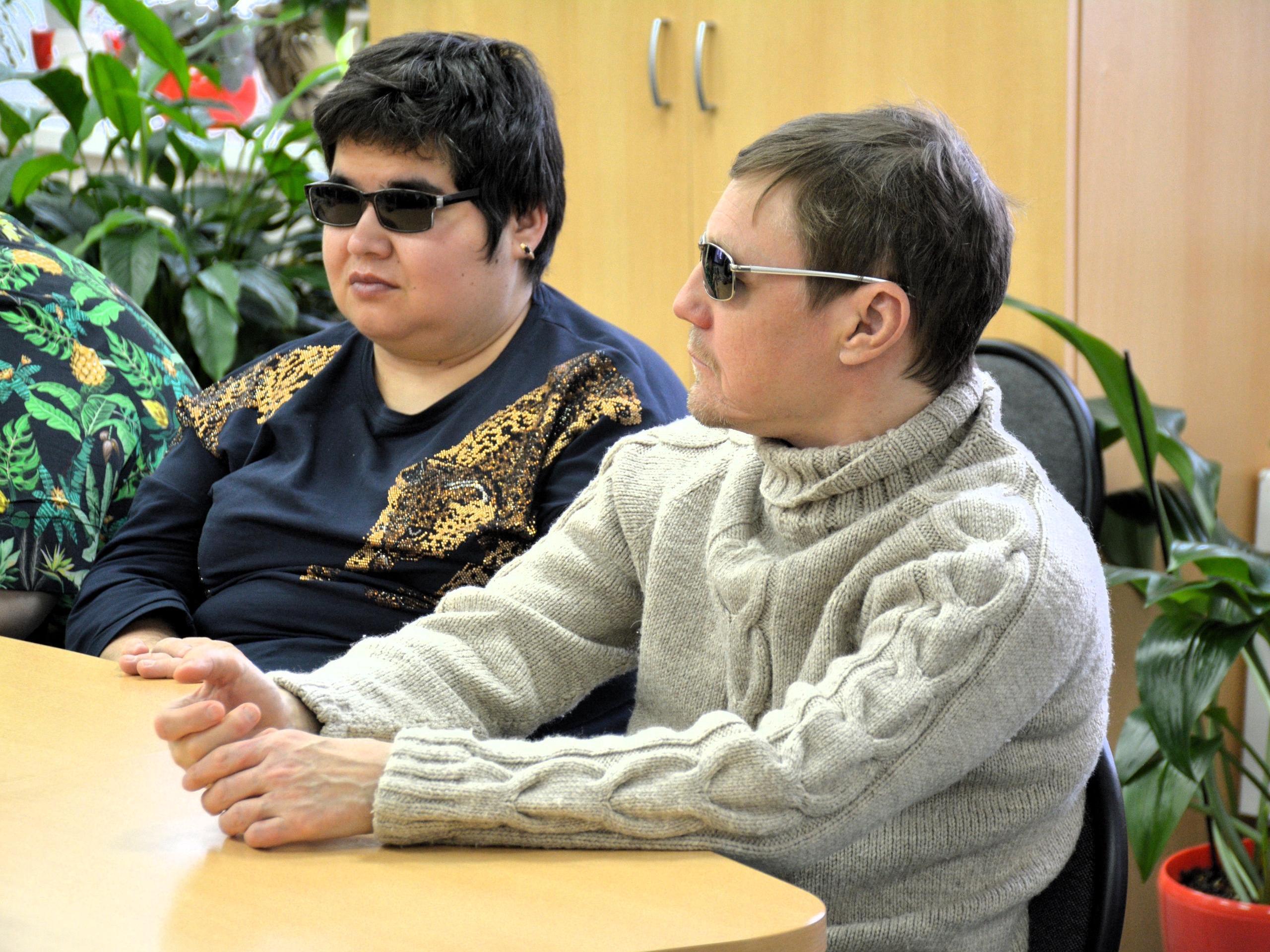
«Please tell your story, how did you lose your sight?»
«I lost my sight gradually, so there was an opportunity, let»s say, to get used to it. At age 8, I was diagnosed with diabetes, after which my vision began to gradually deteriorate. At 22, I became completely blind, that is, at the very beginning of adult life. Now I see nothing.«
Diabetes is a chronic endocrine disease characterized by persistently high blood glucose levels (hyperglycemia) due to insulin deficiency.
Side effects and complications include cardiovascular diseases (heart attack, stroke), nervous system damage (neuropathy), kidney failure, reduced or lost vision, diabetic foot (gangrene of limbs), and comas (hypo- and hyperglycemic).
«What difficulties did you encounter when you lost your sight?»
«Certainly, there were difficulties. First of all, I had to get used to a new way of life. It»s hard when you can«t use one of your senses. And one of the most important, since vision provides about 80–90% of information to the brain. It»s difficult not to bump into things, to learn to move around in space, the apartment, life in general. It was hard to adjust because everything changed. The first thing a person who loses sight learns, besides pulling themselves together and moving on, is that every item must have its place, be it the TV remote, toothbrush, or toothpaste. So you don«t waste time and nerves looking for them.
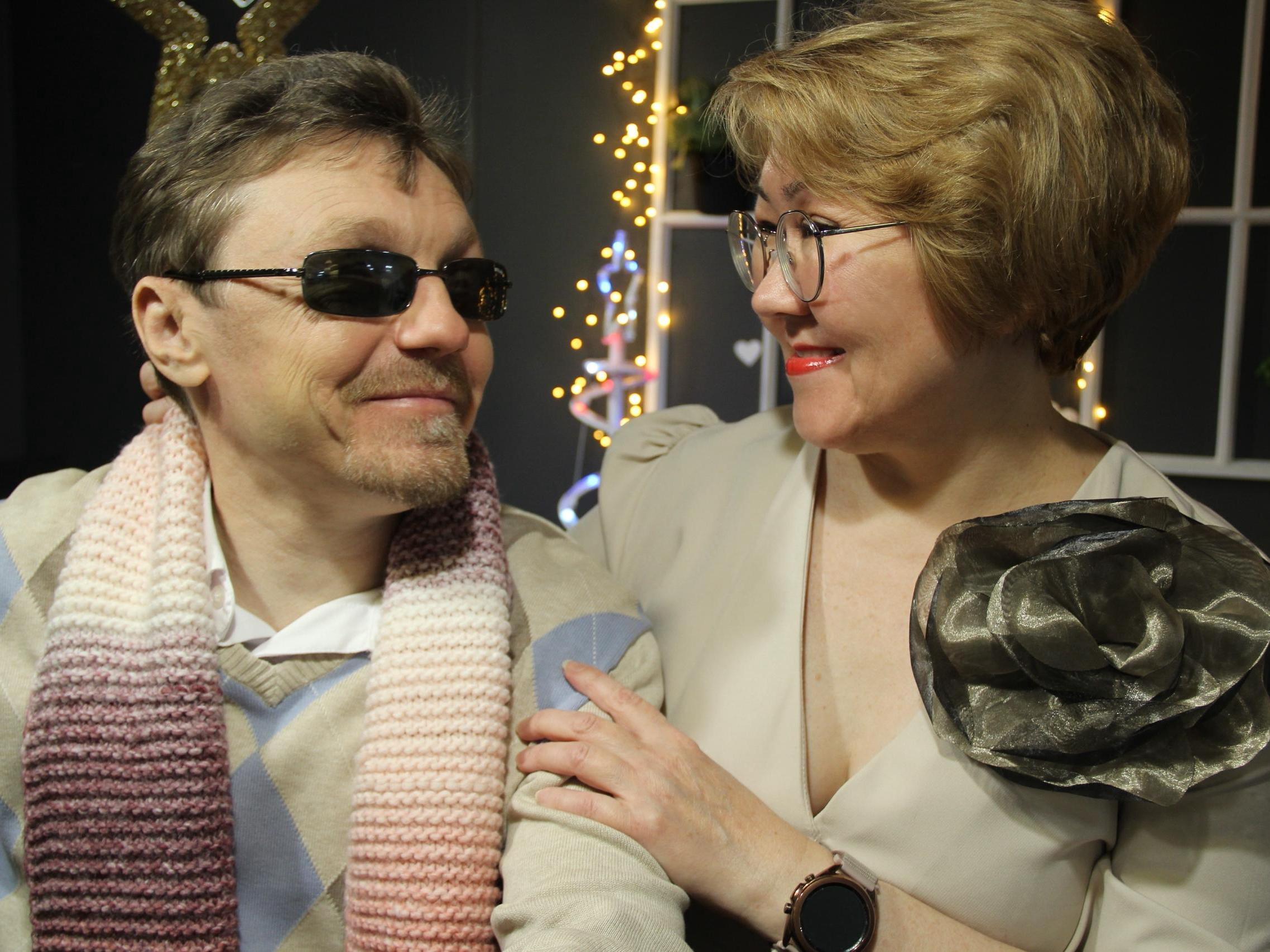
Blind people really need someone they can trust completely. That person for me became my beloved wife Elvira. She took on most of the household chores. Also, Elia drives me around the city by car, since leg disease has progressed and it became difficult to move independently.«
«Tell us how you met your wife?»
«We met online. When I was at university, we had courses on studying the Braille system (a tactile writing system for the blind. — Ed.), where I met my first wife. Unfortunately, she died in an accident. I was grieving and couldn»t imagine my future life. One day I registered on a dating site, where I met Elia. She worked as a special education teacher in Saint Petersburg. We communicated for a while, and then I suggested she move to Nizhnevartovsk.«
«Why did you decide to enter university?»
«All children partly follow their parents. My father had a higher education, so I also wanted to get one, despite being almost completely blind by that point. Life in the dark is just an obstacle. Or a happy accident. Depends on how you look at it. After graduating, I was invited to work at a library.»
Peter Antonov works as a leading specialist at the Center for Servicing Low-Mobility Groups of Citizens at the Nizhnevartovsk Central City Library named after M.K. Anisimkova «Touch».
«Tell about your work»
«Do you know why blind people go to the library?»
«I find it hard to answer. Probably to read books.»
«That»s exactly what I tell children who come on tours. People come for communication. That«s the most important thing when you»re isolated in your disability bubble. We also talk about the difficulties blind people face when going outside. That sometimes it«s enough to ask if they need help. They won»t feel so alone anymore.
We also conduct audio plays, intellectual games, and classic library events for the blind and visually impaired. For me, this is part of self-realization. We also record our own audiobooks, voice works by local writers, and send them to the first international online library for the visually impaired «Logos».
«You also write poetry yourself, right?»
«I write when the mood strikes. It»s my way to vent emotions when they boil over.«
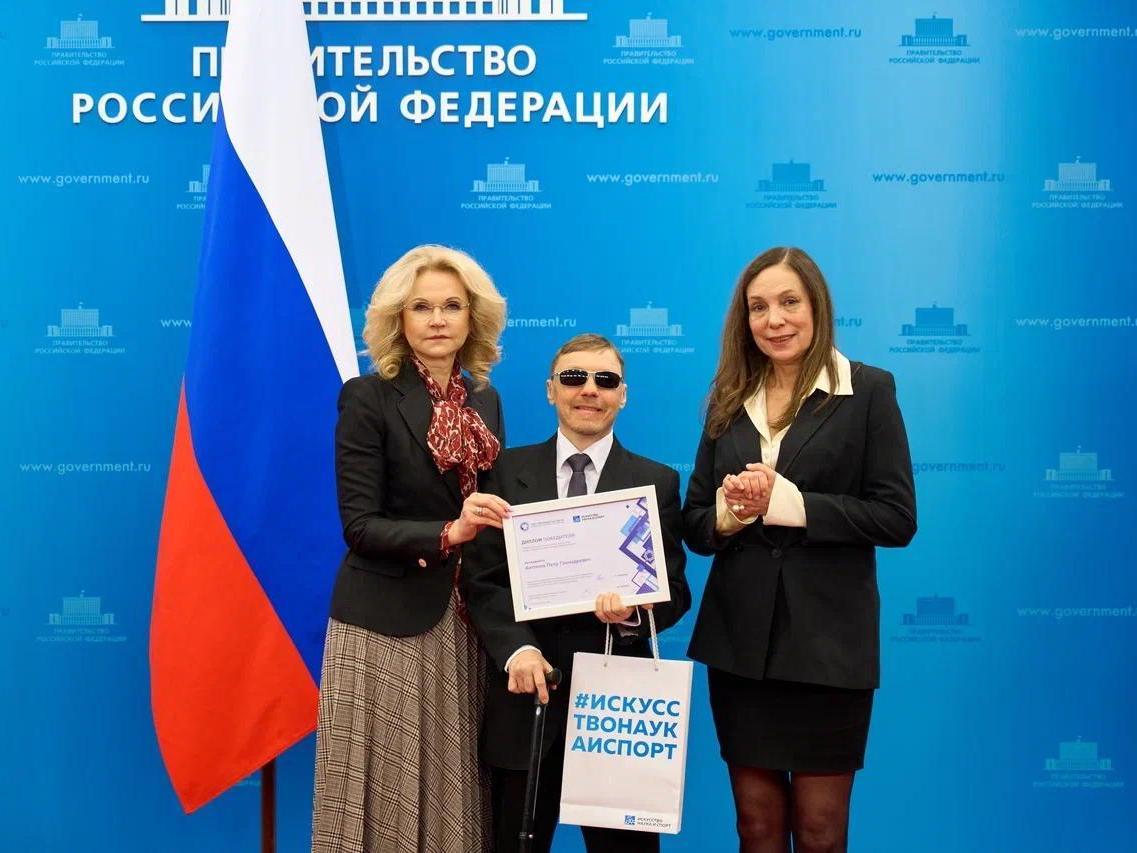
«But you became one of the winners of the III All-Russian Literary Competition for People with Visual Impairments named after Eduard Asadov.»
«True. My colleagues support me. They submitted an application in the summer and selected some works. Why not me myself? I don»t like my poems; they seem clunky to me. They don«t have everything right with the meter and, accordingly, with melodiousness. You read the poem and it»s like riding on a cobblestone road, the words jump out of rhythm.
The award ceremony was in Moscow. They paid for our tickets and hotel stay. Elia and I had no difficulties with travel or accommodation. I never felt such care before. It seemed like I was carried out of the apartment on hands and carried back in two days later.
At the Government House, they asked me: «Well, how do you like it?» What to say? Probably, every person should have a dream. Even an unattainable one. I«ve long wanted a bust of me made from bread crumb to be placed in front of the Central Library, and in spring it would turn into a rusk. A person»s dream shouldn«t be static. No stagnation. As the person develops, their dream transforms. Thanks to this victory, some changes have already happened. But me and my imaginary bust don»t want to stop there! We«ll definitely try on something else... If, of course, the birds don»t peck him.« (Laughs.)
«How does society, in your opinion, treat blind people? Is there an accessible environment for disabled people in Nizhnevartovsk?»
«In Nizhnevartovsk, accessibility is improving every day. For example, concrete tactile tiles for orientation are appearing near pedestrian crossings and on sidewalks. At the entrance to many institutions, special signs and contrast markings on steps are installed. Perfect, of course, it will never be. But I can say that in our city it»s more comfortable than in many others. And people are kind and responsive. Sometimes you don«t even have time to say anything, and they»re already helping with great pleasure.
Personally, I feel excellent. In school, I was quiet, unnoticed, but now I«ve spread my webbed wings.»
«Do you think blind people are limited in life?»
«I don»t feel limited. On the contrary, this situation allowed me to look at myself from another angle and, accordingly, change my attitude to life, shift priorities, develop other aspects that I previously didn«t consider necessary. Before, there was no need for them.
Becoming blind, I started trusting intuition more. It helps me. I can often determine the mood of acquaintances, hear how their voice changes.«
«Have you ever dreamed of seeing again?»
«To be honest, I haven»t thought about it, but I miss the sunlight. I really lack it.«
Previously, we told the story of a family from Yugra that raises a child with special needs. In the medical record of three-year-old Amir, diagnoses include encephalopathy, West syndrome, and Klinefelter syndrome. They prevent him from living and developing fully. His parents are raising money for treatment.