Winter Debate: Petersburg vs Siberia, Who's Right?
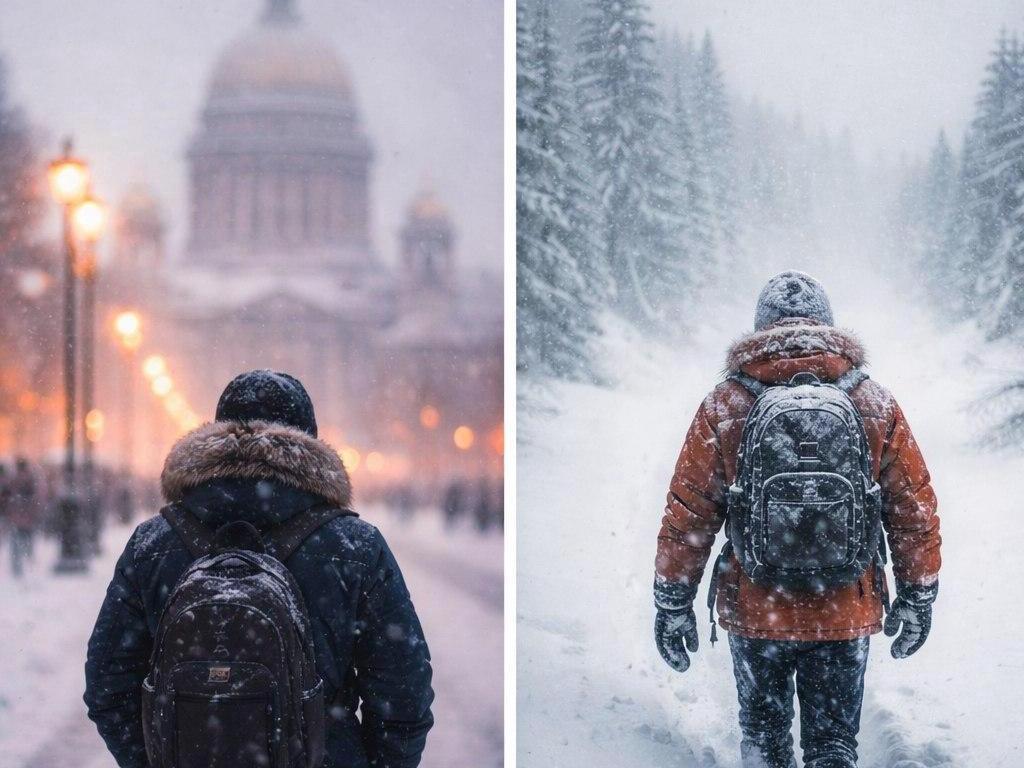

For several weeks now, a debate has been raging on social media between residents of Petersburg and those of Siberia and the Far East over where winter is harder to endure. Residents of the northern capital claim that due to high humidity, their minus 10 degrees Celsius feels like a thirty-degree frost.

Reaction from Siberians: «Put on a hat and roll up your cuffs»
Siberians, learning of these claims, responded with sharp criticism. «Let»s start by saying it«s not cold here, it»s painful. Imagine that you«re not freezing. Your exposed areas—most often your eyes—burn and cramp so much that they»re about to pop out and burst. And at the same time, you«re being hit in the head with a bat, which is about to explode, and your forehead hurts terribly. Imagined? Now roll up your cuffs and put on a hat,» fumes a girl from Norilsk.
Residents of northern regions mock the thesis that humidity makes Petersburg«s cold special, and publish photos with frost-covered eyelashes. They also irony over the winter wardrobe of Petersburgers: »Oh yes, tell me about [the frosty winter], you with a scarf on your head and in an autumn coat.«
«I live in Yakutsk and fly to Petersburg every winter. You know why? Because it»s much warmer in Petersburg and surviving winter is much easier. In Petersburg, you won«t frostbite any part of your body, but in Yakutsk, if you dress improperly, you can die in two hours,» says another user.
«Do you know what real frost is comparable to? Have you ever accidentally cut yourself? When cooking, for example. You know that burning feeling, the pain? Now imagine that cutting all your exposed body parts,» describes winter in Yakutia on TikTok.
A native of Siberia who has lived in Petersburg for five years confirms that the local frosts don«t compare to Siberian ones. According to her, in the northern capital, it»s possible to go for walks in a skirt and without a hat, whereas back home, only eyes peeped out from under multi-layered clothing.
Meteorologists« Explanation: Objective Data
Ulyana Prokhorova, a researcher at the Arctic and Antarctic Research Institute, explained that two main methods are used to assess perceived temperature: the wind chill index, which takes wind speed into account, and the heat index or humidex, which depends on humidity but is primarily applied at high temperatures.
Three factors influence weather perception: temperature, humidity, and wind. However, the claim that high humidity at minus 10 degrees Celsius makes the cold comparable to a dry frost at minus 30 is a myth.
«High relative humidity at negative temperatures does indeed slightly increase the body»s heat loss due to the greater thermal conductivity of moist air, but this effect is small because of the extremely low absolute humidity of cold air,« stated Prokhorova.
The main factor in cooling is the temperature difference between the skin and the environment. Therefore, at minus 30 degrees, heat loss is significantly higher than at minus 10, regardless of humidity.
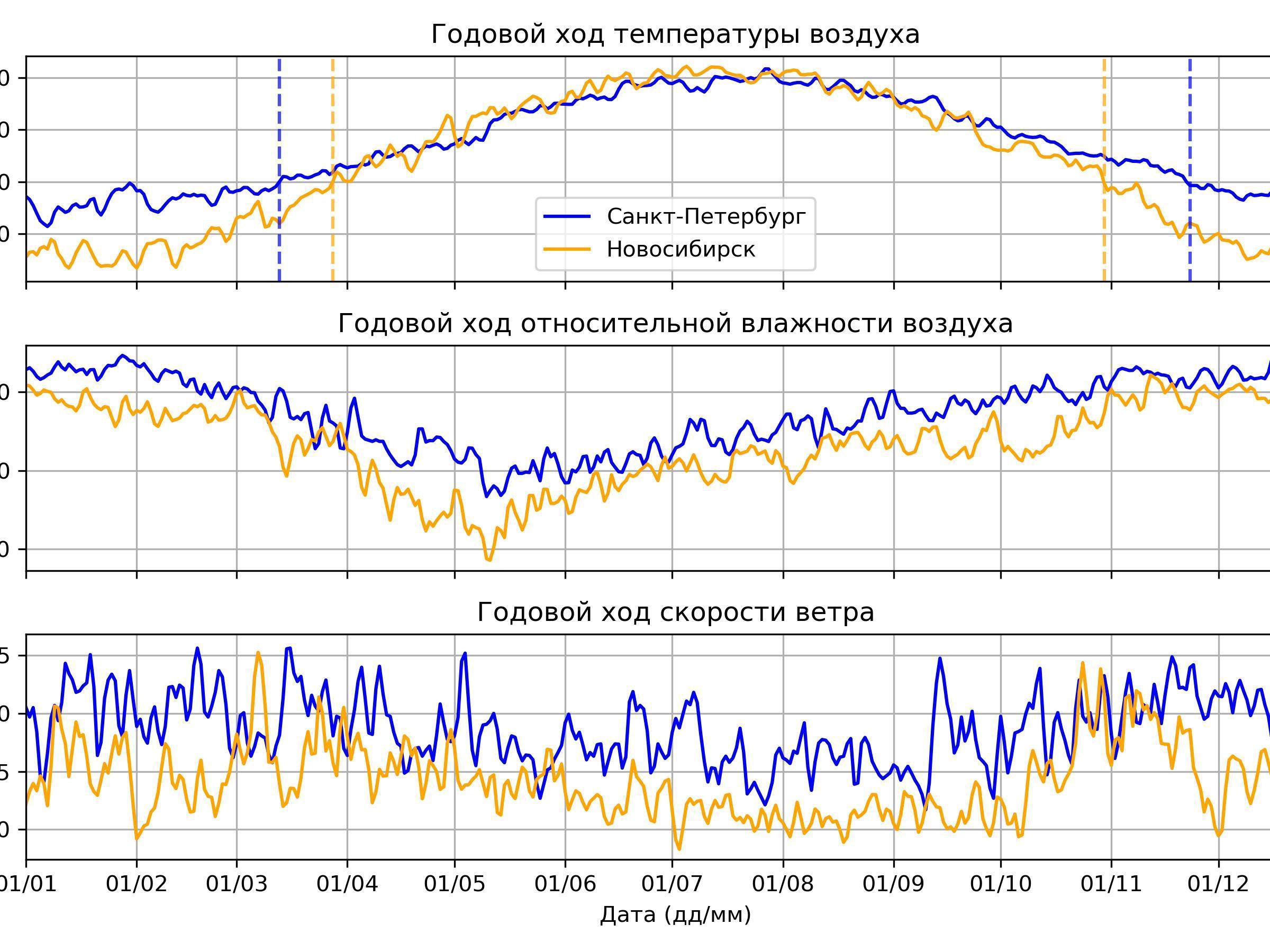
A comparison of average data over the last ten years showed that it is objectively colder in Novosibirsk than in Petersburg.
Another climatologist from Petersburg noted that high humidity is characteristic not only of the northern capital but also of the Northern Urals, the Far East, and the coast of the Arctic Ocean. He agreed that Petersburgers often go outside in clothing unsuitable for the cold.
The argument about overcast weather as a cause of harsher sensations is also refuted. Sunny days in Siberia are associated with the Siberian High, which brings clear weather along with severe frosts. The overcast conditions in Petersburg are due to cyclones from the Icelandic Low, which bring more warmth and dampness.