Volgograd invaded by black cockroaches during freezing winter
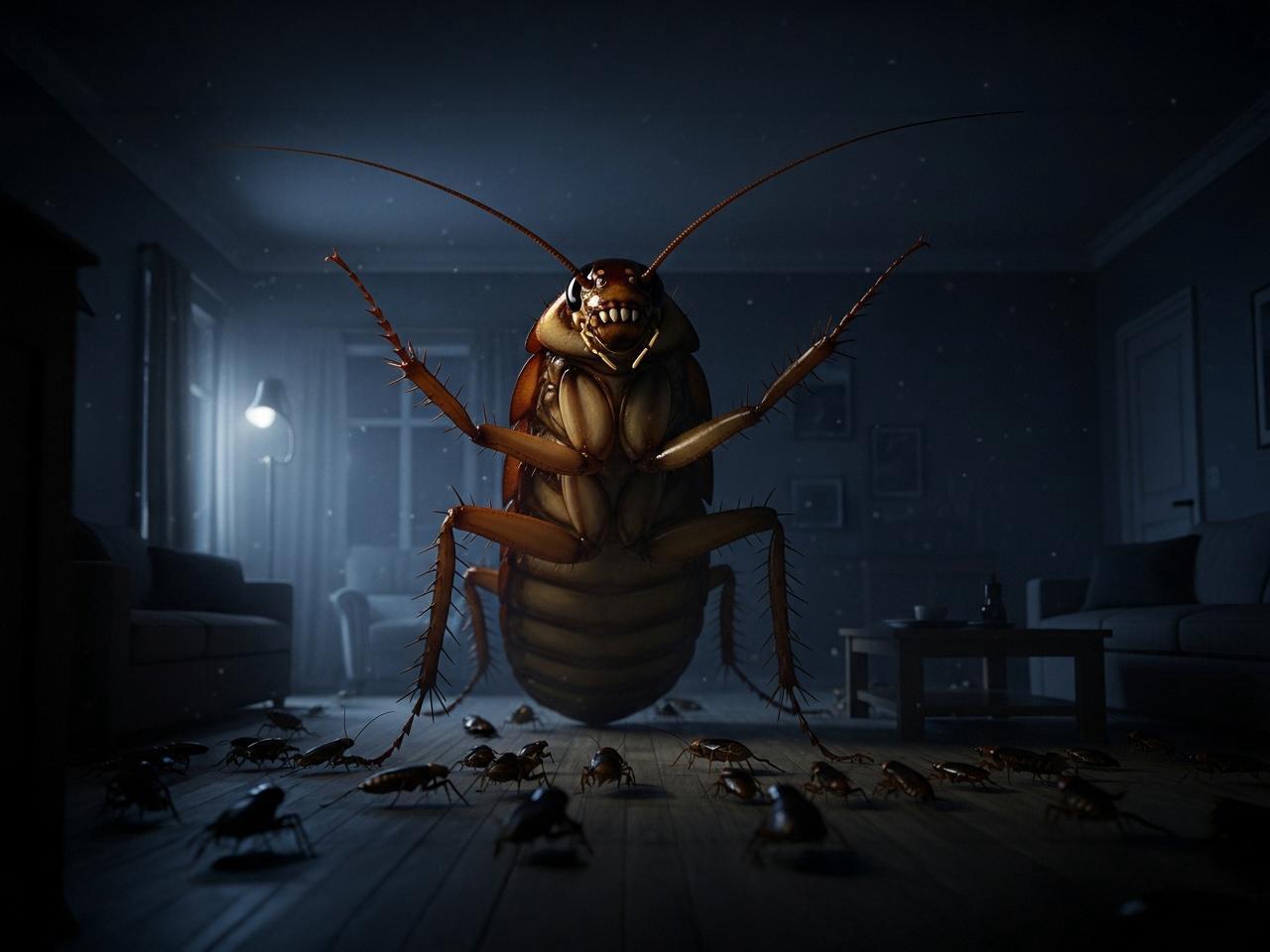

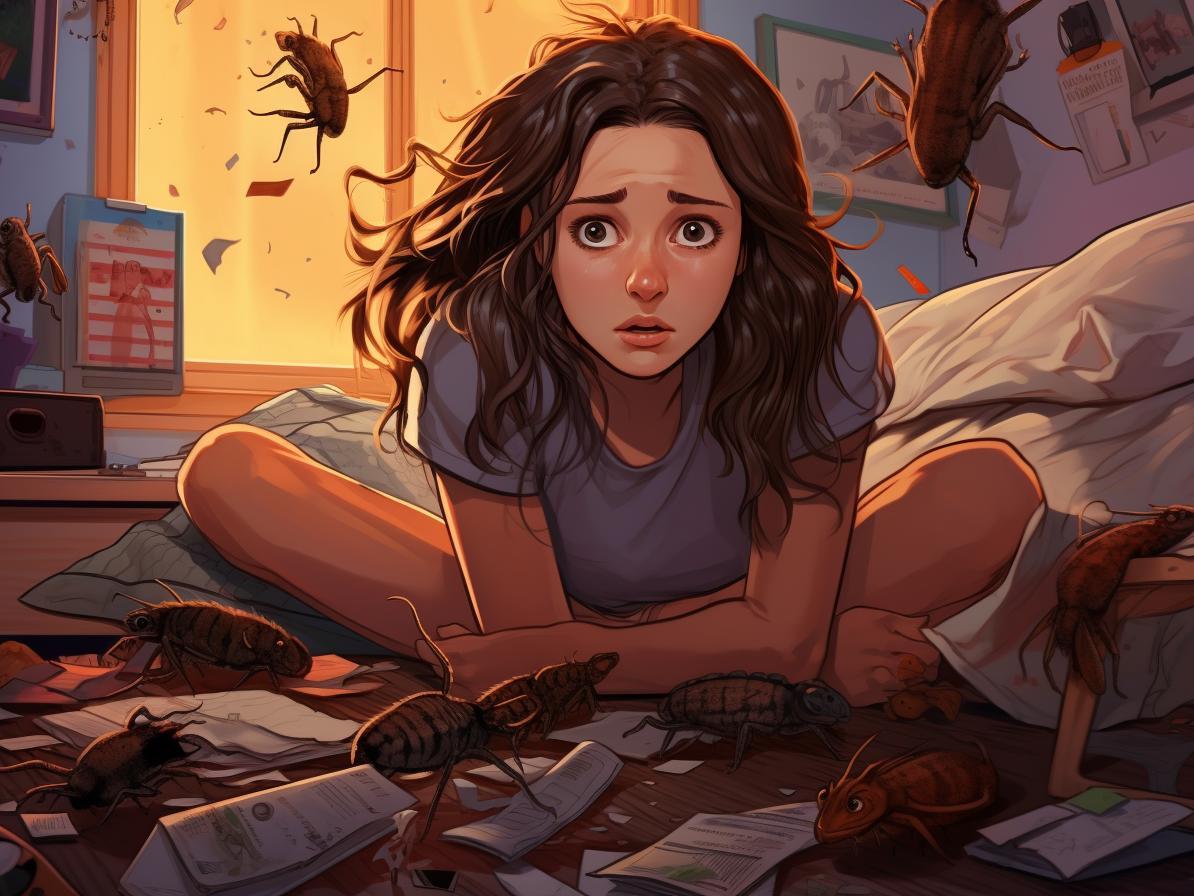
After severe frosts, residents of Volgograd have started finding huge black cockroaches in their apartments. The insects, with their gleaming strong shells, are crawling out of every crack, and sometimes even from sinks and sewage. Entomologists assure that these creatures never hibernate and are ready to actively inhabit citizens« apartments all year round. We explain what kind of cockroaches have settled in Volgograd homes and how dangerous they are.
«They are brought to Russia along with vegetables and fruits»
Cockroaches, according to Galina Fedorova, an entomologist at the Volgograd Region Center for Hygiene and Epidemiology, are one of the oldest groups of insects associated with humans. In the modern fauna, there are more than 4000 species of these not very charming insects, and about 60 species of them are to some extent associated with human dwellings.
— Eight species of cockroaches are registered in Russia. These are the most widespread and frequently encountered species in human structures: the red cockroach — the German cockroach, or Prusak; the black Oriental cockroach; the American cockroach; the brown-banded cockroach; the ash cockroach; the East Asian (Australian) cockroach; the brown cockroach; the smoky cockroach; and the Turkestan (Tatar) cockroach, — says Galina Fedorova.
These species, according to the entomologist, are most often found in the Volgograd region; a species such as the «Russian cockroach» is not distinguished among them, unfortunately and fortunately.
Exotic species are poorly adapted to independent life in conditions of complete freedom in Volgograd apartments. According to the specialist, some illegal cockroaches enter our country, passing through customs without hindrance in boxes of exotic fruits, vegetables, and textiles.
— For example, large Chinese cockroaches. In China, they are used in cosmetology, pharmacology, and the restaurant business. These cockroaches are used to treat AIDS, cancer, and baldness. But it is not excluded that they too can transmit infections, — says Galina Fedorova. — In their homeland, they are grown on farms by private entrepreneurs. The American cockroach is large; they are bred in homes as exotic pets, but in Volgograd they are also found as household pests. In Moscow, they are often found in hotels.
They reproduce by the thousands and never sleep
As the entomologist assures, cockroaches lead their harmful existence in Volgograd apartments year-round, contrary to the common prejudice about the seasonality of their life and pest activity. These incredible creatures skillfully hide in the darkness of bathrooms, kitchen cabinets, dark and dusty spaces under sofas, building nests there.
— Cockroaches are very tenacious insects, resistant to adverse conditions, adapted to survive even in extreme conditions, — says Galina Fedorova. — And humans have created maximally comfortable conditions for them in their homes. These insects have high population density, very high birth rates, high birth circulation is observed throughout the year, and they have no diapause, that is, a hibernation period.
The widespread distribution of cockroaches, according to Galina Fedorova, is influenced by the ability of larvae and imagoes — adults — to migrate quite quickly and successfully within buildings, premises, and structures, the formation of stable local population groups, and the absence of biological enemies.
— A fertilized female cockroach lays 28–56 eggs in a special cocoon — an ootheca. In total, a female lays up to four such oothecae in her lifetime, — the entomologist says. — The female German cockroach carries the capsule with her for 15–40 days and lays it when the larvae are ready to hatch. The female Oriental cockroach lays oothecae in places with a certain temperature and humidity. The larvae grow very slowly — from nine months to four years. Lifespan depends on the species of cockroach: for the German cockroach it is 128–180 days, for the Oriental — 120–160 days, and for the American — 520–720 days.
They like to feast on tender skin and more
As the specialist says, cockroaches are equally active in winter and summer. Lack of food does not scare them either: cockroaches can starve for 30–40 days. The diet of the ubiquitous insects is quite varied and nutritious:
— Cockroaches are polyphages; they eat everything — from wood to rubber, leather, and plastic. Cockroaches can even bite not very clean people and small children. At night during a person«s sleep, cockroaches can partially or completely gnaw off the epidermis on the lips, elbows, neck, fingers, eyelids, and other places. The German cockroach is capable of crawling into the external auditory canal, causing damage to the eardrum, and medical intervention is required to remove it, — says the entomologist.
As Galina Fedorova tells, cockroaches often penetrate inside electrical appliances, televisions, computers, and other equipment, short-circuiting board contacts and exposed wires with their bodies. There are also known cases of insects damaging plastic wire insulation and, as a result, causing short circuits, the expert notes.
Cockroaches very much like to feast on biological secretions and waste products of humans and animals, which, according to the specialist, has made them carriers of deadly diseases.
— Synanthropic, that is, inseparably linked with humans, cockroaches are mechanical carriers of many infections, capable of retaining pathogenic microorganisms (viruses, bacteria, etc.) inside and on the surface of their bodies for a relatively long time and then excreting them, as well as cysts of protozoa and worm eggs, — says Galina Fedorova.
According to the entomologist, cockroaches themselves do not suffer from infectious diseases but can be their carriers. As Galina Fedorova says, pathogenic microorganisms retain their viability on the surface of cockroaches« bodies and in their digestive system for several days and even weeks; for example, the typhoid fever pathogen is excreted in the insects» feces within 48 hours, and the pathogens of dysentery, paratyphoid, and typhoid fever remain viable for 3–7 days.
— 16 species of cockroaches found in premises in different countries can be considered carriers of 40 pathogens of human and animal infections, — the specialist assures. — These are salmonella, shigella, staphylococcus, pseudomonads, mycobacteria of leprosy, the plague pathogen, foot-and-mouth disease, Coxsackie, polio, human and animal worm eggs. Cockroaches can cause allergies up to asthma in people who come into contact with these insects and their waste products.
According to the entomologist, infected female cockroaches can transmit pathogens of infections to their offspring even through the eggshell in which the larvae live.
Most species common in Russia cannot fly. They have a pair of poorly developed wings, which, however, they love to wiggle, horrifying accidental witnesses of their rather eventful life activity. As the specialist explains, cockroaches can glide using their wings, jumping up and staying in the air, moving short distances.
Recall that cockroaches are far from the only creatures that share shelter and table with humans. The famous Volgograd biologist and research fellow of Volgograd State University, Nikolai Onistratenko, told who is always near a person, without even asking if they want it or not. And why always, at any, even the most intimate moment, someone«s eyes are watching you.