SFU to Cultivate Special Plants for Rostov-on-Don
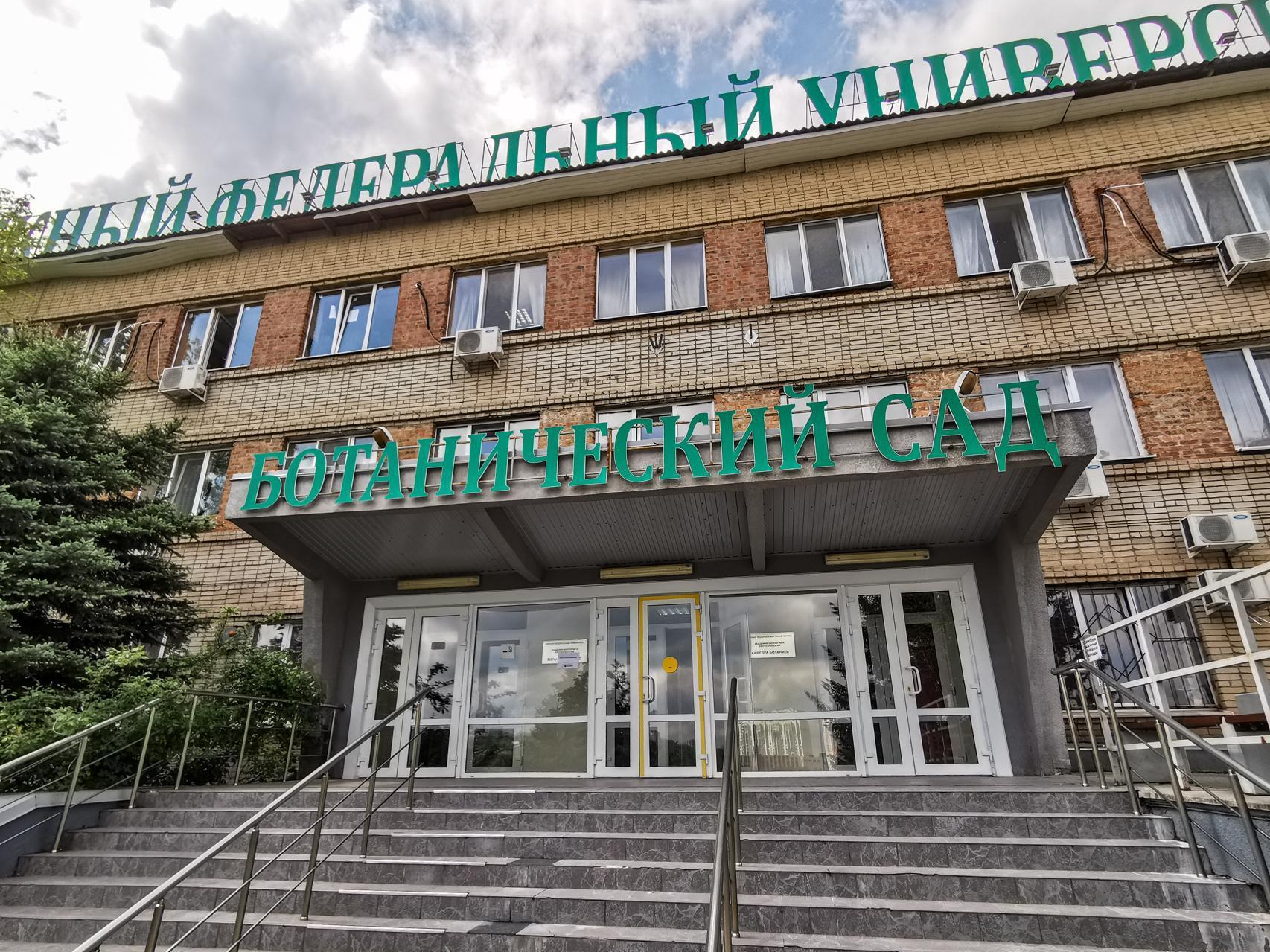

The Botanical Garden of Southern Federal University (SFU) has begun creating a specialized nursery.
«We are creating a nursery where we will purposefully grow adapted material that will be in demand by the city and region. Thus, we are working not on import substitution, but on import pre-emption. Planting material must be domestic and verified,»noted Varduni.
According to her, the nursery«s work will be built on the principle of a closed cycle — from research in the biotechnology laboratory to cultivating mature specimens.
The director expressed hope that infrastructure work will be completed this year. Simultaneously, mother plants are being established for subsequent propagation. The nursery should reach full design capacity within five years.
The institution has already prepared a list of tree species, shrubs, and vines recommended for planting in cities of Rostov Oblast. However, given the region«s vastness and diversity of climate zones, this list may be adjusted for different territories.
«Do you see what»s happening with the climate? The last two years have been very dry, with huge insolation. Therefore, our plants must first of all protect public health, be resistant to drought, diseases, and pests,«explained Tatiana Varduni.
The creation of the nursery is carried out within the framework of a cooperation agreement that the SFU Botanical Garden and the Rostov administration signed in October 2025.
The relevance of this work is emphasized by data on low tree survival rates in Rostov Oblast. In recent years, this indicator has fallen to a minimum: more than half of seedlings die in the first year after planting. In 99% of cases, the cause of death is drought, the remaining 1% is due to forest fires.