Roof-Top Fireworks: Life in Chelyabinsk's Century-Old Huts
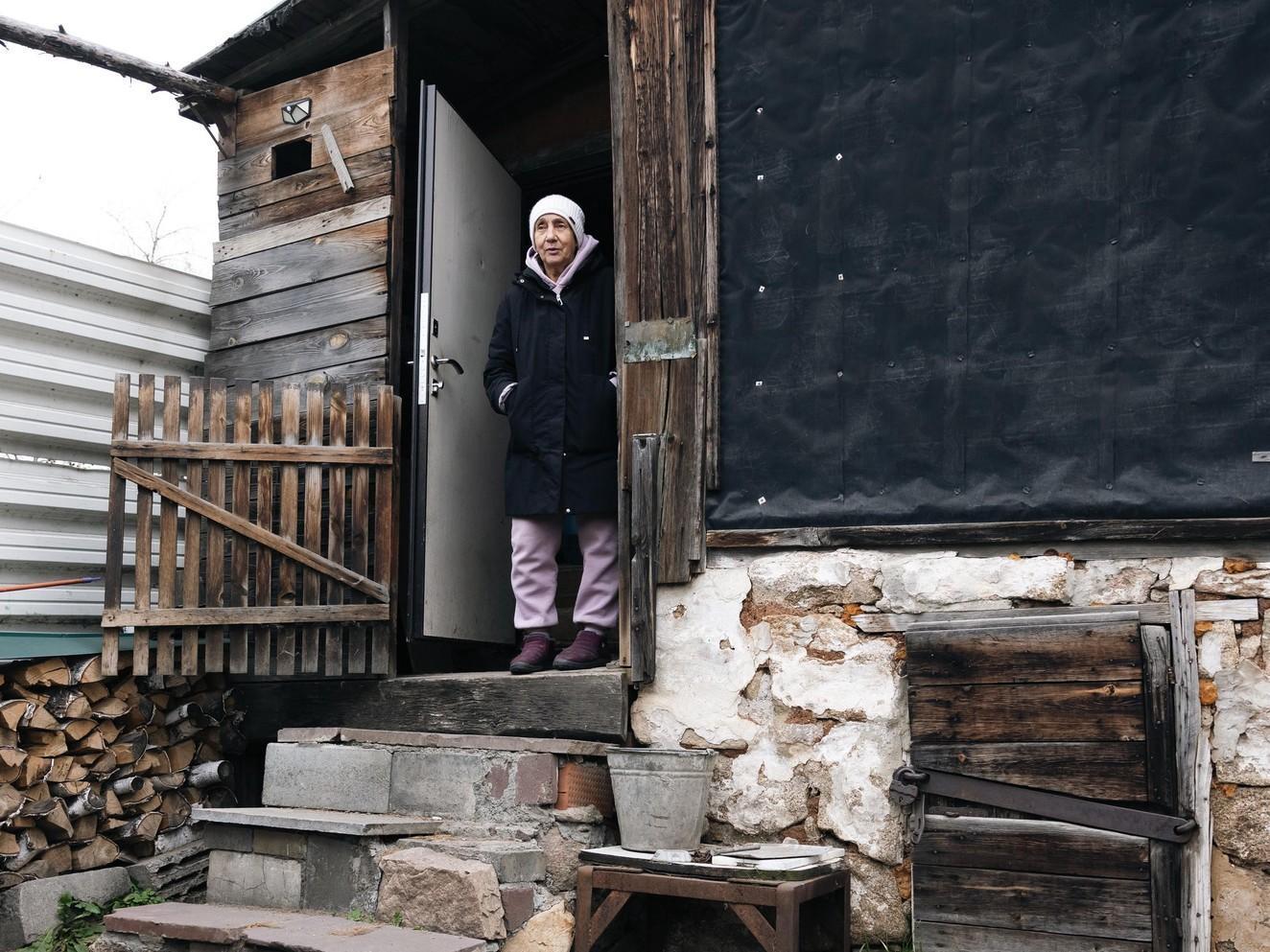

When driving down Rossiyskaya Street towards Ploshchad Pavykh Revolyutsionerov (Square of Fallen Revolutionaries), it«s hard not to notice the block of old wooden houses on the right. Against the backdrop of the Greenplex office building and the Freedom Tower residential complex, it looks like a set for a depressing film about a dying village. Once, this was a full-fledged private sector, but after regular fires in 2021, only a few huts remained. Yet people still live there almost as they did 50 years ago. More details in the report by 74.RU.
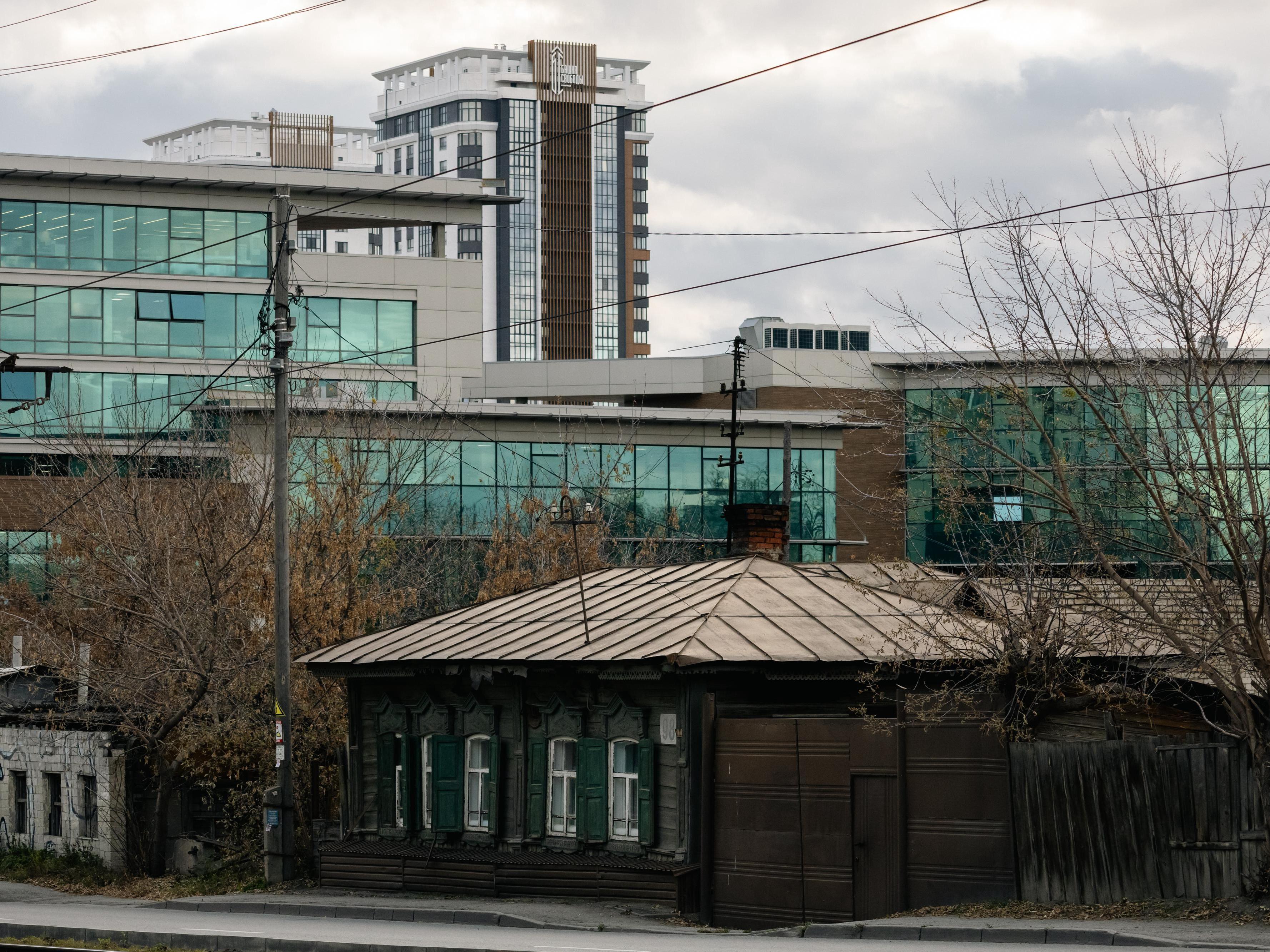
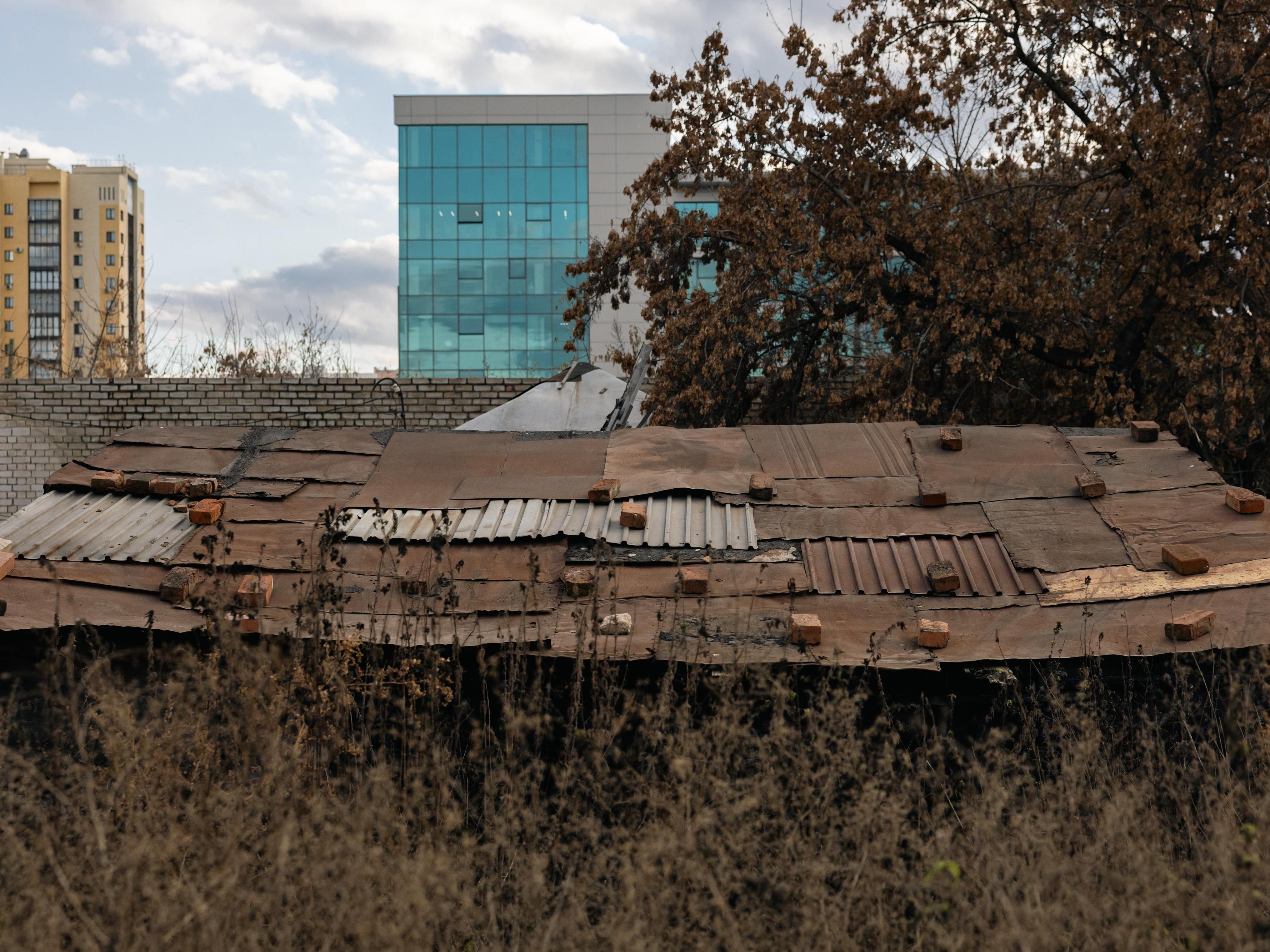
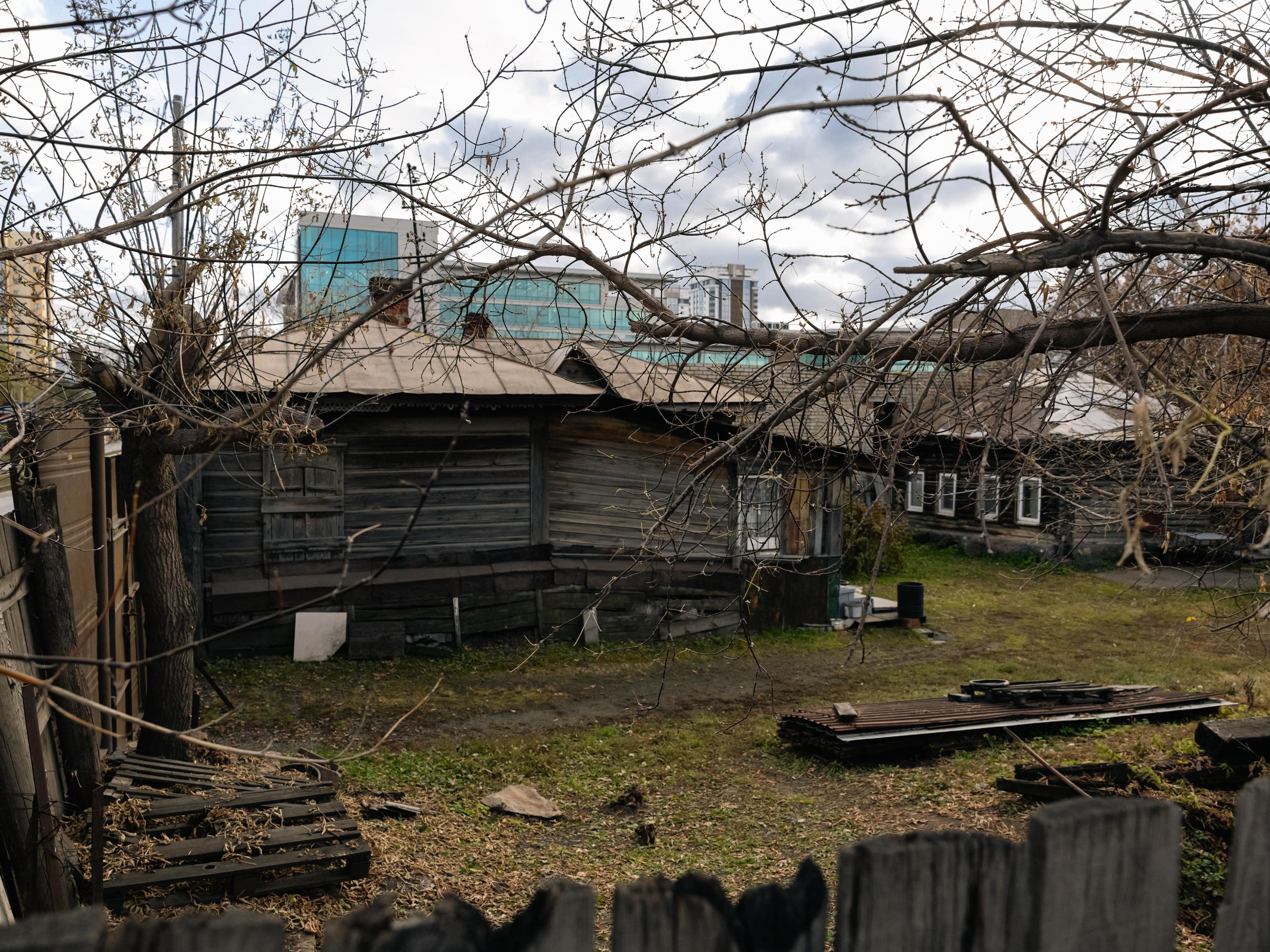
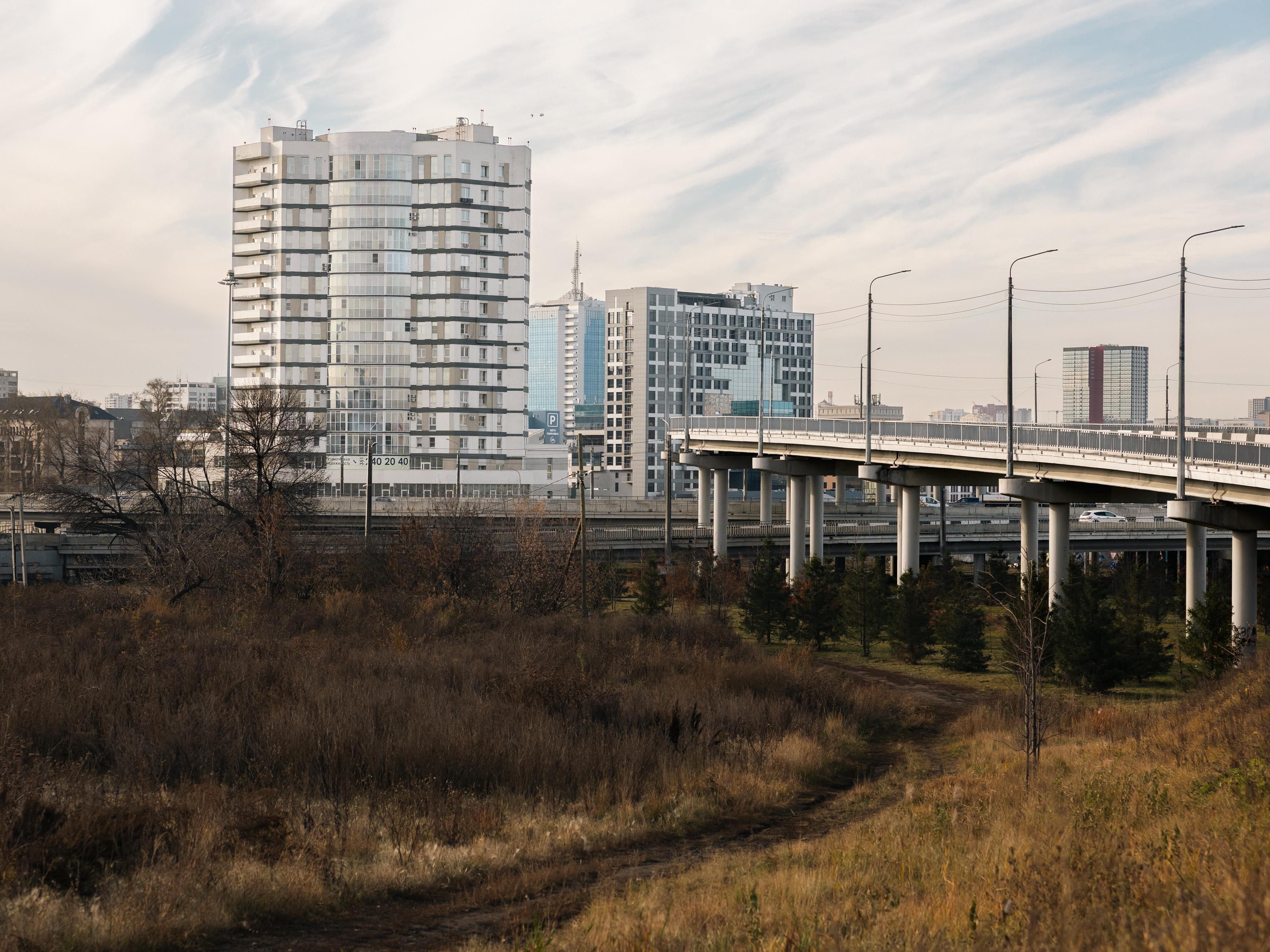
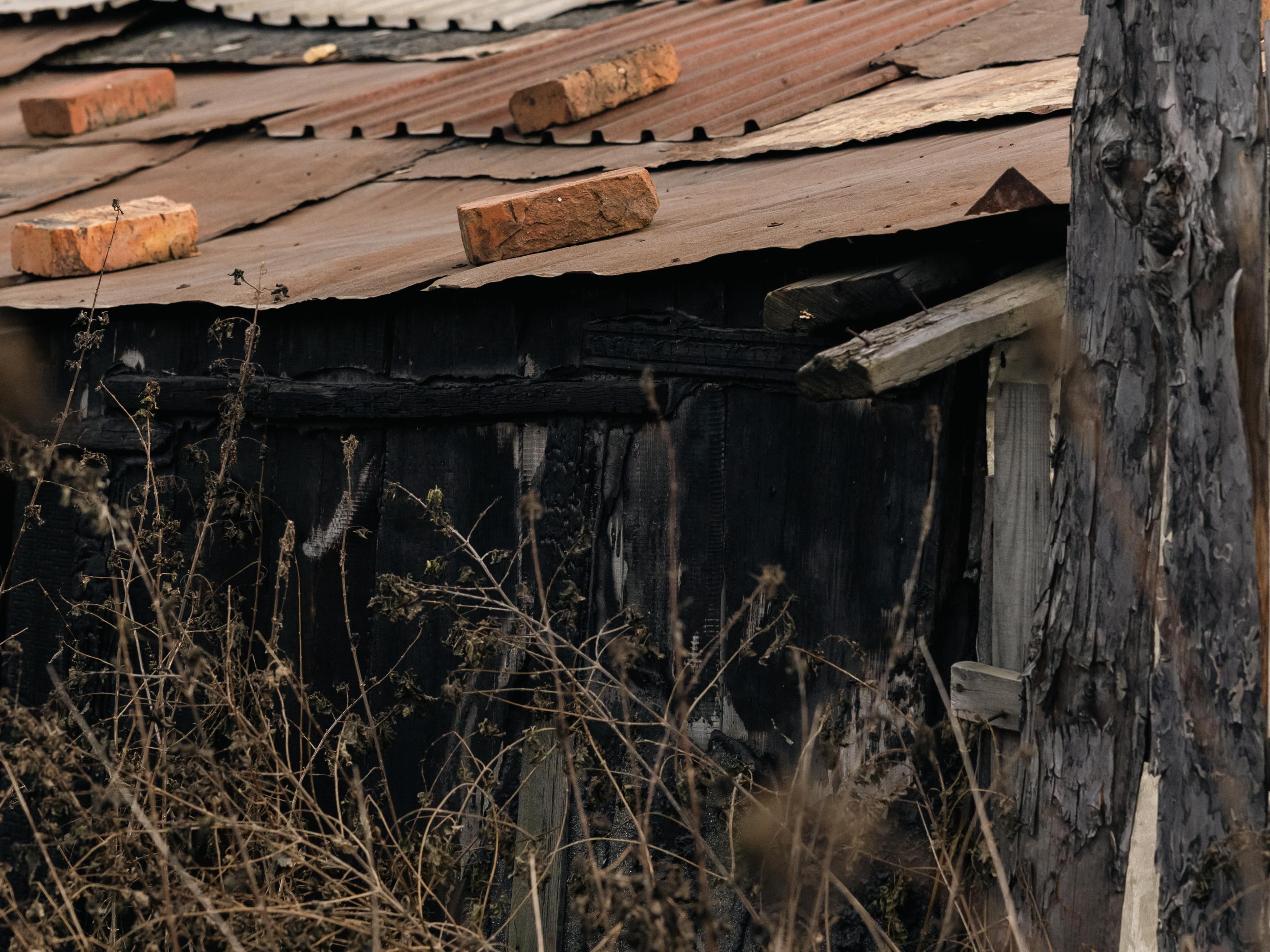
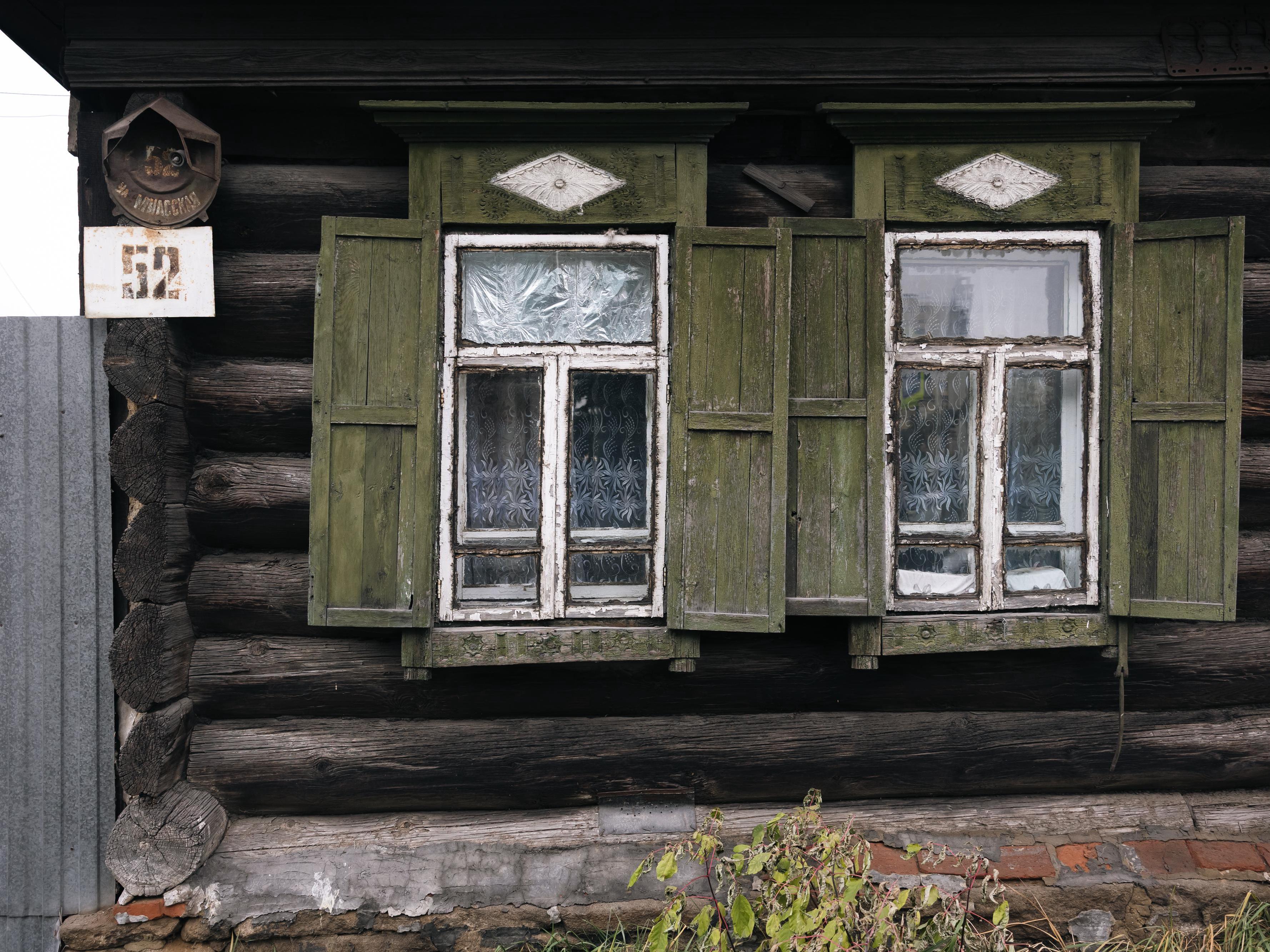
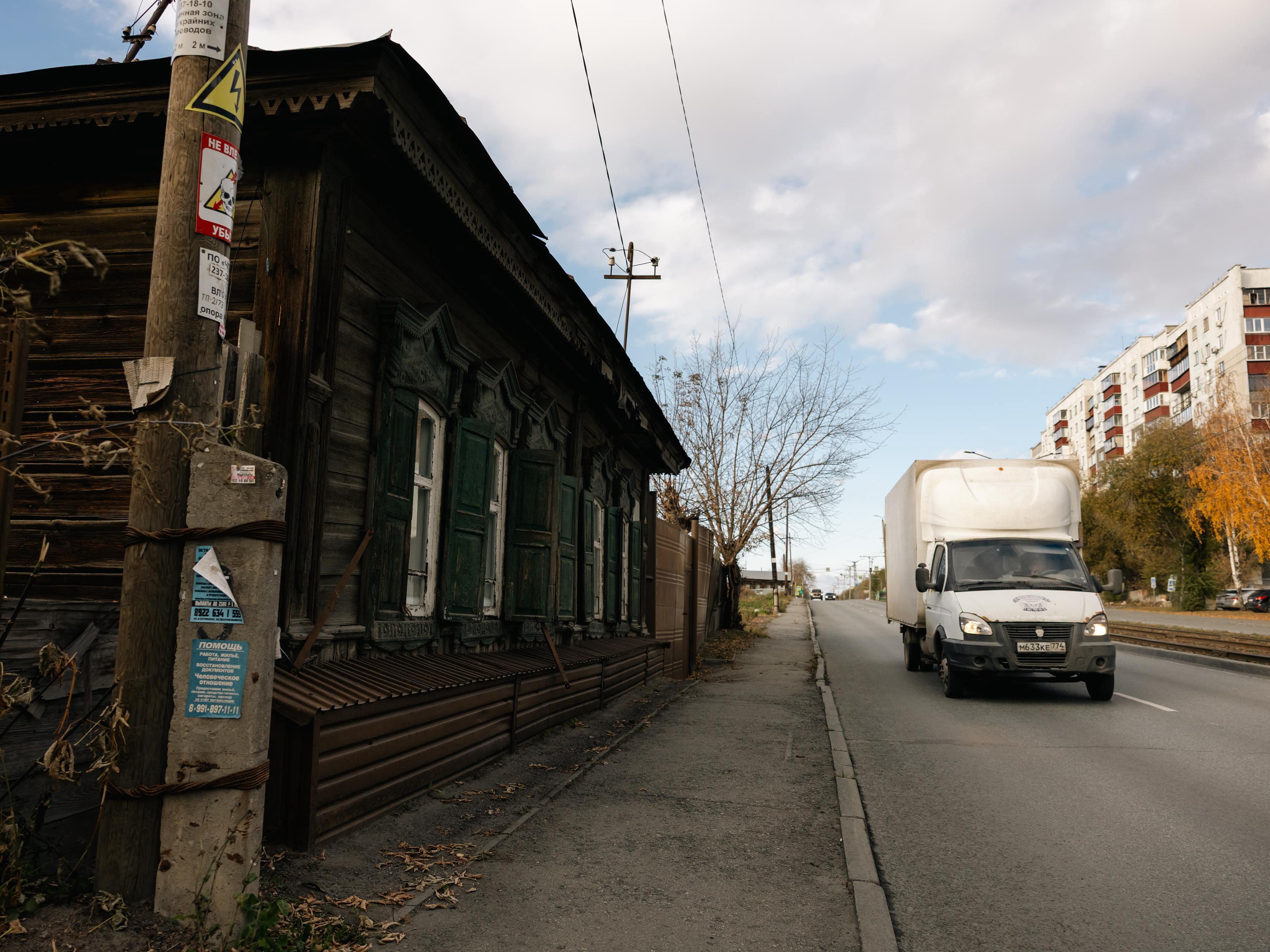
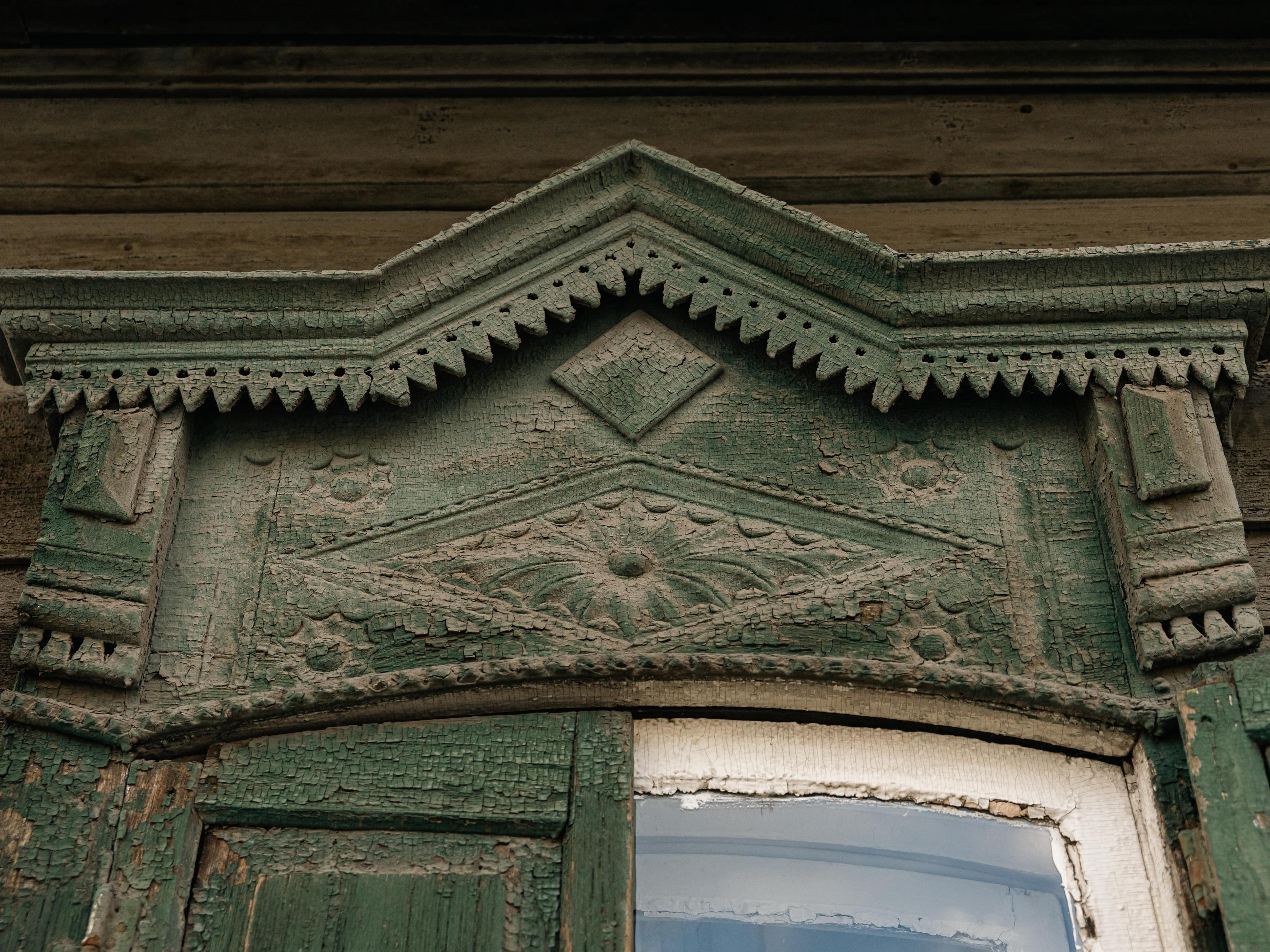
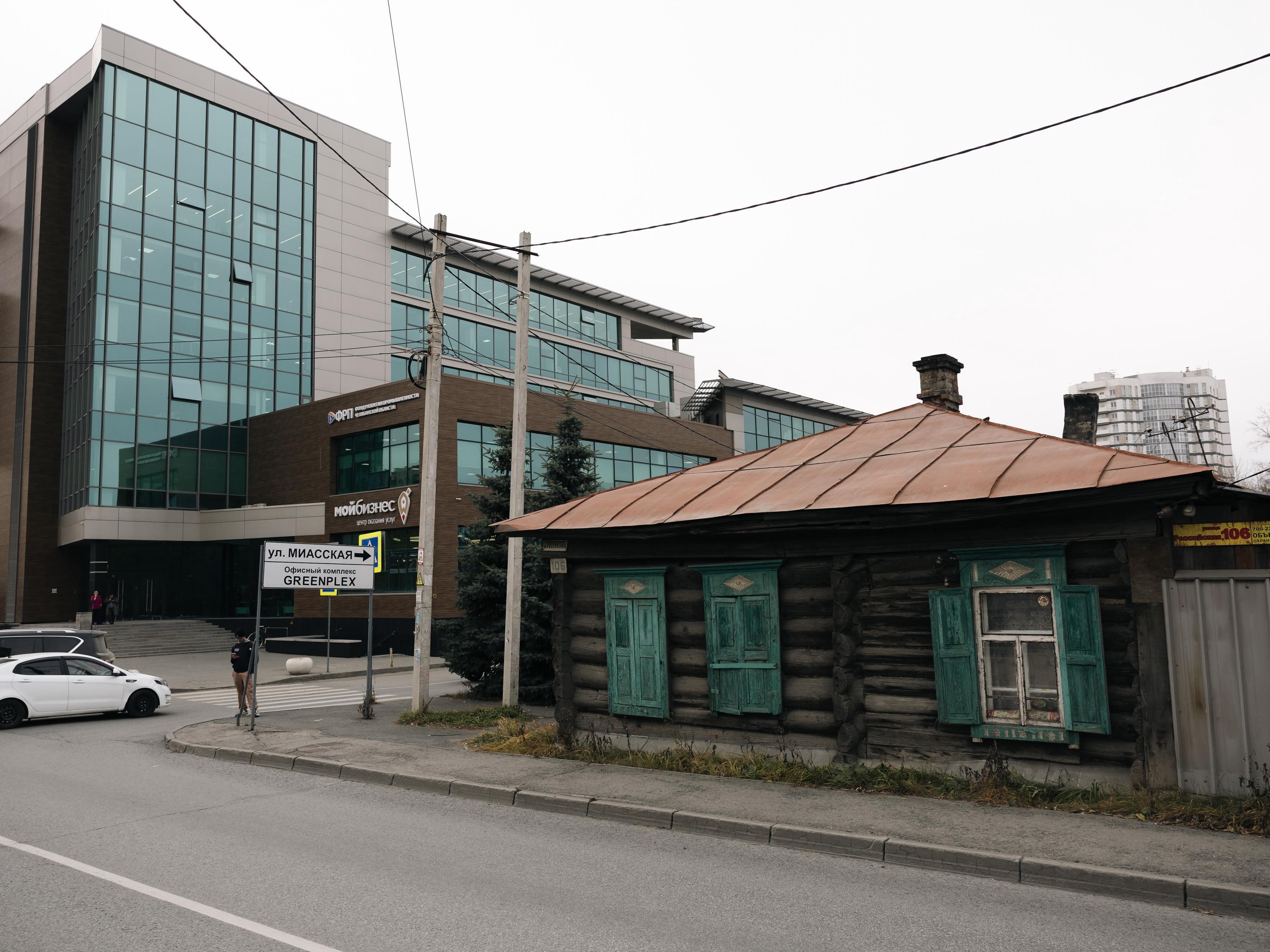
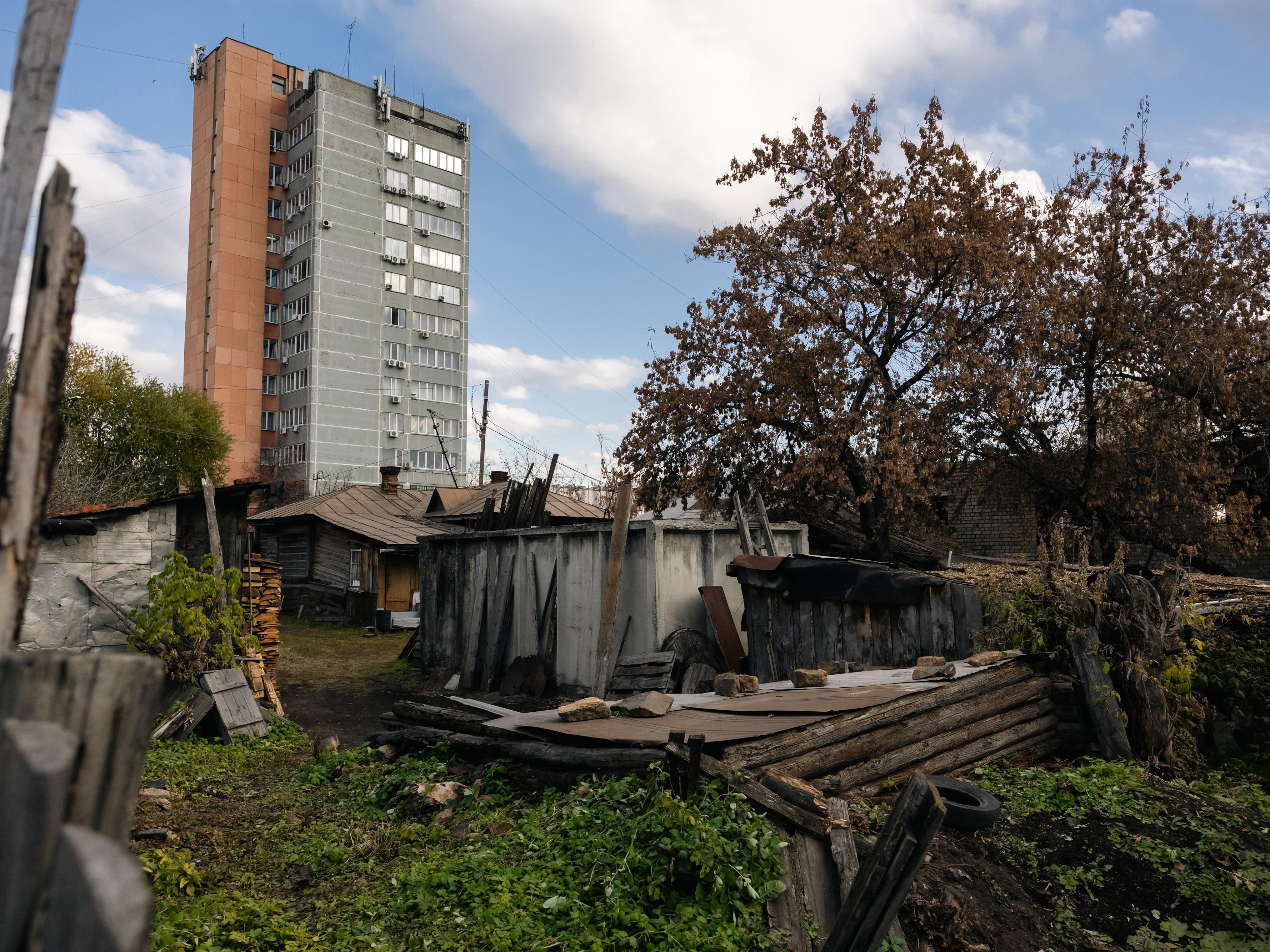
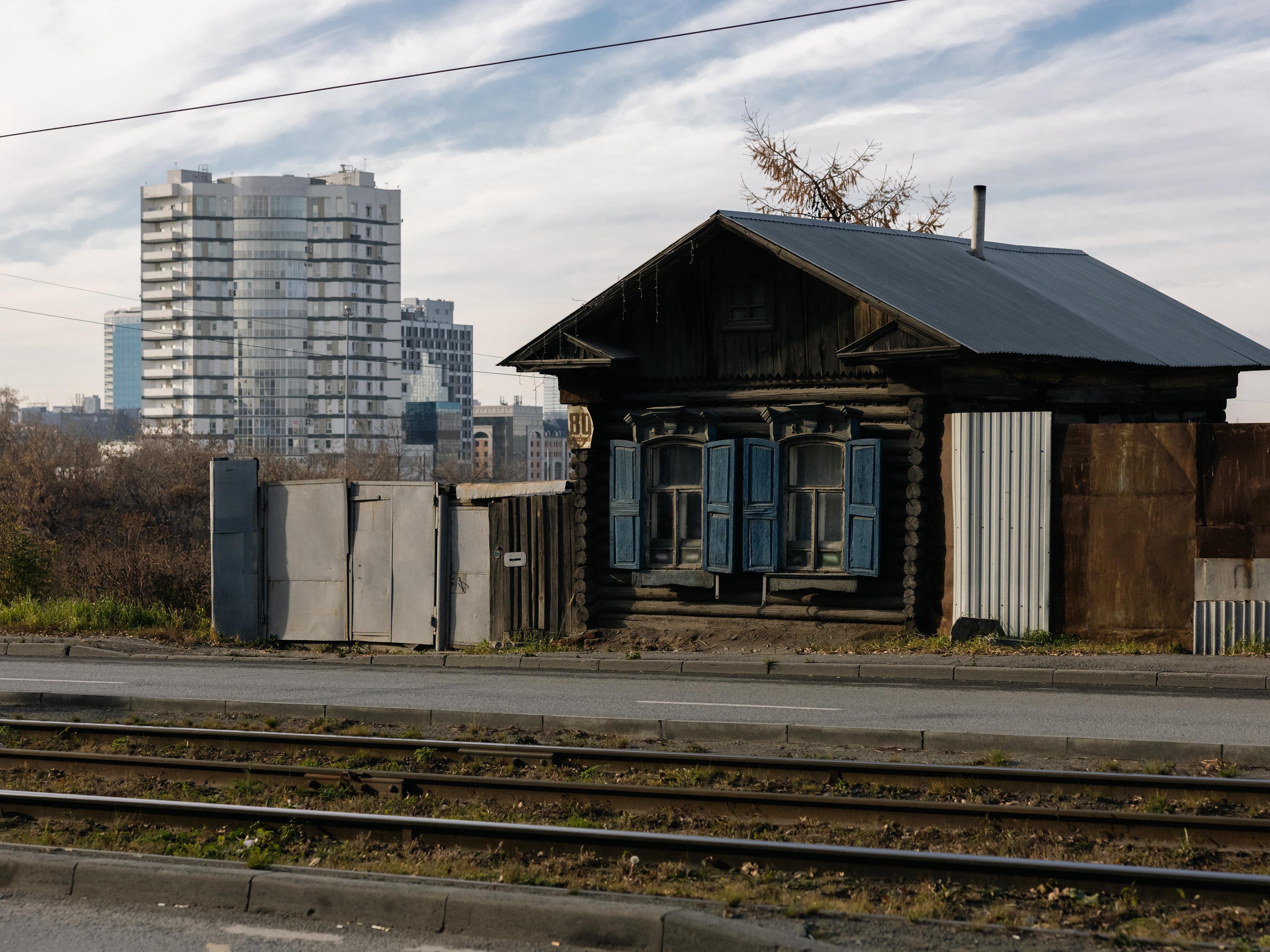
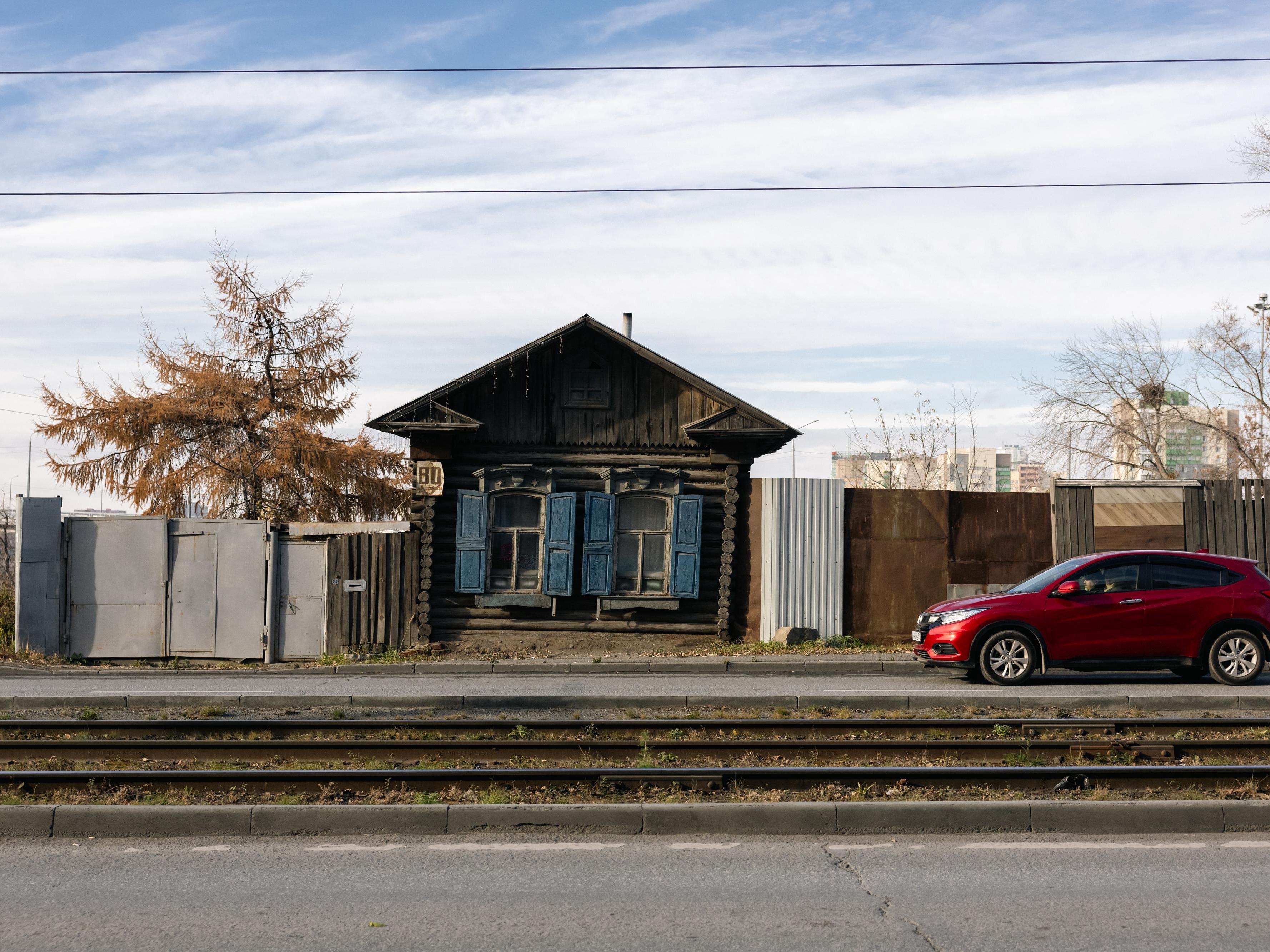
Oleg is 34 years old. He was born and raised in the house at 80 Rossiyskaya Street — on the very edge of the old wooden block. Now he works as a surveyor, travels a lot around the country, but when he comes to Chelyabinsk, he still returns here: his mother Tatyana Ivanovna still lives in the one-story house.
Oleg«s father bought the house 50 years ago — almost immediately after returning from the army. Before that, an elderly woman lived here, but none of the current owners remember anything about her.
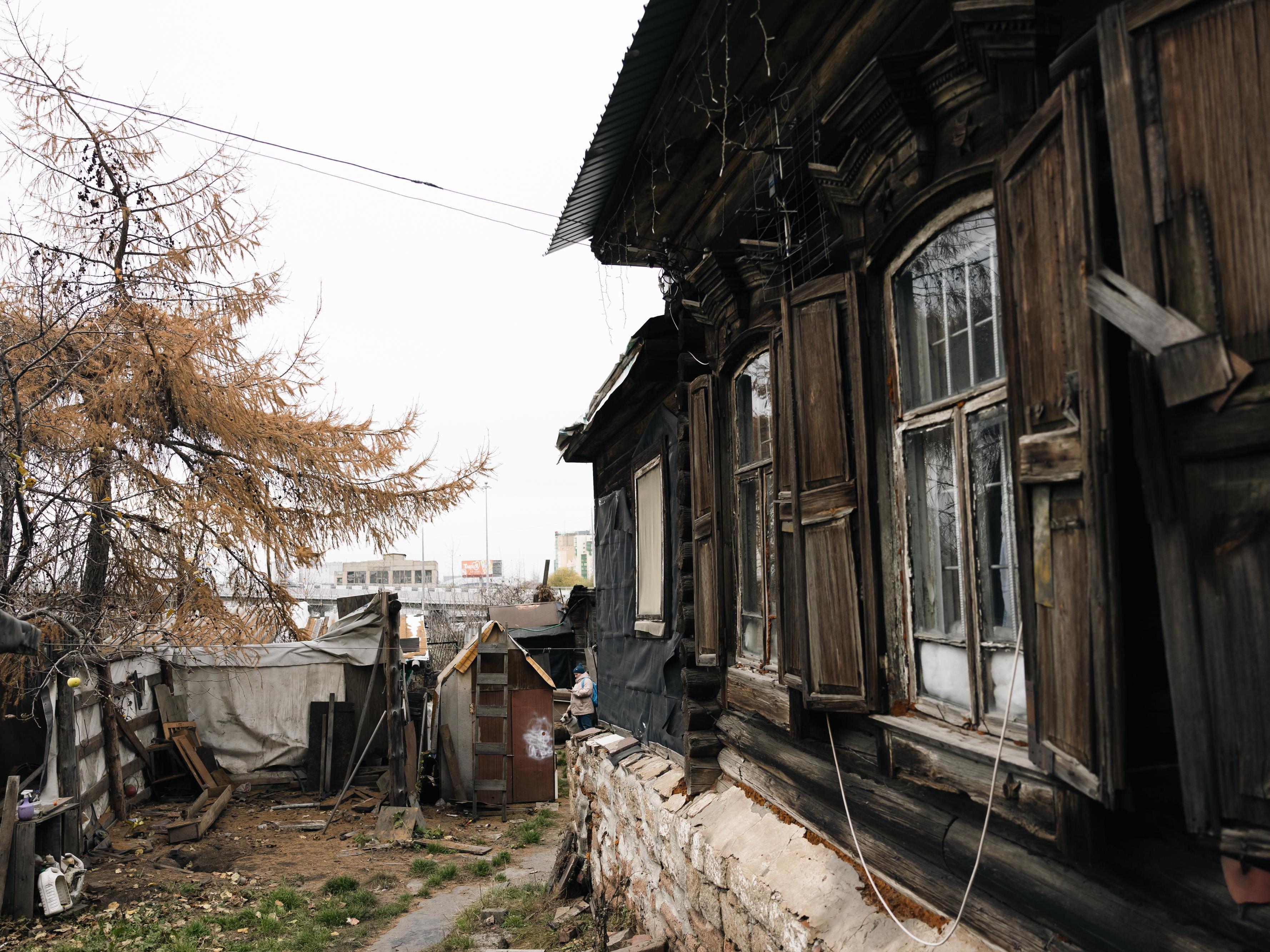
«This whole «village» — Krasnoarmeyskaya, Rossiyskaya, Nagornaya — burned about three times back then. They were constantly rebuilding. Only our house and the one on the other end didn«t burn,» says Tatyana Ivanovna.
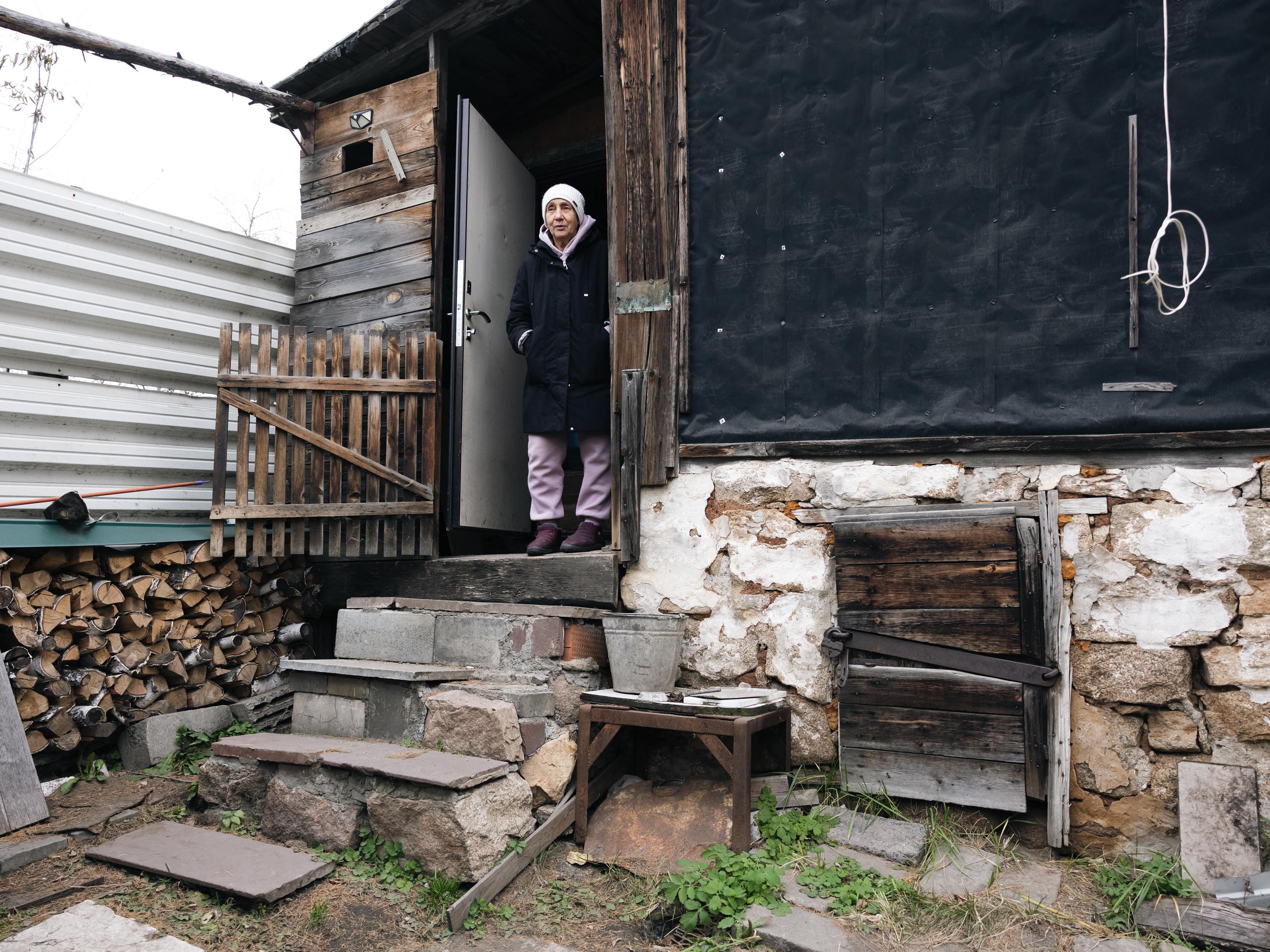
However, when she and her husband moved in, everything was already calm. Life here strikingly resembled village life, even though the city center was right nearby.
«There was a house register somewhere, it still says the house was on Stalin Street. That«s what it was called then. <...> It used to be like a village here — wooden houses... Actually, not much has changed in 50 years. Trams ran back then too. Well, they paved the sidewalk after we moved in, but otherwise not many changes,» reflects Tatyana Ivanovna.
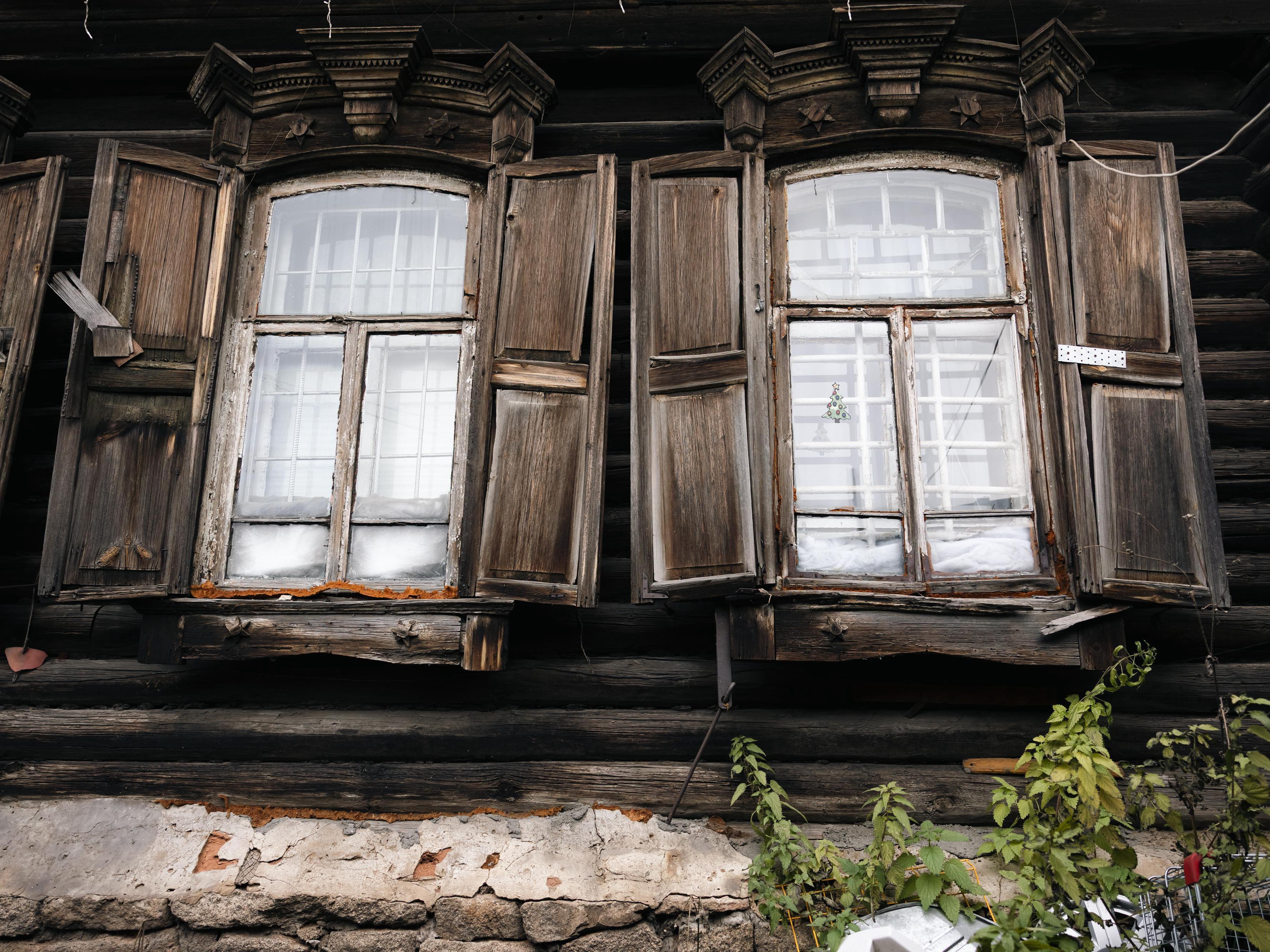
«Life wasn«t much different from what it is now. The same tram runs — number seven. We still go to fetch water from the pump that freezes in winter. It always felt strange, like we»re in the center, but also as if in a village,» says Oleg.
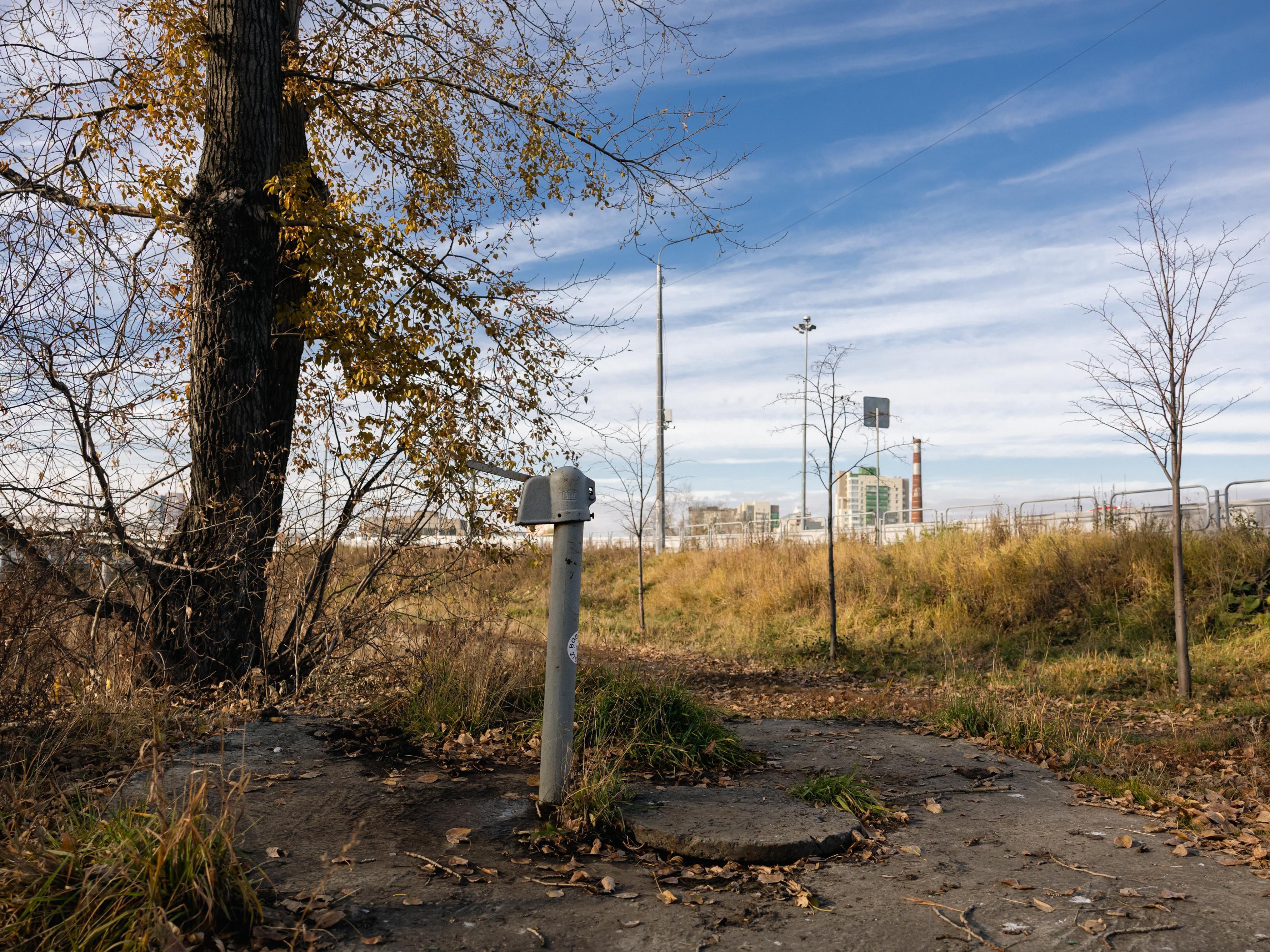
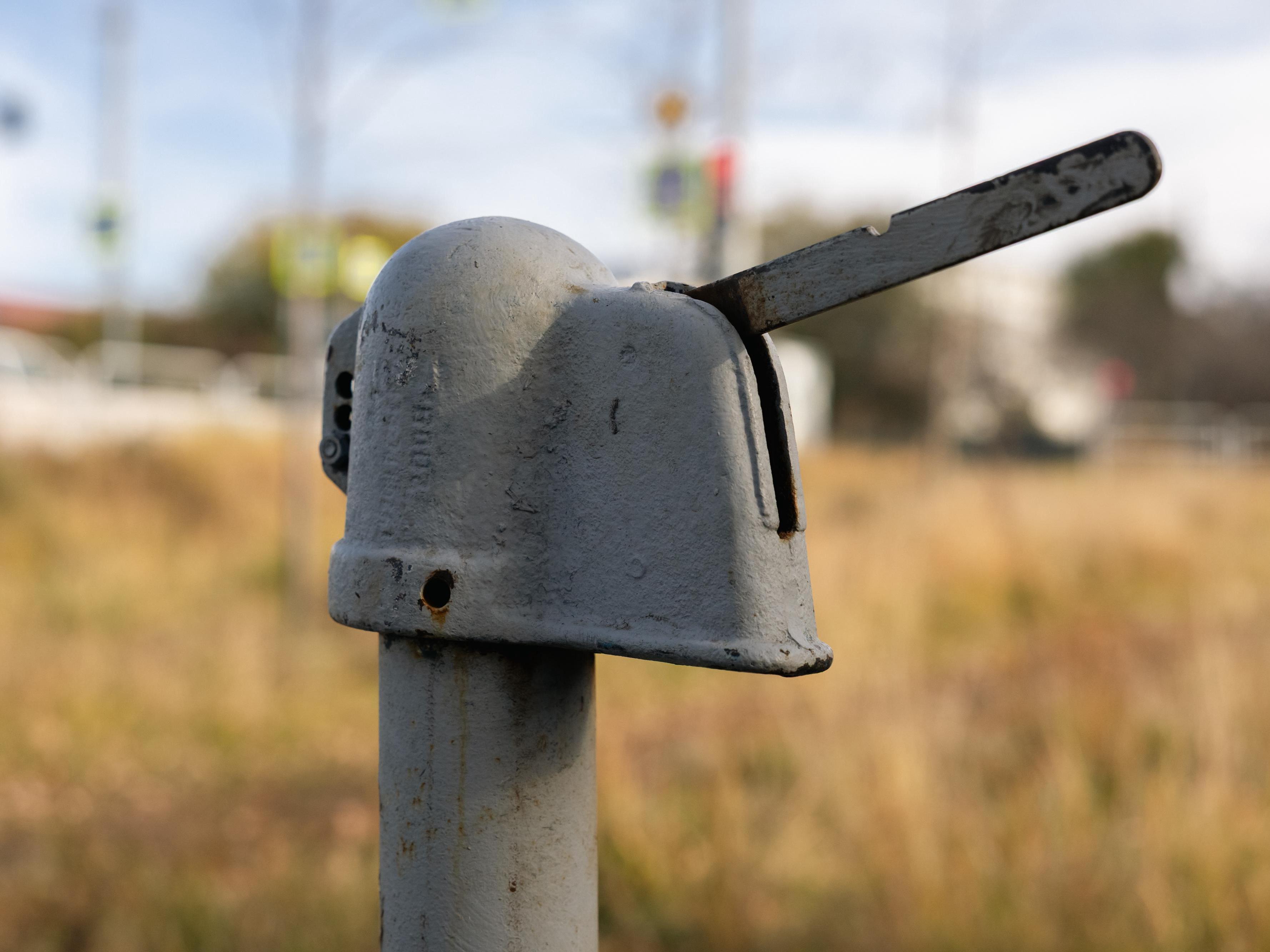
«We«re used to it by now. In winter, we heat the bathhouse. We bring water by car from the pump. It»s near the eighth school, it always works. First my father hauled this water, now I do,» Oleg waves it off.
«We live in a monument. And we ourselves are like monuments to those years,» Tatyana Ivanovna chimes in.
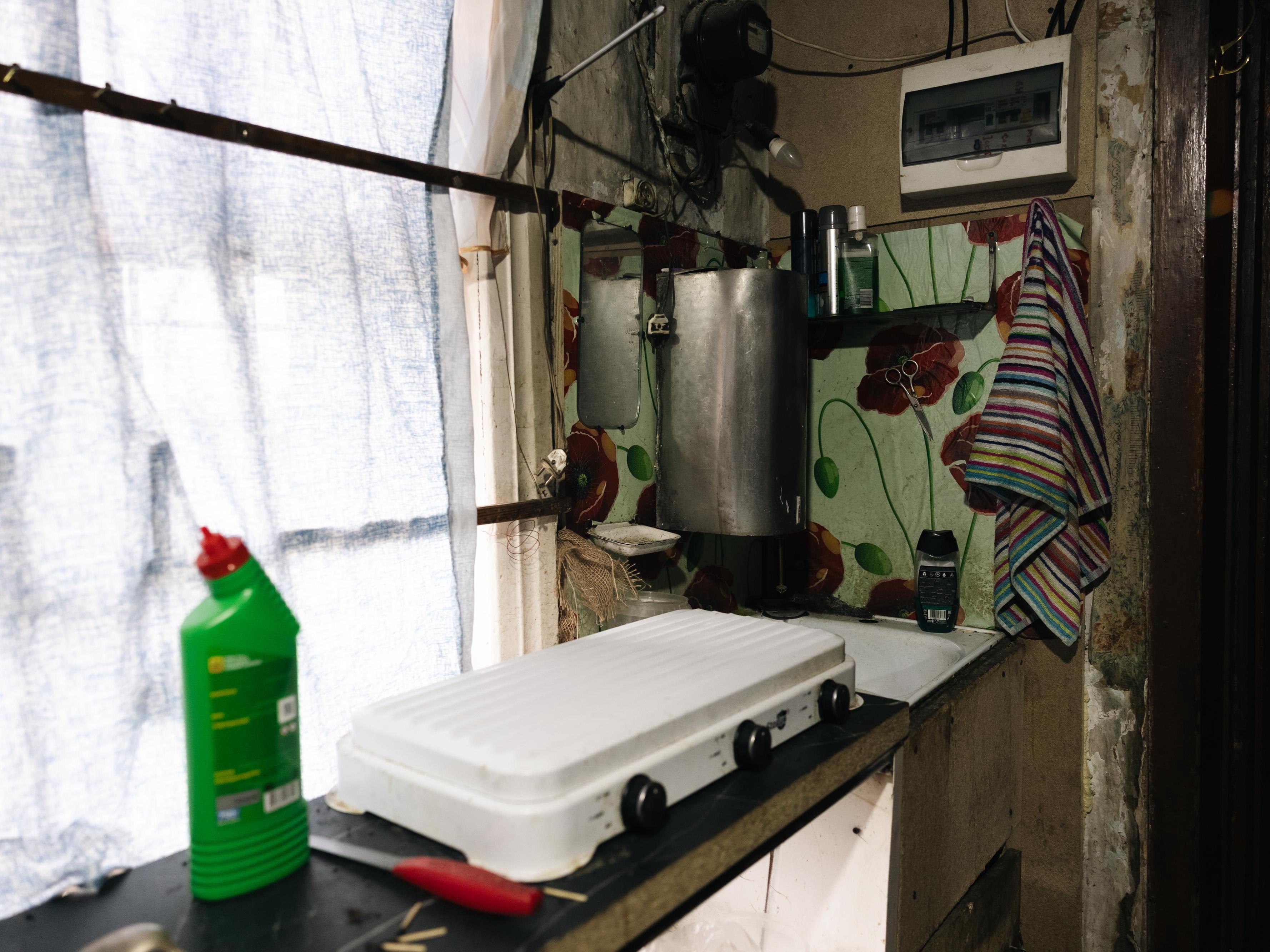
«There«s no gas either. And you have to cook. We bring 50-liter cylinders, hook them up to the stove — and that»s it. At least we have electricity,» Oleg continues.

«We found out about this when we replaced the roof. We got a letter saying we didn«t have the right to change it, but for the sake of preserving the house, well, okay, go ahead and change it. We didn»t respond, just ignored it. We even thought then: «Let it rot or what?»» says Oleg with a smile.
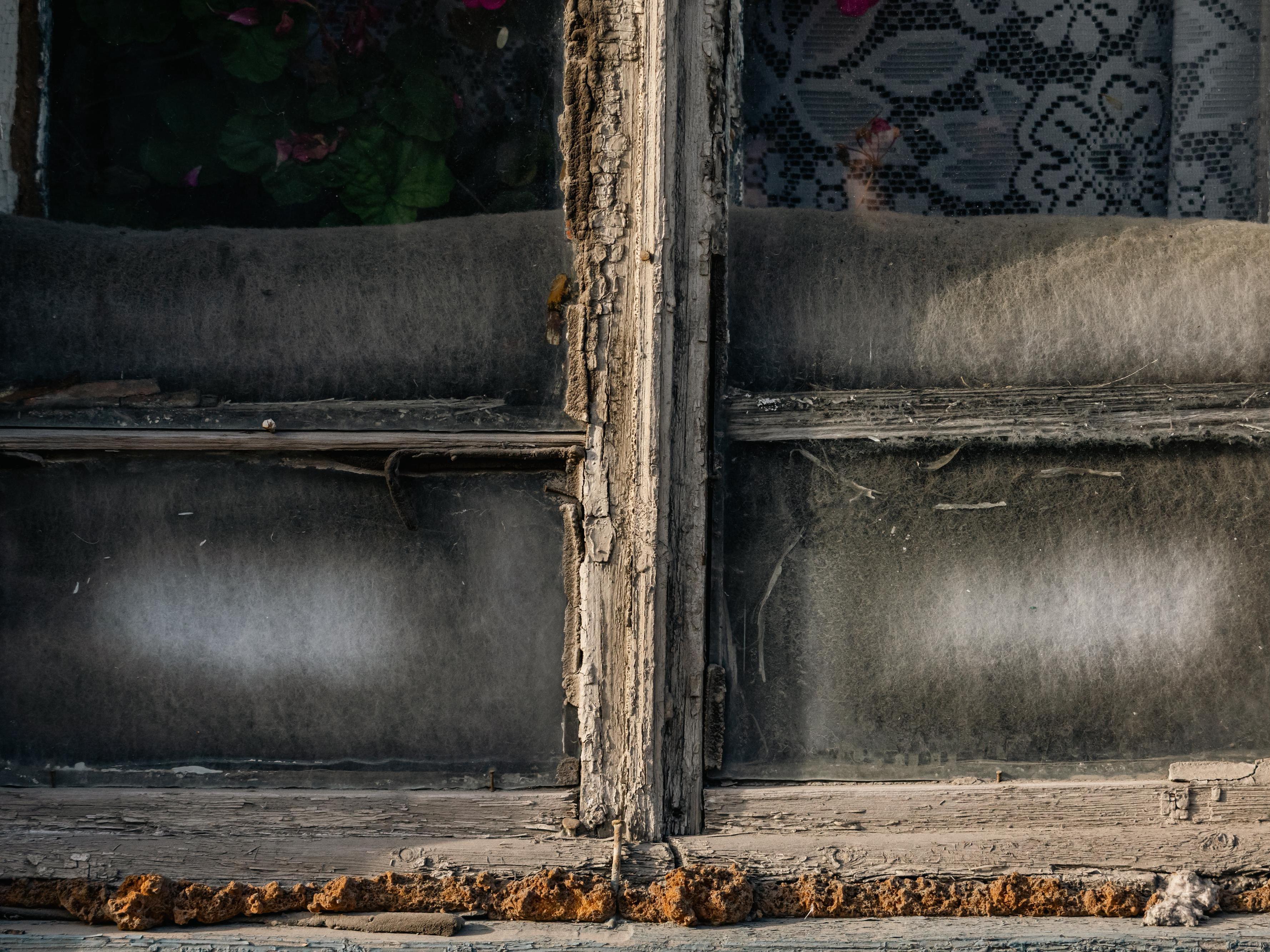
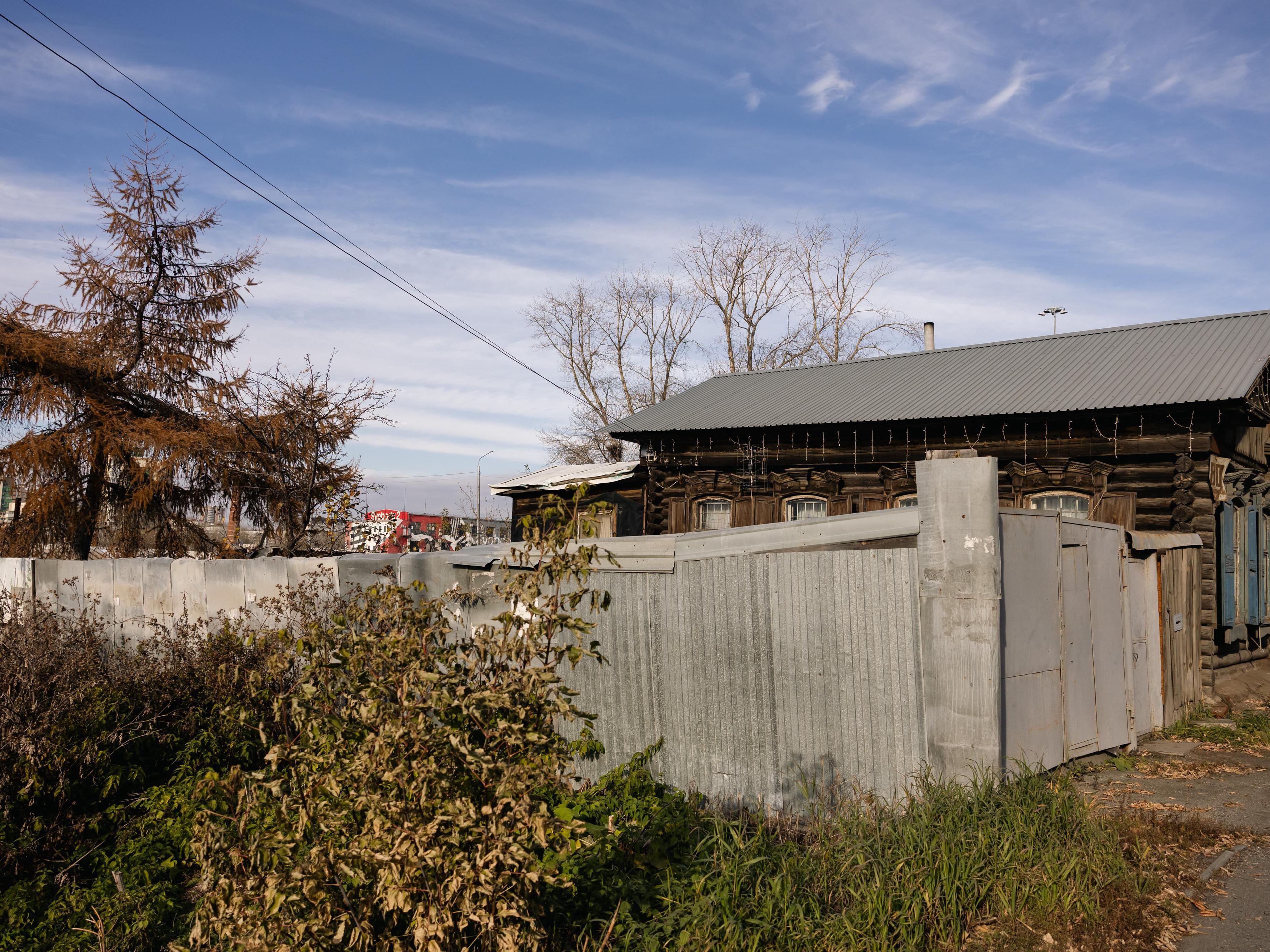
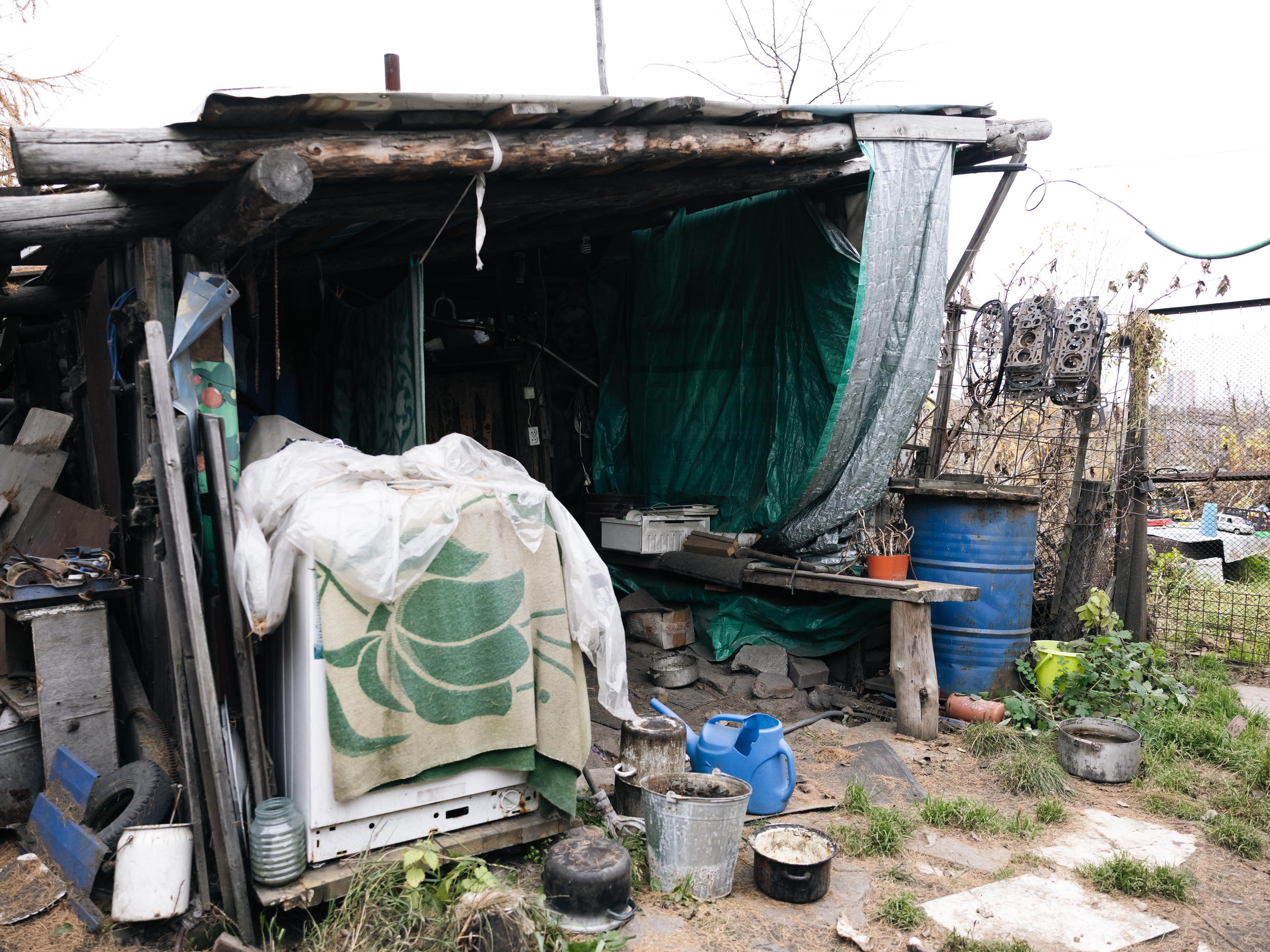
«There was a fill-in house here. It fell into disrepair, so my father demolished it. It used to be like that all along the street — a big house, and next to it a temporary shack. I don«t know if they registered them as houses on paper or not, by my time there was always a bathhouse here,» recalls Oleg.
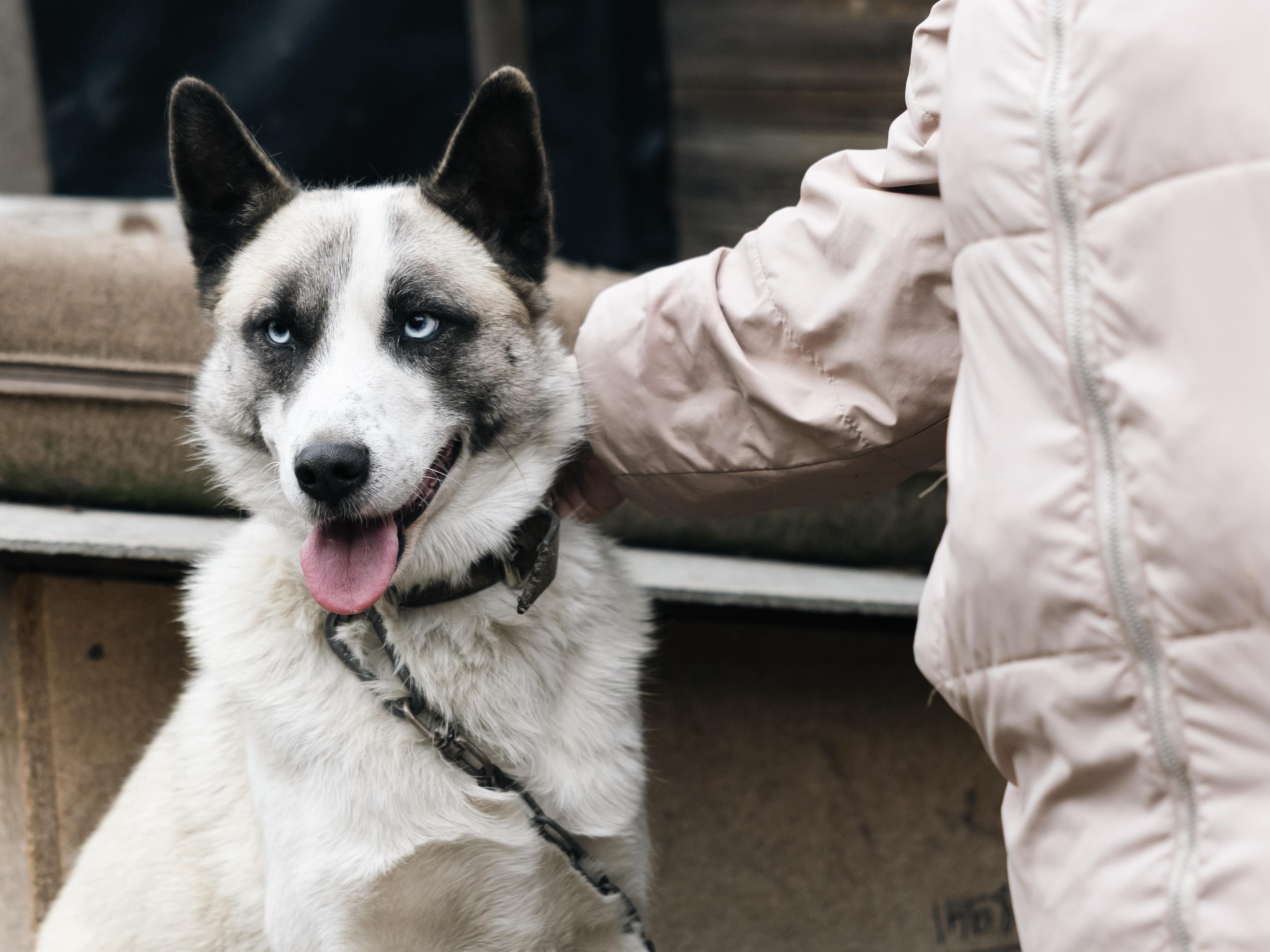
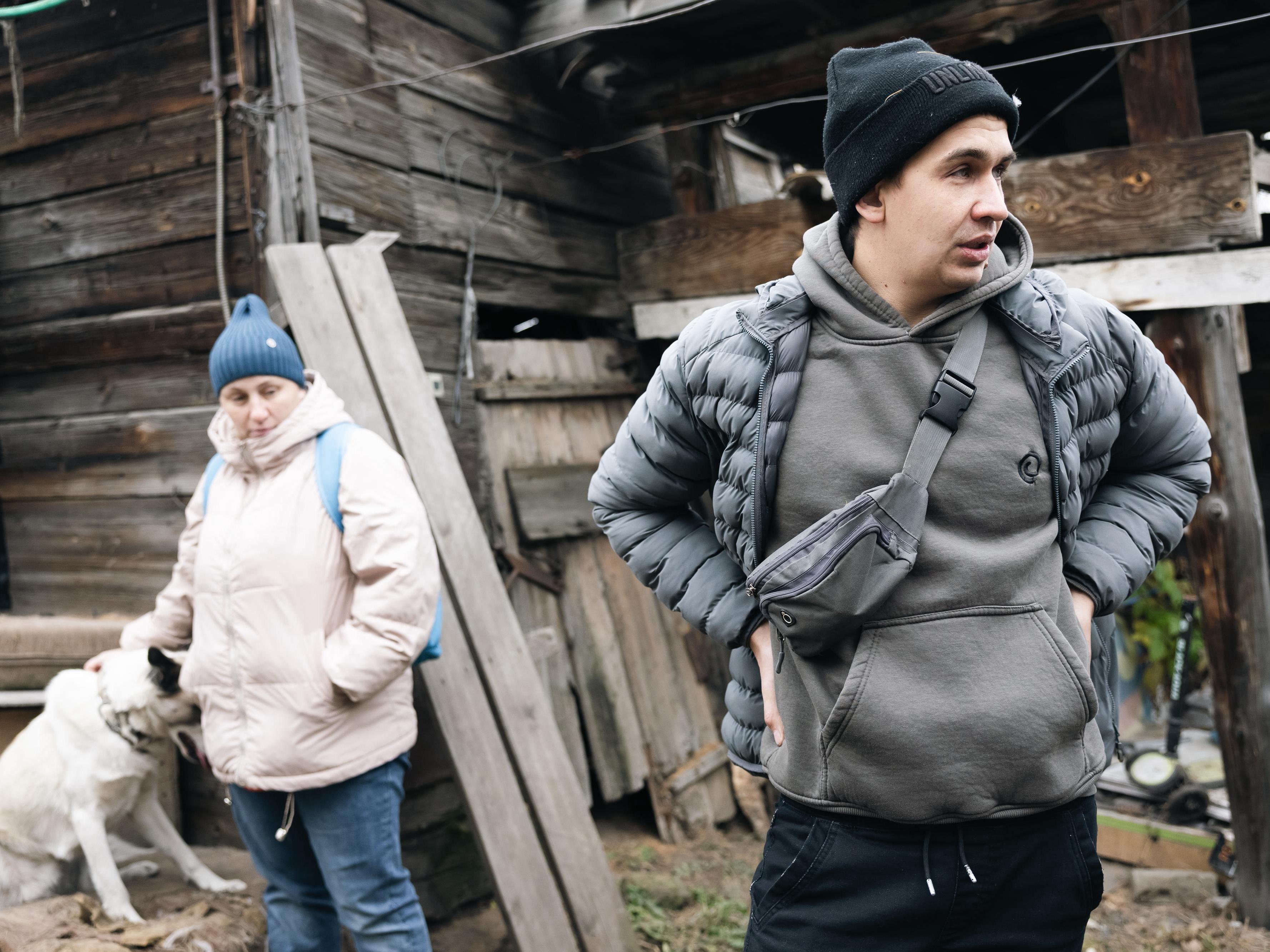
«This dog is from Perm Krai. I was on a business trip there, saw an abandoned dog, brought it back,» says Oleg. «And why it«s named that… I have a little nephew. He saw the dog and says: »It«s Kabachok (Zucchini).» Well, so it«s Kabachok.»

«We locked it because all sorts of people were climbing in. They stole scrap metal. <...> There used to be a metal collection point on Nagornaya, so they dragged it there. They caught one guy here a while back. The police came, chased him. They took him to the station, and he even escaped from there,» Oleg laughs.
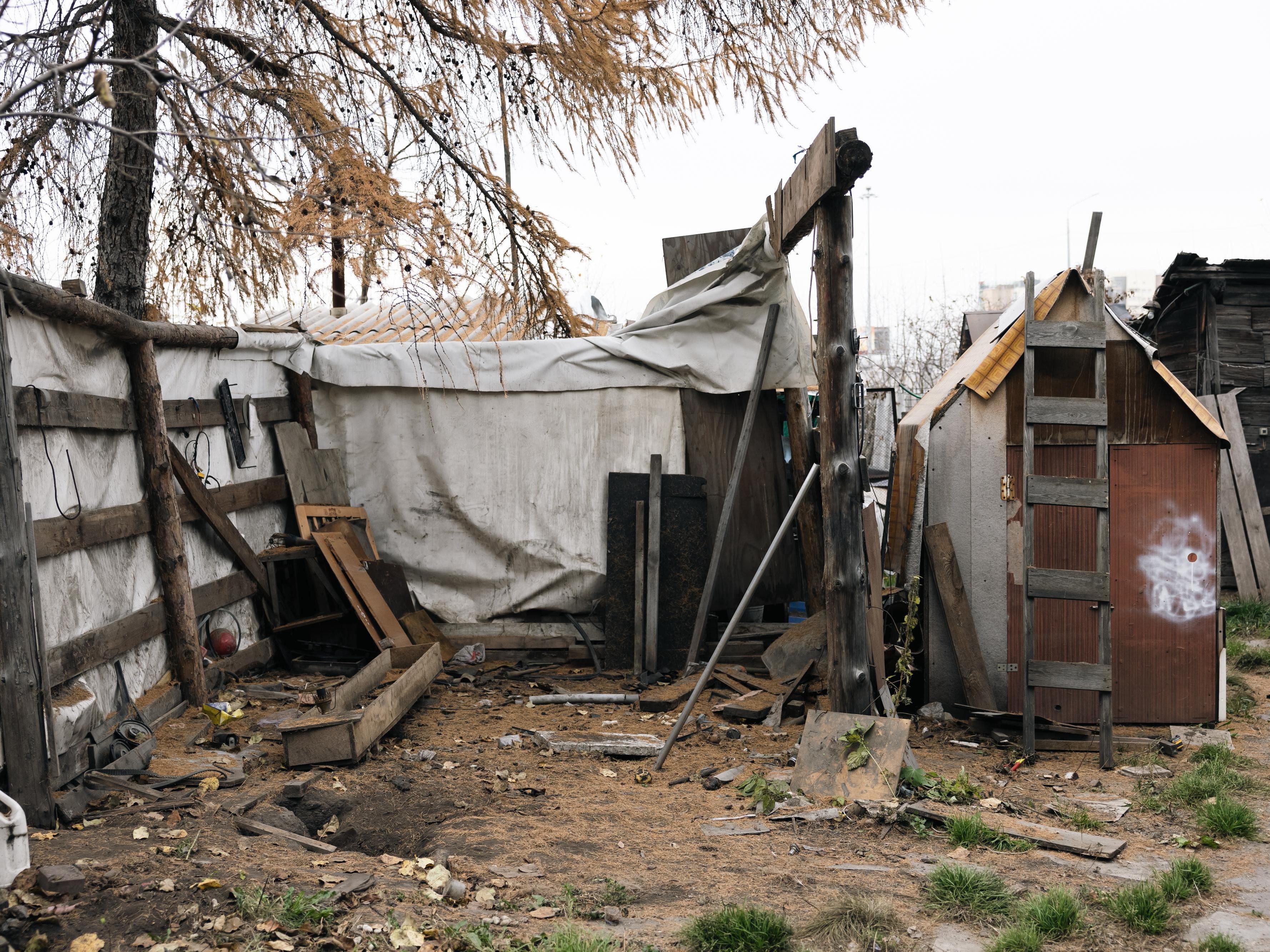
«My dad kept pigeons. Not for anything, just for the soul. They just lived here — that«s all. You let them go, they circle beautifully, then come back,» says Oleg.
«You feed them from your hand or from your mouth, they»re like little children. There was one pigeon, you give it your hand, it climbs up, sits down,» adds his sister Maria.
«By breed, they«re carrier pigeons. We trained them because they need to fly long distances to strengthen their wings. We took them 30 kilometers away, and they returned here — they have a natural compass or something like that,» explains Oleg.
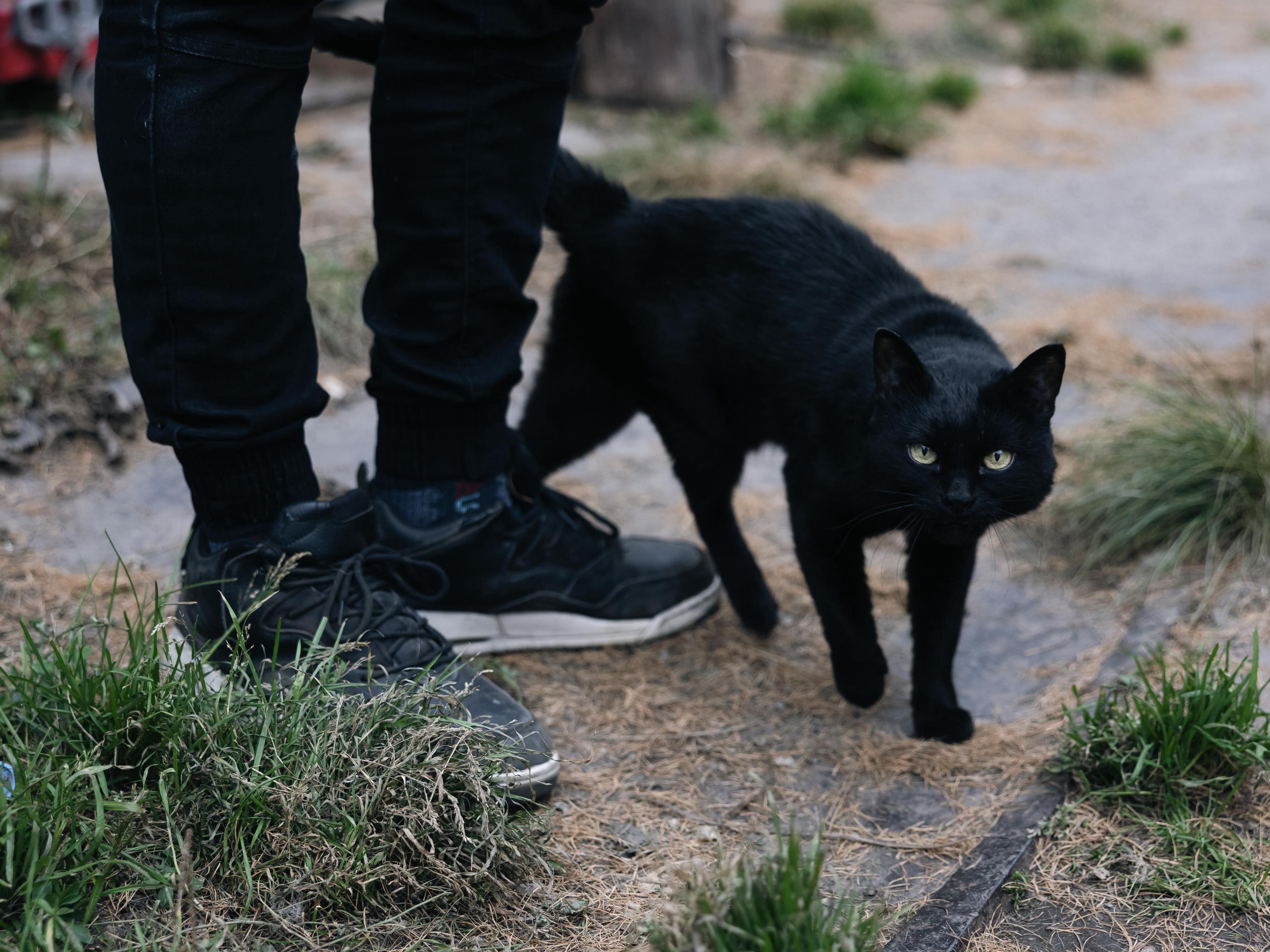
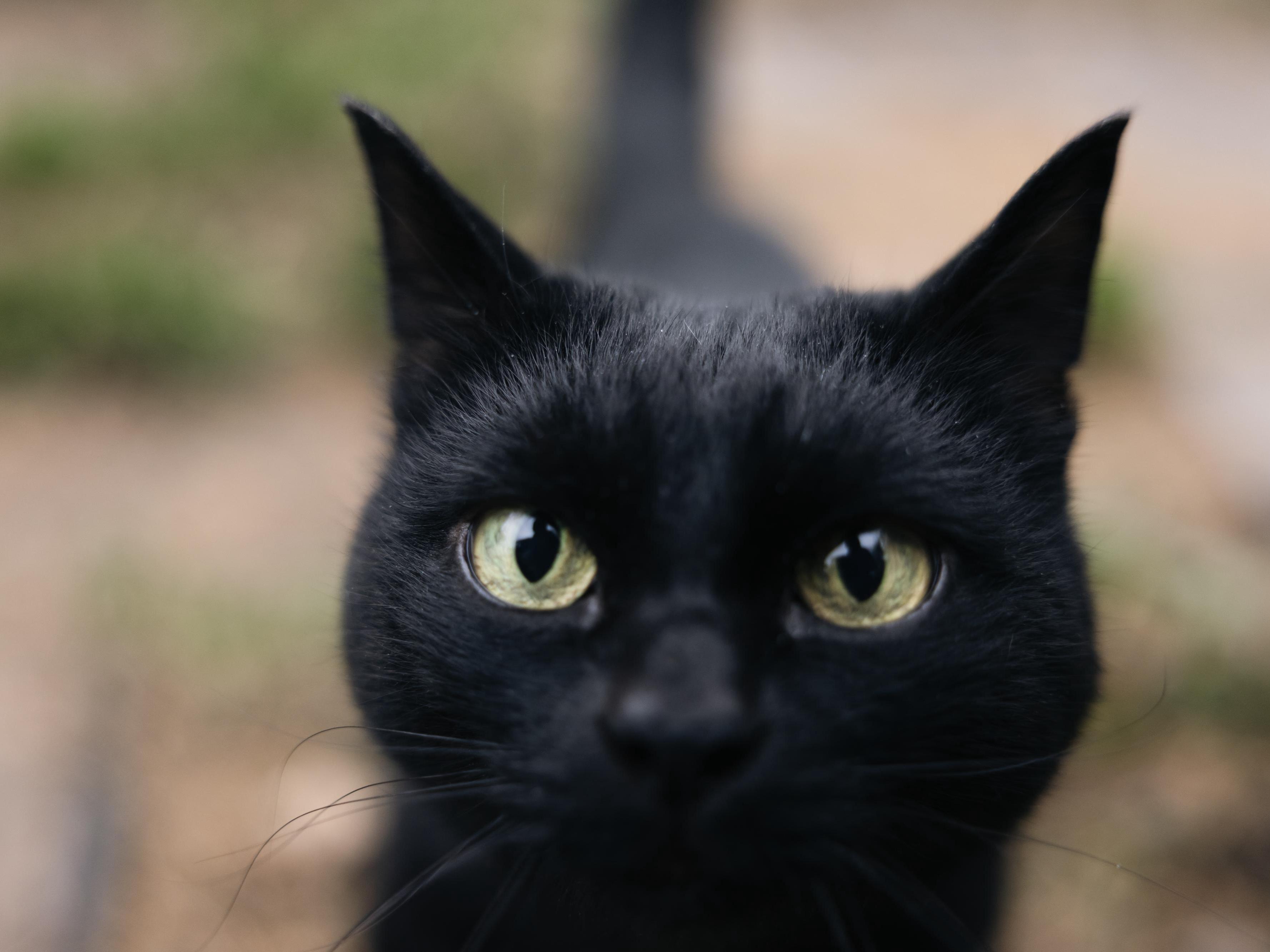
«This is Begemot (Hippo), like in «The Master and Margarita.» He«s about 12 years old now. It feels like he»s been here my whole life. He behaves according to his mood. <...> Once he bit me badly, we went to the emergency room. They said: «If the cat doesn»t die in 10 days, you«ll be fine too.» I got tetanus shots, seemed okay,» Oleg recalls with a smile.

Such proximity would bother many residents of the private sector. Recently we reported on a small block on Liteynaya Street. There«s a similar situation, and people put the problem of closely located high-rises first.
Meanwhile, Oleg and his family take it more lightly.
«Does it bother us? In winter, we open the bathhouse and jump into the snow. They look from there and envy us. And the most interesting thing — when there are fireworks in the center. We just climb on the roof, and we have the best seats here,» he says.

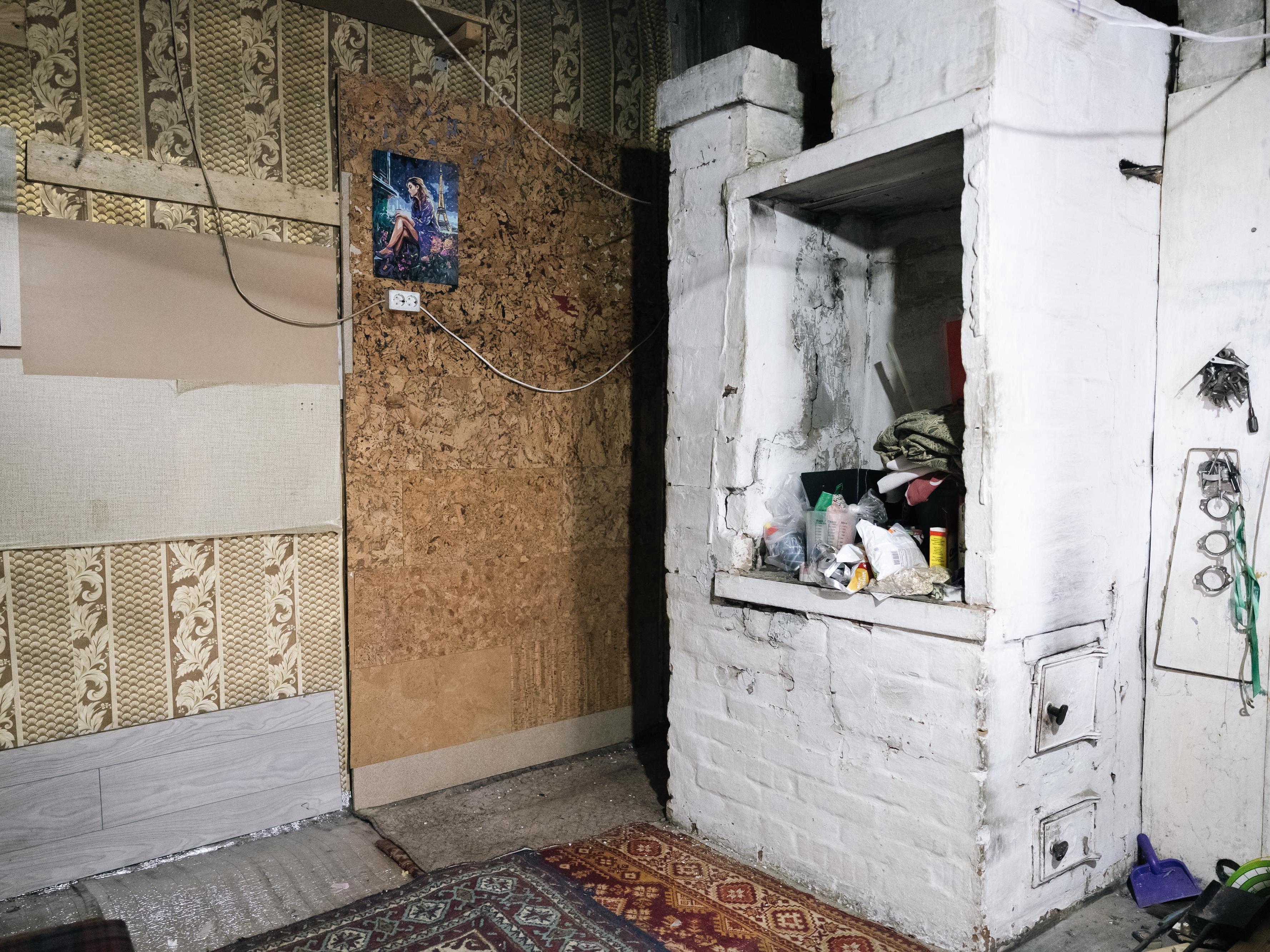
«Our ceilings are very high. Here«s the washbasin, to wash hands. We go to pour water from the bucket, there»s no plumbing,» Oleg begins the tour.
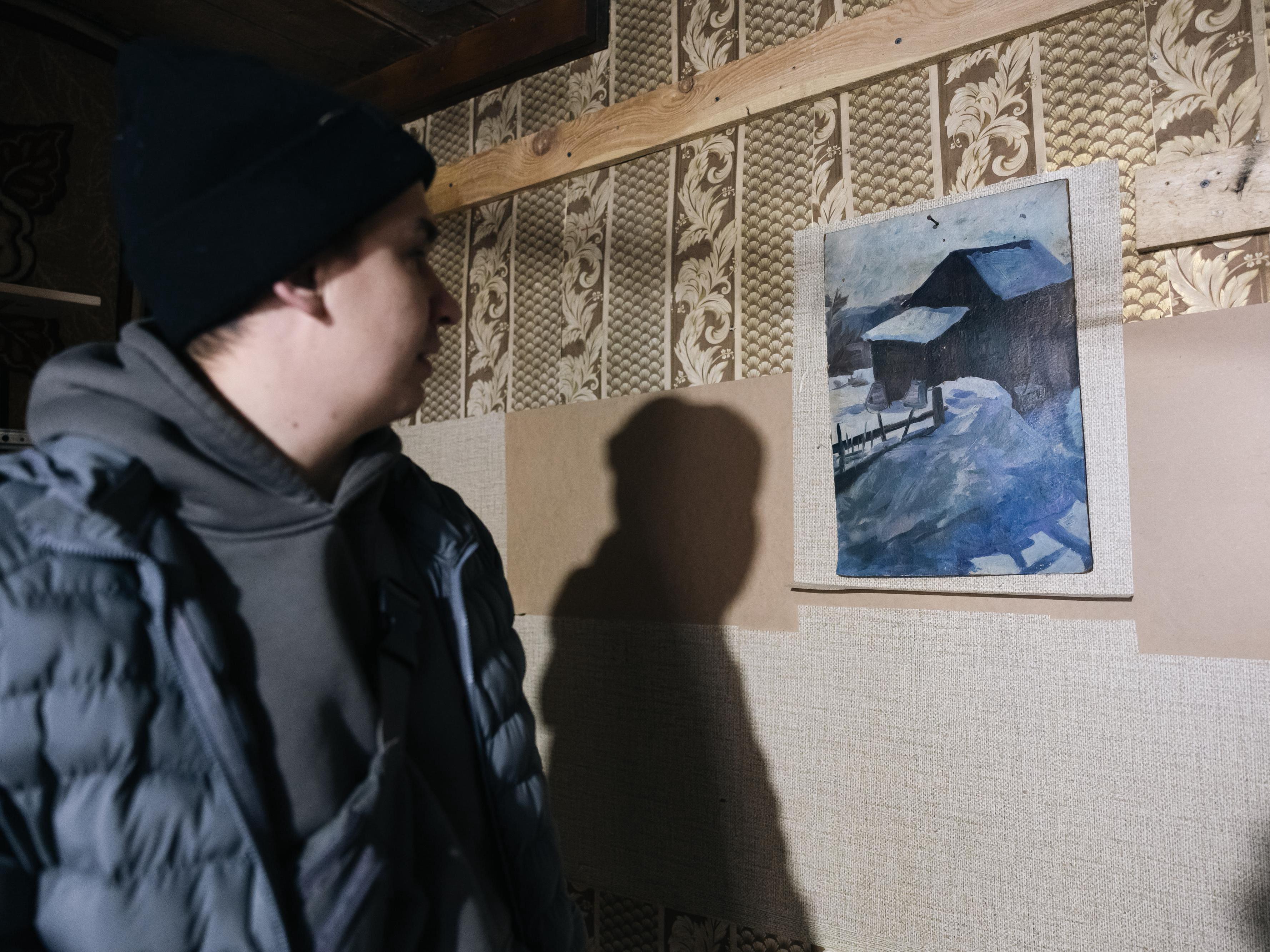
The house is very warm. Warmer than many apartments. The owners say it«s because of the electric heater.
«Actually, you need to heat the stove both morning and evening. Because usually you wake up in the morning — it»s already cold. But with this radiator, we only heat in the evening now. <...> But still have to heat because the radiator isn«t enough for the whole house, only for one room,» explains Oleg.
«Masha, take Begemot away, he»ll bite them now,» he abruptly interrupts.
«He«ll bite me too, you take him away,» his sister replies.
«They ripped out wiring and burned it right inside»
Many remember the block on Rossiyskaya because of the fires that raged here in 2021. The street, which previously had about a dozen private houses, quickly emptied out.
First, the house at 86 Rossiyskaya Street burned down. Then other huts followed. One death was reported. Earlier, the construction company Magnitostroy Trust, owned by Oleg Laknitsky, stated a desire to build a 55-story skyscraper on the private sector plot, broadly marked by the boundaries of Bratyev Kashirinykh, Rossiyskaya, Truda, and Beregovaya streets (not specified more precisely).
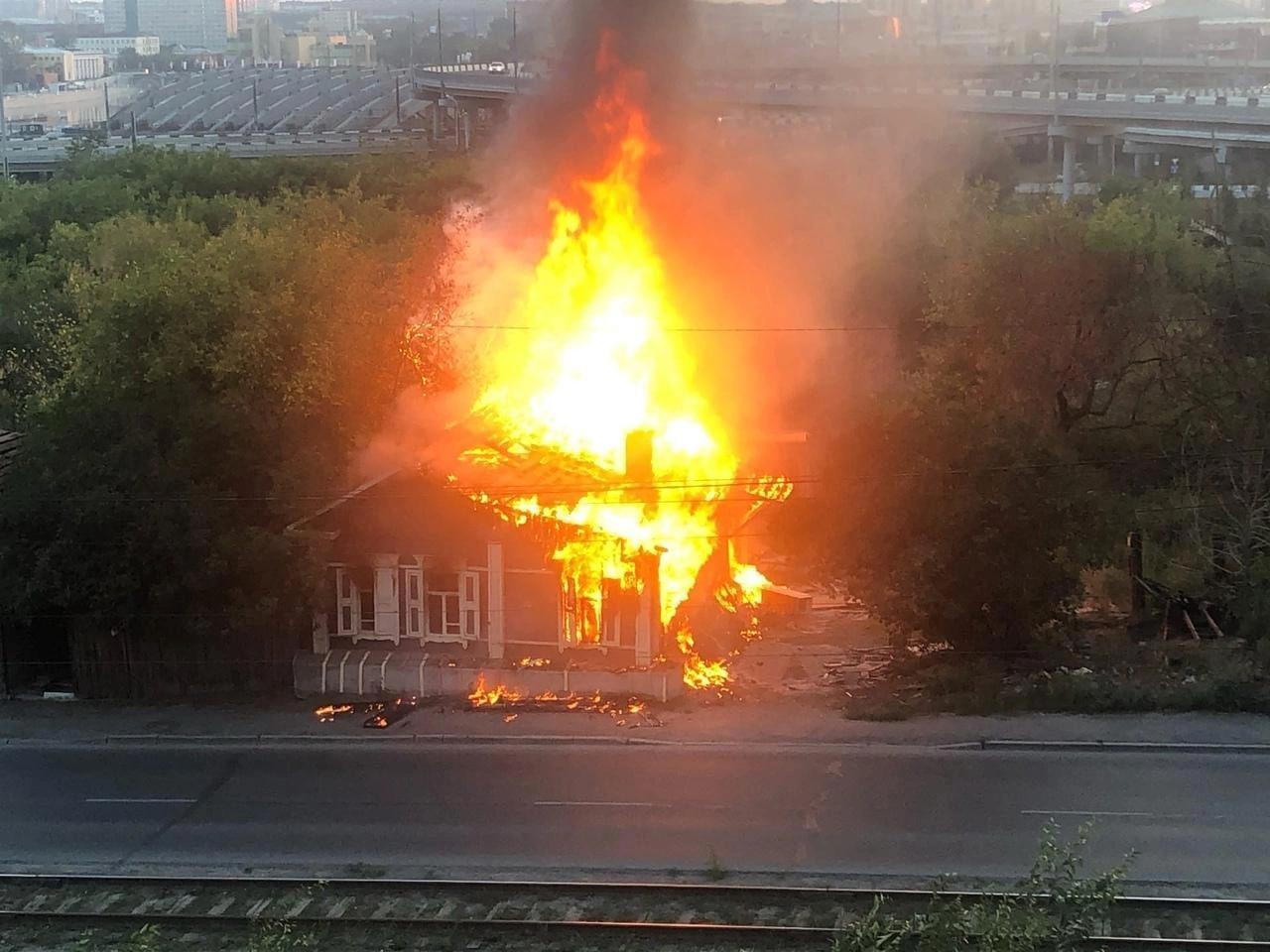
Social media users then drew parallels between these facts. Oleg doesn«t support this view and says that before the fires started, a person did come to them offering to buy the house.
«They offered us 1.3 million rubles (about $14,300 at current rates). They offered the neighbors more, but that»s not the point. What can we buy for 1.3 million? We wanted a two-room apartment in exchange for the house, but that money wouldn«t even be enough for a one-room,» he explains.
However, almost all the neighbors agreed: they moved to other housing and left the houses.
«As a result, the street stood abandoned. Homeless people started breaking into these houses. They ripped out wiring and burned it right inside to separate the copper. My dad and I went to put out fires twice because of these bonfires. But you can»t watch everyone. First, the hut one over from us burned down. We saw kids climbing there — maybe they set it on fire. Then another house burned down. Then another one, where two homeless men were drinking, one died there,» recalls Oleg.
At the same time, according to him, by the time of the fires, all the houses had already been bought out, no owners were inside.
«I think it«s not because someone set them on fire on purpose. Just the houses stood unguarded, and anyone could break in,» Oleg shares his opinion.
He says it wasn»t scary then, even though it burned almost every evening nearby:
«Why would we be scared? We lived and lived. It wouldn«t spread to us — it»s too far. Except we constantly called the fire department, that«s quite an experience. <...> None of those homeless people broke into our place — they were afraid because the lights were on in the evenings.»
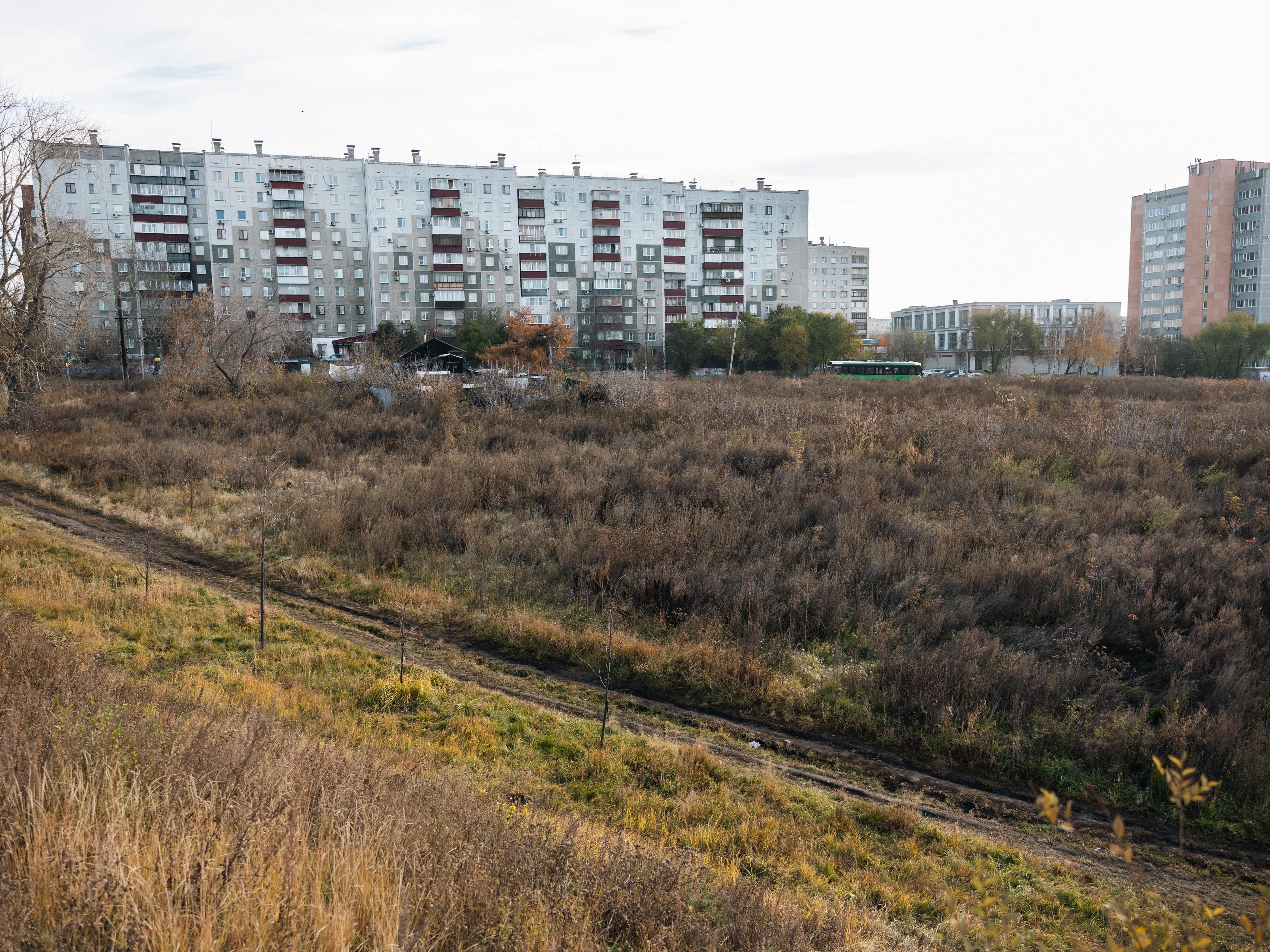
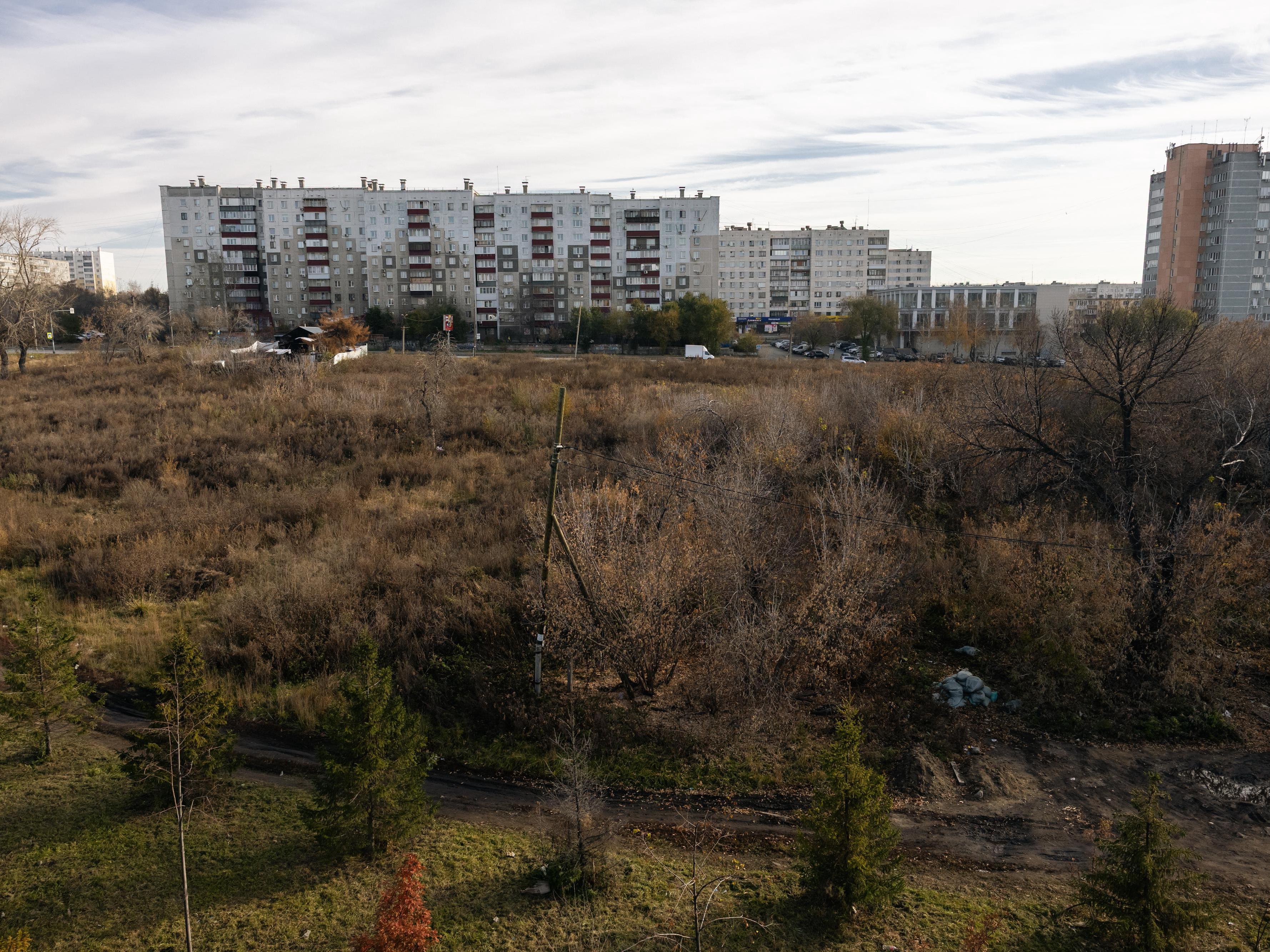
However, the fires ended, a vacant lot appeared nearby, and the chances for change for the residents of the house on the edge of the former block aren»t visible yet.
«Where would we go from here? They only offered us that million, no other offers. We live while we can,» concludes Tatyana Ivanovna.
Read also the 74.RU report from Liteynaya Street, where small wooden houses, as if left from another era, closely neighbor tall new buildings. People still live there too, trying to preserve their way of life as 40 years ago. We spoke with old-timers and learned what the place was like in the 90s and how they have to survive now.