Oncologist: Ignoring These Cancer Symptoms Can Be Fatal

Colorectal cancer is one of the most common types of malignant tumor. In Yaroslavl Region, mortality from this disease remains high.
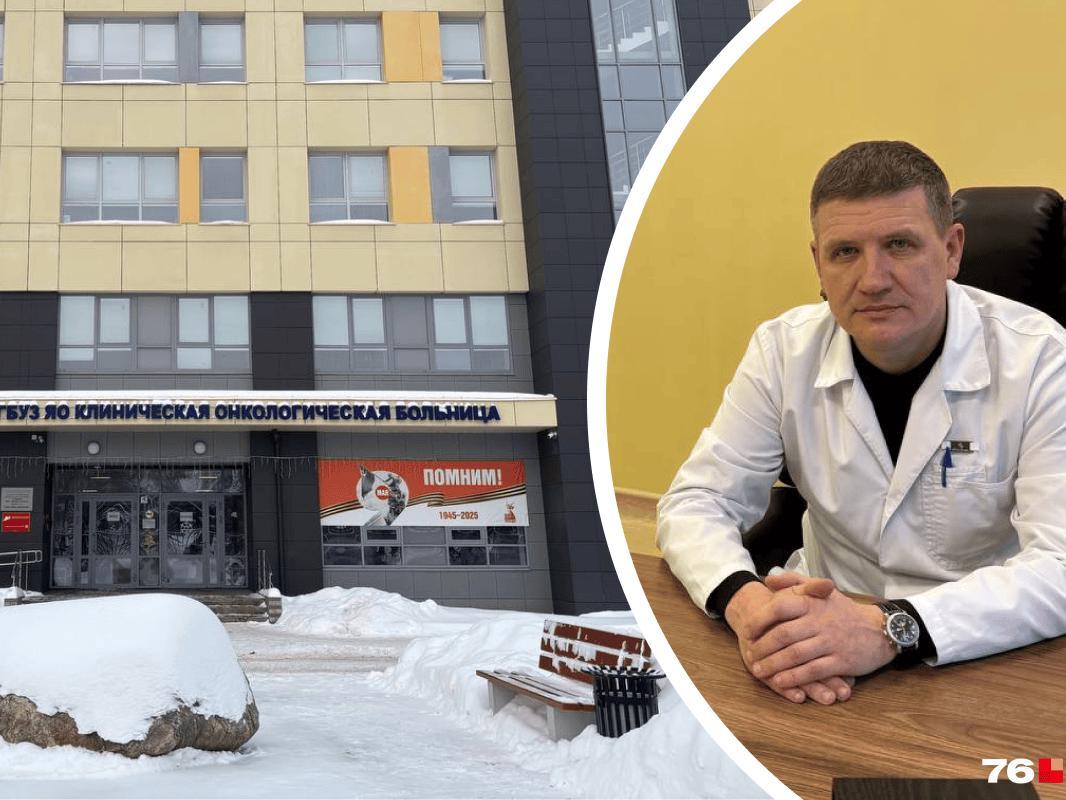
Pavel Nesterov, Candidate of Medical Sciences, chief physician of the Yaroslavl Regional Oncological Hospital and chief freelance oncologist of the regional Ministry of Health, explained which symptoms to be wary of and why it«s necessary to undergo free screening even without health complaints.
What is colorectal cancer
Colorectal cancer is a malignant tumor that arises and develops in the large intestine — the colon and rectum. The specialist explained that this is the part of the digestive tract where final digestive products are formed and excreted from the body.
«Most often, of course, elderly people face this disease. However, in our daily clinical practice, we are increasingly encountering quite young patients: 39 years old, 40 years old, 45,» said Pavel Nesterov.
On average, about 6,500 cases of newly diagnosed malignant tumors are detected per year in Yaroslavl Region. Approximately one-seventh of this number accounts for colorectal cancer.
In 2025, 1,142 cases of colorectal cancer were identified in the region.
At the same time, according to the oncologist, it cannot be said that colorectal cancer is «getting younger,» since statistically, the peak incidence occurs in the age group of 60–65 years.
«Colorectal cancer in our region is among the top five in terms of the frequency of malignant neoplasms. There are probably no fundamental differences in gender composition. Both men and women get sick. As for mortality from colorectal cancer, this disease is also at the forefront. Year after year, statistics change slightly, but third to fifth place in the structure of mortality from malignant neoplasms in Yaroslavl Region is colorectal cancer,» said Pavel Nesterov.
The oncologist explained that the earlier the disease is detected, the easier it is to treat. This applies to all types of malignant tumors.
«If we analyze statistics, clinical recommendations, therapeutic approaches, then about 80% of malignant neoplasms can be effectively treated if they are detected at early stages,» said Pavel Nesterov.
«For this, a lot is currently being done. The list of medical, preventive approaches is expanding year by year. Because it is much easier to prevent a disease or detect it at an early stage than to treat an advanced form of the disease. And early diagnosis of malignant neoplasms is precisely that prevention,» the oncologist said.
Why colorectal cancer develops
The oncologist explained that if there are risk factors under which the disease can develop, then at the screening stage, they can be eliminated. In this case, the situation will not worsen.
«The main risk factors for colorectal cancer are age over 50, chronic inflammatory bowel diseases (ulcerative colitis, Crohn»s disease), obesity, a sedentary lifestyle, and also dietary habits — a diet rich in red meat, poor in fiber. Smoking and alcohol abuse, the metabolites of which, after being processed in the liver, negatively affect the mucosa of the large intestine,« the oncologist said.
According to the oncologist, when consuming meat products, moderation is needed, not turning into deficiency.
«A golden mean is needed. There is a common opinion that the best prevention of colorectal cancer is a fruit and vegetable diet. That is, the more vegetables and fruits — plant fiber — enter the body, the better the intestine functions. Digestive masses do not linger, there is less impact of waste toxins on the mucosa of the large intestine,» said Pavel Nesterov.
The best prevention, according to the doctor, is giving up bad habits, moderation in nutrition, and regular physical activity, since the more actively a person moves, the better their body functions, including the digestive tract.
Symptoms of colorectal cancer
According to the oncologist, one should pay attention to their stool. For any disturbances in intestinal function, a doctor should be consulted.
«Constipation, bloating in the abdomen, cramping pains. Well, and, of course, visible blood in the stool. But bright red blood in the stool may not necessarily be a sign of a malignant tumor in the intestine. It could be an exacerbation of hemorrhoids, Crohn»s disease, or other intestinal diseases. But if such symptoms appear, then don«t delay, no miracle will occur, you must definitely see a doctor,» said Pavel Nesterov.
Also, according to the specialist, malignant tumors of the large intestine are one of the main causes of so-called asymptomatic anemia. A condition characterized by a feeling of general weakness, apathy, malaise.
«A person goes to the doctor, gets tests done, and in the blood, even if not significant, but a decrease in hemoglobin is detected. Sometimes significant. In this case, first of all, the digestive tract should be examined. Because these tumors constantly bleed slightly, and the person loses hemoglobin,» the oncologist said.
Does hemorrhoids provoke cancer development?
Hemorrhoidal disease is a fairly common problem. But the oncologist assured — it does not provoke the development of colorectal cancer.
«Hemorrhoidal nodes are vascular and venous plexuses located at the exit from the rectum, around the anus,» the oncologist said.
How to get checked for colorectal cancer for free
In Yaroslavl Region, there is a colorectal cancer screening program. That is, examinations of healthy people, aimed at detecting signs of malignant neoplasms at an early stage.
According to the oncologist, residents of Russia who have reached the age of 40, under the dispanserization program, should have a fecal occult blood test every two years.
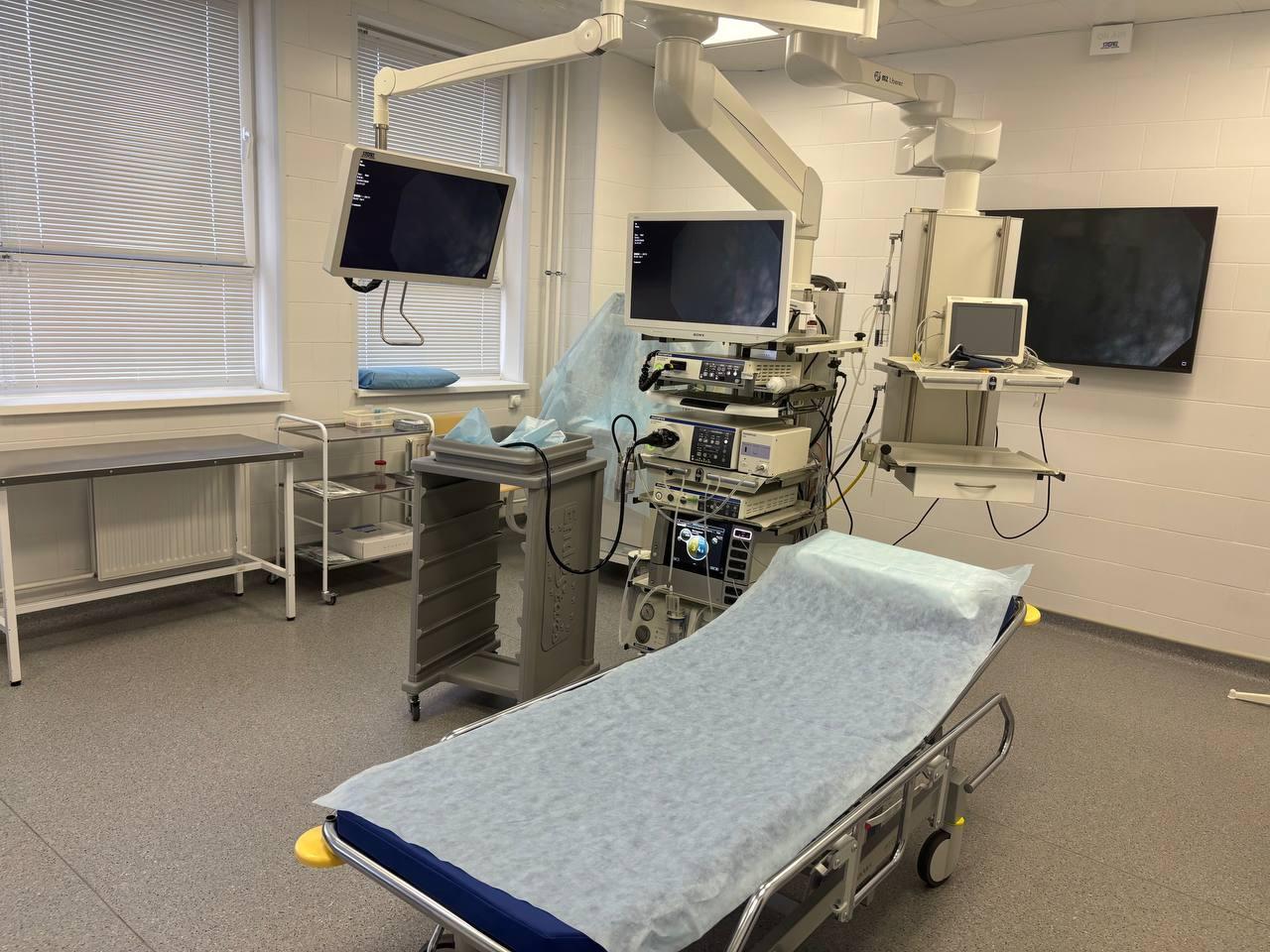
«And if this test is positive, that is, traces of blood are found in the stool of a healthy person, then the person is indicated for an examination of the large intestine — colonoscopy. This is an endoscopic examination of the colon for visual assessment of the mucosa, detection of polyps, adenomatous formations or, in extreme cases, malignant tumors,» said Pavel Nesterov.
In March 2025, a centralized laboratory was opened at the Yaroslavl Regional Oncological Hospital, where stool samples from all medical institutions in the region are sent.
«At the same time, if a positive test for occult blood is detected, the medical organization to which the patient is attached is notified, the patient is contacted, invited for an appointment, and referred for colonoscopy. All this is performed under mandatory health insurance,» the oncologist said.
Since its opening, the laboratory has performed several tens of thousands of tests. Thanks to this, more than a hundred cases of tumor pathology of the large intestine were identified. All patients were successfully treated.
But, according to Pavel Nesterov, there is a problem: many refuse colonoscopy even when they learn about the disappointing test result.
«»Perhaps this is due to a lack of information. Perhaps it«s a lack of time. Perhaps fear of undergoing colonoscopy. But this is the wrong approach, because if there is hidden blood in the stool, then there is a problem that could result in the presence of a malignant tumor, and then both time and fear of the examination will take a back seat,»« said Pavel Nesterov.
That is, residents of the region have the opportunity to undergo the procedure while unconscious.
«The topic touched upon today is extremely important since it has long been proven that colorectal cancer is a »manageable« pathology. And a working screening program allows reducing the risk of death from this disease by 50–60%,» said Pavel Nesterov.