"It's a buzz, not fear": why safe ice floating is possible
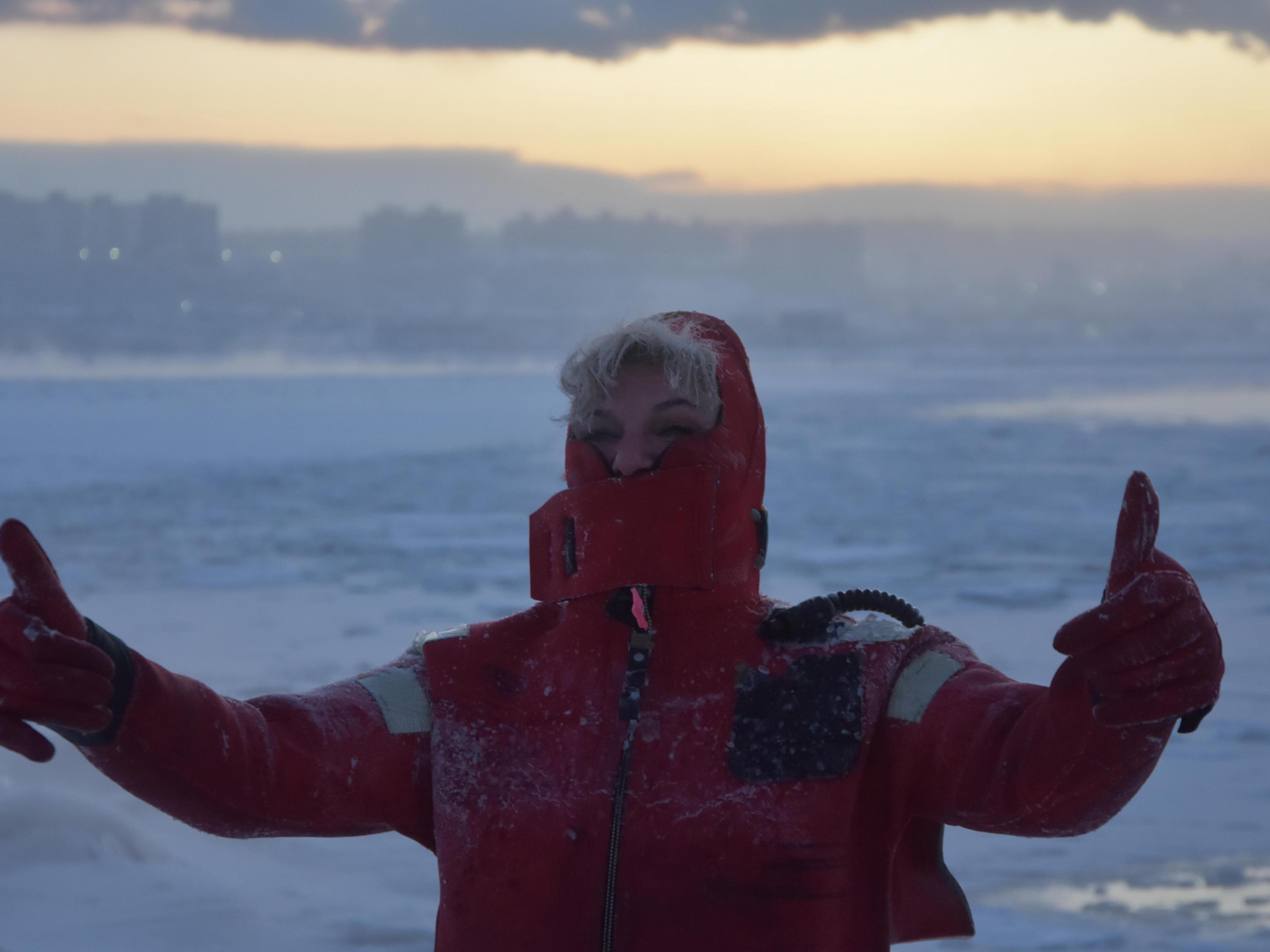

A tragedy on the Tula River in the Murmansk region has called the safety of ice floating—a new and popular winter activity—into question. However, participants in such programs claim that with proper organization, this format can be comfortable and safe. Anna Pavlova, the Northwestern Federal District representative for the Rosmolodezh (Federal Agency for Youth Affairs) community of young entrepreneurs, shared her experience.
Anna Pavlova participated in ice floating twice in Murmansk—at Pribrezka, in a shallow water area. According to her, the key difference of the safe format was a strict safety system and constant instructor supervision.
All participants were in sealed drysuits, similar to those used on ships. Each was tethered by a safety line to the shore, and an instructor in special gear was constantly in the water. They monitored the group«s condition and controlled the time spent in the water.
According to her, the decisive safety factors were proximity to the shore, safety lines, and the constant presence of a professional instructor. Experts and market participants believe it is precisely the absence of these elements that turns ice floating from a tourist attraction into a dangerous experiment.
We previously reported in detail on what will happen to ice floating across the country after the tragedy in the Murmansk region.