Chita Residents Share Sharply Higher Utility Bills from TGC-14 for January
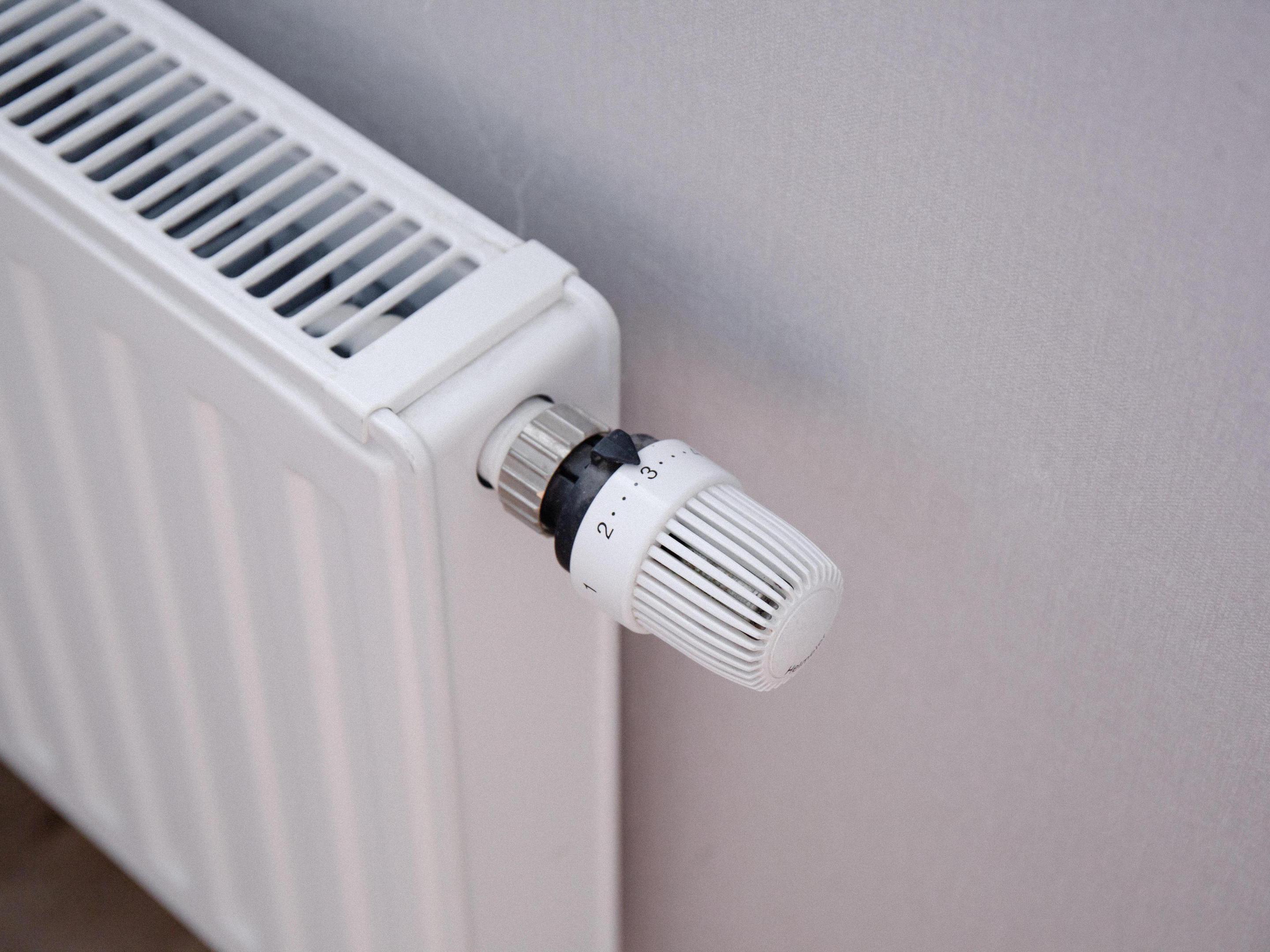

Sums in receipts from TGC-14 for January 2026 have sharply increased for residents of Chita. Several city residents informed a Chita.Ru correspondent of this on January 30.
Earlier, it was reported that tariffs for hot and cold water, sewage, and heating increased in Zabaykalsky Krai from January 1, 2026, due to a rise in the VAT rate from 20% to 22%. The tariff growth averaged about 1.6–1.7%. According to TGC-14, the cost of 1 Gcal increased from 2,348.02 to 2,387.15 rubles (approximately $24 at current rates) (+1.67%). The heating fee per square meter increased from 54.94 to 55.86 rubles (approximately $0.56 at current rates) (+1.67%).
«Did everyone get a cosmic bill for January? This is the first time for me. I specifically looked at the previous two years,» said one of the publication«s interviewees.
According to another city resident, in November she paid 2,021 rubles (about $20 at current rates) for heating, in December — 2,569 rubles (about $26), and in January already 3,086 rubles (about $31). Whereas last January for the same apartment it was 2,367 rubles (about $24).
The editorial office of Chita.Ru in its Telegram channel asked city residents if they noticed a sharp increase in amounts in receipts from TGC-14. Subscribers started sharing their examples: «65 square meters — 5,900 ruble payment (about $59 at current rates), with barely alive batteries»; «5,800 rubles for 69 sq. m (about $58), almost 2,000 rubles more than last month. TGC says: »And what did you expect? Almost 40 degrees Celsius (104°F) all month and they heat more! Contact your management company if you«re cold»«; »In 2025, for heating without hot water, it was 5,384 rubles for January (about $54). In 2026 for January 7,461 rubles (about $75). That year we thought it was a lot, but this year it«s terrrrible!!! 72.4 square meters.»
TGC-14 informed a Chita.Ru correspondent on January 31 that if a building has a common building meter (ODPU), then January bills will indeed differ significantly from November«s.
«In buildings with ODPU, the calculation is based on actual consumption. The meter is in the basement and counts every gigacalorie that enters the building. The logic is simple: the colder it is outside, the hotter the water in the pipes must be to prevent the building from cooling down. ODPU records this volume,» the company noted.