Krasnoyarsk Orphans Seek Friends Through Mentorship
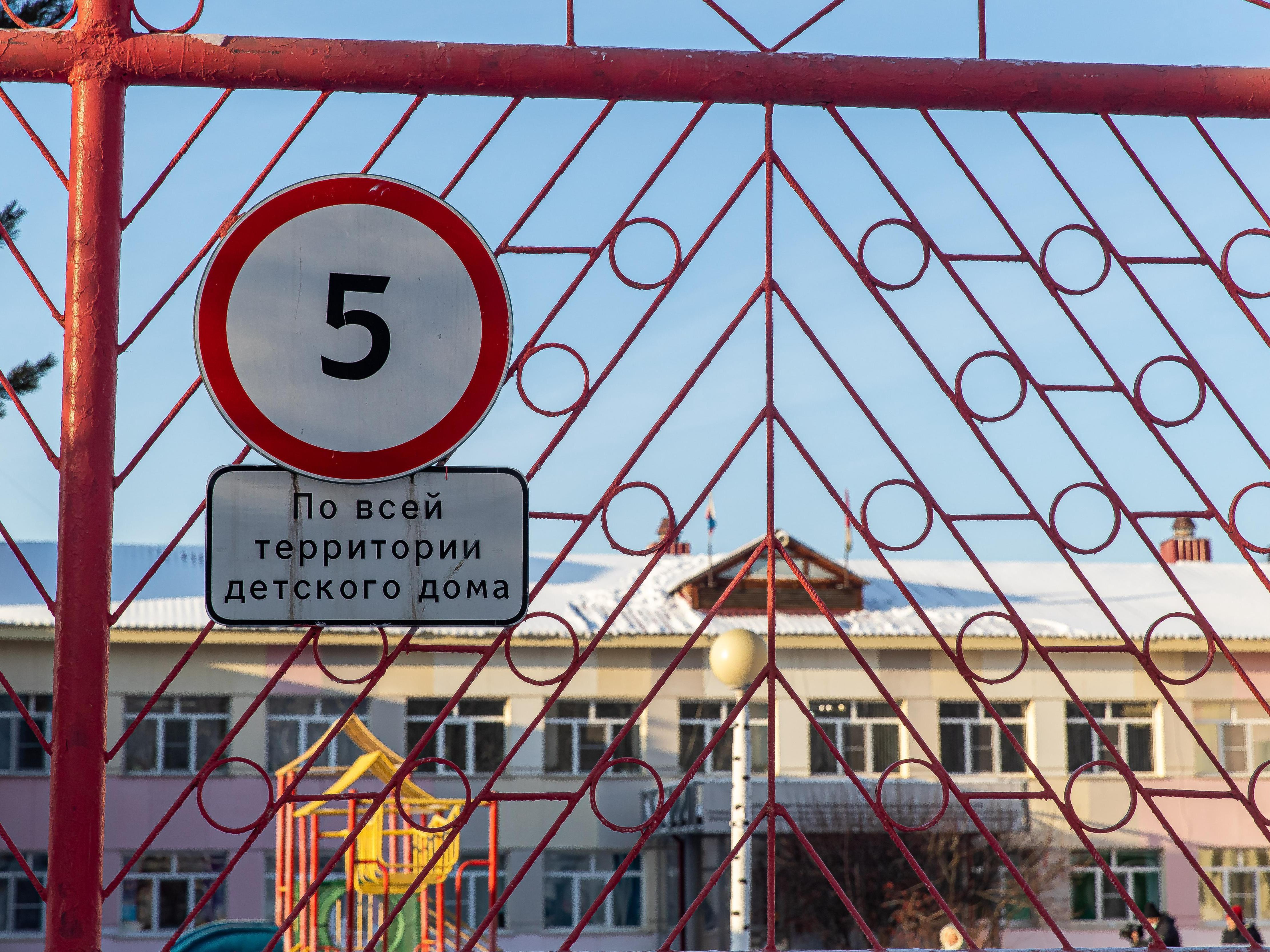

Not a mother or father, not a caregiver or sponsor, but an older friend and reliable companion — in Krasnoyarsk and other cities in the region, a mentorship system for children from orphanages is being developed. NGS24.RU correspondent Svetlana Chernushevich spoke with the mentorship program coordinator at the Krasnoyarsk center «Vse Svoi» Vasilina Stepanova, and learned what simple things the children in orphanages lack, why a boy«s mentor does not always have to be a man, and how to become a mentor yourself.
«Most Children in Orphanages Are Teenagers»
— We need to understand that when we say «children,» it is a very diverse age. It could be eight years old, or, say, 17.5 years old — on the verge of graduation. And everyone needs mentors. Now, orphanages are mostly teenagers. Fortunately, there are few young children there now, because they are more readily taken into foster families, — says the development director and key person in the mentorship program at the Vse Svoi Center, Vasilina Stepanova.
Vasilina Stepanova«s own story with mentorship is very personal. It began in 2011, when she, then a philology student, came as a volunteer tutor in Russian to one of the orphanages, and soon discovered that »the children there do not need Russian language as much as they simply need attention.« Soon, a group of enthusiasts emerged, willing to devote time to children in care institutions. And after 14 years, this initiative grew into a center for social and psychological support.
— An orphanage is as if a person remained forever in a children«s camp or a children»s sanatorium, — says Vasilina Stepanova. — Every day you have a schedule, you live next to some other children whom you did not choose. They are not your relatives, they are not your friends, you just live because circumstances have turned out that way, that you all need somewhere to live, because your parents could not. And in this situation, of course, children do not acquire the skill of one-on-one communication.
The Krasnoyarsk center «Vse Svoi» provides comprehensive assistance to pupils and graduates of orphanages and psychoneurological boarding schools, prevents social orphanhood, and helps families in difficult life situations and crises.
— A caregiver [in an orphanage] is a person who must organize all processes. Ensure that the children have lunch on time, that they do their homework, check their homework, send one to one club, another to another club. If they quarrel, make sure the children do not injure or kill each other, reconcile them in the end. A caregiver has a lot of organizational work. Really a lot, — explains Vasilina Stepanova. — It is clear that caregivers try to talk with the children, but such quality attention, where you can sit down and have a heart-to-heart talk in private, is physically impossible to provide there, because the conditions are like that. You are a caregiver — you sat down to talk with one, and something happens to another. Most likely, you will switch to the one who has something happening right now.
Clause 34 of the Decree of the Government of the Russian Federation of 24 May 2014 No. 481 «On the Activities of Organizations for Orphans and Children Left Without Parental Care, and on the Placement of Children Left Without Parental Care in Them»:
Educational groups are formed primarily on the principle of joint residence and stay in a group of children of different ages and health status <…>.
— And also, children understand that caregivers, one way or another, are people who are here because it is their job. And many of our [participants in the mentorship program] children, now rarely, but a few years ago quite often asked: «Do you get paid for coming to us?» They even had such a myth that volunteers do not have to pay utilities, and that is why volunteers come to them, — shares the experience of the mentor of mentors for children from orphanages. — That is, it is very difficult for children to believe that someone can come to them simply because they are important, interesting, that someone wants to be friends with them, because these are children who were essentially abandoned by the closest people — their parents.
Clause 35 of the Decree of the Government of the Russian Federation of 24 May 2014 No. 481 «On the Activities of Organizations for Orphans and Children Left Without Parental Care, and on the Placement of Children Left Without Parental Care in Them»:
The number of children in an educational group [of organizations for orphans and children left without parental care] must not exceed 8 people, and for those under 4 years old — 6 people.
— Some were refused, some were taken away, — continues Vasilina Stepanova. — But children begin to understand — my parents, say, found alcohol more important than me, and it turns out that I am not needed by anyone at all. And when someone suddenly comes to such a child and says: «No, I am here specifically for you, I need you, I am interested in you, I will try to build good relations with you and this is for the long term» — this, of course, is of great value, and this cannot be compensated in any way within the system, because a person needs a person, it is necessary that someone comes who really cares, for whom this is a sincere interest, and not some obligation.
«The Ability to Talk and Communicate Is, Of Course, Very Important»
— We are not looking for the ideal child of their dreams for each potential mentor. We do not have such, — says Vasilina Stepanova right away when it comes to who a mentor is. — We are looking for each child who is having a hard time now, who lives in an orphanage, that mentor who can support them, who will not abandon them. In this sense, when we talk about a responsible adult, a sensitive adult, this adult really realizes that there may be some difficulties, but they are ready to cope with them. And they come to help the child, to be with the child, even if it is sometimes difficult. And not because there is some internal deficit of their own.
Thus, the specialist notes that potential mentors who have no social connections, who are very lonely themselves — this is a risk group.
— A person has no experience of close relationships, and the child has no experience of close relationships, they also do not know how to build them. We will introduce them, and most likely, it will be another disappointment for both, because one does not know how to respond, and the other does not know how to respond, — says Vasilina Stepanova. — We do not necessarily need the person to be super successful in their profession, we do not care about marital status, income level — this does not matter at all. But the ability to talk, the ability to communicate, of course, is very important. And the ability to take responsibility, to be a reliable person, and not one who came a couple of times and then said — «no, I do not have time for this after all, I am not interested in this».
To prevent this from happening, the center conducts individual interviews with a psychologist for mentor candidates — this is, among other things, an opportunity for the candidate themselves to better understand themselves and their motivation.
— There are cases when something happens in the mentor«s life, and it seems that in these circumstances it is very difficult to be a mentor. For example, moving to another city. Or, for example, we had cases when a mentor, after meeting the child, learns of her pregnancy, and now the time is approaching when there will be an infant in her arms, — names an example of a potentially difficult situation Vasilina Stepanova. — It is clear that there was a pause for some time, when communication was mostly by phone, by video call. But then many calmly walked with their charges and with a stroller, and the children from the orphanage — younger friends — with great joy told: »My mentor has such a little daughter. She has already learned to roll over. She has already said her first words. She recognizes me.« This is also important to them, they can quite be included even in such stories.
In case a mentor moves to another city, the child is asked if they want to be matched with a new mentor — for in-person meetings.
— It happens very differently. Many say: «Yes, I would like another mentor, so that someone would come, visit,» but there are children who say: «No, I already have a mentor, I do not need anyone else, we will communicate by video call,» — tells Vasilina Stepanova. — We have a story where the children on a hike [a collective hike for children and mentors — Ed.] simply turned on the video call, and the mentor from another city as if went on the hike with us via video call.
«What Do You Mean, Tea Is Poured for Free Everywhere»
— Now orphanages are very well equipped, there is no such deficit of clothing, food, children are taken to the movies. Moreover, now in many orphanages even kitchens have appeared, where children are taught to cook in special lessons, — tells about her experience working with care institutions Vasilina Stepanova. — But, at the same time, even if we talk about the kitchen, very few orphanages can afford to give a child money, send them to the store and say: «Well, decide for yourself what you will cook today,» and calmly observe their unsuccessful attempts. And a mentor can do such things. It is clear that by supporting, helping, but still: «Let»s choose what we will cook today? We will go to the store together, you will choose the products, and we will cook with you«.
Orphanages are even ready to let mentors into their kitchens, says Vasilina Stepanova, so that children get a qualitatively different skill.
— It happens, for example, that our children come to the store and say: «Oh, it turns out there are three types of onions. Which one is correct to take?» Or: «How to weigh something?» Because there is no such skill. That is, yes, they have been to stores, of course, but they went there for a chocolate bar or for ice cream. And they never paid attention to onions, — explains the mentorship program coordinator. — Or you start talking to them about money — how much a kilogram of potatoes costs. Children sometimes have the idea that a kilogram of potatoes probably costs 150–300 rubles (approximately 2–3 USD at current rates) — «Shall we go and look?» And they are very surprised by such ordinary things.
At the «Vse Svoi» center, the rule «one mentor — one child» applies. The point is that the mentor can give the child enough quality time.
Mentors often teach children to navigate the city — many children have problems with this, because they are usually driven as a group on the orphanage bus.
— Near the orphanage, they got on the bus, went somewhere, all got out together. They do not use public transport very much. And it is clear that children who, for example, lived in a family for a long time, and then were taken away in their teens, have no difficulties with this. But those who have been in the system from an early age, they sometimes even get confused and do not understand that, for example, we arrived by bus at some stop, and to go back, we need to cross the road, get on a bus going in the opposite direction. And they sometimes have the idea that «well, we were dropped off here, we should get on here, and we will be taken back». Because that is how the orphanage bus works, — concludes Vasilina Stepanova.
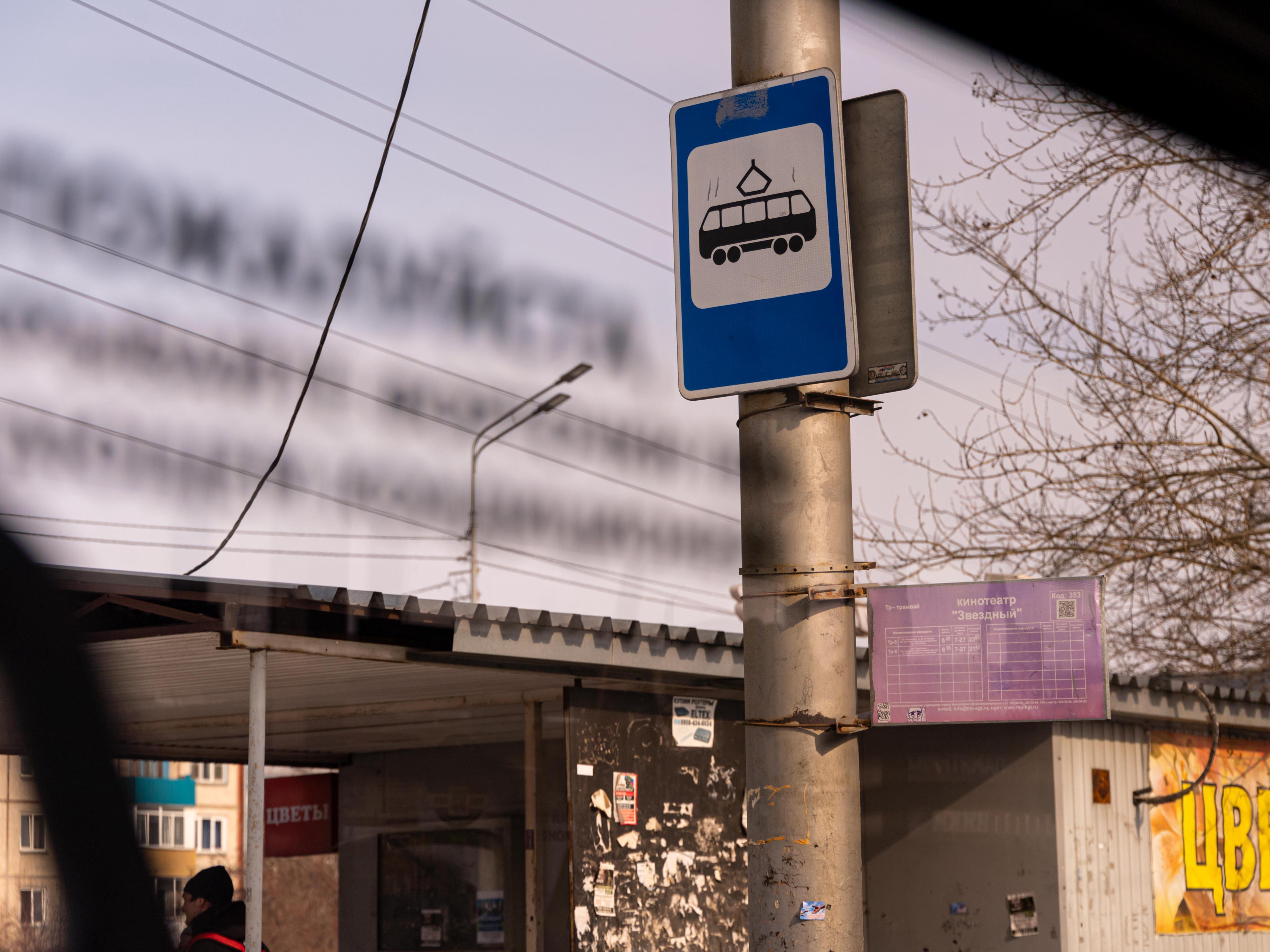
— Or there was such a story a couple of years ago, a mentor shared, — continues our interlocutor. — She says, we went for a walk, and the girl charge suggests: «Let»s go have some tea,« the mentor replies: »Well, listen, we do not have these expenses planned in the budget today.« She [the girl] says: »What do you mean? Tea is poured for free everywhere. In every canteen, tea is definitely poured for free.« And she was very surprised when they entered, she asked if tea was available, and she was told: »Well, for money you can, but for free, definitely not.« And the child had such a revelation that, wow, it turns out that only in the orphanage is tea poured for free in the canteen.
«The Mechanics of Matching Pairs Is Quite Complex»
Answering the question of whether it happens that a mentor and a child do not get along, the mentorship program coordinator says that «this is quite rare, but it happens».
— Sometimes it is related to something that we cannot calculate at the stage of matching pairs. For example, when the mentor reminds the child of someone. Say, perfume, like an aunt with whom there were some bad relations. Appearance, like a mother, towards whom there is a lot of resentment. And immediately associations arise. This is something that cannot be calculated. And there are such situations when at the meeting, after the meeting, the child immediately says: «No-no-no, I do not want to communicate with this mentor.» We обязательно talk with the child about what happened. They really have their own explanations, and that is normal. And then we talk with the mentor, invite them for a repeat consultation with a psychologist, explain that it is not that they did something wrong, and we select a new pair, — tells about the process of resolving difficult situations Vasilina Stepanova.
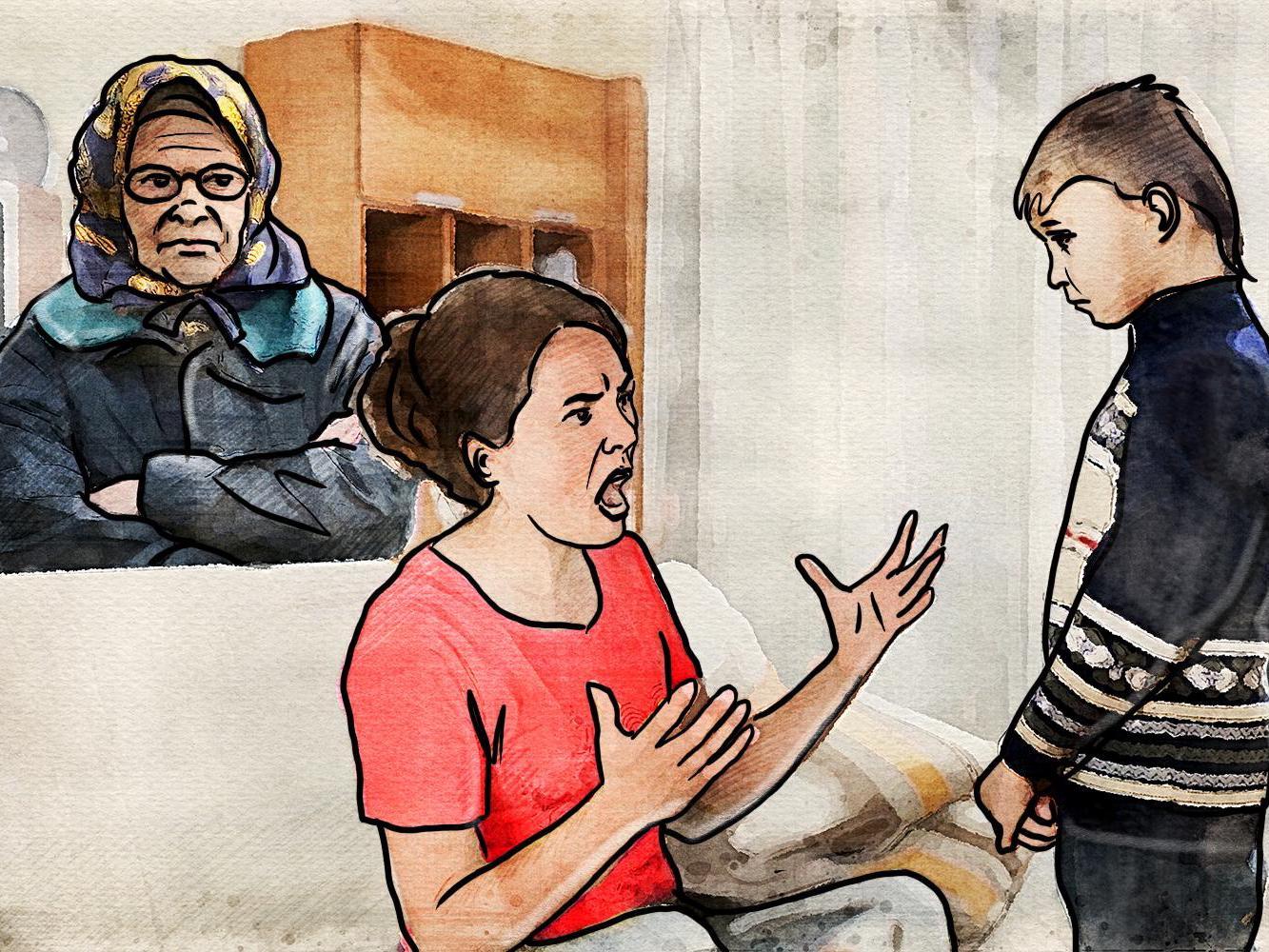
— But this happens quite rarely. Mostly pairs work out, because the mechanics of matching pairs is quite complex. This includes the child«s questionnaire, where they state their wishes for a mentor, and a characterization of the child, — explains Vasilina Stepanova. — Even observations at some events — who they are drawn to, who they are not. It is clear that I do not personally know all the children in the city, but many, yes. There is a characterization from either the caregiver or the psychologist of the orphanage — they certainly know their children best. There are the wishes of the candidate themselves. There is a recommendation from the psychologist after an in-depth interview with this candidate.
The future mentor is also observed during training — how the person opens up in the group, how they behave towards others. Based on all the stated factors, the candidate is offered one questionnaire — of a child for whom the candidate is the best fit. And, if the candidate is ready, the meeting takes place.
— Sometimes there are myths. This is a bit different, because we usually take into account the candidate«s wishes regarding the child»s gender, but, for example, there is a story — «Oh, I will only meet with girls. — Why? — Well, because girls are obedient.» We say: «Well, listen, girls are very different. Is it more important to you that it is a girl, or that it is an obedient child? And what does obedient even mean? How?» Because no one obeys 100% of the time. This, of course, is a whole process, so cases where it did not work out at the first meeting happen, but quite rarely, — assures Vasilina Stepanova.
«A Very Small Percentage of Men»
— We currently have literally two male volunteers, and in total about 80 pairs [volunteer-mentor], — says Vasilina Stepanova. — I cannot calculate the percentage so easily right now, but obviously, a very small percentage of men. And this number has not changed overall for 14 years already. There are always many times more women, and very few men come. And, of course, they are very needed, because we have guys, boys, who are very insistent — «I am waiting only for a male volunteer, I have male questions, I have male topics, I am surrounded by women anyway.» Because caregivers in the orphanage are predominantly women as well. And they really want some male communication, a male shoulder.
Our interlocutor, expectedly, observes a similar trend in the social sphere in general, including in charity. At the «Vse Svoi» center itself, women also predominantly work.
— What this might be connected with is difficult to answer, — says Vasilina Stepanova. — Probably because it is as if considered that everything related to children or care is more a female prerogative. Although, of course, this is not so, because any child, even in the sphere of care, very much needs men, due to the fact that they have a different view, they have different experience, they interact differently. And it is very important that men appear in these spheres. I do not have such a global answer to this question — «Why is that?» But the trend is obvious.
Obviously, women often become mentors for boys in orphanages as well. At the same time, among the boys themselves, there are those who categorically do not want their mentor to be a man.
— Many children have experience of abuse specifically from men. And we have guys, boys, who [ask for] only a woman as a mentor, definitely not a man. They are directly afraid of this communication, afraid that there will be a man, because they have such negative experience, — explains Vasilina Stepanova. — And boys are different. We have boys, for example, who enjoy weaving from beads, knitting, and are generally ready to talk for hours. And there are, for example, very athletic women — mentors who themselves go on multi-day mountain hikes, do sports, and understand cars. And, of course, the guys who are also such athletic, active ones, sometimes say that they have the coolest mentor.

— The only thing is, obviously, we never match a girl with a male mentor. This is impossible, — makes a special emphasis Vasilina Stepanova. — For obvious, probably, reasons. And also because male mentors are very much lacking. And if they do come, then, of course, to the boys — to those who specifically only want to communicate with a man.
«There Are About 80 Children in Each City»
According to statistics, those who are ready to become mentors are many times fewer than those who need a mentor.
— Currently, we have about 60 questionnaires of children who are specifically in Krasnoyarsk waiting for mentors, — says Vasilina Stepanova. — I emphasize specifically in Krasnoyarsk, because we also have volunteers in Esaulovo, Kansk, Minusinsk, Lesosibirsk. There, of course, the numbers will be many times different, because there is generally one mentor, but there are not just one child, of course — there are about 80 children in each city. And if about Krasnoyarsk, it is 60 questionnaires.
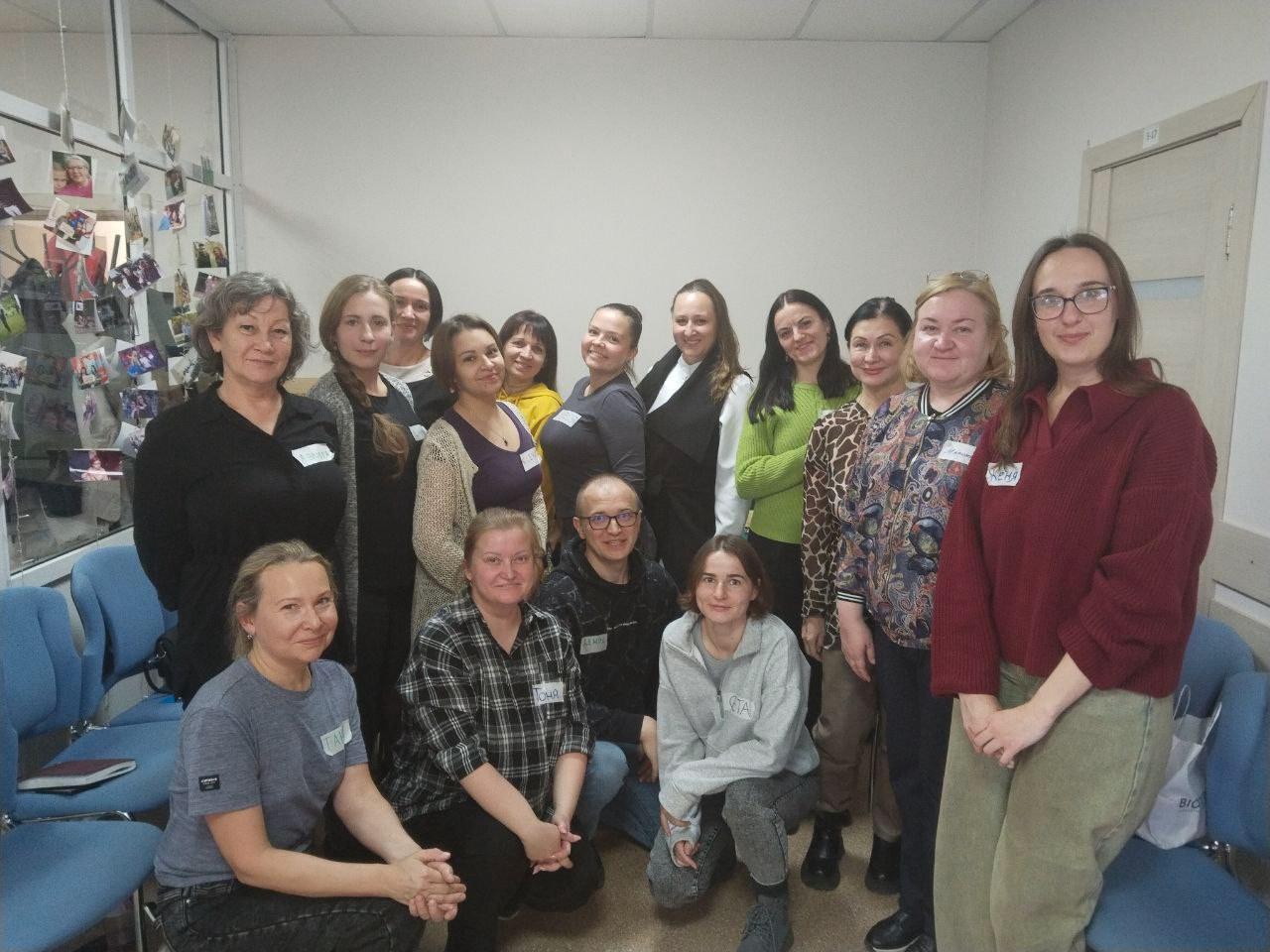
— About 10 candidates come to training per month, — says the key person in the mentorship program at the «Vse Svoi» center, Vasilina Stepanova. — Out of these 10 candidates for mentors, 2–3 people reach the children.
If you want to learn more about the mentorship program, or want to join the team of mentors at the «Vse Svoi» family and children assistance center, leave an application on the website vsesvoi24.ru. Perhaps you will become a new kind friend and older companion for a child who really needs it.
Earlier, NGS24.RU correspondent Svetlana Chernushevich spoke with the organizers of clubs and circles aimed exclusively at boys, to find out how they build the mentorship system there, and why, in the opinion of the organizers themselves, there is a demand for such an educational format in Russian society.