The Taste of Christmas: Symbols in the World's Sweets
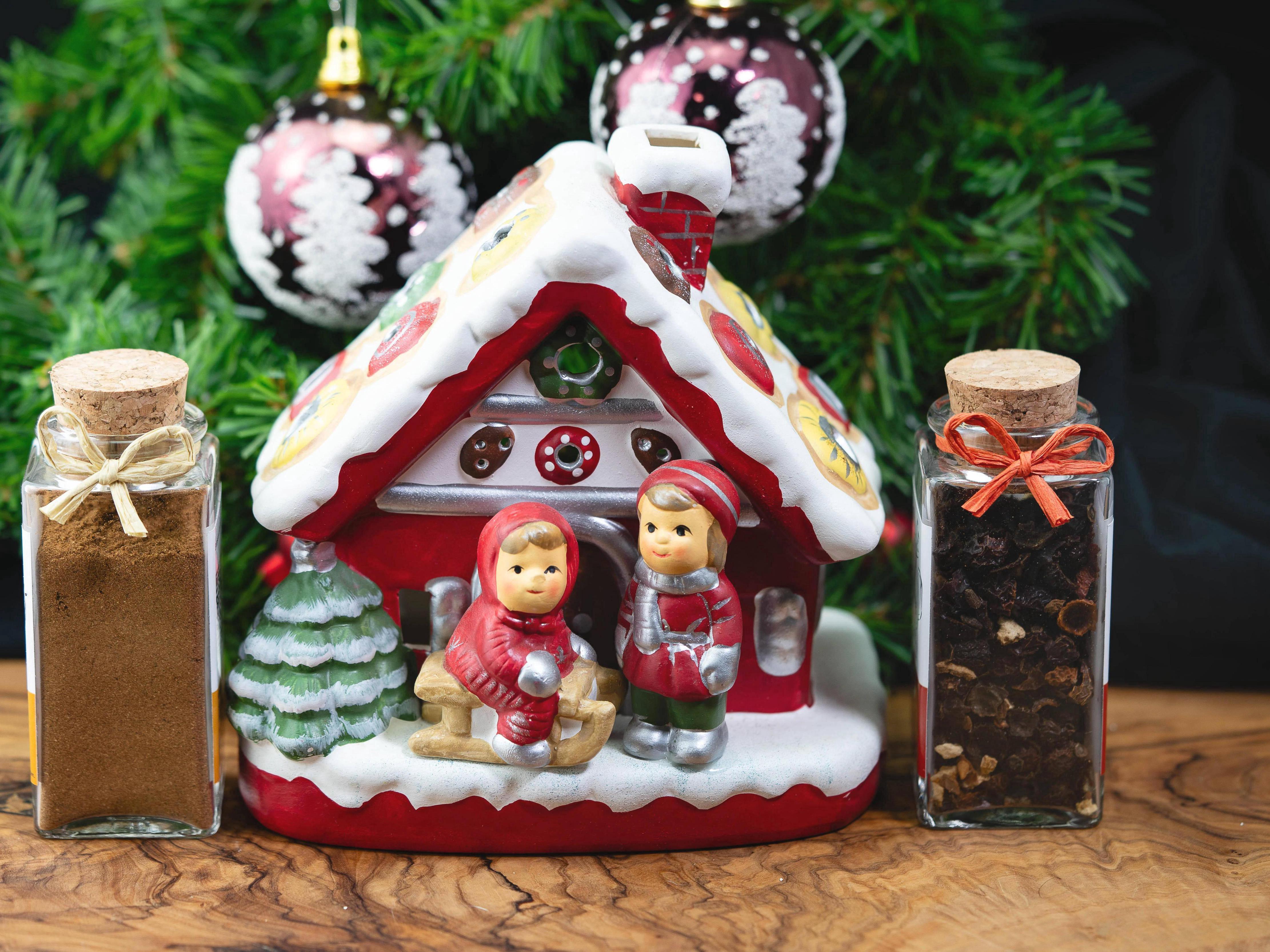

While in the Orthodox tradition the main sweet treat is often associated with Easter, in countries with Catholic and Protestant cultures, the feast of sweets occurs precisely at Christmas. Pastries of whimsical shapes, with deep meaning and sometimes surprising history, long before the abundant feast create that magical, impatient anticipation of the holiday.
Bethlehem Star
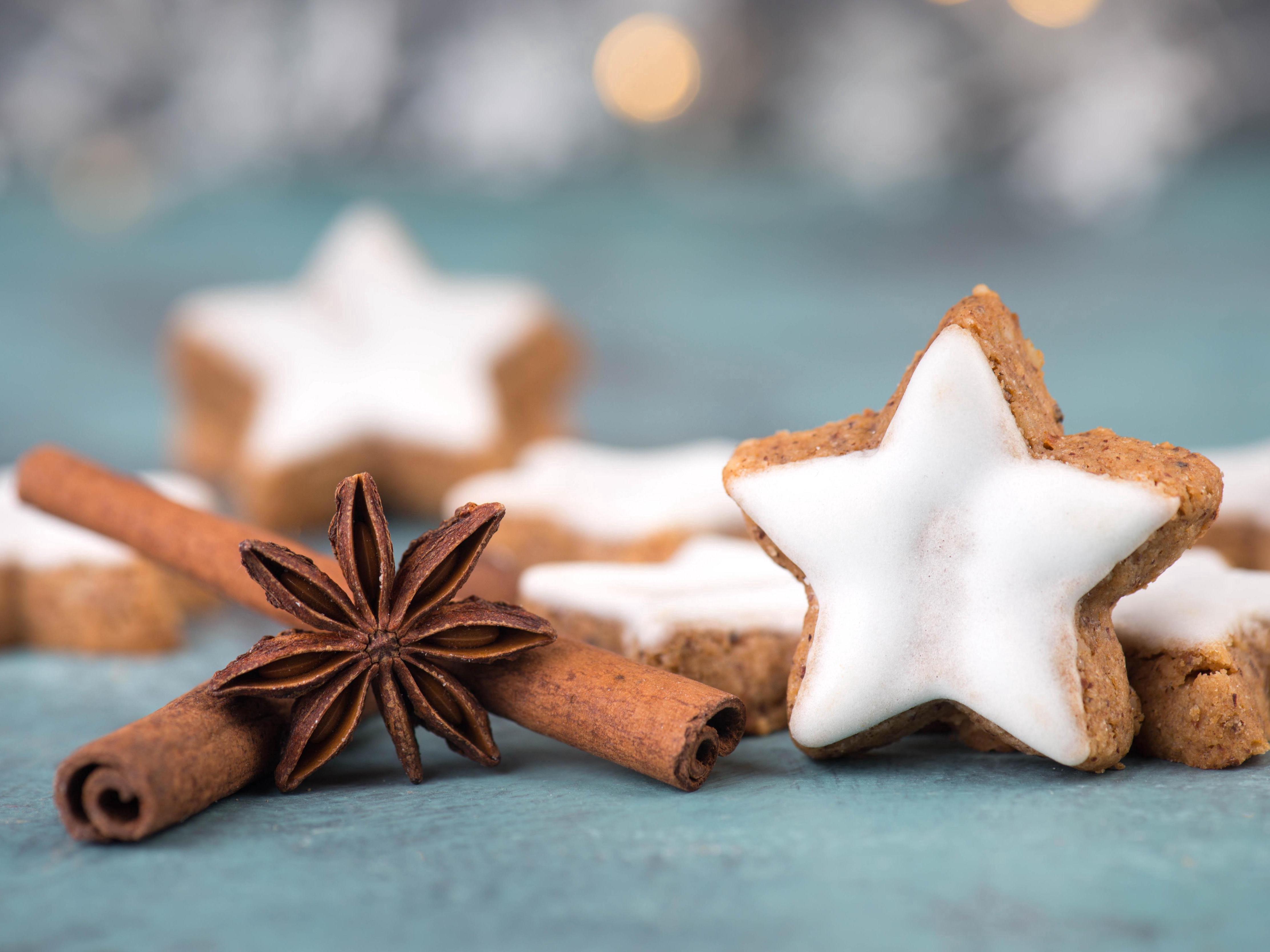
The Christmas table is unthinkable without pastries in the shape of a star, which refers us to the Star of Bethlehem that showed the way to the Magi. Since in the Western tradition this star was often identified with a comet, cookies are sometimes baked «with a tail.» However, the simple form is also widespread: for example, German almond cookies «zimtsterne» («cinnamon stars») without any tail create a cozy holiday atmosphere.
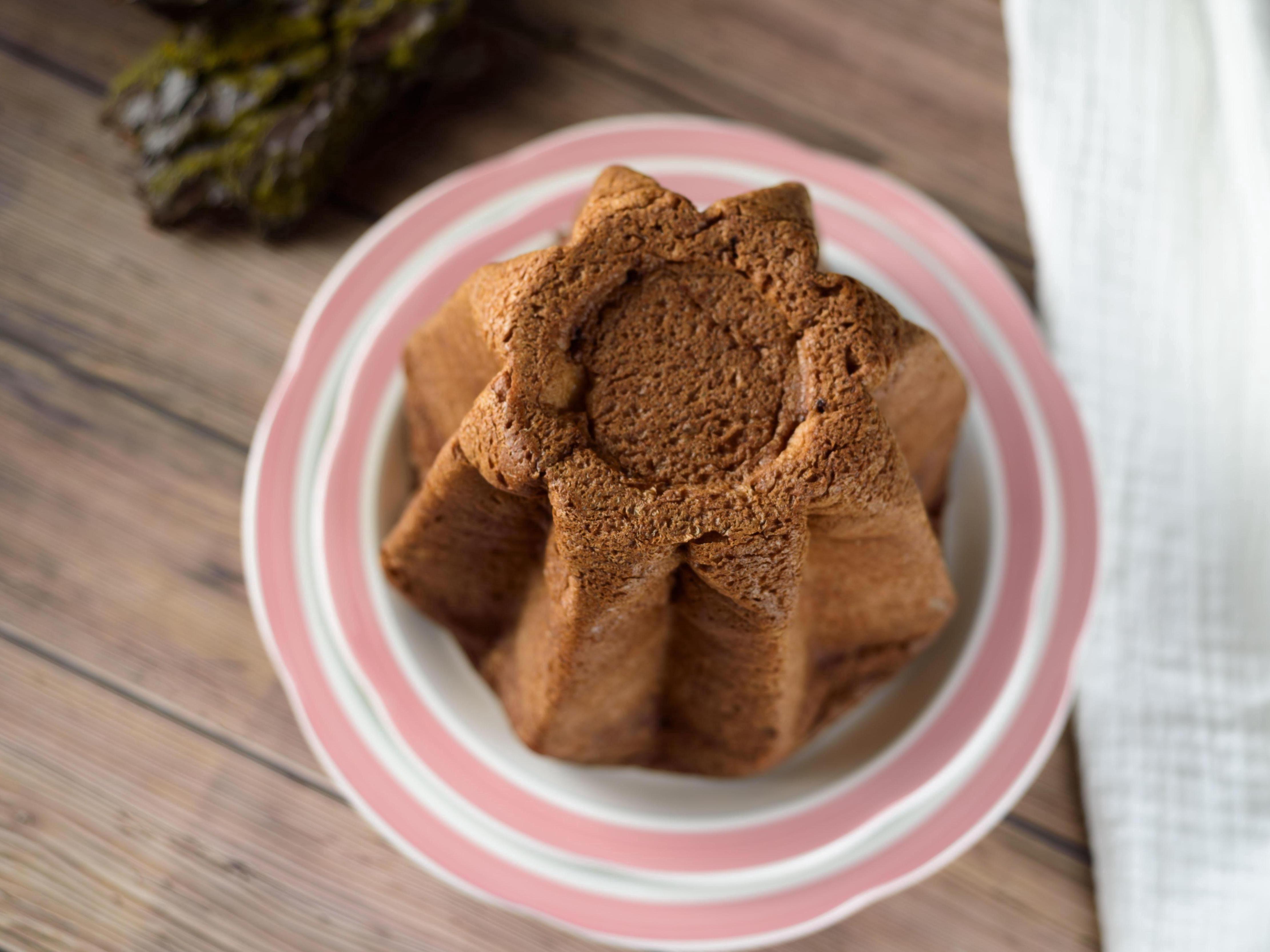
The star theme also resonates in Italian baking. In Verona, for Christmas, they prepare «pandoro»—a tall, ribbed cake made of airy yeast dough. It is customary to cut it horizontally so that not only the whole pastry but also every piece retains the shape of an eight-pointed star.
Symbolism of Numbers and Colors
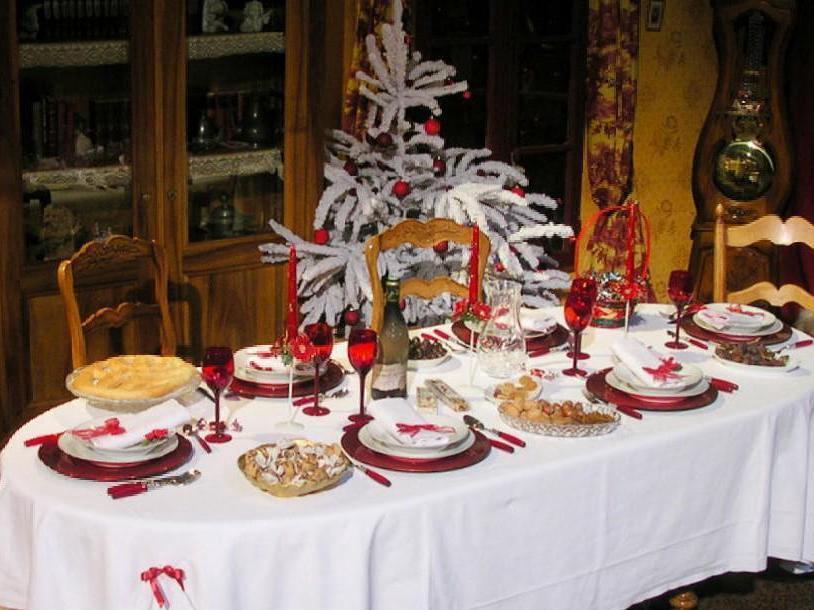
Many Christmas treats are associated with the mysticism of numbers, especially 12 (the number of apostles) and 13 (the apostles and Christ himself). A vivid example is the Provençal custom of serving exactly thirteen types of desserts after midnight Mass. This symbolic collection includes hazelnuts and walnuts, raisins, dried figs, almonds (they represent the four mendicant monastic orders), marzipan «calissons» from Aix, white and black nougat, quince jam, winter melon, grapes, tangerines, olive cake «pompe» and dates stuffed with marzipan.
The color of the filling in the dates—green and red—is also not accidental. They symbolize eternal life and the shining sun, adding another meaningful shade to the festive palette.
Countdown: Advent
Preparation for Christmas in Western Europe begins several weeks in advance. This period is called Advent (from Latin «adventus» – «coming»). Although the strict fast once accompanying it is almost forgotten today, the traditions are alive. One of the main attributes is a wreath with four candles, lit one by one on each of the four Sundays before the holiday.
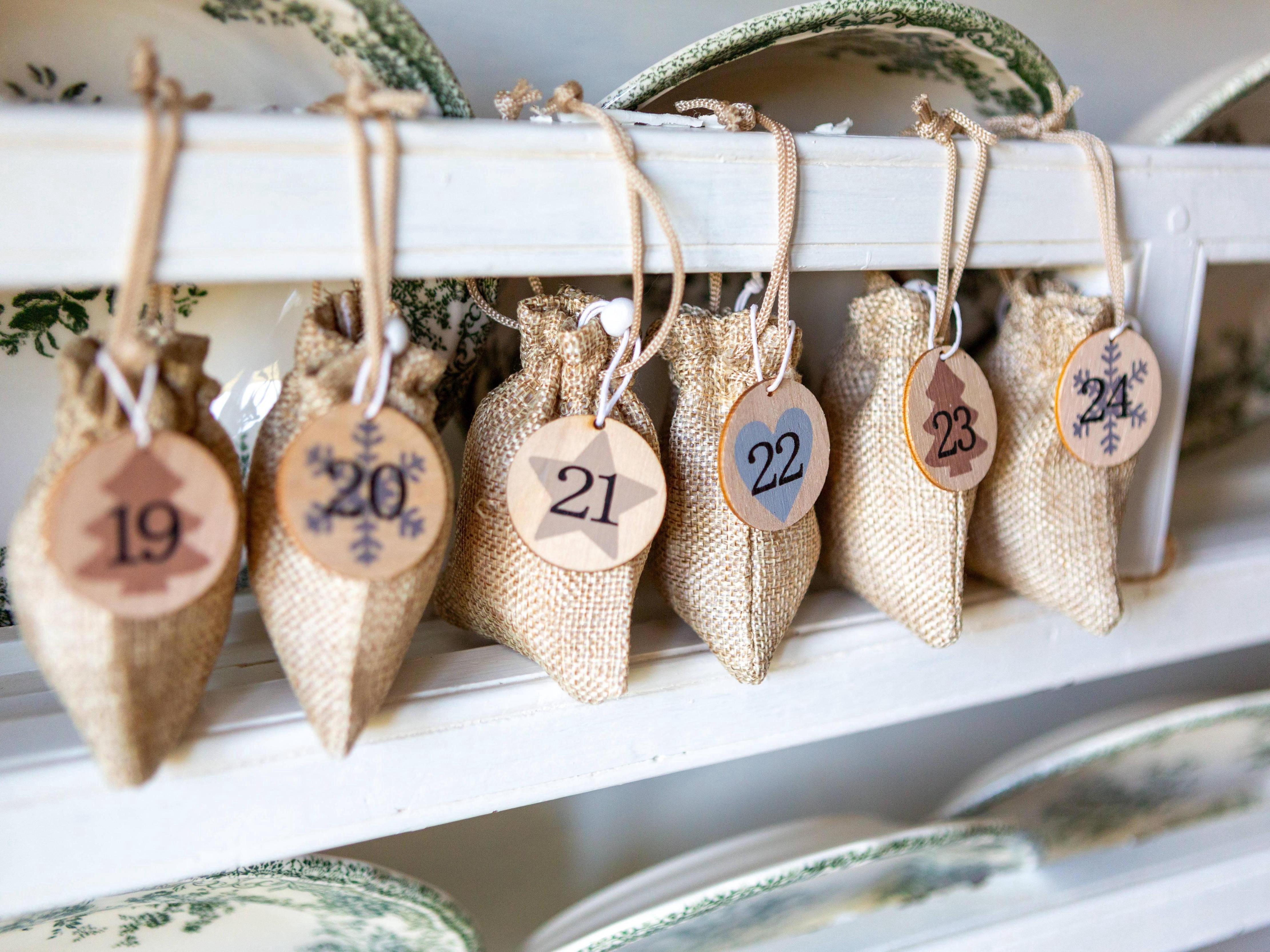
For children, Advent is also a magical calendar with windows for each day of December, behind which little sweets are hidden. For adults, this time is associated with a series of special saint«s days, for each of which traditional treats are prepared, gradually immersing them in the festive mood.
November 11: Saint Martin
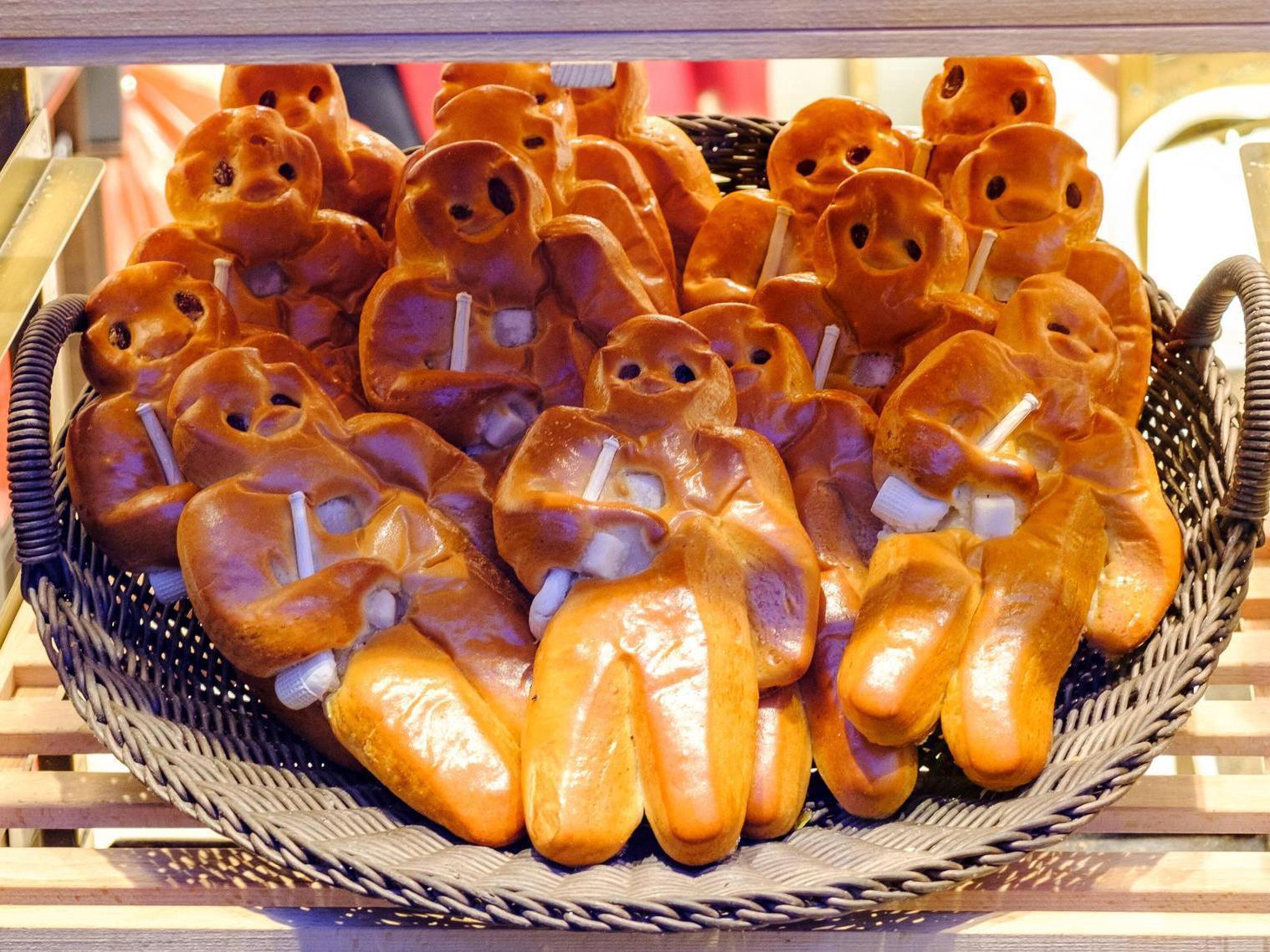
Saint Martin«s Day was historically the starting point for the pre-Christmas period. In Germany, children with lanterns and songs perform scenes from the saint»s life, and roast goose invariably appears on the table. Baking does not lag behind—often in the shape of this bird, which has been a symbol of Martin for many centuries.
They celebrate in a special way in Venice, where confectioners compete, creating a giant shortbread cookie with praline and icing in the shape of a horseman—«San Martino a cavallo». The cost of such a treat in full size can reach tens of thousands of euros, which, however, does not stop children from merrily singing songs about the saint, collecting symbolic tribute from passersby.
December 6: Saint Nicholas
Saint Nicholas, the prototype of the modern Santa Claus, is the main Christmas gift-giver. On the night of December 6, children in the Netherlands, Belgium, and Germany still put out their shoes by the door in hopes of gifts.
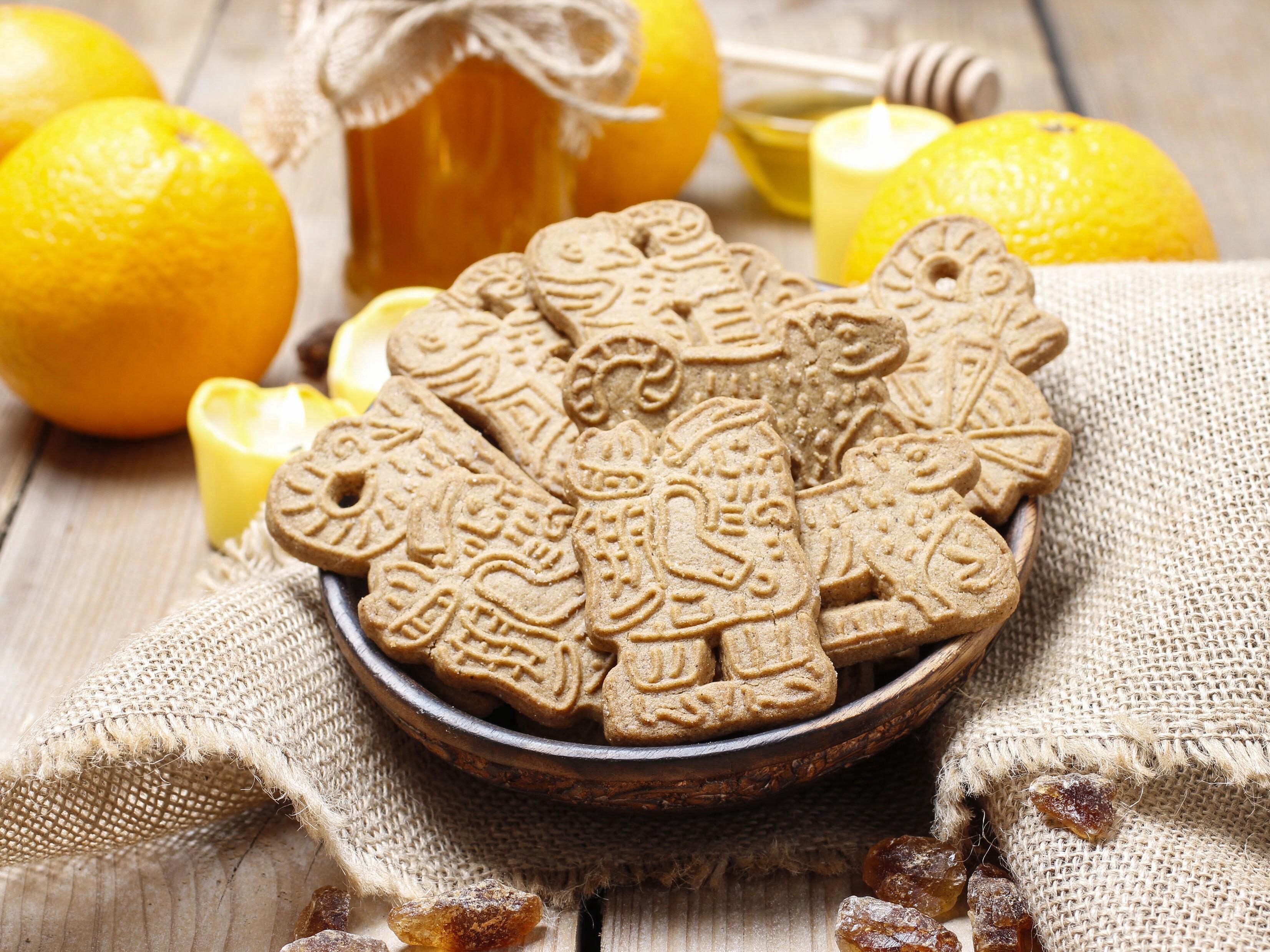
For this day in Northern Europe, they bake spicy «speculaas» or «speculatius» cookies. They are stamped with wooden molds depicting the saint himself with a sack, windmills, bishops, and animals. Another popular dessert is «bischofsbrot» («bishop»s bread«), which in fact is a delicate chocolate biscuit with candied fruit, especially beloved in Austria.
December 13: Saint Lucia
The day of Saint Lucia, whose name means «light», once coincided with the winter solstice and symbolized the victory of light over darkness. This holiday is most beautifully celebrated in Sweden. The chosen «Lucia» is dressed in a white dress and crowned with a crown of candles, after which she leads a procession singing songs.
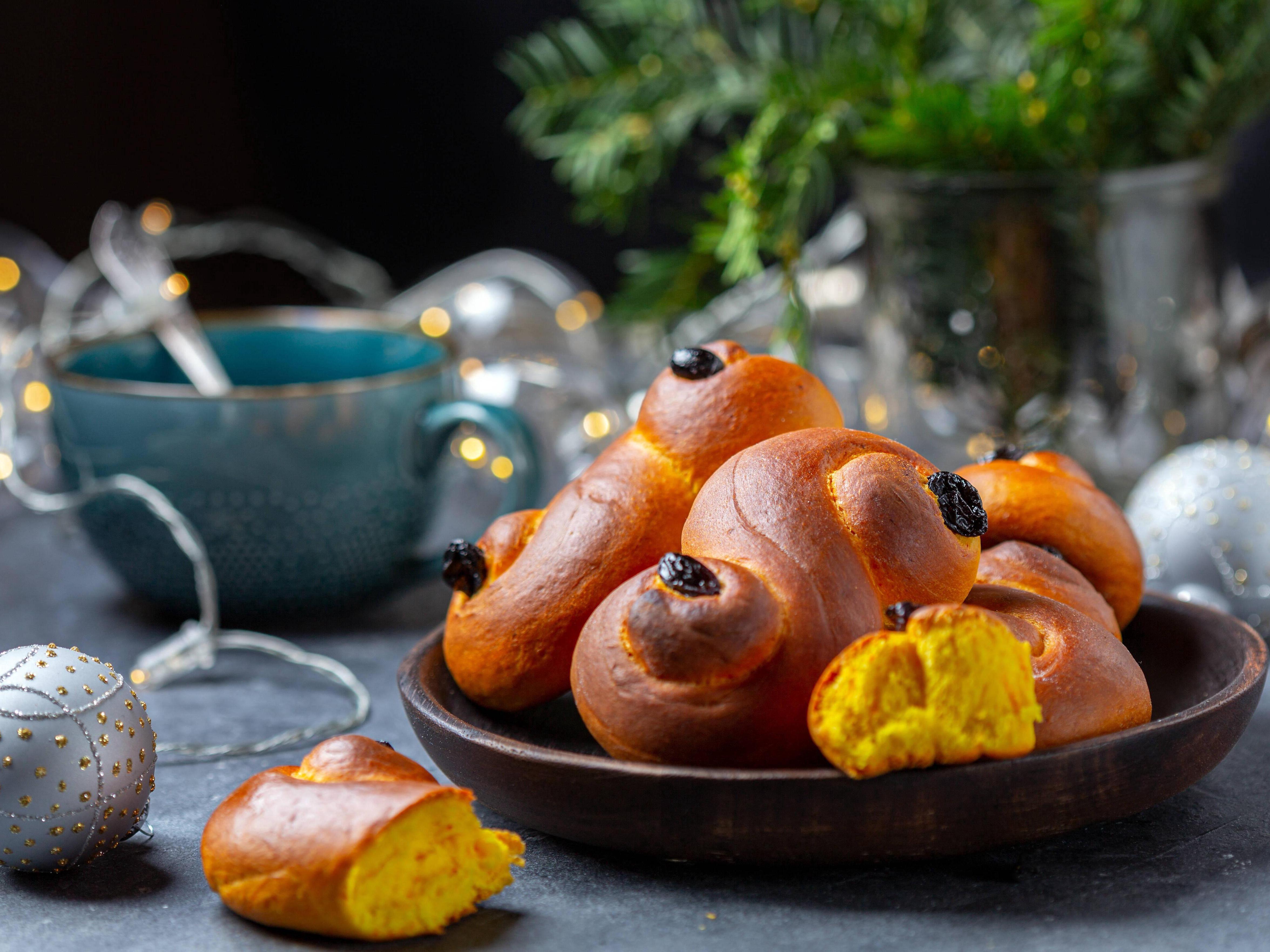
Young «Lucias» also treat family members to special saffron buns «lussekatt» in the shape of an eight or an infinity sign. The golden color of the dough from the expensive spice—saffron—is associated with the sun, and the raisins in the center of each swirl, according to legend, may resemble the eyes of the saint.
In Italy, the homeland of Lucia, the traditions are different. Here it is believed that on the night of December 13, the saint brings gifts to children on a donkey. Children leave a treat for the tired animal and themselves enjoy soft cakes with chocolate glaze.
December 25: Main Treats
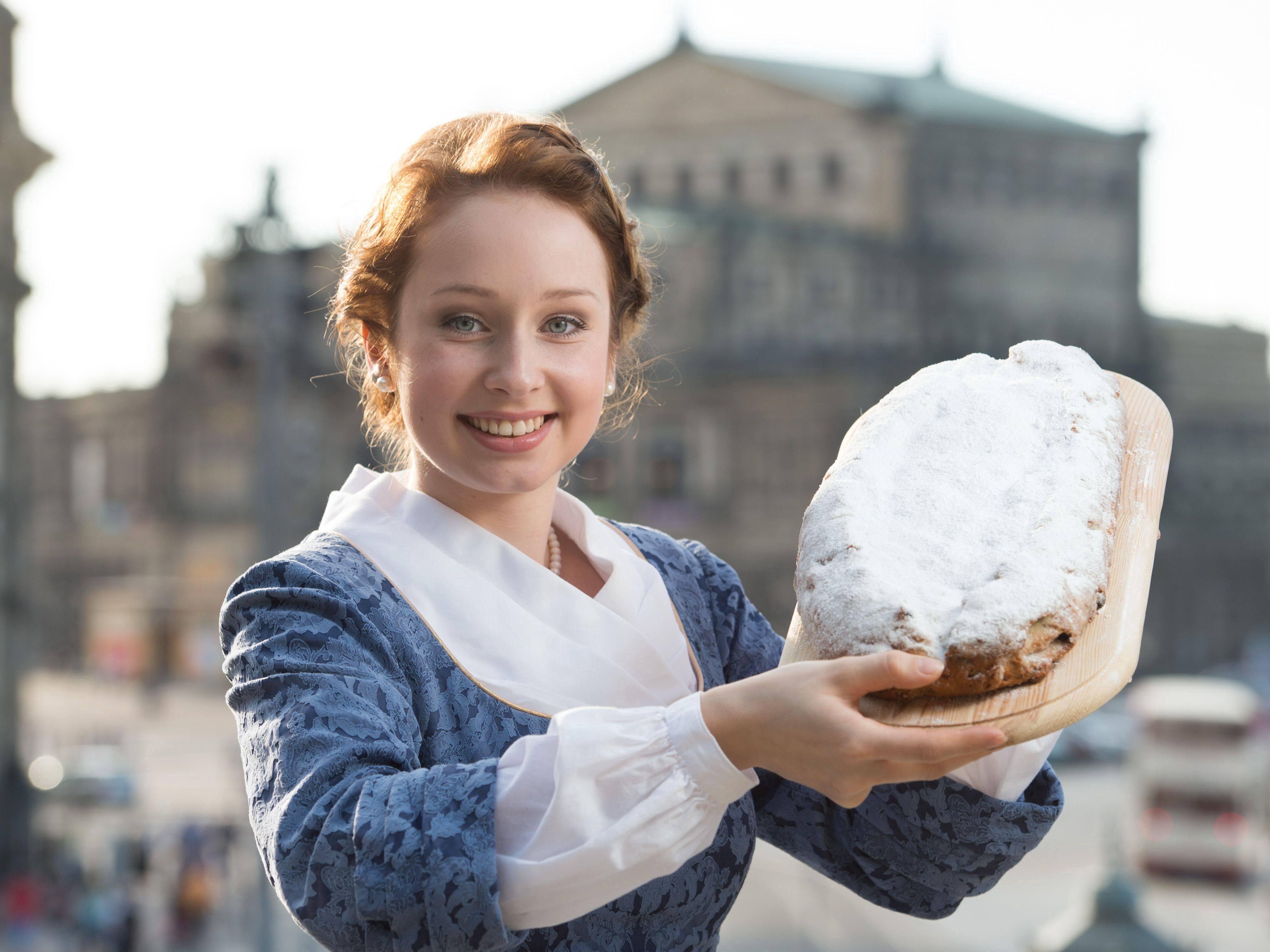
The most famous Christmas sweets of Europe are incredibly diverse. In Germany, it«s »stollen«—an oval cake, generously sprinkled with powdered sugar. Its shape symbolizes the swaddled infant Christ. Dresden stollen with candied fruit and spices is aged for several days before serving, and its history spans more than six centuries.
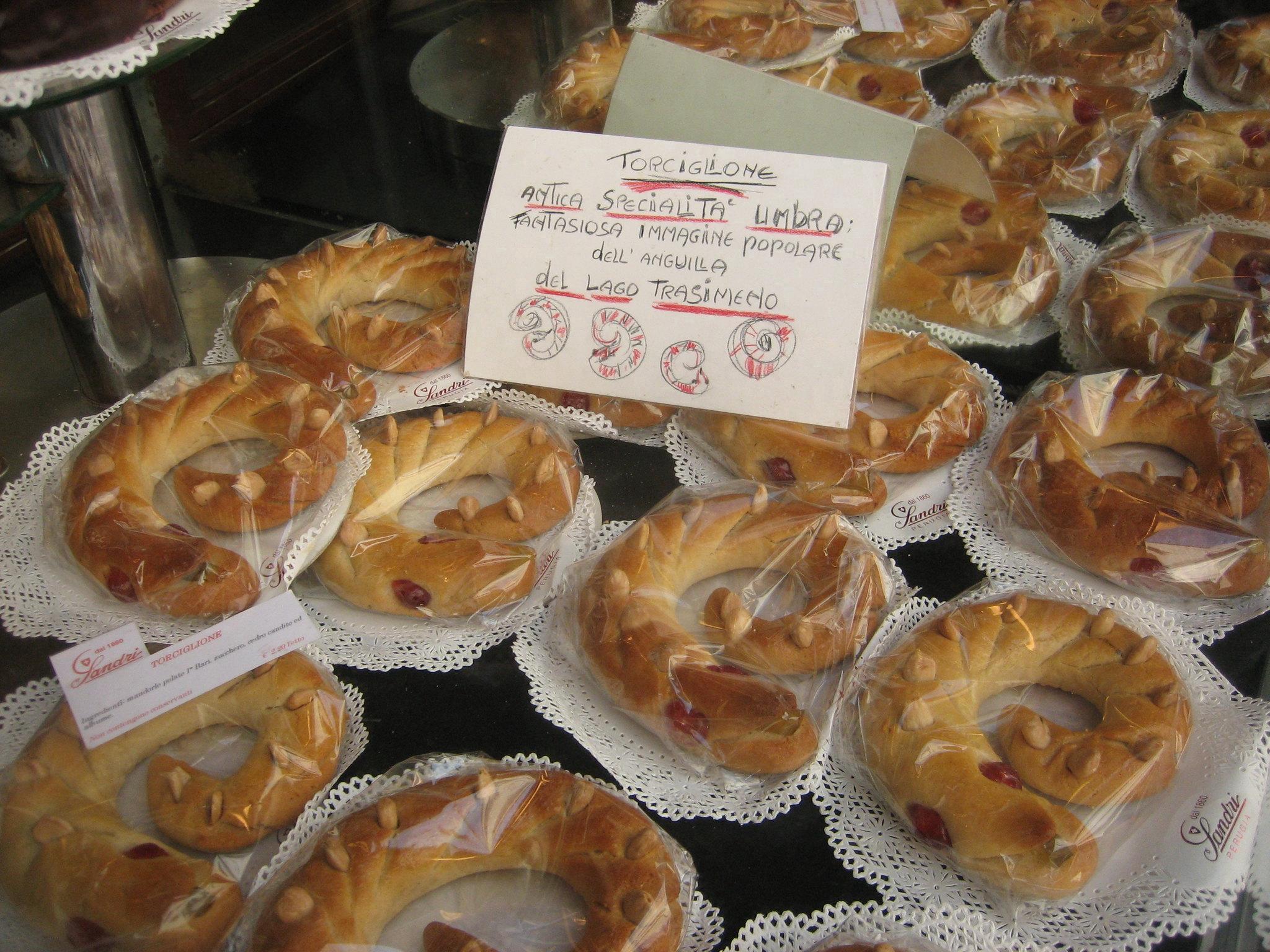
In Italy, besides the world-famous panettone, in Umbria they bake «torciglione»—a marzipan pie in the shape of a coiled snake. Some see in it a stylized eel from Lake Trasimeno, others—a symbol of the cyclical nature of time, invented, according to local lore, by Raphael himself.
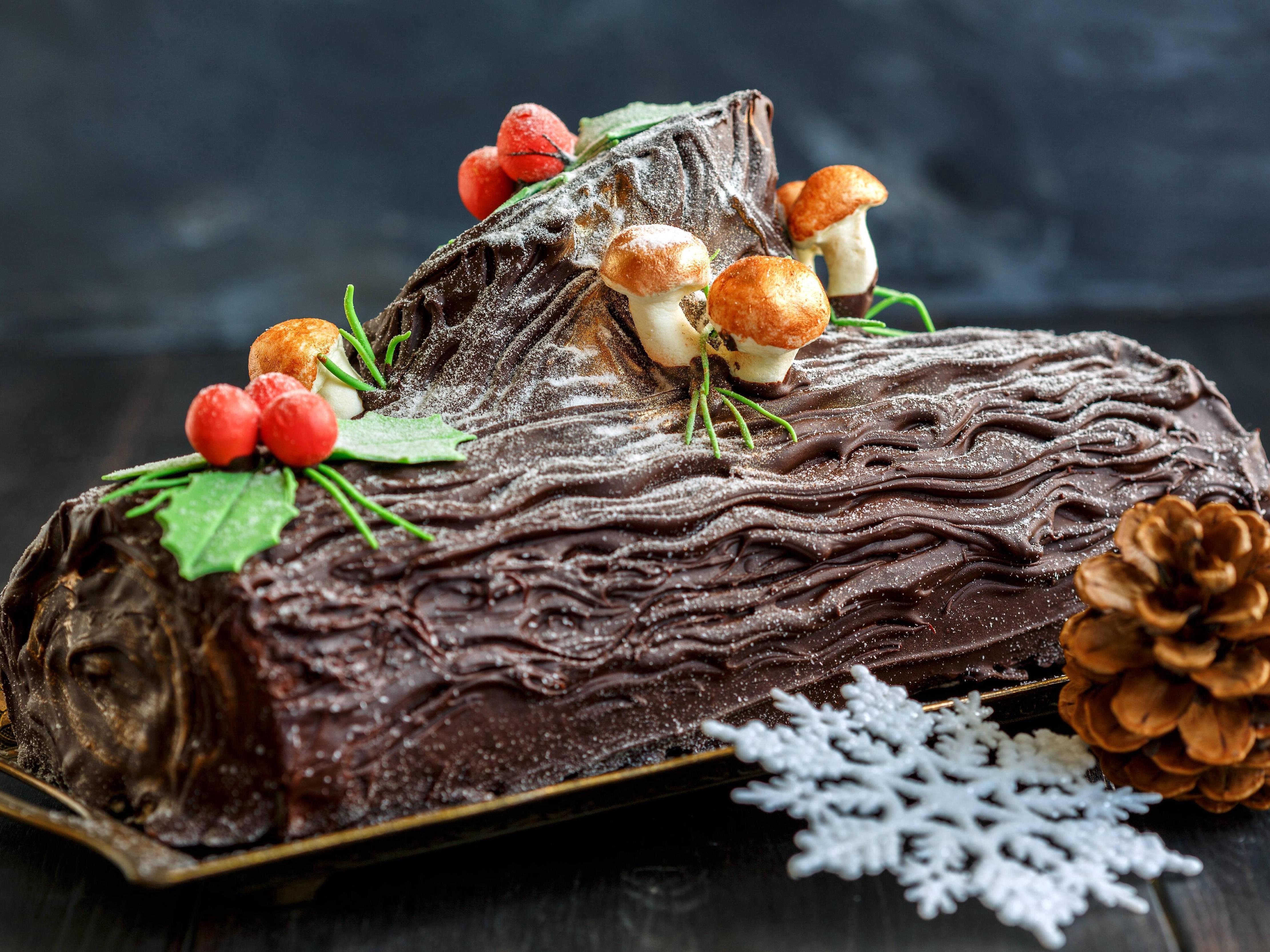
In France, the symbol of the holiday is the «bûche de Noël»—the «Christmas log». This is a sponge cake roll decorated with cream to resemble bark and moss. The tradition has its roots in the pagan custom of burning a special log in the hearth during the winter solstice to attract good luck.
January 6: Epiphany and Befana
The cycle of holidays ends with Epiphany, or Three Kings« Day, dedicated to the Magi. In Italy, a curious linguistic transformation occurred: »Epifania« began to sound like »Befana«. Thus, the magical character bringing gifts to children on the night of January 6 became the kind witch Befana. Traditionally, they leave a coffee pot for her, because, after delivering the gifts, she will definitely drink a cup of coffee. In her sack, as with Saint Nicholas, there are both sweets and symbolic coal for the naughty ones.