Pencil It Down: Siberian Graphite in the 19th Century
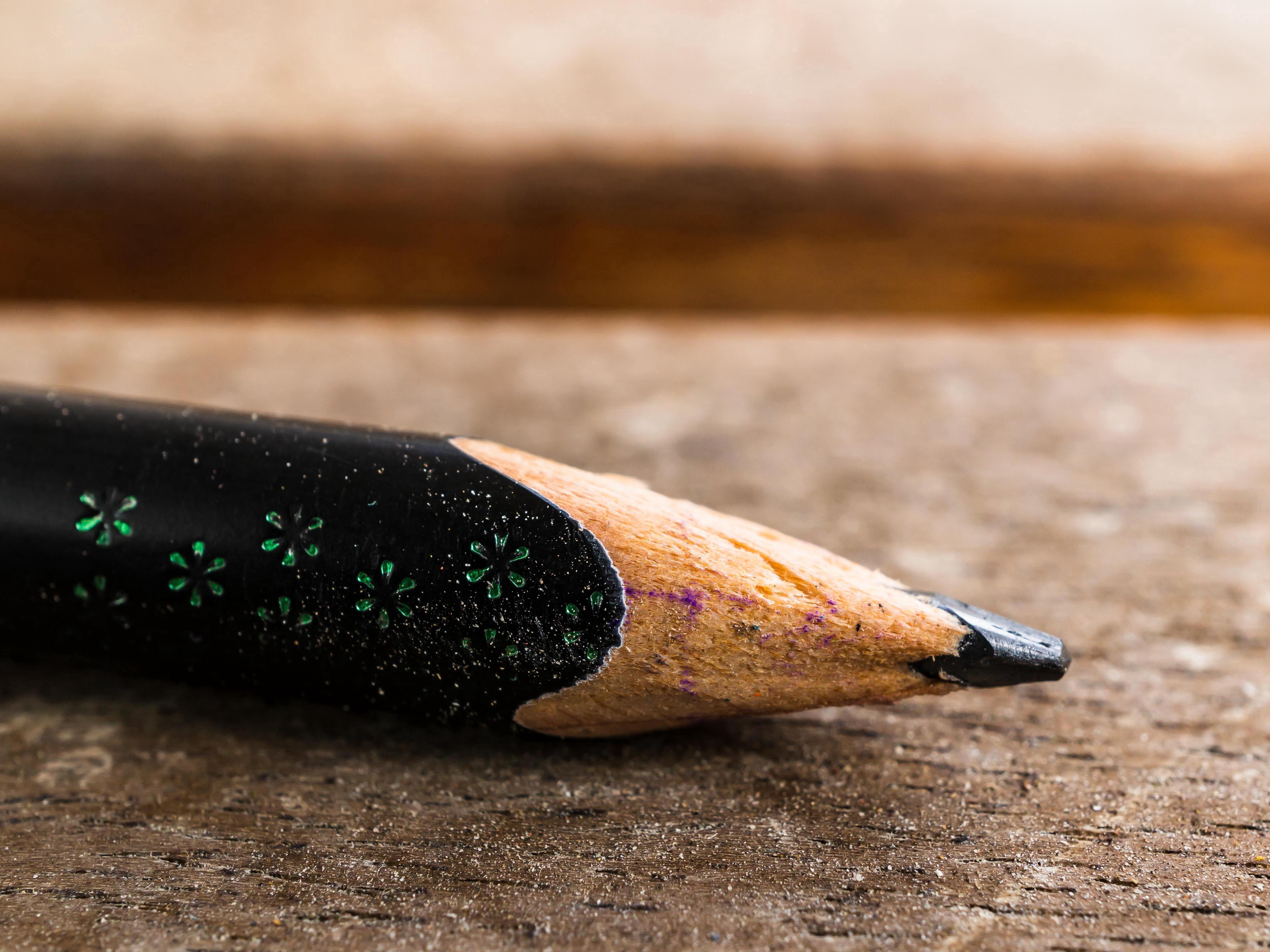

Graphite is a mineral that has been used for writing and drawing for centuries, and today it has become a key component of lithium-ion batteries. This connection of epochs comes to life in the story of the Russian Geographical Society«s expedition in the mid-19th century, which studied deposits in Siberia long before graphite began to be used in electric vehicles and space technologies.
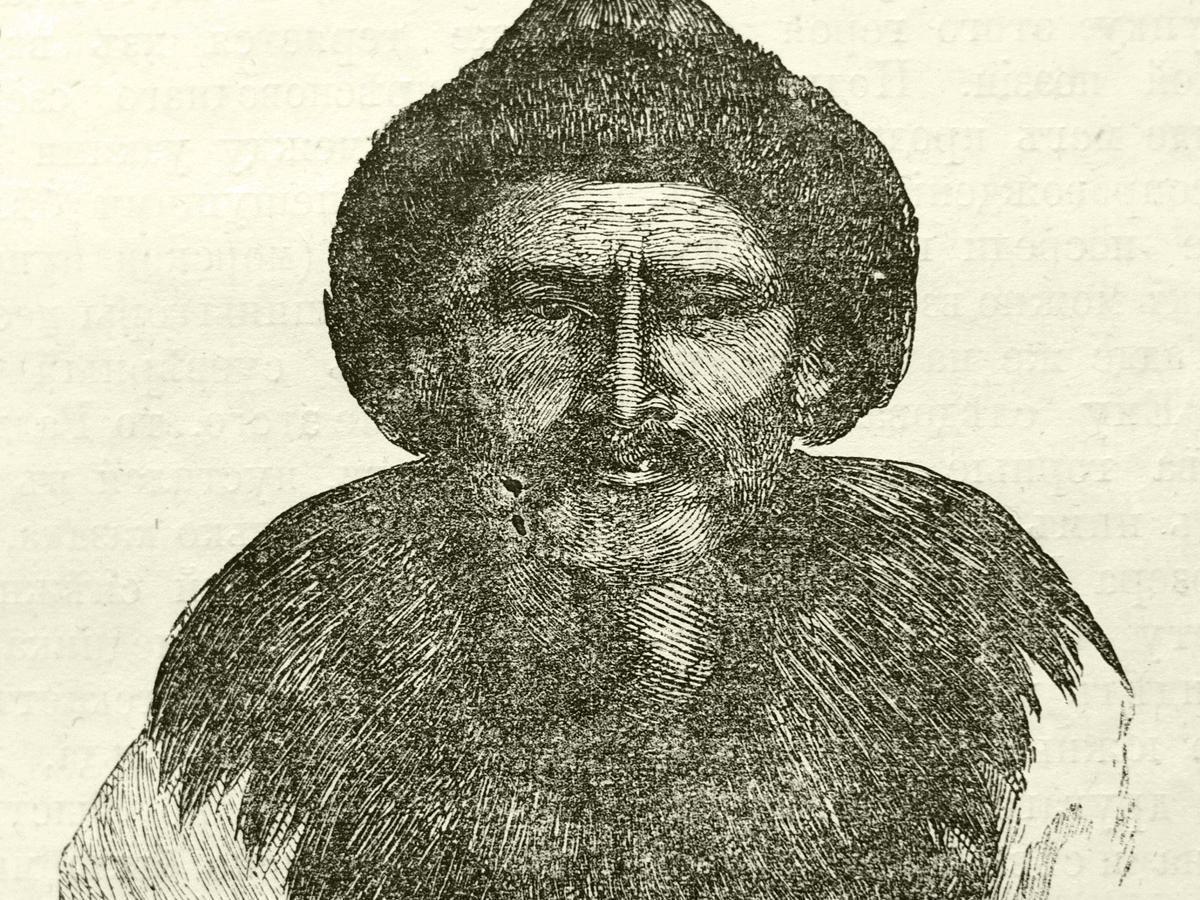
One of the participants in that expedition was the naturalist Gustav Radde. Returning to St. Petersburg in 1859, he took up the position of conservator at the Zoological Museum of the Imperial Academy of Sciences. His scientific works earned him honorary titles from the universities of Dorpat (now Tartu) and Breslau (now Wrocław), as well as the Demidov Prize—the highest award of the Academy. In 1863, Radde moved to Tiflis (modern Tbilisi), where he worked at the physical observatory, and later devoted himself to literature.
In his memoirs, published by the magazine «Vokrug Sveta» (Around the World) in 1867, Radde described in detail his visit to a graphite mine on Mount Botogol in the Sayan Mountains. The enterprise was developed by the French mining industrialist and mineralogist Ivan Petrovich Aliber (Jean-Pierre Aliber). Pencils made from «Aliber graphite» were renowned for their quality and were particularly popular among artists.
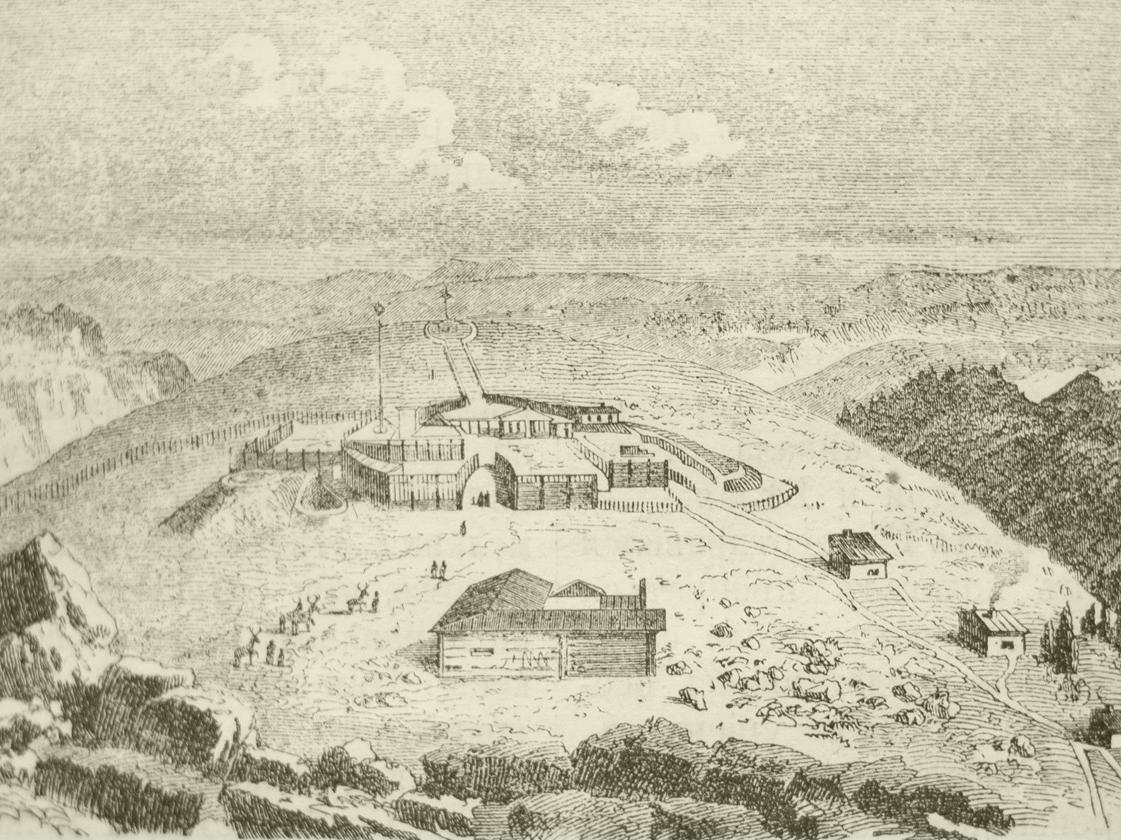
After a thunderstorm, the travelers moved on. The guide assured them that Aliber«s mines were already close. Soon they came upon a well-maintained road a sazhen wide (about 2.1 meters, or 6.9 feet), with sturdy bridges across streams. Crossing over a mountain ridge, Radde saw a vast panorama: in the foreground lay Aliber»s establishment, where workers bustled about with wheelbarrows and baskets filled with graphite.
At an altitude of over 2,300 meters above sea level (7,600 feet), the wandering naturalist was hospitably welcomed in the owner«s cozy house. Despite being completely remote from civilization, above the tree line, the establishment was thought out down to the smallest details: from comfortable living quarters to a small but richly decorated church, where services were held twice a year.
To provide sustenance for the workers and domestic animals in such harsh conditions, Aliber set up a full-fledged farm here—a rare achievement for high altitudes.
Mount Botogol, where the graphite lay, consisted of limestone and shale on one side and granite with syenite on the other. Aliber, who had invested a fortune in 1847 in searching for gold, accidentally stumbled upon graphite fragments in Sayan streams. After years of searching, a local from the Soyot people (at that time called Soyots) pointed him to the main vein, and the persistent Frenchman finally achieved success.
The main graphite vein, a sazhen wide (about 2.1 meters, or 6.9 feet), descended almost vertically into the depths, penetrating syenite and granite. In the mine, over 24 meters (80 feet) deep, the vein expanded, and the quality of the graphite improved. Particularly valued were long, narrow pieces with a wavy surface resembling the structure of wood—these were found in crystalline limestone.
Massive layers of graphite, especially those adjacent to the rock, had a conchoidal fracture and a pearly luster, indicating high quality. The reserves were estimated at hundreds of thousands of poods (a pood is about 16.38 kg), and extracting them by blasting would have taken centuries. In the mid-19th century, this deposit was of enormous importance: English mines in Borrowdale were depleted, Bavarian ones in Passau produced mediocre material, and Aliber«s graphite became the standard for art and industry.
Today, graphite is still in demand—not only in pencil production but also in modern batteries, making the history of its mining in the Sayan Mountains particularly relevant. It reminds us how natural resources discovered in the past continue to serve humanity in the age of high technology.