Pelicans: Birds with Huge Beaks and Grace in Flight
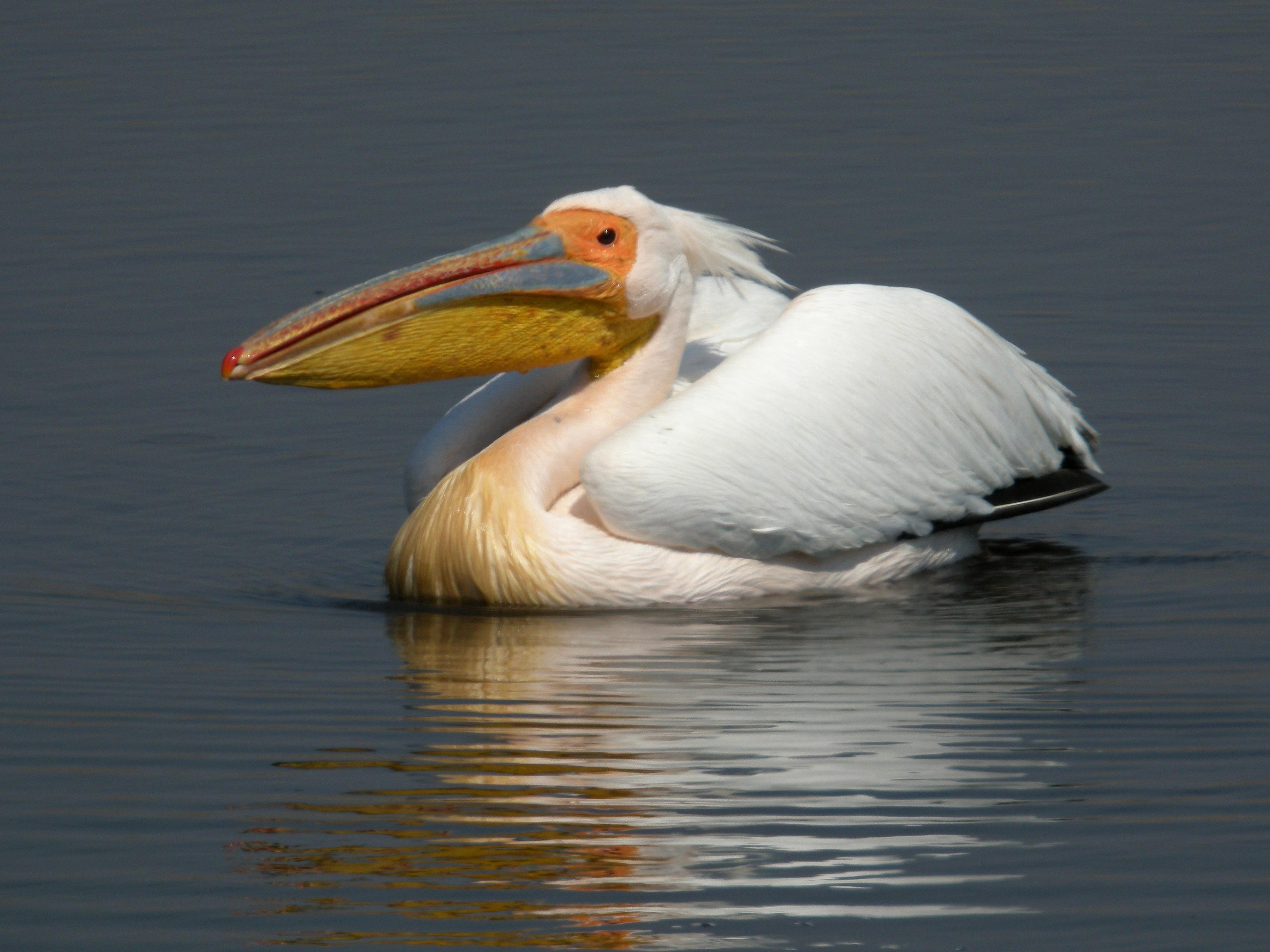

Among pelagic birds such as cormorants or boobies, pelicans stand out with their distinctive stature and size. In the East they are respectfully called «baba-birds,» reflecting the respect for these ancient and wise inhabitants of water bodies.
Giants with Ancient History
Pelicans are among the oldest birds on Earth. Their ancestors, onocrotalus, appeared about 40–50 million years ago and were true giants: their wingspan reached five meters (16.4 feet), and their weight reached tens of kilograms (dozens of pounds). Modern pelicans are, of course, smaller, but they are still impressive: the wingspan of some species exceeds three meters (9.8 feet), placing them among the largest flying birds. They also possess the longest beak in the world of birds — up to 47 centimeters (18.5 inches).
Masters of the Aquatic Element
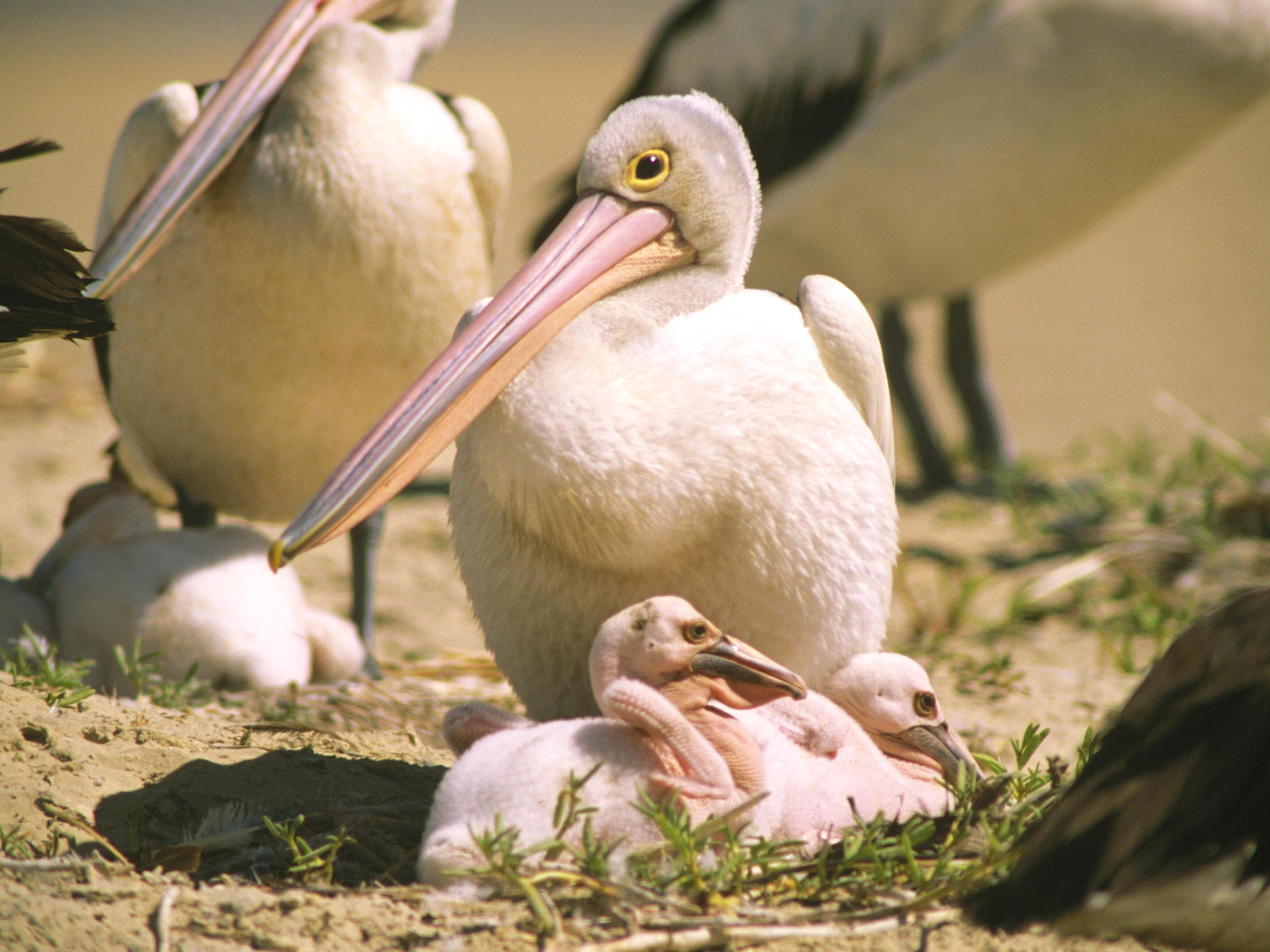
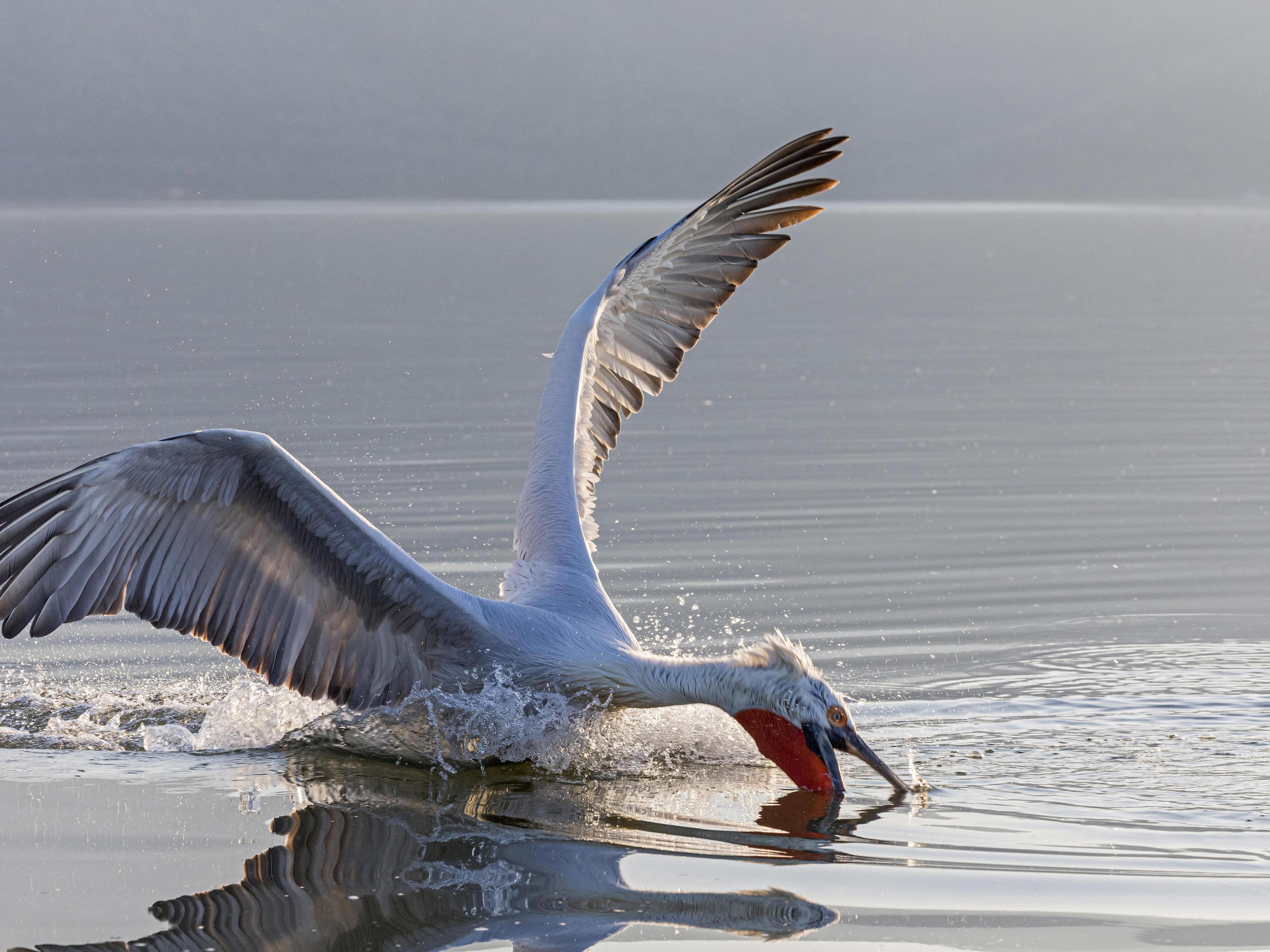
All eight species of pelicans, inhabiting all continents except Antarctica, belong to the order Pelecaniformes. This name is given for their characteristic webbed feet, all four toes of which are connected, resembling paddle blades. On land, pelicans move slowly and cautiously, but in water they feel at home — they swim and dive excellently.
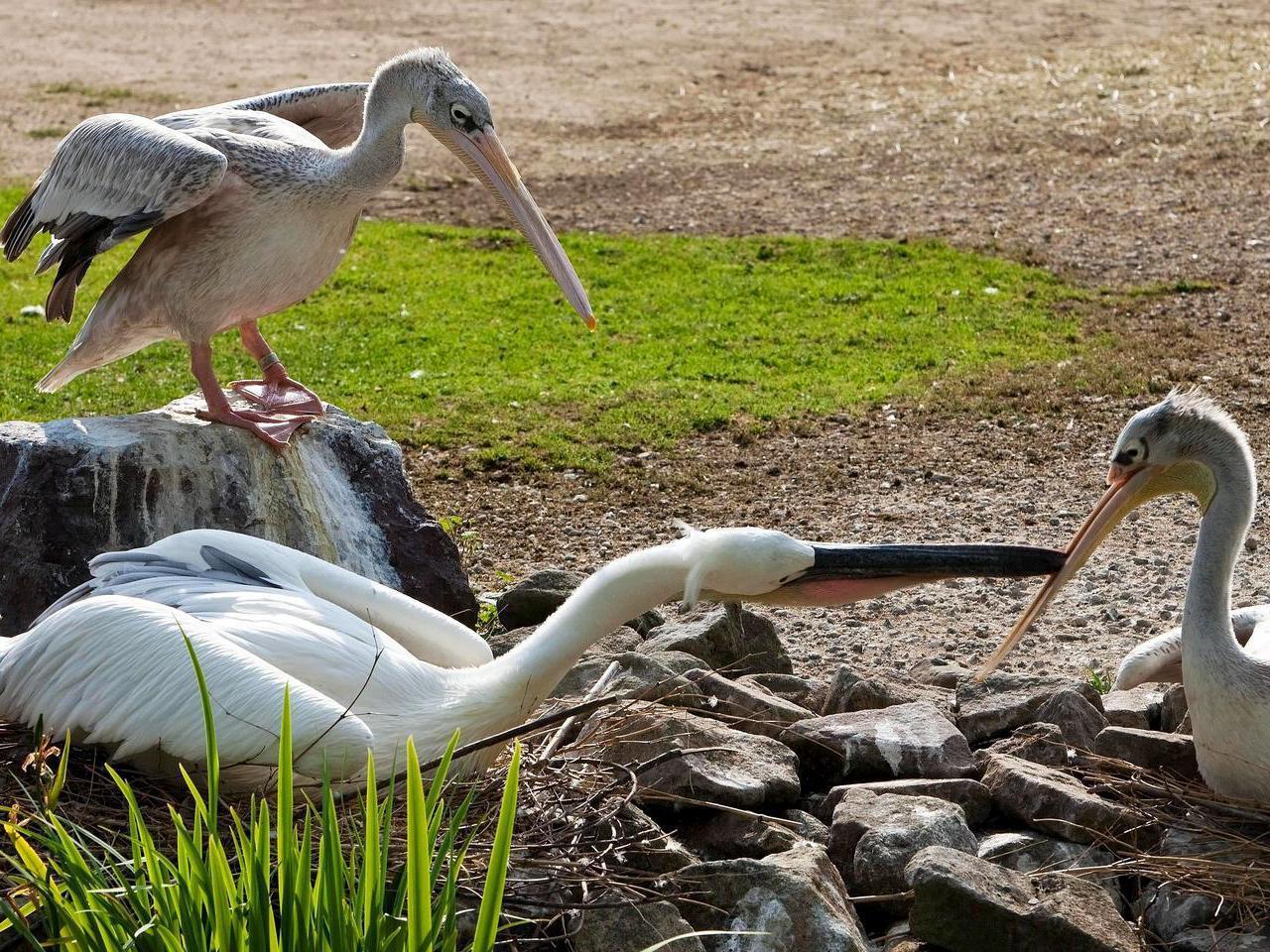
Their diet consists almost exclusively of fish, and the birds have serious appetites. It is estimated that one family of two adult pelicans and two chicks can eat about a ton of fish in eight months. Unfortunately, today the numbers of many populations are declining due to water pollution, changes in their hydrological regime, and a reduction in the food base — problems that remain relevant in our time.

The Beak-Net and Cooperation with Humans

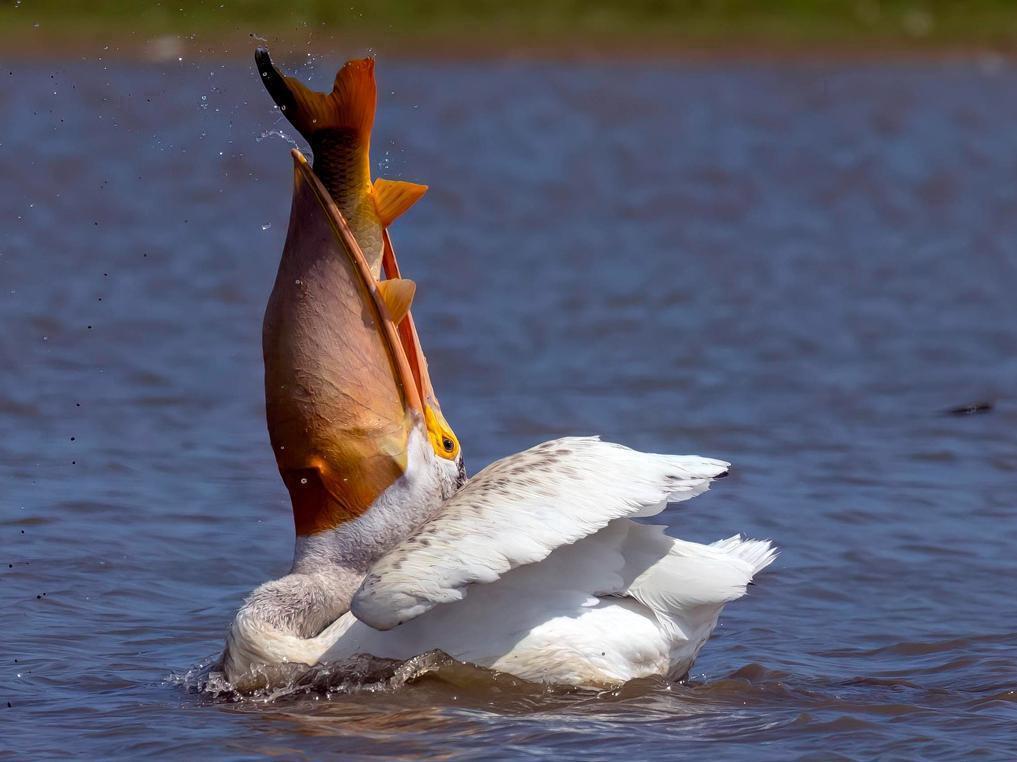
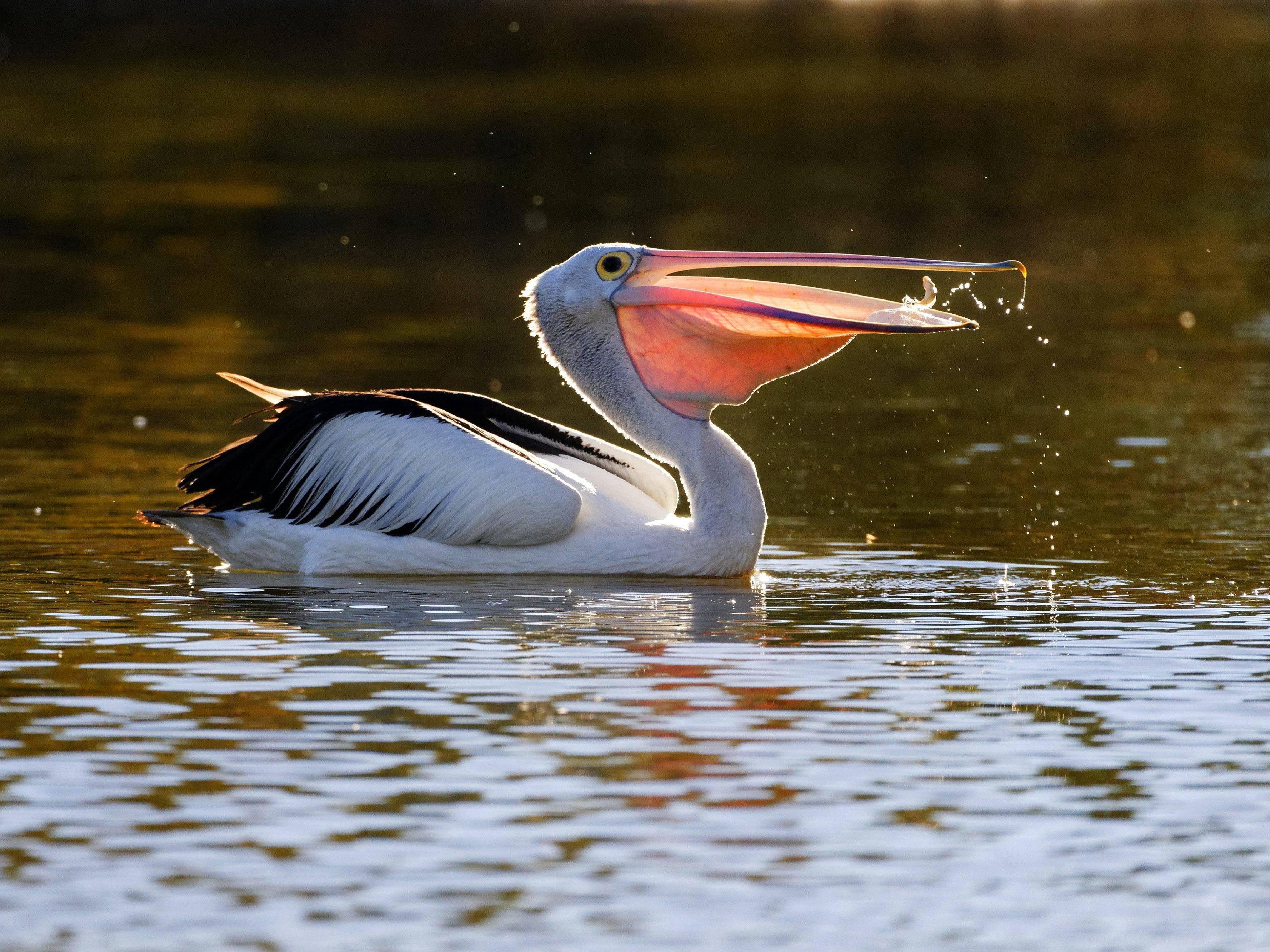
The main distinguishing feature of the pelican is its huge beak with a leathery pouch on the lower part. A common misconception is that birds store food in this pouch for later. In fact, it works like a net: the pelican opens its beak wide, scoops up water along with fish, then drains the liquid and swallows the prey.
People long ago appreciated the dexterity of pelicans. In some cultures, they were domesticated for fishing: the bird was taken into a boat, a ring was placed on its neck to prevent it from swallowing large fish, and then the catch was taken from the beak-trap. This historical example demonstrates the long-standing connection between humans and these unique birds.
Legends and the Reality of Parental Care
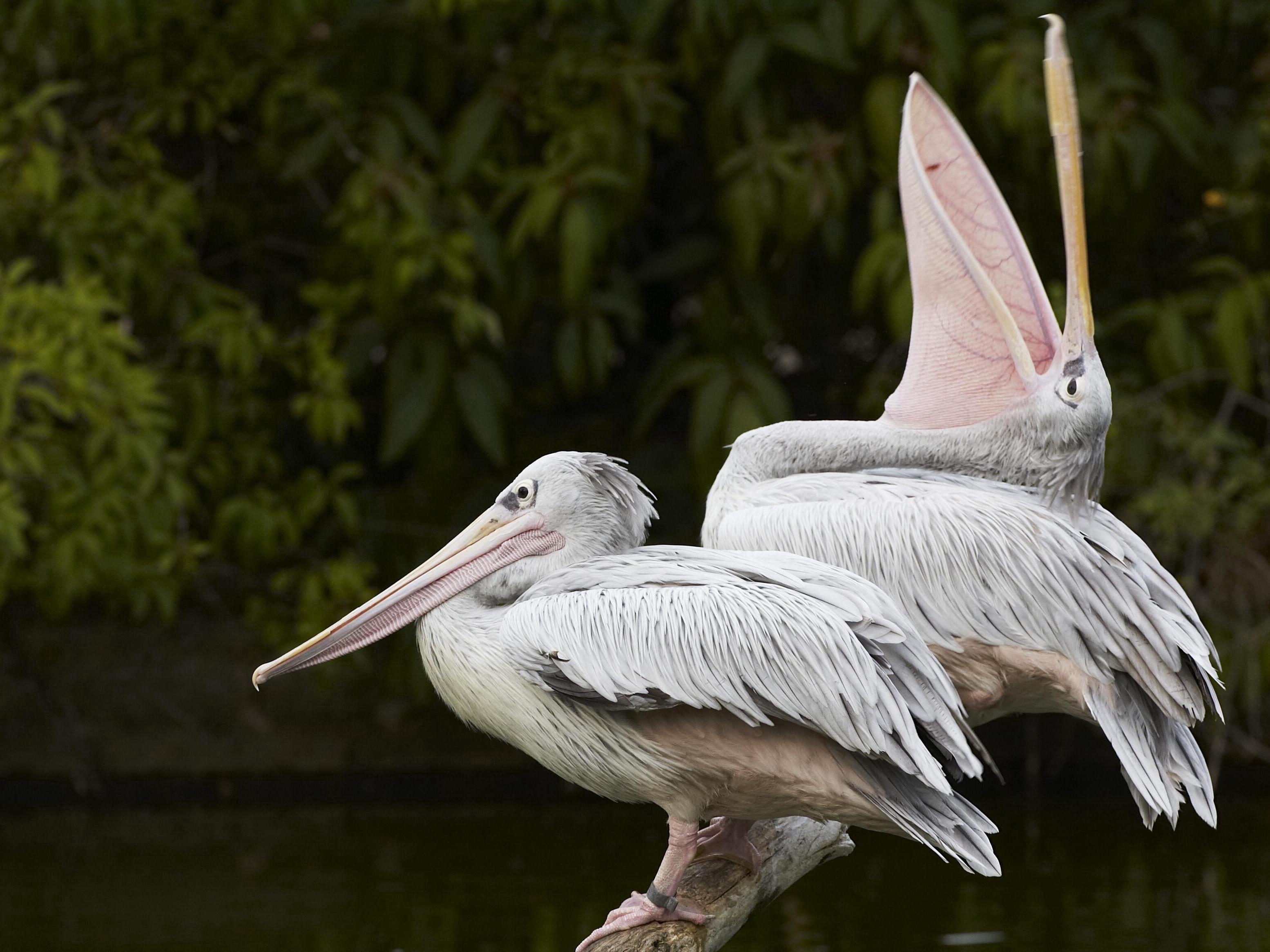
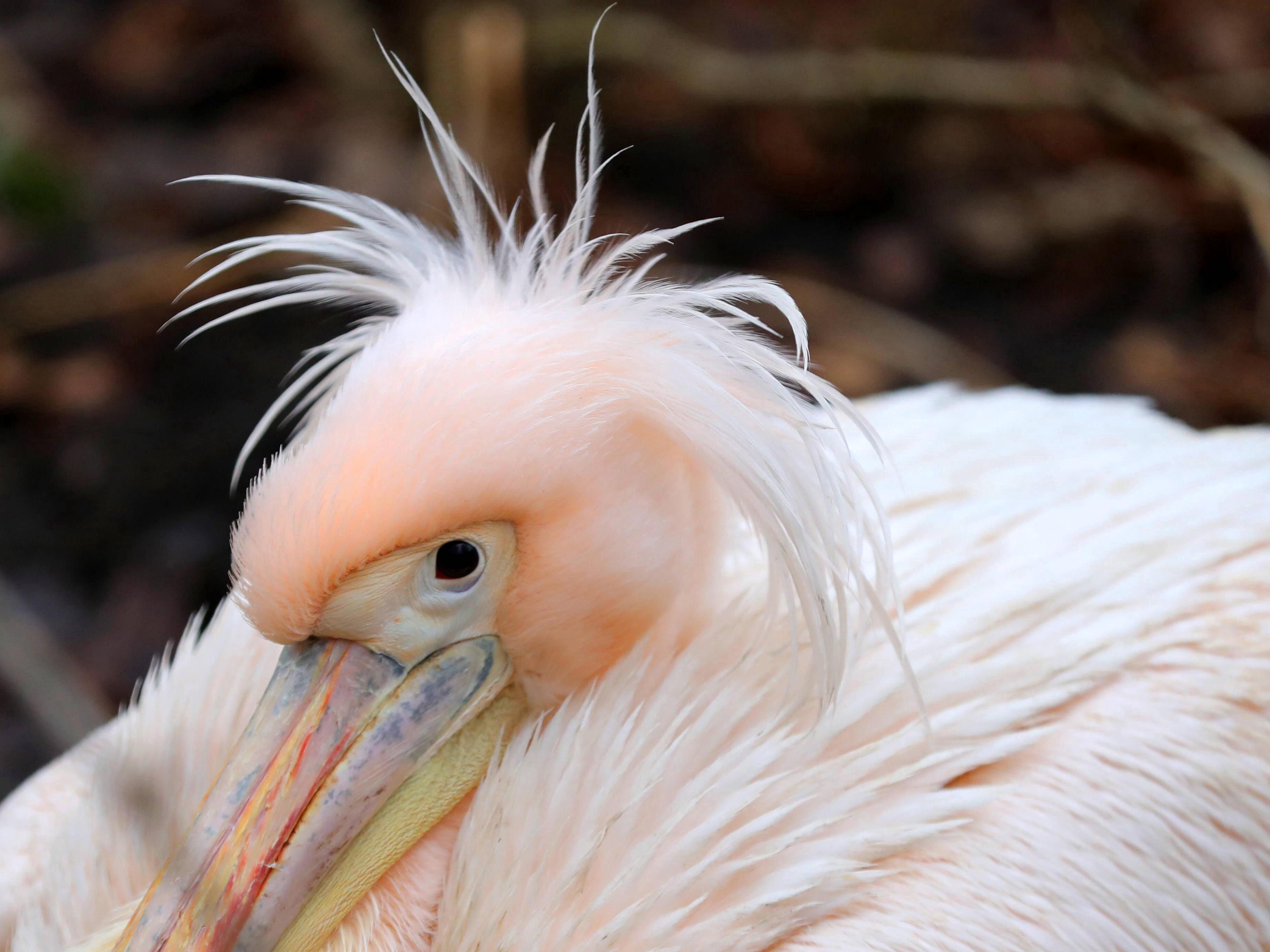
A touching legend is associated with pelicans. During the mating season, the feathers on the males« chests turn pink or red. Ancient observers mistook this for bloody spots and created a story that the bird tears open its own chest to feed its chicks with its flesh. This is why the pelican became a symbol of self-sacrifice and the emblem of educators in many countries.
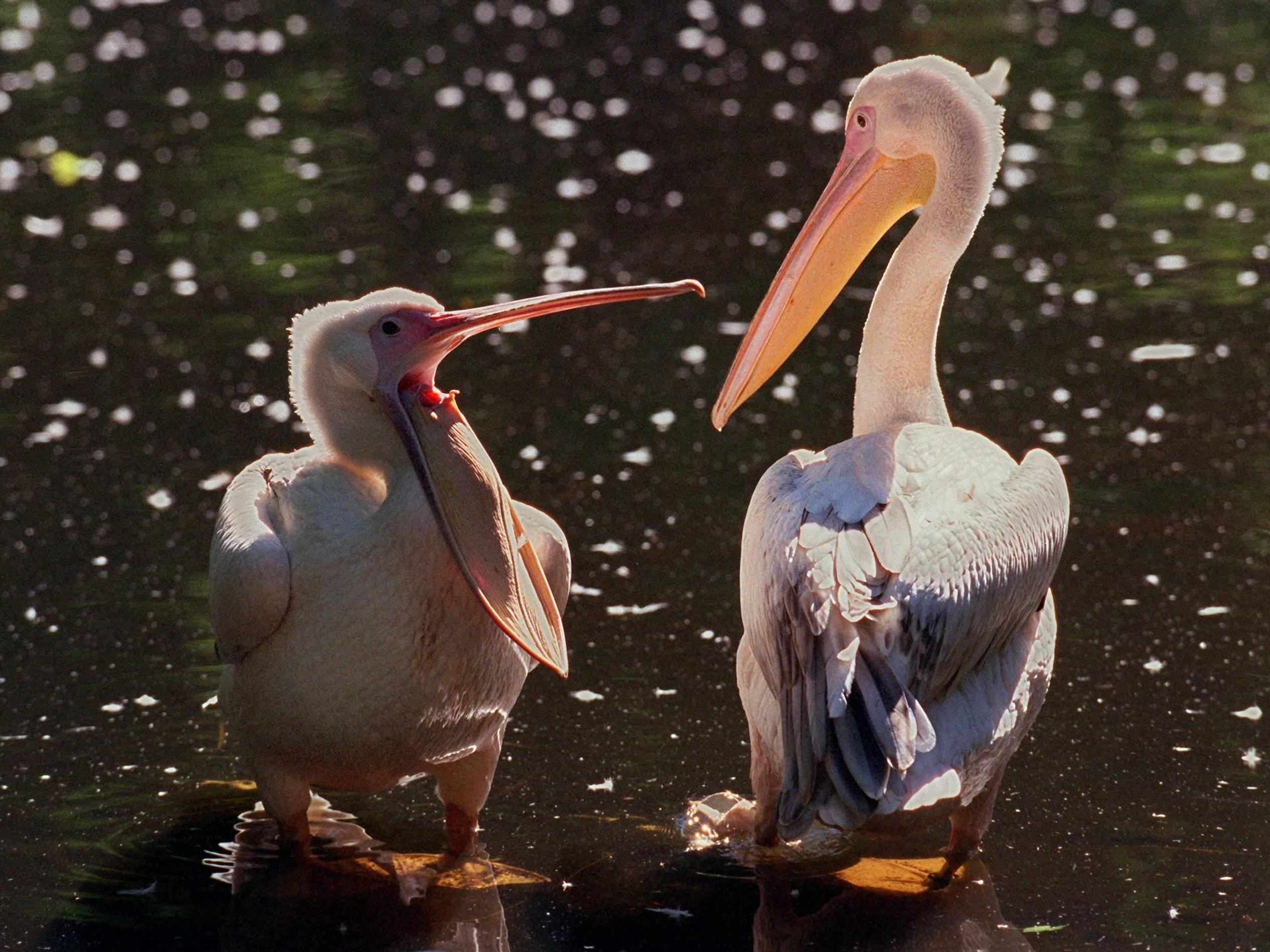
In reality, the care for offspring in pelicans is also impressive. During the mating season, substantial males perform intricate dances for females. After forming a pair, the birds build a nest where the female lays 2–3 eggs. The chicks are born blind and naked. The parents feed them by regurgitating semi-digested fish directly into the chick«s beak. The appetite of the young is colossal: in the first month of life, the need for food grows from several tens of grams to a kilogram (2.2 pounds) per day, and by two months the chick»s weight increases a hundredfold.
Team Spirit and the Grace of Flight
Pelicans are social birds. They nest in large colonies, migrate in flocks of hundreds, and even hunt together. In shallow water they can form a semicircle and, flapping their wings on the water, jointly drive fish into the shallows before starting their meal.
But the true grandeur of pelicans is revealed in the sky. They fly incredibly gracefully, often forming a V-formation. The leader sets the rhythm of the flight, and the other birds follow synchronously, creating a captivating sight.
Diversity of Pelican Species
The pelican family, though not large, is represented by species with different appearances and habits.
Australian, or spectacled, pelican (Pelecanus conspicillatus). Inhabits Australia and Oceania. Holder of the absolute record: its beak, up to 47 cm (18.5 in) long, is the longest among all birds, as noted in the Guinness Book of World Records. Wingspan exceeds three meters (9.8 feet).
Great white pelican (Pelecanus onocrotalus). Nests in Eastern Europe, Central Asia, and Africa. Its plumage is a soft pinkish color, and interestingly, the chicks are covered in dark, almost black down. Wingspan reaches 3.2 meters (10.5 feet).
Pink-backed pelican (Pelecanus rufescens). Found in Africa south of the Sahara. Distinguished by reddish tones in the plumage on its back. Unlike most of its relatives, it prefers to build nests in trees, often choosing mighty baobabs.
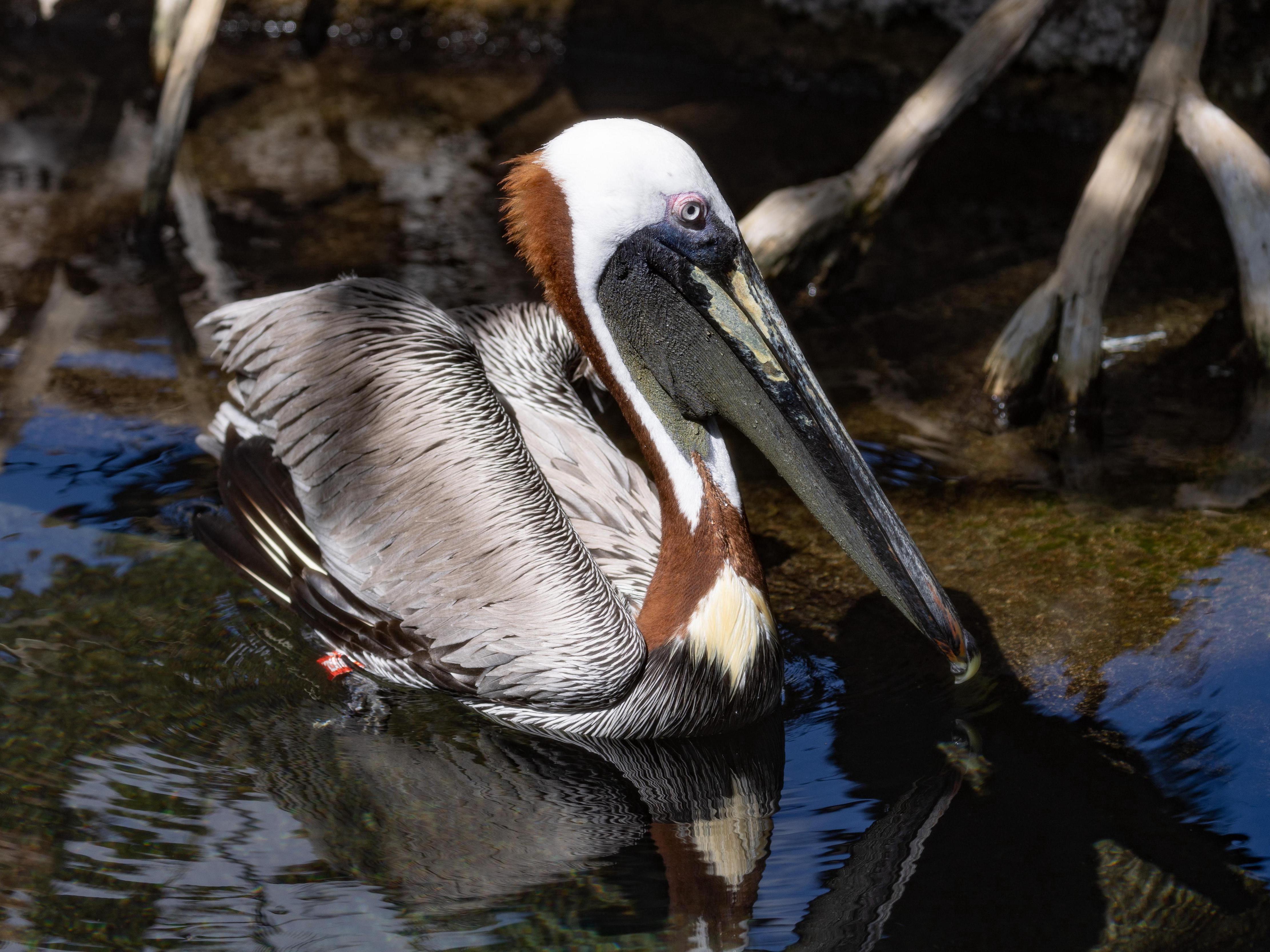
Brown pelican (Pelecanus occidentalis). Inhabits the coasts of North and South America. This is the only species that catches fish by spectacularly diving into the water from a height. A developed subcutaneous air sac on its chest protects it from the impact. In the 20th century, the population was severely affected by pesticides, but after the implementation of conservation measures, it was successfully restored.
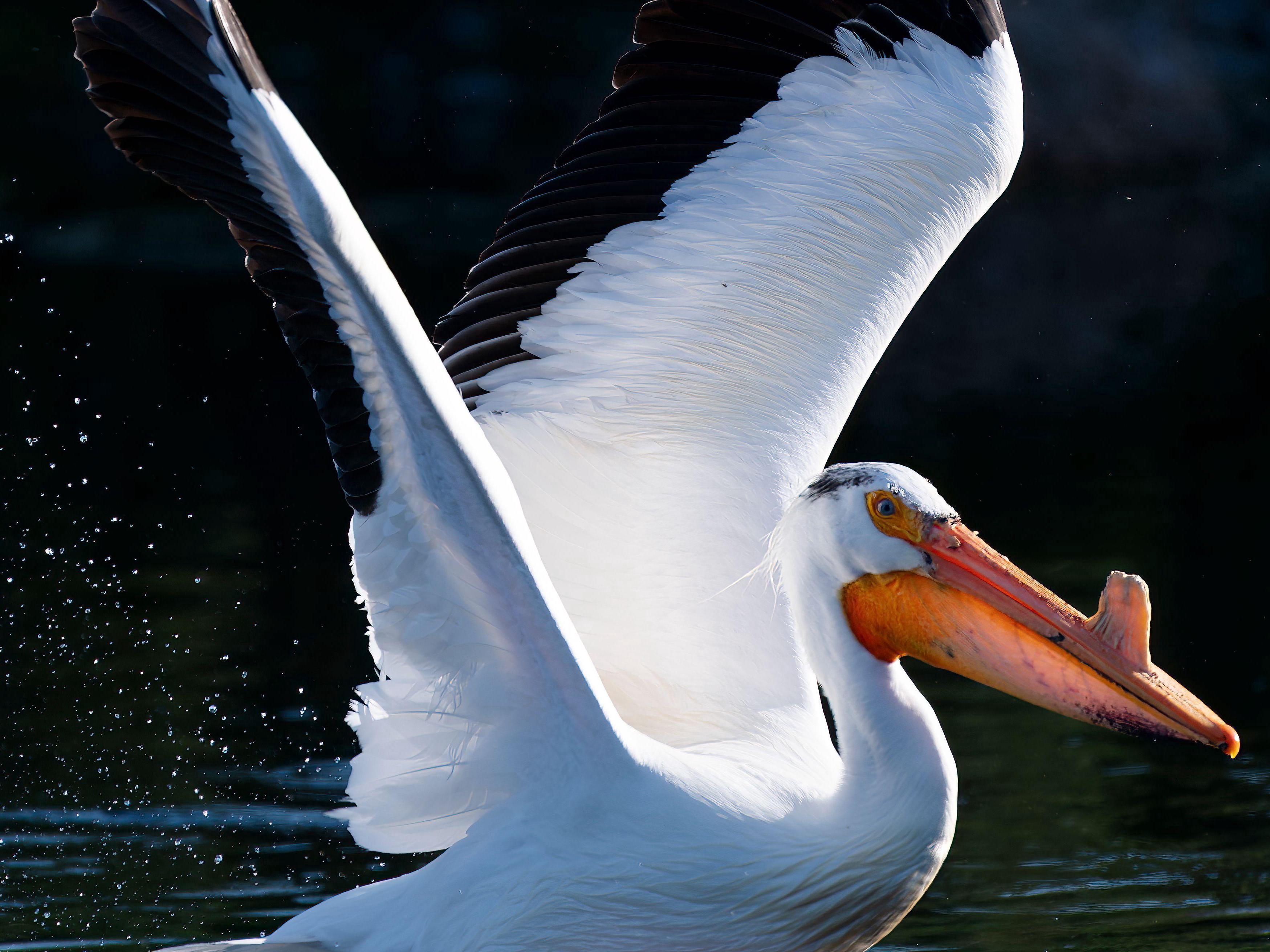
American white pelican (Pelecanus erythrorhynchos). A resident of the lakes of North America. During the mating season, a noticeable horny growth appears on its beak. Like other large species, it has a wingspan of about three meters (9.8 feet).
Pelicans, these amazing «babas with a paddle,» continue to fascinate us with their contradictory nature — the combination of apparent clumsiness and striking grace, ancient instincts, and complex social behavior.