Mariinsky Finds New Language for Mozart's Idomeneo

Plot and Themes
Mozart«s work touches on themes of war and peace, love, sacrifice, and mercy. The plot is based on the myth of the Cretan king Idomeneo, who, after surviving a shipwreck, promises to sacrifice the first person he meets to the gods. That person turns out to be his son Idamante. This archetypal plot has parallels with the biblical story of Jephthah and Gluck»s opera «Iphigenia in Aulis». The central theme is the hero«s confrontation with fate, where destiny is overcome by Idamante»s sincerity and faithfulness.
Visual Design
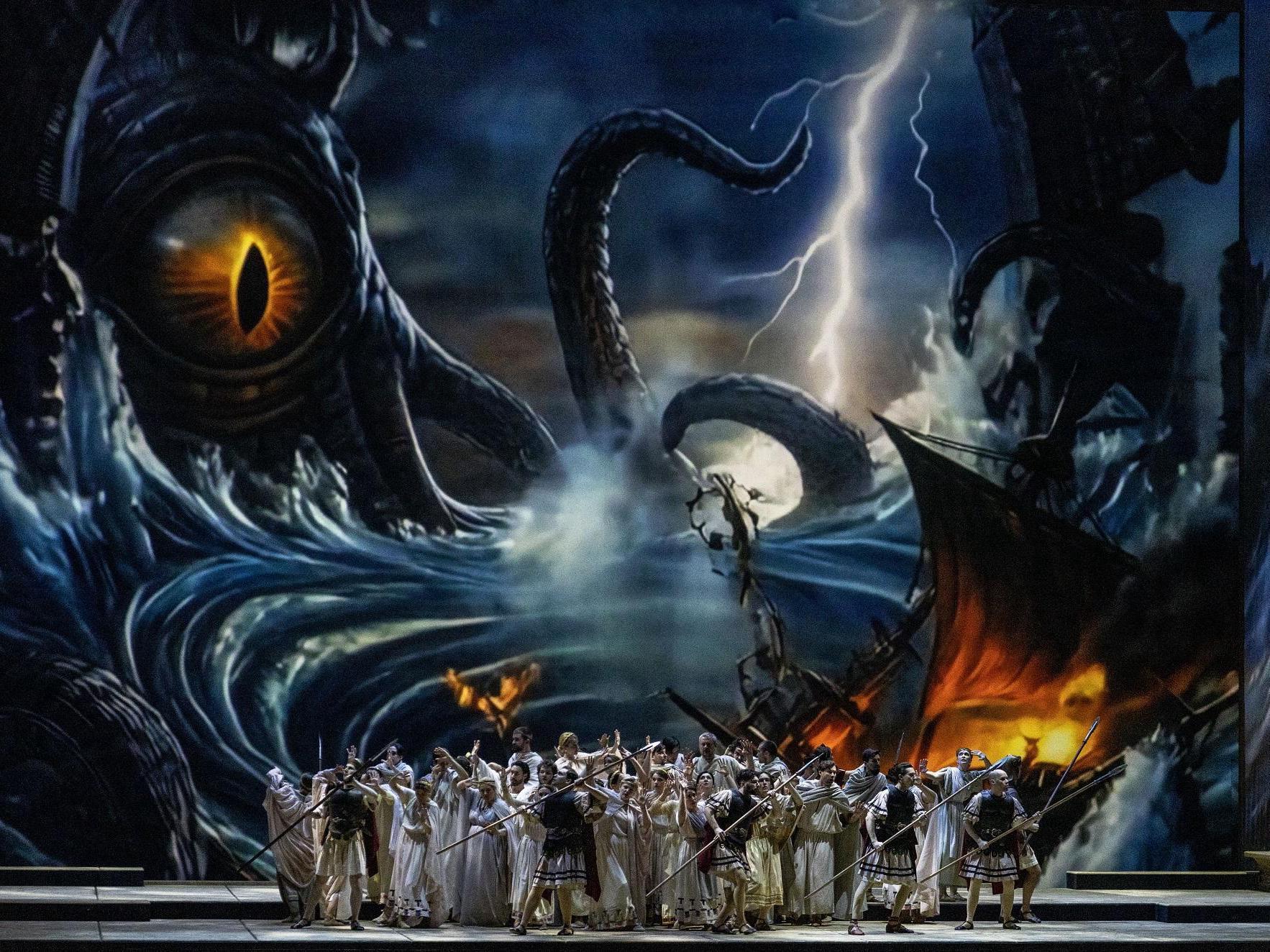
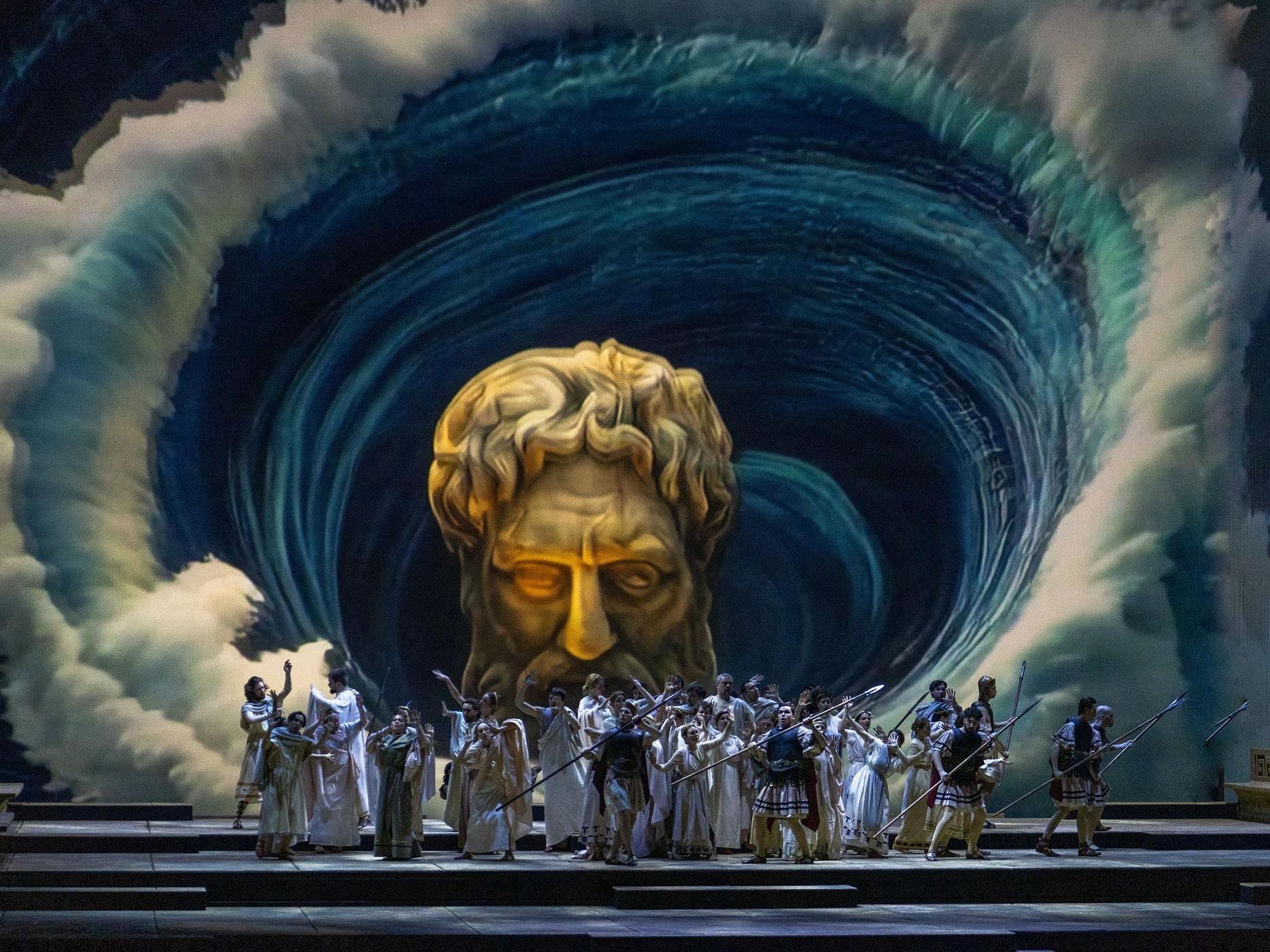
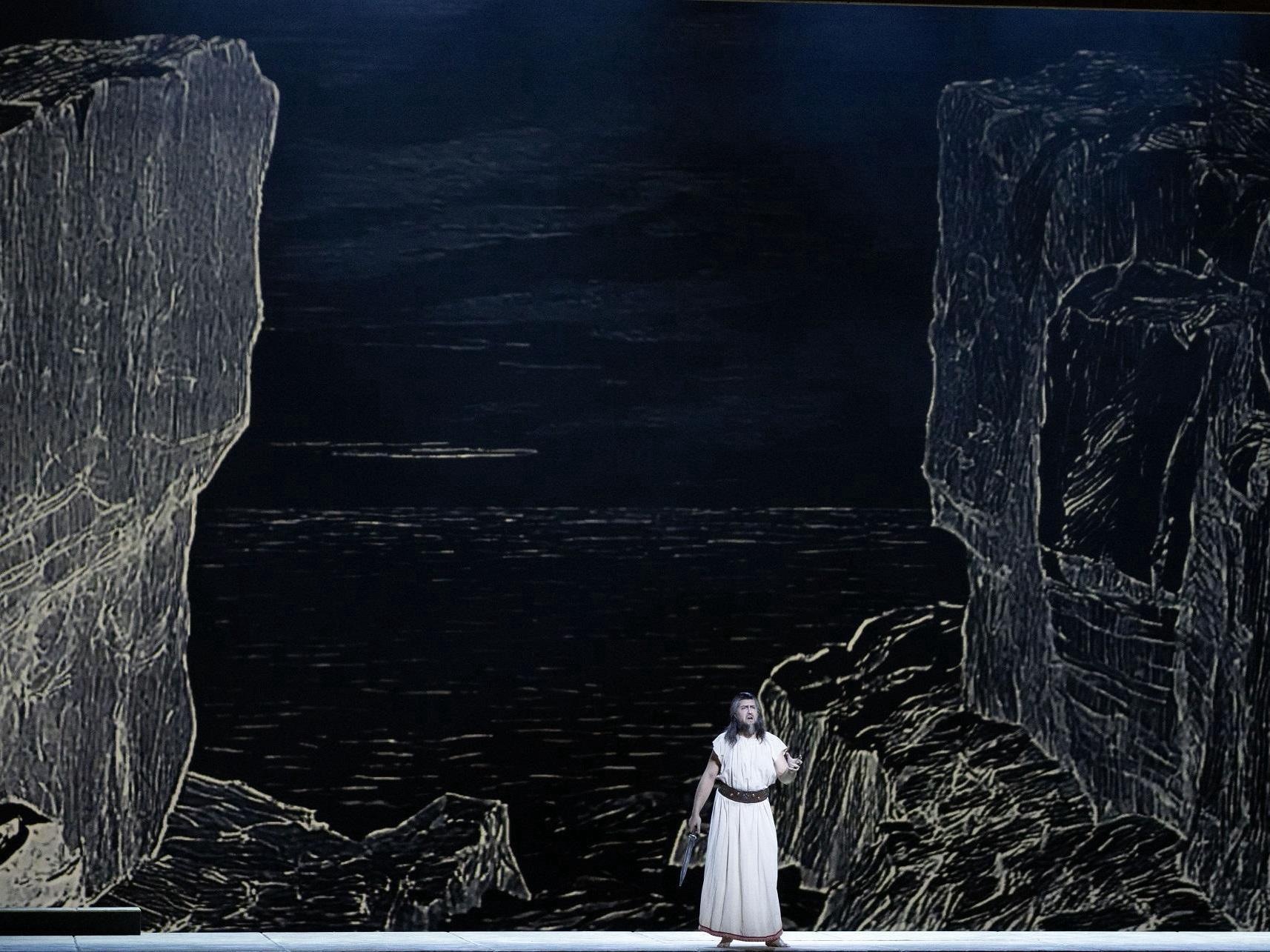
Due to the tight production schedule, there are almost no traditional sets in the performance. Instead, the team consisting of director Roman Kocherzhevsky, multimedia director Gleb Filshinsky, and video artist Igor Domashkevich created a bright and dynamic visual space. This world, baroque in spirit and reminiscent of a fairy tale, appeals to audiences of all ages and likely involved the use of artificial intelligence.
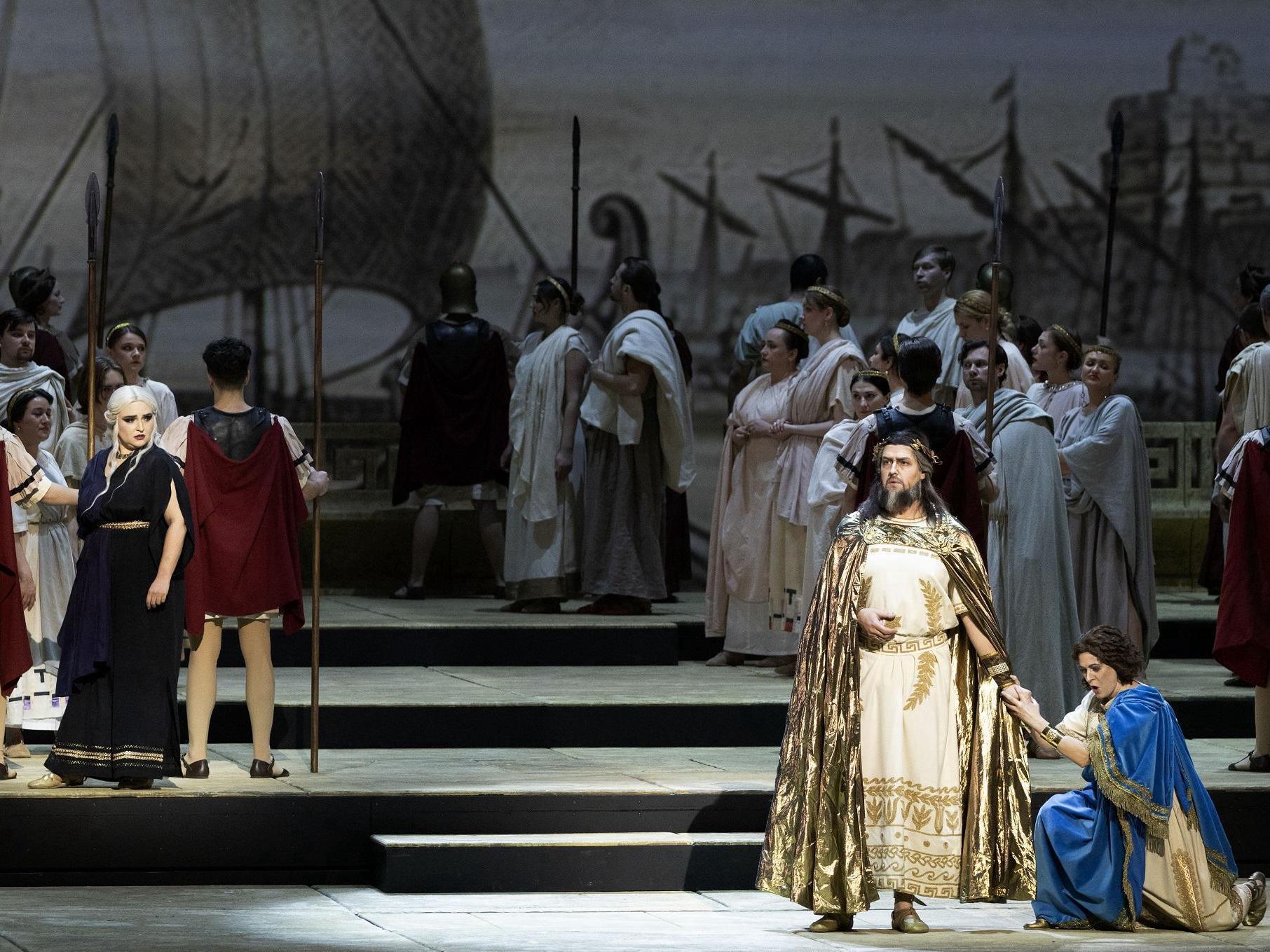
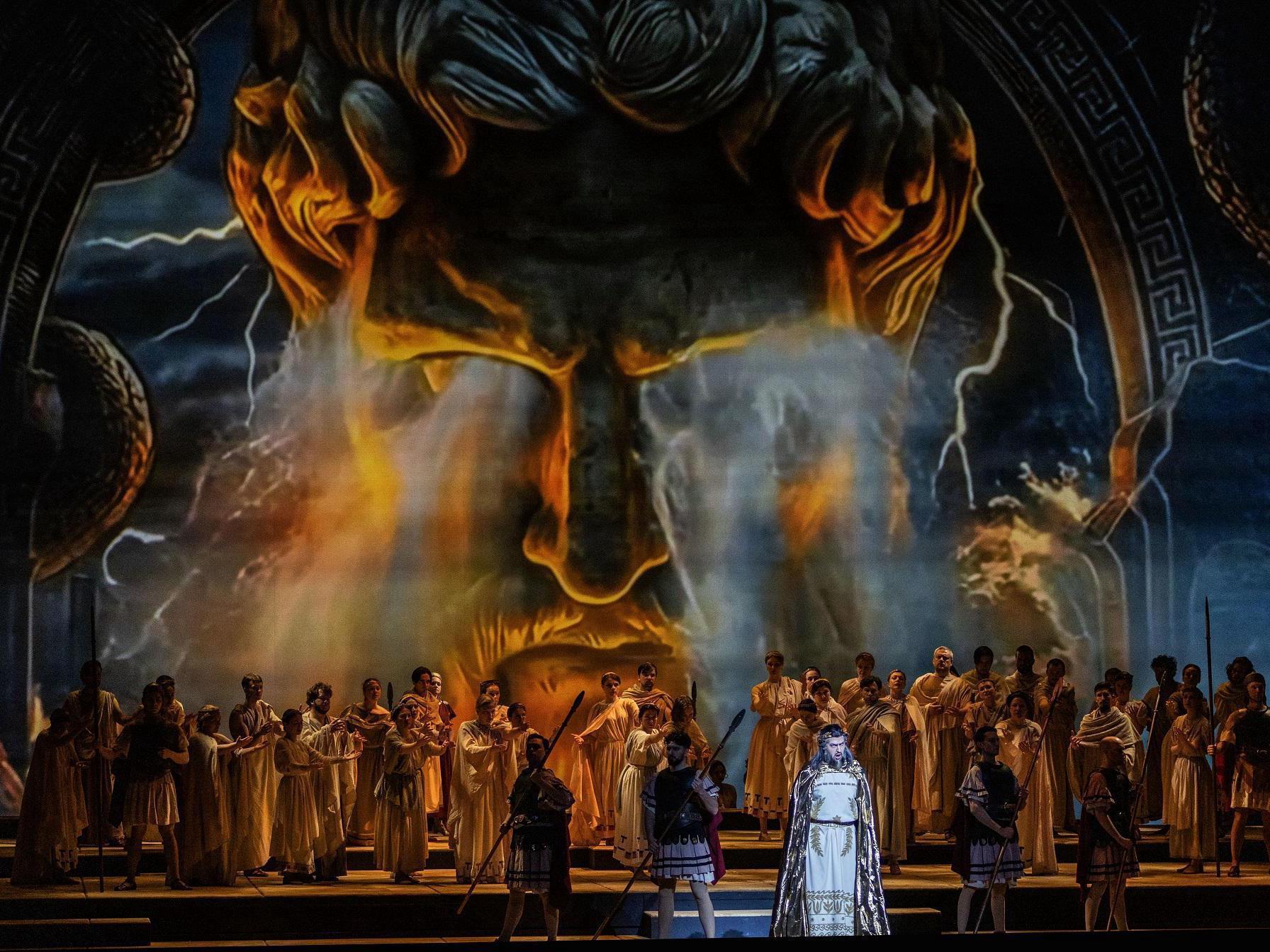
In this meticulously crafted world, created by the studio «Show Consulting», Kocherzhevsky«s directorial task was reduced to positioning singers in ancient costumes on the front stage. Their static poses, reminiscent of ancient Greek vases, were combined with a changing stage relief made possible by the technology of Mariinsky-2. This solution allowed the focus to remain on the vocal parts without disrupting the structure of the opera seria.
On the screens appeared raging waves, flames, drifting clouds, and the mask of Neptune — a reference to Ponelle«s production. A monstrous octopus-like creature appeared, destroying a temple. Thus, all the main elements of baroque theatre were presented: sea, earth, sky, palaces, and gardens.
Explaining the Plot
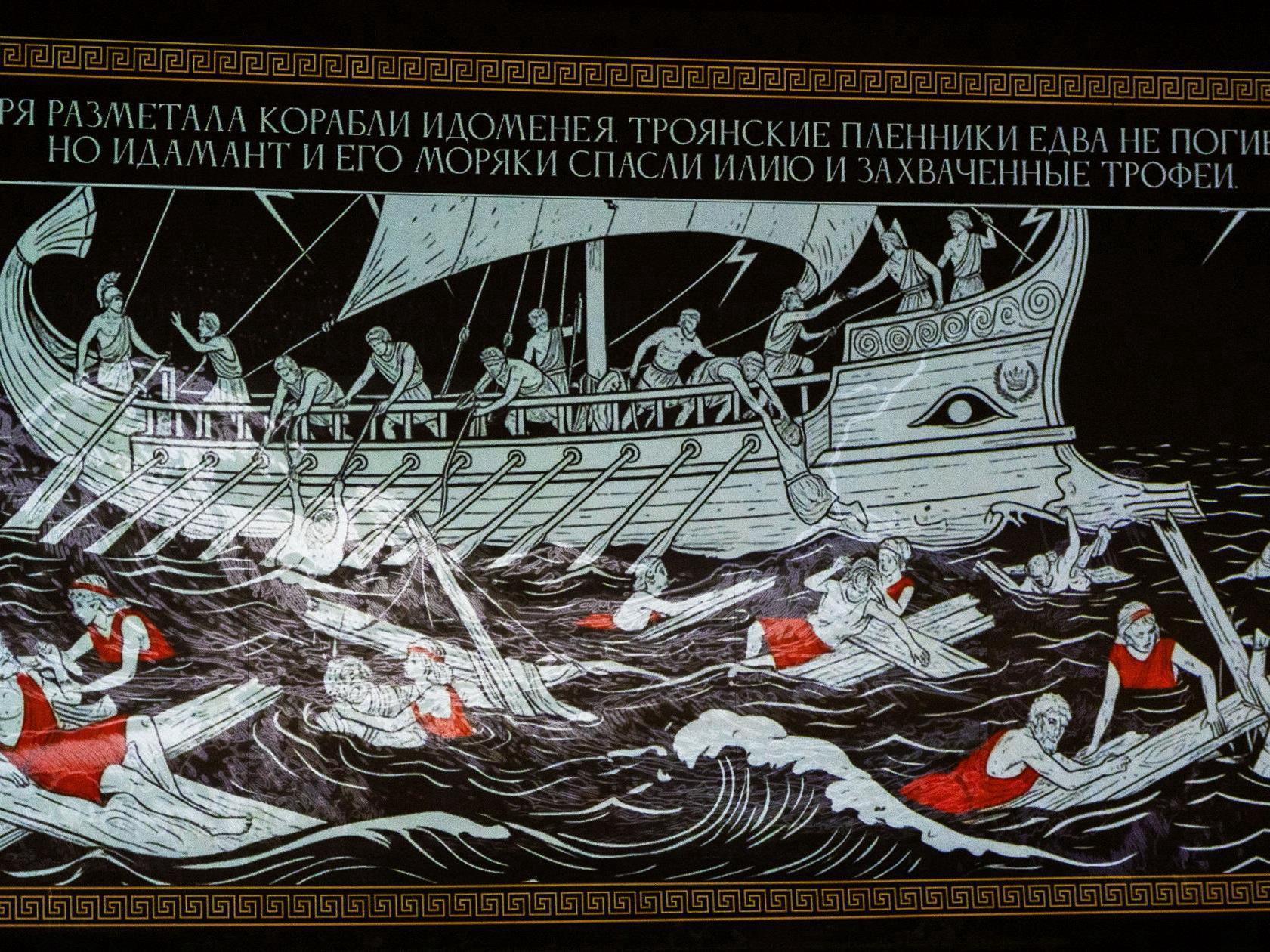
To make the plot accessible to viewers unfamiliar with the «Iliad», the production team used subtitles explaining the characters« feelings. For example, Ilia»s first aria was accompanied by text: «Ilia doubts that Idamante will return her love. She is certain that Idamante is in love with the Greek princess Electra. She is tormented by dreams of revenge, jealousy, and love.» Additionally, before each act, a curtain in comic book style with illustrations and explanations was lowered. The overture was also accompanied by pictures depicting the backstory of the Trojan War. The design is done in the style of ancient vases, although there are historical inaccuracies, such as the depiction of the Temple of Athena Pallas on Crete.
Musical Performance
Although Valery Gergiev was listed as music director, the orchestra at the premiere was conducted by Gurgen Petrosyan. His performance, prepared in just one rehearsal, was generally successful, although the overture was played at too fast a tempo. The climactic storm scene in the second act did not achieve the dramatic intensity that Gergiev might have provided. The orchestra in «Idomeneo» plays a key role, enriching arias with solo flute, horns, and trombones, creating a through-composed development reminiscent of the influence of Gluck and French opera.
Vocal Parts
The conductor sensitively accompanied the singers, whose parts were well learned thanks to previous concert performances. Ekaterina Savinkova (Ilia) and Daria Rositskaya (Idamante) demonstrated elegant singing and virtuosity. Rositskaya performed the role of Idamante, originally written for a castrato, in soprano. Anzhelika Minasova (Electra) did not fully convey the fury of her character, while Alexander Mikhailov (Idomeneo) sang correctly and looked regal, although his voice lacked brilliance.
Conclusion
The premiere was a success: innovative techniques, including comics and striking visualisation, made a complex opera accessible to a wide audience. The theatre has prepared several casts of performers, promising a long life for the production.