Ireland and Russia: Unexpected Parallels
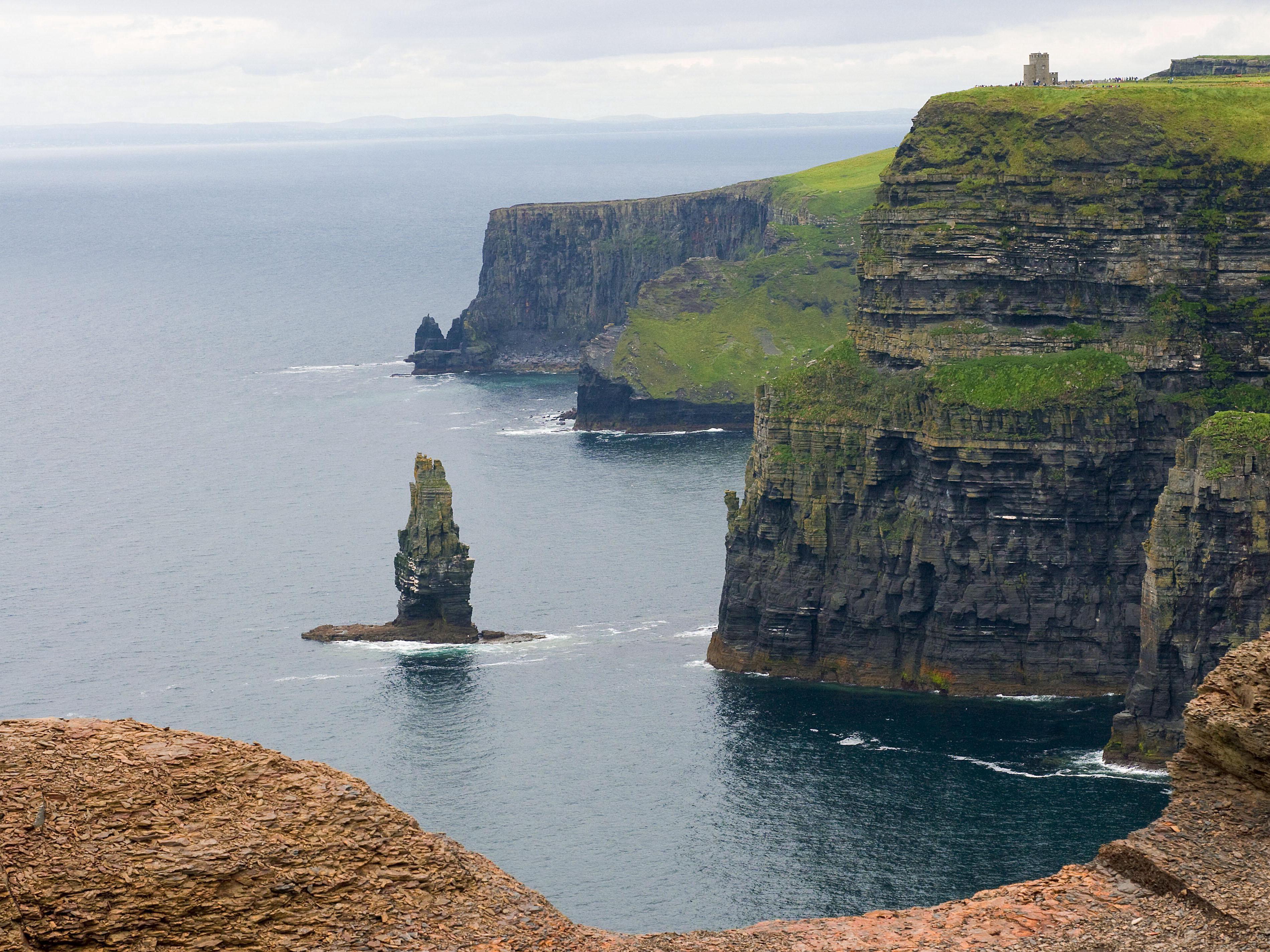

The Emerald Isle, where all shades of green are gathered, often seems to Russians like a distant and mysterious land. But look closer — and you«ll discover amazing similarities: in appearance, in an open, hospitable character, and in the attitude towards life, where work and rest go hand in hand.
A Heavy Legacy and New Pride
Ireland«s history is a centuries-long struggle for independence from Great Britain. The memory of four hundred years of occupation is still alive, and even peaceful times have not erased it completely. In the 19th century, the country was shaken by the Great Famine (An Gorta Mór), caused by the potato crop failure — the staple food of the poor. Up to one and a half million people died from hunger and disease, and as many emigrated in search of a better life, primarily to America and Australia. This tragic event forever changed demography and national consciousness.
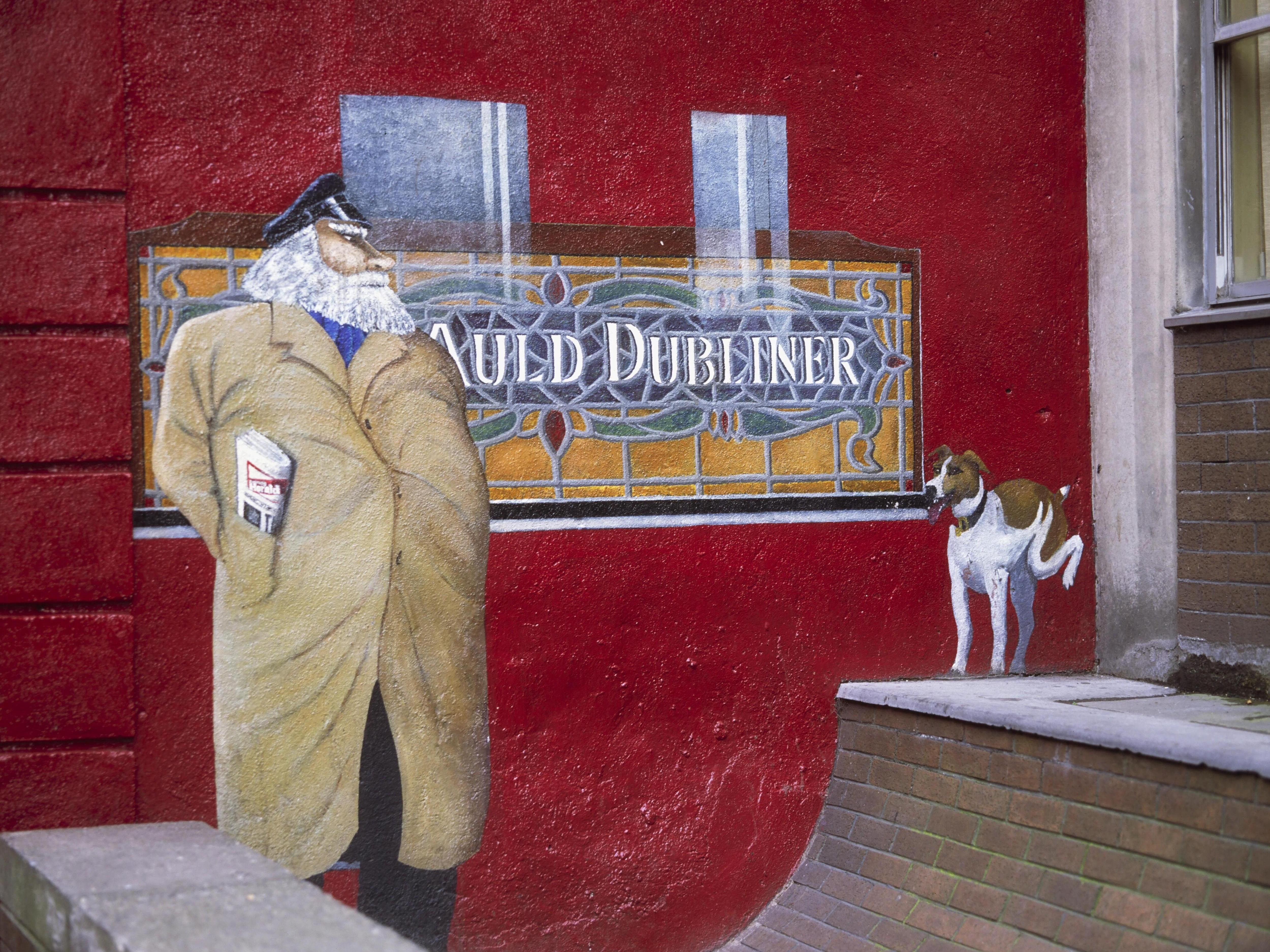
For a long time, the Irish army was perceived more as a decorative force. The situation changed in 2006, when after reconciliation with the Irish Republican Army, Dublin decided on a large-scale military parade. For many citizens, it was a revelation — they saw a modern, professional army. Today, the Irish armed forces are entirely contract-based and number about 7,500 people, with women occupying a prominent place, including commanding ships. Former President Mary McAleese, who supported local designers, together with like-minded people, managed to turn that ceremony into a true triumph of national spirit — especially against the backdrop of memories of times when some British establishments had signs saying «No dogs, blacks, and Irish».
Irish People Who Changed the World
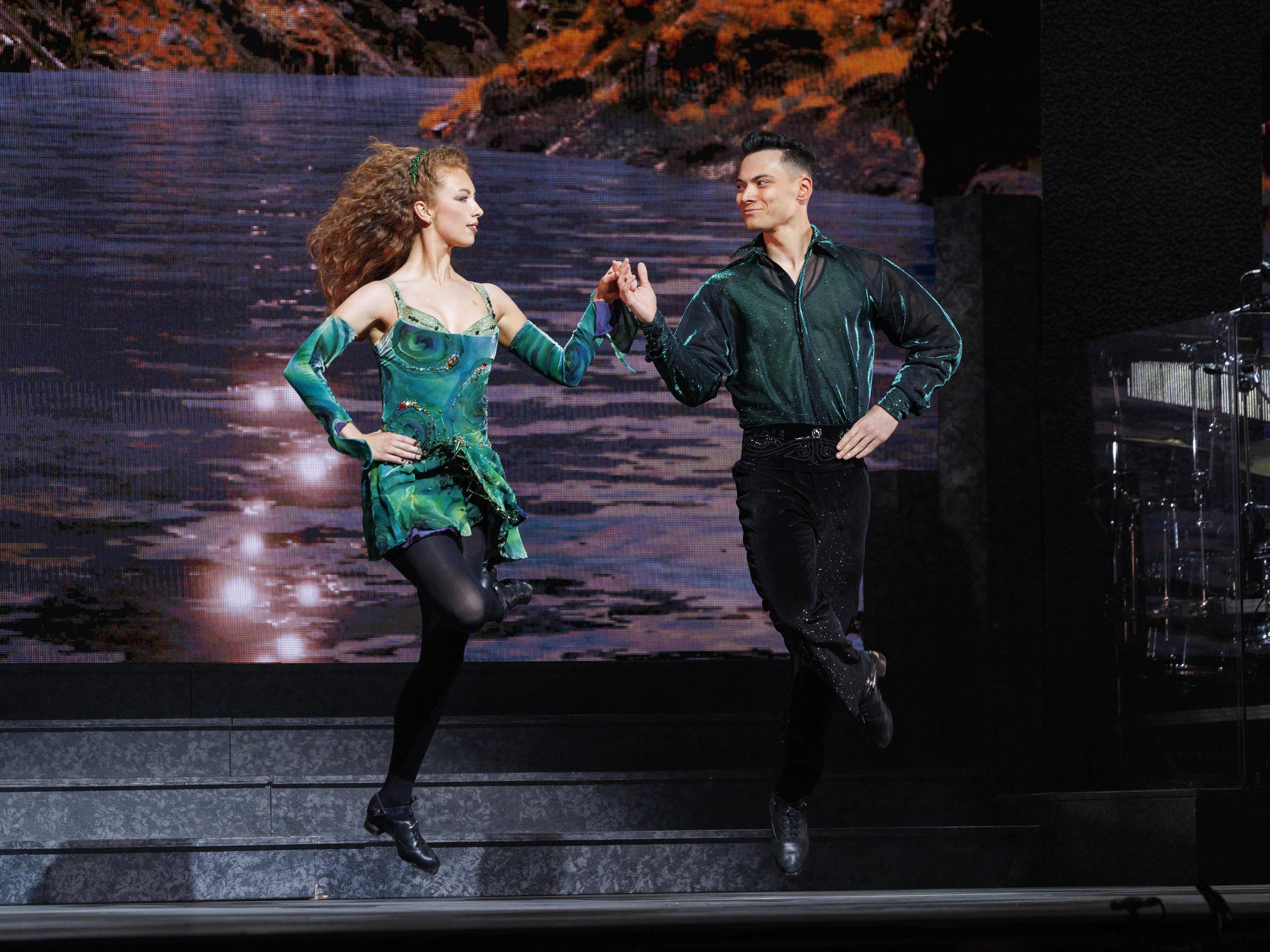
When asked where he would prefer to be after death — in heaven or hell, Bernard Shaw, of Irish origin, replied: «In heaven the climate is better, but in hell the society is more interesting!» Irish «society» is indeed impressive: from writers like Oscar Wilde, James Joyce, and Samuel Beckett to actors — Pierce Brosnan, Cillian Murphy, and Colin Farrell. The music world is unthinkable without U2, Enya, and Van Morrison. Little Ireland has won the Eurovision Song Contest seven times, and the dance show «Riverdance» conquered the whole world in just a decade.
Many American presidents have Irish roots — from John F. Kennedy, the first Catholic in the White House, to Ronald Reagan, Bill Clinton, and Joe Biden, who became the second Catholic president in U.S. history.
Ask an Irishman about American whiskey, and he will likely wrinkle his nose: «Maybe for washing cars!» Their own, national whiskey (from the Irish uisce beatha — «water of life») is valued immeasurably higher. Legendary brands like Jameson or the exquisite liqueur Baileys, adored in many countries, are proof of that. And in 1759, in Dublin, Arthur Guinness founded a brewery whose product is known everywhere centuries later. The Irish, by the way, often call dark beer Guinness their «kvass» (a traditional fermented beverage).
From Potato Fields to IT Capital
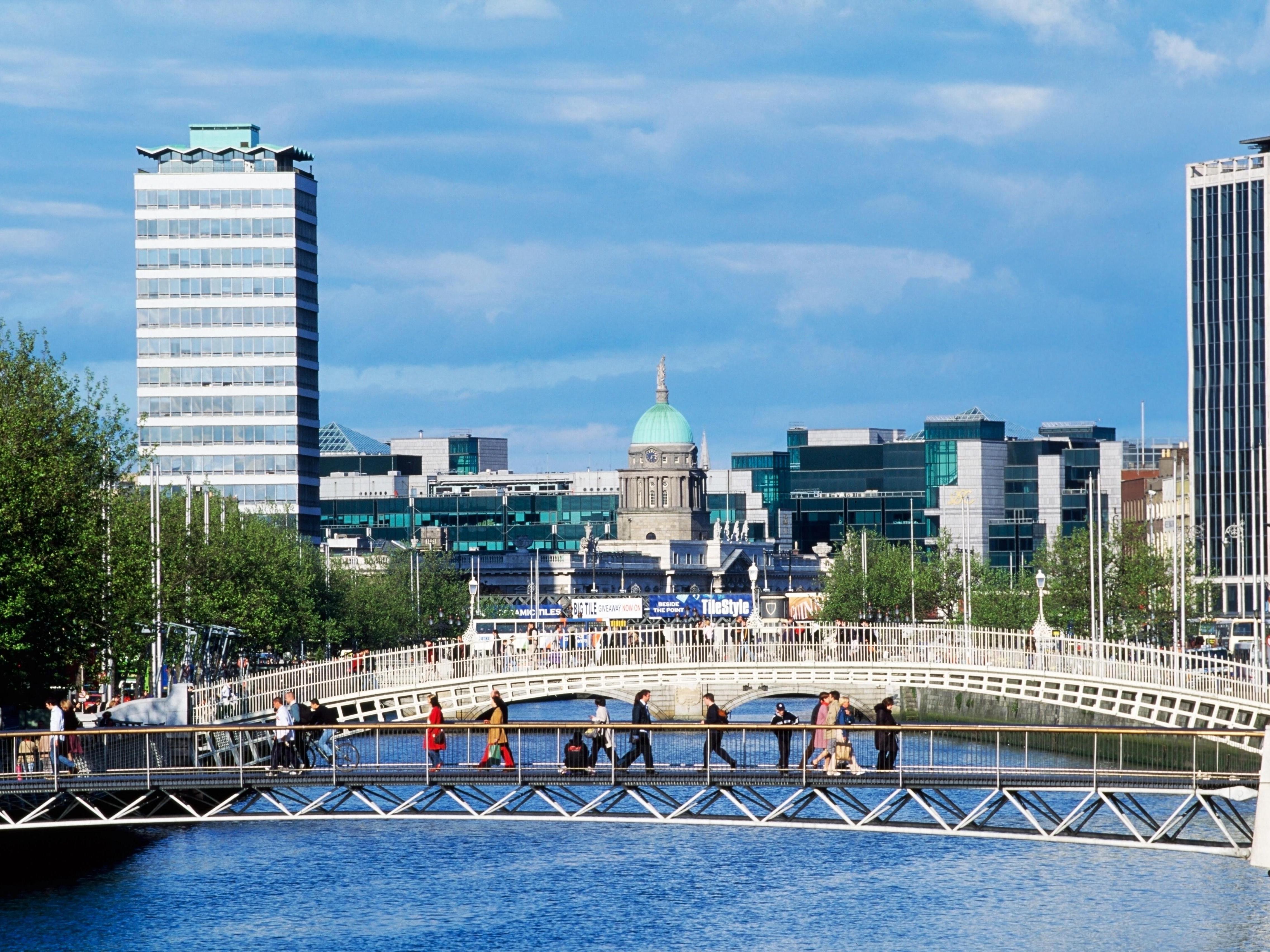
The older generation still remembers times of severe need, when in large families there was only one pair of shoes for everyone, and the diet was limited to potatoes and fish. But the agrarian country performed an economic miracle, turning into one of the world leaders. Today, Ireland is one of the richest countries in Europe with the highest GDP per capita. The number of millionaires here has grown significantly in recent years, and more than 200,000 households have an annual income of over a million euros.
The secret of success lies in a successful combination of entrepreneurial spirit and a special attitude towards work. An Irishman will not engage in business just for money — the work must «resonate with the soul,» bring pleasure. Upon joining the European Union, the country skillfully used investments and created attractive conditions for international companies. Now, the European headquarters of many technology giants are located here, including Google and Apple, and the local «free economic zone» is a center of world software and pharmaceutical production.
The Irish are tolerant of immigrants, willingly giving them jobs, remembering their own past experience of mass emigration. However, today they have a different «problem» — what to do with the money? The answer is often standard: build big houses, buy expensive cars, travel with the whole family. Unfortunately, the level of alcohol consumption is also rising.
Sport as a National Passion
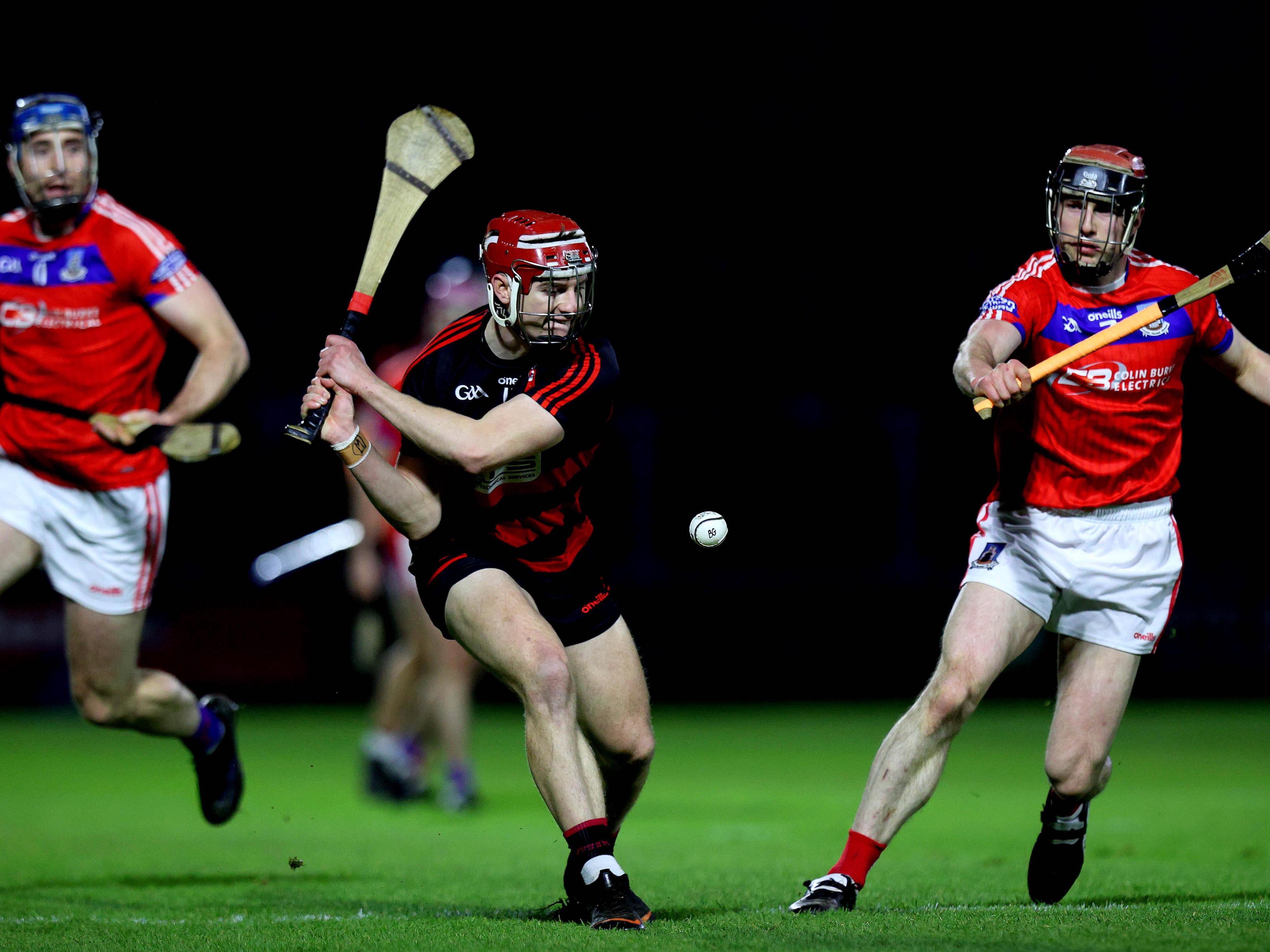
Sport for the Irish is not just entertainment, but part of the cultural code. The state supports sports infrastructure even in the smallest villages. Along with rugby, football, and golf, unique national games are cultivated here — hurling and Gaelic football.
Gaelic football is a dynamic mix of rugby and regular football, where the ball can be both kicked and carried in the hands. Hurling is considered the fastest ball game on grass. Players with sticks, resembling wide spoons, maneuver with a small ball, and strikes are delivered with such force that hockey helmets are indispensable. For a Russian person, it«s something between hockey and lapta (a Russian bat-and-ball game).
The main arena for these competitions is Dublin«s Croke Park stadium, accommodating about 85,000 spectators. Its history is tragic: in 1920, during a match, British militiamen stormed the field and shot the players. Today, a peaceful, almost family atmosphere reigns here: before games, brass bands perform, and fights among fans are rare.
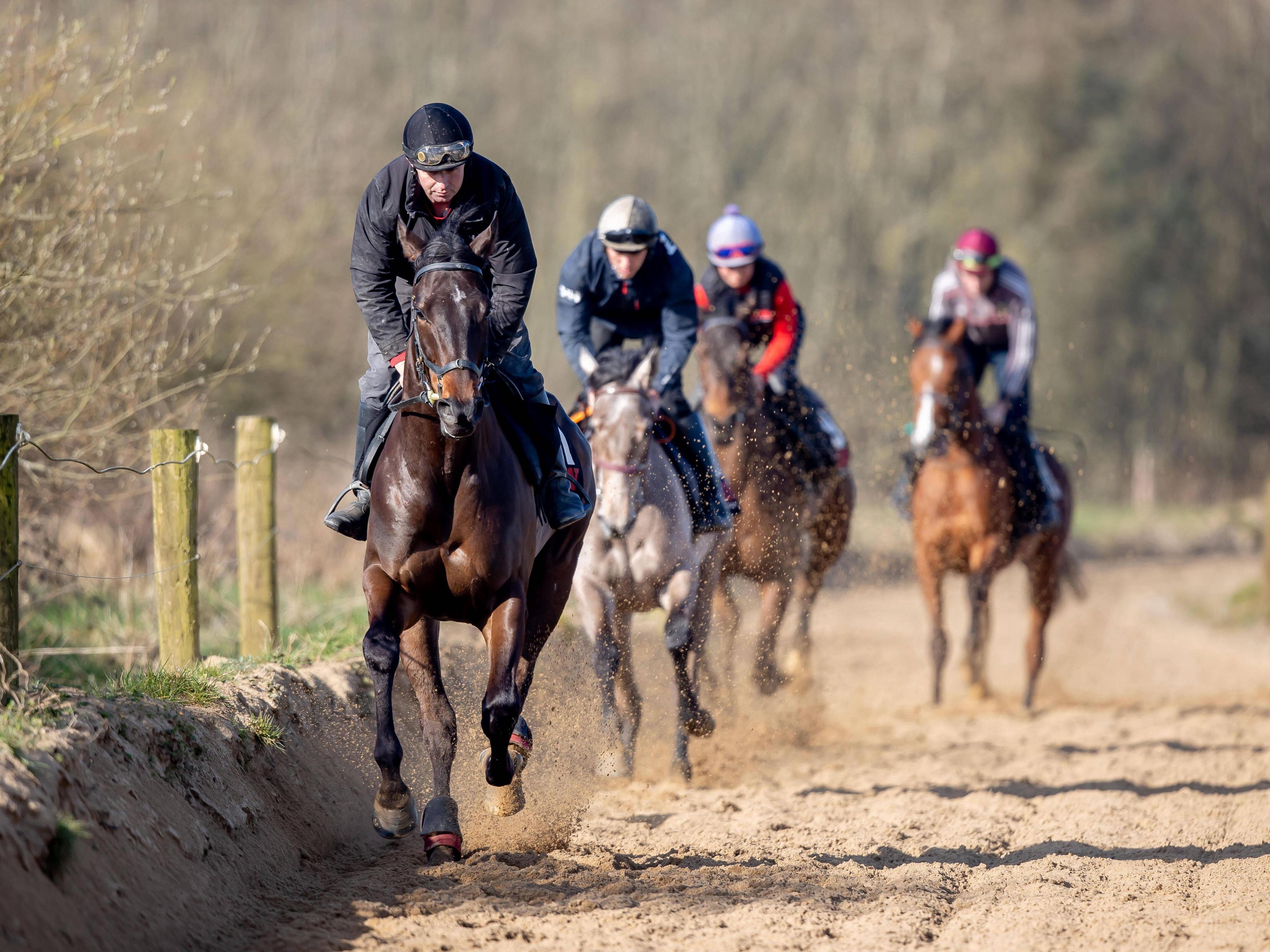
A special love is for equestrian sport, which is called the «sport of kings» here. The Irish are proud of their horses and jockeys, regularly winning at prestigious British races. Summer races are a whole event with picnics, betting, and a ladies« hat contest. In August, at the festival in Galway, tens of millions of euros are bet over a week, and active participants in the betting pools often include even priests.
Measured Pace and Family Values
In Irish towns, smaller than Dublin, strangers on the street can easily greet each other and exchange a few words about the weather — an eternal and safe topic. Haste is not liked here: snacking on the go or smoking while running is considered bad form. Even urgent work, the Irish manage to do calmly and thoroughly, and praise for a job well done will certainly be heard.
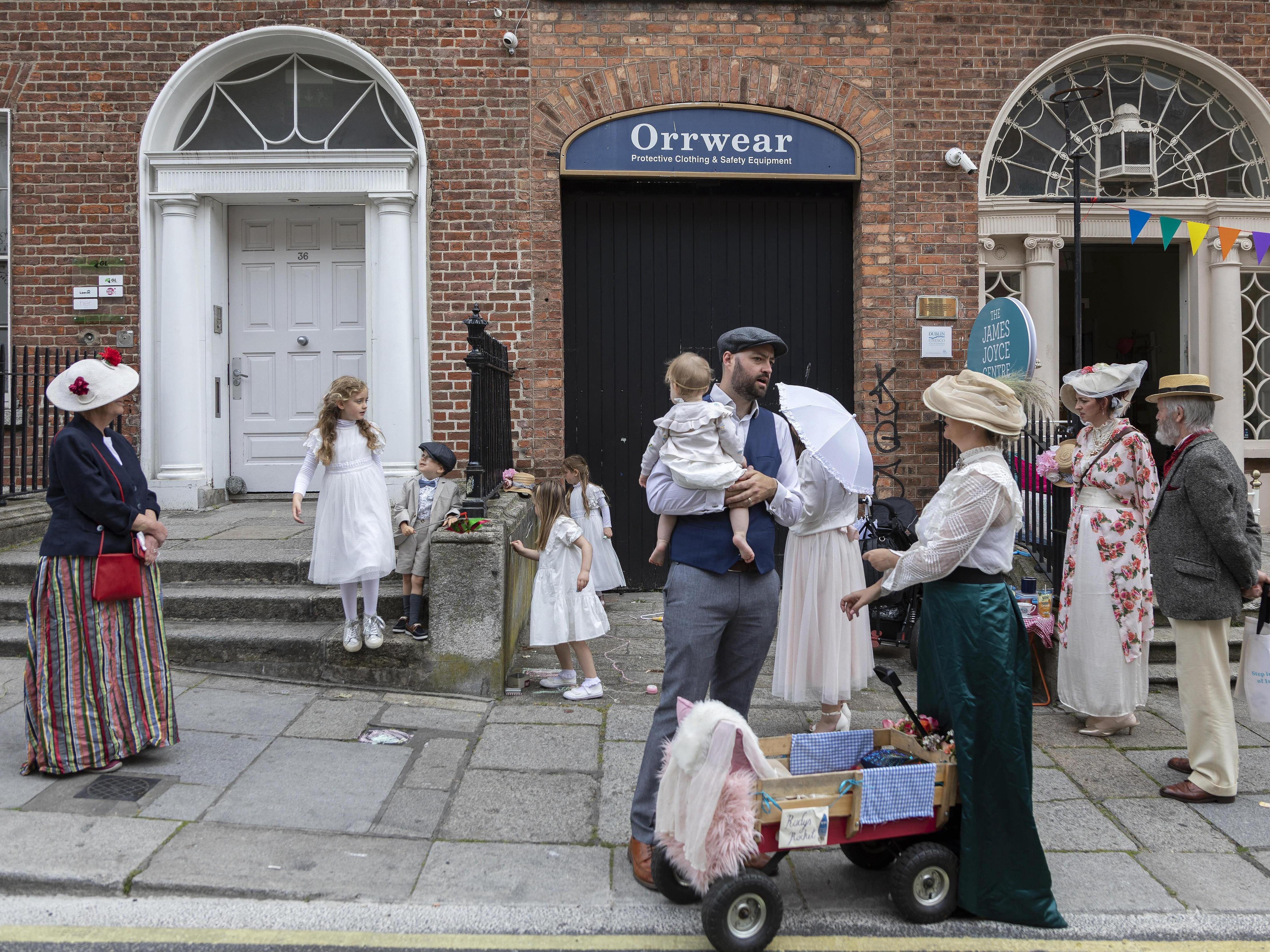
In the evenings and on weekends, the streets are full of fathers walking with strollers and a bunch of children — three or four children in a family is normal here. Mothers at this time can take care of their own affairs, meet with friends in a pub, or train at the gym.
Pride in their country is as natural for the Irish as hills covered with heather or Sunday mass. Men here, on equal terms with women, take care of the home, elderly people lead an active social life, and young people are confident in the future. What do they dream of? The same as we do: happiness and a decent life for their children. And on the way to this dream, they seem to have already overtaken us in some things.