Huipil: Center of the Mexican Universe
The traditional huipil dress, cut in the shape of a cross, turns a Mexican woman into the center of the universe, linking her to ancient goddesses.
Mar 9, 2026 0
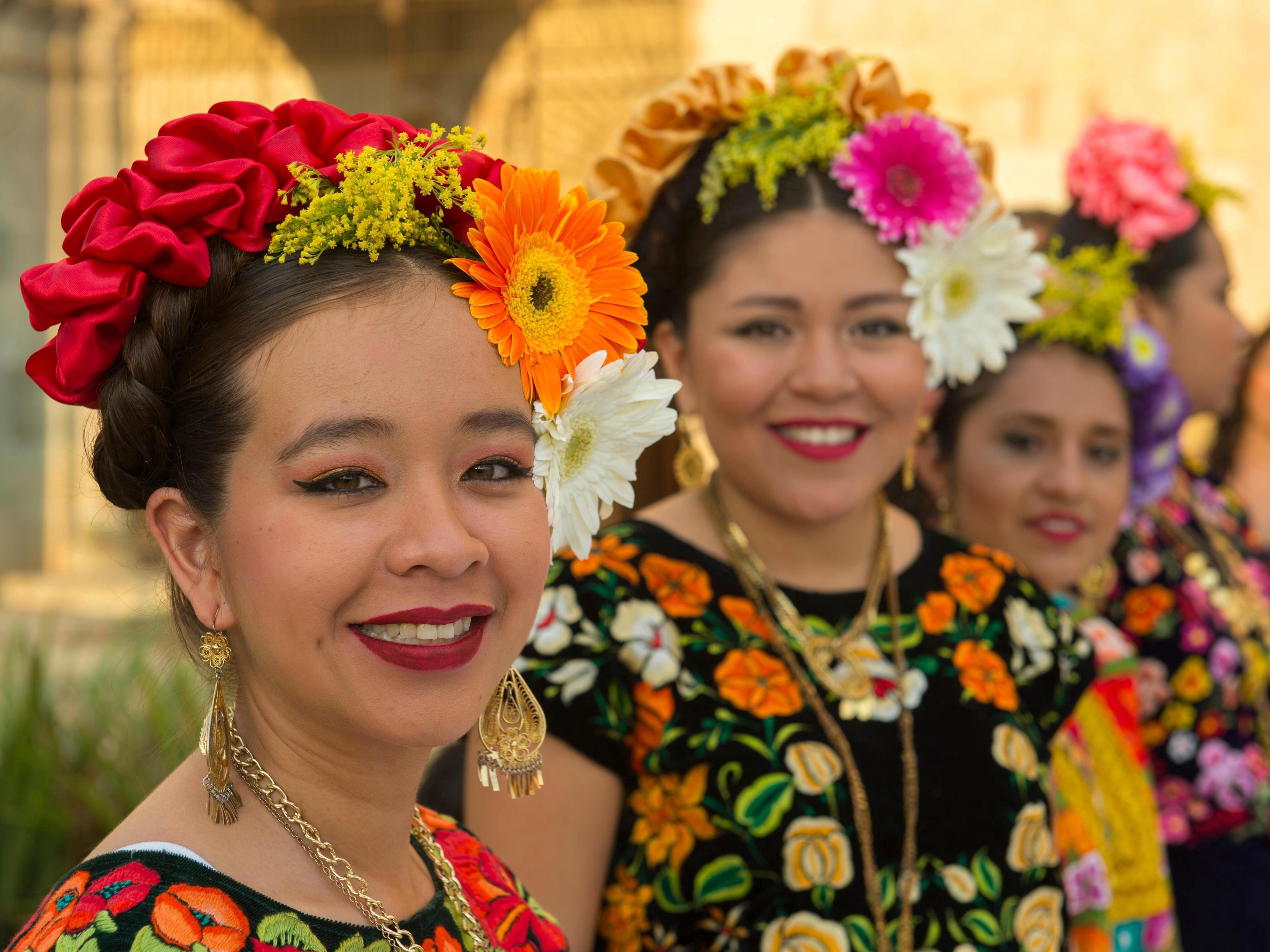

A traditional huipil dress with cross-cut design symbolizing the cardinal directions in Mexican cosmology.
Source:
In Mexican culture, the main adornment for women has always been a special cut of clothing, not jewels. The dress called huipil is cut in the shape of a cross, but this is not a religious symbol — it is a model of the Universe. The right shoulder represents the west, the left — east, the back — north, and the chest — south. By wearing the huipil, a woman becomes the living center of the universe, uniting all directions.
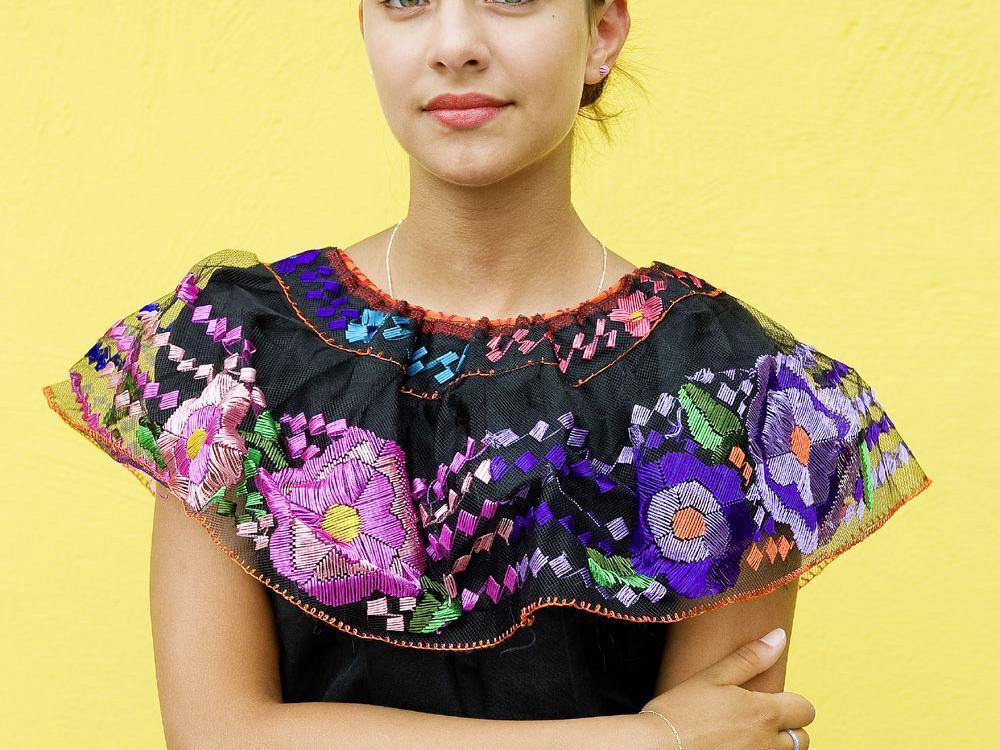
Women in huipils participate in the Guelaguetza festival, celebrating indigenous heritage in Oaxaca.
Source:
This tradition has deep roots: huipils were worn by Mesoamerican women even before the arrival of Spanish conquistadors. Over time, its form has evolved, and today it often looks like a modern dress, but retains its sacred cross-shaped cut, reminding of ancient cosmological views.

Contemporary huipil designs maintain ancient cross-shaped patterns while integrating modern fashion elements.
Source:
The spirit of the huipil comes alive most vividly at the annual Guelaguetza festival in Oaxaca. The festival originates from a pre-Hispanic Zapotec custom that honored the maize goddess Centéotl. Participants aspiring to the role of the goddess must not only display beauty in huipils but also deeply know the history and culture of Mexico, turning the celebration into a living connection of eras.
Modern Mexico is a country with a population of about 130 million people, where the majority are mestizos of Spanish-Indigenous origin. About 80% of residents are concentrated in cities, and the capital Mexico City is among the world«s largest megacities. Despite urbanization, traditions like wearing huipil continue to live on, reminding of the rich cultural heritage that adapts to new times without losing its essence.
Read more