How the Fir Tree Became a Symbol of Winter Holidays
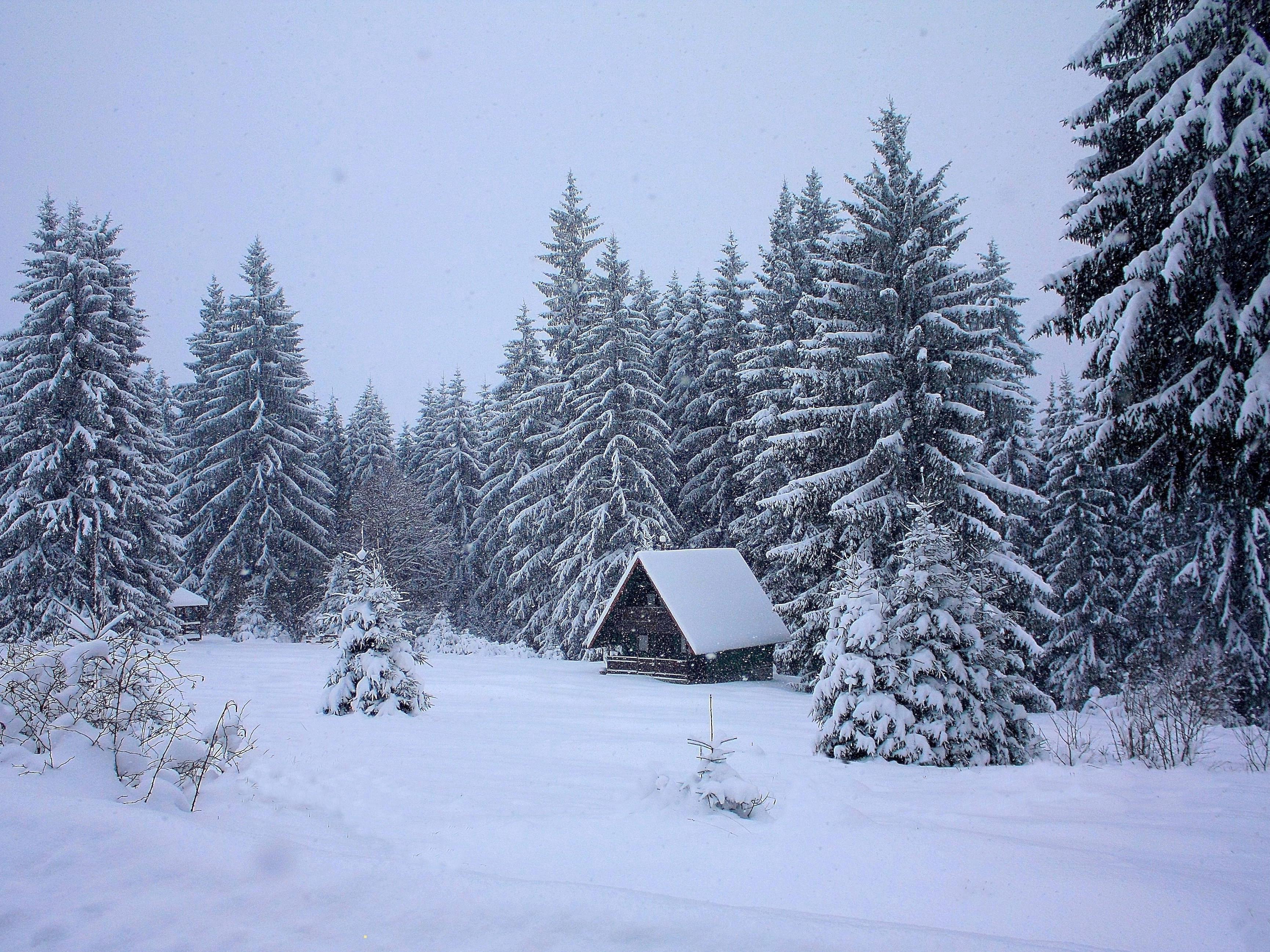

Every year we put up a Christmas tree, decorate it with garlands and baubles, and it seems as if it has always been this way. But the custom of setting up a coniferous tree at home for the winter holidays formed in Russia relatively recently. Its history is a journey from rejection to adoration, woven from pagan beliefs, European influence, and state ideology.
From a Forest Ritual to a Christmas Symbol
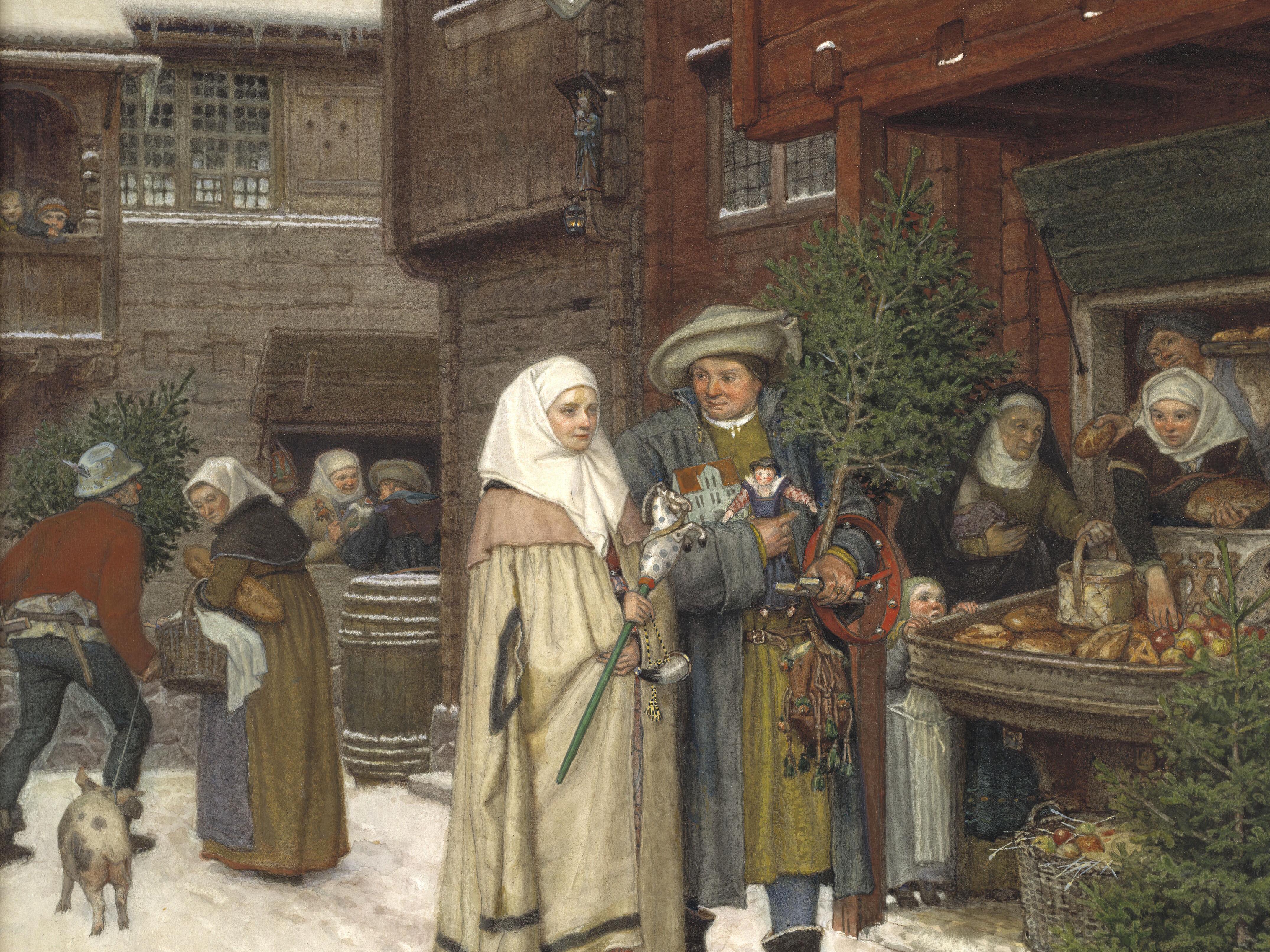
The roots of the tradition go back to ancient times, when many peoples revered trees as bearers of life force, connecting the human world with the cosmos. For the ancient Germans, the fir tree was such a magical tree. Around the New Year, they would go into the forest, decorate a tree, and perform rituals around it. These acts had no Christian meaning until a fir tree became associated with one of the most famous legends.
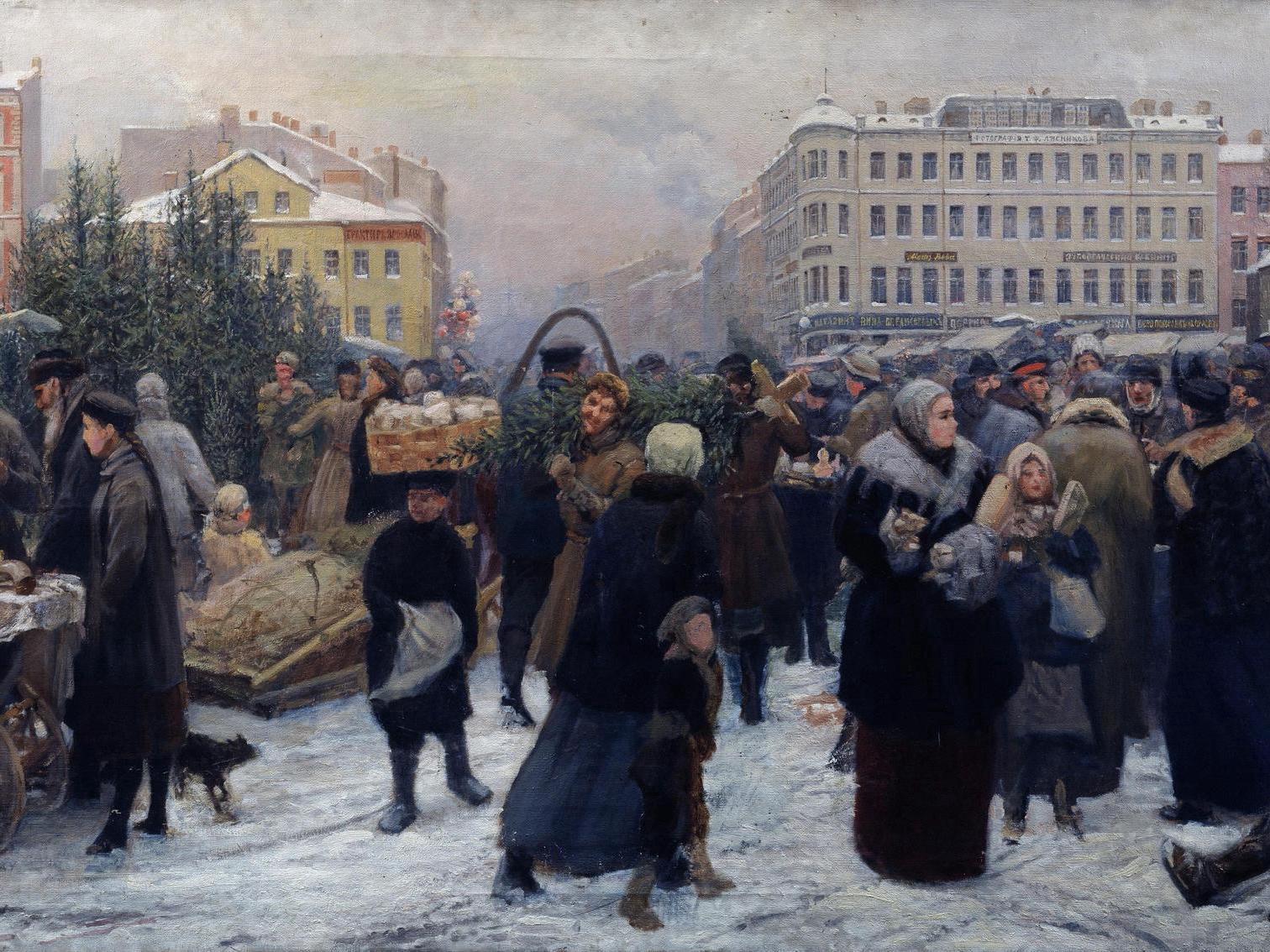
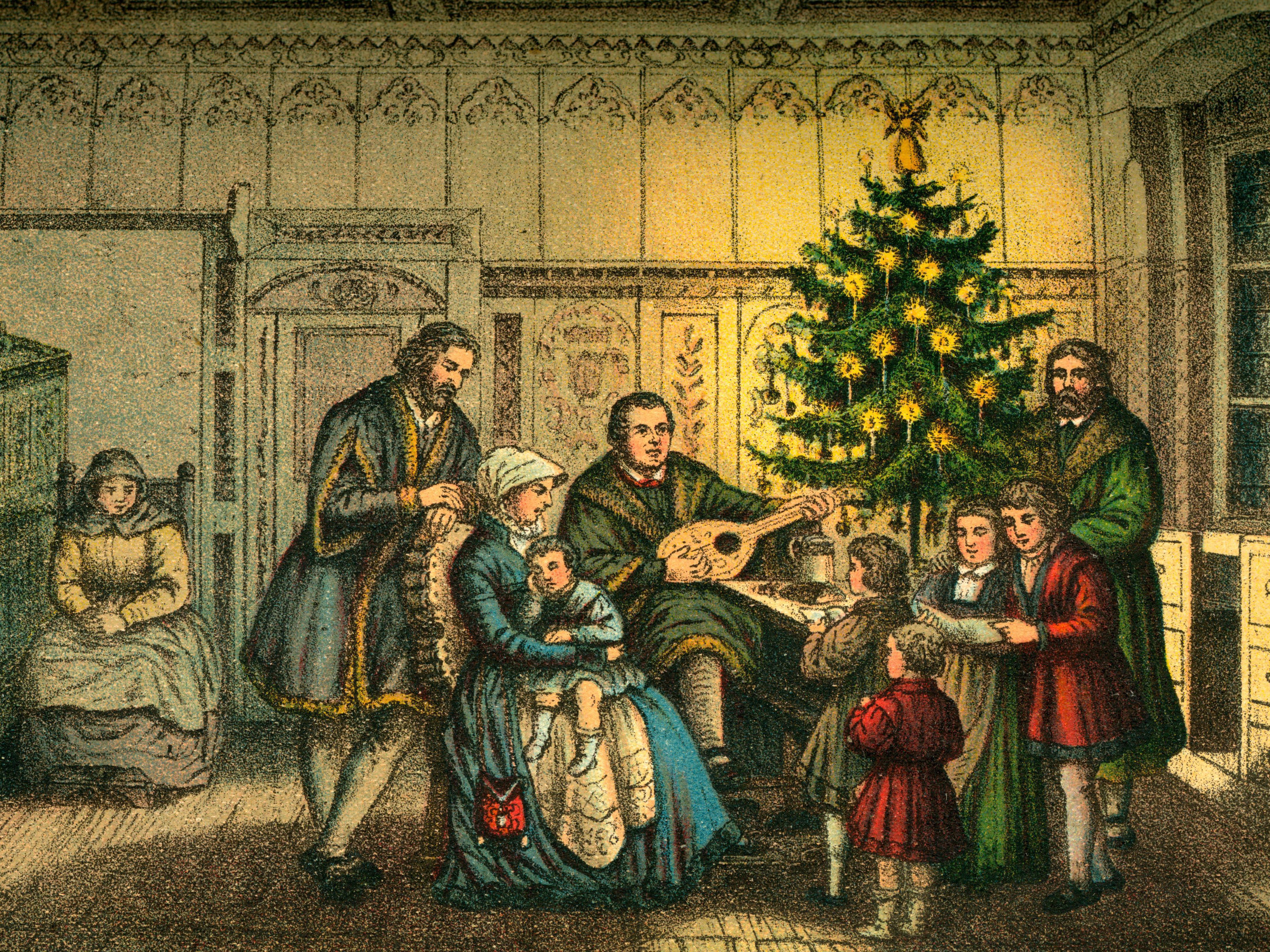
It is believed that the custom of setting up a fir tree on Christmas Eve, December 24, was introduced by the German reformer Martin Luther. According to legend, returning home on Christmas night, he saw the stars sparkling through the branches of the fir trees. This reminded him of the Star of Bethlehem, and he brought a small fir tree home, decorating it with burning candles in honor of Jesus«s birth. Thus, the fir tree gradually became the »Christmas tree« in Germany: it was placed on a table, decorated with glitter, and gifts for children were laid out under its branches.
A Foreign Tree in the Russian Tradition
Among the Eastern Slavs, the fir tree was never a favorite. The symbol of life and purity was the birch, which was decorated on Trinity Sunday. The fir, with its prickly needles and love for dark, damp places, was associated with the world of evil spirits—forest spirits, devils, and therefore with death. Fir branches were used to pave the way to the cemetery, and suicides were buried among fir trees. Gloomy sayings became fixed in the language: «to look under the fir tree» meant to be seriously ill, and «to end up under the fir tree» meant to die.

It seemed such strong negative associations left the fir tree no chance of becoming a festive tree. The first attempt to introduce the custom is associated with the name of Peter I. In 1699, returning from Europe, the tsar issued a decree to celebrate the New Year on January 1 and decorate the streets of Moscow with coniferous branches on that day. However, this decree had nothing to do with the home Christmas tree—the trees served as street decor. After Peter«s death, the tradition was forgotten, and fir trees remained only as signs outside taverns, which the people nicknamed »yolki« (firs). This only strengthened the tree»s association with the «underworld».
Russia«s real acquaintance with the home Christmas tree occurred only at the beginning of the 19th century in St. Petersburg, where numerous German families preserved their customs. For a long time, the Christmas tree was considered a »German custom.« The writer Alexander Bestuzhev-Marlinsky noted this foreign custom for Russians in 1831.
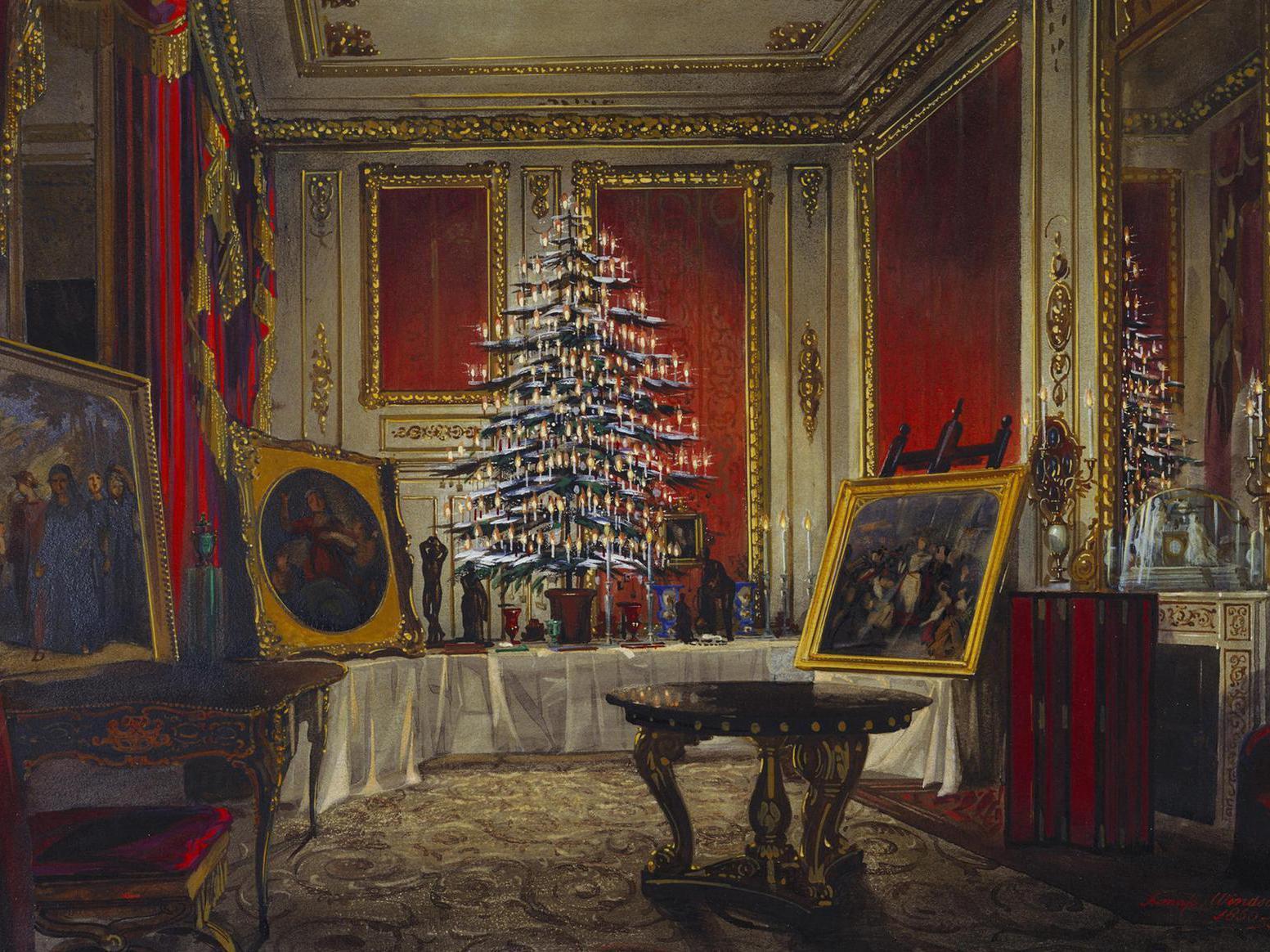
A turning point came in the 1840s. The fashion for the Christmas tree began to spread among the capital«s noble families. »Adorably adorned and decorated with lanterns, garlands, wreaths,« they were sold in expensive confectioneries and cost a fortune. Soon, the trade in Christmas trees moved to the streets and markets, and the press began to talk about it. »In St. Petersburg, everyone is obsessed with Christmas trees,« Ivan Panayev quipped. »...Now one cannot exist without a Christmas tree.«
In 1852, the first public Christmas tree was set up at the Yekateringof Station in St. Petersburg, and then in noble assemblies. Moscow quickly picked up the trend. However, in estates remote from the capital, the Christmas tree remained a curiosity for a long time. Children«s writer L. Savelyeva-Rostislavich noted in 1853 that for many parents and children, the Christmas tree was an »extraordinary rarity.« But within a decade, judging by the memoirs of Leo Tolstoy»s children, the Christmas tree had firmly entered festive use.
The Transformation of the Ritual and the Birth of Ded Moroz
Initially, the Christmas tree holiday, which came from Germany, was a quiet family celebration, prepared in secret from the children. The decorated and candle-lit tree was shown to the children, eliciting a storm of delight. After the celebration, the tree was given over to «plunder»: the children would snatch sweets and toys from it, and then the broken tree was taken out and thrown away.
In Russia, the custom changed. Instead of small trees on a table, tall fir trees were placed, fixed to a cross-shaped stand on the floor. The Christmas tree became the center of the hall; round dances and dances were performed around it. The family celebration gradually evolved into a children«s holiday, where guests were invited.
As its popularity grew, the Christmas tree seemed to be transformed. Its pyramidal shape, evergreen needles, resinous aroma, enhanced by festive decorations, began to be perceived as aesthetic perfection. However, not everyone accepted the novelty. Traditionalists saw the Christmas tree as a threat to national identity, the Orthodox Church resisted its Christianization, and peasants considered it a «lord»s pastime.«
There were also voices of nature defenders, outraged by the mass felling of forests before Christmas. «And it wouldn»t hurt to put a curse on the Christmas tree!« wrote Ivan Goncharov. But there were more supporters of the custom. Children»s writers and educators even created their own «Christmas tree folklore,» linking the holiday to the Russian winter nature.
At the same time, the main characters of the holiday took shape. Initially, according to legend, gifts were brought by the Christ Child. By the end of the 19th century, the image of the gift-bringer—Saint Nicholas, who turned into Santa Claus—came from Europe. In Russia, he did not take root, giving way to a native folklore hero—Ded Moroz (Father Frost), a kind old man in a fur coat.
The Christmas Tree in the Soviet Era
It is widely believed that after the October Revolution of 1917, the Christmas tree was immediately banned. In fact, at first, the new authorities paid no attention to it, and its rare appearance in homes was more a consequence of war and devastation. For many families, it remained a thin thread connecting them to their former life.
In the 1930s, attitudes changed. The Christmas tree was «rehabilitated» and turned into a symbol of the new state holiday—the New Year. It became an attribute of «happy childhood» in the USSR. The Star of Bethlehem at the top was replaced by a red five-pointed star, associated with the Kremlin stars. The tradition began to be promoted throughout the multinational country.
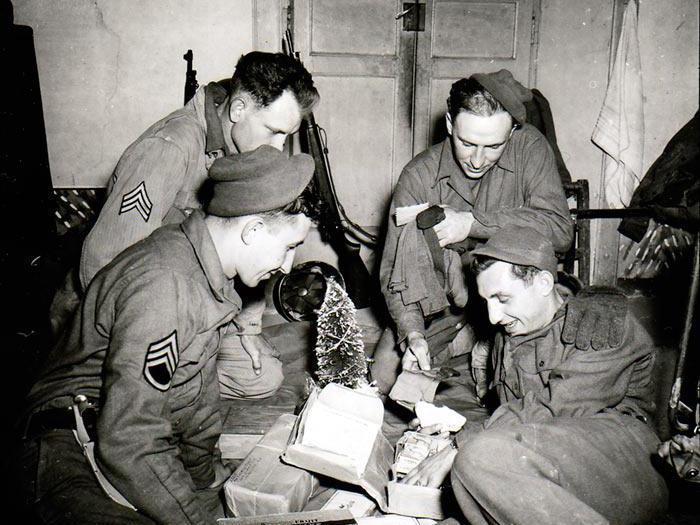
In Moscow, the main event became the Kremlin Christmas Trees for top students and activists. The New Year with a Christmas tree became perhaps the only non-ideological family holiday in Soviet life. The Christmas tree showed amazing flexibility: it survived wars, becoming a «Christmas tree in the trenches,» withstood ideological pressure, and in the home setting remained a beloved and long-awaited guest.
Today, centuries after its appearance in Russia, the New Year tree remains a living and changing tradition. It sparks debates about ecology, gives way to artificial counterparts, but continues to gather families around it. The fir tree, once associated with dark forces, has undergone an amazing transformation, becoming for millions a symbol of light, hope, and children«s joy on the longest night of the year.