Create a Secluded Corner in Your Natural Garden
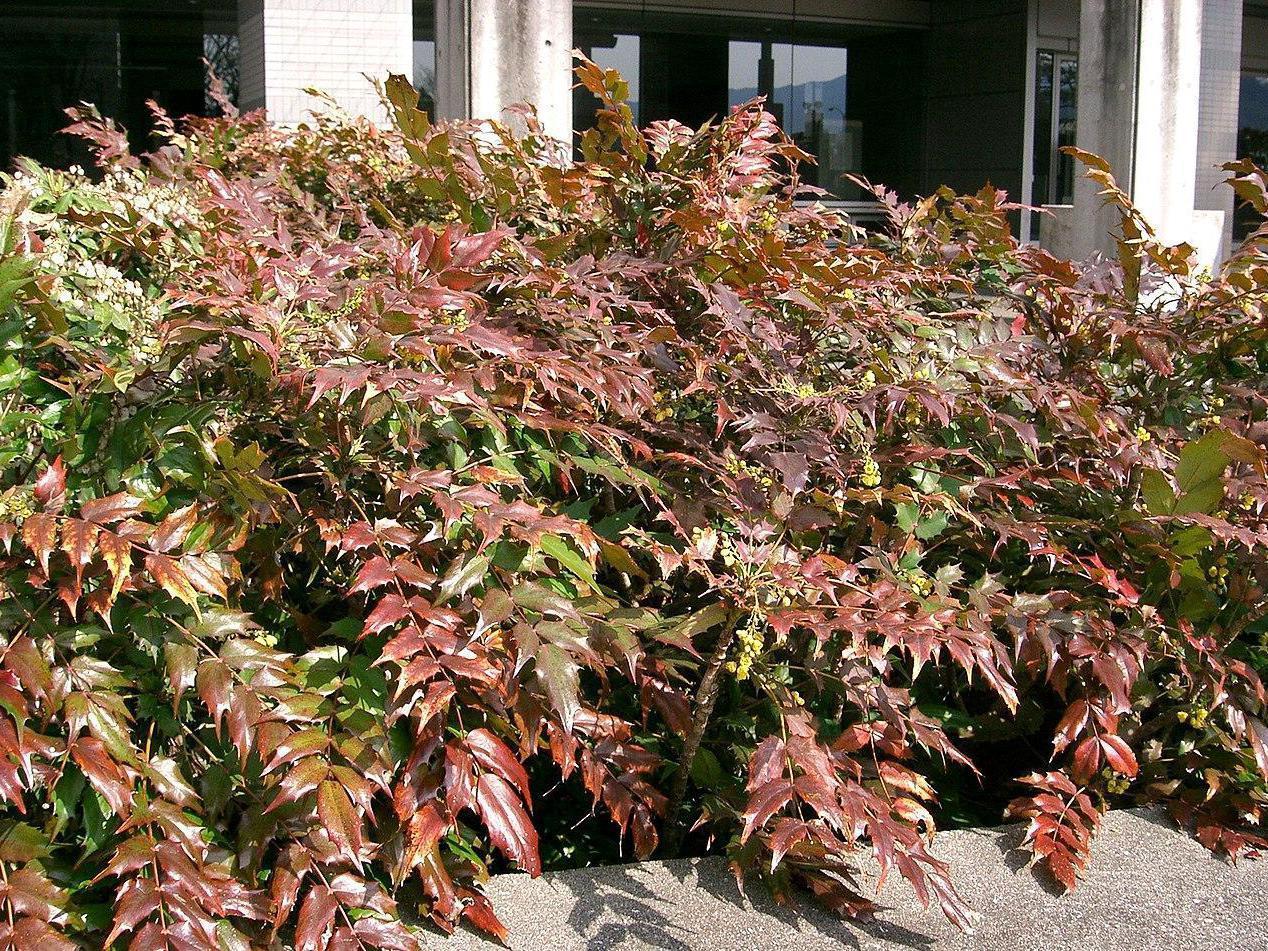

Japanese mahonia (Mahonia japonica) is an evergreen shrub with delicate foliage, suitable for creating green screens in a natural garden.
When thinking about garden rest, it«s important not only »what to sit on« but also »where to sit«. Simply placing a chair is not enough — you need to create a limited space around it, surrounded by »green walls« of plants, stones, or light fences. This is a purely design task, but in a natural garden it can be easily solved without great expense, since an abundance of plants of different heights is assumed here, behind which a cozy corner can easily be hidden.
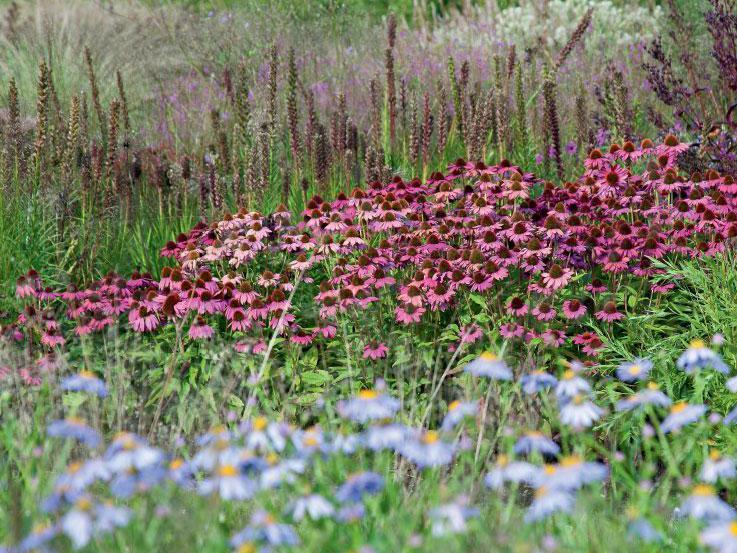
This illustration from a gardening book showcases design elements for natural-style gardens.
The simplest and quickest option, which can be implemented literally in a day, is a teepee made of willow or bamboo sticks, entwined with climbing beans. A slightly more complex but durable option is living tunnels, labyrinths, or frames made of willow. However, such structures require more care and often attract children, but can also become a secluded refuge for adults.
The main thing is not to turn this place into a viewpoint, as is often done in landscape parks. For example, a gazebo on a cliff, like in Monrepos Garden, inevitably attracts attention. But the same gazebo, hidden deep in the garden behind a screen of shrubs and under the shade of trees, will provide the desired seclusion.
In my own garden, the entrance is immediately blocked by a group of plants: delicate elderberry, apple tree, mahonia, tree hydrangea, and other perennials. The path from the gate leads not straight to the house, but diagonally to a rounded lawn, from where the garden house is already visible. Thus, the house does not become a viewpoint for me, but remains one for casual passersby. On the terrace, I feel hidden from prying eyes only in summer, when the bushes along the fence are covered with foliage. This example shows how important it is to consider visual accents when planning a garden.
Choosing Colors
Color in design is certainly important, but for the flora and fauna of the garden it doesn«t matter — insects don»t care what shade your structures or sculptures are. Therefore, you are free in choosing the palette: you can create a monochrome white garden, play with delicate transitions or bold contrasts. For example, my garden house is painted in a dark «walnut» shade, against which plants look especially expressive, and the structure itself visually «shrinks» and doesn«t catch the eye.
However, it«s not that simple. Plants for a natural garden cannot yet boast such varietal diversity as, say, roses or irises, so the palette may be limited. Moreover, not every variety will suit your conditions. Echinacea, for example, has many bright cultivars, but prefers cultivated loams, not damp peatlands. In my plot, the species purple echinacea survives, but cultivated forms die. On the other hand, helenium, rudbeckia, and loosestrife in a yellow mixed border feel excellent without any care — and this is the first sign of a successful natural garden.
It might seem that the color of structures in such a garden should not be loud, but in practice the natural style is flexible and combines with different solutions. The key is in color harmony, that is, a combination of shades that creates a holistic and aesthetic impression. Harmony is influenced by tone, lightness, saturation, shape, and placement of color spots.
Today, to select schemes, designers use the RGB color wheel, and there are many online tools on the internet that help find harmonious combinations for interior, clothing, or garden. Suppose you have an orange house. According to the rules of the color wheel, blue, light blue, and purple flowers will look good with it (contrasting palette) or yellow, red, orange (monochrome). And if the house is blue, then warm shades — yellow, orange, red — will be contrasting, and monochrome — blue and light blue. Pink and crimson flowers near an orange house might be irritating, but near a blue one — look magnificent. Therefore, when changing the house color, be prepared to adjust the plant selection. Neutral white, black, or gray, of course, combine with any palette.
But is color the main factor when choosing plants? The famous landscape designer Piet Oudolf believes that structure, form, and texture are more important: «Don»t make the garden blue and purple. Combine forms, and only then think about what color will be appropriate in this picture.«
Choosing Plants
Once you«ve determined the conditions of the site, plant forms, and color scheme, you can move on to the main thing — selecting green inhabitants. For a natural garden, ideal plants are those that:
- grow well without much effort on your part;
- provide plenty of nectar for insects, including species that attract beneficial predators to protect the garden;
- bloom sequentially, ensuring decorativeness from spring to autumn.
Many designers working in the natural style use a rather limited set of proven species. This simplifies creating compositions, but can lead to repetitions. For example, in the famous gardens of Piet Oudolf, the same perennials are often found: yarrows, monardas, echinaceas, salvias, knotweeds, zopniks, veronicastrums, globe thistles combined with grasses — reed grasses and moor grasses. Oudolf essentially introduced grasses to garden design in the late 20th century, when they were not yet popular. Today, without these airy, wind-swaying stems, it«s hard to imagine a natural garden.
At the same time, it«s important to remember that a natural garden is not a copy of someone else»s project, but a living ecosystem that must account for local conditions. Shade varies — from light partial shade to dense, and predicting whether a specific plant will like it can only be done in practice. Some shade-tolerant species feel great in the sun too. Therefore, experimenting and observing is the best strategy.
The modern trend towards eco-friendliness and biodiversity only enhances interest in natural gardens. They don«t require complex care, attract birds and insects, and give that very feeling of harmony with nature, for which we strive to create a secluded corner in the garden.