Bury Your Talent in the Ground: The History and Meaning

In modern language, the word «talent» refers to outstanding abilities that allow a person to achieve great heights in their chosen field. This word is firmly embedded in our lexicon, but few think about its ancient roots and how it acquired its figurative meaning.
Originally, the talent (from the Greek talanton—«weight») was the largest unit of weight and currency in Ancient Greece, Babylon, and other states of Asia Minor. For example, under Alexander the Great, one talent equaled 25.9 kilograms of silver—a huge sum for the time.
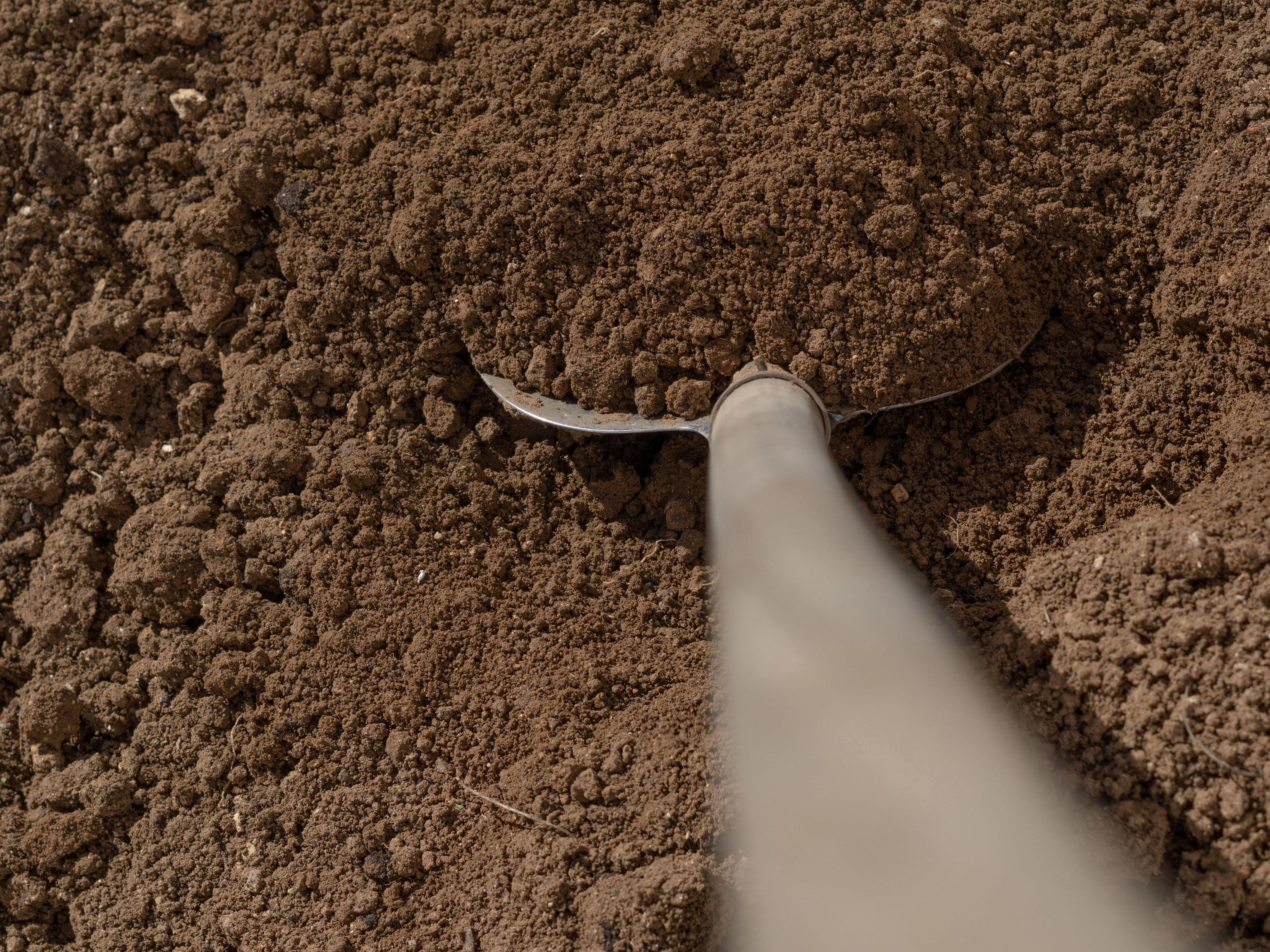
Today, the literal meaning of the word is almost forgotten, but it survives in the idiom «to bury one»s talent in the ground.« This phrase was born from a Gospel parable. It tells of a master who, before going away, distributed talents of silver to three servants: to one he gave five, to another two, and to a third one—each according to his ability. The first two put the money to work and doubled the sum, but the third, out of fear, buried his coin in the ground.
Upon his return, the master praised the enterprising servants, saying, «Well done, good and faithful servant! You have been faithful with a few things; I will put you in charge of many things.» But to the one who hid the talent, he delivered a harsh verdict: «You wicked, lazy servant! You should have put my money on deposit with the bankers, so that when I returned I would have received it back with interest.»
Since then, the expression «to bury your talent in the ground» means not just hiding wealth, but—figuratively—failing to develop inborn abilities and neglecting one«s potential. The parable reminds us that any gift, whether material or intellectual, requires an investment of labor and courage; otherwise, it will remain »buried« and useless.