We'll Sniff Out Every One: Rural School's 4-Student Classes
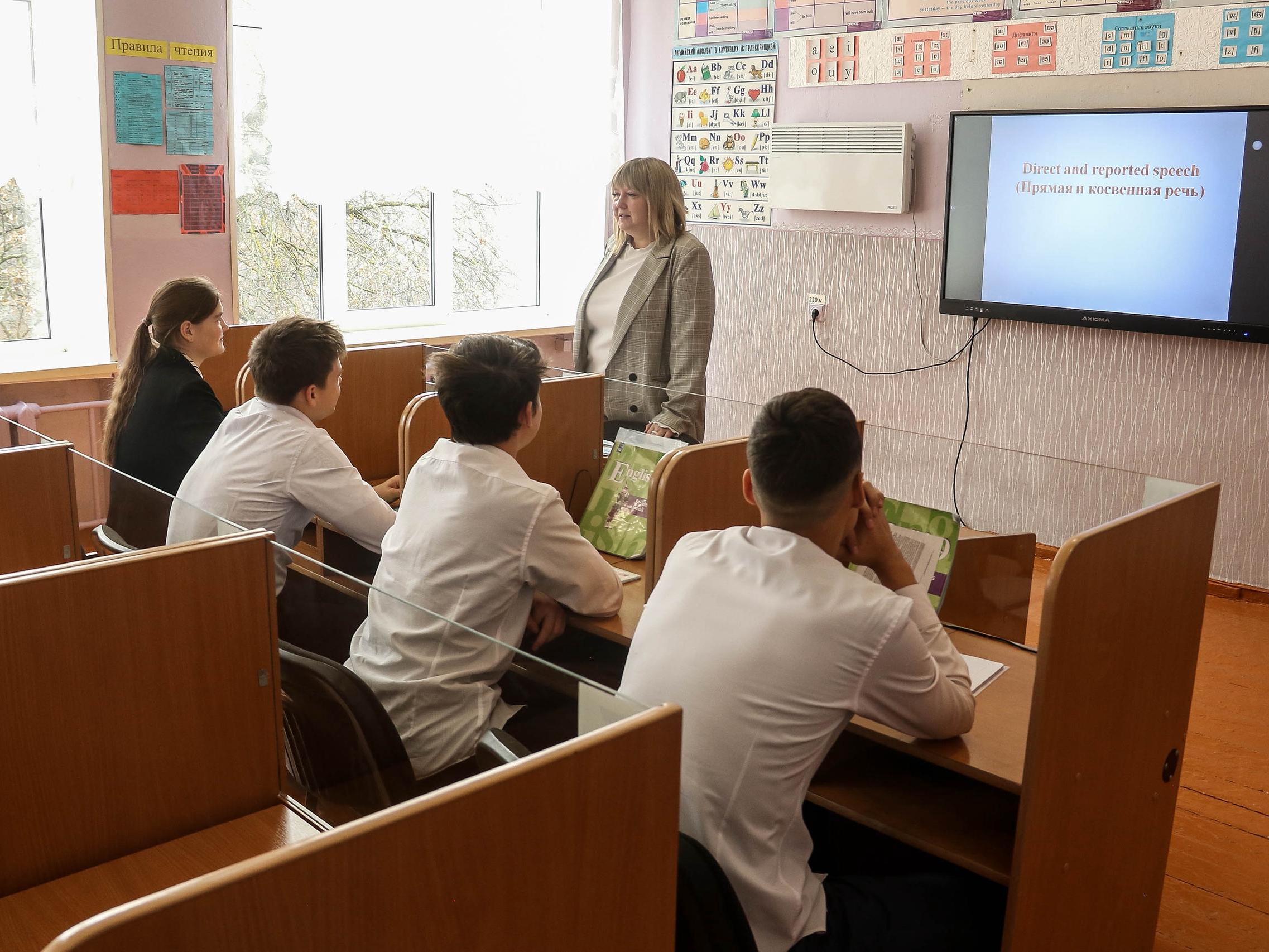

Desks, a cafeteria, noise during recess—Bogorodskaya School seems no different from urban educational institutions. But then lessons begin, and we see just 4-5 people in each class—as if it’s a tutoring session. A total of 65 children study there, with some coming from neighboring villages. How lessons unfold in a small school and what the teachers say—in a report by NN.RU.
“We do everything like a family”
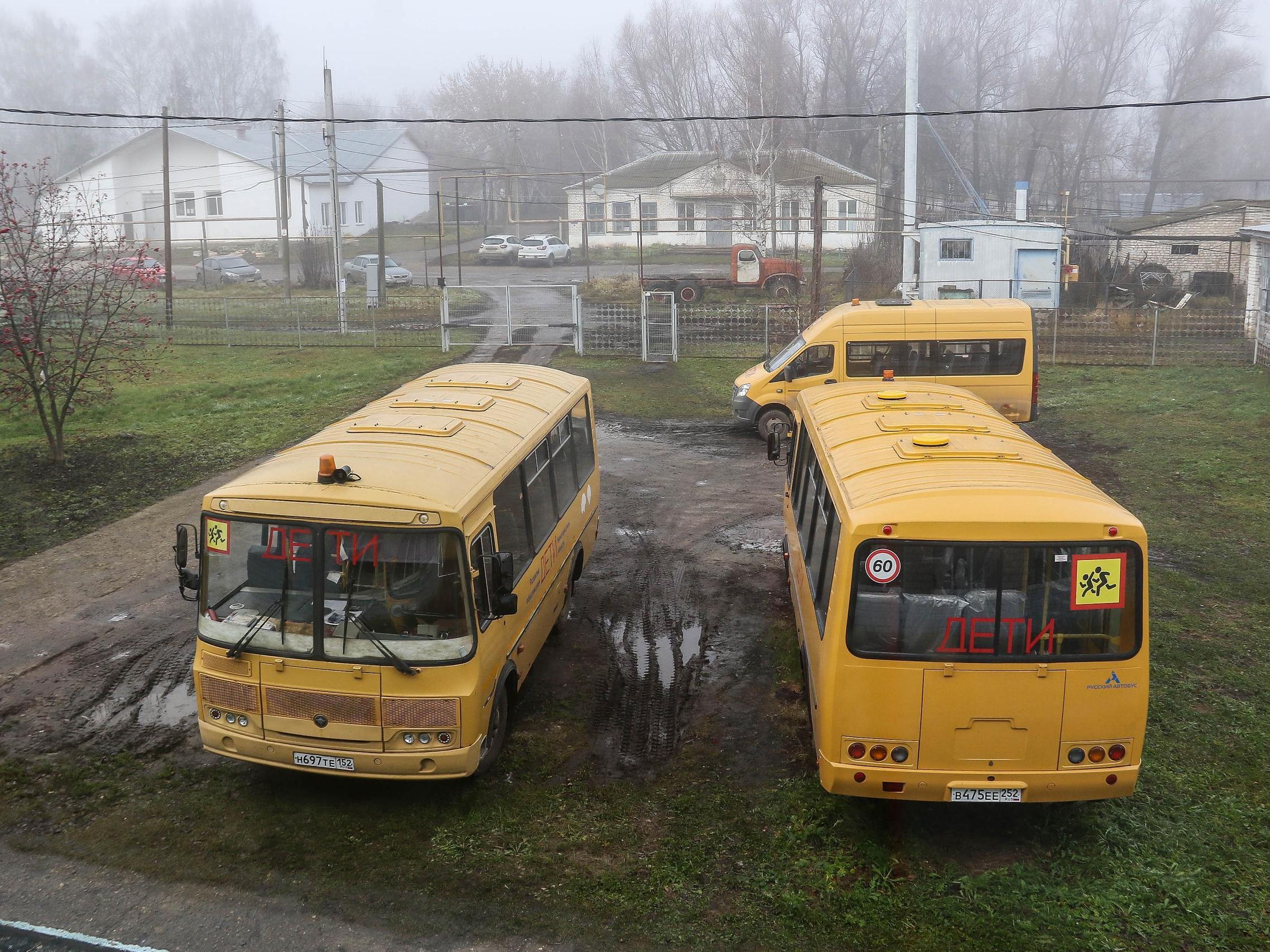
The school is located in the village of Bogorodskoye, not far from Sergach. Against the backdrop of the grayish building, bright yellow buses with a “Children” sign stand out. They bring students from neighboring settlements: Andy, Andreyevka, Bereznya, Voskresenskoye, Migino, Sosnovka. Teachers arrive early to accompany the children into the school.
— And if someone gets sick?
— If a child gets sick, parents write in the chat that he or she, for example, won’t come the next day. We run everything on schedule. For Migino, that’s 7:00—a girl and a boy must be waiting there by that time. We must definitely be at lessons by eight in the morning.
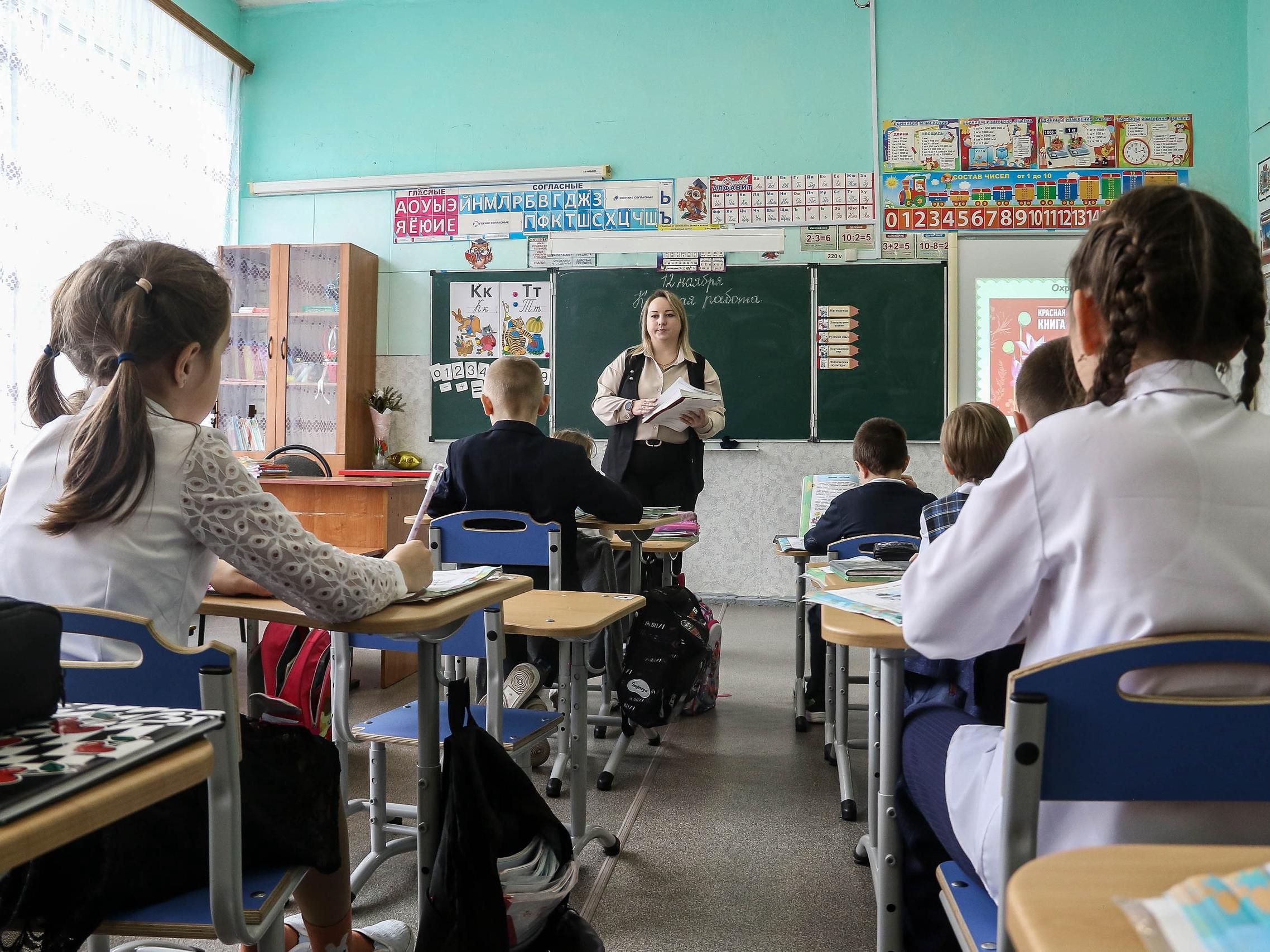
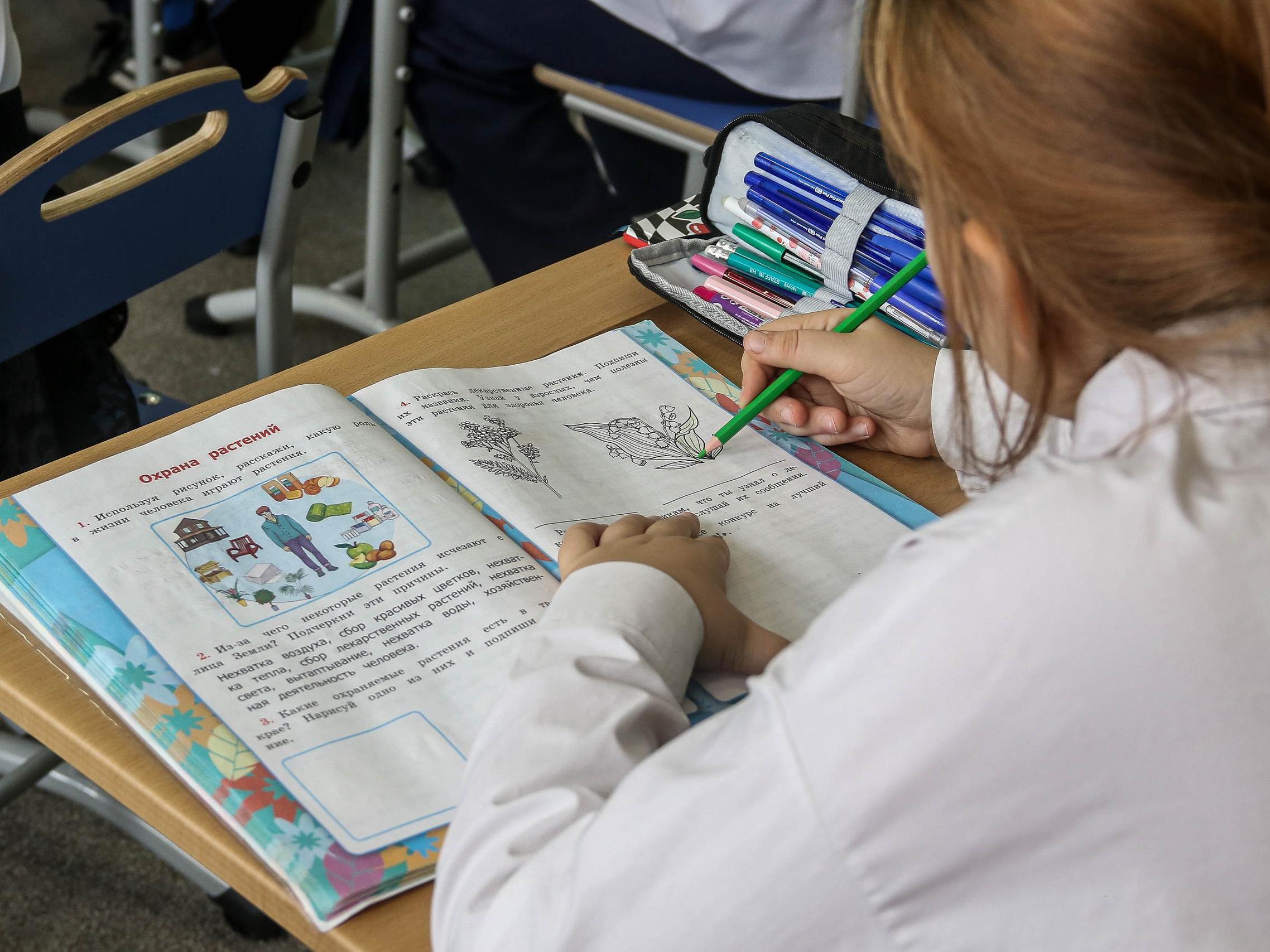
The children have long been accustomed to this system and don’t run late, noted school principal Maria Korolyova. Currently, 65 children attend the school. The fewest are in the primary grades: first, second, and fourth grades have four pupils each. Sixth and ninth grades—five students each. The largest classes have 11 people.
— We all know each other, we hold up parents as examples because we taught them too. City schools are just not the same; we do everything like a family. The children need to be ready for lessons every day because they will be called on,— said Maria Korolyova.
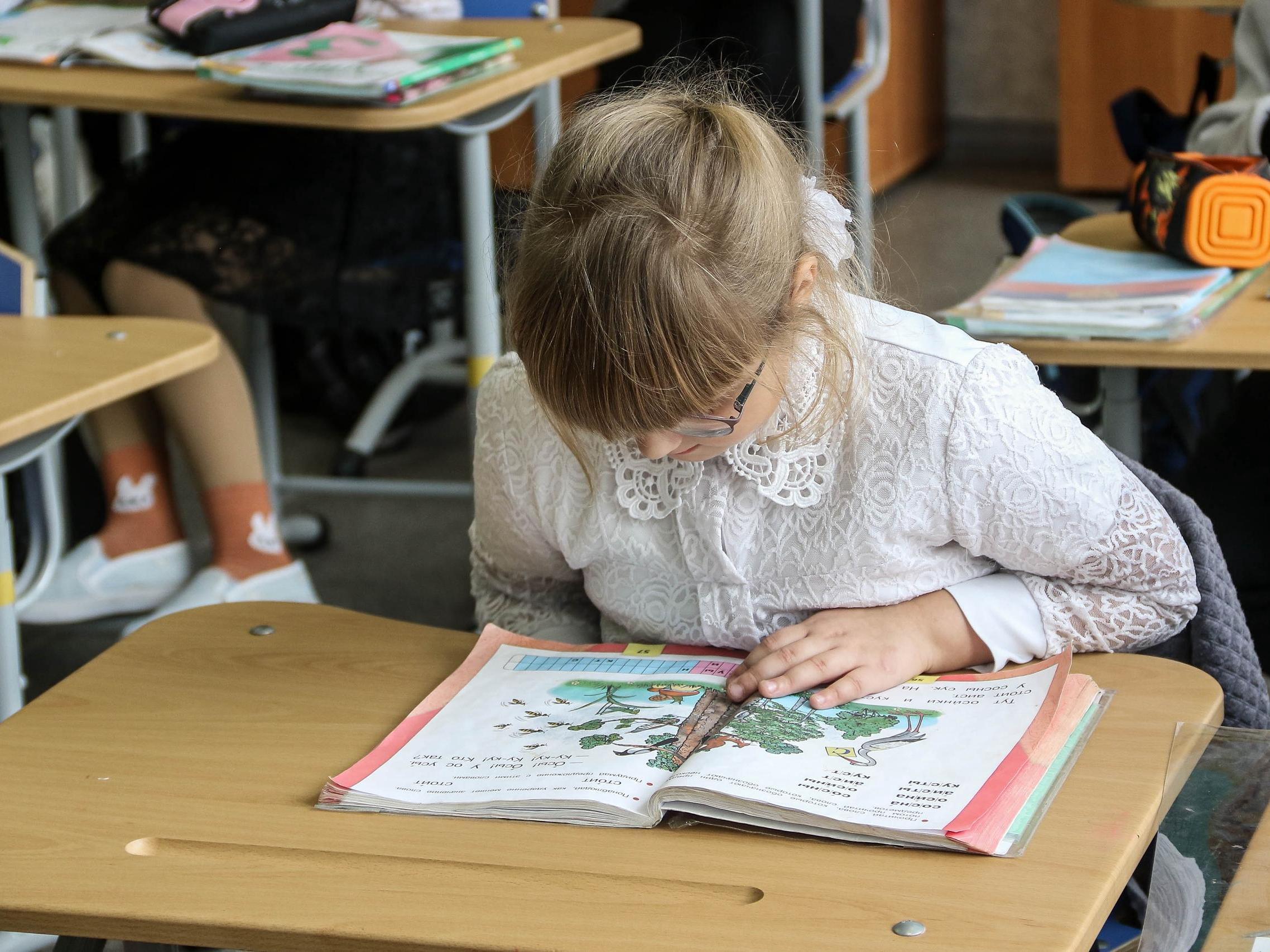
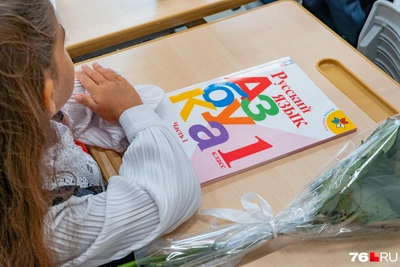
In the primary school, combined classes are organized: first grade studies with third, second—with fourth. They were combined “every other grade” because third and fourth grades are considered more independent. Teachers prepare assignments suitable for children of different ages. They also need to account for children with special needs, who are in every class—they require an individual program.
There have been cases when children transferred to Bogorodskaya School from the city. For example, last year, as the principal recounted, a boy with autism started studying there. In his previous school, the teenager had a hard time—he was teased.
— He’s been with us for two years now, his mother is overjoyed. <…> We call him Dimochka. Sometimes he sits and says, “I don’t want to go to PE.” He doesn’t like PE. [I tell him]: “Sit down, do your math.” I give him an assignment and go about my own business,— the school head shared.
What the school looks like
After the bell for recess, the corridor filled with children. When they met us, they greeted us and looked on curiously—in a school where everyone knows each other, they aren’t used to seeing new faces. Plus, we rather impolitely peeked into several lessons.
Inside, the educational institution looks quite modern; perhaps only the gleaming wooden floors give away its age. Otherwise, the school has everything necessary—computers, projectors, equipment for home economics and shop classes (a real laser machine recently appeared in the workshop). And in some classrooms, there are unusual desks. For the younger children, they are single-seater with adjustable height. A language lab has been set up for studying English.
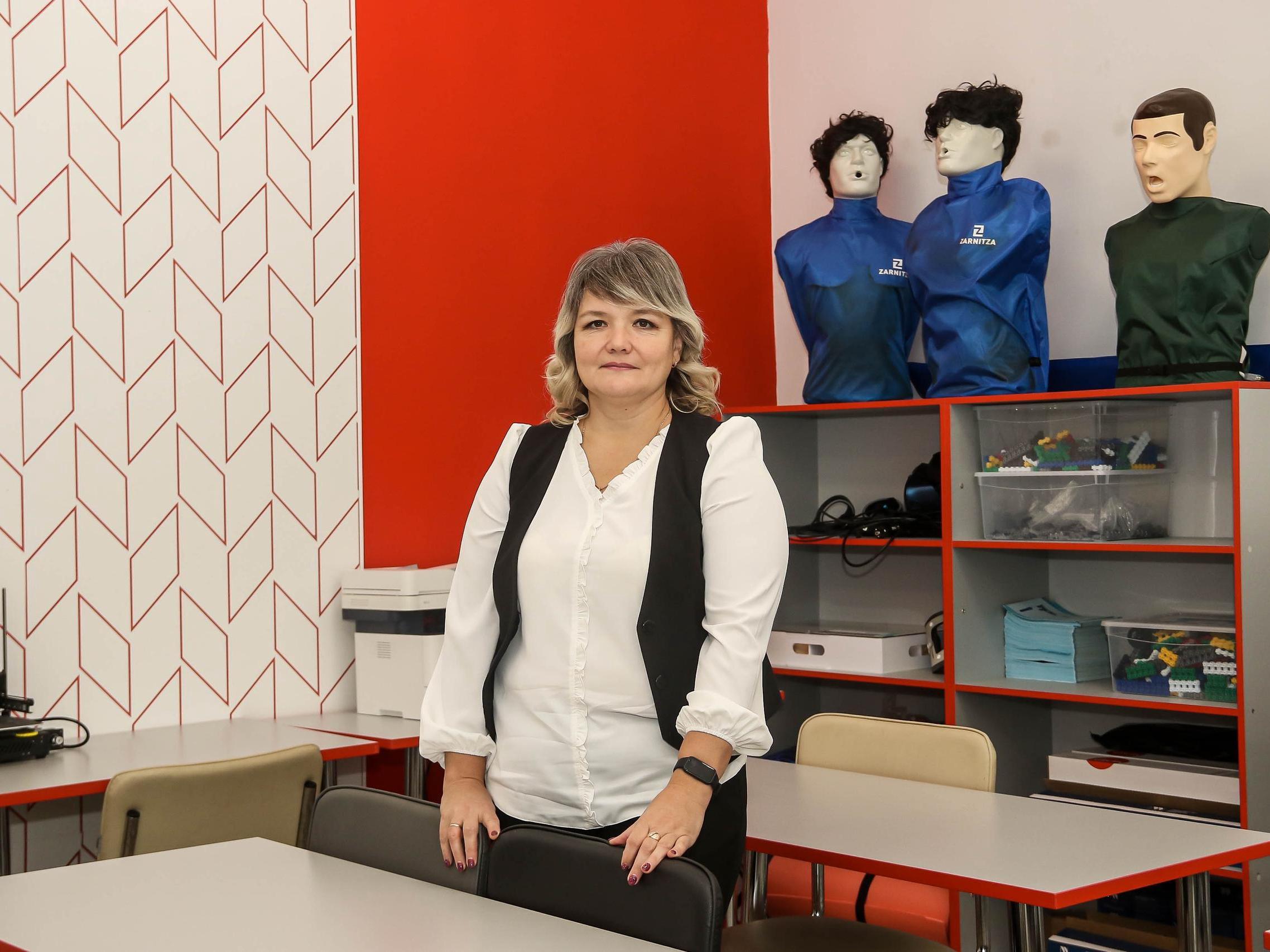
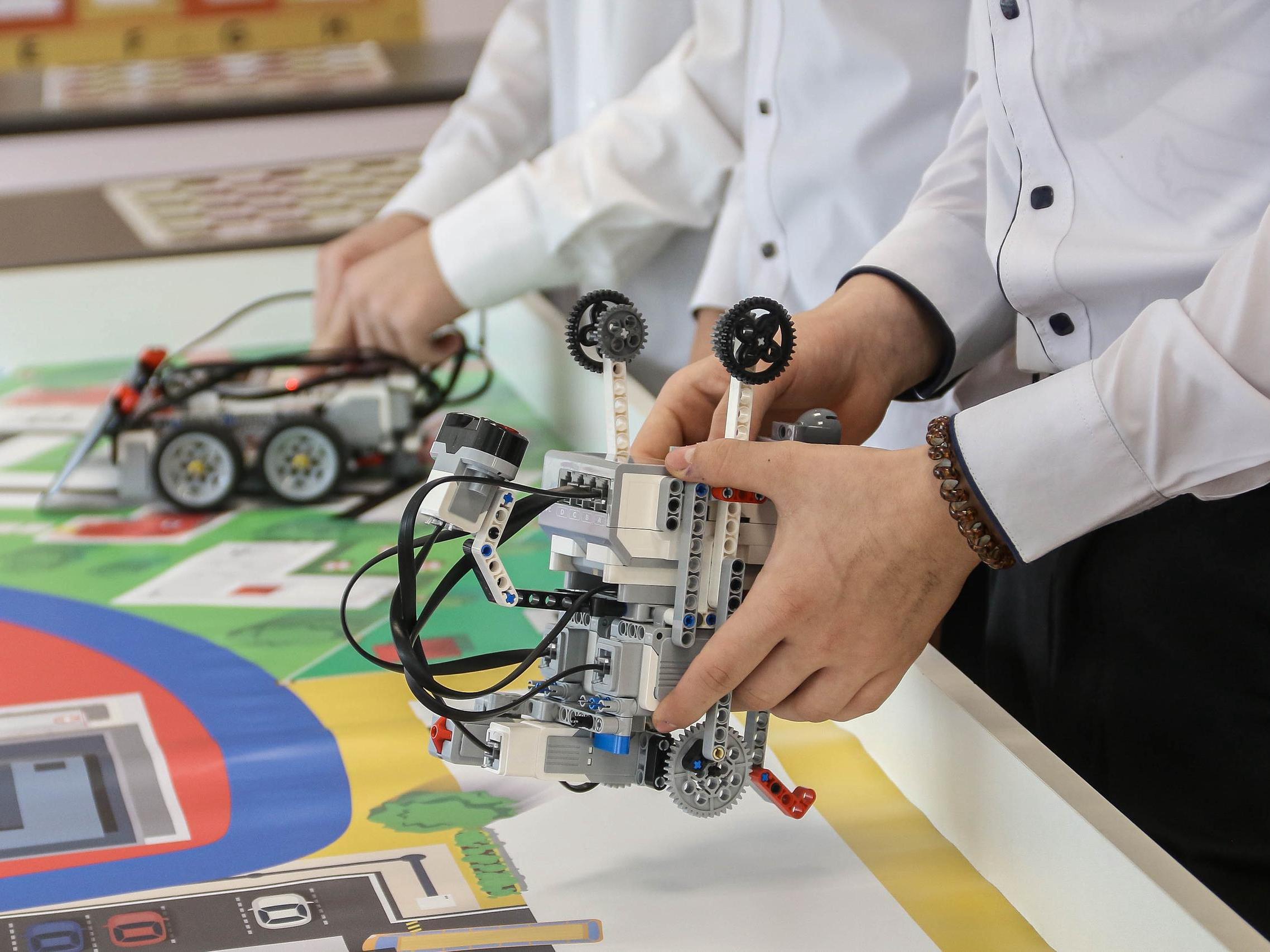
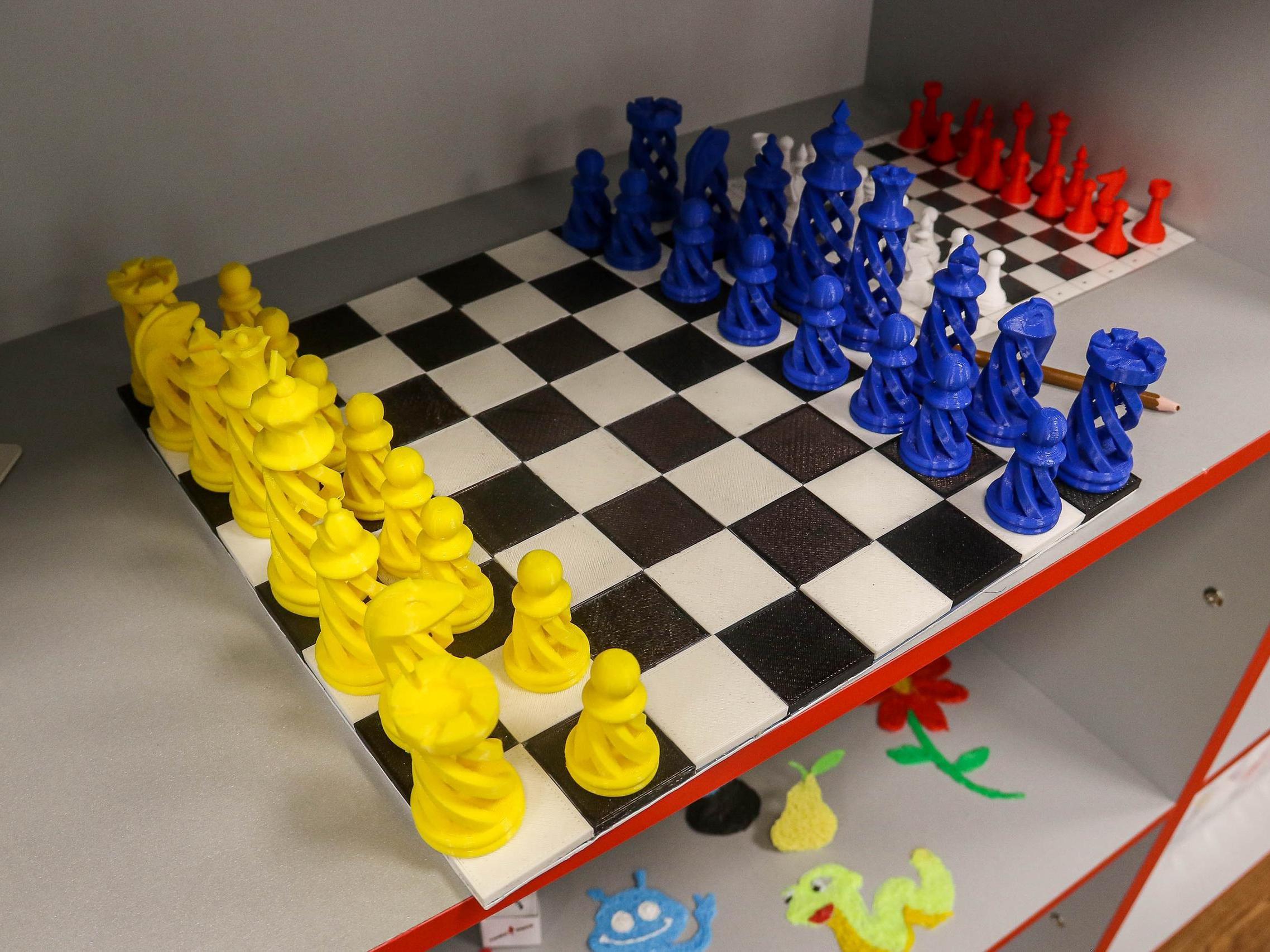
Bogorodskaya School has its own “Growth Point”—an educational space with a 3D printer, robots, mannequins, laptops, VR glasses, and much more. Shelves display an exhibition of items created by the students.
— For Life Safety lessons, there’s a special program that, using 3D glasses, projects you onto an intersection. I must, by correctly controlling the joysticks, follow the traffic rules. If you do it wrong, a signal sounds. The student understands what mistake they made and tries again. The others see this on the screen,— said deputy principal and head of the “Growth Point” center Albina Barinova.
Using mannequins, children learn to provide first aid. The laptops are used for drawing or programming.
The corridors are filled with numerous banners: portraits of participants in the Great Patriotic War, photographs of school graduates. Records of students’ athletic achievements are also kept.
— That display board is already 35 years old. Dasha, who has four children, comes in and says, “Oh, I’m still here.” I say, “We remember all of you. Your record, it seems, still hasn’t been beaten.”— the school principal shared.
According to her, the school actively participates in Olympiads and competitions, for example, in cross-country skiing. This is unsurprising, as PE classes in the winter season are held outside. The teachers, in turn, take part in the “Teacher of the Year” contest.
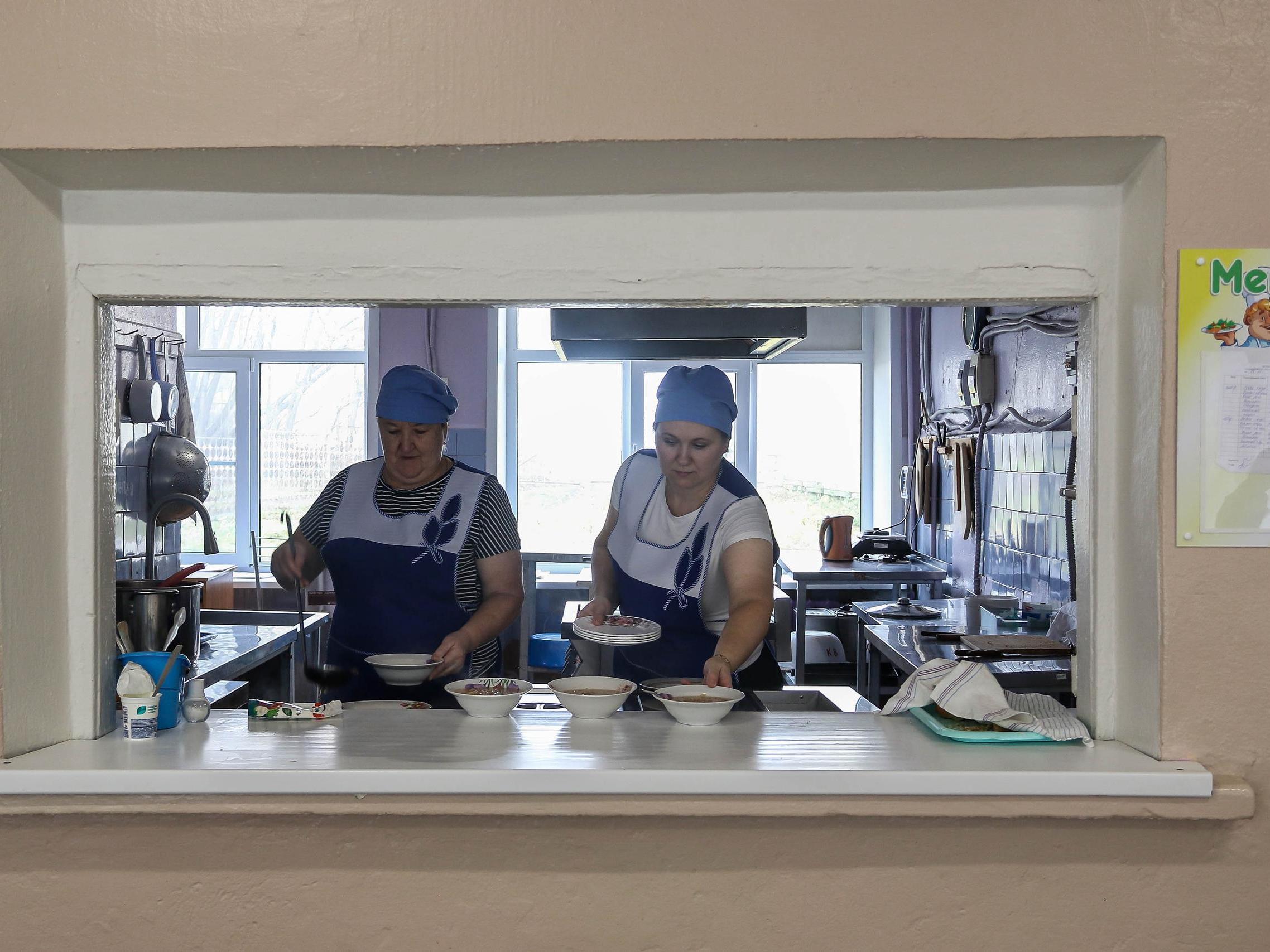
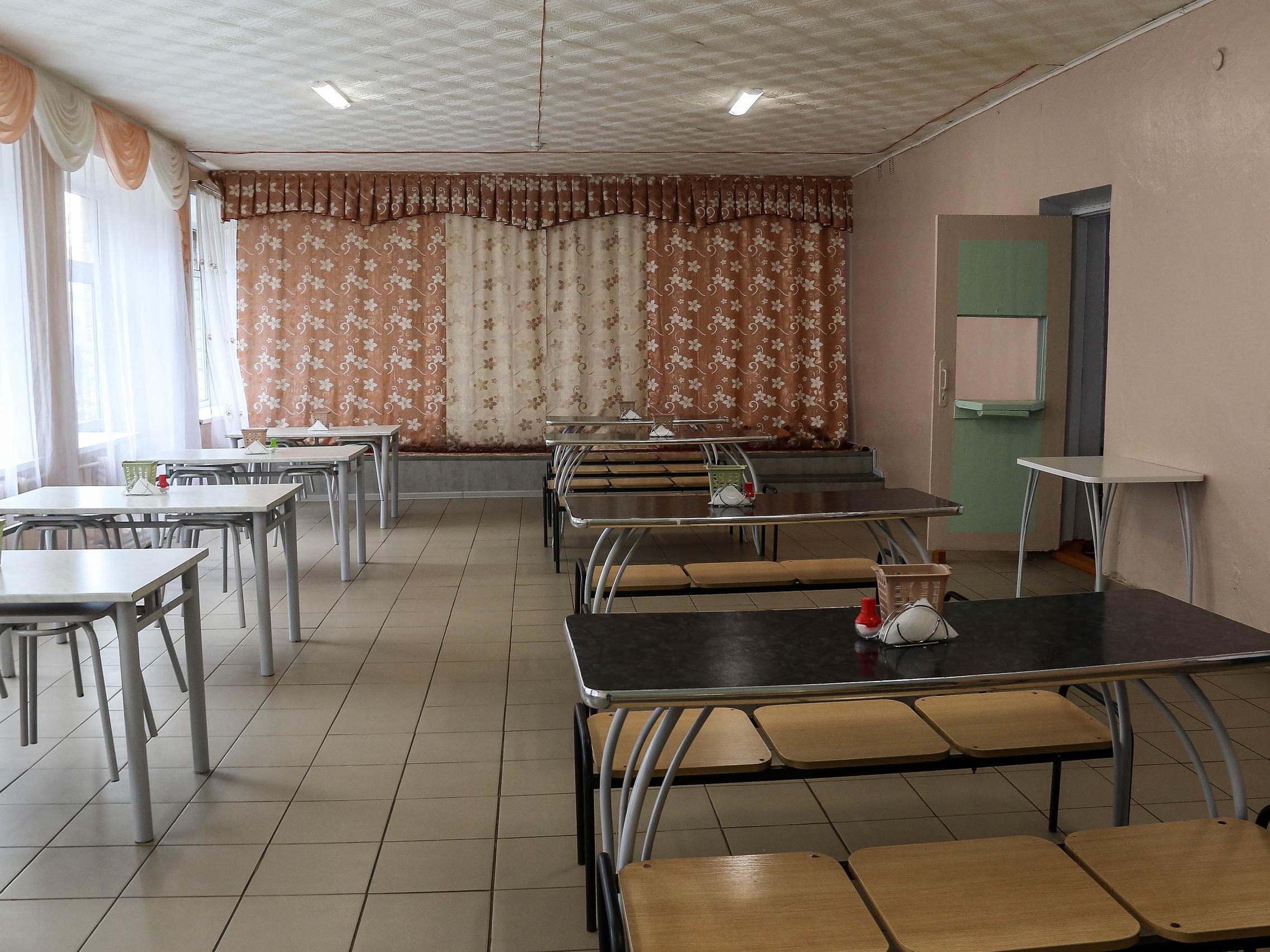
In the cafeteria, one could smell the half-forgotten scent of school food: on the day of our visit, they were serving cabbage soup and cutlets. We journalists, who had long since received our diplomas, couldn’t help but remember our own schools at that moment. By the way, cultural events at Bogorodskaya Secondary School are held in the cafeteria.
“Every child is in plain sight”
Almost all the teachers at the school are local residents. Maria Korolyova graduated from Bogorodskaya Secondary School and later got a job as an after-school group supervisor. According to her, she liked working with children so much that she decided to dedicate her life to it. She obtained a pedagogical degree and returned to her native school as a geography teacher. For the last 20 years, she has served as principal.
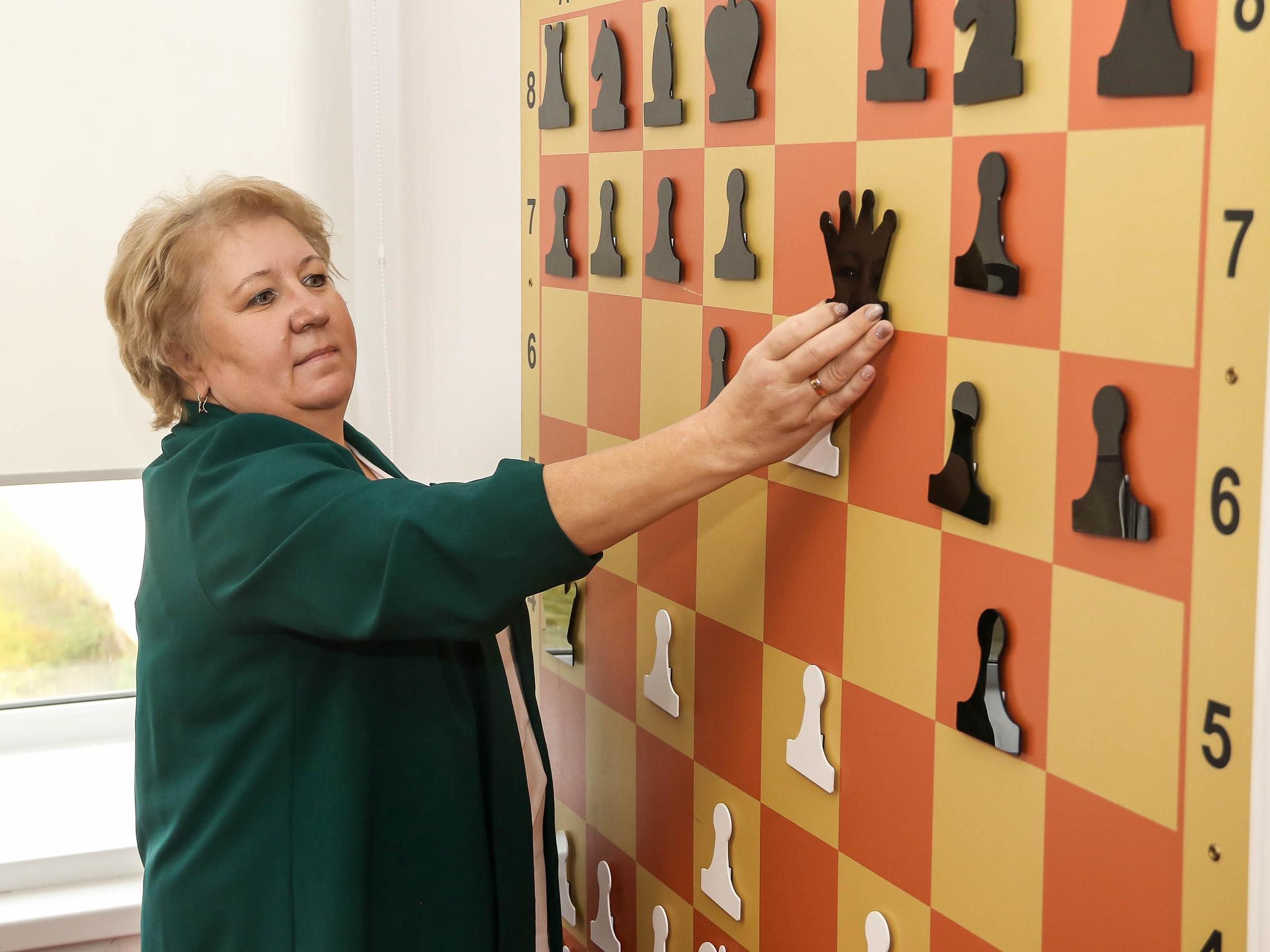
In total, ten teachers and three administrative staff work at Bogorodskaya Secondary School. Three of them are young specialists.
— Actually, we don’t have any vacancies. Maybe in ten years there will be, when we reach, as they say, real retirement age. I’ll be 55, and I’m considered the oldest at the school,— said Maria Korolyova.
Specially for the conversation with NN.RU, teachers were summoned via loudspeaker to one room. We asked the educators what it’s like to conduct lessons in small classes.
— Every child is in plain sight here, each one under control. During a lesson, you can ask almost everyone, and they try to be ready for every lesson. That’s why we actually have results in exams. We can even boast about that.
— [In a city school] with 25 people, I’d only be able to test jump rope skills over five lessons, but here there are just 4. We give them more than the program requires.
PE teacher Yevgeny Barinov also noted some difficulties—you can’t play volleyball in a small class. Joint matches are held after school. Besides, the students get more tired because all the attention is on them.
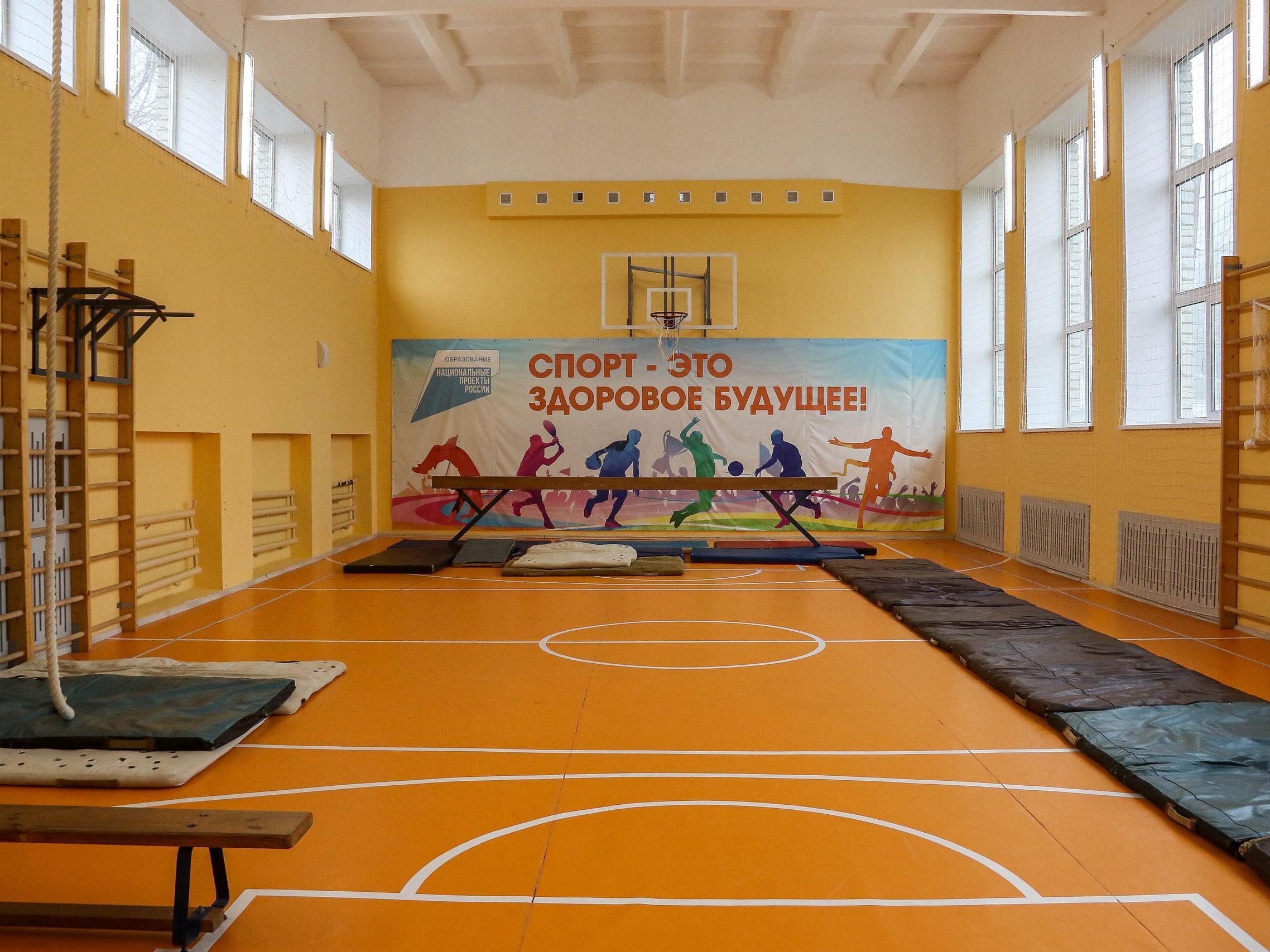
— Sometimes it’s a little inconvenient. For example, if you need to divide the class into groups.
— No harmful habits [are tolerated]; we’ll sniff out every one of them, you can’t smoke here like in other schools. We can tell just by looking in their eyes.
— There are few people, and we have to concentrate somehow, and half the responsibility, accordingly, falls on us as well. And we work as one friendly team. One pupil, one teacher. Because of this, we’d like the children to be more engaged.
I, for example, would like to work with a larger class. My subjects are Russian language and literature. <…> Here, of course, preparation is harder for them, but otherwise, I think they live quite well in our school.
Bogorodskaya School only goes up to ninth grade. Many move to Nizhny Novgorod and other cities. According to Maria Korolyova, among their graduates there are medics, police officers, lawyers, electricians, welders, and cooks.
— Young people leave—that’s the main problem of the village. We even had grades 10–11—almost a specialized track. Three gold medalists—a boy and two girls,— the principal noted.
According to forecasts, only three first-graders will enter the school next year.
— Does that worry you?
— From one point of view, there is concern, but at the same time, we have to get used to it. It’s not our fault anymore. <…> Now our goal is to maintain this level. I think for the next 10 years or so, the number of students won’t decrease.