Vocational graduates to gain university admission benefits

Work experience will become the main advantage for applicants
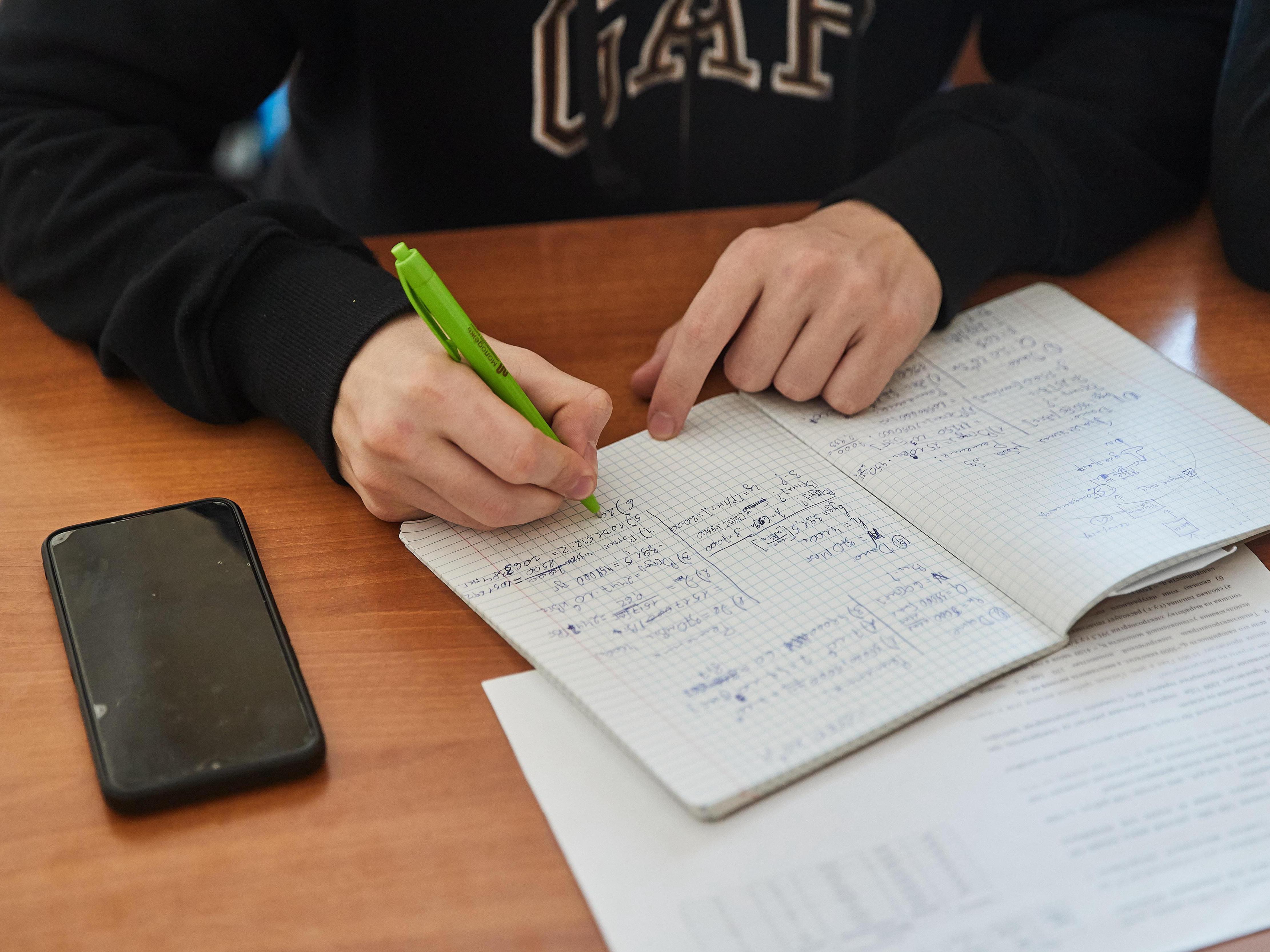
Graduates of colleges and technical schools who have worked for at least three years in their field of study are planned to be granted special rights for admission to universities. The corresponding bill, aimed at increasing the attractiveness of secondary vocational education (SVE), will be submitted to the State Duma by July. This was announced by the Vice Speaker of the lower house of parliament, Victoria Abramchenko.
New Educational Pathways
The initiative is being developed for graduates who have conscientiously fulfilled the terms of targeted training. The main goal is to make SVE a full-fledged stage of education, not a dead-end path.
“Currently, they have no formal advantages for continuing their studies at a university. It is planned to establish special rights upon admission,” Abramchenko stated in an interview with Izvestia.
Among the measures under consideration:
Non-competitive enrollment in related part-time or evening programs at universities.
Equating to preferential categories of applicants, which may grant the right to admission under a separate quota (10% of the enrollment for the direction).
Preferential right in case of equal scores with other applicants.
Free preparatory courses at universities.
To use the benefit, it will be necessary to work for three years under a targeted contract, and the university program must be related to the specialty obtained in college.
Addressing Staff Shortages
The reform of the SVE system is a response to the acute shortage of workers, engineers, and medical specialists. According to data from the Institute of Economics of the Russian Academy of Sciences, the proportion of enterprises experiencing a shortage of personnel has increased from 6% in 2019 to 37% in 2024.
“It is important that colleges are not a dead-end branch. If, upon completing technical fields, students want to become engineers, they could, without leaving their jobs, study in a part-time format. This would advance their careers,” noted Irina Abankina, a professor at the National Research University Higher School of Economics (HSE).
Other Changes in the SVE System
Simultaneously, deputies are working on other mechanisms to support vocational education:
An experiment on simplified admission to colleges (based on two State Final Examinations) in nine regions.
Assistance for 9th-grade graduates who have not passed the State Final Examinations. They will be given the opportunity to obtain a profession while simultaneously mastering the school curriculum. The question of whether it is necessary to retake all failed exams or only the mandatory ones (Russian language and mathematics) is under discussion.
Redistribution of budget places. At least 50% of places in universities and colleges will be oriented towards training personnel to ensure the country«s technological leadership.
The number of paid places in colleges and technical schools is planned to be reduced. Primarily, this concerns specialties such as law, economics and management, media and information-library affairs, as well as screen arts. Thus, the authorities want to redirect the flow of applicants from popular humanities and economic directions to in-demand workers, engineering, and technical specialties.