Psychologists Advise Nizhny Novgorod Students on First Exam Session
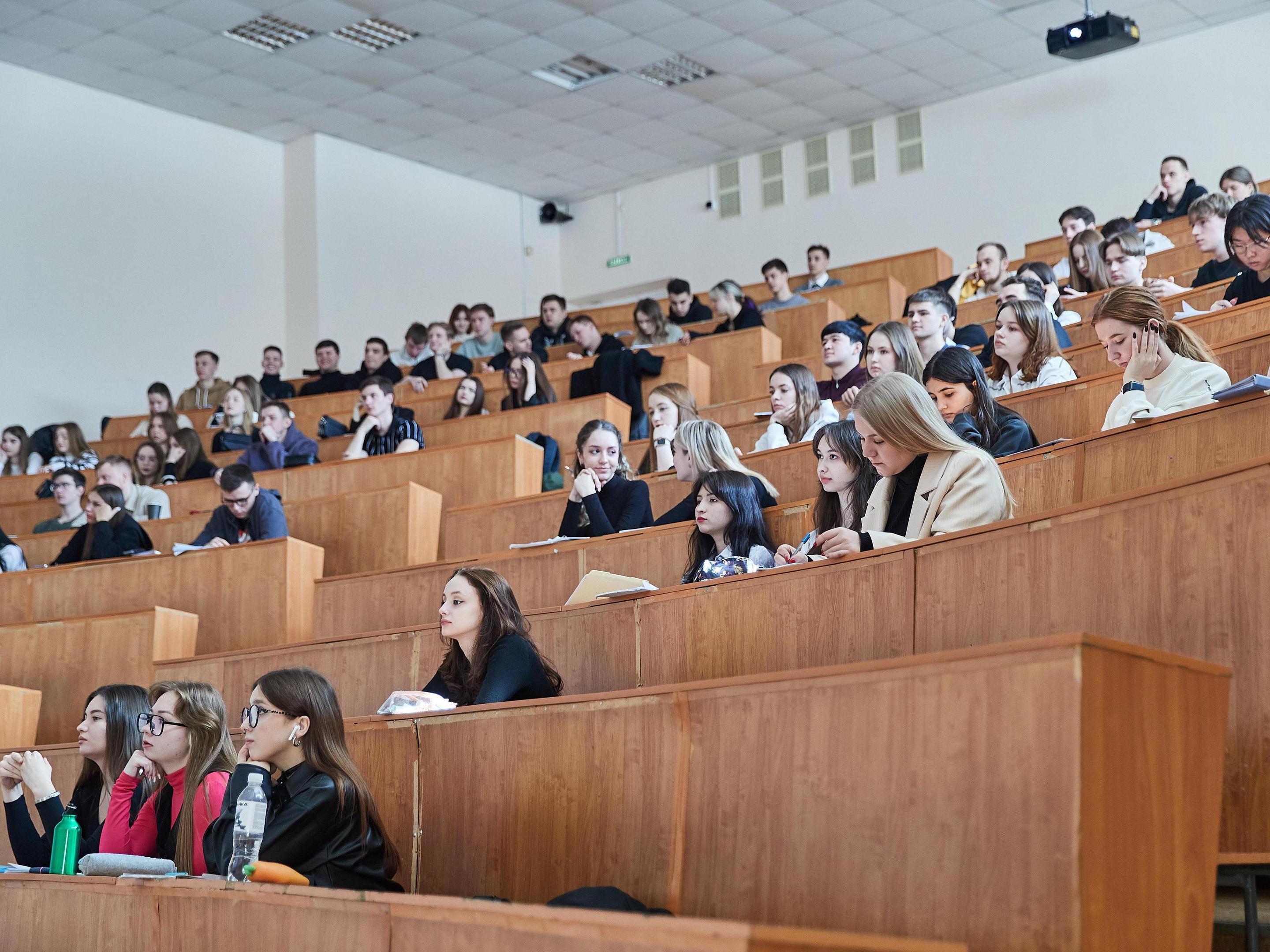

For many, the first exam session is a real challenge.
The New Year holidays will soon be over, and shortly after, some young residents of Nizhny Novgorod will face their first-ever winter exam session at universities or technical colleges. Exams are always a major source of stress, so we decided to talk to psychologists and find out how students can survive their first exams and mentally prepare for them.
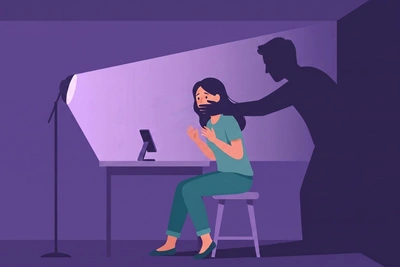
The first exam session is an important milestone in every student’s life. The process of testing knowledge is compounded by stress and anxiety, but, as experts believe, with the right approach, these feelings can be managed.
“First of all, it’s important to understand that fear of exams is normal,” says psychologist Olga Cheremnova. “This feeling doesn’t make you weak. Acknowledge your emotions, ‘let them pass through you,’ but don’t let them control you. To reduce anxiety, focus on the preparation process and try not to think about the actual exam itself.”
Psychologist Rodion Chepalov also states that for many students, exams are perceived as a kind of initiation: a person faces responsibility for their knowledge for the first time. But anxiety often hinders concentration and thinking.
Many students fear that in the moment, due to nerves, they will simply forget everything they’ve studied for so long. And this is not about knowledge, but about the state of the nervous system, experts are sure. When anxiety levels are too high, the brain switches to threat mode, and access to memory does temporarily worsen. Therefore, it’s important for students to be able to calm down and return to a point of stability.
“The first thing I always pay attention to is the realism of expectations. The first session is almost never perfect. Mistakes, uncertainty, strange questions—these are part of the process, not an indicator of your inadequacy. I myself, during my student years, anticipated my first session as a disaster, only to later discover with surprise that an exam is simply a conversation on a topic I had studied for several months,” reflects Chepalov.
Olga Cheremnova advises trying not to be nervous during the main time before the session, but to focus on preparation; however, a day before the exams, it’s okay to worry: this depletes internal resources less than experiencing this fear daily.
It’s also worth creating a preparation plan that includes time for rest. If you break the material into parts and study it gradually, there’s a chance to avoid overload and gain confidence before the exam.
Don’t forget about physical condition either. Sleepless nights and junk food won’t help with preparation. Healthy sleep and proper nutrition are the keys to well-being, and with that, the brain works better. Moreover, don’t dive headlong into preparation; it’s important to allocate time for rest. For example, walks in the fresh air.
“Getting into the exam mindset is another important aspect. Arrive early to avoid extra anxiety. Don’t forget that exams are not the only way to assess your knowledge. They are important, but they don’t determine your worth as a person. It’s just a stage in your life. The first session is not the end of the world, and even if something goes wrong, you’ll always have the opportunity to correct mistakes in the future,” emphasizes Cheremnova.
Rodion Chepalov added that before a nerve-wracking session, it’s worth asking yourself the right questions and thinking through scenarios for how things might unfold if difficulties arise.
“When the brain has a Plan B, anxiety decreases. For example: if I get flustered—I’ll take a pause; if I forget a term—I’ll explain it in my own words; if I don’t know the ticket completely—I’ll show the logic of my reasoning. Among practical exercises, ‘exam rehearsal’ works well. I suggest students play out the entire situation once or twice: stand up, name the ticket out loud, answer questions, even if it seems silly. This reduces the novelty effect and makes the real situation less frightening. For the brain, the familiar is always safer.”
Specialists also added that if anxiety is too severe and accompanied by panic symptoms, fainting spells, or complete “shutdown,” it’s a reason to seek support from a psychologist or doctor. Sometimes, behind strong anxiety, there may be features of the nervous system, and this is not weakness, but an area of self-care.
“The first session goes differently for everyone, but almost all recall it with a smile years later. It’s an important coming-of-age experience that doesn’t require perfection. It’s enough to be sufficiently prepared and sufficiently calm to allow knowledge to show itself,” concluded Chepalov.