Mass Card and Account Blocks in Russia: Customer Advice
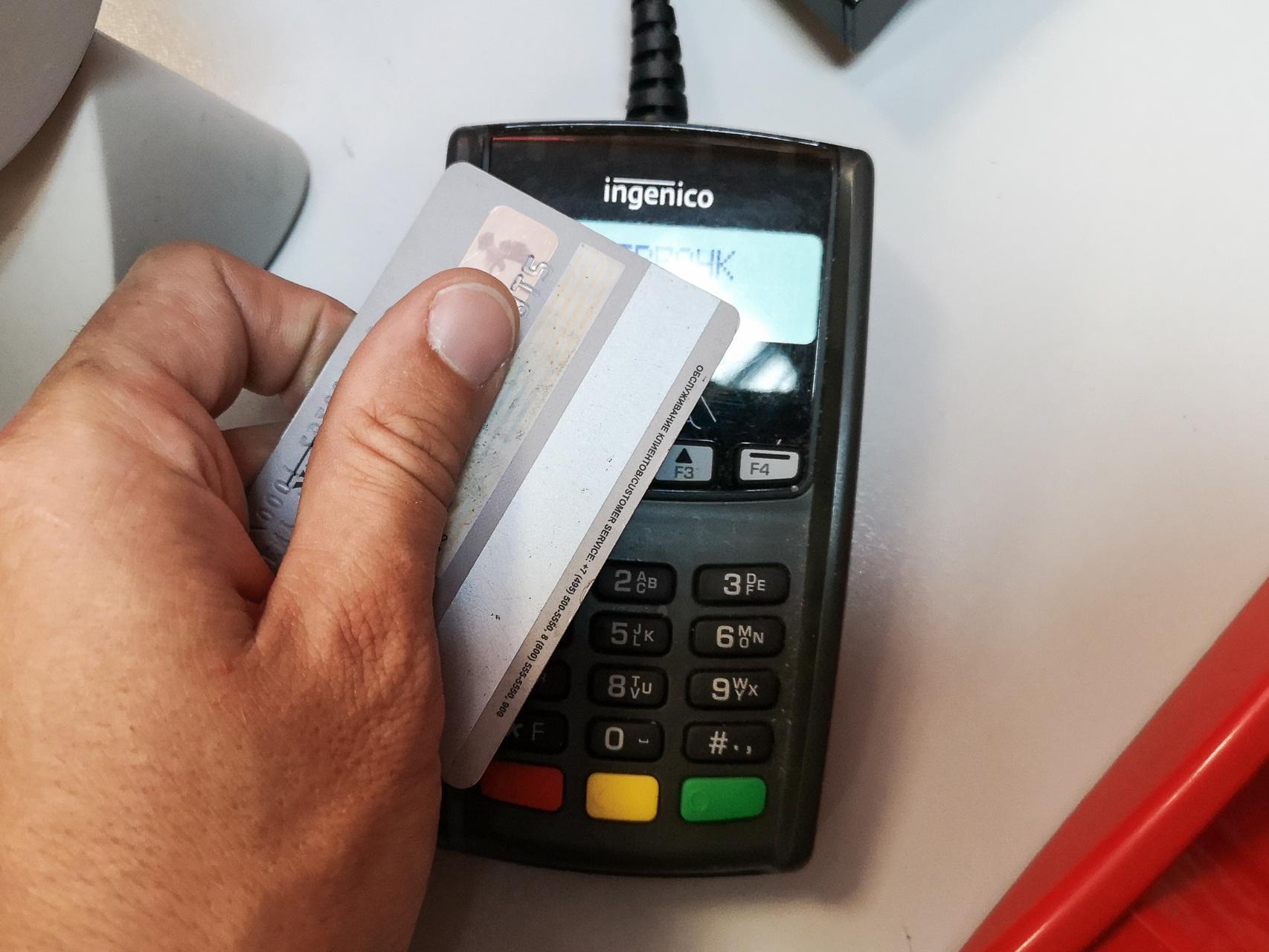

Russian banks have blocked 2–3 million cards and accounts of individuals since the beginning of 2026. These are cards and accounts of ordinary citizens who transferred funds to third parties, topped up their accounts on marketplaces, or carried out routine transactions that banks deemed suspicious without clear signs of fraud.
This figure is approximately ten times higher than what was blocked per month before: previously, banks recorded around 330,000 transfer blockages monthly. This trend has sparked a wave of complaints from customers who do not receive clear explanations for the blockages or the algorithm for their removal.
The issue is that since January 1, 2026, a new order from the Bank of Russia has come into effect, doubling the number of criteria for suspicious operations from 6 to 12, says MSK1.RU Valery Tumin, a member of the Expert Council on Digital Economy Development under the Committee on Economic Policy of the State Duma.
According to this document, if a transfer meets at least one of the signs of a fraudulent operation, the bank is obliged to suspend the transaction for two days or deny the operation using payment cards, the Fast Payments System (FPS), or electronic money.
Such measures are intended to reduce customer losses from fraudsters and protect the financial system, but in practice, they lead to a situation where ordinary citizens face restrictions without clear grounds.
To understand the context of increased control, it is important to refer to official statistics.
In the third quarter of 2025 (annual statistics are not yet available), banks prevented 28.5 million attempts at fraudulent operations, but attackers still managed to successfully carry out 460,100 fraudulent operations totaling 8.2 billion rubles (approximately $82 million at current rates).
The effectiveness of protection is growing: according to the same Central Bank, in 2025, only one out of 146 transfers to fraudsters turns out to be successful, whereas a year earlier the indicator was significantly worse.
There Are Risks for Conscientious Customers
“Card and account blockages are occurring more frequently, and banks are not providing clear explanations for the reasons behind the blockages. This creates legal uncertainty for customers: people do not understand which specific parameters led the system to deem their operation suspicious. The customer does not receive an algorithm for restoring access; it is easier for the bank to forward the request to the Central Bank than to provide detailed information,” explains MSK1.RU lawyer Natalia Potapova, who specializes in personal bankruptcy and debt restructuring.
She says that problems arise both for those who sent funds to a third party«s card and for those who simply topped up their account on a marketplace several times in a row. Both large and small transfers are subject to blockage. The amount does not matter; the bank has the right to reject a transfer even for 100 rubles (approximately $1 at current rates), says the lawyer.
“Blockage can follow from atypical customer behavior, such as too frequent transfers, unusual amounts, or abnormal transfer times,” explains Potapova.
The System Will Be Adjusted for Another Half Year
“The measures are working; the issue is only their accuracy. Anti-fraud system algorithms are set as strictly as possible: better to be safe than sorry and miss real fraudsters. This logic is justified from a technical point of view, but it can create a number of problems for ordinary people,” says Valery Tumin.
He believes the situation is temporary and will normalize within half a year. Suspicious operation filtering systems will be retrained on real data, weeding out false positives, says the expert. The Central Bank has already obliged banks since August 2025 to disclose specific legal grounds for blockages, and since October, large banks have implemented a special button in applications for prompt communication with victims of fraud, Tumin reminds.
Useful Tips from a Lawyer
For now, it seems the old principle applies: help yourself. Lawyer Natalia Potapova shares with MSK1.RU readers secrets on how to avoid blockage if you are a law-abiding customer:
do not transfer money at the request of strangers and do not return funds received “by mistake” without consulting the bank;
do not hand over your card and login details for online banking to third parties;
avoid payments via phone number transfers when paying for goods or services;
indicate the purpose of payment in transfers—this will help the bank understand the goal of the operation;
refrain from using pirate sites, illegal casinos, and anonymous crypto exchanges;
timely inform the bank of changes in surname, address, or contact phone number;
do not use a personal account for conducting entrepreneurial activities.