Alcohol and cigarette prices surge in Moscow after excise hike
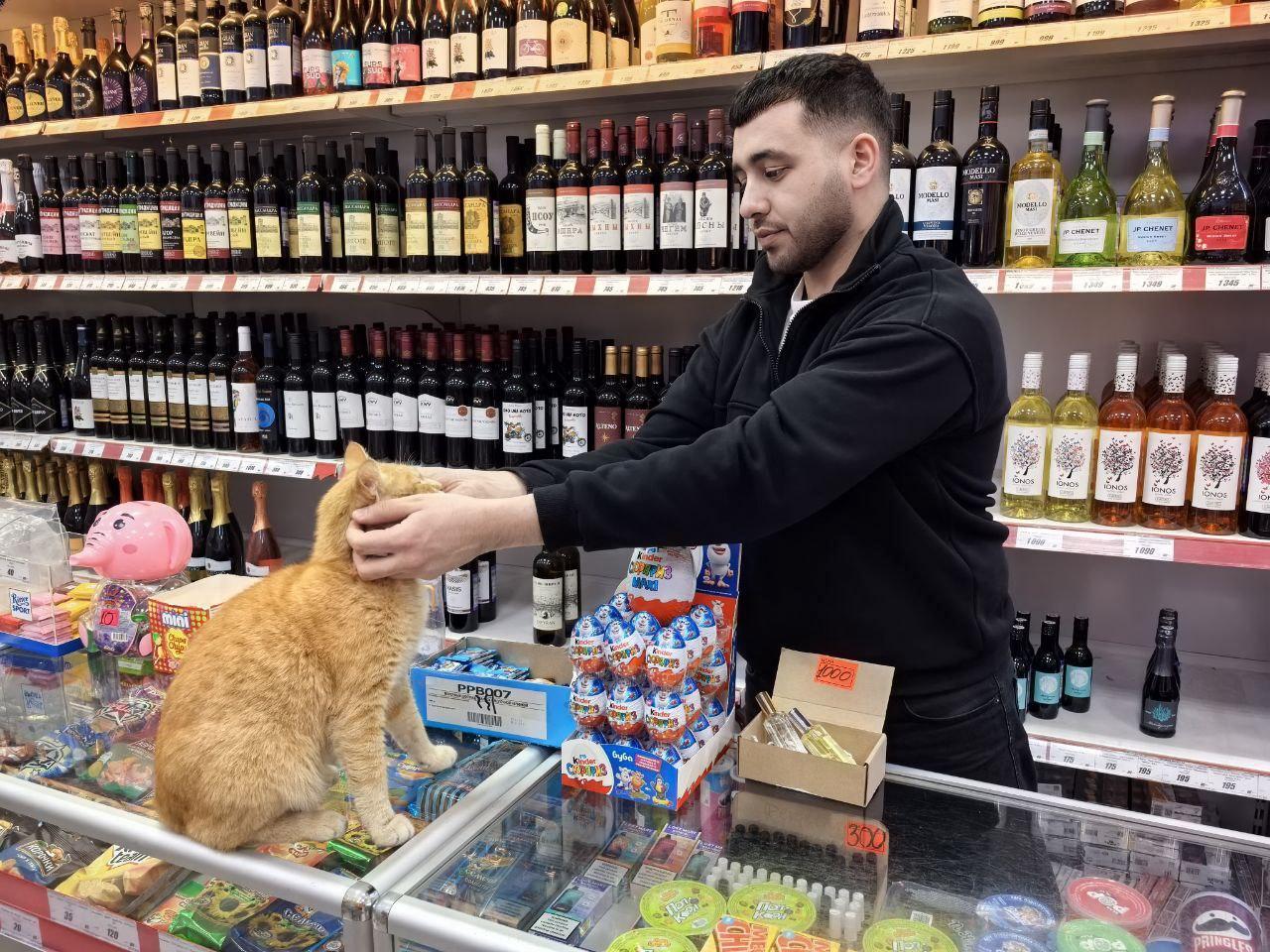

From January 1, lovers of alcoholic drinks, both strong and mild, will have to pay more than last year. The reason is the increase in excise taxes, which is already beginning to show on price tags, though almost imperceptibly. We asked Muscovites what they think about this and learned from experts what to expect next from the cost of alcohol and cigarettes.
«As if Made of Gold»
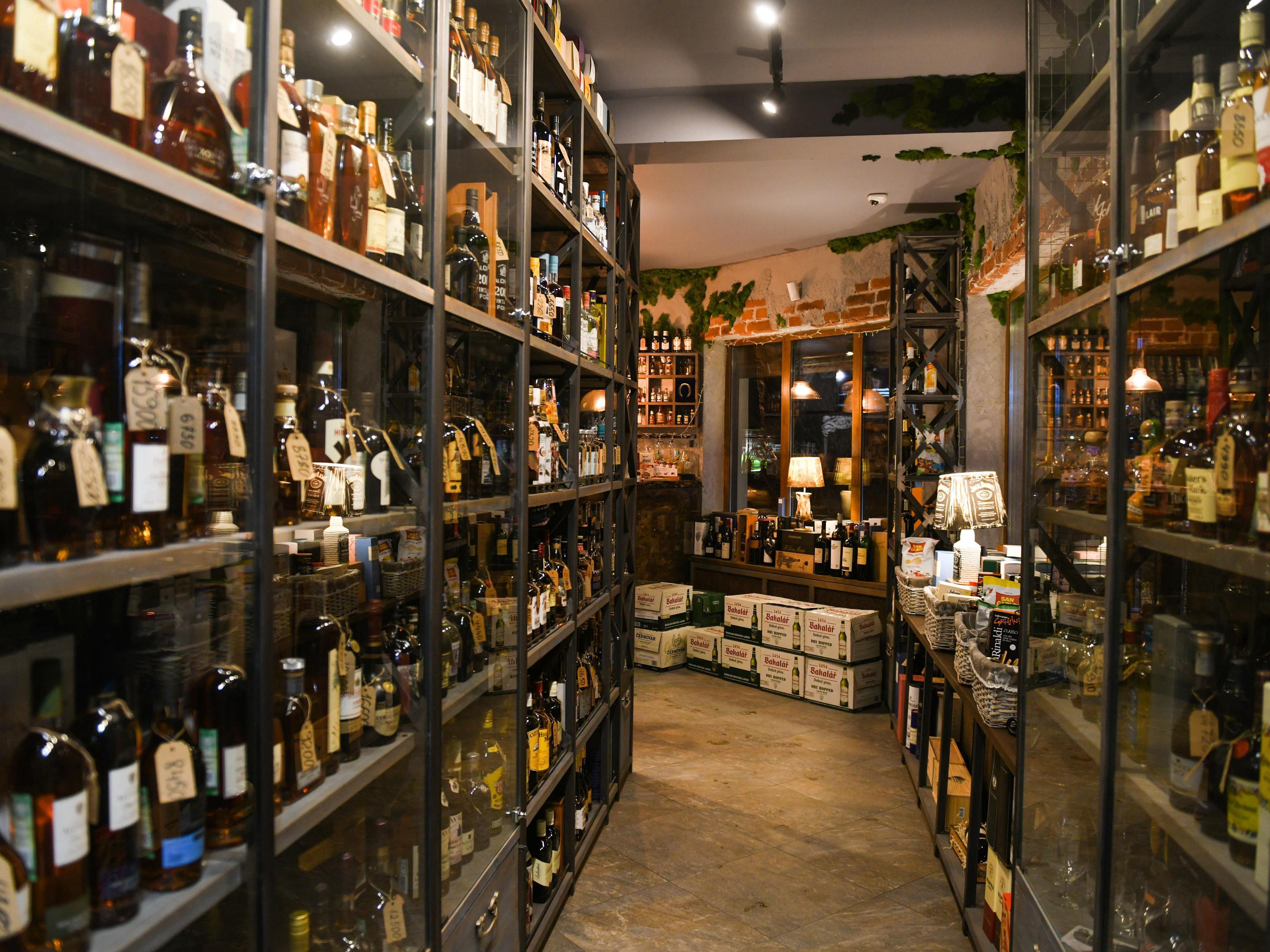
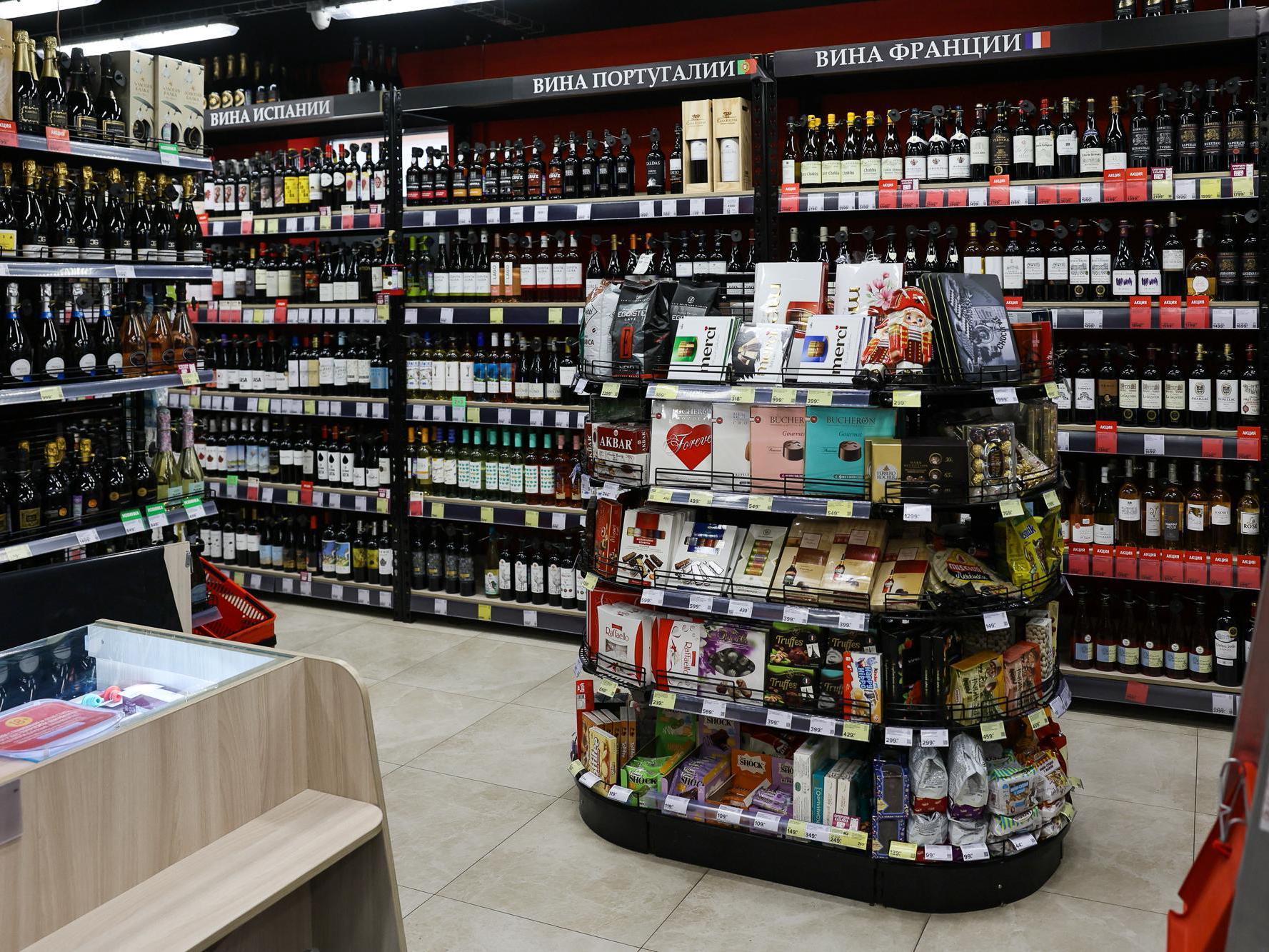
The New Year brought Muscovites not only holidays but also rising prices for alcohol and cigarettes after the excise tax increase. We asked Muscovites about the price changes, and their opinions were divided. Some say the price hike became noticeable in the first weeks after the holidays, others admit that the rise hasn«t hit their wallets yet.
«I didn»t notice any increase,« Moscow resident named Mikhail briefly told us.
«Yesterday I bought vodka — the price was such, as if it»s made of gold. It was cheaper before,« admitted Ilya.
«Prices are rising on everything, so I can»t keep track of what and by how much it has become more expensive. Champagne, for example, became cheaper after the New Year, but beer is about the same price,« believes Oksana.
Meanwhile, excise taxes on alcohol increased by 8.9–31% — depending on the category. This means that alcoholic beverages in stores will become more expensive: new rates are directly included in the shelf price. From 2026, a fixed excise amount will be added to each liter of alcohol that goes on sale.
Here are the amounts the state will charge producers and importers per liter of product:
alcohol stronger than 18% ABV — 824 rubles (approximately $9 at current rates);
alcohol weaker than 18% ABV — 165 rubles (approximately $2 at current rates);
still wines — 148 rubles (approximately $2 at current rates);
sparkling wines — 160 rubles (approximately $2 at current rates);
beer with strength up to 8.6%, cider, perry, mead — 33 rubles (approximately $0.4 at current rates).
«Vodka became more expensive by 17%, wines — by 31%. The most noticeable increase was for still wines, where the burden increased the most,» emphasizes in a conversation with MSK1.RU financial expert Tatiana Volkova. «More moderate were the increases in excise taxes on sparkling wines, beer, and strong alcohol. For tobacco, the minimum price of a pack of cigarettes reached 153 rubles — a 13% increase.»
«Indexation Exceeds Inflation»
After Russia once again raises excise taxes on alcohol and tobacco, this traditionally reflects on store price tags.
«The increase in excise taxes on alcohol and tobacco from January 1, 2026 — is not a sensation, but another turn of a long-set spiral,» believes economist-scientist, logician Eldar Manashirov. «The law formally indexes the rates, but for so-called »harmful goods,« this indexation systematically exceeds forecasted inflation.»
By increasing excise taxes, the state simultaneously aims to replenish the budget and reduce alcohol consumption. According to forecasts, over two years, additional income from excise taxes could amount to about 138 billion rubles (approximately $1.5 billion at current rates). At the same time, the state«s fiscal strategy faces contradictions, experts believe.
«The growth of excise taxes should theoretically increase budget revenues, but the decline in legal sales puts this goal into question,» comments MSK1.RU candidate of legal sciences, deputy director of ANO «Center for Legislative Development» Dmitry Matyushenkov. «According to 2025 data, alcohol sales have already decreased by 11.4%. Russian winemakers gained an advantage thanks to excise refund mechanisms, while import producers, especially from Georgia and Europe, will face double pressure — growth of excise taxes and customs duties.»
«Producers Have Already Notified Retail»
While buyers practically don«t notice changes on the shelves, in the coming months, price increases may become more palpable.
«There was no mass price jump in January,» emphasizes Tatiana Volkova. «Producers traditionally increase production in advance to enter the period of excise tax increases with full warehouses. These stocks allow temporarily restraining growth. Therefore, the main price shift, according to market participants, will likely be noticeable closer to March-April 2026.»
The real price hike will become palpable by spring. Moreover, it«s not only about seasonal factors, but also economic trends that gradually reflect on wholesale supplies and retail markups.
«Producers have already notified retail about an increase in wholesale prices by 10–17%, citing not only excise taxes but also the soaring cost of glass containers, logistics, and loans. As a result, the retail price of a mass-market vodka bottle is closely approaching the psychological mark of 500 rubles,» notes Eldar Manashirov.
Even when price increases on alcohol become palpable, Russians are unlikely to start buying less of it. The market is a living organism, and its reaction is much more complex than the simple formula «became more expensive — bought less.»
«The consumer doesn»t so much refuse as optimize. Alcohol moves from the category of daily expense to «payment by fact»: for holidays, meetings, stress,« believes Eldar Manashirov. »In such a situation, another turn of excise tax increases, for example on strong alcohol to 824 rubles per liter of alcohol, and the parallel rise in minimum retail prices act as a powerful impetus for changes in the market.«
According to expert forecasts, beer may become more expensive by only a few rubles per liter, which cannot be said for vodka. Now, half a liter cannot be bought for less than 409 rubles. The most noticeable may be the price increase for wines, especially in the lower and middle price segments.
«Consumers will switch to cheaper options,» agrees with colleague Dmitry Matyushenkov. «In the alcohol segment, this manifests in switching to cheaper brands of vodka, from imported wine — to Russian and derivatives, for example wine drinks. Moreover, tightening regulation may provoke an increase in consumption of various alcohol-containing tinctures.»
«Risks of Substitution with Counterfeit Grow»
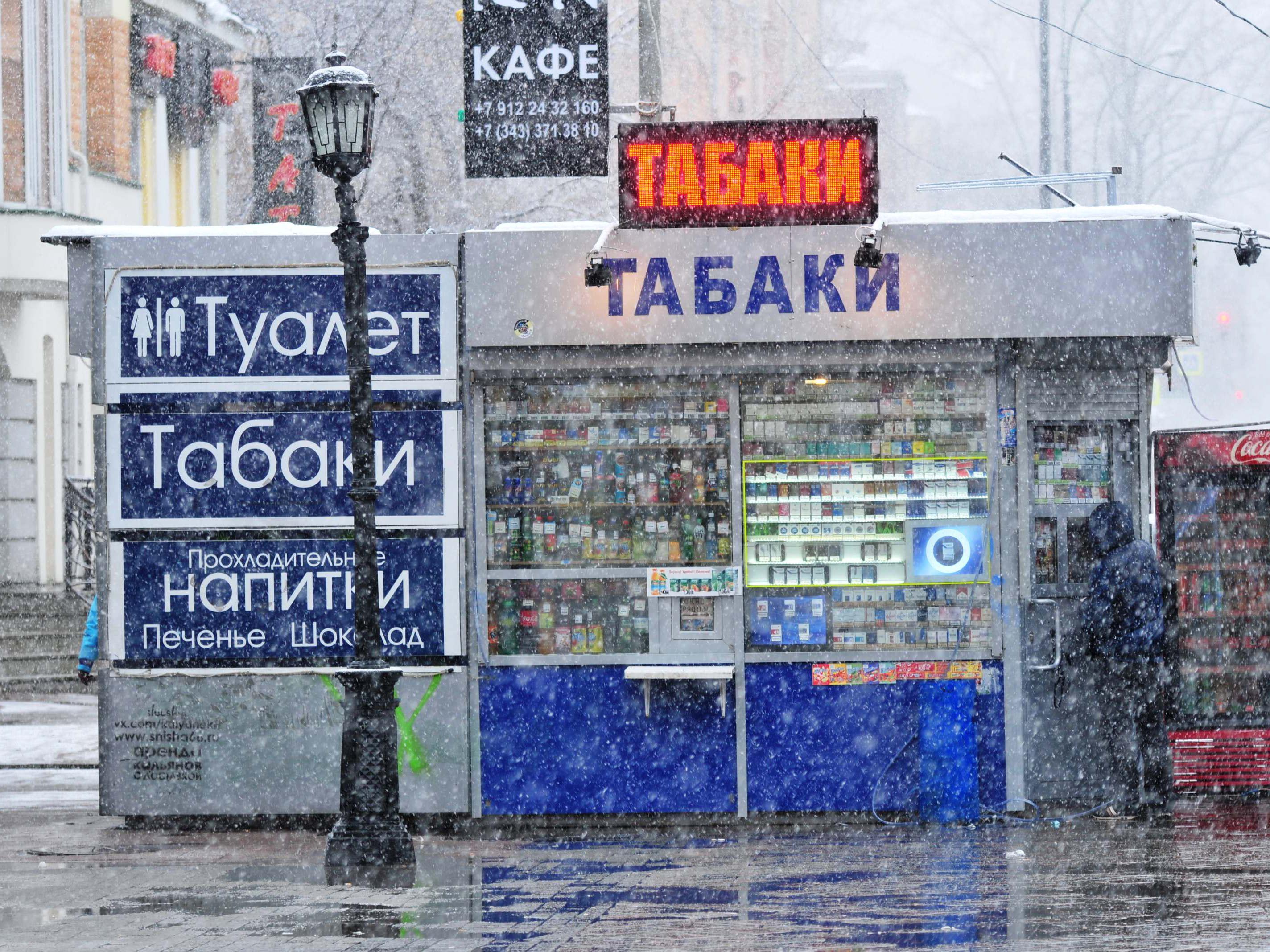
On tobacco, prices have already jumped more noticeably than on alcohol. After excise taxes increased from January 1, along with them, minimum retail prices for cigarettes rose — now you«ll have to shell out more for a pack.
«Cheap cigarettes simply cannot be sold below the set threshold — 153 rubles per pack. That is why the growth in the budget segment is most noticeable,» explains Tatiana Volkova. «In the average segment, the minimum price of a pack of cigarettes increased by tens of rubles compared to last year, and this is not a one-time measure: further excise tax increases are embedded in budget policy for the coming years.»
In fact, the increase in excise taxes and minimum prices immediately reflect on the shelves, with expensive cigarettes adding to the price more smoothly. Buyers feel this in their wallets, and producers and sellers adjust price tags to avoid operating at a loss.
«For new narcotic-containing products — vape liquids and disposable devices — minimum prices are already calculated with reference to packaging type and can reach 120 rubles per milliliter. This is an attempt to take control of a fast-growing and currently weakly regulated market, turning it from a »gray zone« into a clear source of income. The effect may be twofold: the legal nicotine market steadily replenishes the treasury, but parallel risks of substitution with counterfeit grow,» emphasizes Eldar Manashirov.
In 2026, after the introduction of excise taxes, habitual expenses for «drinking or smoking» for Russians may become more and more noticeable. Will we drink less or switch to moonshine and «funfuriki»?
At the same time, there are goods whose prices are decreasing — we reported what exactly became cheaper. Read about which product prices may change this year. Also, we reported whether to expect a new pension reform in 2026.