13th Pension for Russian Elderly: Inflation Catch-Up Still Distant
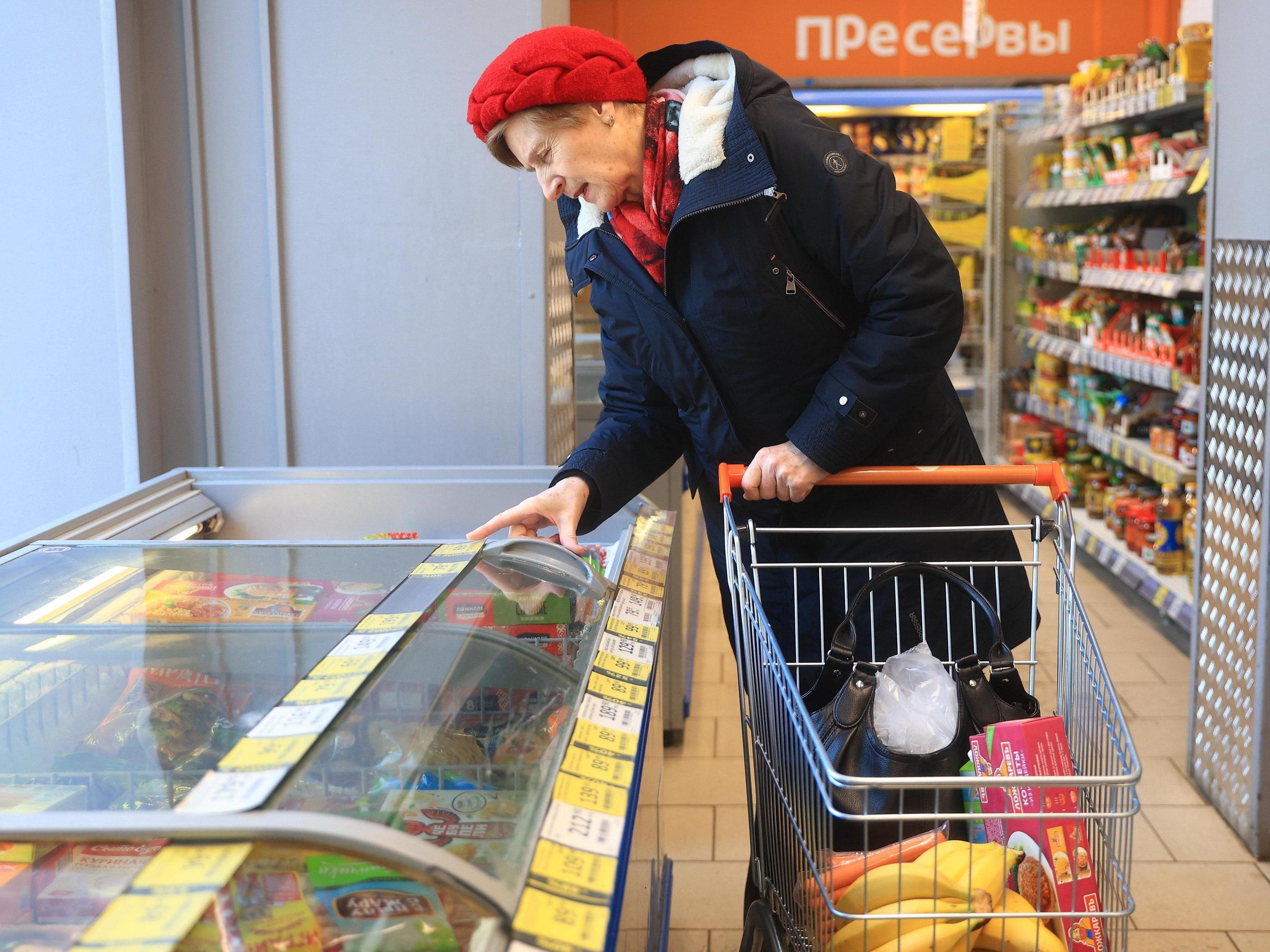

The idea of introducing a 13th pension for all Russian pensioners has once again taken center stage. The initiative was once again put forward by the leader of the A Just Russia party, head of the parliamentary faction Sergei Mironov. According to him, the bill on an additional annual payment was resubmitted to the State Duma in early December 2025, as has been happening for over ten years in a row.
Mironov emphasizes that this is not a one-time action, but an attempt to compensate for the systemic lag of pension payments from the real inflation rate. According to the plan of A Just Russia, every pensioner should receive a supplement by the New Year equal to their old-age insurance pension, but not less than 1.5 times the subsistence minimum. At last year«s prices, such a payment would amount to about 23,000 rubles (approximately $250 at current rates). Mironov»s logic is clear: for many of us, especially the elderly, New Year«s expenses become a serious burden. You need to set the holiday table, buy gifts for grandchildren, and all this from a meager pension (and in Russia, it officially amounted to just over 25,000 rubles at the end of 2025).
It sounds, of course, beautiful and, pardon the pun, just. But the main question is where to get the money.
«The idea is beautiful, I fully support it. But such an initiative has already received a negative conclusion from the government, because it requires significant additional financial expenditures,» MSK1.RU was told by Yaroslav Nilov, chairman of the committee on labor, social policy, and veterans« affairs. »Although I don«t know what financial mechanism will be proposed by A Just Russia this time.»
Nilov says that the idea of a pre-New Year payment to pensioners is well known to him not only conceptually but also in practice: back in 2020, on the instructions of Vladimir Zhirinovsky, he himself participated in developing a bill on an additional payment equal to the monthly pension before the New Year. Moreover, it concerned all categories of pensioners—recipients of insurance, social, military, and other pensions.
«But we proposed not a 13th pension, it was a pre-New Year pension payment,» Nilov recounts. «This proposal has been considered repeatedly by the State Duma. The adjusted text was sent to the government, but the government filter, unfortunately, was not passed.»
However, Nilov remains optimistic that a pre-New Year payment for pensioners in Russia may still appear. There is a compromise path: if implementing the initiative in full is impossible, it makes sense to consider targeted support—for specific categories of pensioners. Nilov hopes that such a compromise on the possible appearance of a 13th pension can be found by A Just Russia during upcoming consultations with Prime Minister Mikhail Mishustin.
«Moreover, we are constantly improving pension legislation,» says Nilov. «After all, we restored indexation of pensions for working pensioners. Additionally, we revised the format of indexation itself, so that it doesn»t happen that those who receive little don«t feel this indexation. On the president»s instruction, it was done this way: first the supplement, and then indexation. To avoid, let«s say, absorption of the supplement, so that the pension amount practically didn»t change.«
Independent economists are, of course, also entirely in favor of additional pensions. Especially considering how price increases affect pensioners: inflationary expectations for Russians without savings (and pensioners typically fall into this category) already exceed 15%, calculated the Central Bank. This is how specific people really feel price rises, not the officials of Rosstat and the Ministry of Economic Development, whose inflation for the entire last year «did not exceed» 5.6%. The economic reality, it turns out, is three times worse than what is said in the reports.
«The idea of increasing payments to the elderly fits perfectly with the realities of the pension system of modern Russia, which is unable to do this on its own,» says Magomet Yandiev, associate professor at the Faculty of Economics of Moscow State University and former deputy of the Moscow City Duma. «I will even take the liberty of supplementing this initiative with a proposal to pay pensioners quarterly bonuses for achieving certain pensioner-production indicators (for example, by the number of times grandchildren are taken to children»s clubs and sections), as well as one-time bonuses tied to significant events (professional holiday, birthday of the last employer, grandson started school, grandson graduated from school, and so on). As they say, if they don«t let you in through the door, you have to climb in through the window. So it is with the pension system.»
Jokes aside. Yandiev assesses the financial capabilities of Russia«s pension system quite seriously. He notes that in current conditions, the absolute priority for the state remains military expenditures, which means that finding additional funds for a large-scale expansion of pension payments will be extremely difficult.
«But one might think, this issue worries the »generators« of initiatives,» Yandiev remarks sarcastically.
As can be seen, support for the idea exists in parliament, but the final decision still boils down to the question: is the state ready to redistribute resources in favor of elderly citizens here and now.