Why Zoomers Are Turning to 'Grandma's Hobbies'
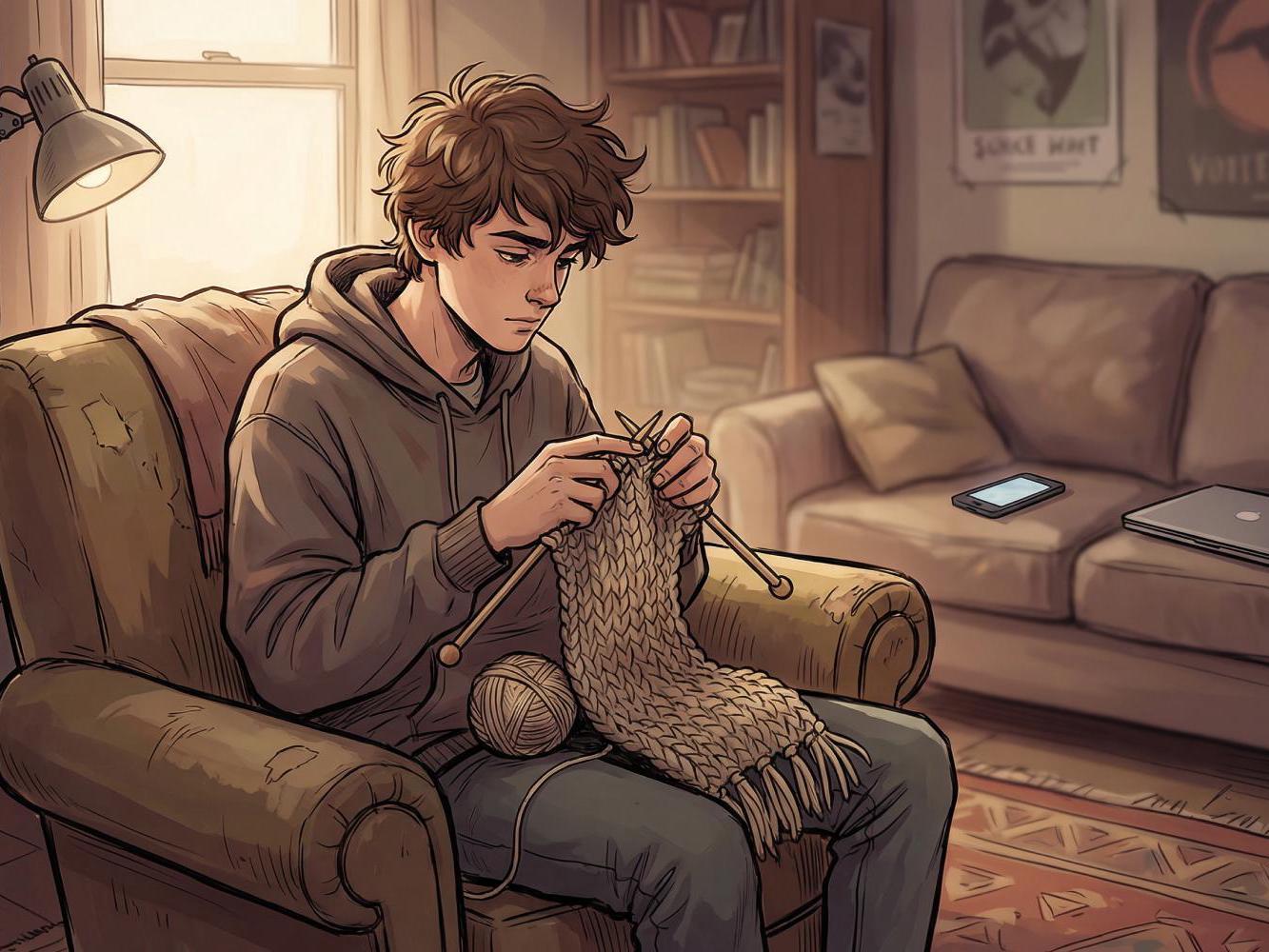

Just yesterday, zoomers were endlessly scrolling through social media feeds, but today they are knitting socks, doing cross-stitch, growing greens, and discussing sourdough starters. Hobbies that we used to consider «grandma»s« have suddenly returned.
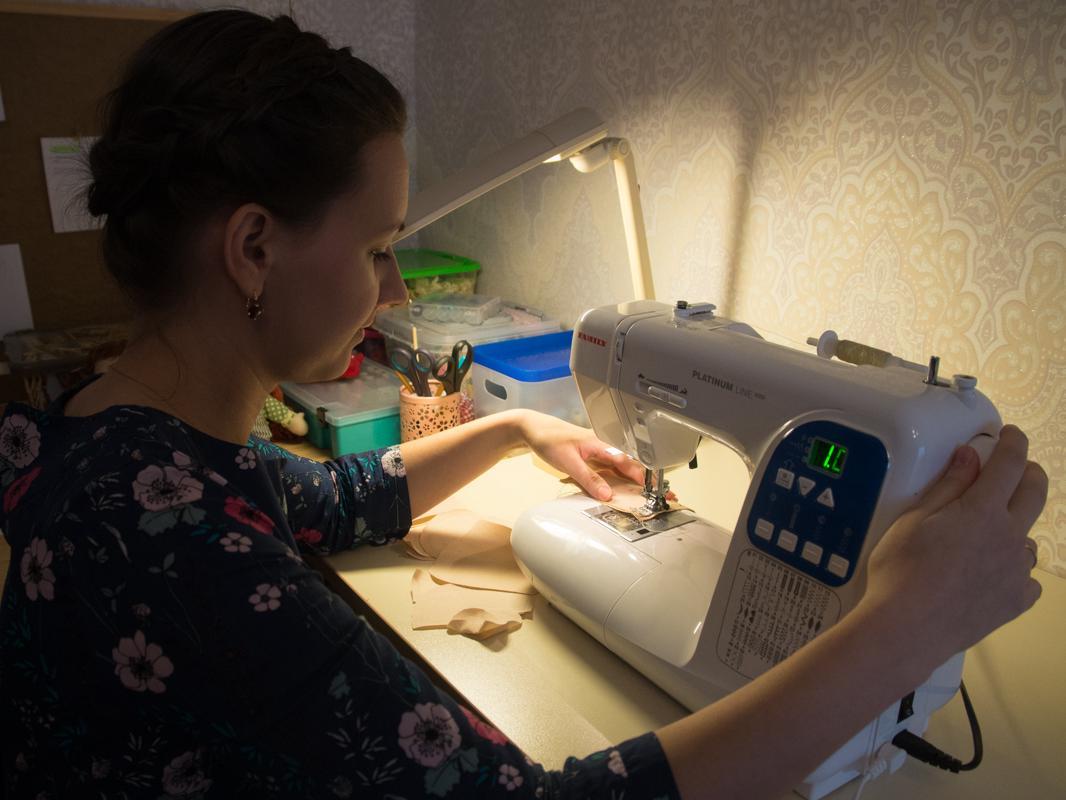
«Most of my acquaintances do something with their hands. For example, very many knit. And even guys. But not to brag about hats on social media later, but for themselves,» said 18-year-old Muscovite Mikhail Morozov.
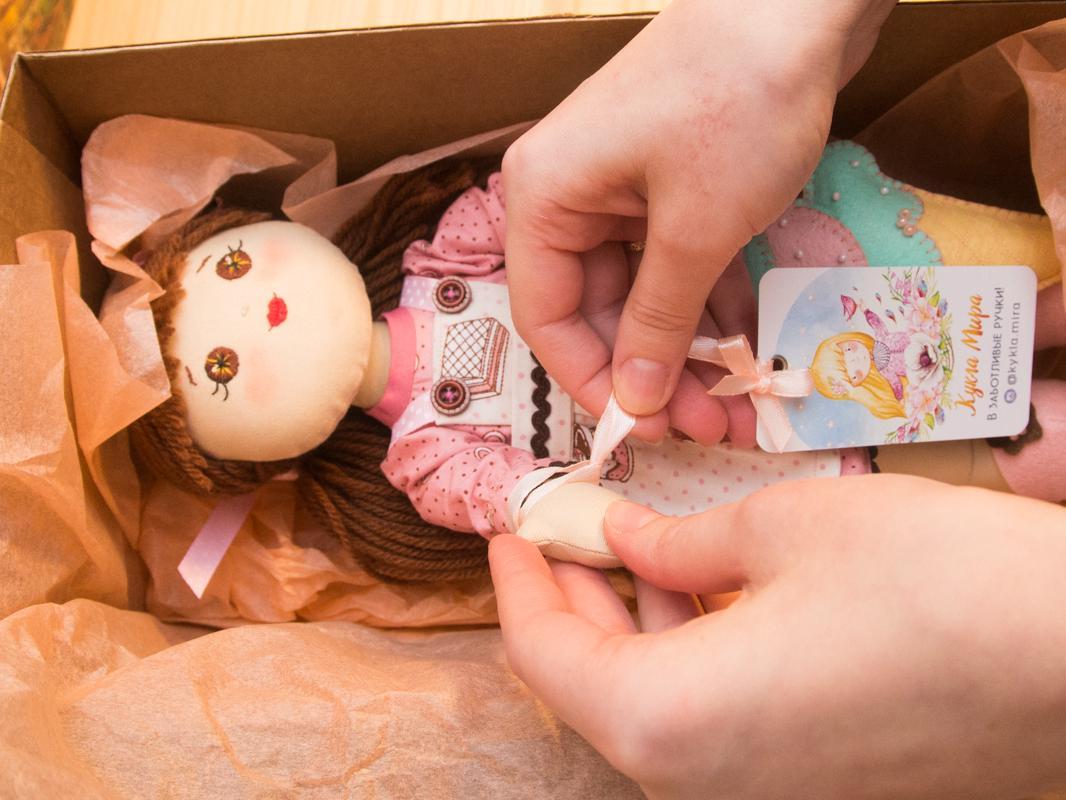
Why has the generation raised on virtual reality gravitated toward knitting needles and garden beds? We asked experts where this trend came from and whether zoomers will stick with it for long.
«Subconsciously Seeking a Counter-Scenario»
Generation Z, or zoomers — are people born from the late 1990s to the early 2010s. They grew up in a world of digital technology and constant informational noise. Against this backdrop, their attraction to activities that until recently were considered «outdated» stands out even more: gardening, embroidery, pottery, woodworking, knitting, lace-making, or handmade toy making.
«This is not just nostalgia, but a collective response to the »trauma of acceleration« of the digital era,» believes psychologist and psychotherapist Marina Grach. «The psyche of zoomers, overloaded with virtual contacts, clip thinking, and the pressure of »successful success,« subconsciously seeks the opposite scenario. This is a kind of bodily therapy.»
Through knitting, woodworking, or gardening, zoomers address basic psychological needs, the so-called fundamental hunger:
hunger for structure — when a clear, predictable result is important;
hunger for recognition — the opportunity to get a specific evaluation of one«s labor and to say that it was made with one»s own hands;
hunger for stimulation — not informational, but tactile, through working with wood, fabric, and earth.
«Hand Labor Gives Tangible Results»
Zoomers live in constant digital stimulation and are overloaded with visual, but not real, impressions. Therefore, in recent years, their protest against total online life has been felt. Digital detox, giving up endless feed scrolling, limiting time on social networks — all this is no longer rare practices, but a social norm.
Hand labor becomes an alternative to computer games and endless time online, as well as a way to slow down: monotonic, repetitive actions work as natural self-regulation of the nervous system.
«Zoomers grew up among filters, virtual images, and algorithms that shape the news feed. The fascination with »grandma«s» hobbies — this is not an escape into the past, but a conscious choice,« believes cultural expert and teacher at the St. Petersburg State Institute of Culture Nadezhda Alexandrova. »Hand labor gives tangible results: a planted plant grows, a wooden house stands and pleases its owner, and a knitted item can be worn or gifted. This restores a sense of reality and the significance of one«s own efforts.»
«Directly Reduces Anxiety»
Generation Z grew up in a world of chronic instability: constant crises, acceleration of life, lack of long-term guarantees in profession, finances, relationships. In such conditions, the psyche stops relying on abstract promises and seeks something tangible.
«A garden bed, fabric, thread, wood, clay give predictable results: if you invest, something will grow, work out, come together. This directly reduces anxiety because it returns a sense of stability,» explains practical psychologist and founder of the psychology center «Time to Live» Natalia Airing. «There is another important point — the feeling of control. When you grow a tomato, embroider a pattern, or make a toy, you see a direct link between your action and the result. For a generation raised in a world where efforts do not always lead to success, and the rules constantly change, this experience is critically important.»
Hobbies are increasingly becoming a territory without reports, deadlines, and the race for results — a zone where you don«t need to be efficient or the best. Here you can do something simply for pleasure, without external evaluation and pressure. At the same time, such activities are increasingly going beyond leisure and transforming into a source of income.
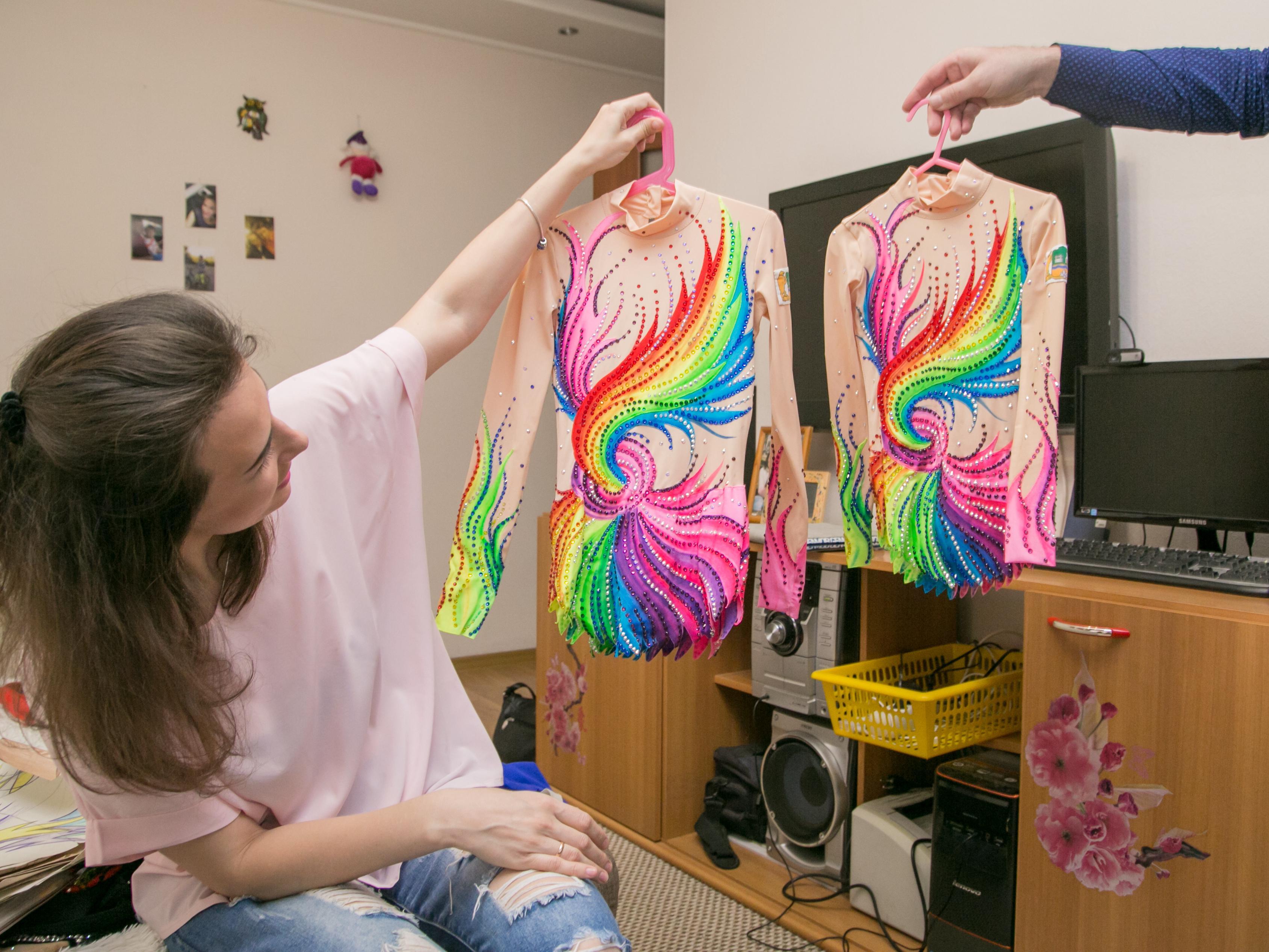
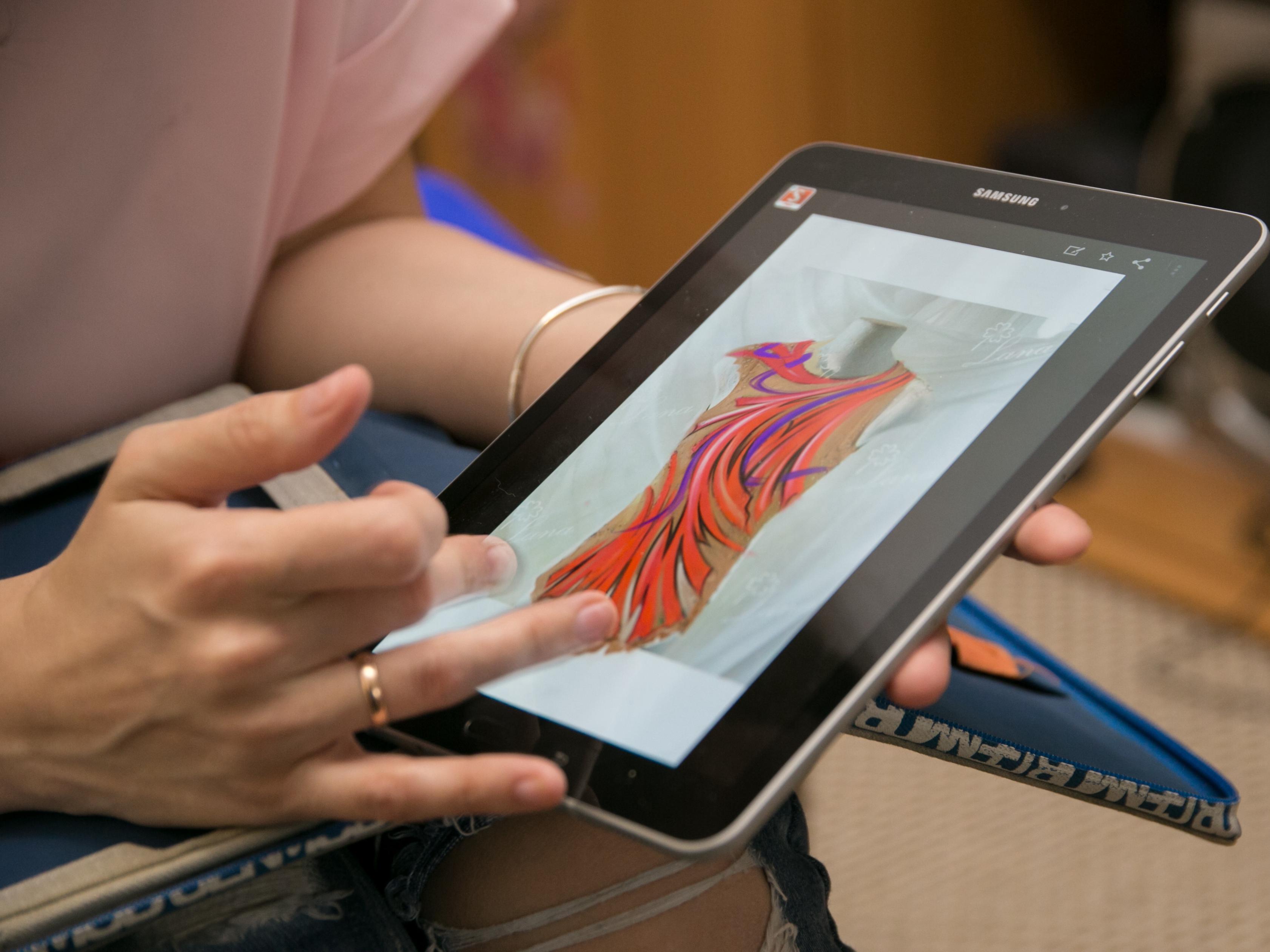
«What was previously perceived exclusively as a »grandma«s activity» is easily monetized today,« comments psychologist and candidate of economic sciences Milana Orekhova. »Author«s toys, knitted accessories, decor items, handmade brands — all this is in demand on the market. For zoomers, it»s important that an activity has meaning, pleasure, and potential economic value. And hand labor successfully combines all three components.«
«They Don»t Contrast Gardens and Neural Networks«
Also, zoomers increasingly view the world through the lens of ecological thinking. For them, a more careful way of interacting with the environment is important.
«Generation Z reacts much more acutely to themes of sustainable development and conscious consumption. Homemade toys, handmade clothing, homegrown products are perceived as an alternative to mass production and excessive consumption. Ancient crafts here turn out to be unexpectedly modern,» adds Nadezhda Alexandrova.
At the same time, it«s important to emphasize: this is not a step back and not a rejection of technology. Zoomers use »grandma«s» hobbies as a way to slow down and gain psychological stability, while maintaining a connection with the modern world.
«Zoomers don»t contrast gardens and neural networks, embroidery and startups, a wooden house and remote work. They try to integrate and find a balance between progress and humanity,« emphasizes Natalia Airing. »Therefore, hobbies «like grandma»s« — this is not a romanticization of the past. It»s a psychological response of a generation to an overloaded, unstable, and too-fast world. When the external world doesn«t provide support, a person begins to create it with their own hands.»
Earning through hobbies isn«t just for zoomers. We told how two brothers — a schoolboy and a kindergartener — saved money for their dream thanks to knitting. Read about how an entrepreneur quit her business and left to work as a teacher in a rural school.