Afanasyev Day: Folk Beliefs Warn Against Dental Treatment on January 31
This article explores the folk traditions and superstitions of Afanasyev Day on January 31, including weather omens, rituals, and prohibitions against dental treatment.
Mar 6, 2026 0
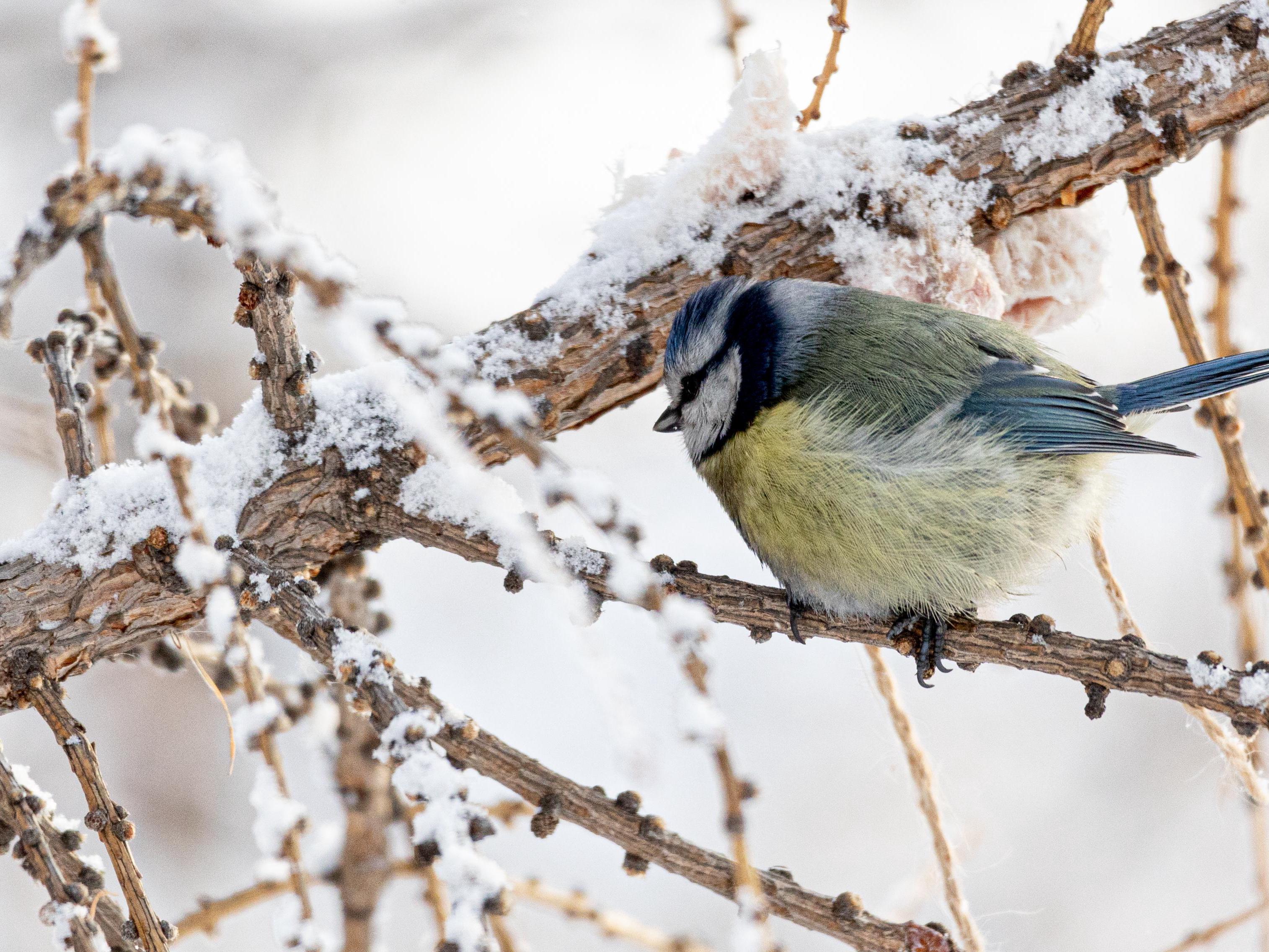

Folk traditions include weather omens and rituals to protect homes from evil spirits on Afanasyev Day.
Source:
On January 31, Orthodox Christians commemorate Athanasius the Great, one of the Fathers of the Greek Church who lived in the fourth century. He was the Archbishop of Alexandria and played a significant role in shaping Christian theology.
In the folk calendar, this date is called Afanasyev Day, and in Rus, the saint was often called Lomosos. This nickname was associated with severe frosts that, according to peasants« observations, often occurred during this period. Proverbs emphasized that cold is easier to bear in motion, so laziness in frosty weather was considered particularly harmful.
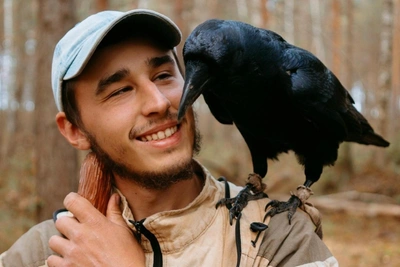
Many weather omens were associated with Afanasyev Day. A blizzard, according to folk signs, foretold a prolonged winter and late spring, while clear weather at noon was seen as a sign of imminent warming. Increased frost was linked to the behavior of birds—if crows circled in flocks, colder weather was expected. A «humming» samovar was also considered a harbinger of frost. However, frosts were perceived rather positively: it was believed that well-frozen ground would yield a more abundant harvest in summer.
In folkloric beliefs, Afanasyev Day was associated with evil spirits. It was thought that in severe frosts, witches gathered for a sabbath, and upon returning, could harm people. Therefore, on this day, rituals «for purification» of the dwelling were performed. According to beliefs, healers would charm the stove pipes, and villagers would walk around houses and outbuildings, knocking on walls to drive away evil spirits.
A number of prohibitions were also associated with this date. According to signs, on January 31, it was not recommended to start new endeavors or move house, baptize children, treat teeth or consult doctors unnecessarily, go to the river or into the forest. It was also considered undesirable to finish drinking water after another person, so as not to «catch» their illnesses.
Read more