Chelyabinsk Residents Angered by Wildberries Pick-Up Point in Closed Courtyard
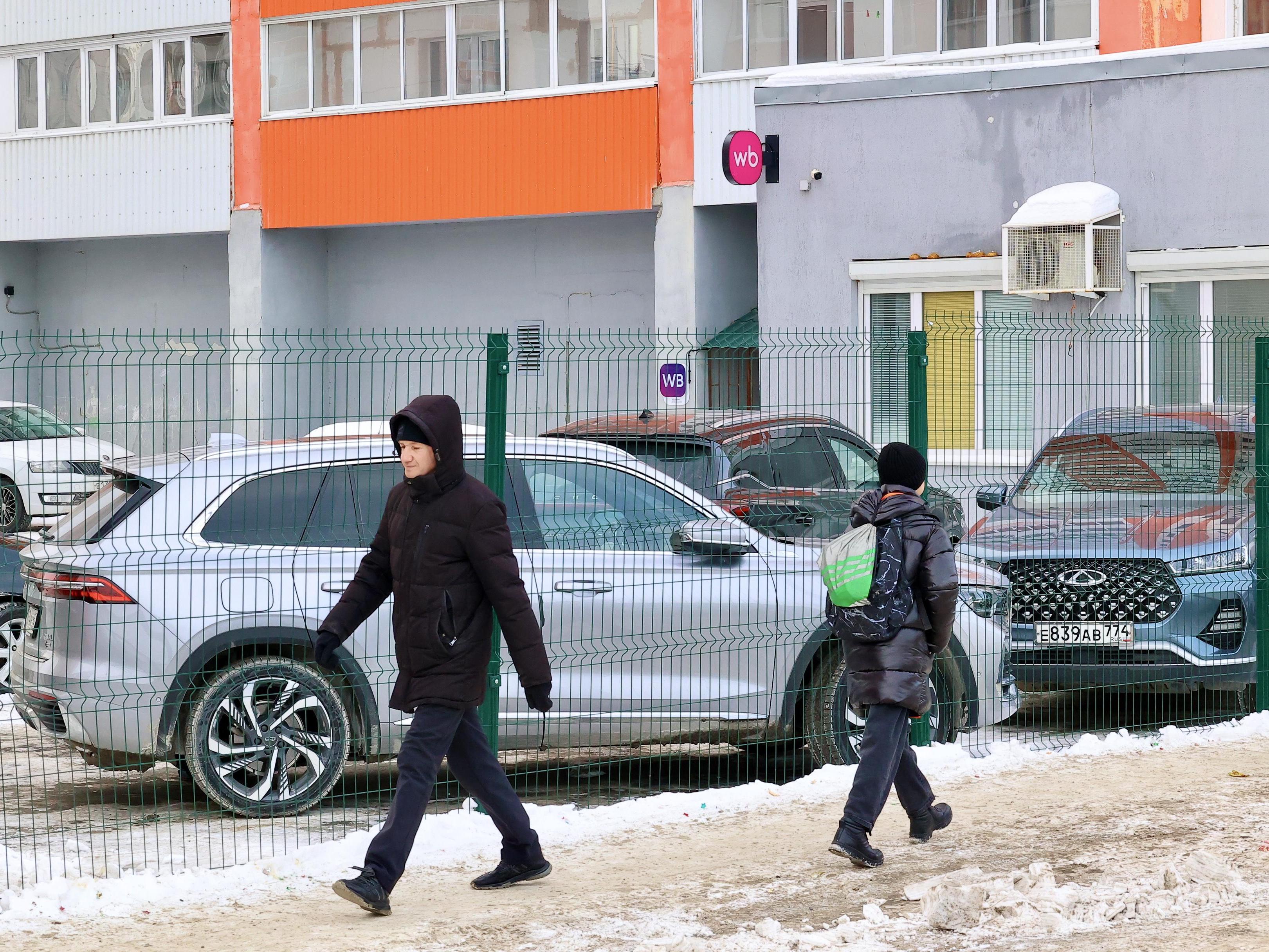

A Wildberries pick-up point is set to open in a closed courtyard in the Parkovy district of Chelyabinsk, serving three high-rise buildings. Residents have not welcomed the entrepreneur«s idea, fearing it will draw outsiders. This article explores what representatives from the marketplace and management company say, and whether the owner of commercial space must coordinate plans with residents.
Residents« Rights Violated
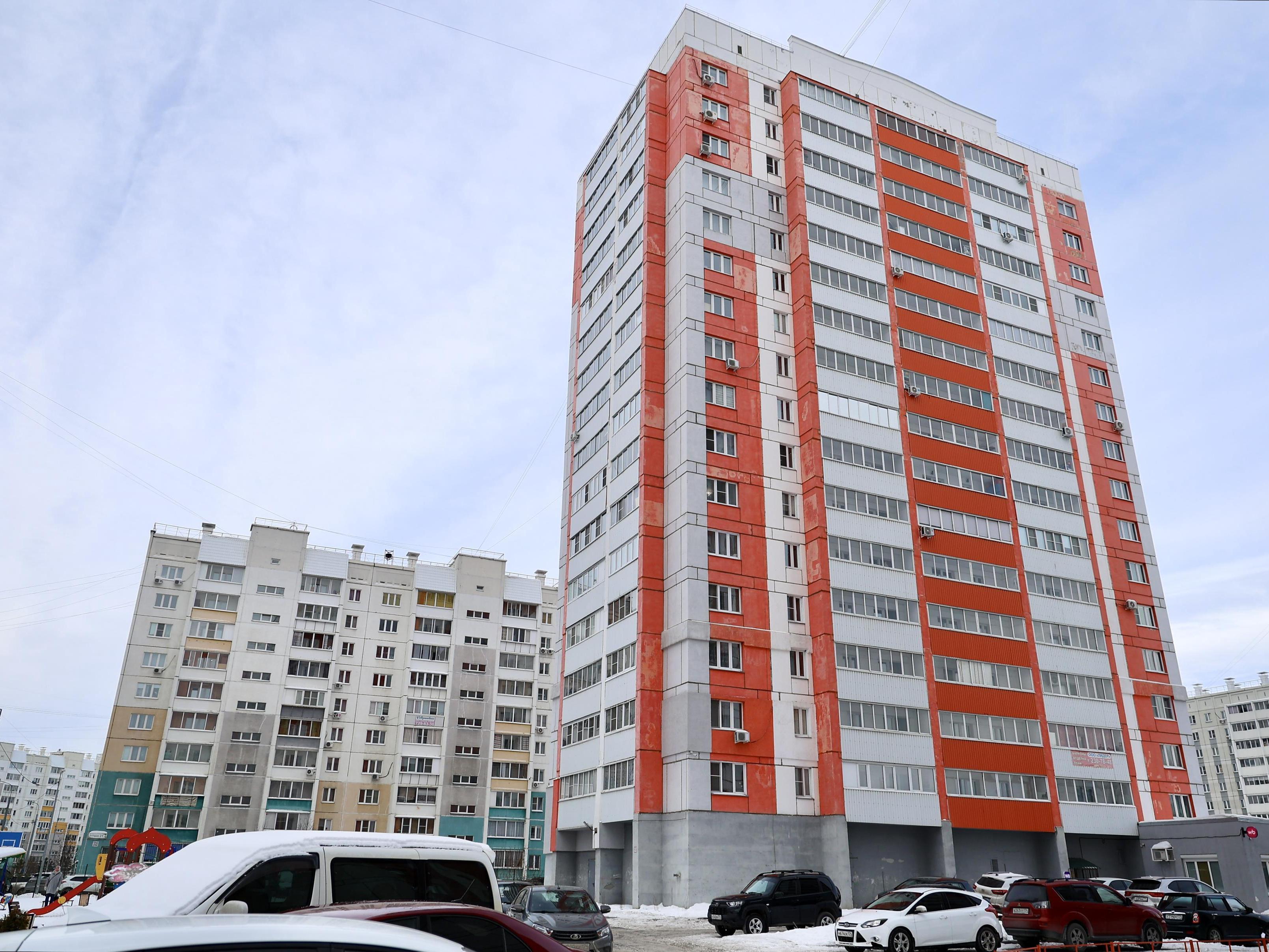
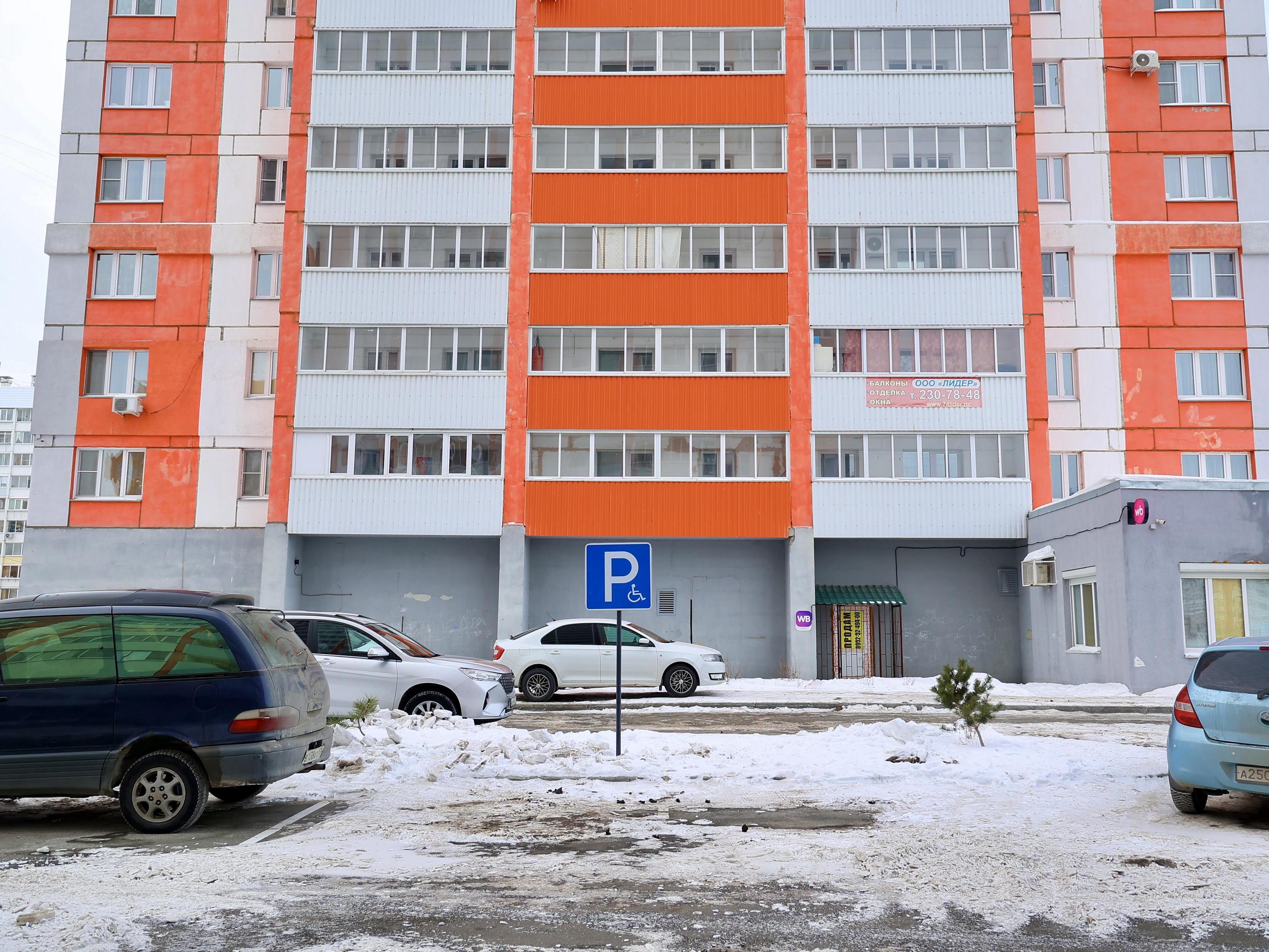
A Wildberries sign recently appeared on the facade of the building at 19b Krasnopolsky Prospect. The issue is that the basement-level premises can only be accessed through the closed courtyard.
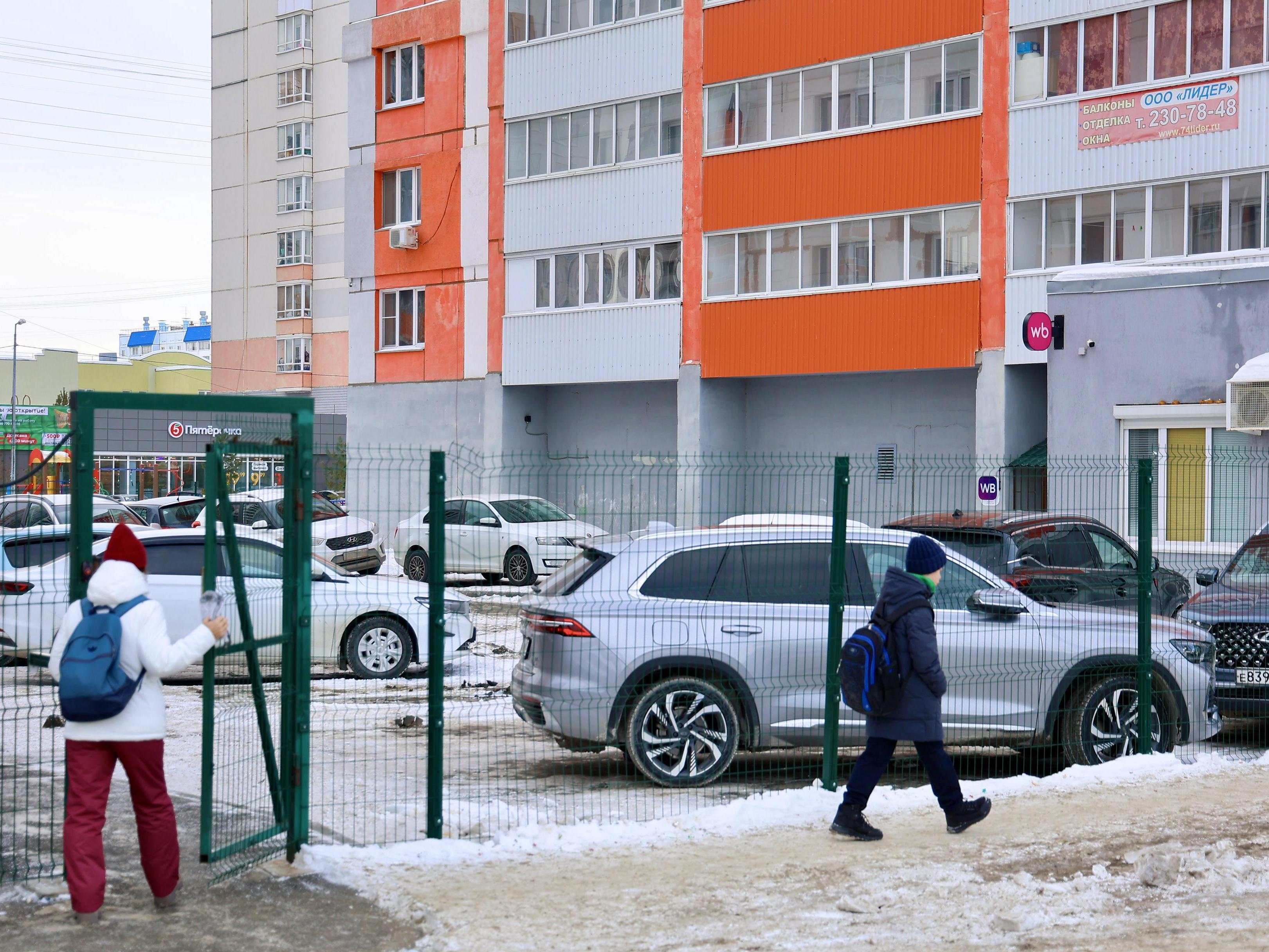
«We have a closed courtyard area — this is a private part where only residents of the complex have access, not intended for free mass access by outsiders, loading and unloading of cargo vehicles, including at night,» said an upset courtyard resident. «The courtyard territory and the property on it (gate, fence, intercoms, green spaces, landscaping) belong to and are maintained by the homeowners, and for its use for commercial purposes, the consent of more than 50% of the owners is required. There is no protocol of homeowner consent, and the legal rights of residents are being violated.»
In neighboring houses, outside the courtyard perimeter, there are two more Wildberries points, and one might think the entrepreneur is targeting only residents of the fenced area. But apartment owners are still concerned, and it was not possible to ask him directly — the premises were closed during our visit to the courtyard, and no representatives of the pick-up point were found there.
Marketplace Not to Blame?
The marketplace«s press service says they request documents from entrepreneurs before approving a new pick-up point, but aspects like a closed courtyard are not considered.
«When opening a pick-up point, we обязательно запрашиваем у потенциального партнёра договор аренды, заключённый между ним и собственником недвижимости, а также план БТИ. Questions about organizing vehicle access and free passage for customers remain on the partner»s side and are regulated within the agreements reached with the landlord,« explained the company. »However, we always recommend partners choose premises on the first floors of buildings and on the front line along main streets or highways to facilitate access for customers and drivers. Our priority is maintaining a high level of service at pick-up points, including delivering goods to them.«
«The Owner of Non-Residential Premises Also Has Rights»
The management company «Park-Service,» which maintains the high-rises and this courtyard, said they have already received more than a dozen complaints from residents and are currently investigating the situation.
«In general, the owner of non-residential premises can use their space in accordance with the purposes for which it is intended. That is, Rospotrebnadzor (the Federal Service for Surveillance on Consumer Rights Protection and Human Wellbeing) and the fire supervision service determine requirements for such premises when the owner registers a business there and define possible types of activity,» explained the management company.
Regarding the access system, the management company reminded that the owner of non-residential premises also has rights.
«The interests of all owners must be respected. That is, owners of residential premises also invite guests, hold events in the courtyard, and they are responsible for them. Here, how the owner will provide access to the courtyard territory is unknown to us. How they will handle loading and unloading is also unknown to us. Certainly, video cameras are installed there, and in case common property under our maintenance is damaged, we will monitor, control, and respond. But, by and large, as long as they don»t violate anything, there are no questions for them. The owner of non-residential premises also has their rights and legitimate interests, and they must be respected.«
At the same time, «Park-Service» added that residents can hold a general meeting and determine the rules for using the courtyard territory, but again, this decision must not violate the rights of non-residential premises owners.
What the Law Says
However, lawyer Irina Samsonova from the company «Filatov and Partners» believes that the owner of commercial premises cannot use common property for commercial activity, as it is not related to their residence in the building.
«The owner of the pick-up point premises, even as a full-fledged owner of their property, does not have the right to use the common property of the house, including the courtyard territory, to provide access to customers without the consent of other owners. They are an owner only in relation to their isolated premises, but to use the courtyard, they need permission from the general meeting,» says the lawyer. «Residents have every right to block the opening of the pick-up point through a meeting and subsequent complaints to regulatory authorities.»
The requirement for owner consent to use common property is outlined in Article 44 of the Housing Code of the Russian Federation. By law, the entrepreneur must obtain a majority of votes from the total number of owners (Clause 1, Article 46 of the Housing Code).
Additionally, there are several other points the lawyer suggests paying attention to.
«If the basement premises were originally residential or part of common property (for example, a technical basement), to place a pick-up point, it must be converted to non-residential stock. This is done through notification of the local self-government body, but with the mandatory condition: the premises must be isolated and have a separate entrance from the street, not connected to premises intended for residence (Articles 22, 23 of the Housing Code). In this case, an entrance from the courtyard territory may not be considered a »separate entrance from the street« in the legal sense if the area is closed. This is an additional basis for residents» demands,« notes Irina Samsonova.
Residents have the right to complain to Rospotrebnadzor and the State Fire Supervision Service, demanding inspections due to violations of sanitary and fire safety norms.
«Placing facilities with a constant flow of visitors in a residential area can violate norms for noise, cleanliness, and infrastructure load. Increased human traffic, storage of goods (even temporary) can create fire safety threats,» the lawyer gave examples.
What Can Courtyard Residents Do Now?
If courtyard residents are serious, they will have to hold a general meeting of owners.
«The agenda should include the item: »On prohibiting the use of the courtyard territory and basement-level premises for organizing a pick-up point with access by outsiders.« Adopt a decision by majority vote. The decision is mandatory for all owners, including the owner of the pick-up point premises. Next, send an official appeal with a copy of the meeting minutes to the management company demanding to prevent commercial activity and visitor flow, to the local administration (if the premises were converted to non-residential, the legality of the conversion can be challenged due to the lack of a separate entrance), to Rospotrebnadzor and the Ministry of Emergency Situations — with a request to check compliance with sanitary and fire safety norms. In case of ignoring — file a lawsuit to cease activity that violates the rights of common property owners,» concluded Irina Samsonova.