Toyota RAV4 vs GAC GS4: Which Mid-Size Crossover Wins?
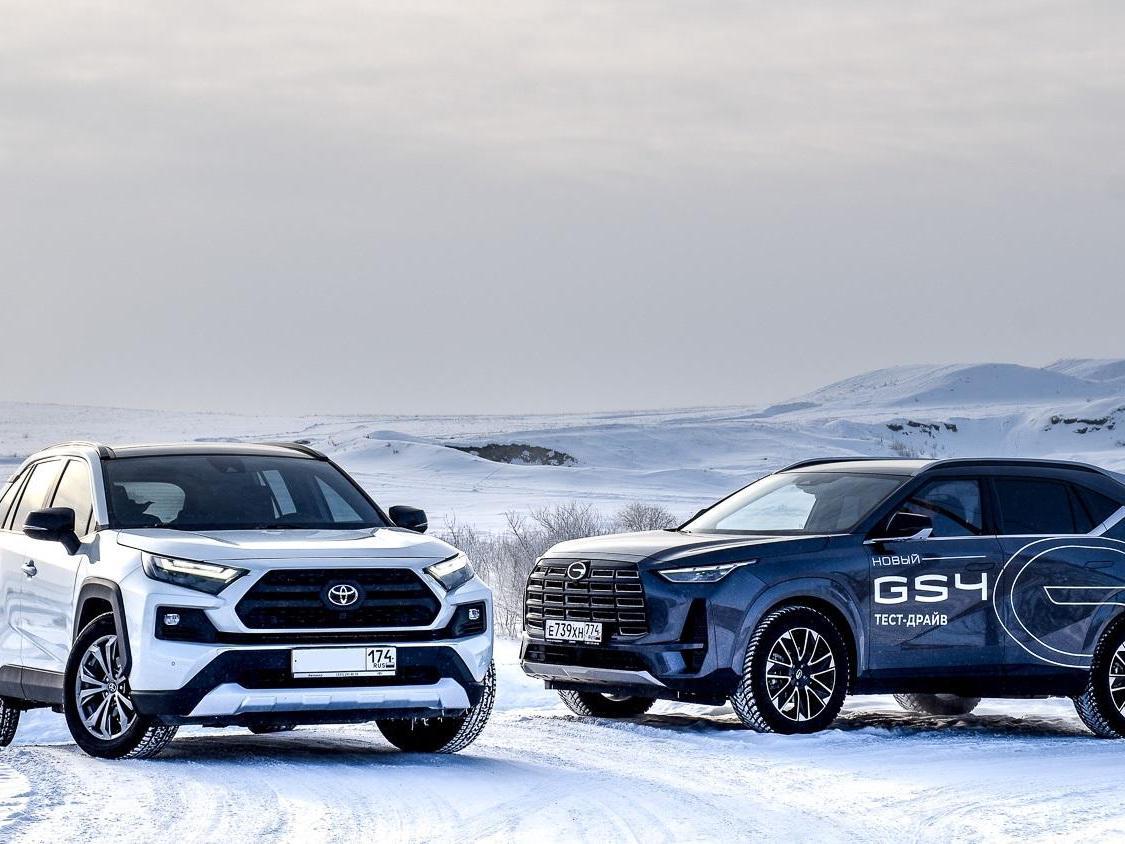

Both crossovers have 2-liter engines and all-wheel drive.
«Normal foreign cars» have become our phantom pain: for the last four years, we«ve been comparing Chinese cars only with fading memories of real Toyotas and Škodas. And sometimes it»s unclear whether Chinese cars have improved that much or if our expectations have dropped. But what about a head-to-head comparison? We dedicated one extremely cold day to understanding how appropriate such parallels are: will the Chinese car lose outright or will it fight back? Let«s clarify that speculating about reliability in such a test is impossible, so we»ll award Toyota a default win here: its years of leadership in various rankings must count for something. But what about everything else?
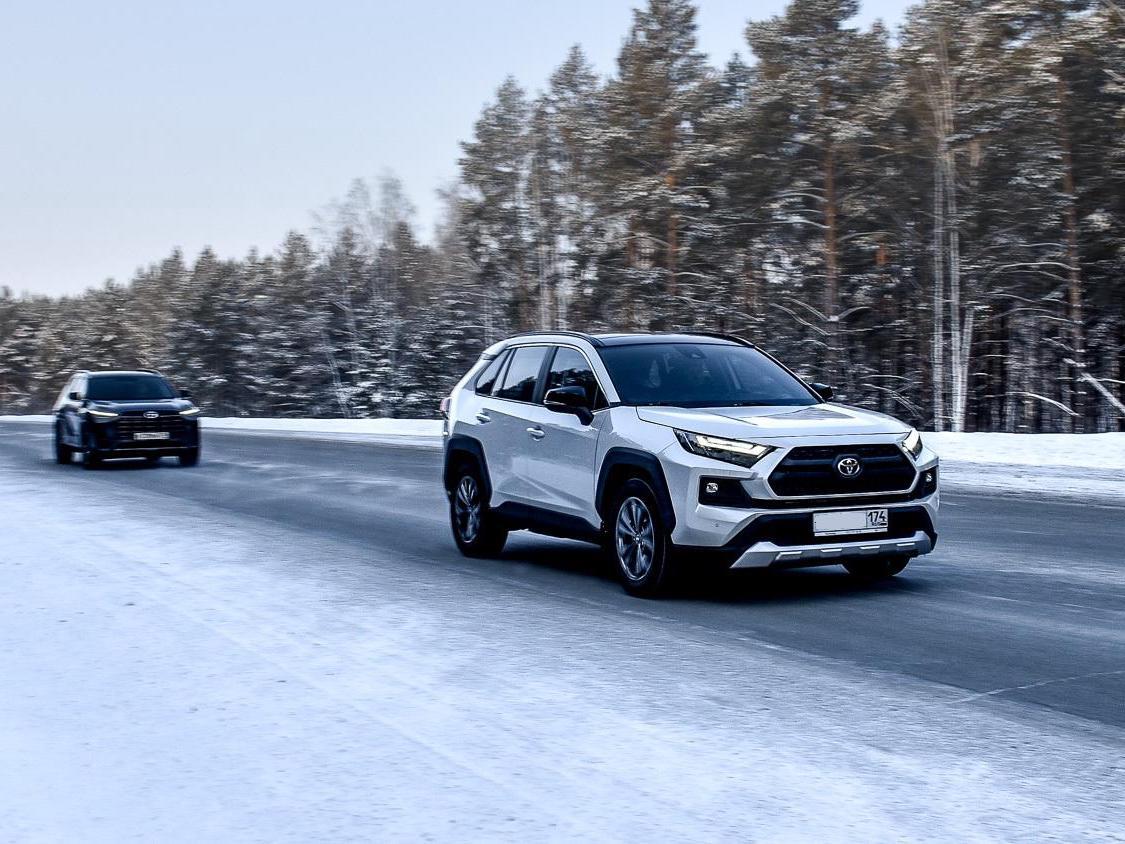
St. Petersburg Toyotas had different front-end styling, but this «face» was available in the fifth-gen RAV4 lineup from its 2018 debut.
The fifth-generation Toyota RAV4 was produced in St. Petersburg until 2022 and was not only one of the most popular crossovers but also the most authoritative. Now such cars are mainly imported from China, where they are assembled at FAW and GAC plants. And it«s GAC (Guangzhou Automobile Group) that is the second contender: the GS4 crossover debuted in its homeland in 2024, and in Russia a year later. Unlike Chery, Geely, or Haval, the GAC brand is not as well-known to Russians, but its ambitions are felt: last year it rose significantly in sales rankings with over 18,000 cars sold. Most importantly, GAC is among the contenders for localization in Russia, also in St. Petersburg, but at a different plant, which previously produced the Solaris, and before that – Hyundai.
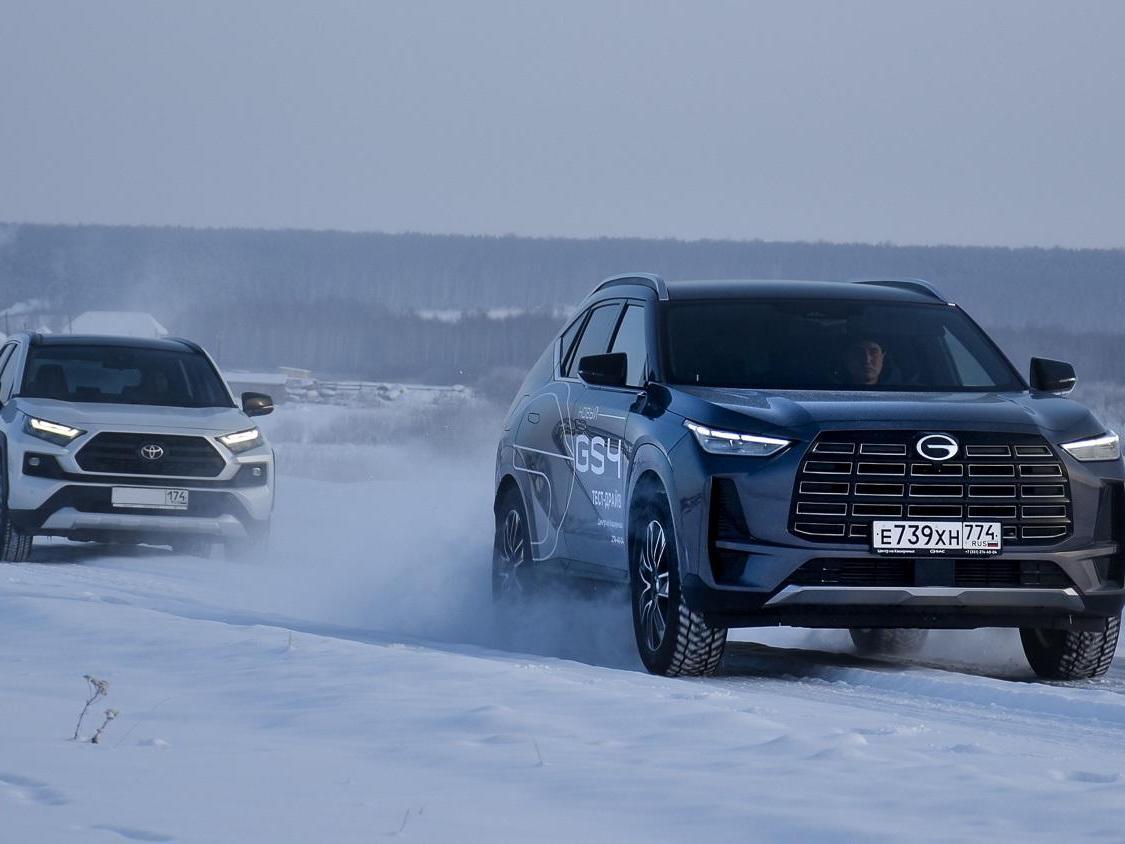
Geometric off-road capability is equal: ground clearance around 200 mm, central bumper parts as separate inserts, all-wheel drive with a clutch, independent rear suspensions.
Is there a noticeable difference in school of thought when switching from GAC to Toyota and back? No more than if switching from Toyota to Hyundai or Opel. The cars are different, but overall similar, from the same era, so there«s no culture shock. There are differences in nuances, for example, the Toyota»s interior is old-fashioned, but in terms of ergonomics, it definitely wins. Yes, the Toyota has a lower resolution central display and a simpler digital instrument panel, but seating, visibility, ease of climate control adjustment – everything is on Toyota«s side. For instance, the GAC»s right mirror is «glued» to the front pillar, blocking a decent viewing angle. The Toyota has a triangular window in that spot, which greatly aids orientation.
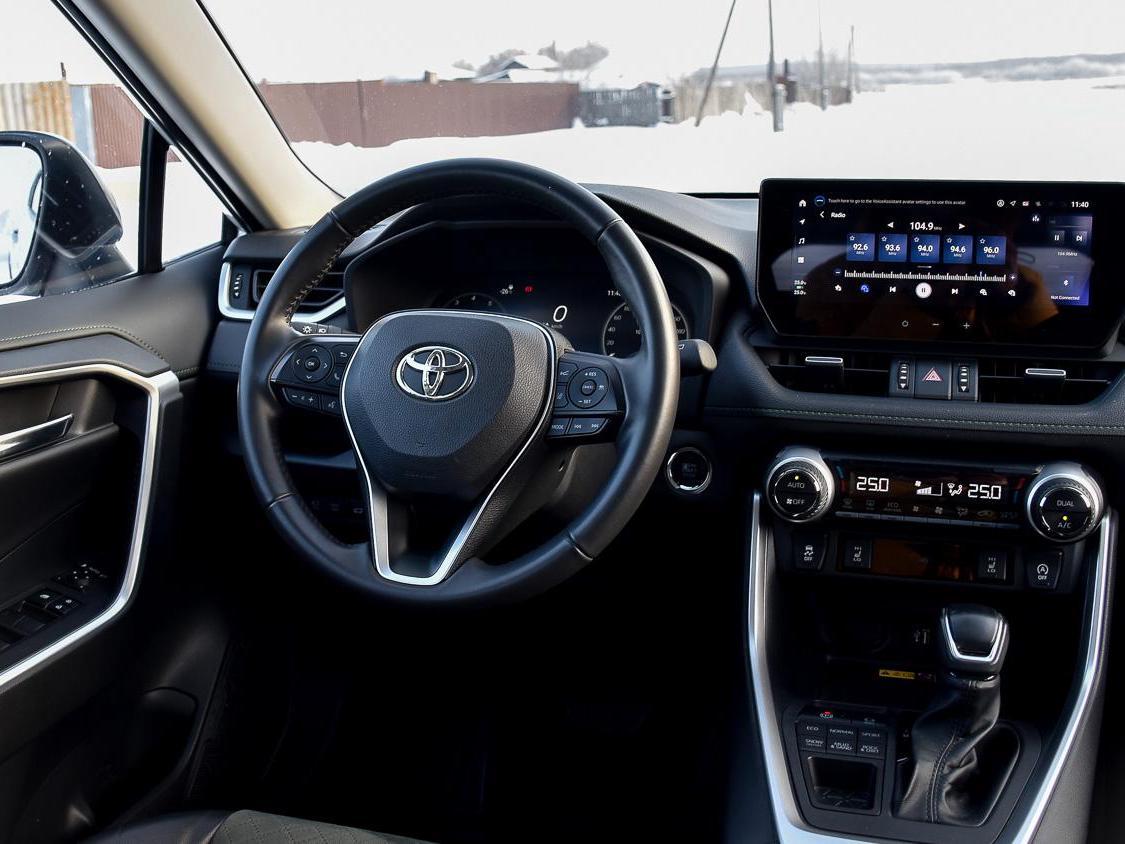
The Toyota«s interior is slightly dated but well-thought-out and convenient – two decades of evolution are felt.
However, it wasn«t a one-sided game, and GAC completely defeated Toyota in dynamic disciplines. Both cars have 2-liter engines, but the Toyota»s M20D-FKS unit is naturally aspirated, while the GAC GS4 has a turbocharged one. During the St. Petersburg RAV4 era, their engine produced 149 hp, in our version it develops 171 hp, but the GS4 is much more powerful – 231 hp. And the difference in torque is even more noticeable, 206 N*m vs 380 N*m, with the GAC«s available across a wide RPM range. Both contenders» transmissions are from the Japanese company Aisin, but different. The Toyota has a CVT with a first mechanical gear: up to about 40–50 km/h the CVT block doesn«t work, and torque is transmitted through a gear train. The GAC has a modern eight-speed automatic. And the difference in technical level is very apparent.
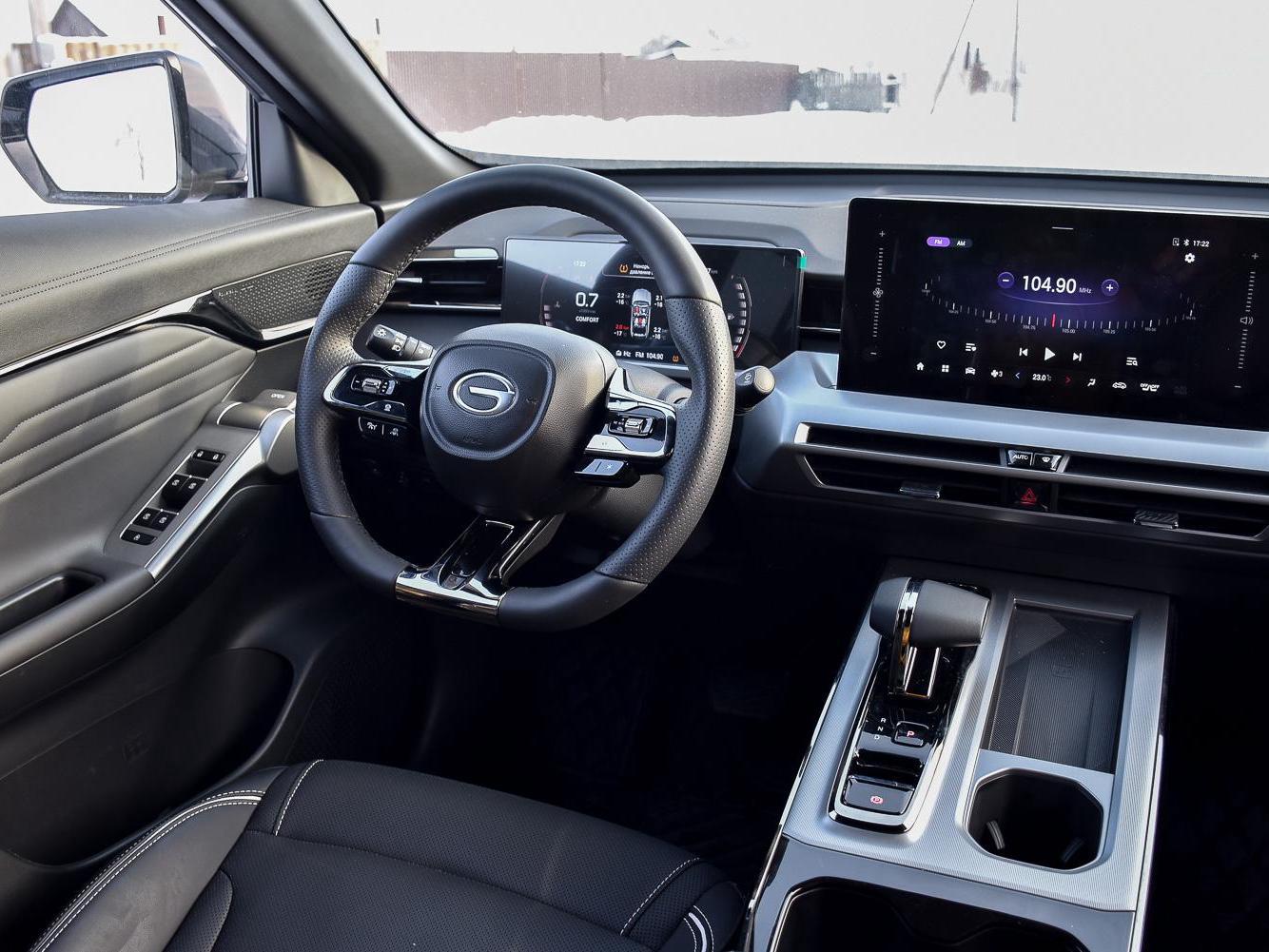
Visually and in multimedia, the GAC wins, but its ergonomics aren«t as mature.
The capabilities of the 2-liter naturally aspirated engine for the RAV4 are, if sufficient, at the lower limit of expectations. During intensive acceleration, you feel the moment when the transmission shifts with a slight jerk from the mechanical gear to the CVT, after which the RPMs are held at ringing frequencies, and acceleration seems dreary and strained. No, this isn«t an energy drink, but some kind of »lavender latte.« The GAC is more like a strong drink: less sound drama, more acceleration, and the dynamics themselves are dense and predictable, including due to the more expensive transmission. The all-wheel drive on both cars works plus or minus the same, and on slippery surfaces, starts are confident, without unnecessary wheel spin. But the higher the speed, the quicker the GAC seems.
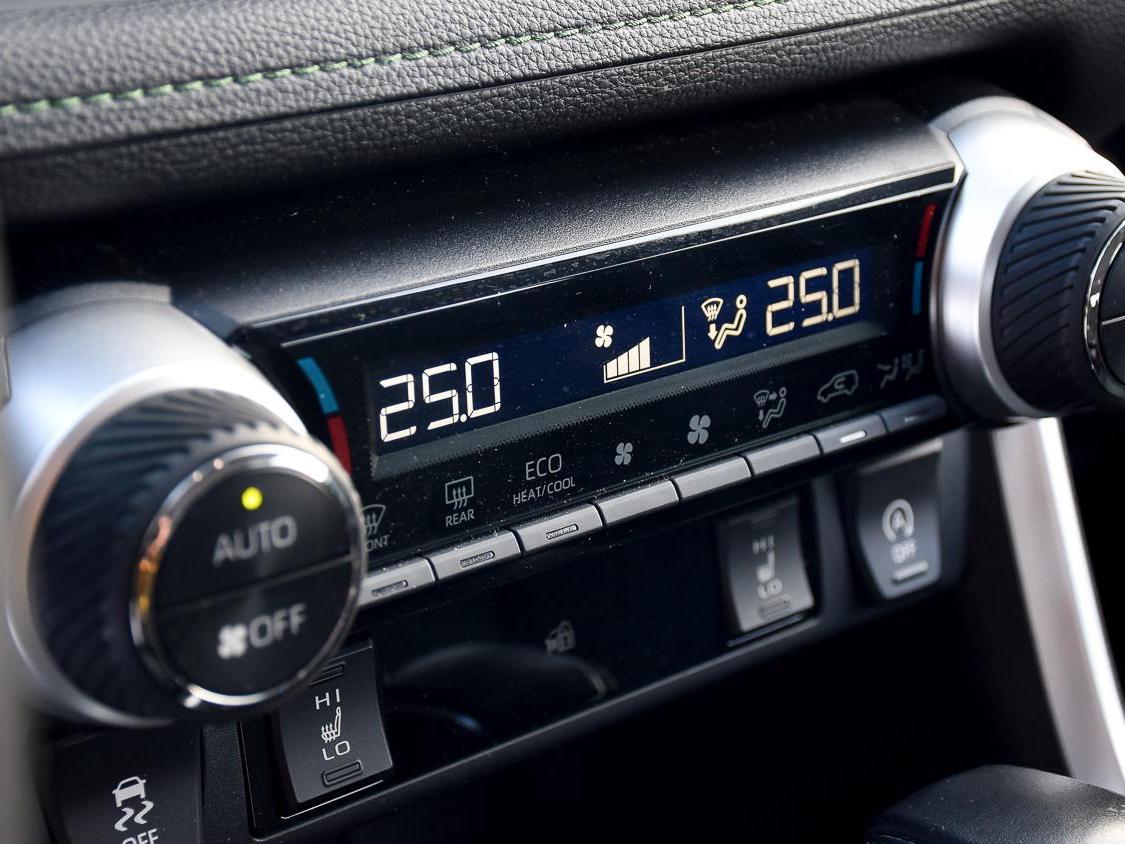
Though the Toyota«s climate control unit looks like a removable car stereo panel from the »90s, it«s easy to use blind, and seat heating has separate buttons.
We didn«t compare handling in detail to avoid unnerving the Toyota owner. From past tests, I remember that the RAV4 didn»t particularly shine in active steering. The GAC isn«t a sports car either and doesn»t have a distinctly driver-oriented character, but on icy roads, its chassis impressed with a good balance. During a fast turn-in, it predictably slides the front axle, but if you brake harder and then get back on the gas earlier, the rear axle engages, and the GAC resiliently traces trajectories, sliding all four wheels – even exciting!
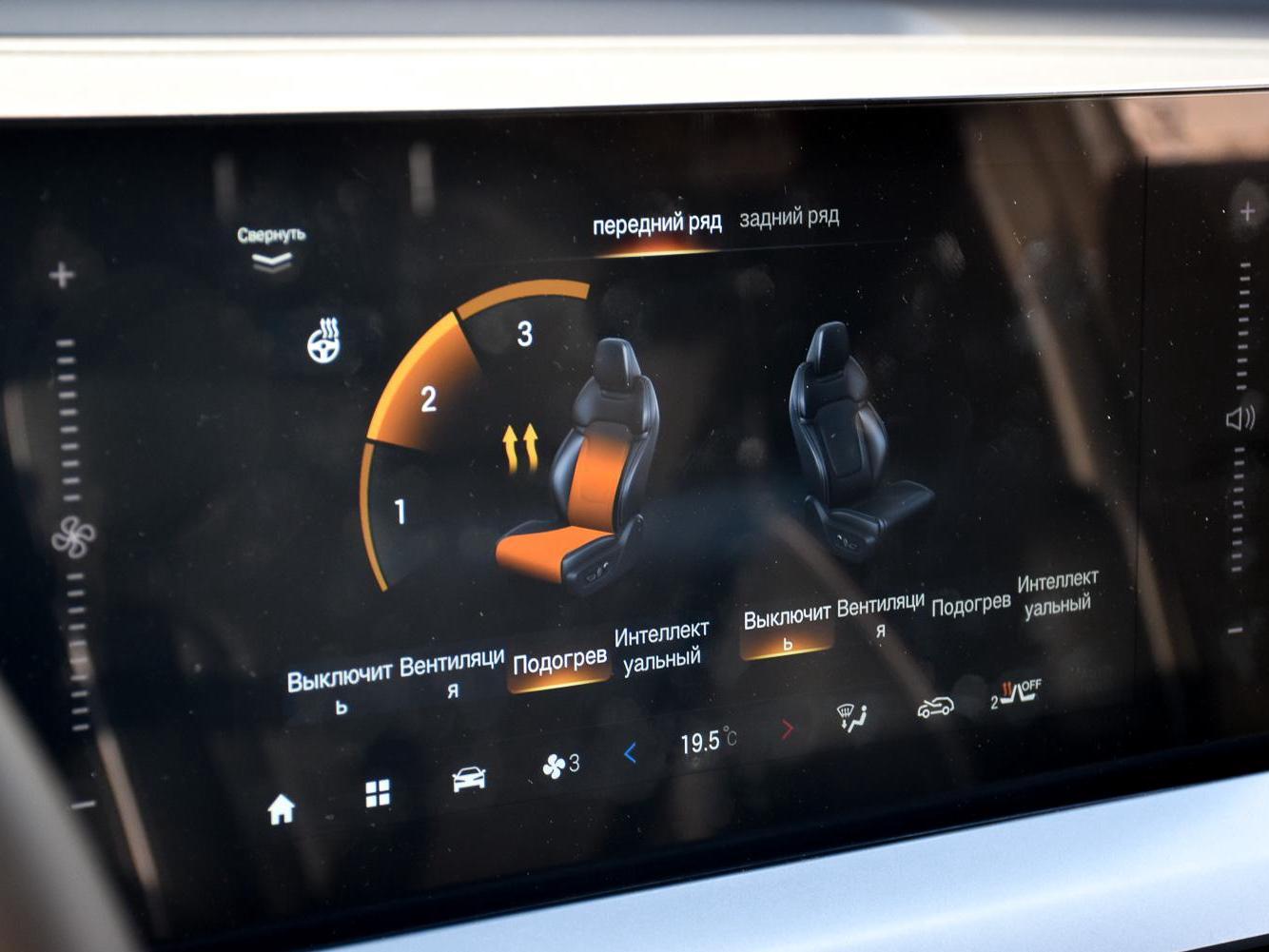
In the GAC, heating is buried in layered menus, and the algorithm and labels need refinement. Touch climate control is inconvenient, but the heater is hot – you could set up a sauna in the cabin.
In terms of ride comfort – it«s roughly a tie. At first, I thought the GAC was slightly more comfortable on broken roads, but the cars are close, and sensations depend on the specific type of surface: sometimes the Toyota seems a bit more refined, sometimes the GAC. The suspensions of both cars aren»t hard, but they telegraph the road conditions. For noise insulation, it«s also neck and neck. In the Toyota, the engine seems intrusive, exacerbated by the CVT, which on acceleration pushes it into high RPMs. The GAC»s engine sounds more modest, but the traditional problem of Chinese cars with weak wheel arch insulation manifests: you hear both the tires and the sandblasting of small stones.
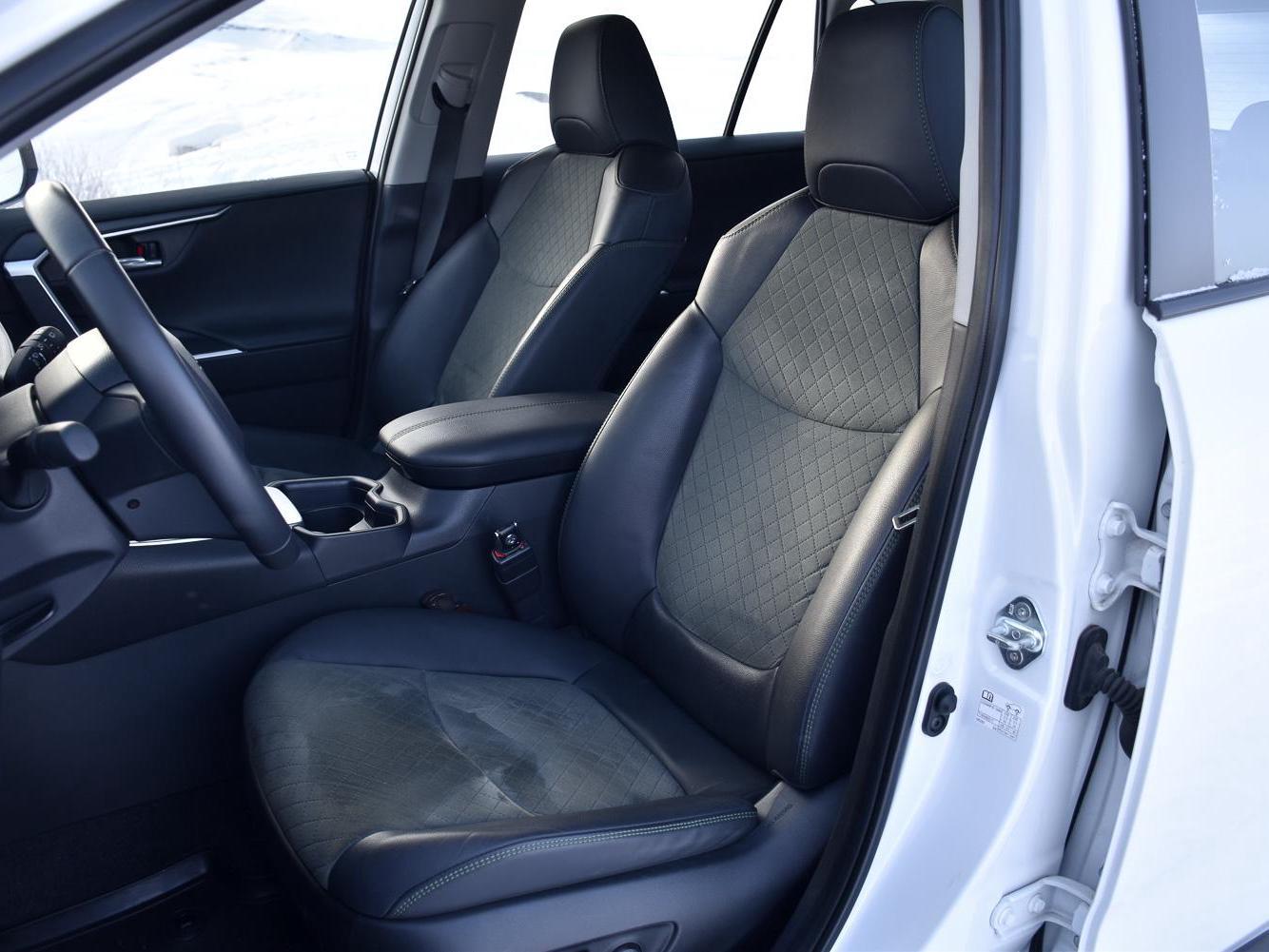
Toyota is better ergonomically, especially due to the seat profile that cradles you rather than pushes you out. There«s adjustable lumbar support.
In practicality, the cars are close, but still a slight advantage goes to the GAC GS4: its rear seats are more spacious and the trunk is more capacious. But the GAC is let down by strange economizing on details: there«s no armrest in the back row, and in the trunk – no shelf.
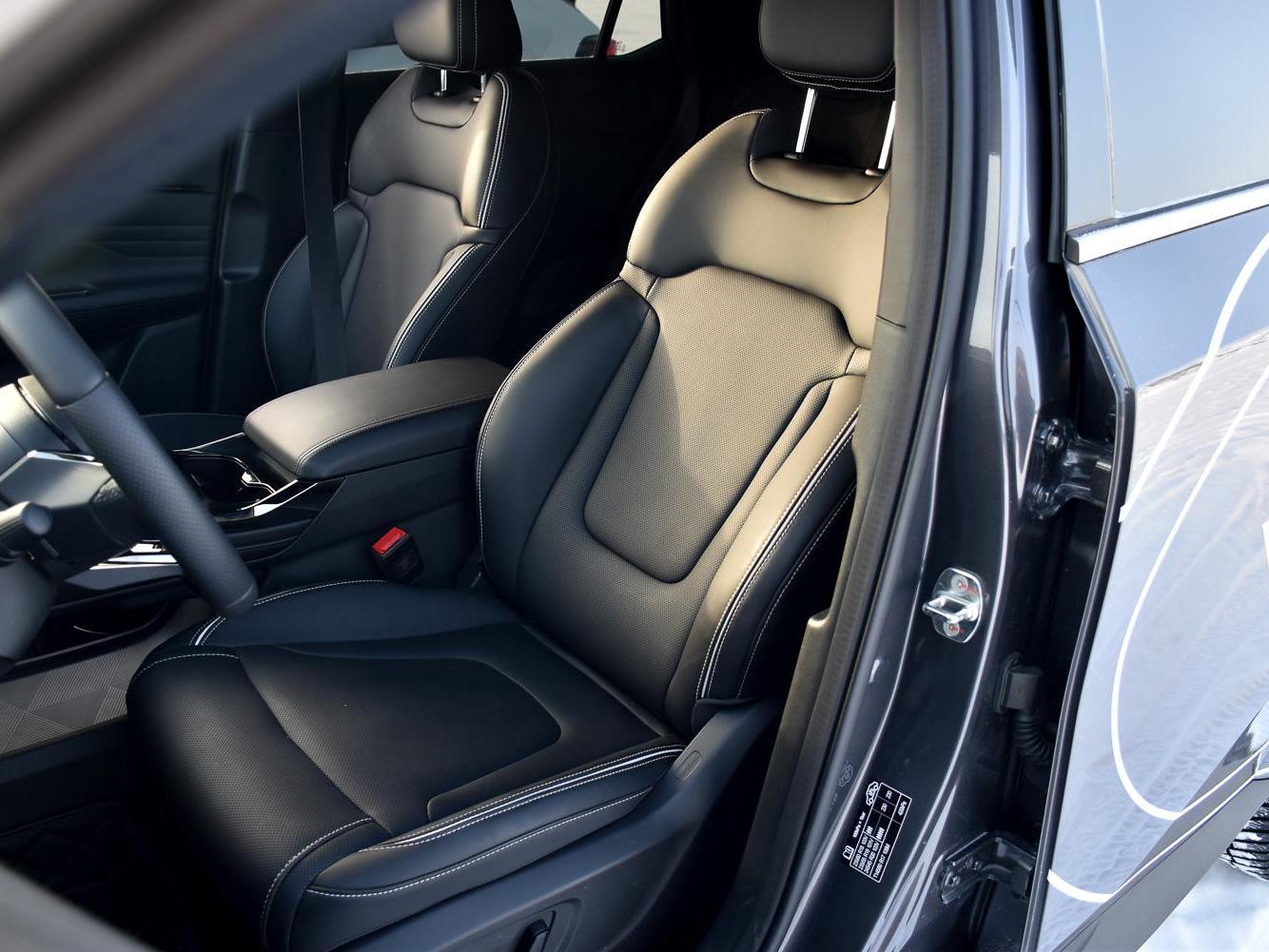
The GAC«s ergonomics are generally not bad, but the seat, similar to Toyota»s, feels like it«s poking your back with little fists: the profile is more Asian, and lumbar support isn»t adjustable.
Now for the sore point – prices. The GAC GS4 in the base version has a 1.5-liter turbo engine (170 hp), a robotized transmission, and front-wheel drive, and starts from 3.3 million rubles (approximately $33,000 at current rates, without discounts). The price for the 2-liter all-wheel drive version is at least 3.7 million rubles (approximately $37,000), and if you take the car in the trim like the test one – 3.85 million rubles (approximately $38,500). With the Toyota RAV4, it«s more complicated: there»s no fixed price, and the owner himself says he bought it for 4.3 million rubles (approximately $43,000). Now, according to him, you can find such a car for 4.2–4.6 million rubles (approximately $42,000–$46,000). Checking aggregators showed this is close to the truth: for such a «RAV4» from 2025, they ask around 4.5 million rubles (approximately $45,000). So the price difference between the contenders can be taken at the level of 600–700 thousand rubles (approximately $6,000–$7,000).
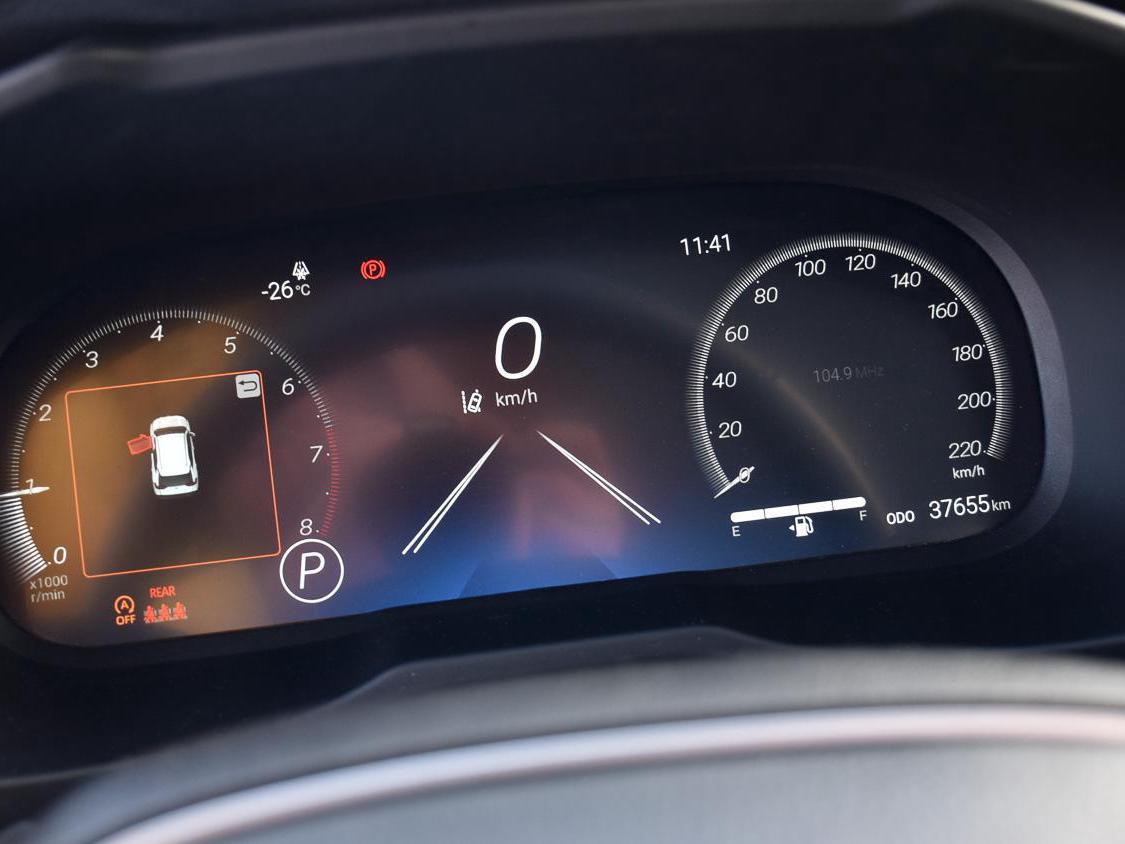
Toyota«s digital instrument panel seems somewhat empty, as if the designer sketched a layout but abandoned it halfway.
Then come the nuances. It«s clear that GAC will have all the advantages of an »official« car with warranty and trade-in discounts. You can buy it immediately, without a long wait, without the risk of running into additional recycling fee payments. The Toyota owner counters that he doesn»t feel additional risks from a «parallel» car. His RAV4 was bought from a former official dealer, i.e., a legal entity to which, if necessary, it«s easier to make claims than to a reseller-private individual. The »RAV4« itself is reliable and well-known to Russian service technicians, so the owner doesn»t foresee servicing problems. The RAV4 retains its value much better, and this is the second most significant expense item for a car after fuel costs. This «RAV4» was bought not for its ordinary characteristics, but precisely as an «investment,» with the aim of driving it for a while and selling it for the maximum amount. What the liquidity of GAC will be, we don«t know yet, but on this field, not even old-school brands can throw down the gauntlet to Toyota, let alone »Chinese cars.«
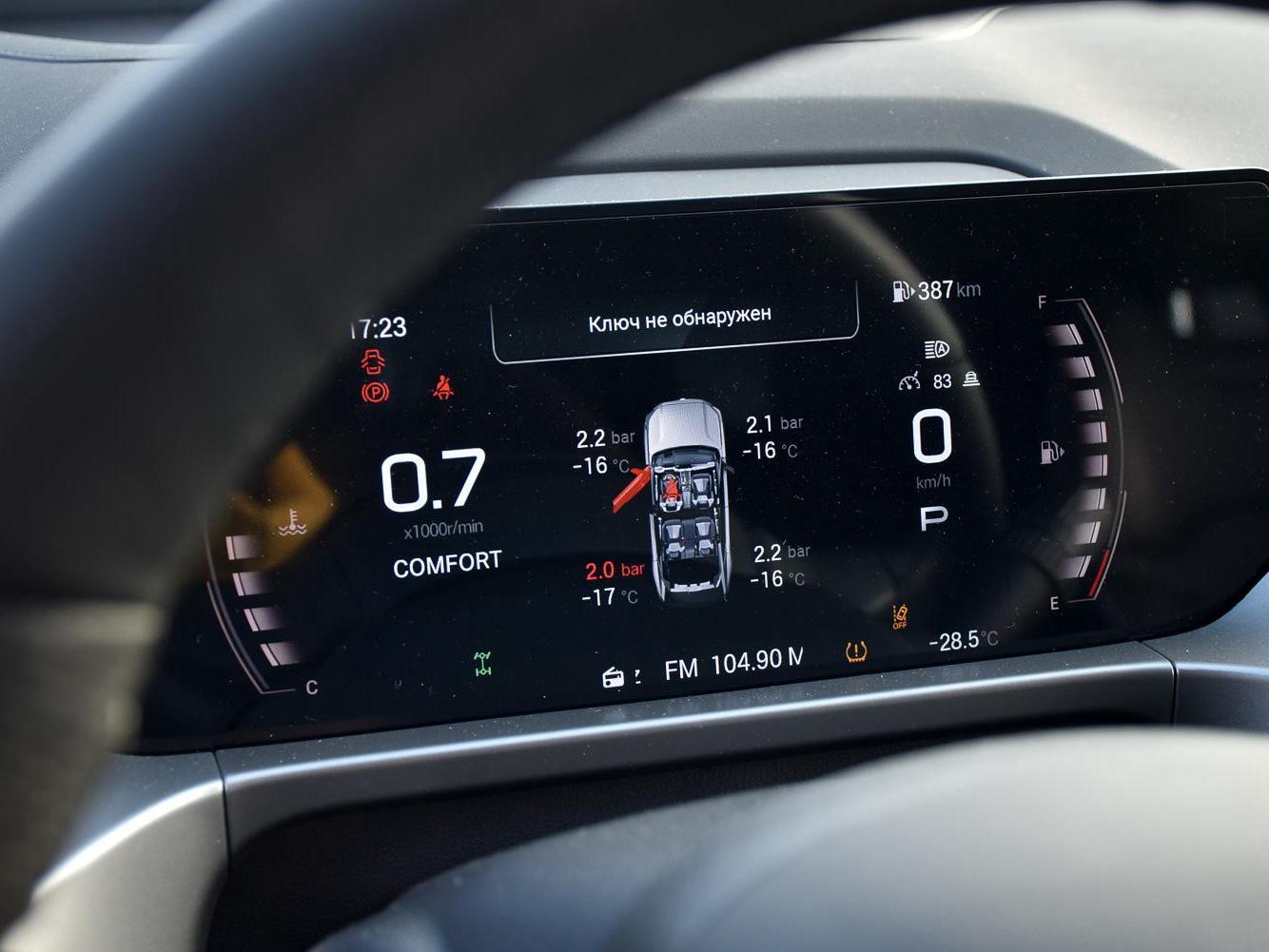
The GAC«s instrument cluster is more ornate, and sometimes even excessive. But the fonts are more contrastive and clearer.
However, reputation is something that can be built. GAC came to Russia recently, in 2019, but active work began only after 2022. By the end of 2023, the brand managed to sell only 3,000 cars, by the end of 2025 – six times more, so the dynamics are good. It«s far from leaders, but it»s a start: GAC«s market share is steadily growing.
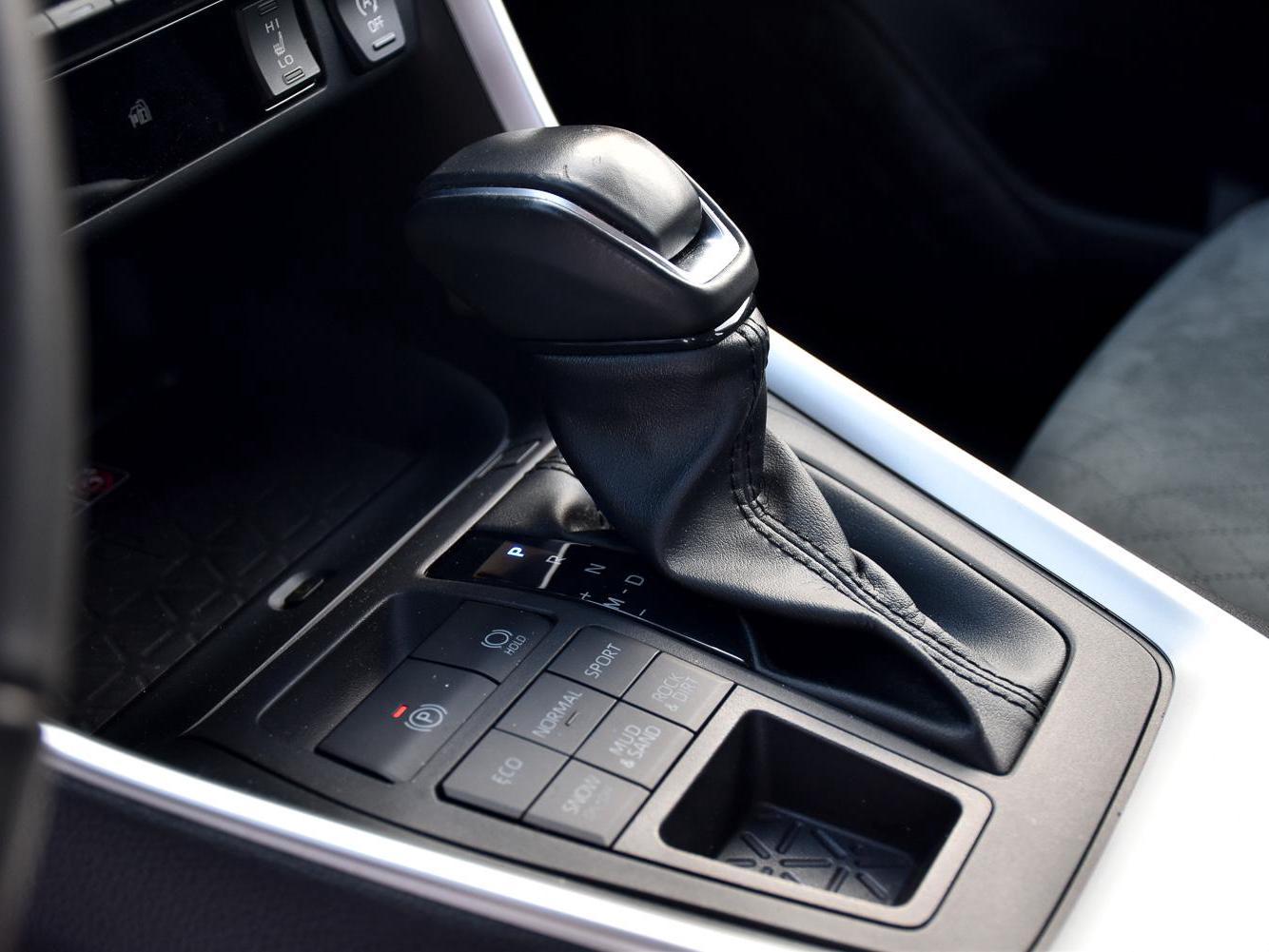
The classic CVT selector in the Toyota seems slightly archaic.
The main intrigue is Russian assembly of GAC at the St. Petersburg plant, which until 2022 belonged to Hyundai. After the South Korean brand«s departure, the plant passed into the ownership of the Russian »AGR Holding« and produced from leftover parts the same quartet of Korean models under the Solaris brand. But the kits ran out, and the option to buy back the plant is expiring any day, so Hyundai»s return looks unlikely, and the main contender for replacement is precisely GAC. Trial assembly began at the end of last year, and such cars even went on sale, but whether the project will develop further is unclear. In Russia, little is clear at all right now.
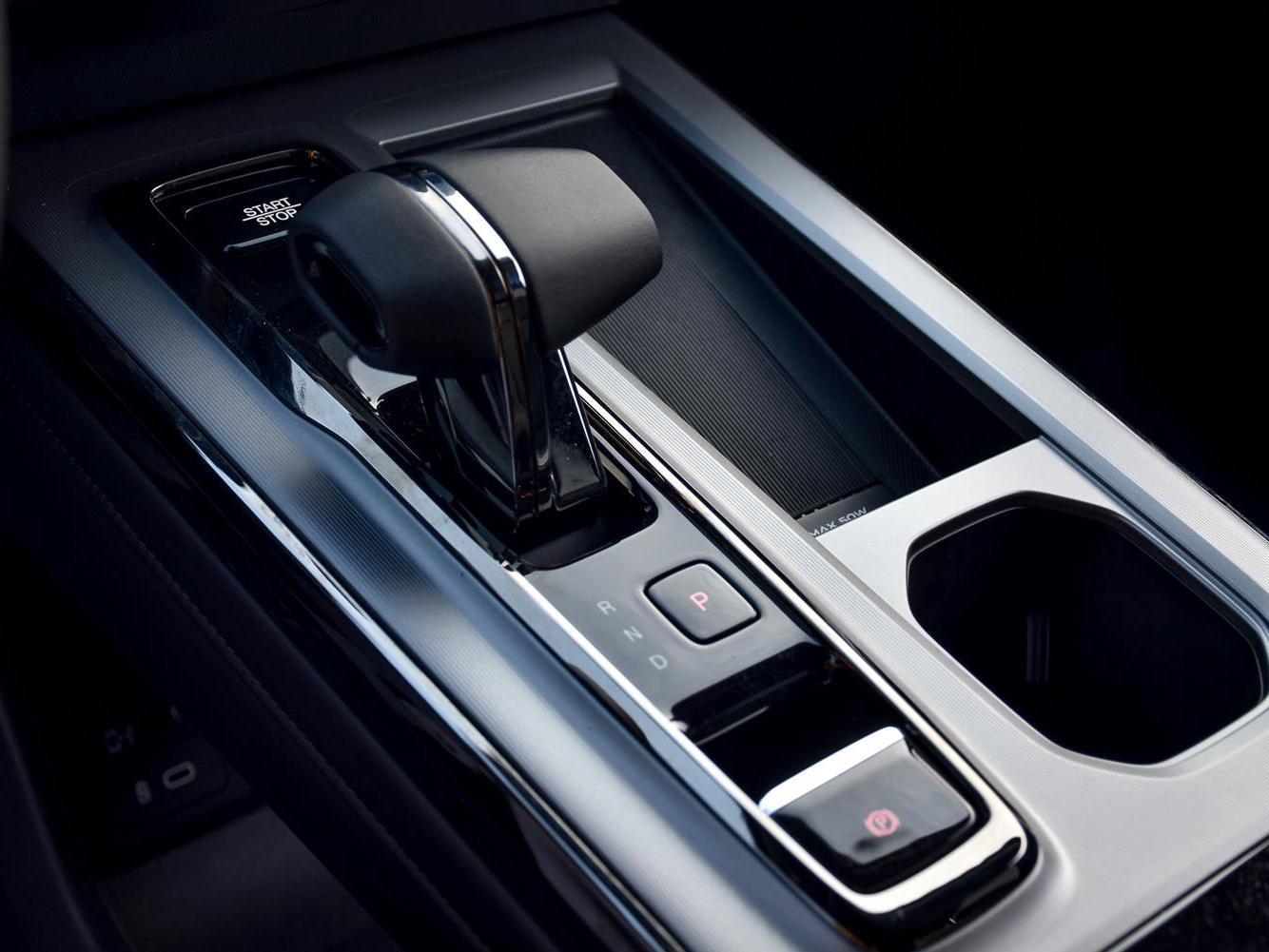
The two-position selector for the GAC«s eight-speed automatic is more intuitive and modern. However, this is a matter of habit and taste.
Our test showed the following. The GAC GS4 is cheaper, more spacious, and more dynamic, but on Toyota«s side – high reputation, better ergonomics, and attention to detail. Even without official representation, the Japanese brand managed to remain in the top 10 most popular foreign cars (by the end of 2025), while GAC is still in 12th place. But in perspective, the balance may change: sharply increased recycling fees complicate imports, and the Toyota»s engine doesn«t fall into the »preferential« range up to 160 hp. And if GAC establishes Russian assembly, getting a »discount« on the recycling fee, who knows – maybe it will become if not a new Toyota, then a new Hyundai?
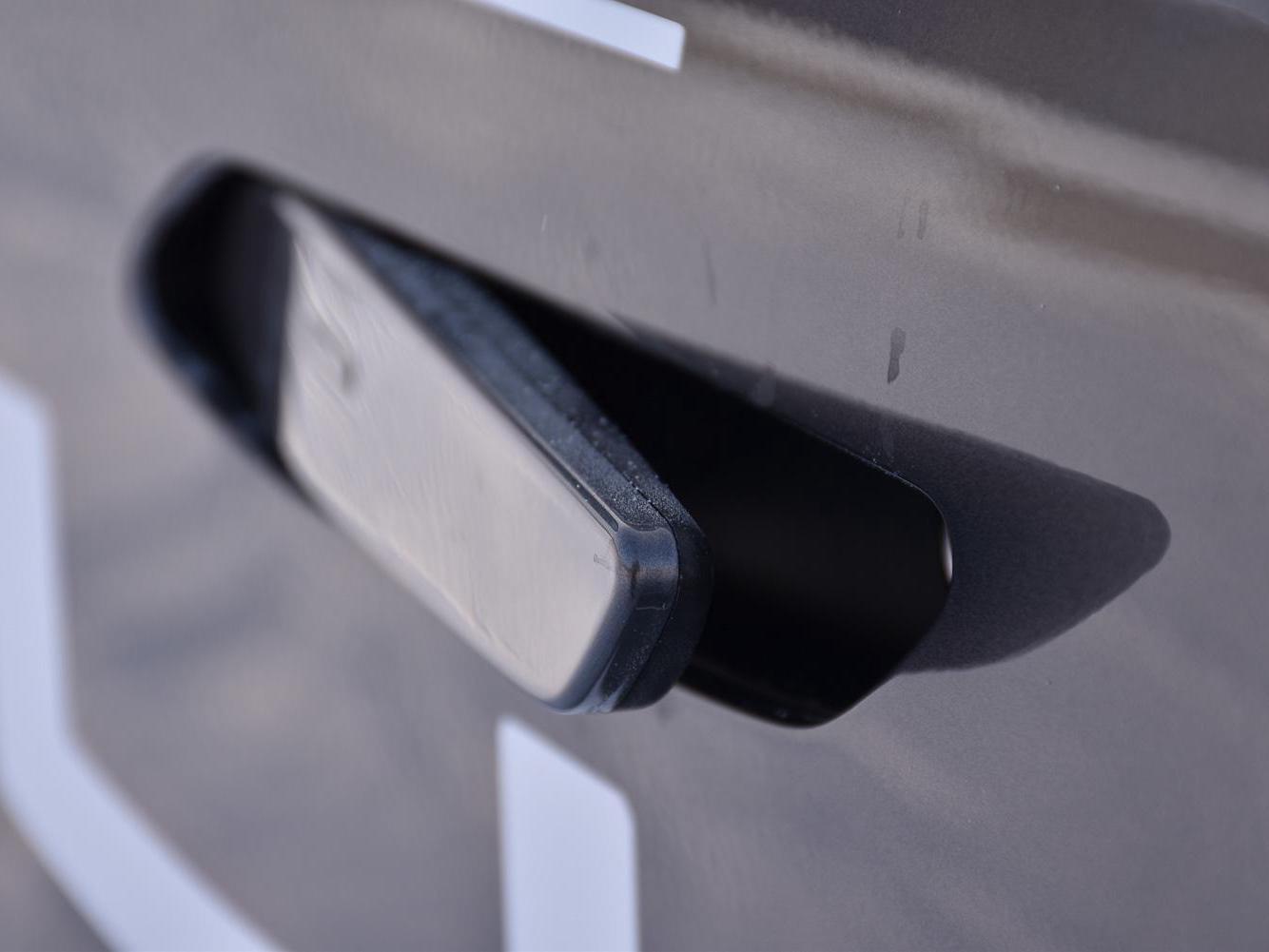
The GAC«s insubstantial door handles aren»t as convenient as the full-fledged «straps» on the Toyota.
Earlier we tested two more cars from this same segment: Jetour T1 and Dongfeng Mage.
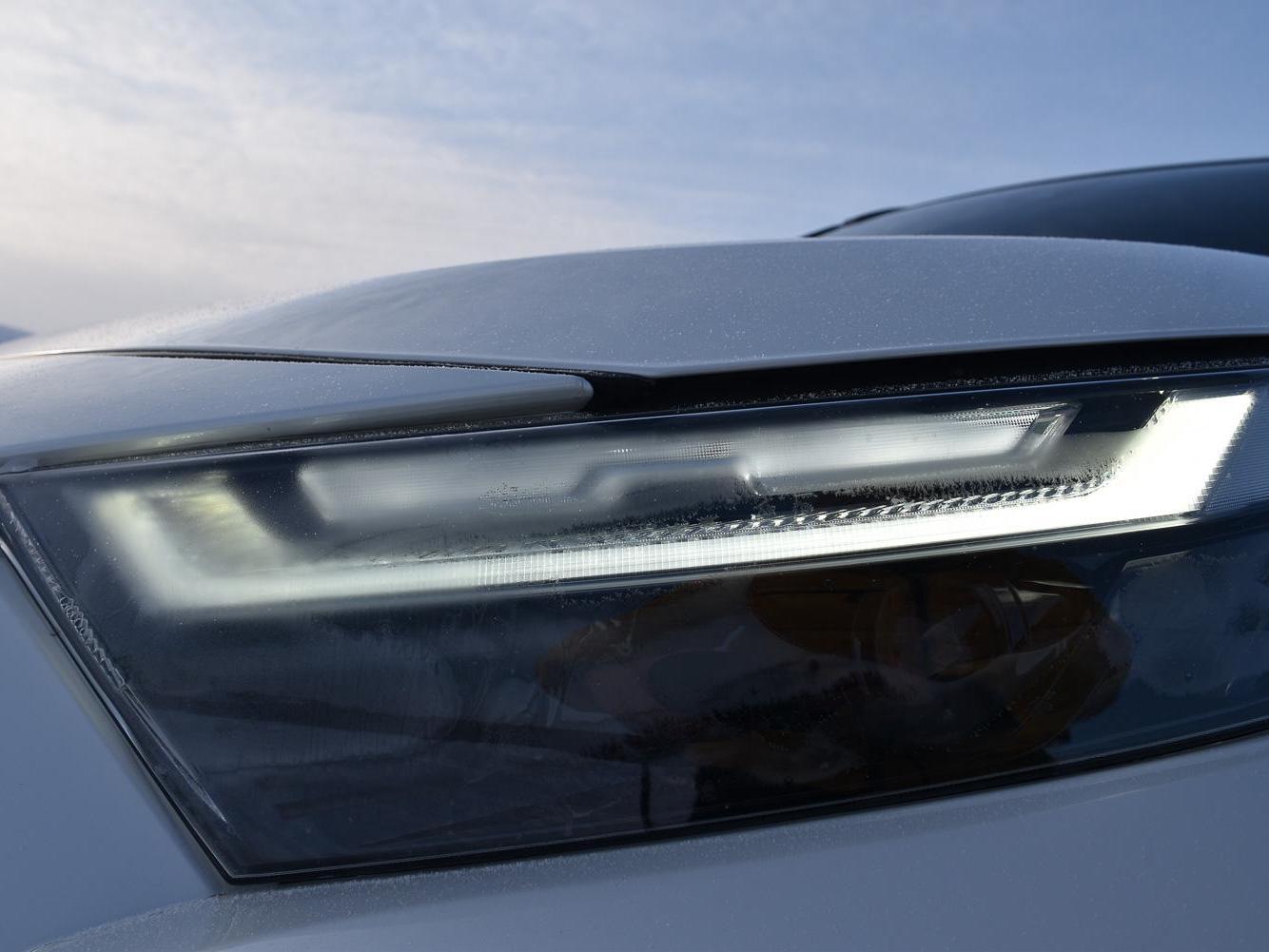
The headlights on both cars fogged up and froze from the inside.
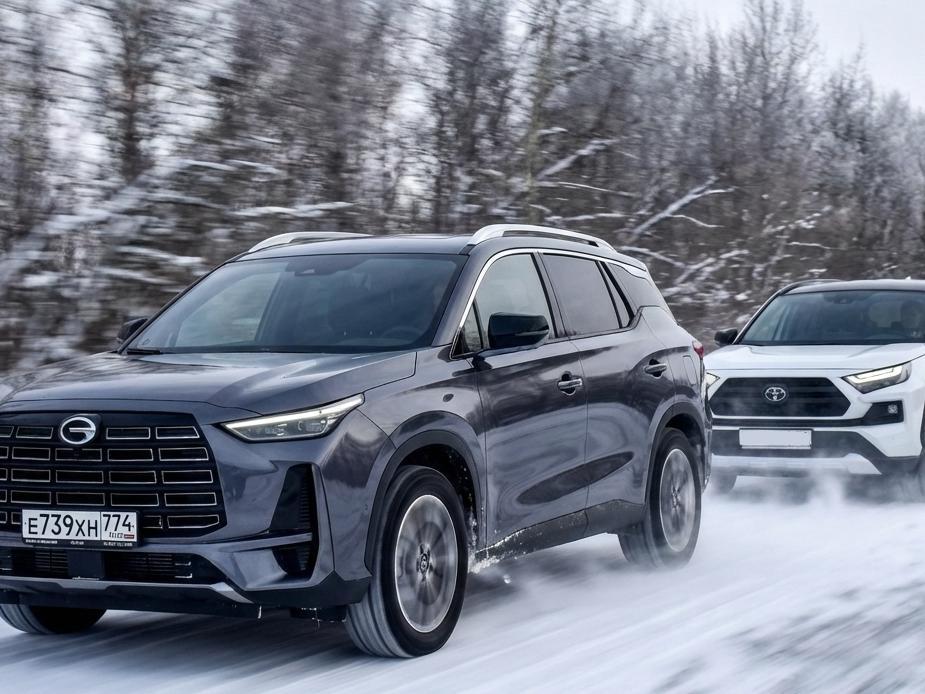
In dynamic disciplines, the GAC leaves the Toyota no chance.
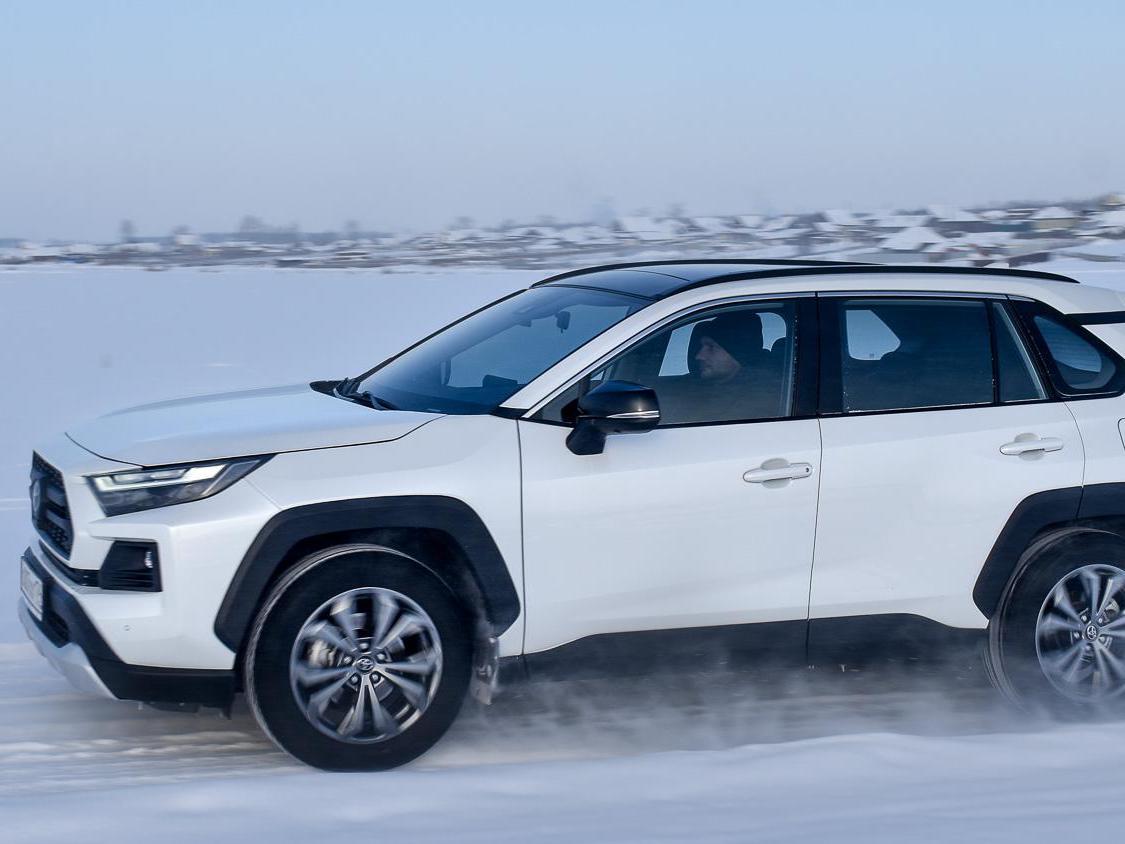
In mass-market cars, Toyota never bet on handling, and the RAV4 in this sense is a classic product. Boring but safe.
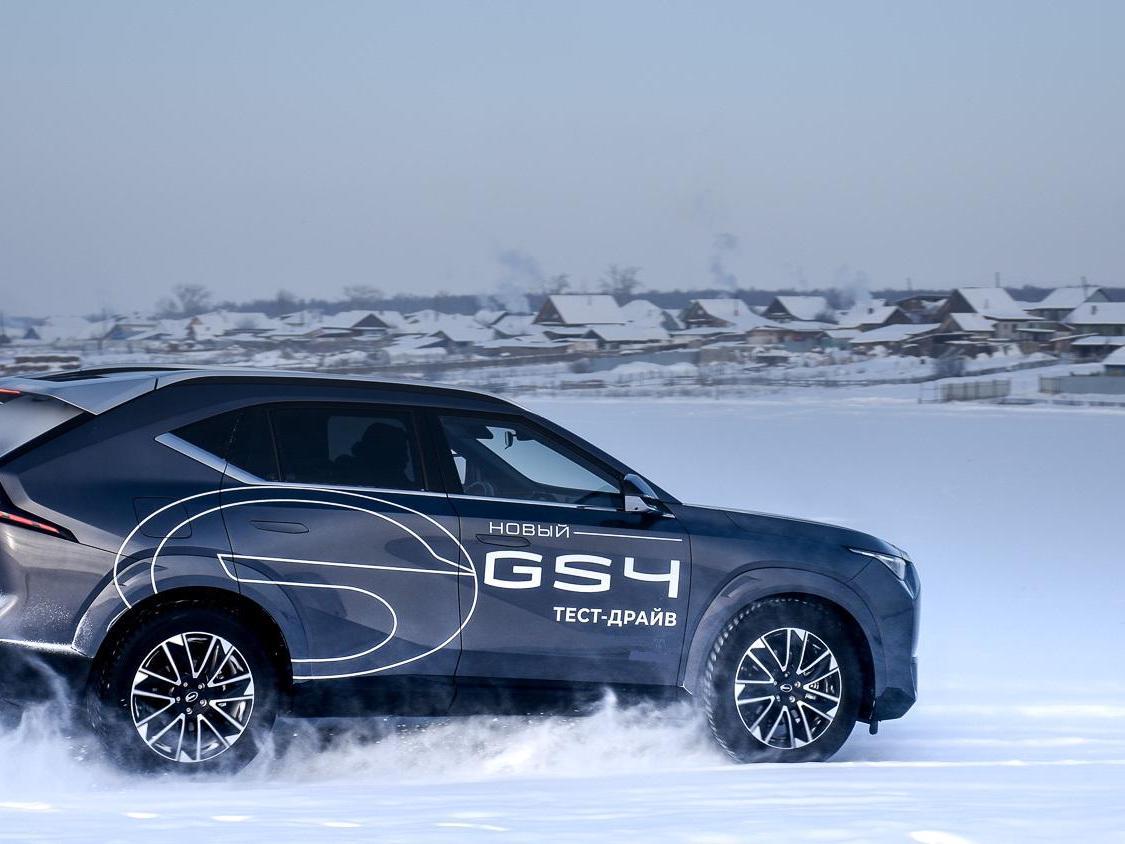
The GAC GS4 performed better than expected in driving disciplines. It«s not just about dynamics, but also predictability of behavior.
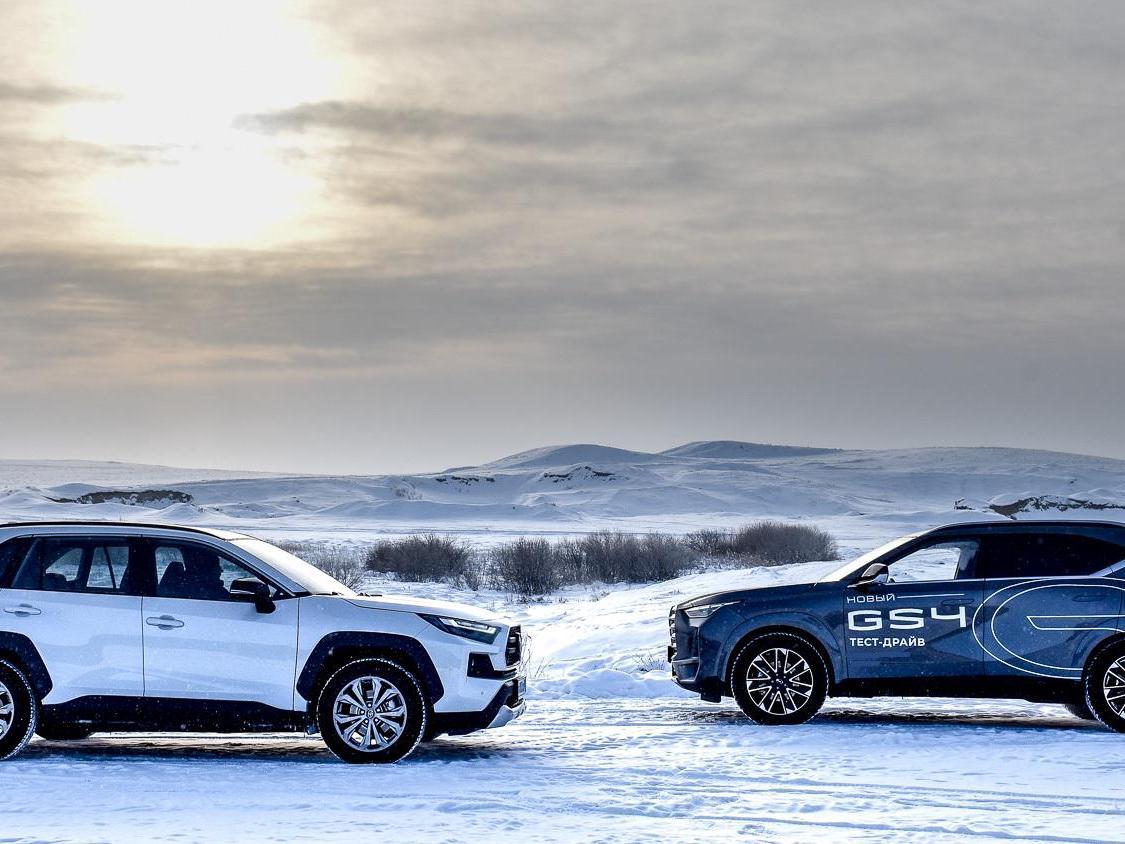
Toyota RAV4 length is 4600 mm, GAC GS4 is 4685 mm. Wheelbase lengths are 2690 mm and 2750 mm respectively.
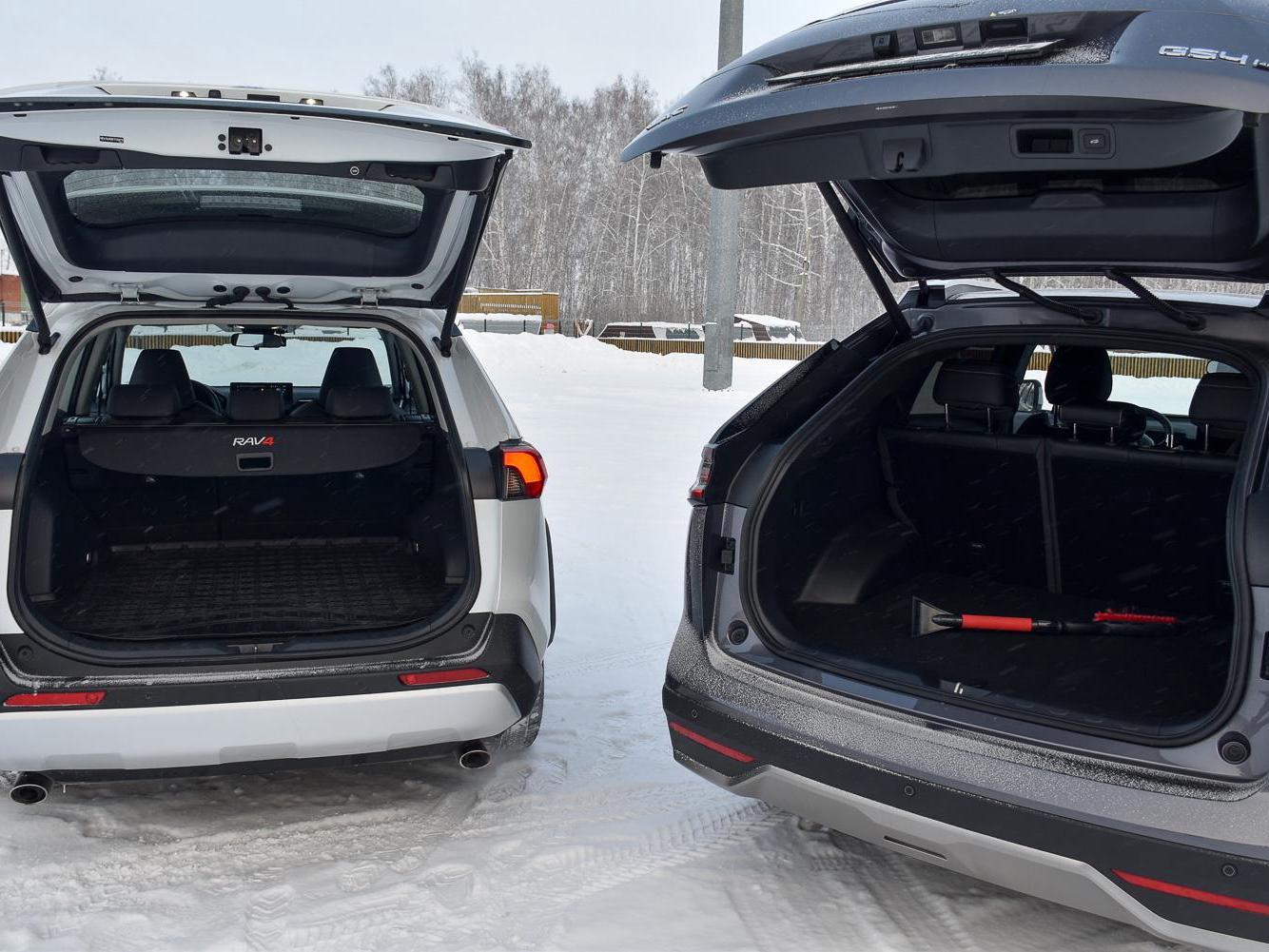
The tailgates have electric drives. Toyota trunk volume up to 580 L, GAC GS4 is 638 L, though visually they«re comparable. Spare tires are compact.
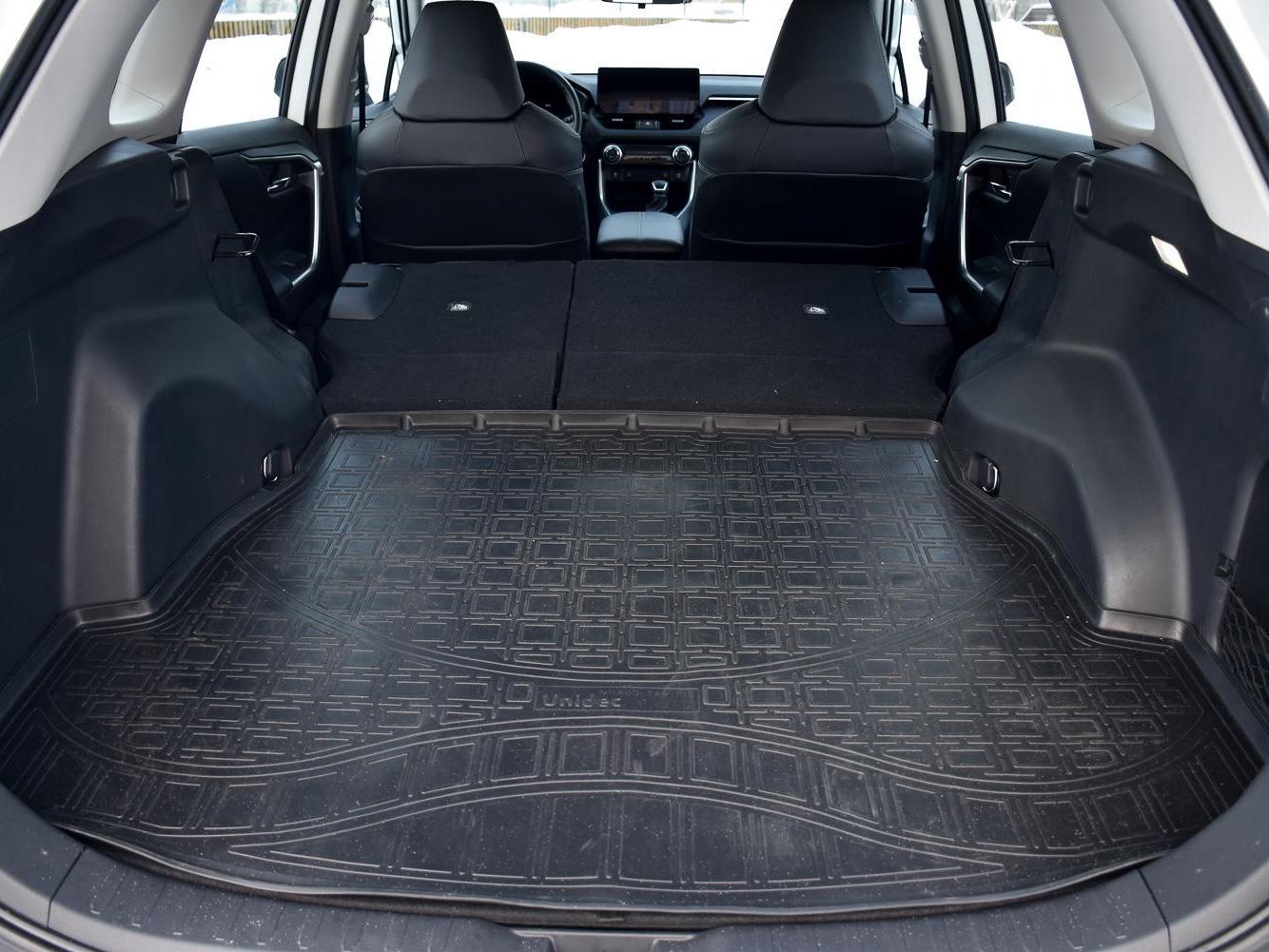
Toyota seats fold into an almost flat floor.
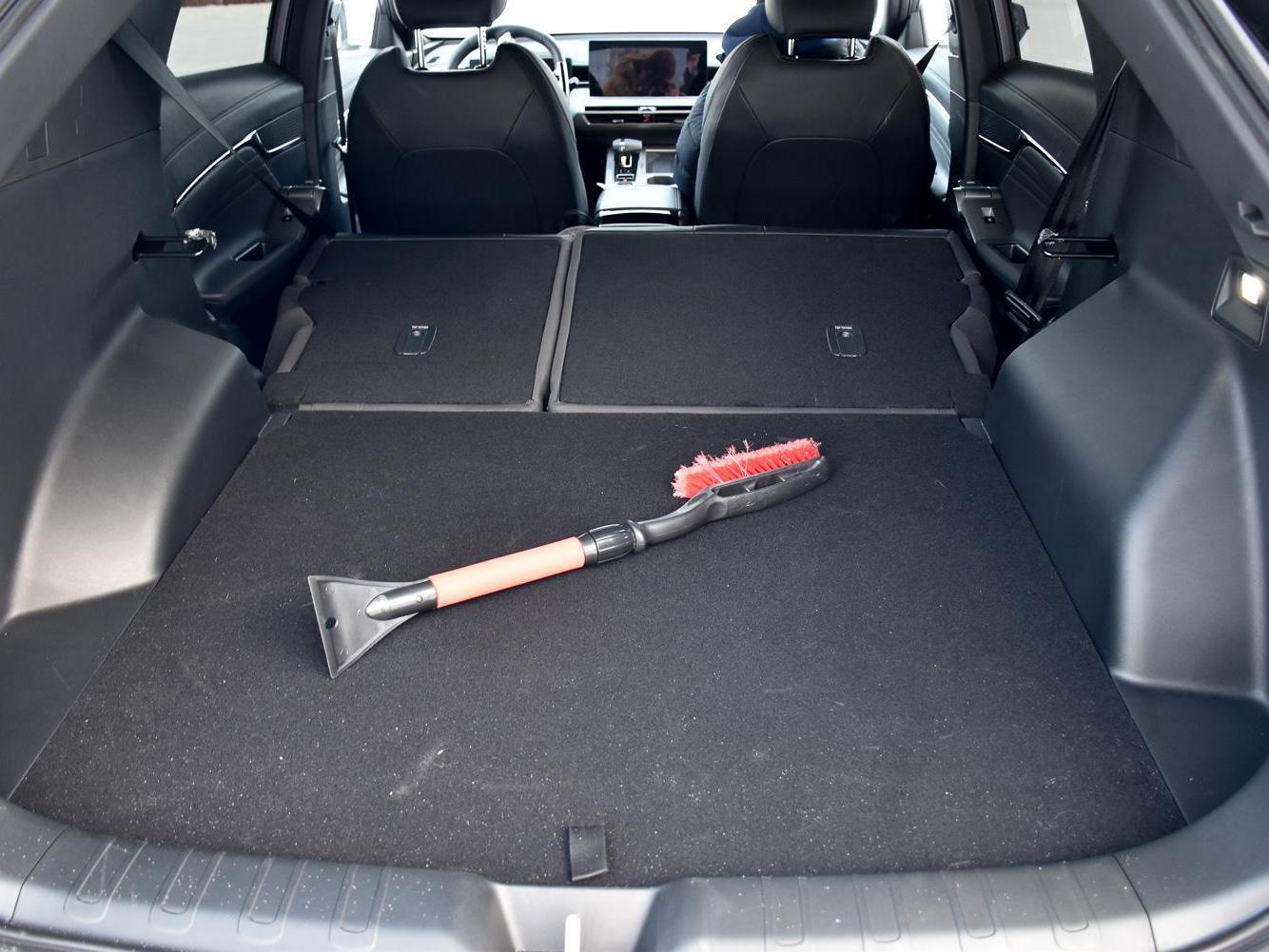
A very similar scheme in the GAC. But it has no trunk shelf, nor hooks for securing cargo.
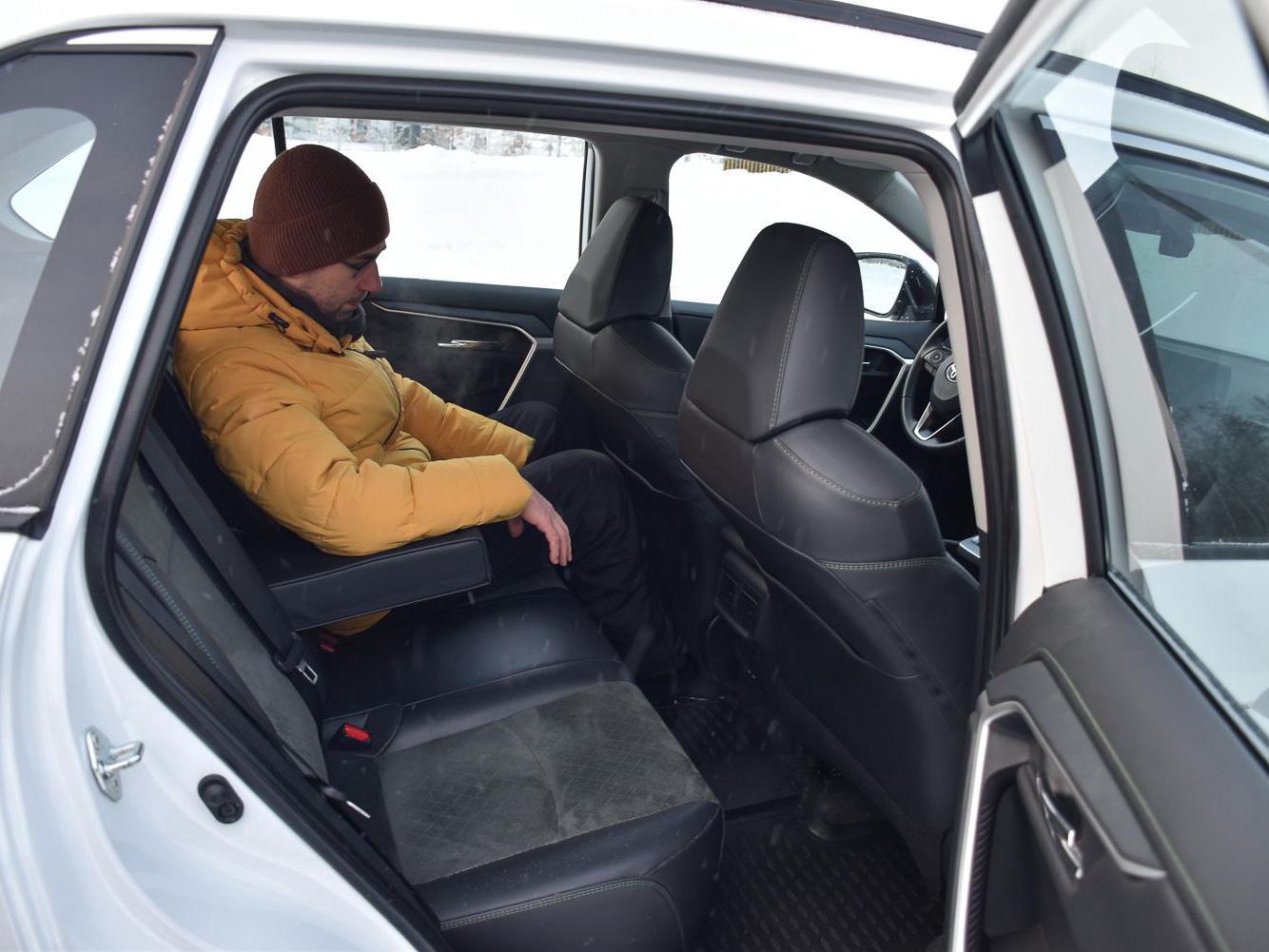
The Toyota is cozier, but knee room is unexpectedly small for this class – the shorter wheelbase is to blame.
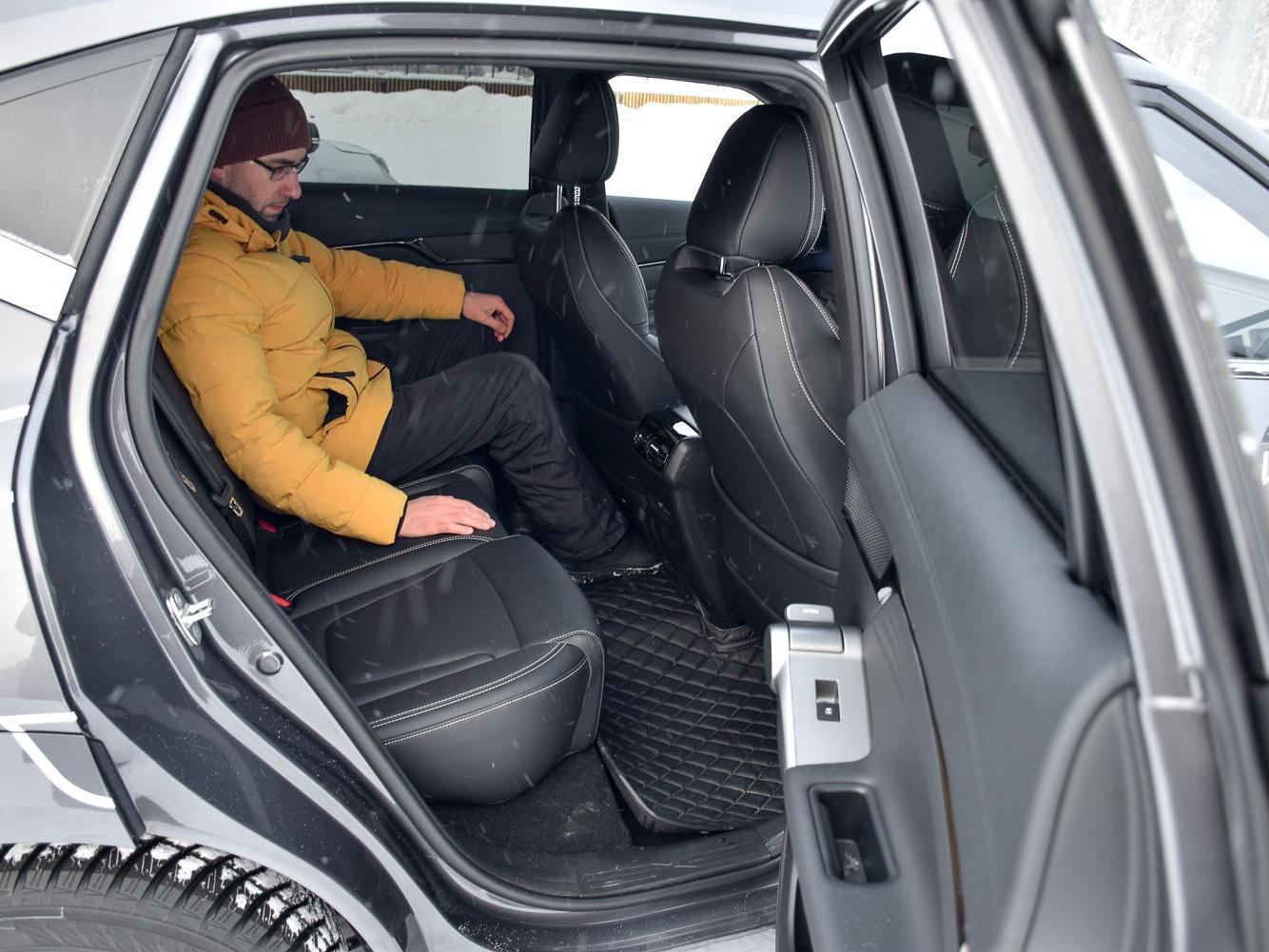
The GAC is more spacious but poorer: for example, there«s no rear armrest. However, it has seat heating (in trims with the 2-liter engine).
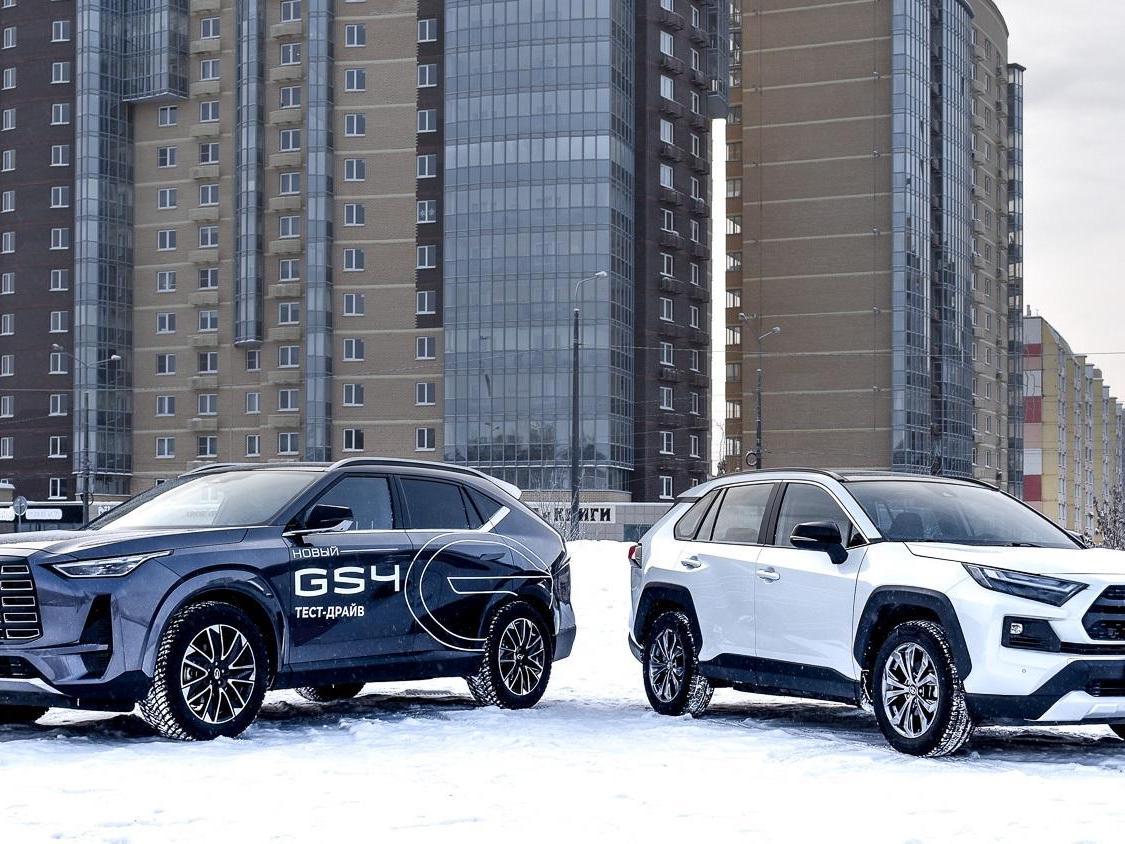
Car trims are similar, including the panoramic roof mandatory for Chinese cars. The GAC has a version with a 1.5-liter turbo engine of almost the same power as the Toyota«s naturally aspirated one – 170 hp. But such GACs are strictly front-wheel drive.
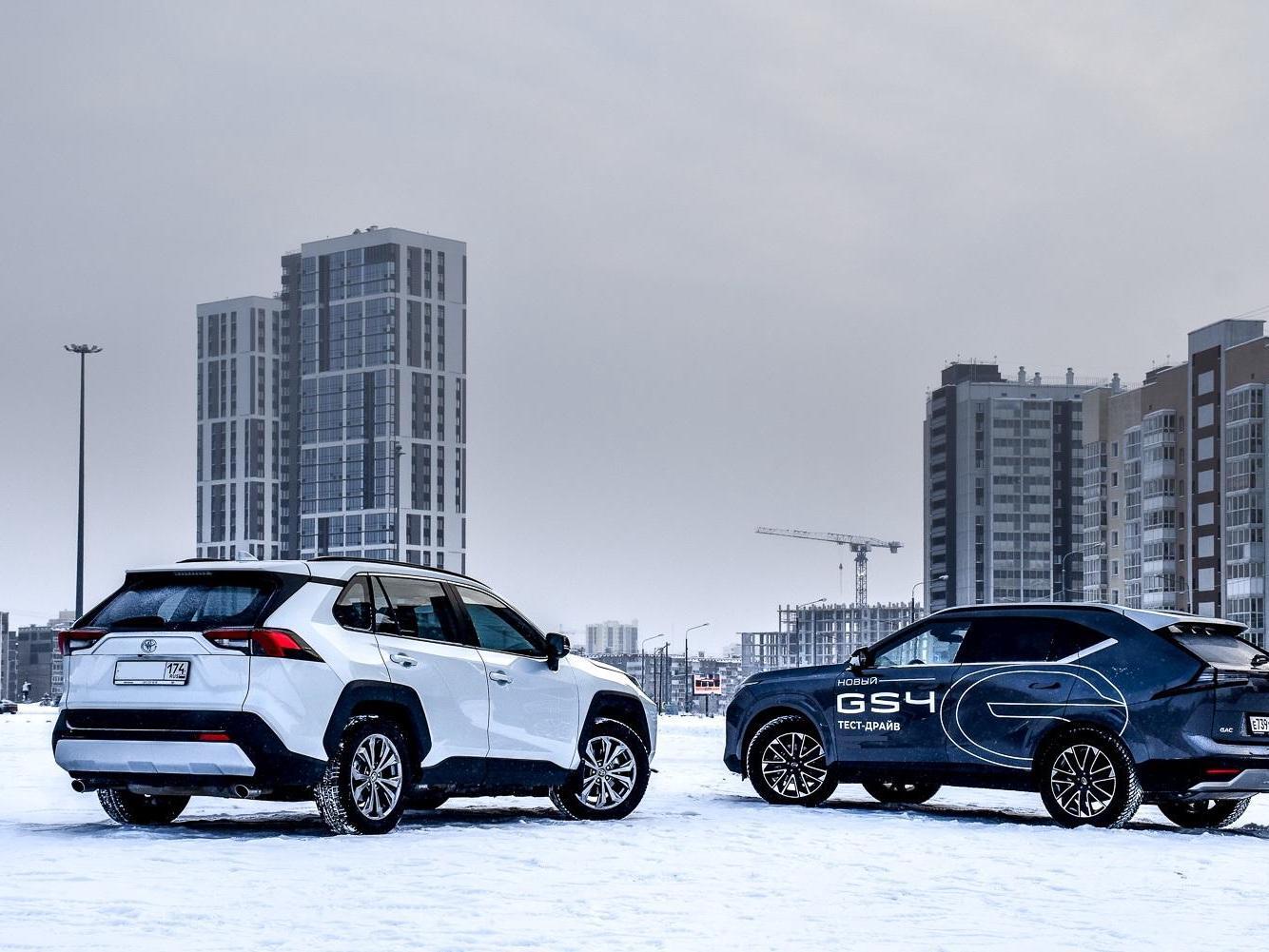
In China, they like bigger cars, so Chinese cars often win in dimensions, and in this case, also in capacity.

In terms of liquidity, Toyota is far ahead.
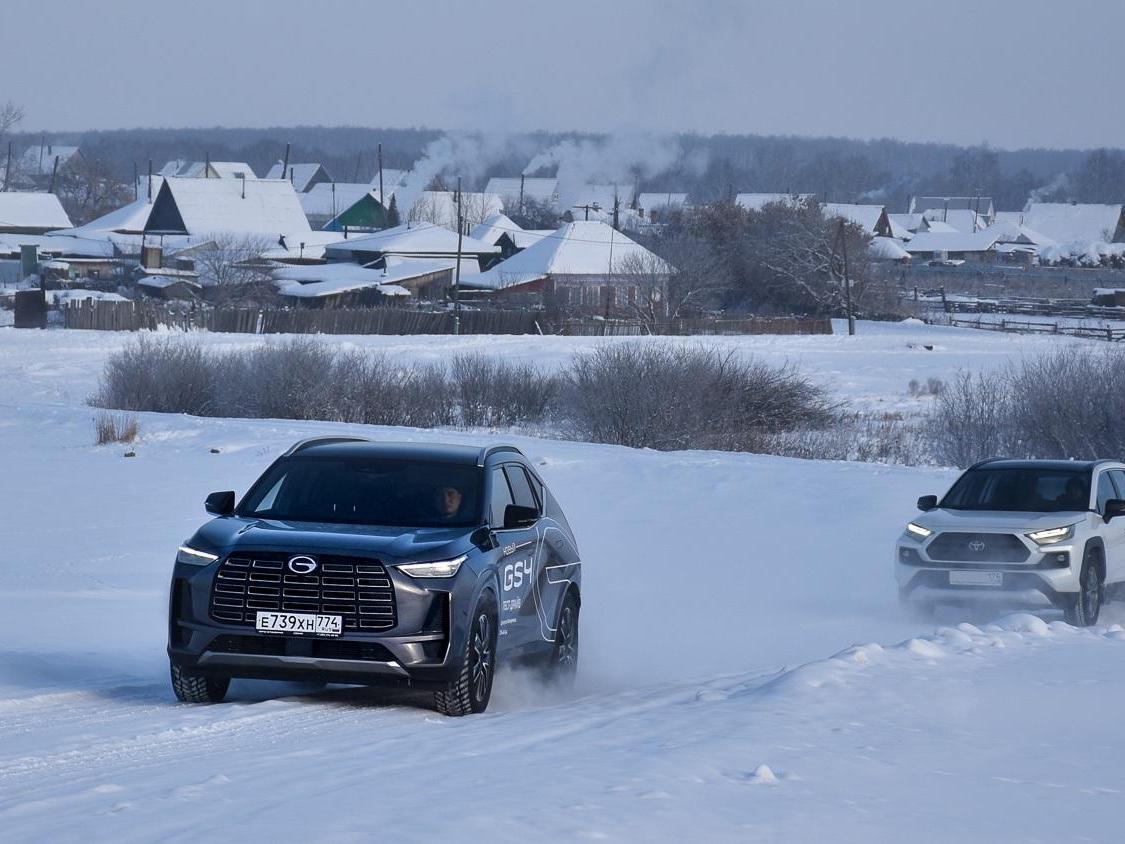
When driving aggressively on such roads, the GAC feels more organic.
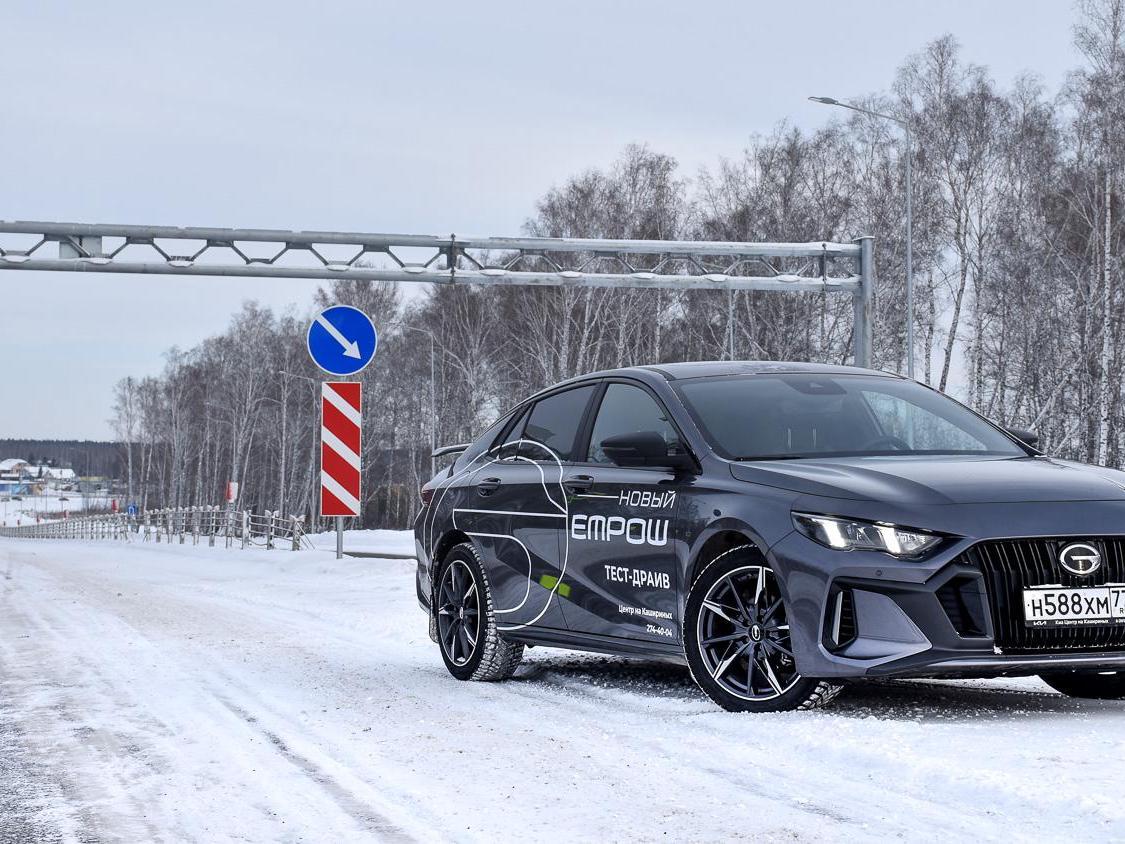
GAC expanded its model range by adding sedans: we recently covered the Empow.
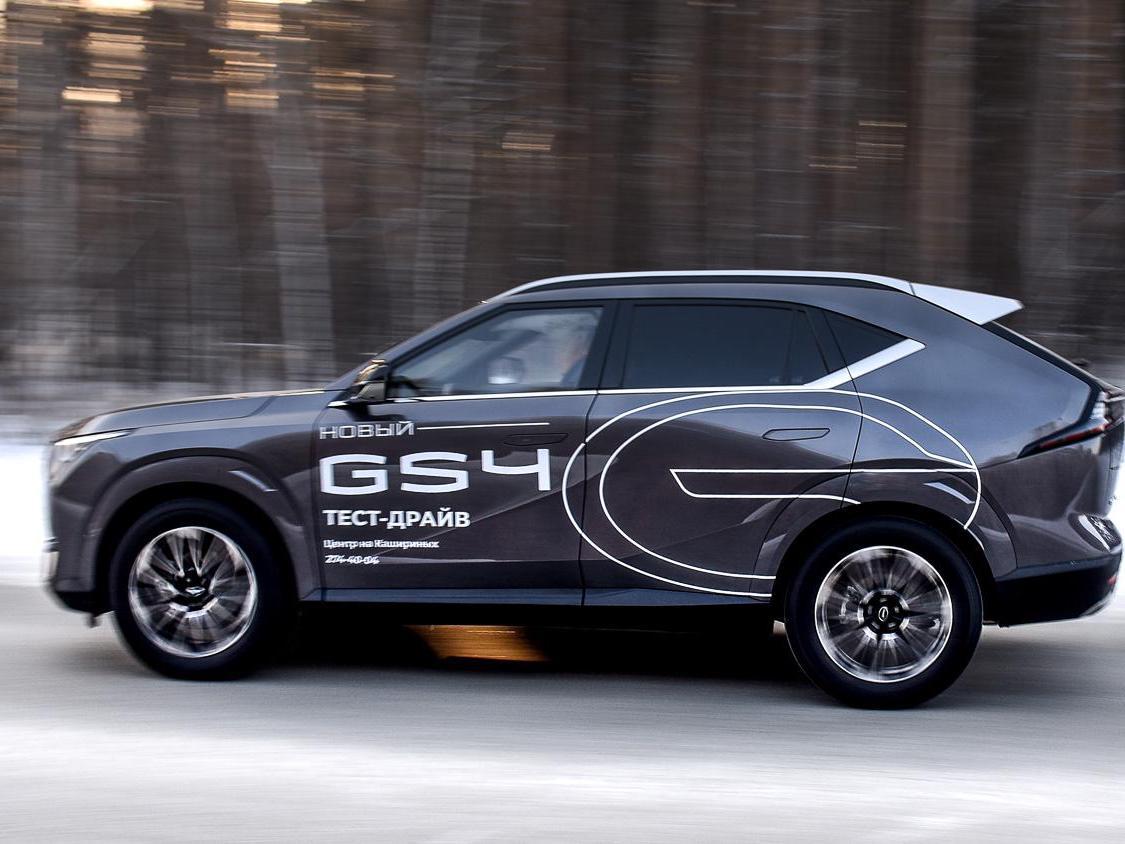
In styling, the GAC GS4 resembles South Korean and Japanese brands.