Villagers struggle as swine fever spreads

A state of emergency is in force across Vikulovsky District amid swine fever.
Tyumen Region has again been struck by a familiar and serious problem. In villages of Vikulovsky District this autumn, African swine fever was detected. It began with mass livestock deaths in private yards. Within a few days, villagers were left without pigs: some died in the pens, others were burned because of the dangerous virus. For villagers, livestock is food for the whole winter.
For spreading the infection, some residents now risk fines. Why this happened and what the situation is in the villages — in our report. Journalists from 72.RU traveled to a remote Tyumen district under quarantine and spoke with local residents.
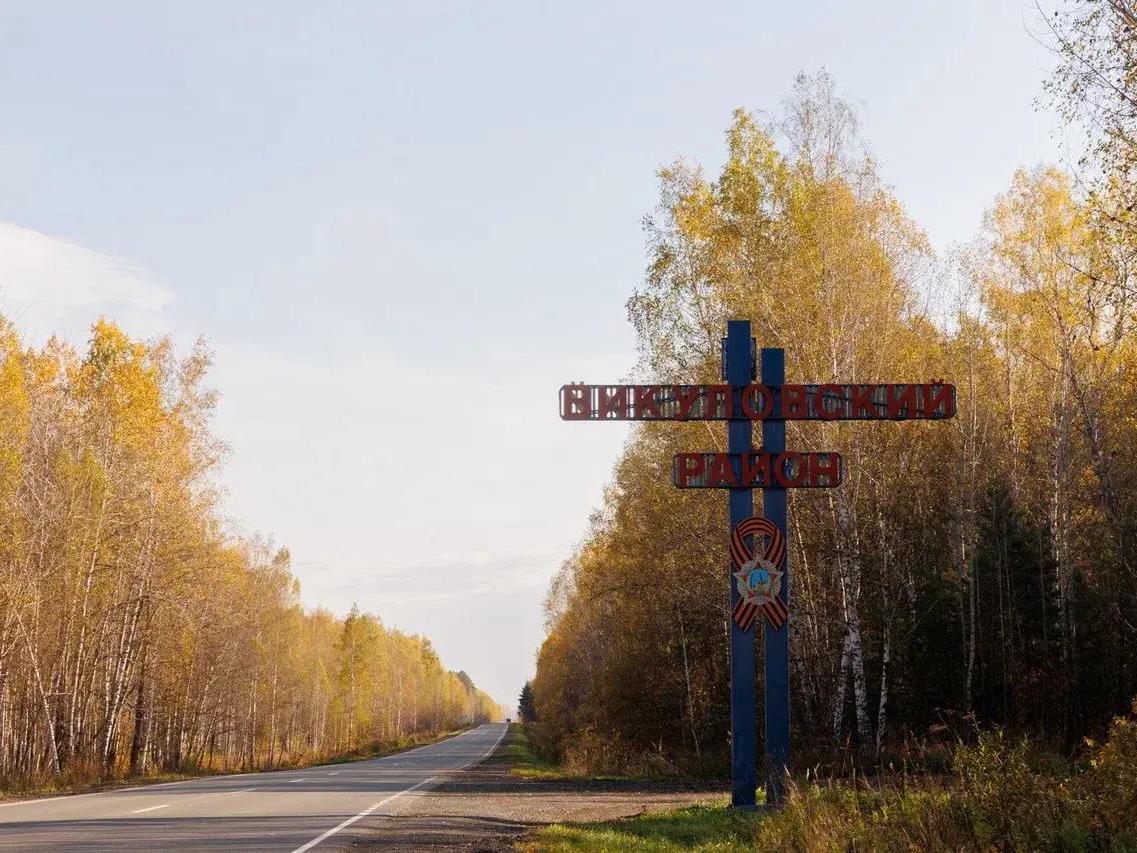
Reaching the remote Vikulovsky District from Tyumen city requires about five hours by road.
Vikulovsky District of Tyumen Region has 21 villages and 33 settlements. The largest localities by population are: Vikulovo (selo) — 7,328 people, Kargaly (selo) — 602 people, and Ozyornoye (selo) — 576 people. In other settlements, between 529 and 169 people live. And in Dolgushino, where the first cases of pig deaths occurred, as of 1 September 2025, the population is 92 people.
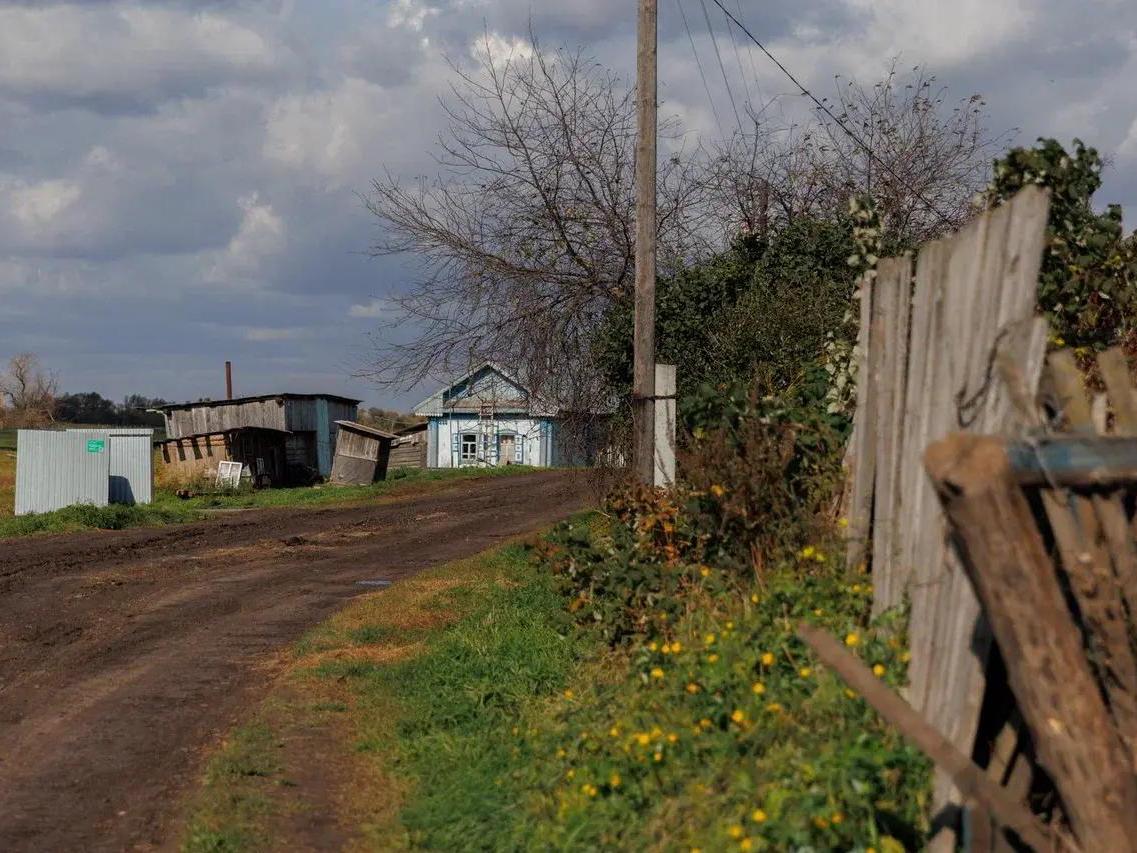
In small villages, many households raised pigs as a key source of food.
How it all started — pigs became seriously ill
Back at the beginning of September it became known that the authorities had introduced a state of emergency in the rural settlements of Sartamskoye and Kalininskoye in Vikulovsky District of Tyumen Region. The decision was made because of an outbreak of a dangerous infection among pigs. No vaccine or medication for this disease exists. The virus is not dangerous to humans or other animals.
«In the outbreak zone, pigs and products derived from them are seized; the slaughter and incineration of carcasses of dead and culled pigs is carried out,» the Vikulovsky District Administration (Administratsiya Vikulovskogo rayona) said in a statement.
Officials noted at the time that the causes of the outbreak could have been feeding pigs with food waste, uncontrolled import of animals, as well as feed not subjected to heat treatment.
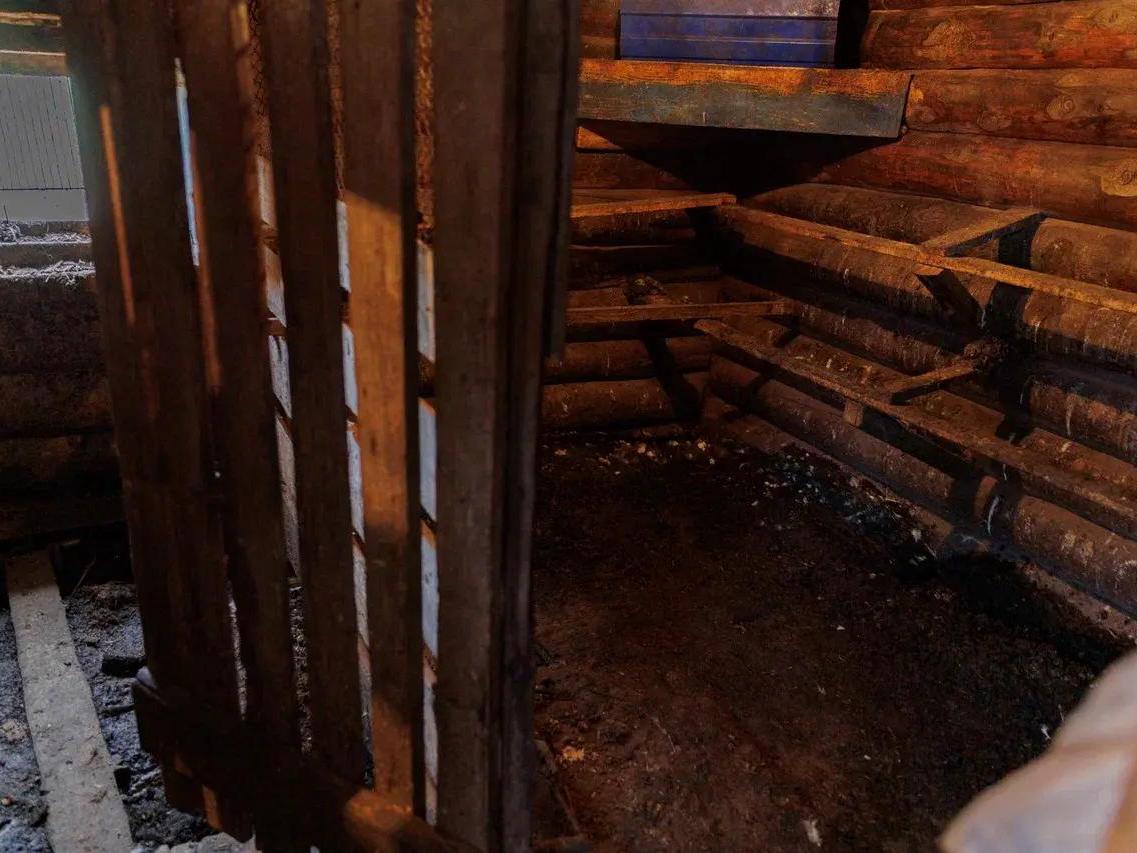
Empty pigsties now remain in Dolgushino after mass culling and disease deaths.
«Pigs show fever, depression, refusal to eat, and blue or red discoloration of the skin of the ears, abdomen, perineum, and tail. The disease may be accompanied by diarrhea and seizures,» Vikulovsky officials described the symptoms.
Checkpoint against the virus
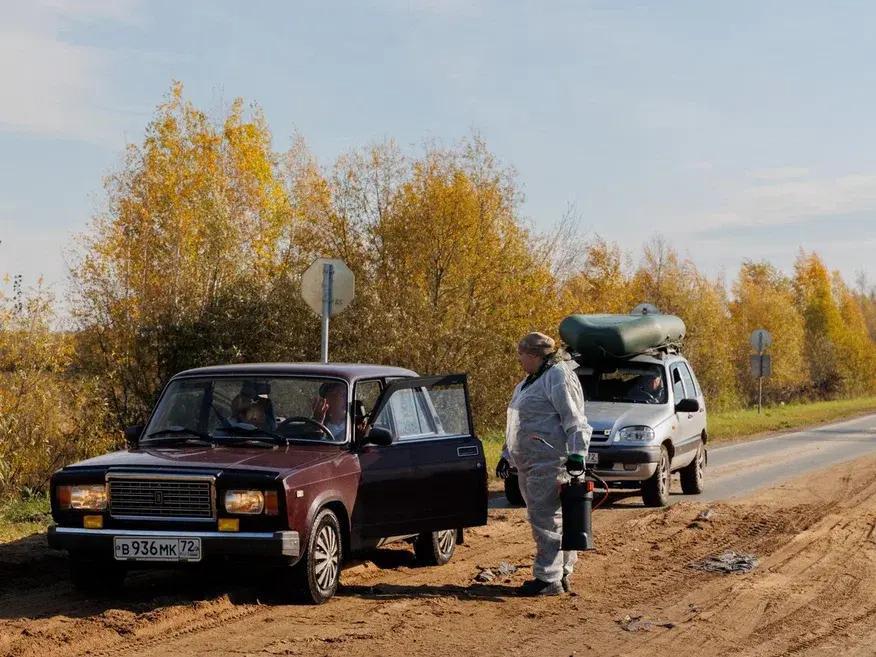
There is now a round-the-clock veterinary control checkpoint at the entrance to Vikulovsky District. Several specialists, including police, are on duty here.
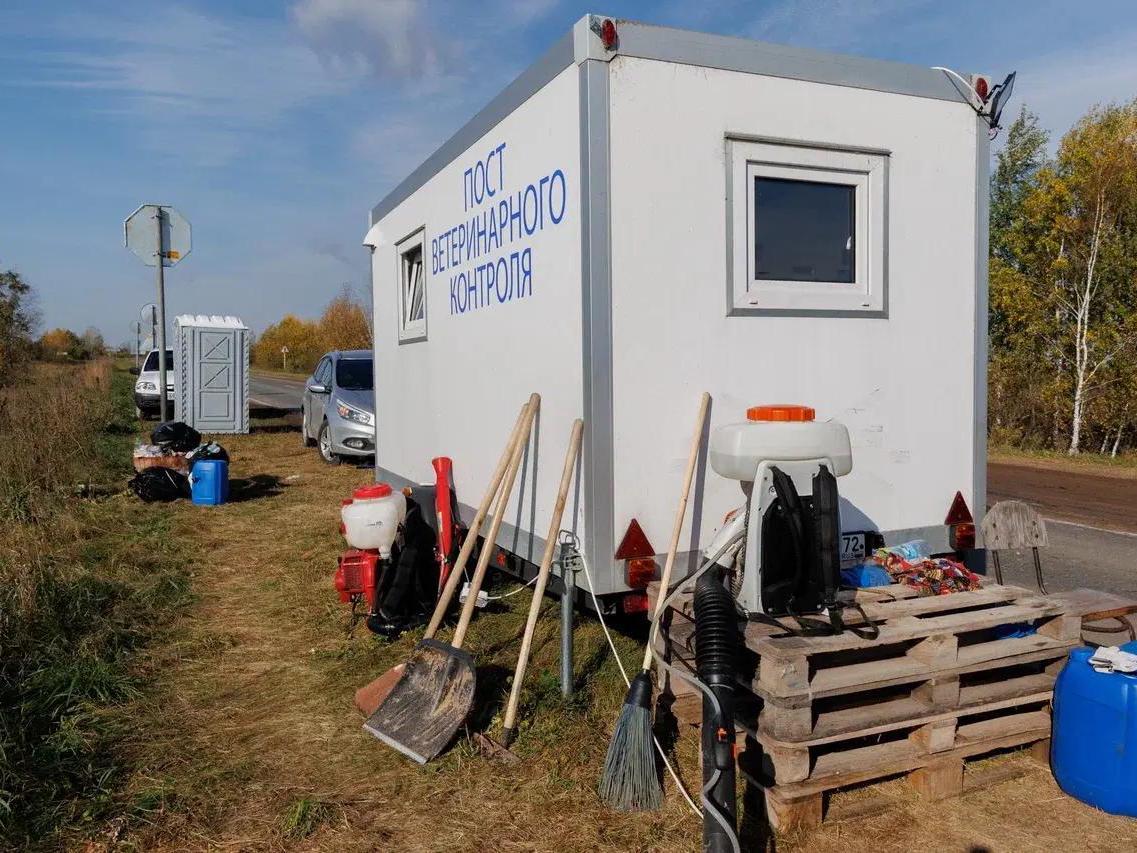
A veterinary control checkpoint operates at the district entrance to restrict livestock movements.
All vehicles without exception are treated with a special solution when leaving the villages.
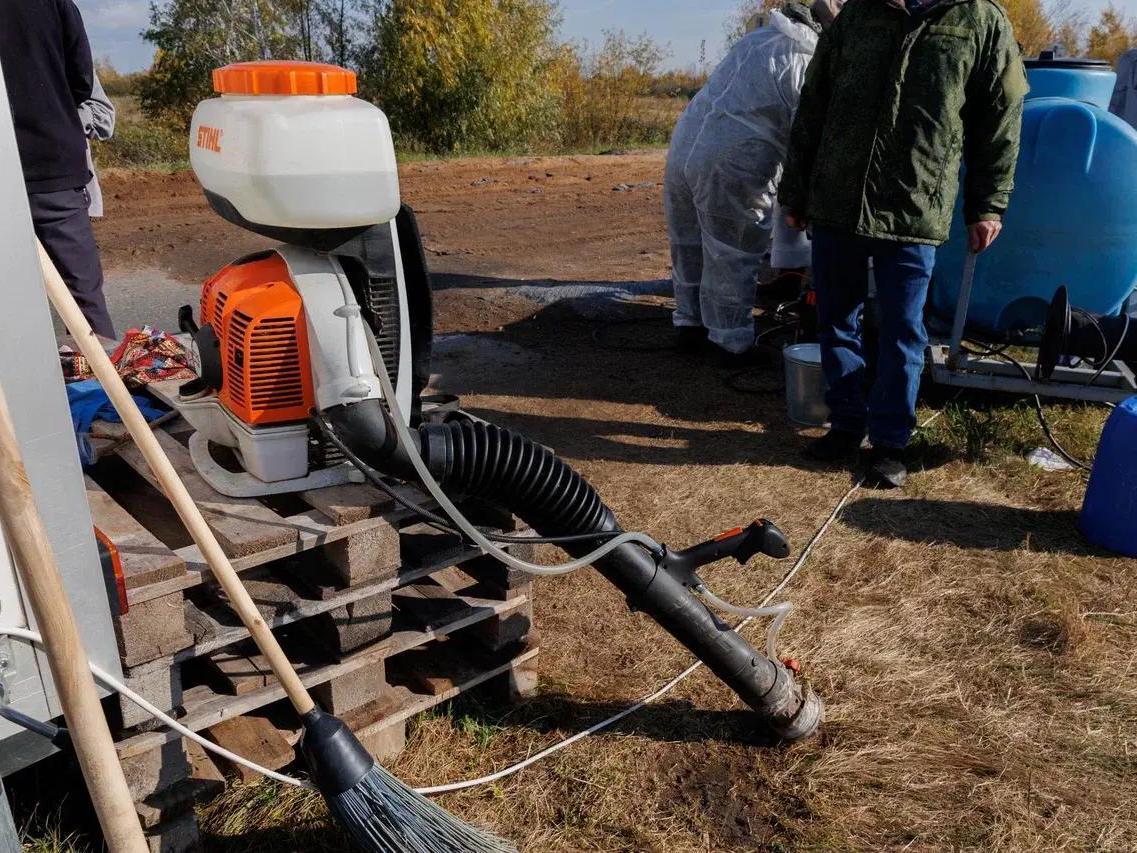
Passenger cars and trucks are disinfected with specialized solutions before leaving controlled areas.
Car wheels are sprayed with disinfectant. Staff also check vehicle trunks to ensure no pork is taken out of affected localities.
According to specialists on duty at the checkpoint, there have not yet been angry drivers — everyone understands and calmly shows their trunks and allows their cars to be treated.
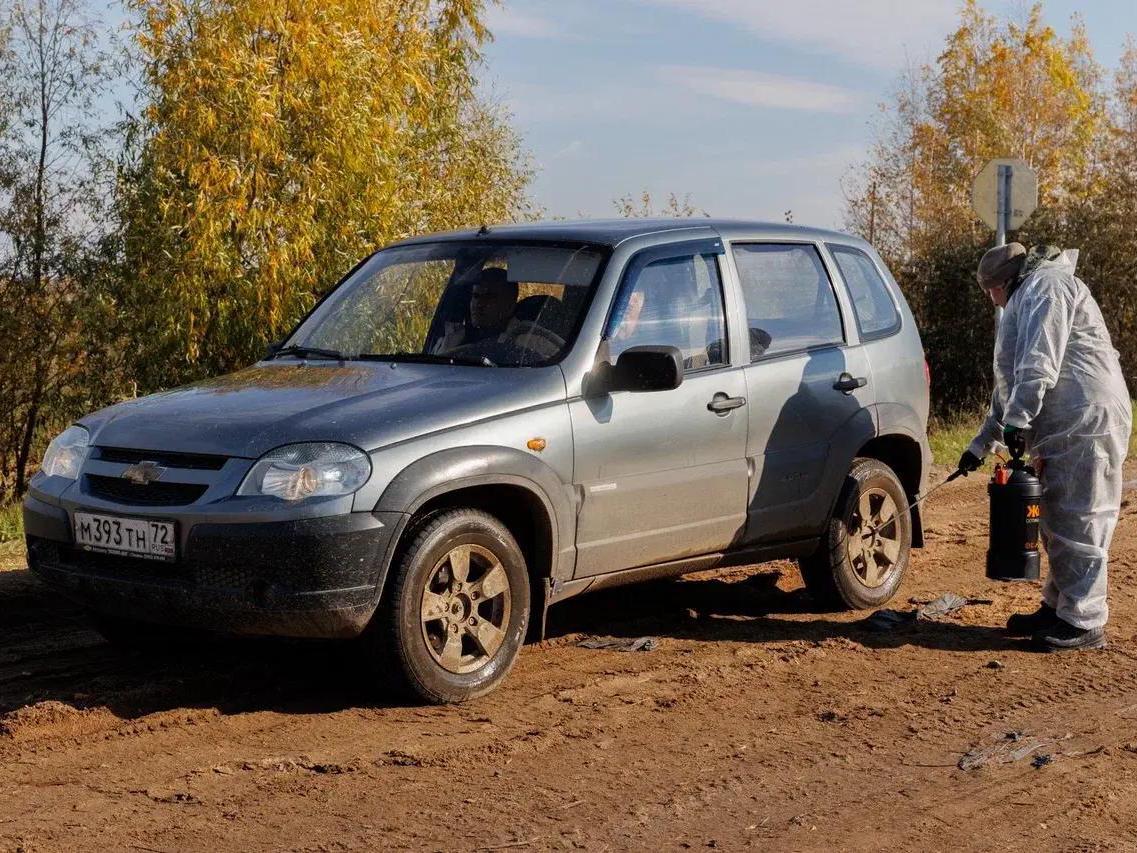
Vehicles exiting the district are treated with disinfectant under quarantine procedures.
«Why are we being fined?»: what the villagers say
Residents of the district say veterinarians and specialists from the Tyumen Region Veterinary Administration (Upravlenie veterinarii Tyumenskoi oblasti) visited at least four villages. They inspected household farms and held meetings with villagers.
Among these localities, Dolgushino stands out. Here, according to locals, the first cases of pig deaths were recorded. Veterinarians came to residents to inspect plots and determine the circumstances. One specialist asked villagers for details about the pig deaths. Then some residents received official letters about being held liable and possible fines. Because of this, people remain frightened and very worried.
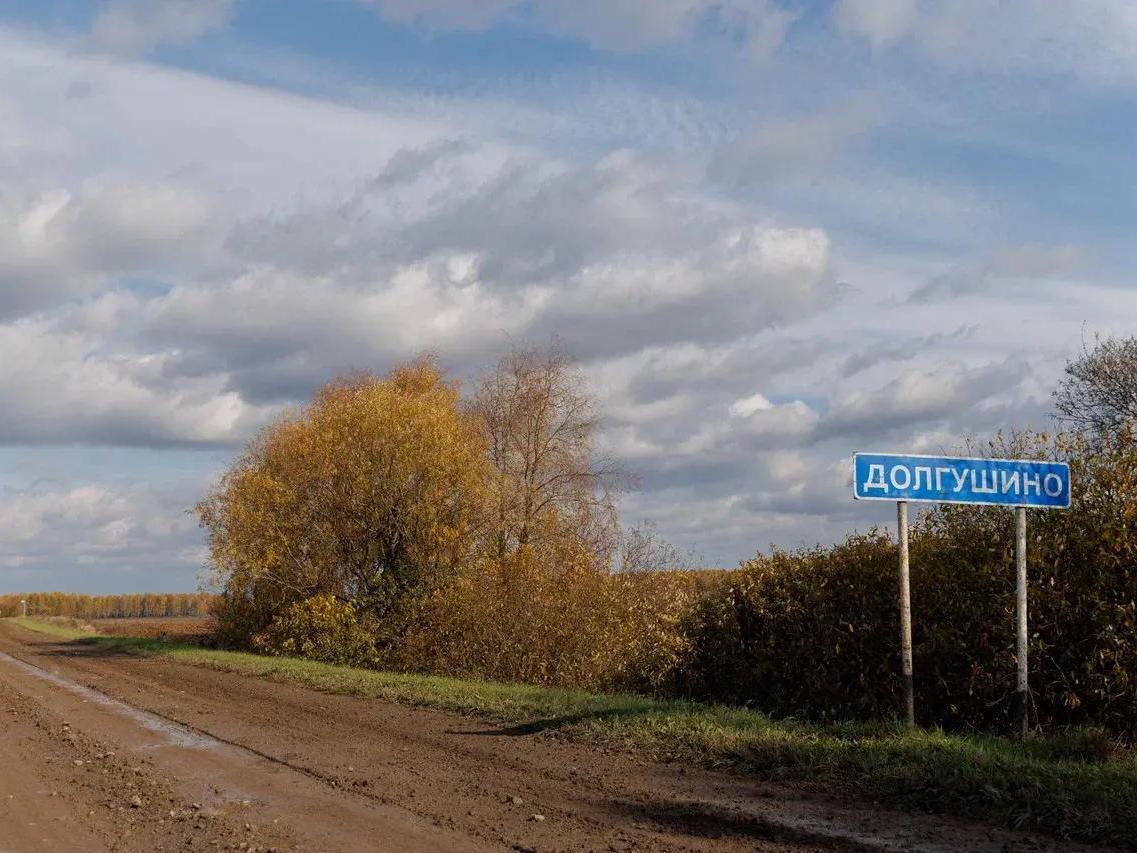
Fewer than one hundred people currently reside in this sparsely populated settlement.
They say that such a scourge is the first in living memory. Many families kept pigs for decades and never faced mass animal deaths. Therefore, pensioners suggest, they did not immediately realize what to do with the sick animals. African swine fever became a huge blow.
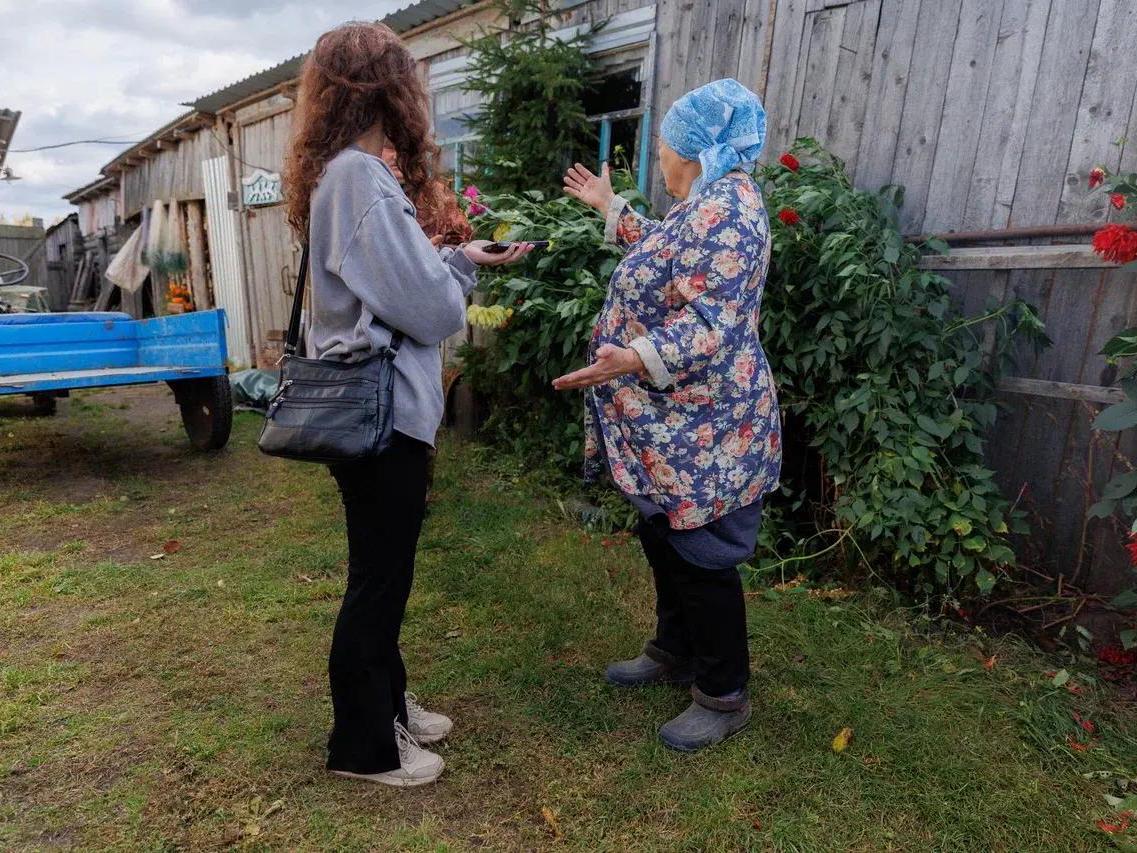
A pensioner recounts losing her pigs despite veterinary visits and attempted treatments.
«We kept pigs all our conscious lives. We had a boar and a sow, just over a year old, and eight more piglets were born. It all started when our Bor’ka stopped eating. He only drank water. He kept being sick. Some spots appeared on him. We called a vet, he came, looked. He said the disease looked like erysipelas. As a result, on his recommendation we started giving the pigs injections and treating them. The vet came twice. Then the boar still died,» a local resident said.
After some time it became clear that the situation was widespread throughout the village. Similar cases appeared beyond it as well.
«It turns out that before us, one piglet had already been taken to the livestock burial ground. No one really talked about it at first. Then everyone in the village started looking up and saying: “Mine is sick too”, “Mine is sick too”. We have a lot of residents who had pigs. Samples were taken from all the animals en masse. In the meantime, our second sow died, and the piglets died too,» the woman lamented.
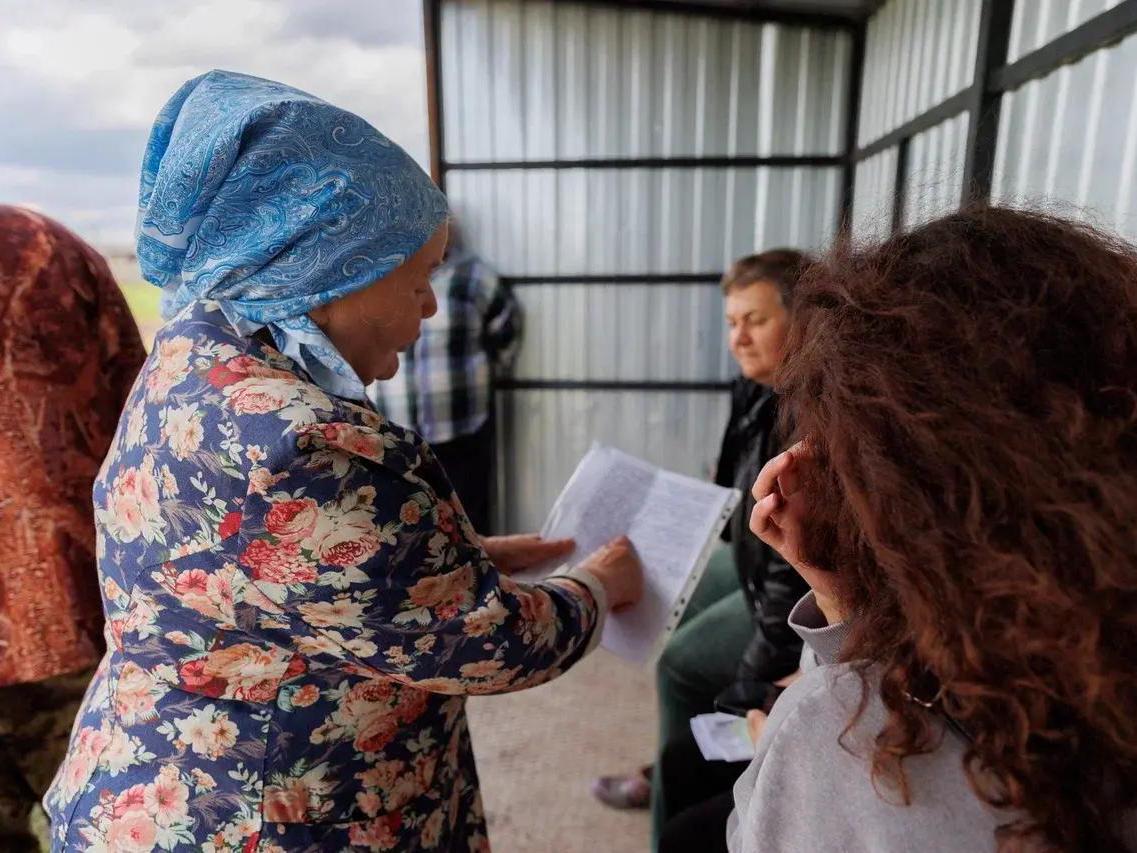
After deaths, letters warning of possible fines became a second blow for villagers.
The pensioner added: she and her husband kept pigs for themselves and their relatives. There is little work in the district, so locals rely on home-raised meat for food.
«No sale at all — we kept them for ourselves. What are we supposed to eat this winter? We live thanks to this meat. We have children and grandchildren; everyone needs to eat. And after what happened, when a specialist from the veterinary service had been to see us, we received papers saying we would have to pay fines. We are pensioners — how were we to know it was some kind of plague? We thought it was erysipelas. We hoped we could cure the pigs, and then this. It’s unfair. We were the first to raise the alarm, and we ended up being the ones at fault. The fines aren’t small — they can reach up to 120,000 rubles (about $1,200 at current rates). We live on a pension, we eat our own meat, and now this misfortune,» she said, tears in her eyes.
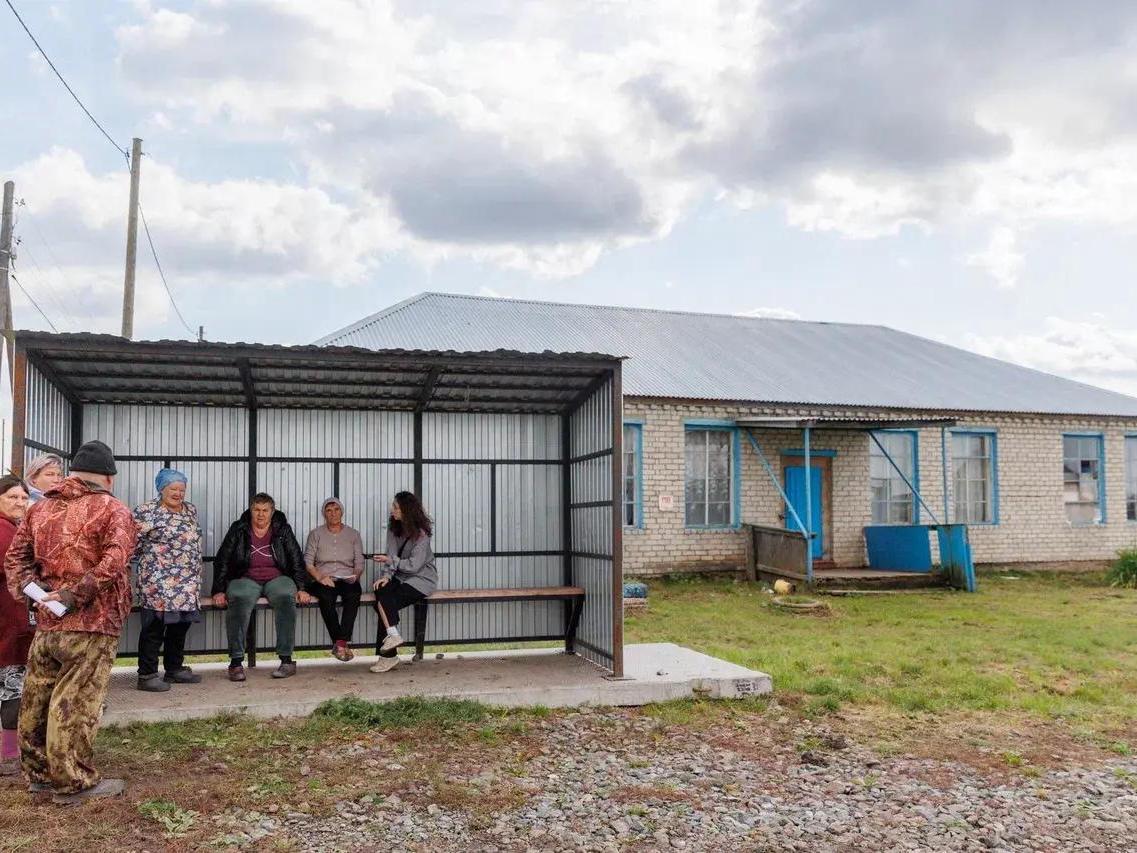
Residents say not everyone qualifies for compensation; some households only face penalties.
Another pensioner had four big pigs and eight piglets. She and her husband received a letter about a possible fine.
«Why should we have to pay a fine? Did I infect them on purpose? Or did wild boar come specifically to me and spread all this? When our first pig died, already half the village had taken theirs to the livestock burial ground! That’s the first thing. Second: when the first pig fell ill, we called a vet from the veterinary station in his work vehicle. He is conscientious — nothing to fault there — he immediately prescribed antibiotics. Then he said we needed to administer serum to the animals. We injected antibiotics for three days. But the pigs kept dying. Both the little ones and the big ones,» the villager said.
Every day, pensioners from Dolgushino worry they will be held liable because of the pig deaths.
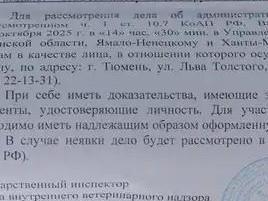
A fragment of the notice received by several rural residents regarding potential administrative penalties.
«What are we guilty of? They say we kept pigs incorrectly. My husband and I have run a household for 49 years. Only this year did this happen. On 1 October — on Pensioners’ Day, no less — they are summoning us to Tyumen for a hearing. They ask us to provide evidence. What evidence?! It’s hard and expensive for us to get to Tyumen; tickets cost 4,000 rubles (about $40 at current rates). We are very worried and don’t understand why we should pay fines. For us it’s a lot of money — whether 1,000 rubles (about $10 at current rates) or 5,000 (about $50 at current rates),» she continued, hands shaking as she held the letter.
Villagers fear being accused of not reporting mass pig deaths in the first 24 hours and of improper animal care. Residents explain there was no ill intent. At the first signs of illness in the pigs, the pensioners insist, they called a veterinarian.
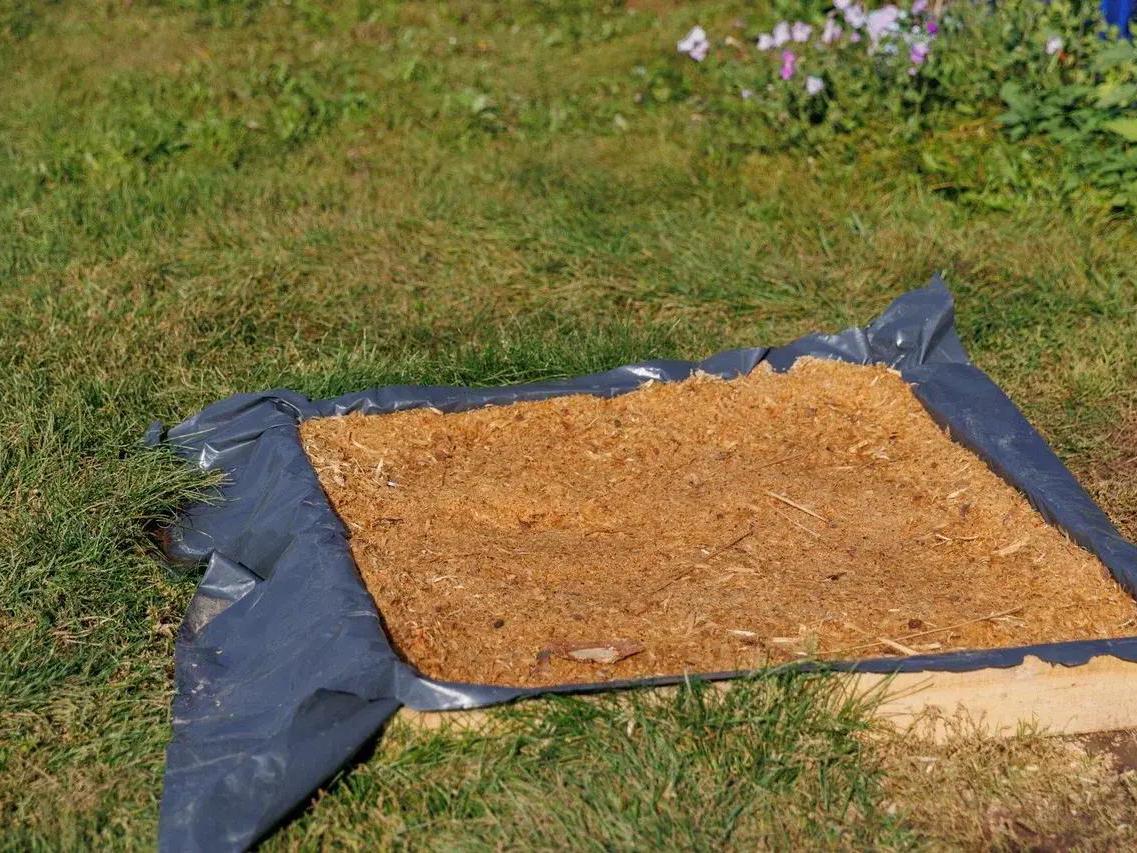
A disinfecting mat is installed to protect homes and livestock facilities from contamination.
«We didn’t know it was some African infection. For years we managed pigs as we knew how. We always went into the predbannik (bathhouse anteroom) afterward. We fed them purchased feed — and that costs money too. Now they tell us there are sanitary rules adopted in 2020. At least put up notices around the village or call a meeting about it. We’re all alarmed now and afraid of everything… We’re simply asking the authorities for help — at least some compensation. How can we be left with absolutely nothing?» the residents said nervously.
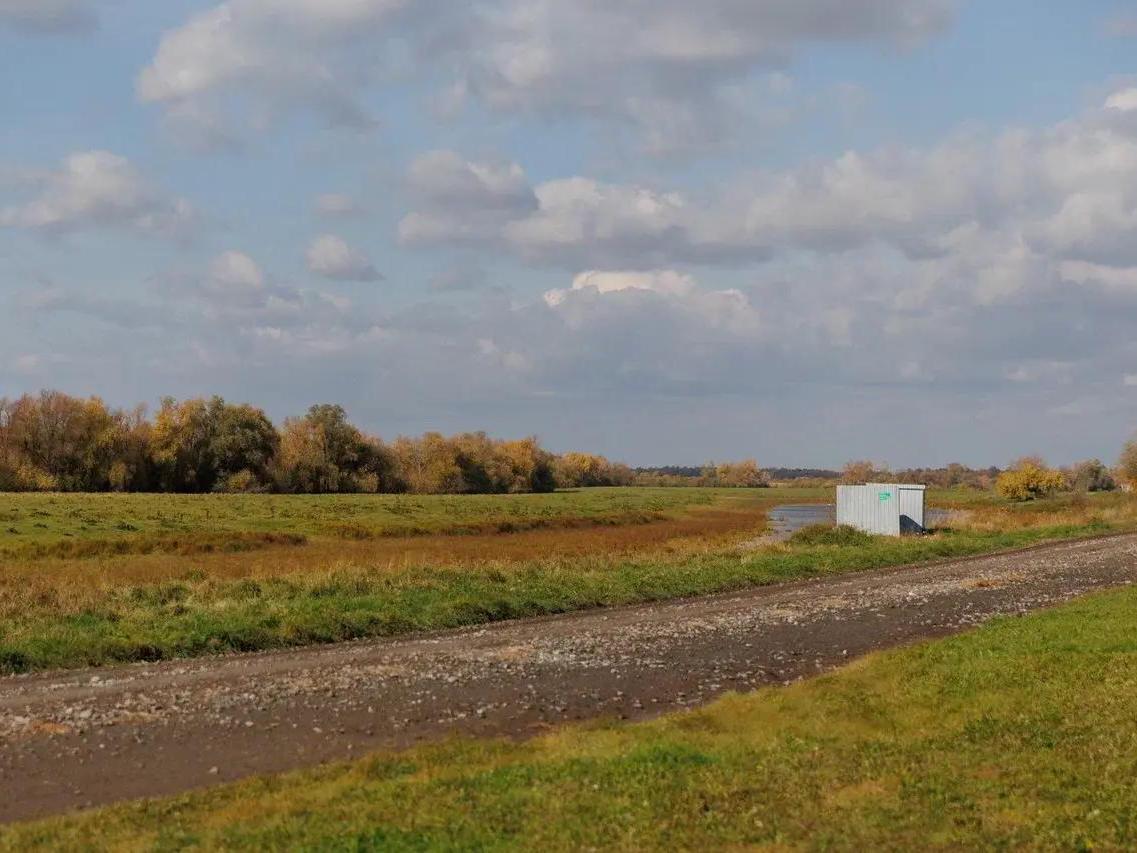
Working-age residents commute to nearby towns, while others decline interviews, fearing repercussions.
Official statements on the situation
Tyumen officials say that information about animal diseases is restricted-distribution information.
«We also report that there is no threat to people. When animal diseases are detected, measures are taken and activities are carried out as provided for by veterinary legislation,» representatives of the authorities explained.
The Tyumen Region Veterinary Administration (Upravlenie veterinarii Tyumenskoi oblasti) added that, as part of efforts to eliminate disease outbreaks, animals and products of animal origin may be seized, with the owner receiving the relevant document (an act) confirming such seizure.
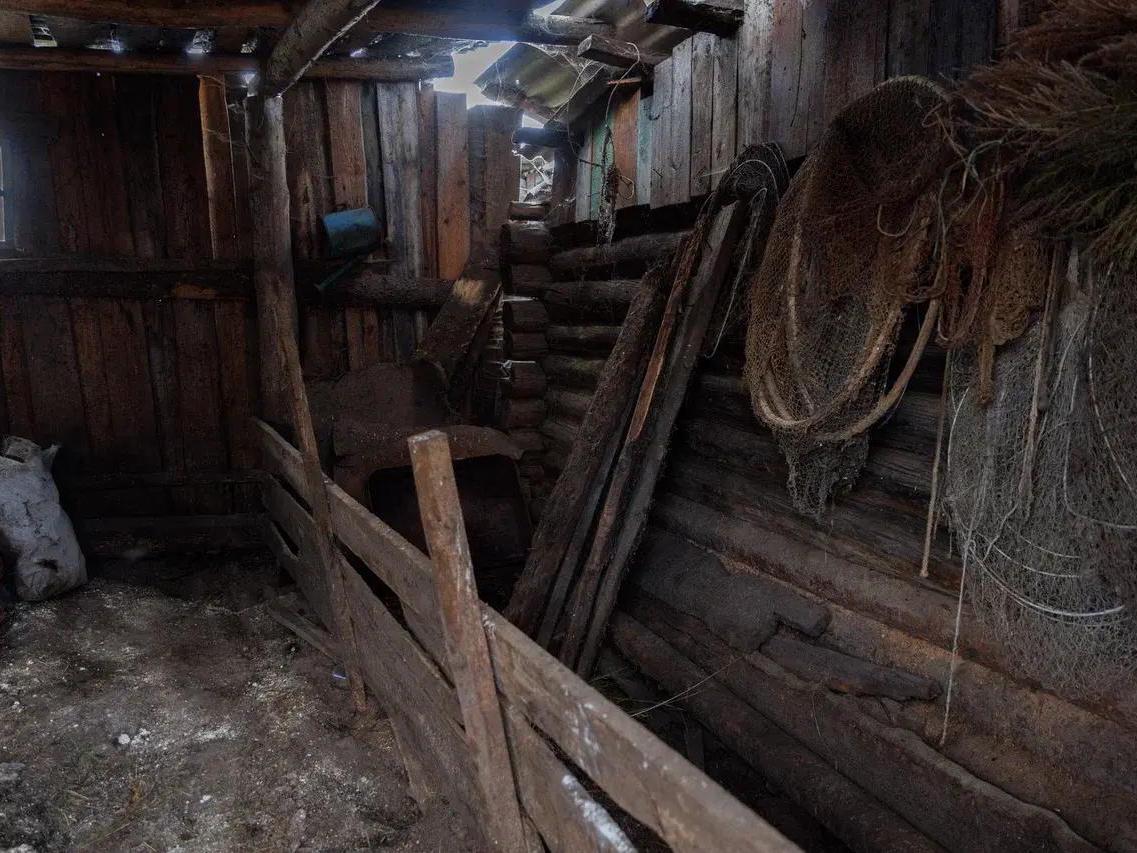
Some Dolgushino residents remain uncertain about ever keeping pigs again after the outbreak.
«The owner of the animals and/or products of animal origin has the right to compensation equal to the value of the seized animals and/or products of animal origin. Compensation is paid from the budget. The basis for compensating the owner is the presence of a seizure act,» the Tyumen Region Veterinary Administration told 72.RU in response to a query.
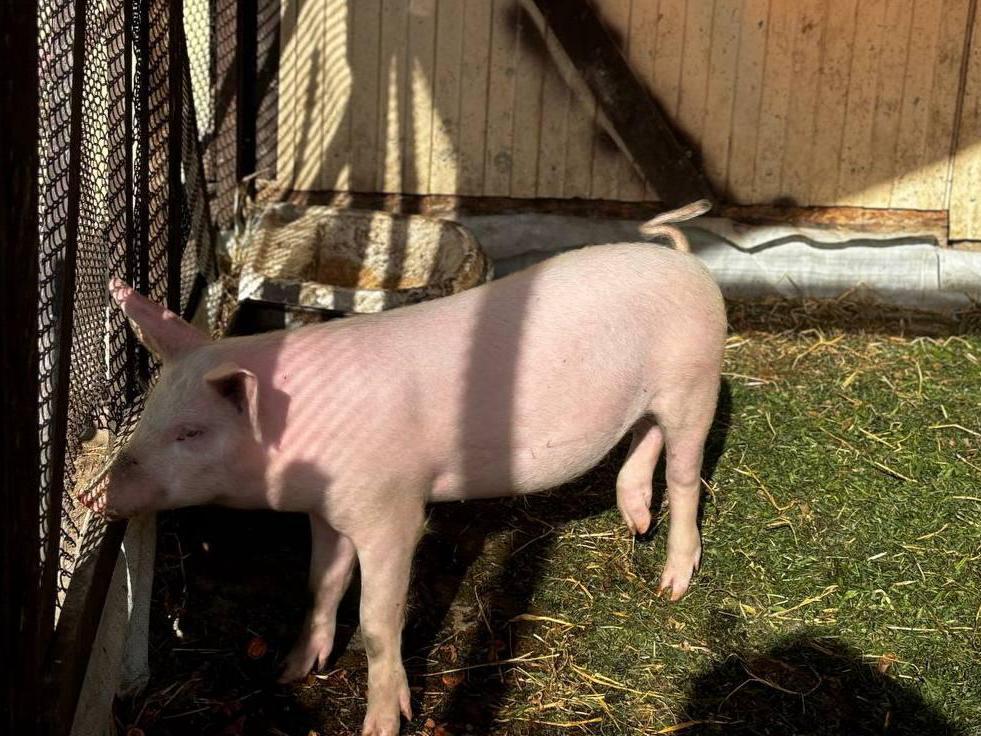
Officials have not disclosed culling totals or definitive compensation rates for slaughtered pigs.
Despite this, several residents of Dolgushino who received letters about possible fines say they are not entitled to compensation.
«All we get is a fine. How are we supposed to live and buy medicine? Protect us from these fines! We aren’t young — it is hard to worry and be nervous like this,» several pensioners complained.
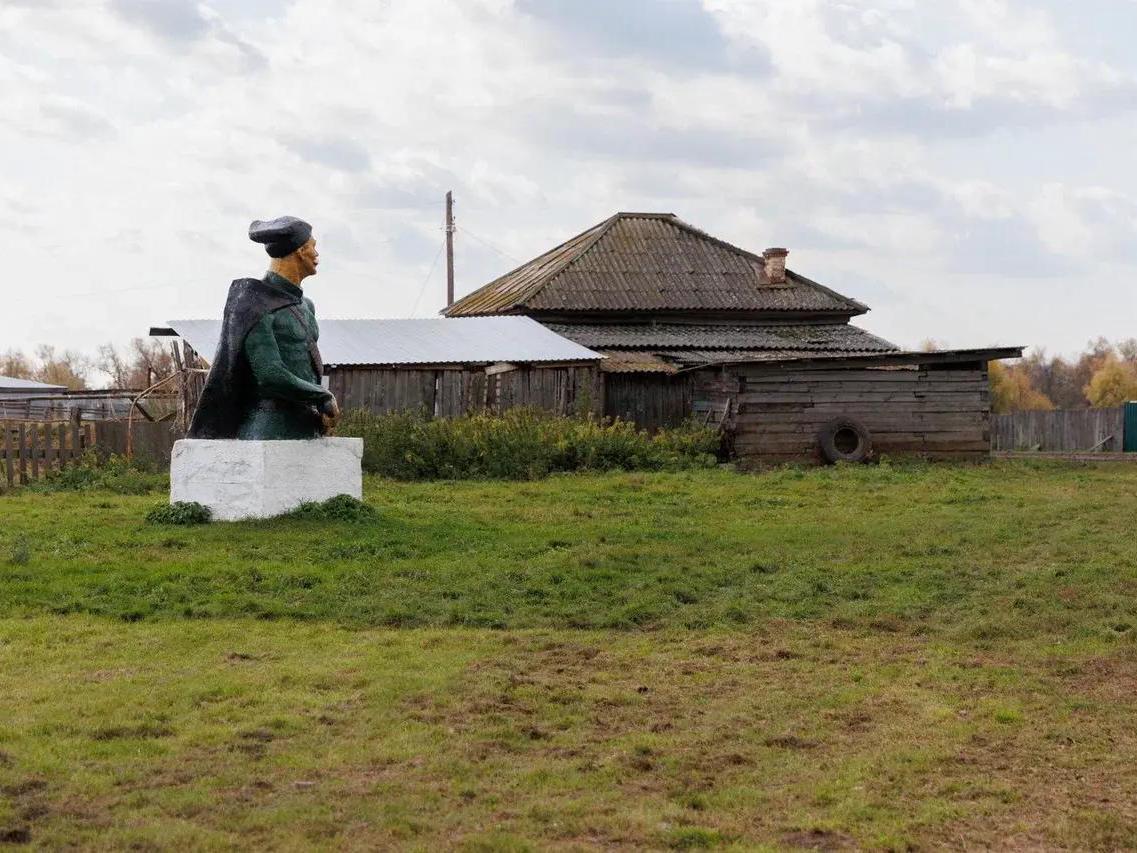
Many elderly villagers cannot afford or manage a trip to Tyumen for hearings.
A 72.RU journalist sent official requests to the Tyumen Region Veterinary Administration and to the head of Vikulovsky District, asking them to comment on the situation and explain what some residents are accused of and how they can avoid fines. Responses are pending.
Swine fever in Shorokhovo that raged eight years ago
Swine fever had already ravaged Tyumen Region. Back in 2017, our website published a story about a quarantine for African swine fever (ASF) declared in Isetsky District. During the quarantine, life in the small village of Shorokhovo, which was at the epicenter of the dangerous virus, changed dramatically. The largest enterprise — a pig farm employing several hundred people — effectively stopped operating at the time. See our report from the village and read about that situation.