Vet Explains Why He Keeps Animals He Treats
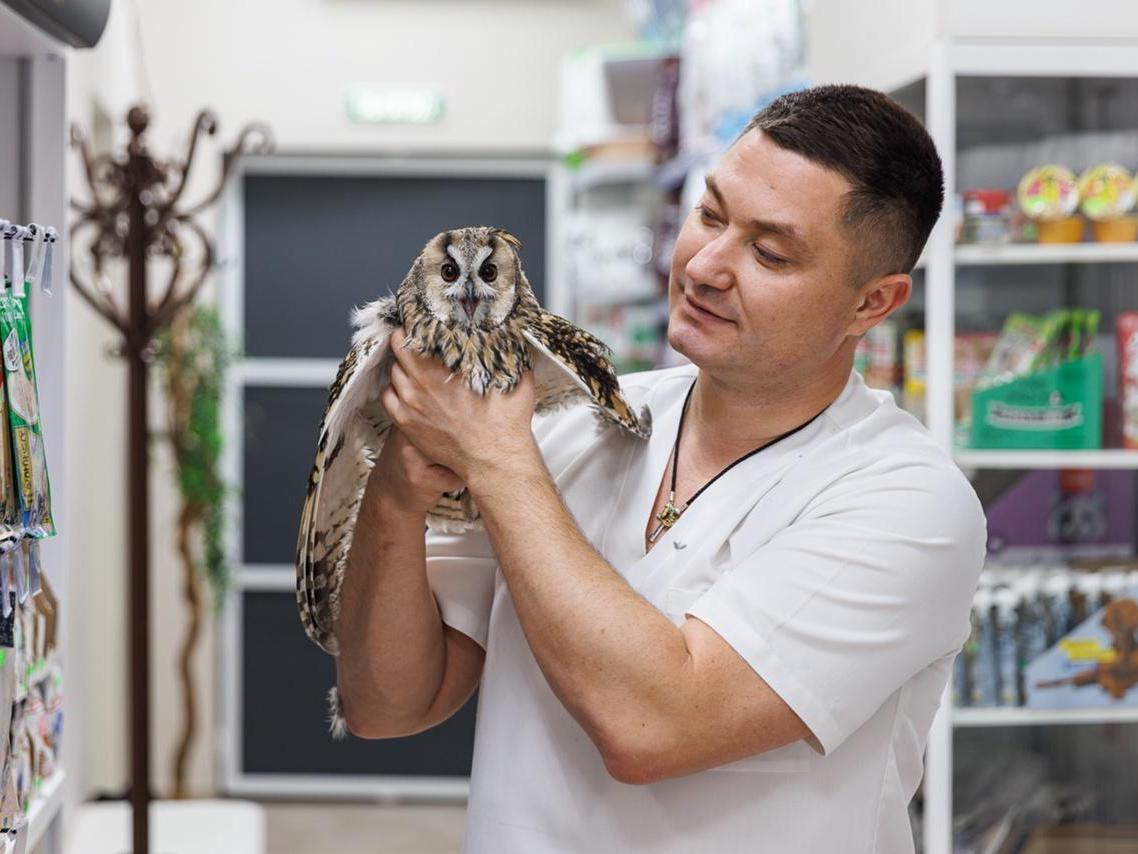

In one of the veterinary clinics in Volgograd, several wild animals greet visitors before the staff do. Correspondents from V1.RU visited the clinic, spoke with the chief doctor, and learned why and how in his clinic an owl plays with a cat while everyone fusses around a raccoon dog.
«Where Is Your Owl?»
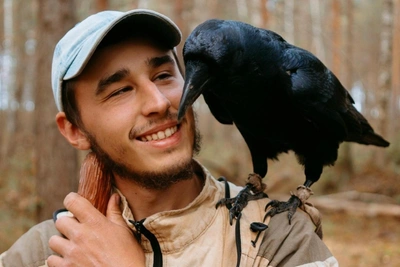
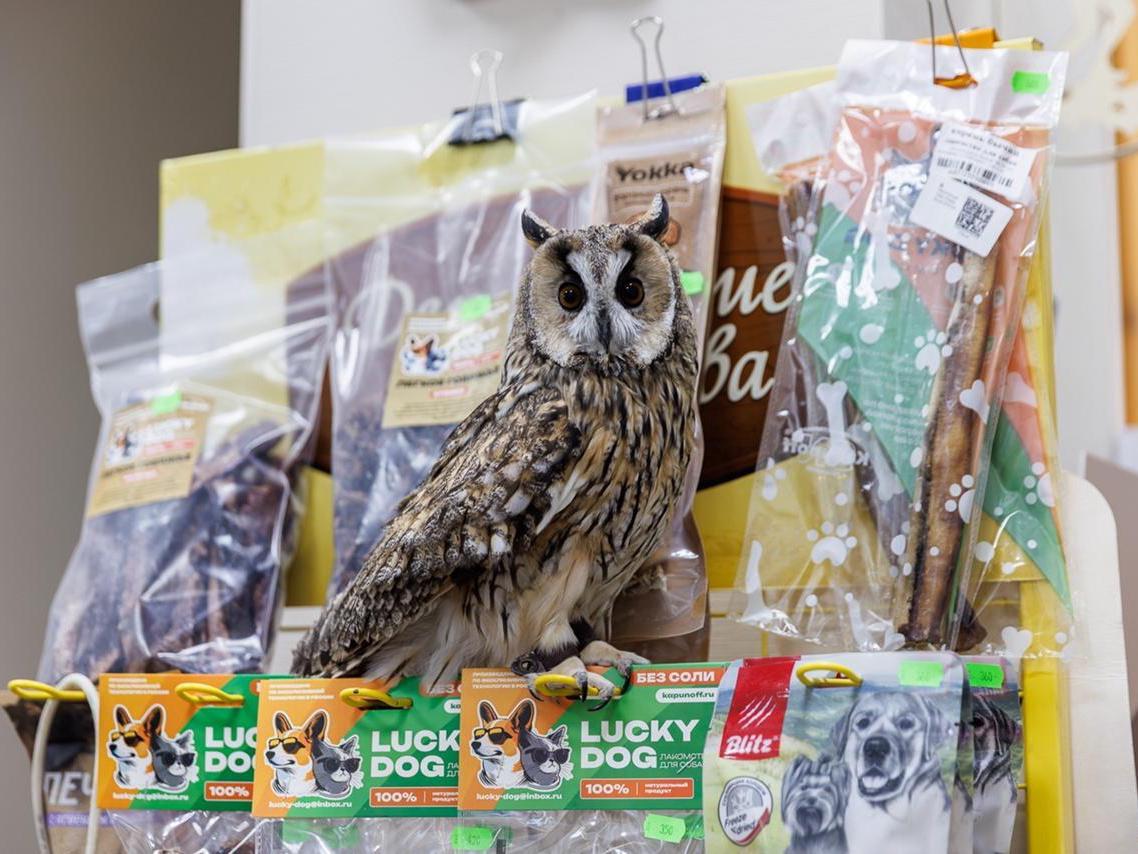
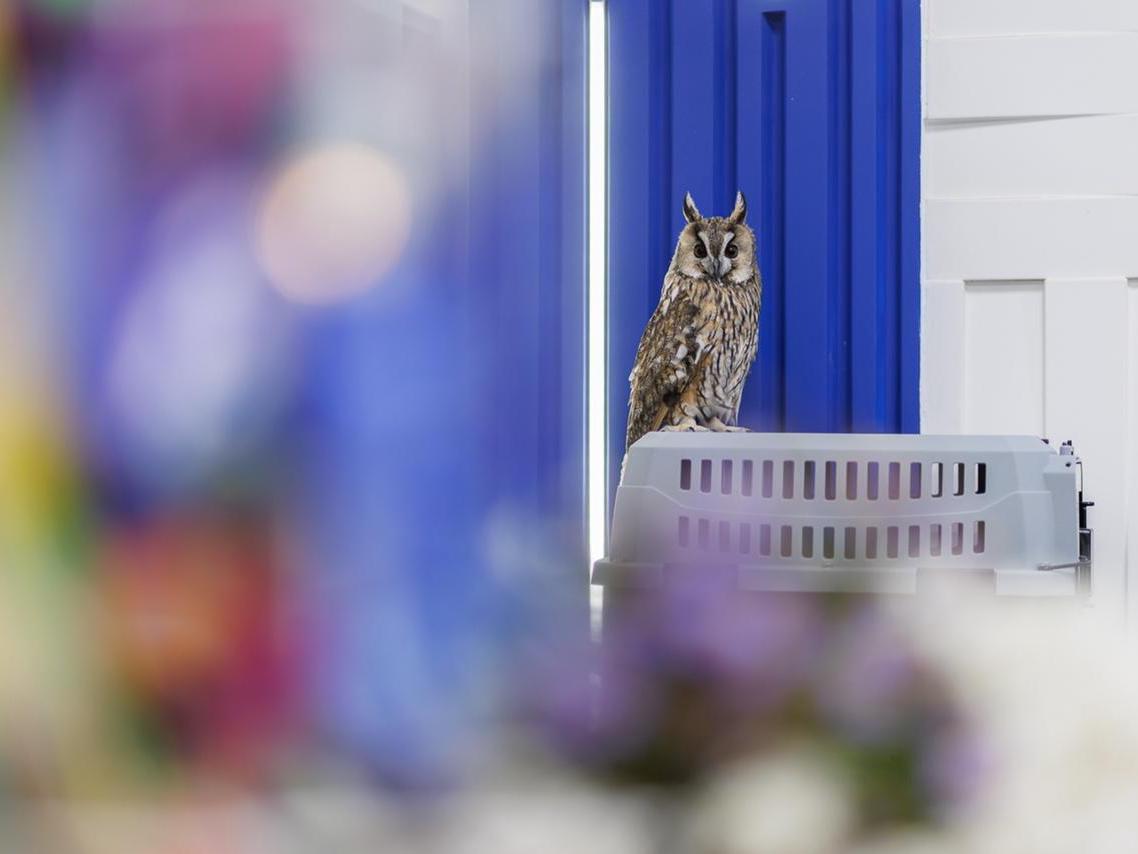
Guests at the clinic are first greeted by an owl named Frolya. The veterinarians themselves call the owl in various ways, whether it«s the joking »soup« or the affectionate »owl-kin« and »chicken.« How the owl ended up in the clinic was explained by its founder, veterinary surgeon Yegor Dubovchenko.
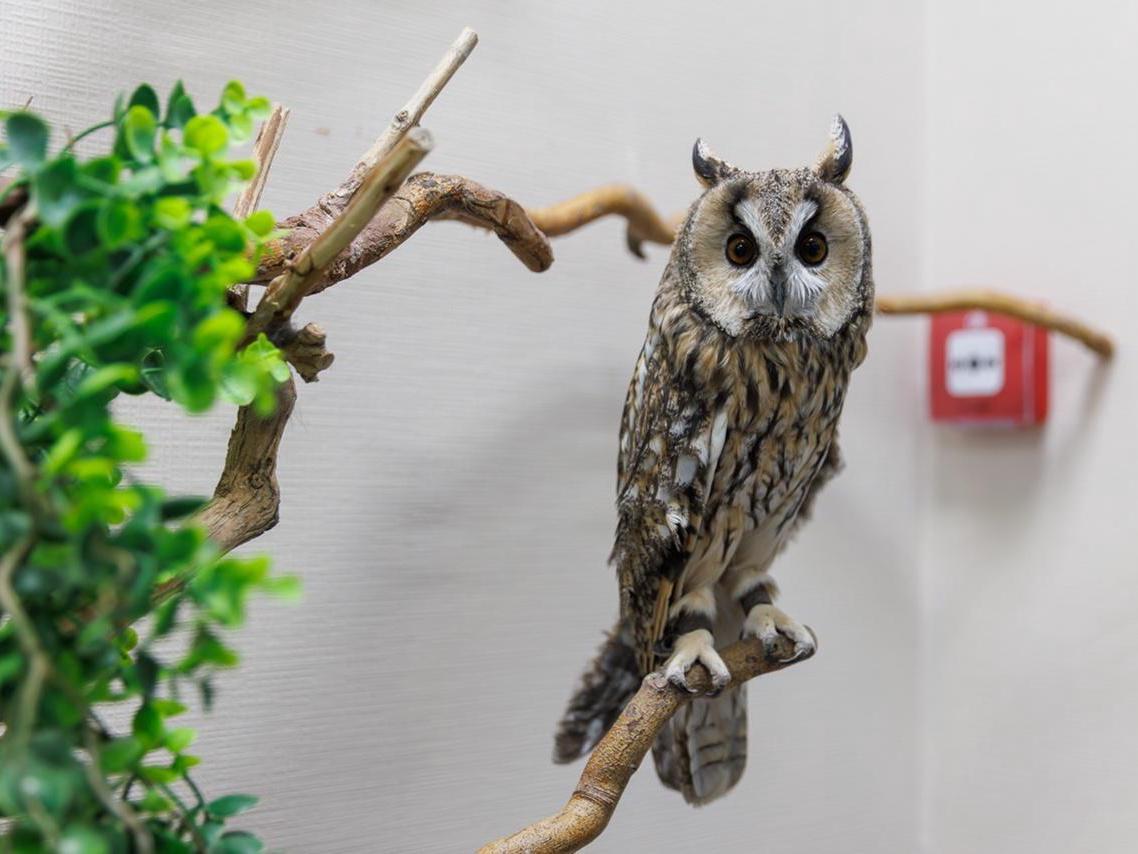
«Near the «Kaustik» plant, there is a pine forest plantation where owls live in the trees. It so happens that during the period when they hatch, crows throw little owlets out of the nest and replace them with their own chicks, and then mushroom pickers or just people out for a walk collect them. Some are left behind, and others are brought here, where we fatten them up with specially bred mice,» the doctor said.
Frolya, according to the chief veterinarian, has become the main symbol of the clinic. Of the six chicks that went to good homes, it was this owl that the veterinarian took the most liking to.
«She was initially going to be named Frol, because we thought it was a boy. It turned out to be a girl. Along with her, we had five other chicks sitting on a branch here, but visitors took them to good homes. We kept her specifically because she was the kindest and didn«t bite anyone. All the others were, frankly, »puffed up,« too proud. But Frolya immediately went to hands, turned out to be a very social bird, and has been living with us for two years now. During this time, the owl has become a kind of talisman, and clients coming to the clinic occasionally ask, »Where is your owl?«»
«I Won«t Give Her to Anyone»
Caring for a bird is a very expensive pleasure. Keeping one domestic owlet costs 15,000 rubles (approximately $150 at current rates) per month. Additionally, the feathered friend needs regular claw trimming and beak filing, otherwise it won«t close properly.
By the owl«s behavior, it»s very easy to tell when the bird wants to eat. As the veterinarian explains, if the proud bird is hungry, it will start chirping and screaming incessantly until fed. When asked how other hospital staff feel about the owl, the answer was simple and concise: «Let them just try not to love her!»
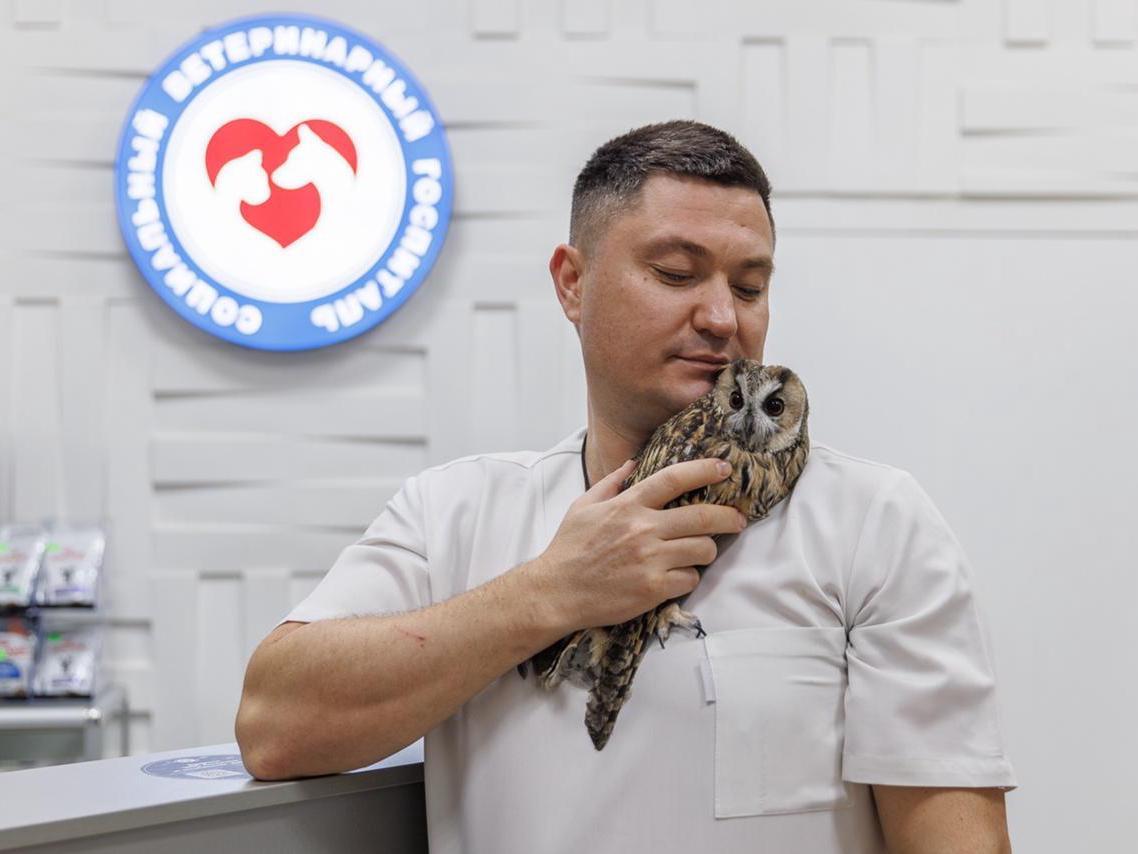
«Because the bird flies freely down the corridor, when night falls and it gets dark indoors, she starts playing with everything on the shelves,» explained Yegor Dubovchenko. «On the floor, we mostly find toys, which we carefully pick up in the mornings. It also happens that she bathes in cups of water. Those have to be changed regularly too. Some bowls in the corridor belong to the cat Vetrnyanka, which, by the way, was found in a cemetery.»
On the owl«s leg, a small metal band adorns it. Its purpose remained unknown until a certain point, when Yegor Dubov clarified: you can walk the owl outside too. However, unlike a dog, such a pet can easily fly away.
«I ordered leather jesses for her from Saint Petersburg so she could get used to them. Soon, we«ll be able to walk with Frolya right outside. For that, we»ll need a special long leash, thanks to which the bird can fly fully. Once, I remember, a man came and asked to rent the owl for a Harry Potter-style photoshoot. To that, I gave a categorical refusal. She«s not some thing, how can you just take her? I won»t give her to anyone, ever.»
«Vetrnyanka Was Nearly Killed by Crows»
In the corridor, right next to the feathered beauty, lives a cat named Vetrnyanka. As the chief doctor shared, she was found by passersby in a state close to death, in an equally horrifying place.
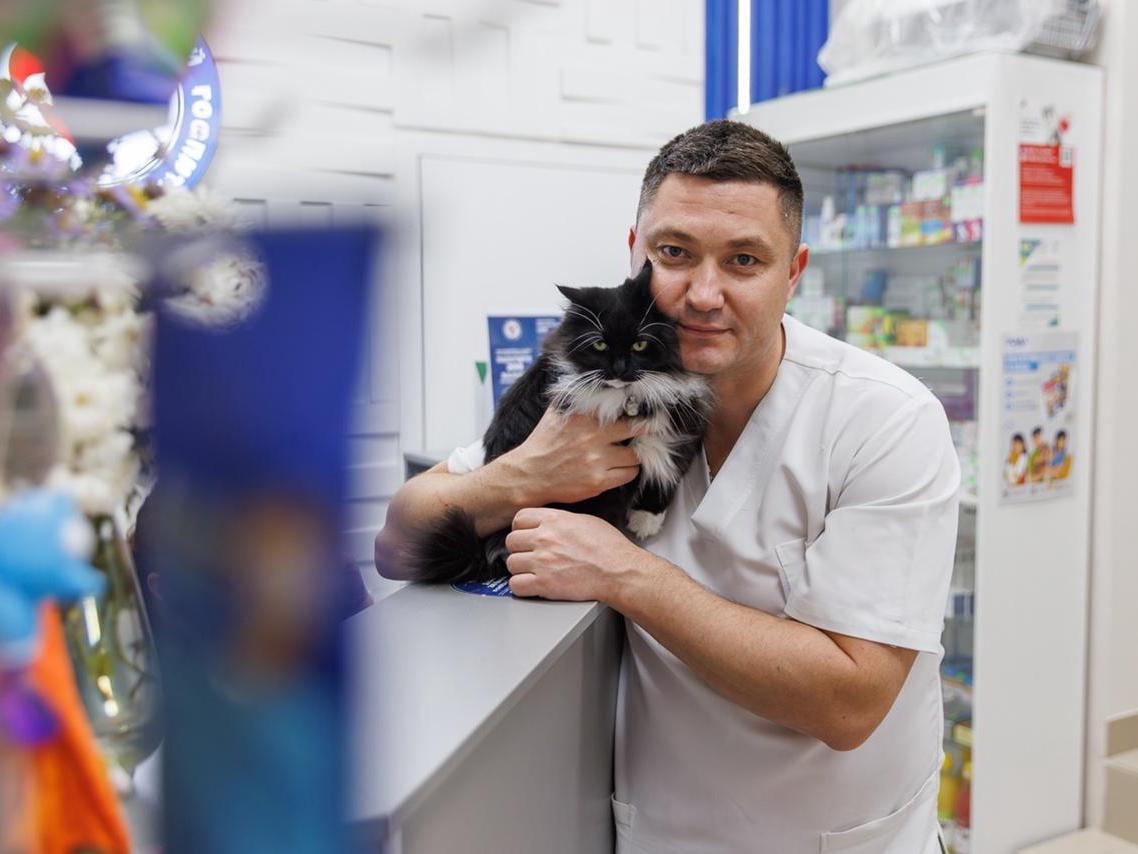
«She was brought in as a month-old little kitten. One day, people were cleaning up at a cemetery and saved her from crows. Crows are generally very mean birds that don«t hesitate to attack babies. In short, the fluffy one was brought here with no living spot left on her and a bunch of holes in her body. At first, she was very wild and angry. She bit and generally wouldn»t let anyone near. Because of that, I couldn«t work for two days, she scratched my hands so badly. But then I rehabilitated her. Now, after two and a half years in the hospital, she feels perfectly fine both among people and next to the owl.»
Yegor Dubovchenko rules out the possibility of Vetrnyanka going to a good home. Being just as much a symbol of the hospital as Frolya, the cat has left the hospital at most for a week.
«The cat has no breed. There was a case when patients came and needed to do a so-called «test drive.» That is, to check if anyone had allergies to cat hair. They took the cat home for a week. Vetrnyanka lived as a guest, and then she was returned.»
«So, Dementy — Is That a Dog or a Raccoon?»
The youngest patient in the hospital turned out to be a raccoon dog named Dementy. The little animal with a cute face is comfortably settled in the surgeon«s arms. However, the appearance of Dementy»s fur unambiguously hints: the animal was also on the brink of death.
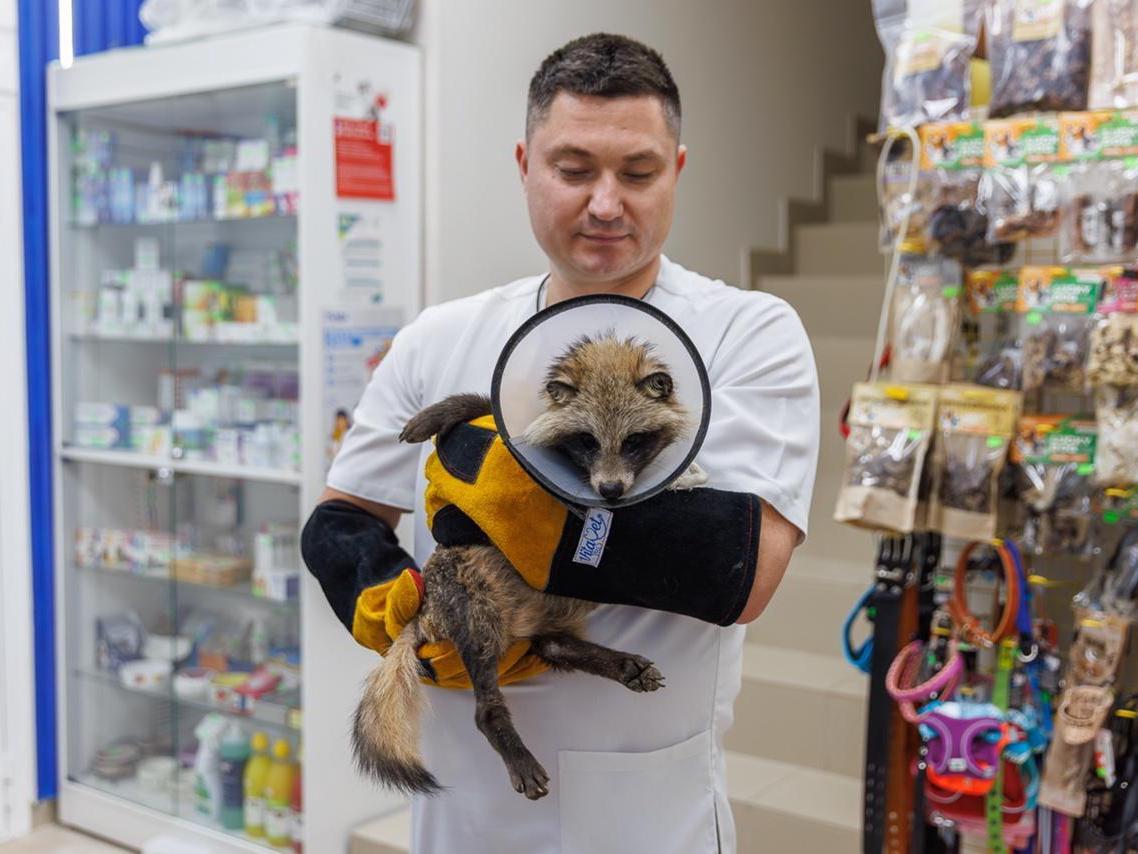
«According to tests, this little one is completely clean. He was found by caring people near some gas station in northern Volgograd. He got caught in a trap or tar and couldn«t get out on his own. In short, when he was brought in, he was in a deplorable state. We»ve already fattened him up, nursed him back to health, and provided proper treatment. And now the fluffy one is on the mend. When Dementy fully recovers, he«ll be returned to the wild: he is, after all, a wild animal.»
«Raccoon dogs are wild animals, and keeping them at home requires special conditions and permits. So after treatment, we«ll release him back into the wild. Of course, he»ll need to be vaccinated and microchipped. Often, stray animals and ownerless dogs that are brought to us, we take to a benefactor at a metal processing base. Most of our dogs are kept there. We also regularly try to support them, care for the animals…»
«Soulful Kindness Has Its Price…»
The doctor admits with bitterness in his voice that not everyone can be saved. Sometimes patients come for whom nothing can help, not even an emergency and complex surgery.
«Undoubtedly, we try to help as much as possible, and when volunteers or just caring people bring us another wounded animal, we try to cure it. It doesn«t always work out. Because of this, there are clashes and conflicts with visitors. For example, once an old dog hit by a car was brought in. The chances of saving her were literally less than one percent, but we still took on the case. To great regret, she died right at the end of the surgery. Despite the fact that we took a risk, tried to give the animal a chance, a wave of negativity fell upon us…»
But there are also pleasant moments. For instance, when an animal is taken under the care of charitable organizations. By the way, just recently, we managed to find a home for a dog that had long lived in the clinic. She was saved thanks to funds from caring people:
«It happens the other way around: volunteers, foundations, or companies fully pay the bills for ownerless animals. So, we once had a dog in our care whose bill was fully paid by a charitable fund from a mobile app development company that was moved by her story. They contacted me and fully covered her treatment. And just recently, I took to the same base a dog that had been with us for a year. She was also hit by a car, could only crawl on her front legs: her hind legs were simply shattered. We operated on her and kept her at our own expense for a long time.»
The veterinarian frankly stated that a large part of the money clients give to veterinarians goes toward the animal«s upkeep. And keeping an animal »from the bottom of one«s heart» can overall leave a veterinarian without a salary.
«Often people think that if a veterinarian, say, issues a bill for 100,000 rubles (approximately $1,000 at current rates) for a month of treatment, then Yegor got that much money, got rich. No, it doesn«t work that way. Inpatient care per day costs on average from 3,000 to 7,000 rubles (approximately $30 to $70 at current rates) with intensive therapy. Not counting any additional surgeries. And that same 20% discount could be the salary of one of the doctors saving animals. After all, animals don»t have medical insurance policies like people do. Therefore, I dream of a moment in veterinary medicine when all animals will be universally accounted for among the population, microchipped, vaccinated, and insured. In short, all this is to say that we are always responsible for those we have tamed, and the responsibility for the life and health of a pet falls on the owner.»
«I«m a Veterinarian, I Have To!»
Yegor Dubovchenko has been saving animals for 20 years. His attraction to animals appeared, according to him, from childhood, and when asked why he saves our smaller brothers, the experienced surgeon at first even hesitated slightly.
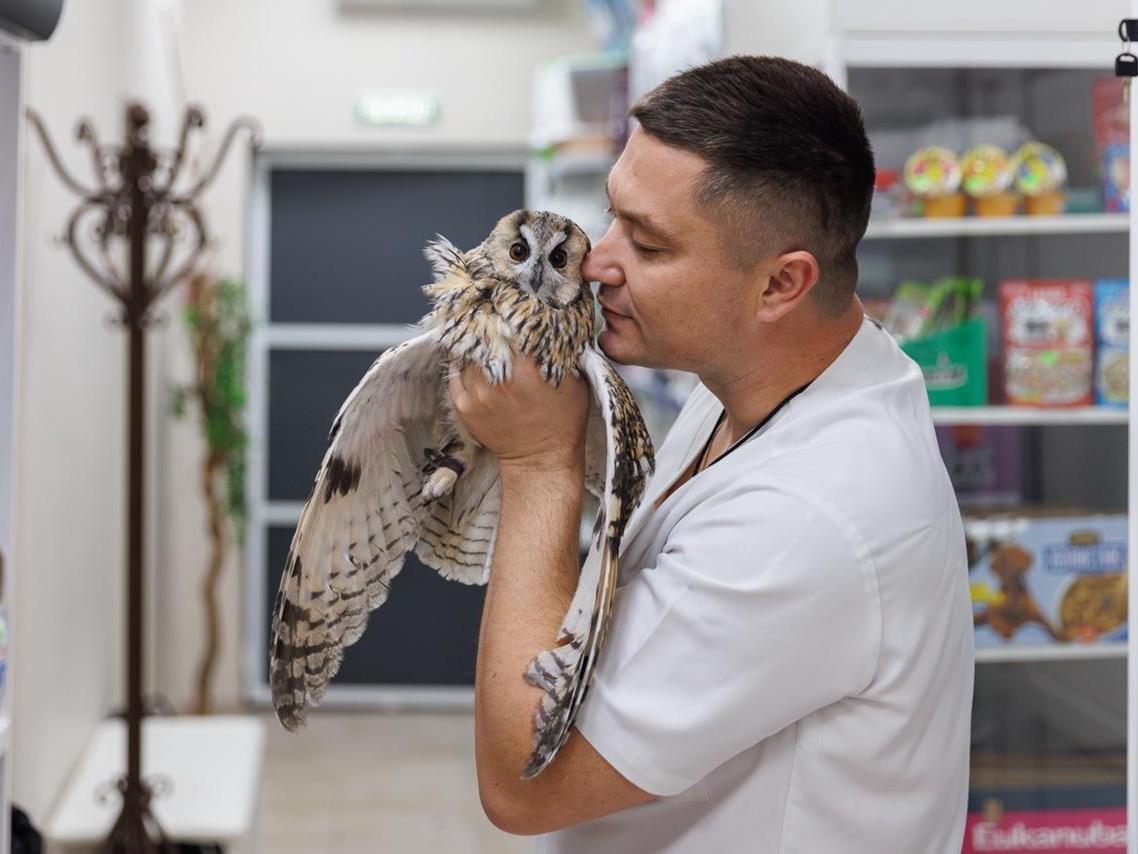
«Because I have the ability to save them, so I save them,» smiled Yegor. «I have both the desire and the ability, and they coincided. Somehow like that… Since childhood, I had many animals. I saved them all. Pulled them out from somewhere, nursed them back as best I could. You know how… Childhood love and hobby grew into a profession. Already from the fifth grade, I knew I would be a veterinary doctor. Well, that«s essentially how it turned out.»
When asked if more exotic or wounded animals will appear, the answer was strictly positive: «Of course.» The veterinarian plans to expand the clinic and even organize enclosures for ownerless animals.
«Of course, we want squirrels, a monkey… We want them all! But these are just future plans. We plan to build enclosures on the roof where everyone can live; there is a functional roof here. In short, there are many plans, and I«d like to realize them all. Of course, everything within the limits of possibilities!»