Leopard Mia sets record for most photoshoots in Primorye park
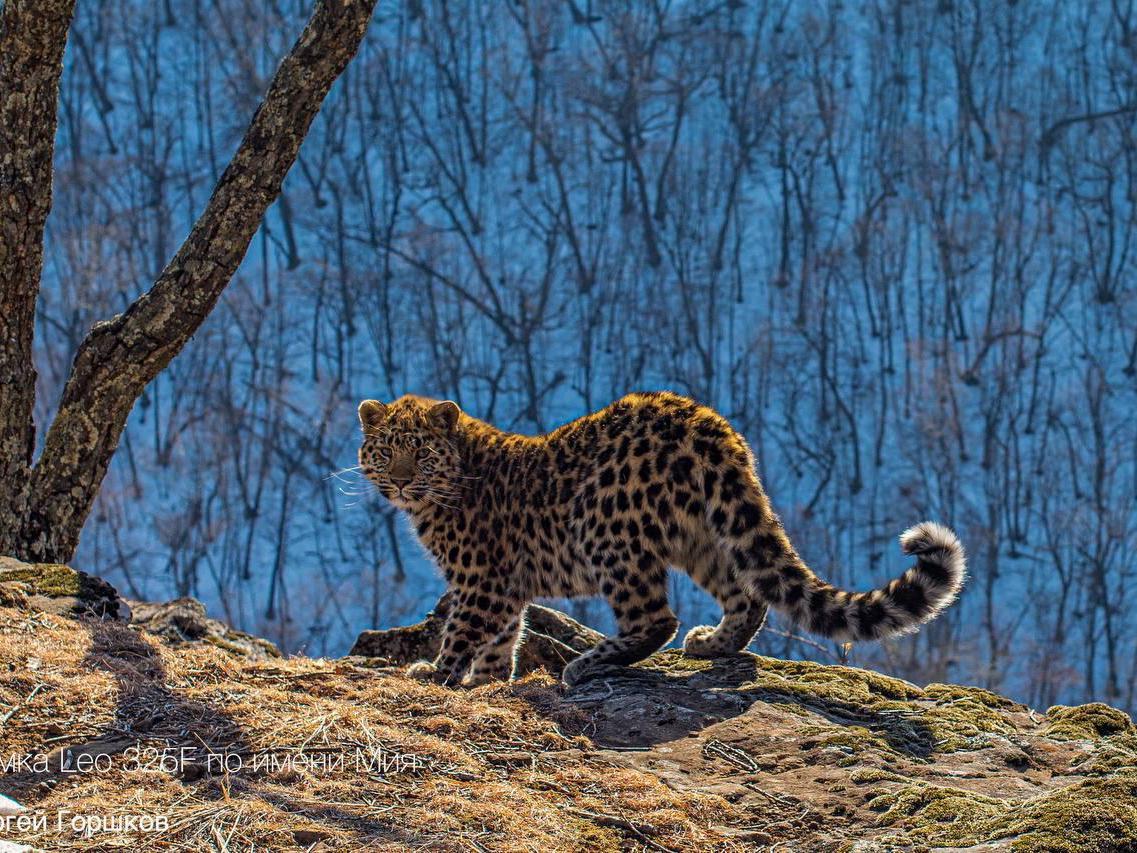

A young female Amur leopard named Mia has become a record-holder for the number of photoshoots in the Land of the Leopard National Park in Primorye. In her short life, she has participated in more than five professional shoots, according to the national park«s press service.
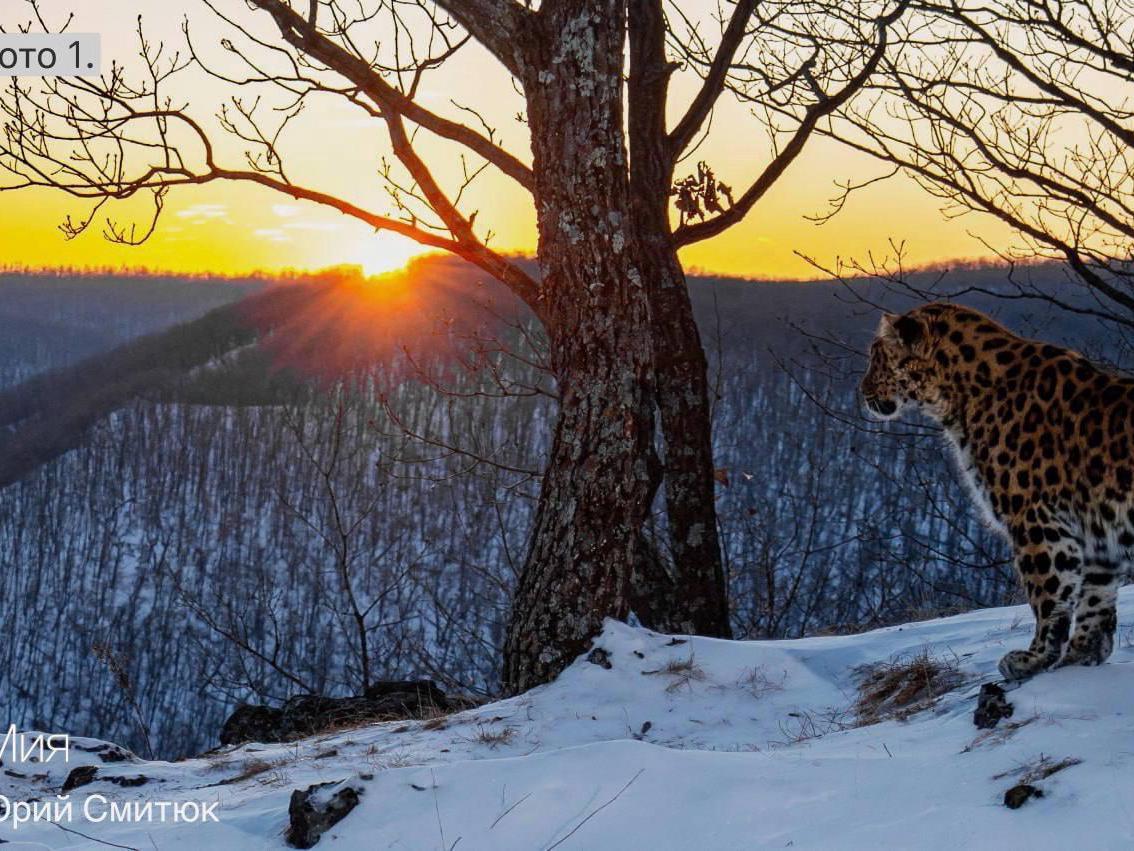
This time, she was captured by photographer Yury Smityuk: he photographed the pensive, spotted model against a winter landscape in the rays of the setting sun.
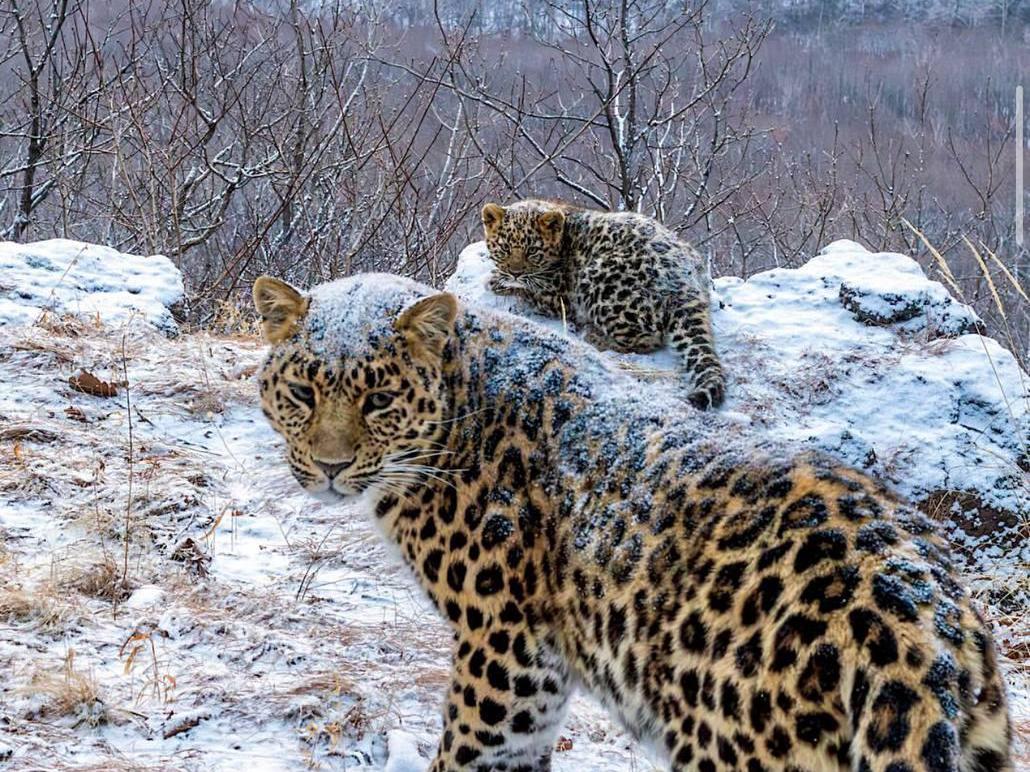
Mia first appeared in photos when she was a kitten. Along with her mother and brother, she posed on a rocky cliff, and later, as she grew up, she was photographed near a cave.
A year later, Mia disappeared from view, but it soon became known that she had become a mother. German photographer Sascha Fonseca photographed her small cub next to her.
In addition to photographers, the park«s inhabitants are daily recorded by camera traps. The name Mia was chosen jointly with the company Greenway Global, the Leopard Guardian. Partners and clients of the company proposed their name options and voted for the best ones on social media.
The Amur leopard is one of the rarest animals in the world. In the early 2000s, there were about 35 of them. The establishment of the Land of the Leopard National Park and successful protection of the territory have significantly increased the population. Effective anti-poaching, fires, the growth in the number of ungulates, and environmental education of the population have been key factors that contributed to tripling the leopard population. Today, more than 120 individuals live in the park.