Blind Johnny and Granny Rimka: Horse Rescue in Tyumen
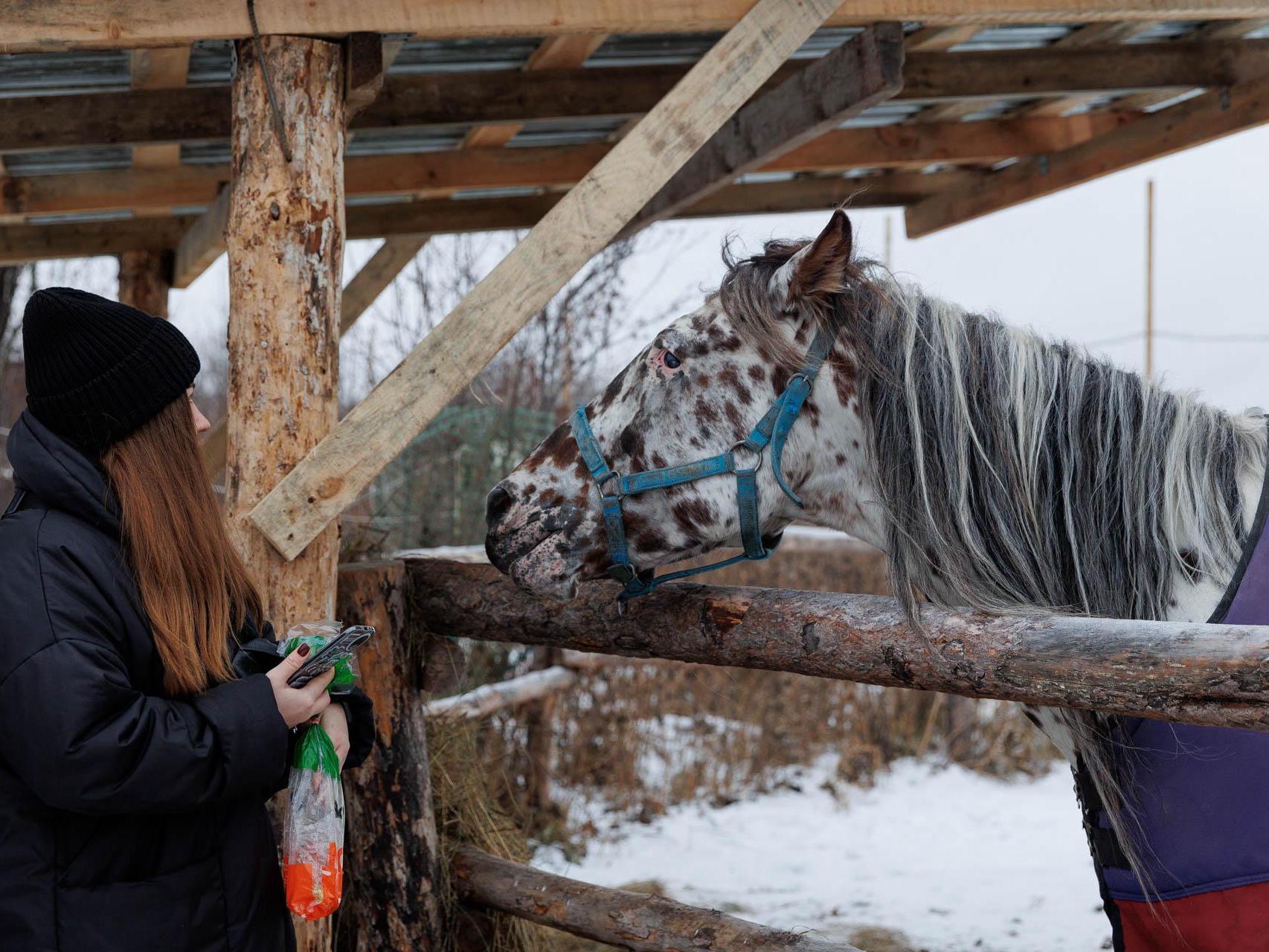

Not far from Tyumen in western Siberia, in the village of Gorkovka, there is an unusual place—the «Red Horse» animal assistance center. Here live horses, cats, and dogs, each with its own story, and some—a second life thanks to the care of volunteers. This center is not just a shelter. It is a space where love for animals, sport, and work come together, and most importantly—the belief that every living being deserves a dignified life and old age. How horses, cats, and dogs coexist on one territory—in the material from 72.RU.
Instead of a Pension—to the Slaughterhouse
The «Red Horse» center did not come out of nowhere: its founder Svetlana Kolmogorova worked as a veterinarian and for a long time saw how animals were left without help. Over time, new horses began to arrive to her, which for various reasons could no longer work or be kept by their previous owners. Thus, the idea was born to create a full-fledged charitable center that could help animals.
The center itself received its name in honor of the fiery red horse Priboy, whom the woman once saved from the slaughterhouse. He lived a long life and died of old age just a year ago.
— In the past year I made the decision that I needed a charitable organization to officially attract volunteers and collect donations, because earning money for all the animals on my own is practically impossible, — says Svetlana. — Very many animals had accumulated whom I provided assistance as a veterinarian, but that was not enough. Some animals stayed with me for a long time because they needed to be placed elsewhere, but opportunities for that were not always available. And horses that were put out of action due to age or injuries remained here, and I understood that they could not be abandoned.
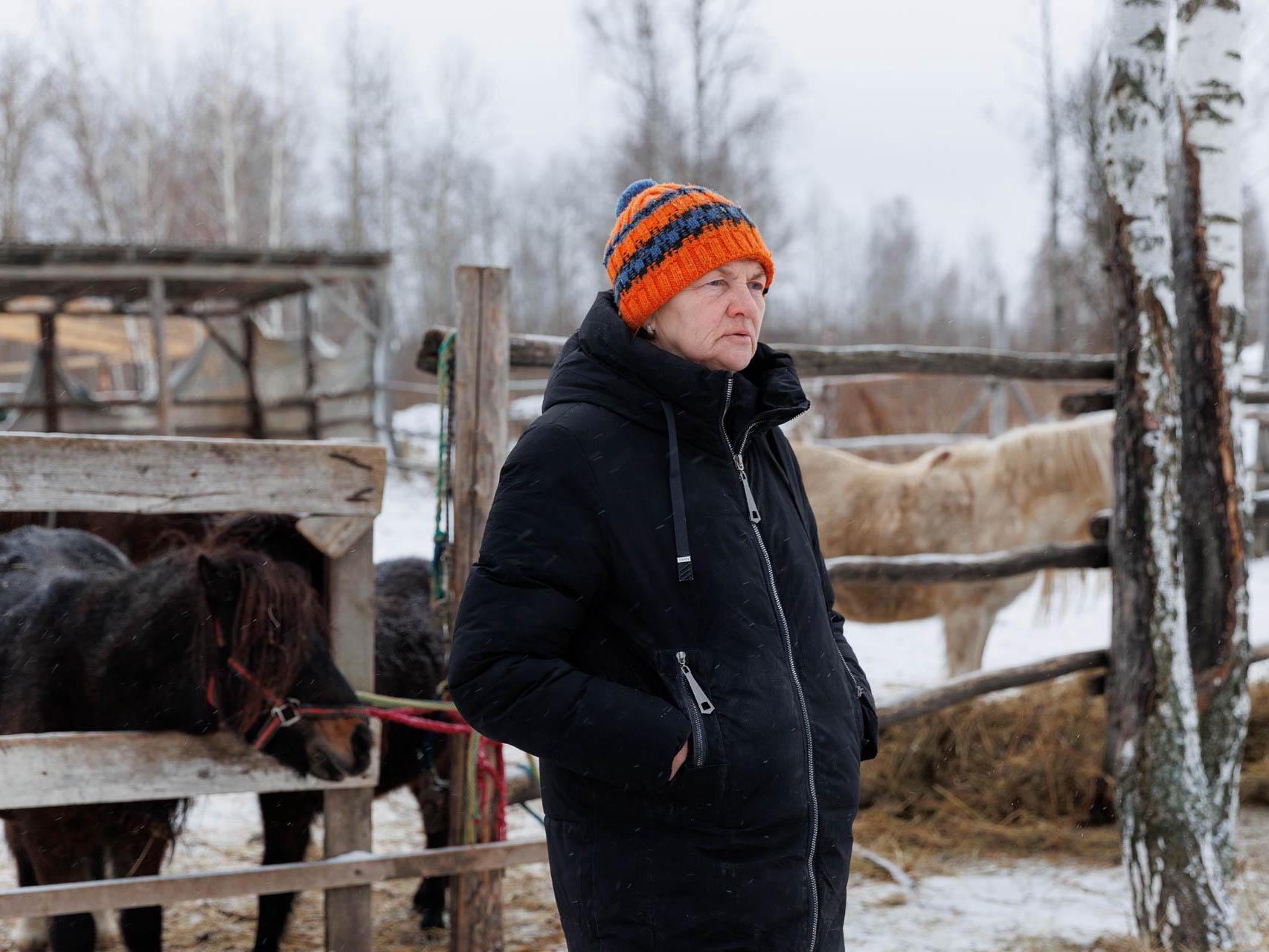
Svetlana recounts that her love for horses began in childhood. The woman seriously engaged in equestrian sports. Despite the fact that her parents did not encourage their daughter«s hobbies and wanted a more understandable and stable job for her, Svetlana chose the path of a veterinarian.
— Back then equestrian sports were funded by the state. We didn«t have to think about feed or saddles, everything was provided, — recalls Svetlana. — It always upset me that old horses were taken away somewhere. Later I learned—to the slaughterhouse. Sometimes people collected money and bought them out, but those were rare cases. Now the situation has changed: responsible owners provide horses with life until the end, but there remain those who cannot cope with the costs. These animals come to us, and we do everything to make them well.
15 Thousand Rubles a Month for One Horse
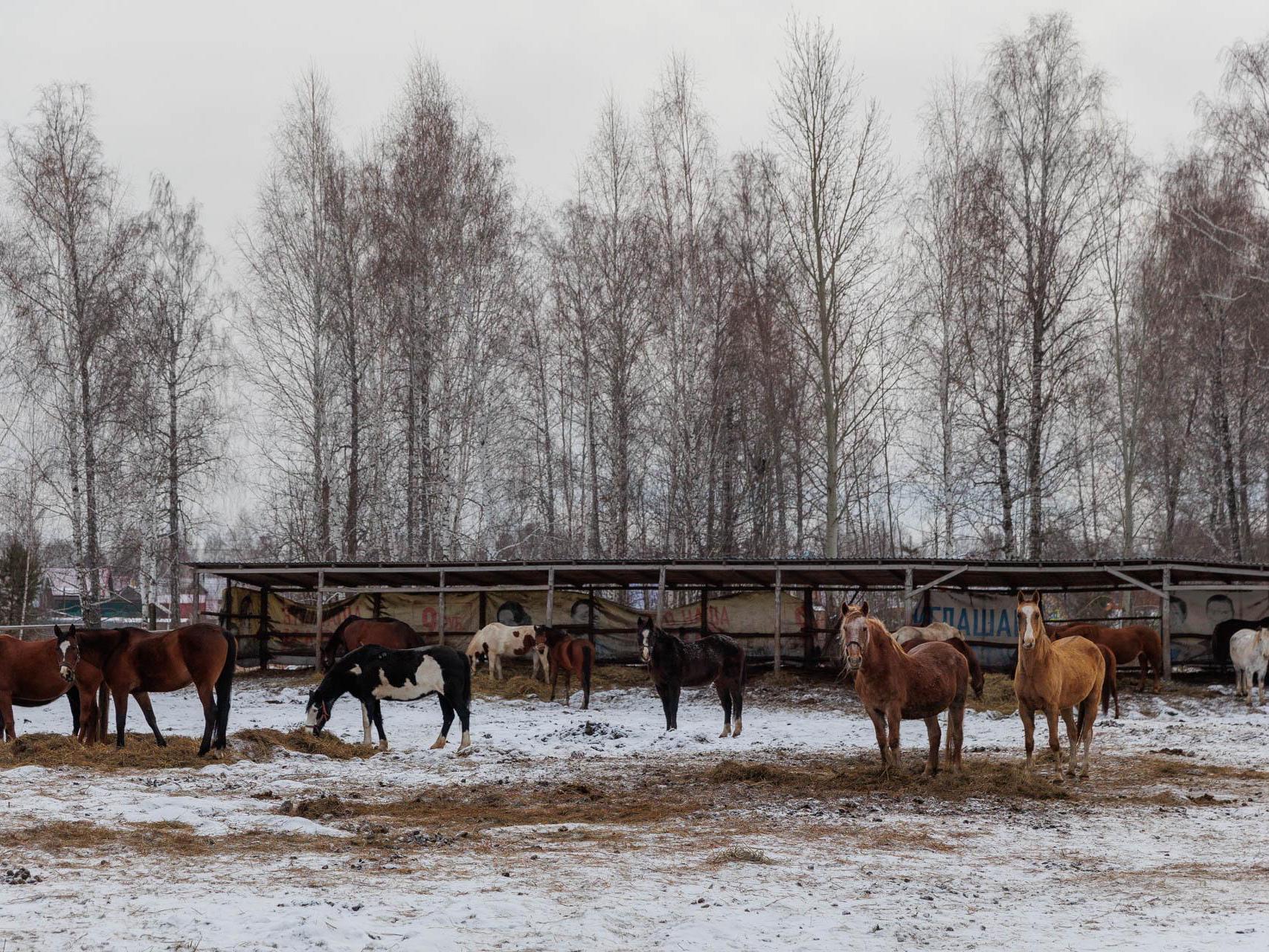
Today the center houses about 80 horses. Among them there are sport and leisure horses, and there are real pensioners who, alas, cannot support themselves. The horses are divided into several categories: part belong to the owner of the territory, part are kept by athletes and private owners, and approximately fifteen heads are fully supported by the center.
Each horse requires not only care but also constant attention, veterinary control, special nutrition. The cost of keeping a horse without unforeseen expenses is about 15,000 rubles per month (approximately $170 at current rates), and if additional feed and treatment are needed, the amount can increase by at least another six thousand rubles (about $70).
— Keeping a horse is a serious financial burden, — explains Svetlana. — And it«s not only feed and treatment, but also care, walks, and training. We have horses that are completely dependent on the center, and we try to provide them with everything necessary. Volunteers help with cleaning, feeding, walks, and care for the animals, but the main burden lies on us. We try to maintain the animals in decent conditions despite the difficulties, and we understand that without help we simply cannot exist.
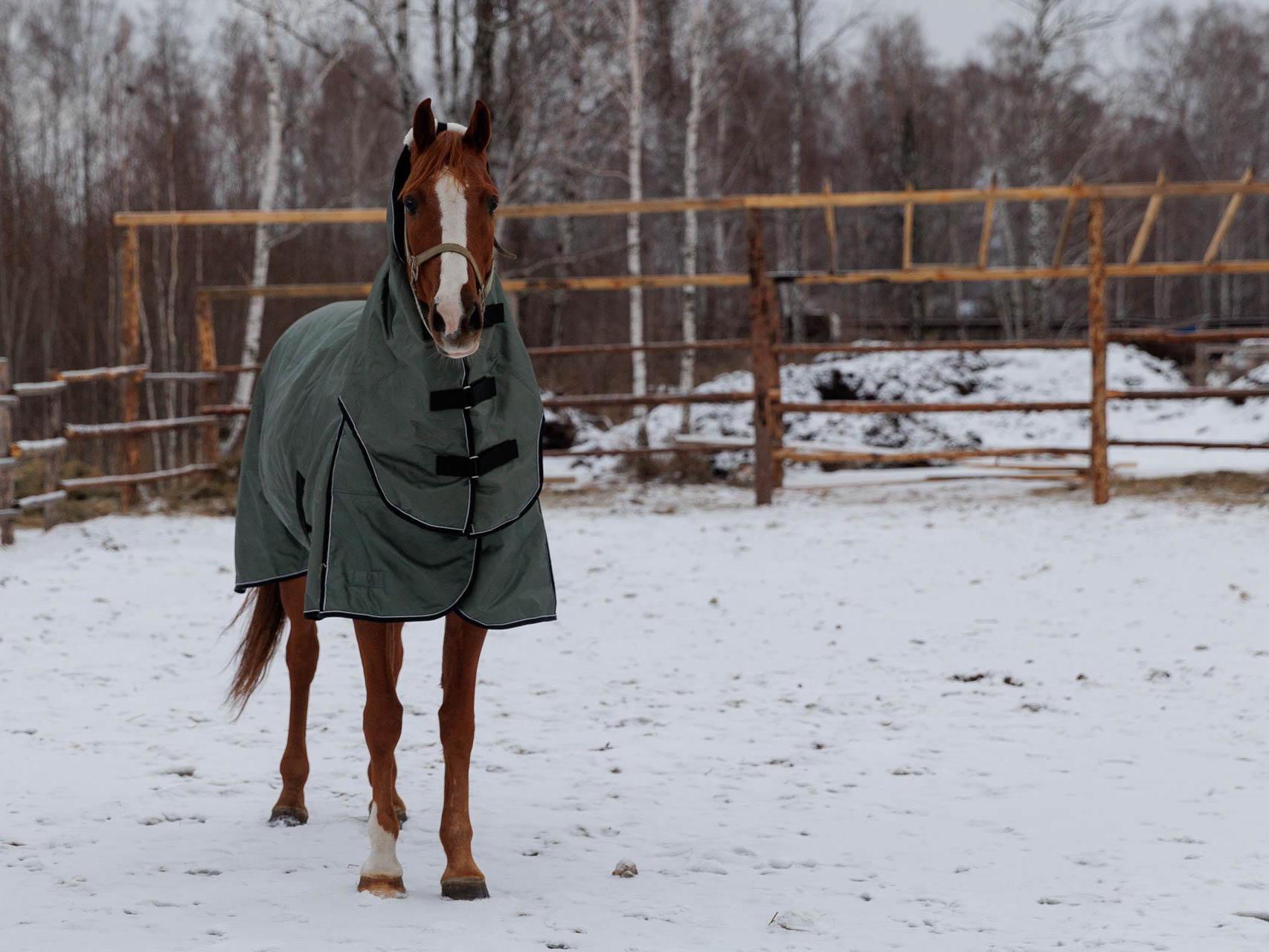
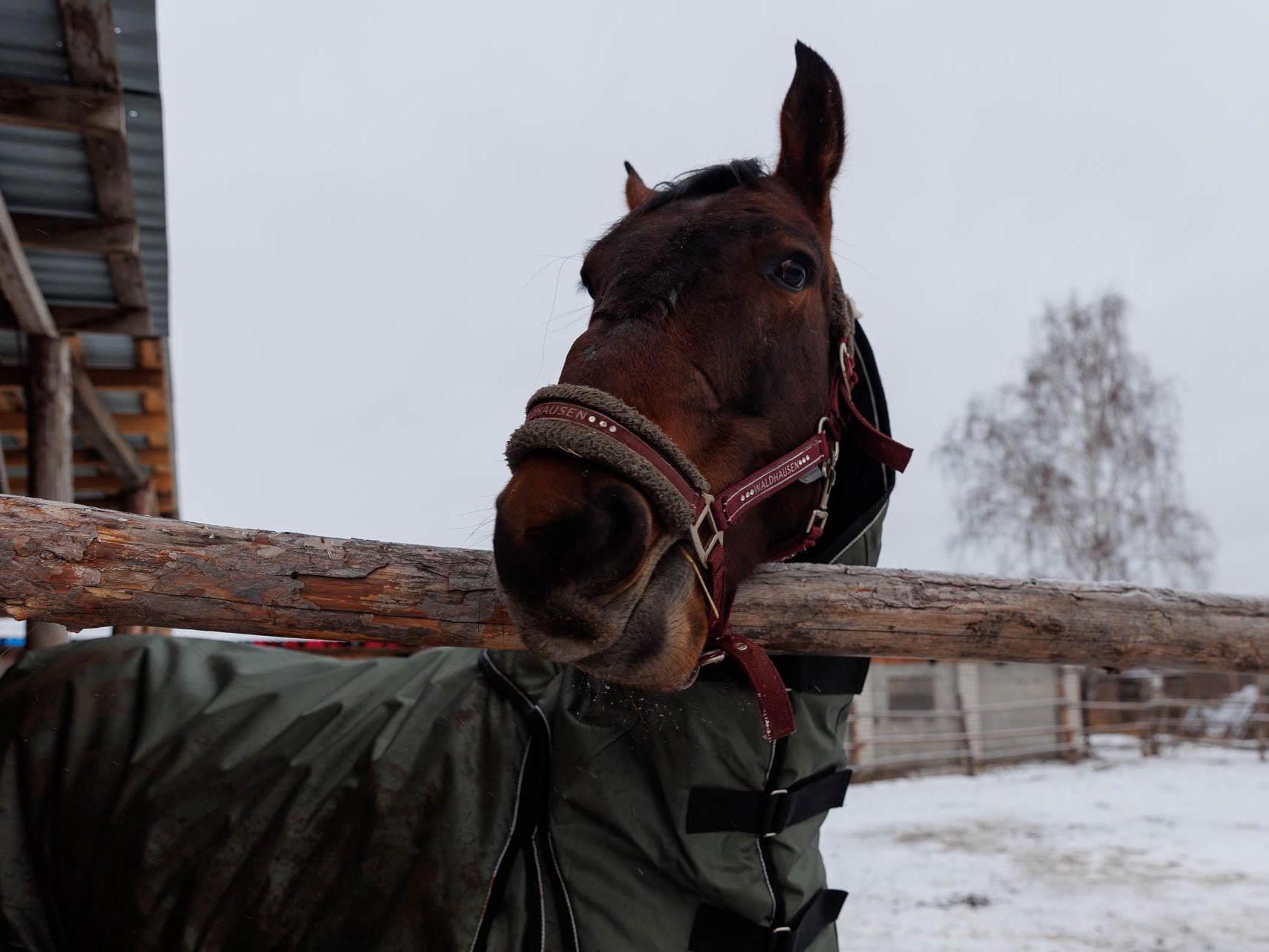
Over recent years the center has grown not only in numbers but also in infrastructure. Here, pens, sheds, arenas have been equipped, there are small premises for volunteers and staff. All this is created mainly by one«s own hands with the help of people who are ready to help. In summer the center actively works with children and organizes horse rides, and in winter, when weather conditions do not allow safe conduct of classes, visits have to be limited.
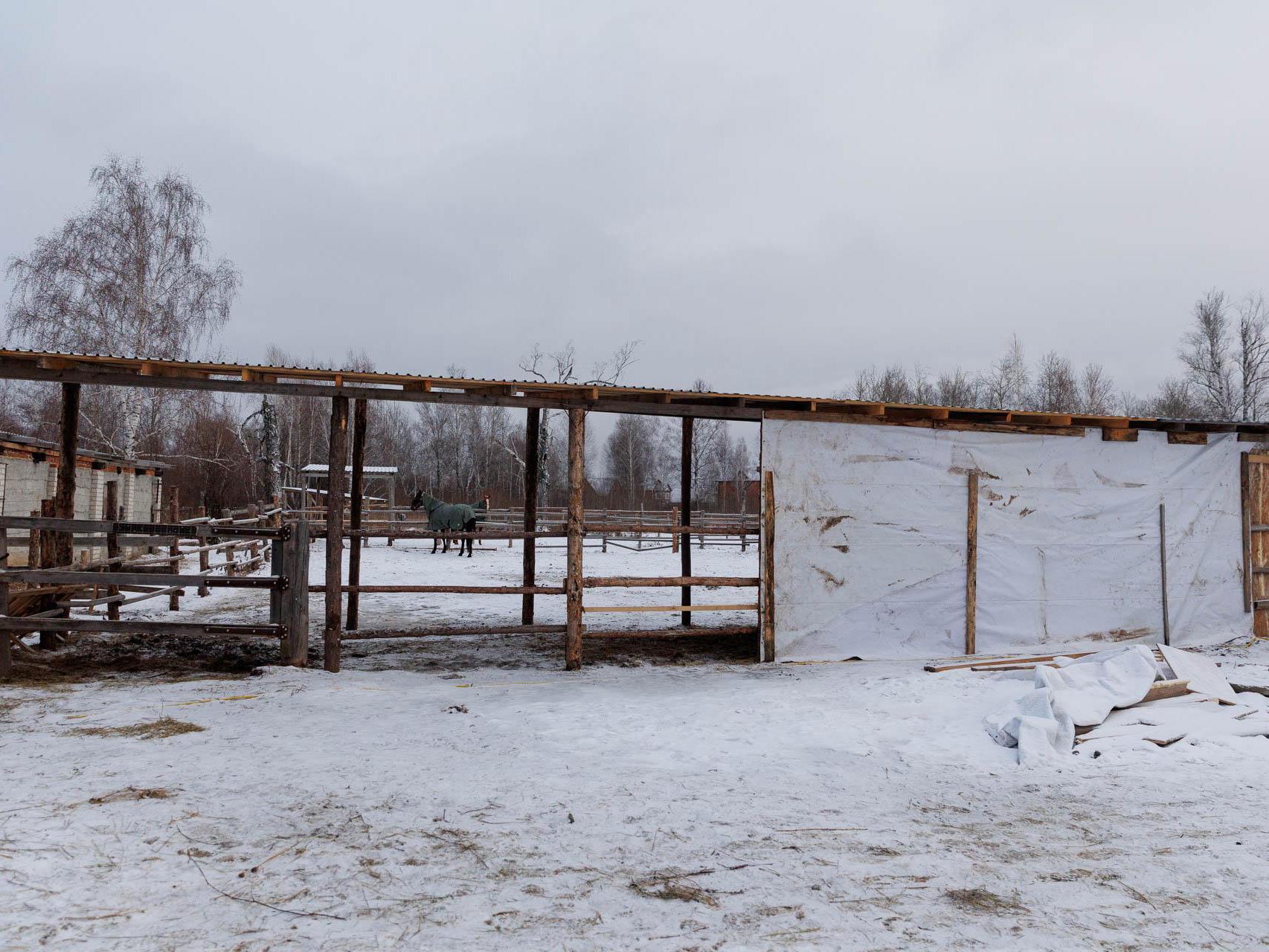
At the same time, earnings from rides only partially cover the expenses for keeping the animals, so the help of benefactors remains vitally necessary. In winter the work is especially hard. Rides and training are limited by weather conditions, income decreases, while expenses remain.
— Our arena is small, — says Svetlana. — And when many people come for rides, we can«t always accept everyone. Besides, for several years in a row there have been hay crop failures, and feed prices have risen sharply.
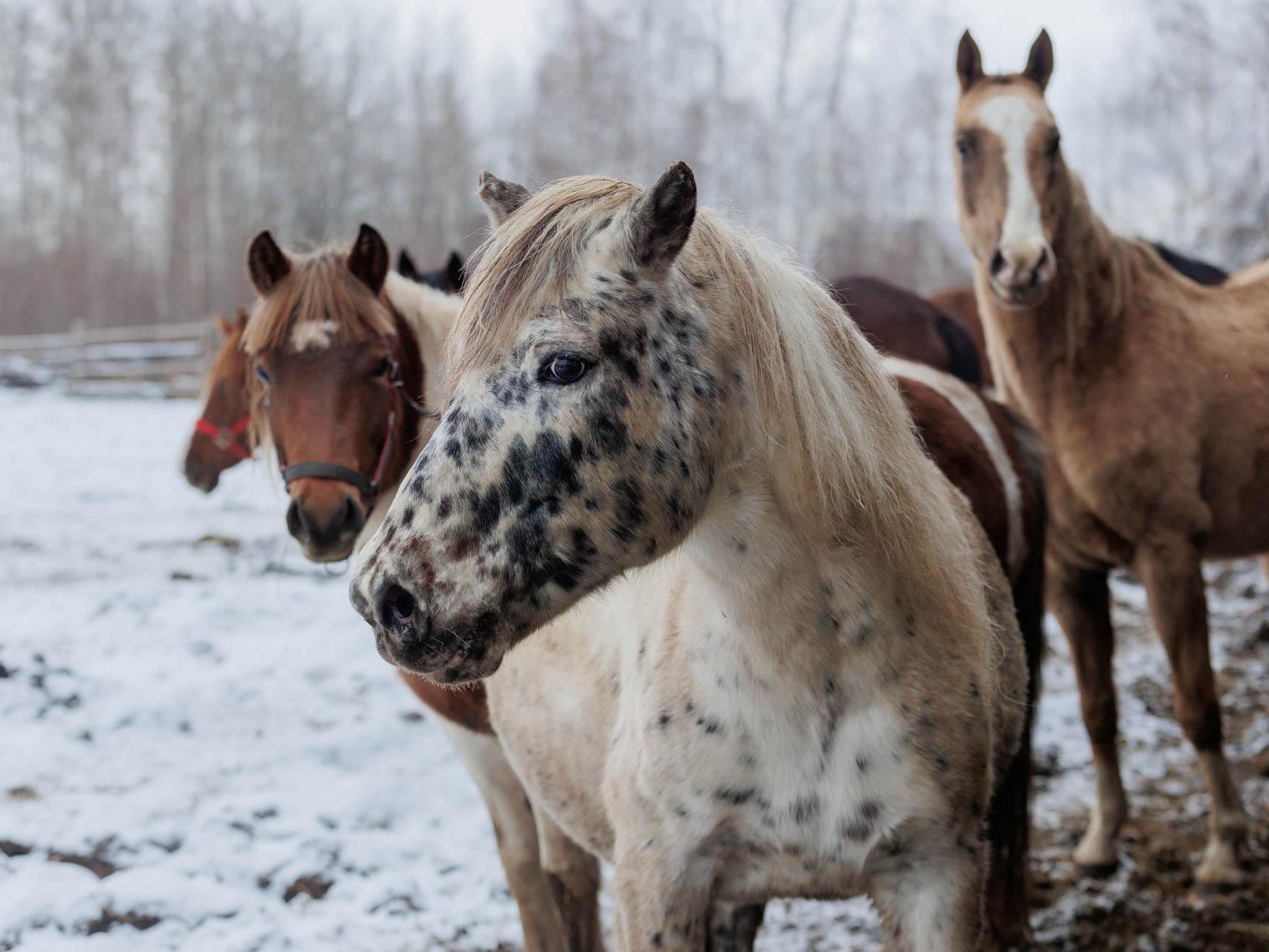
Residents of the Yard
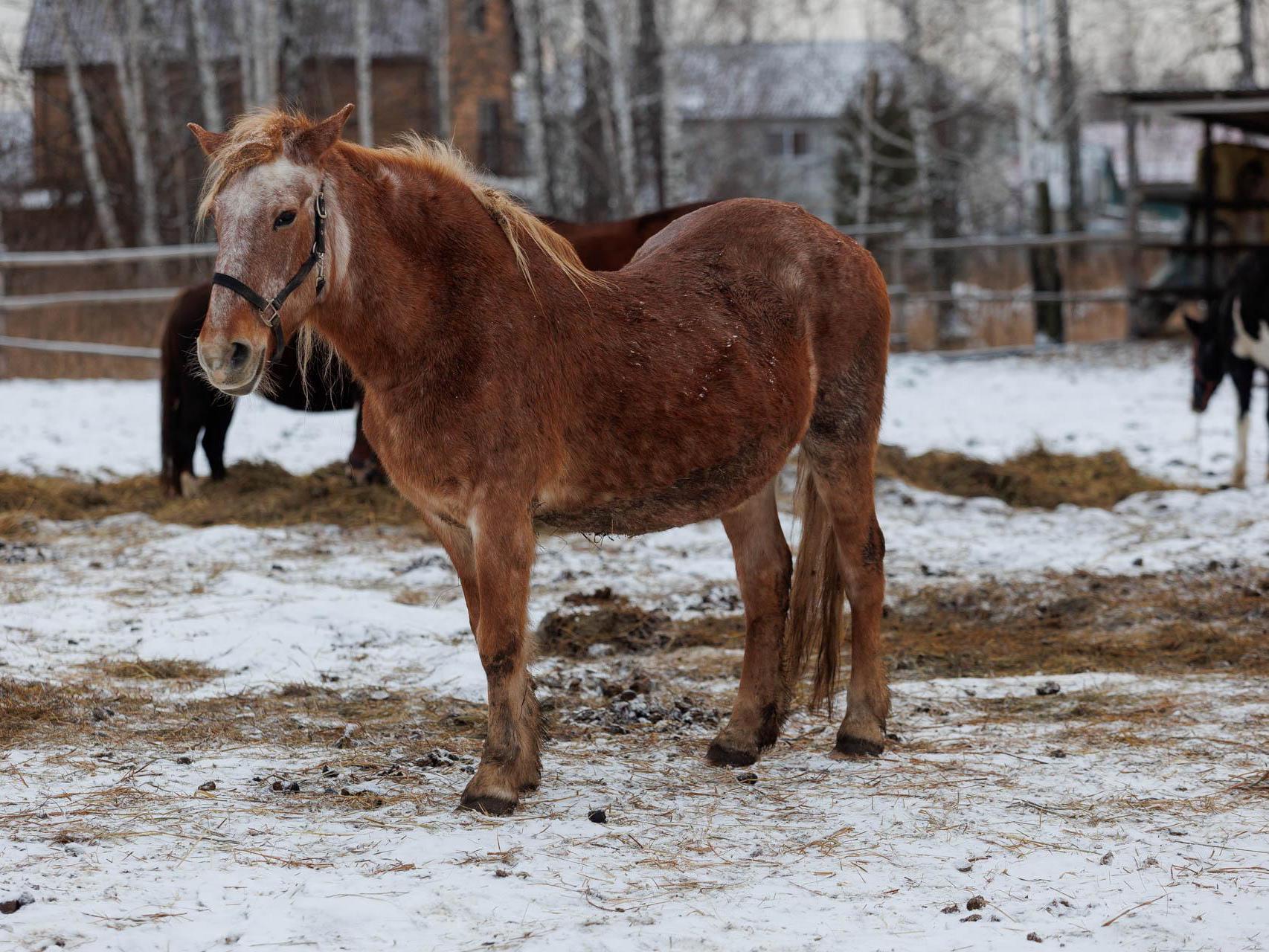
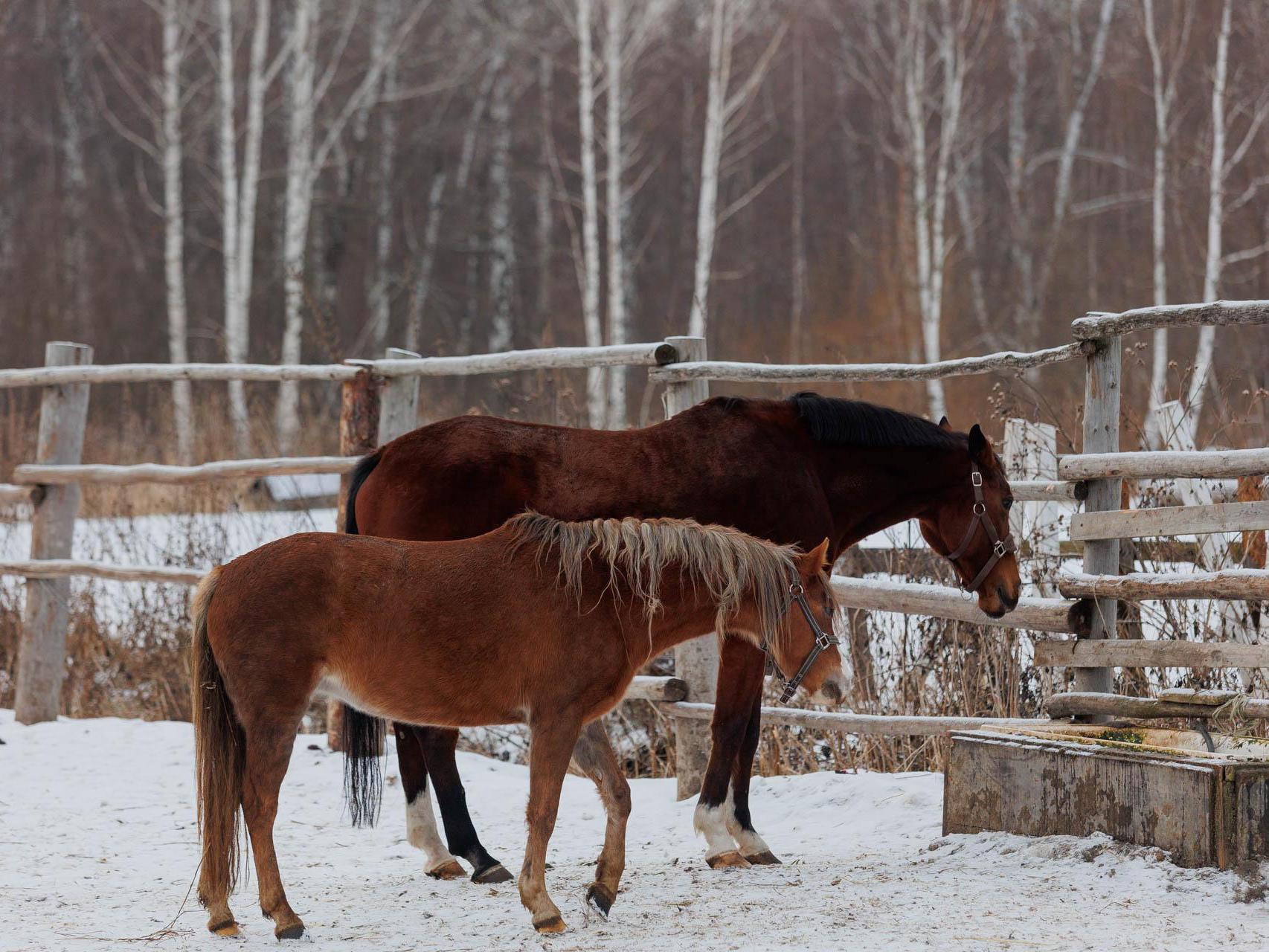
Among the old horses there are true veterans of the center. Each of them has its own history, its past, and its character. For example, the mare Rimka—one of the oldest residents. She is over thirty years old, almost all these years she has been with Svetlana. Rimka was once red, now her graying head and shiny coat speak of age and wisdom. Despite her advanced years, the mare loves walks and attention, and her calm character makes her a favorite of volunteers and children who come for classes.
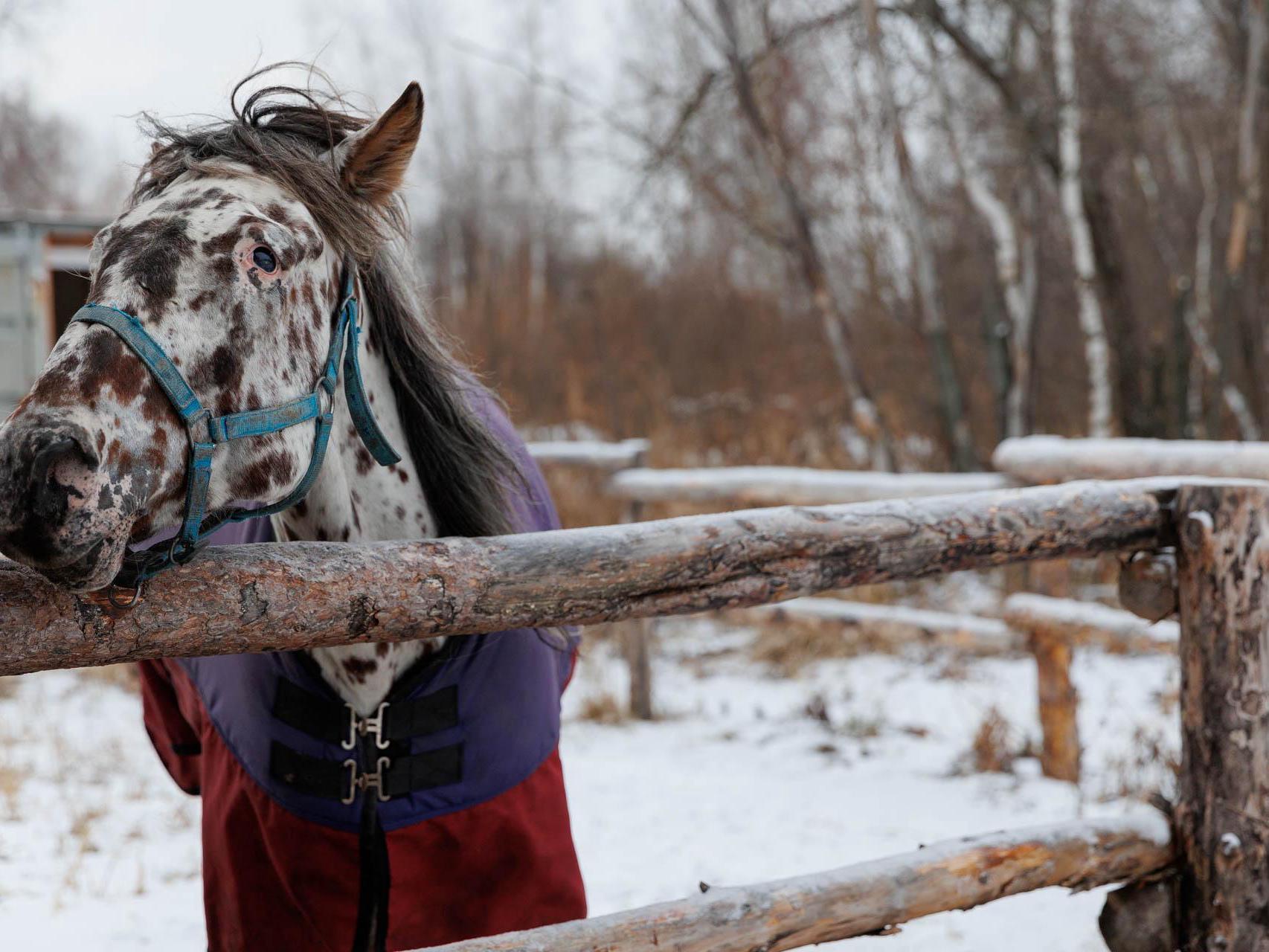
But old horses are not the only ones who need care. The center also has a former circus horse named Johnny. He was taken from Novosibirsk. When the horse arrived at the center, he could hardly see and suffered from arthritis in his hind legs, acquired due to incorrect loads. Now Johnny has his own pen without sharp corners and a shed so he can live safely. Families and volunteers constantly come to him, and Svetlana watches with trepidation that his health does not worsen.
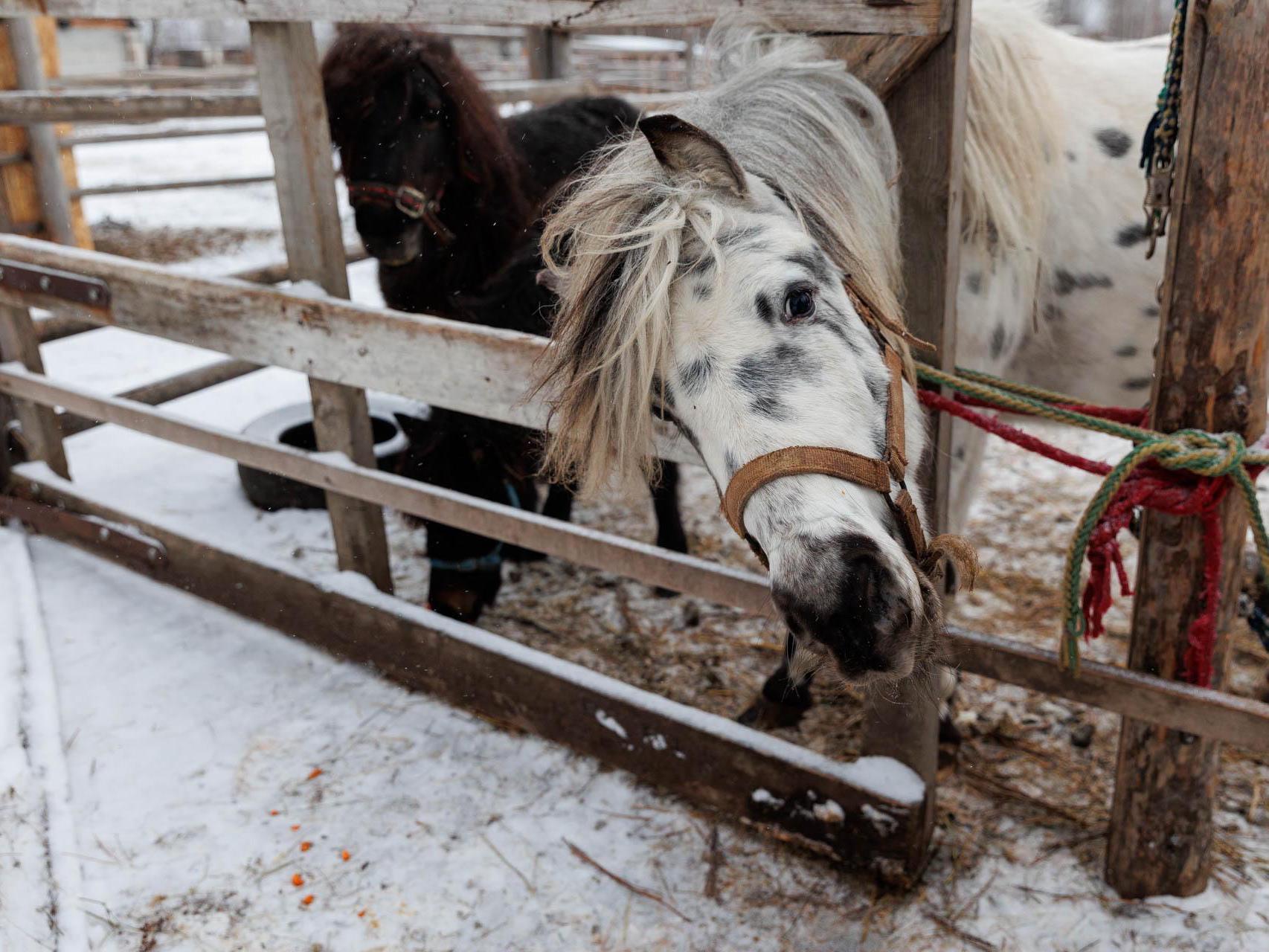
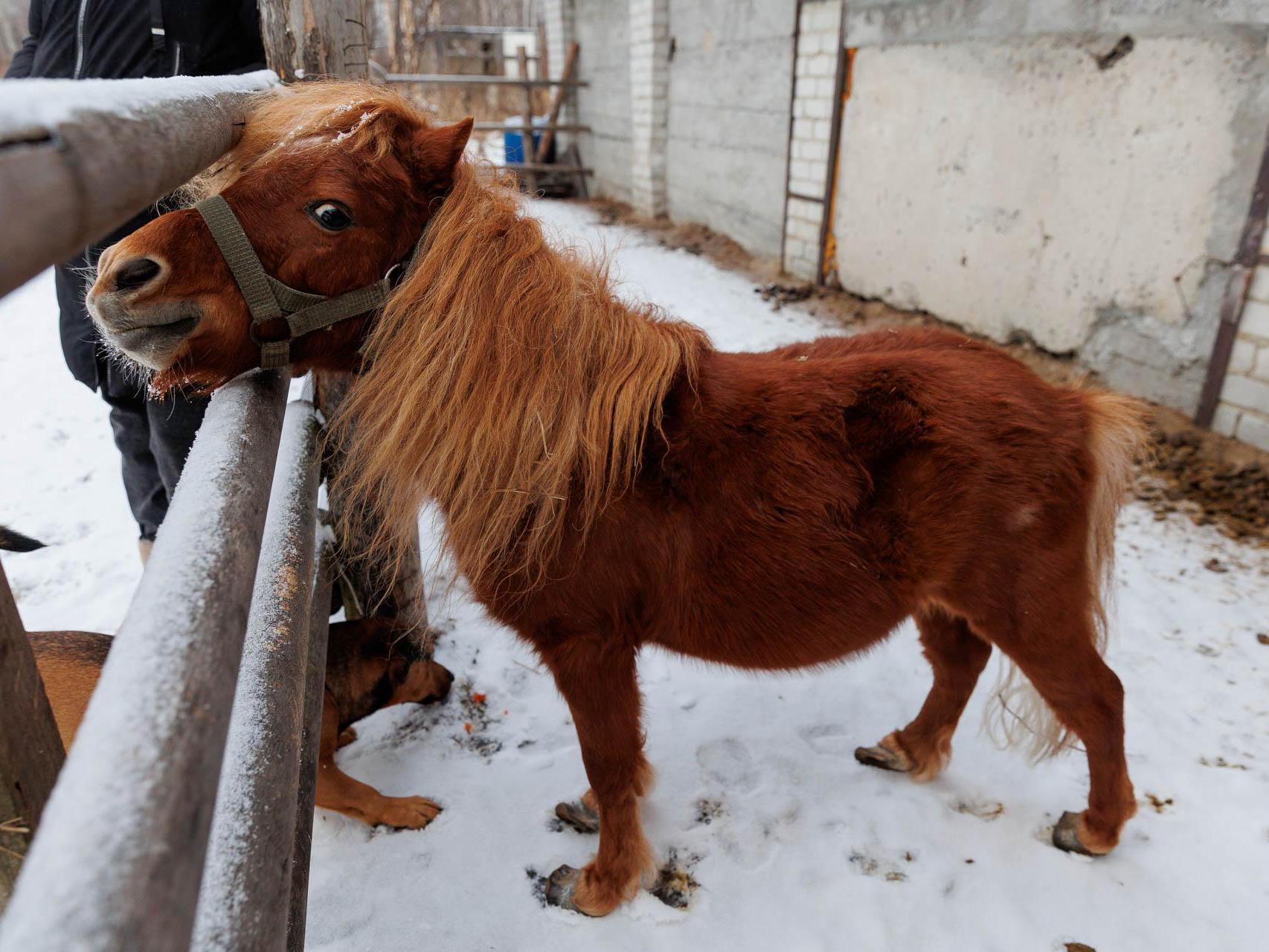
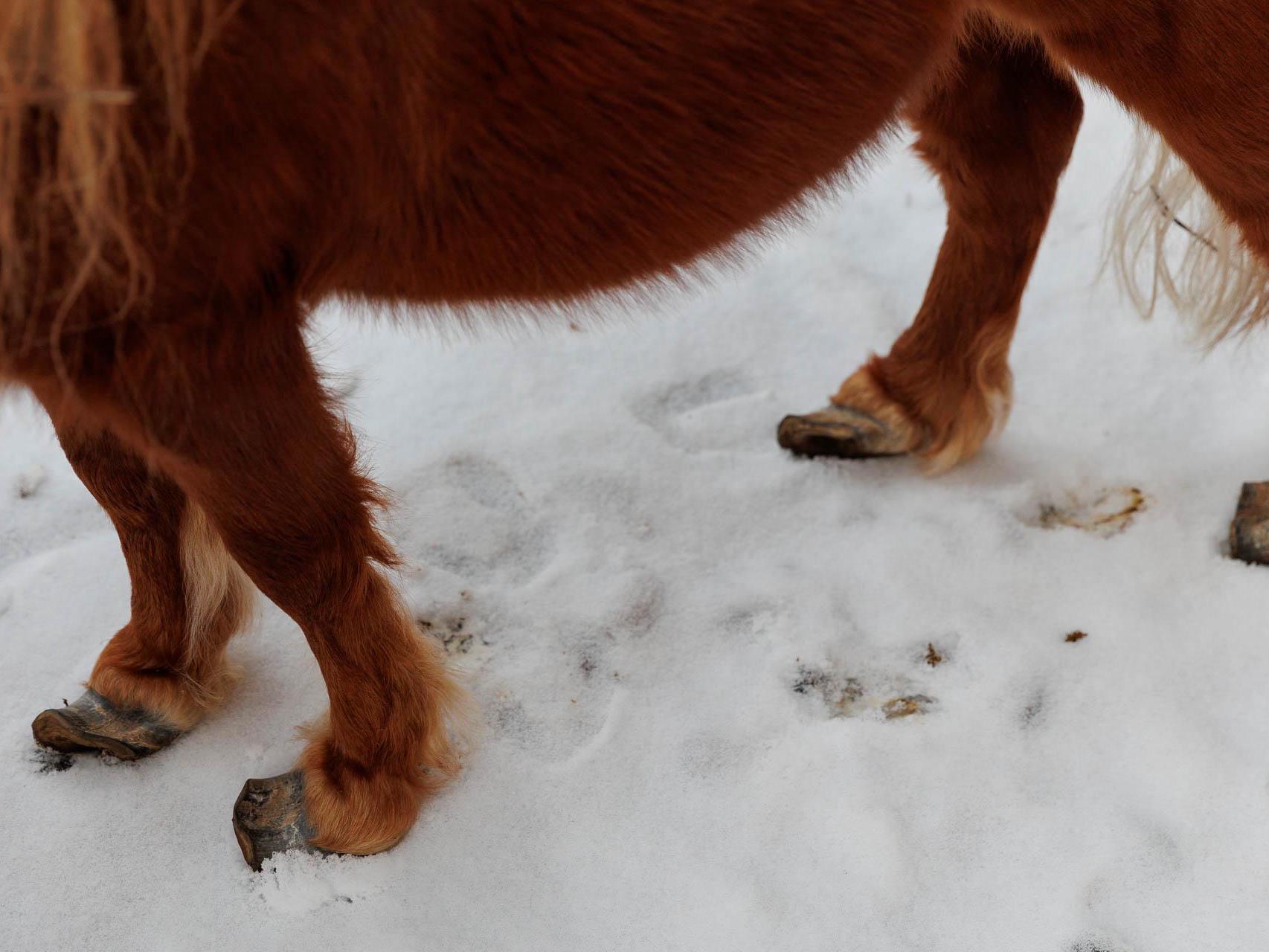
Another special but no less beloved resident of the center—the pony Baskin Robbins. This red little one was born with an incorrect hoof shape. He will never be able to earn from rides, but participates in photo sessions and introduces children to the world of animals. However, his defect does not hinder him from living and being a favorite of guests and staff.
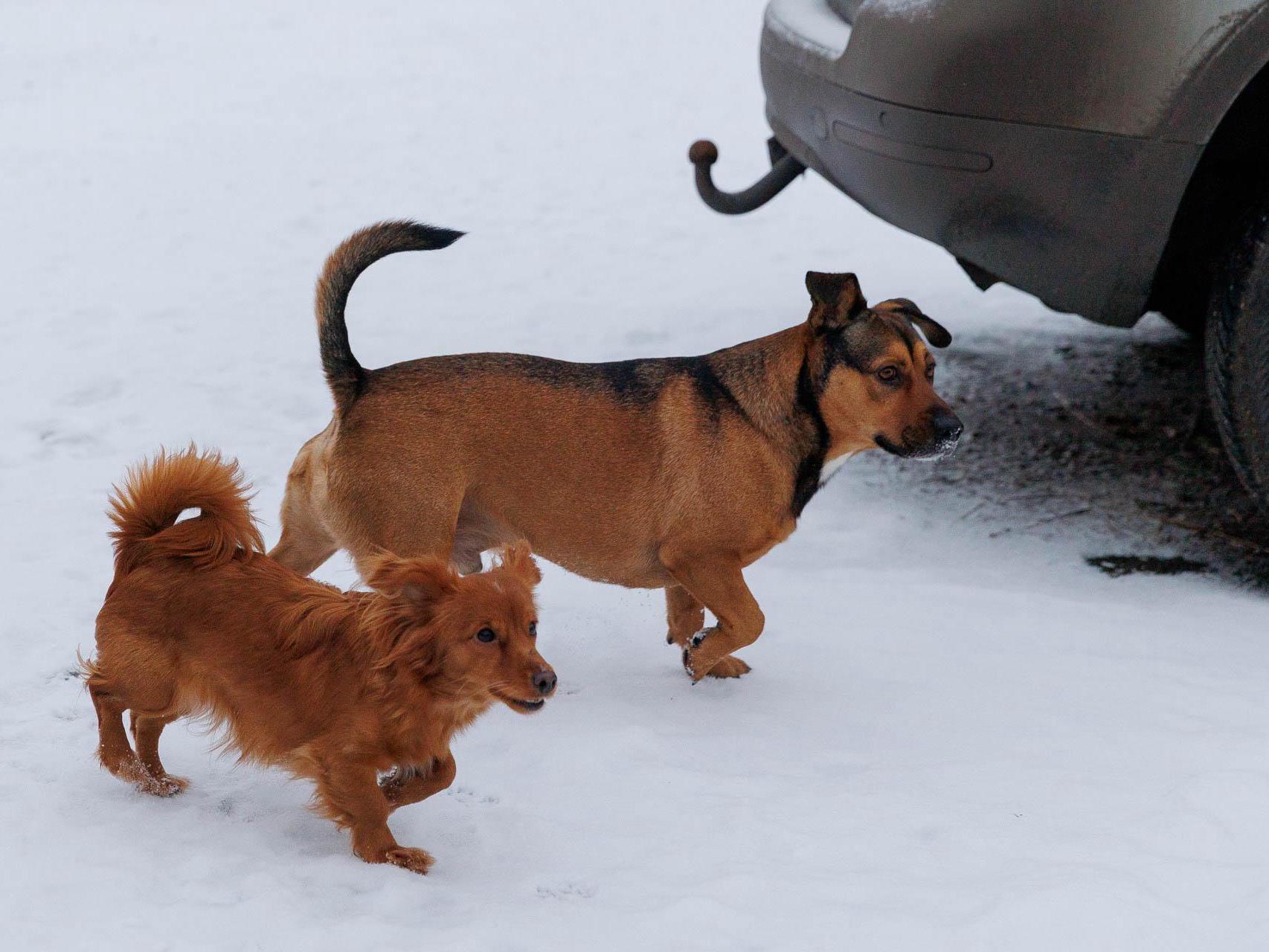
Not only horses live in the center, but also cats and dogs. Currently there are about fifteen cats and ten dogs here. Many of them were picked up from the street, sick or wounded, and have now found their temporary home here. Svetlana personally handles their treatment and monitors their nutrition. Volunteers help clean cages, walk dogs, and play with the animals. But finances remain the primary task.
— First and foremost we need finances, — says Svetlana. — Volunteers« hands come, but money for feed, hay, oats, veterinary drugs, and keeping old horses—that is what we cannot exist without.
Previously we told you about a private shelter for cats. Here, on the area of an ordinary two-room apartment, live about 60 cats. Another few dozen—in home foster care with volunteers. Nadezhda Rybalova, the founder of the shelter, recalls that it all started with one kitten found in the stairwell five years ago. And what happened next—read in the previous article.